Inspiration:
We took inspiration from other companies and their previous solutions to this issue, starting with Google's Google Translate (2006), and leading to Apple's Live Translation features on the newer generations of Airpods (2025).
What it does:
Our product acts as a mobile translation program, implemented onto a recording device, which can locally keep track of all your information and context in each conversation, to accurately and consistently provide translations and
How we built it:
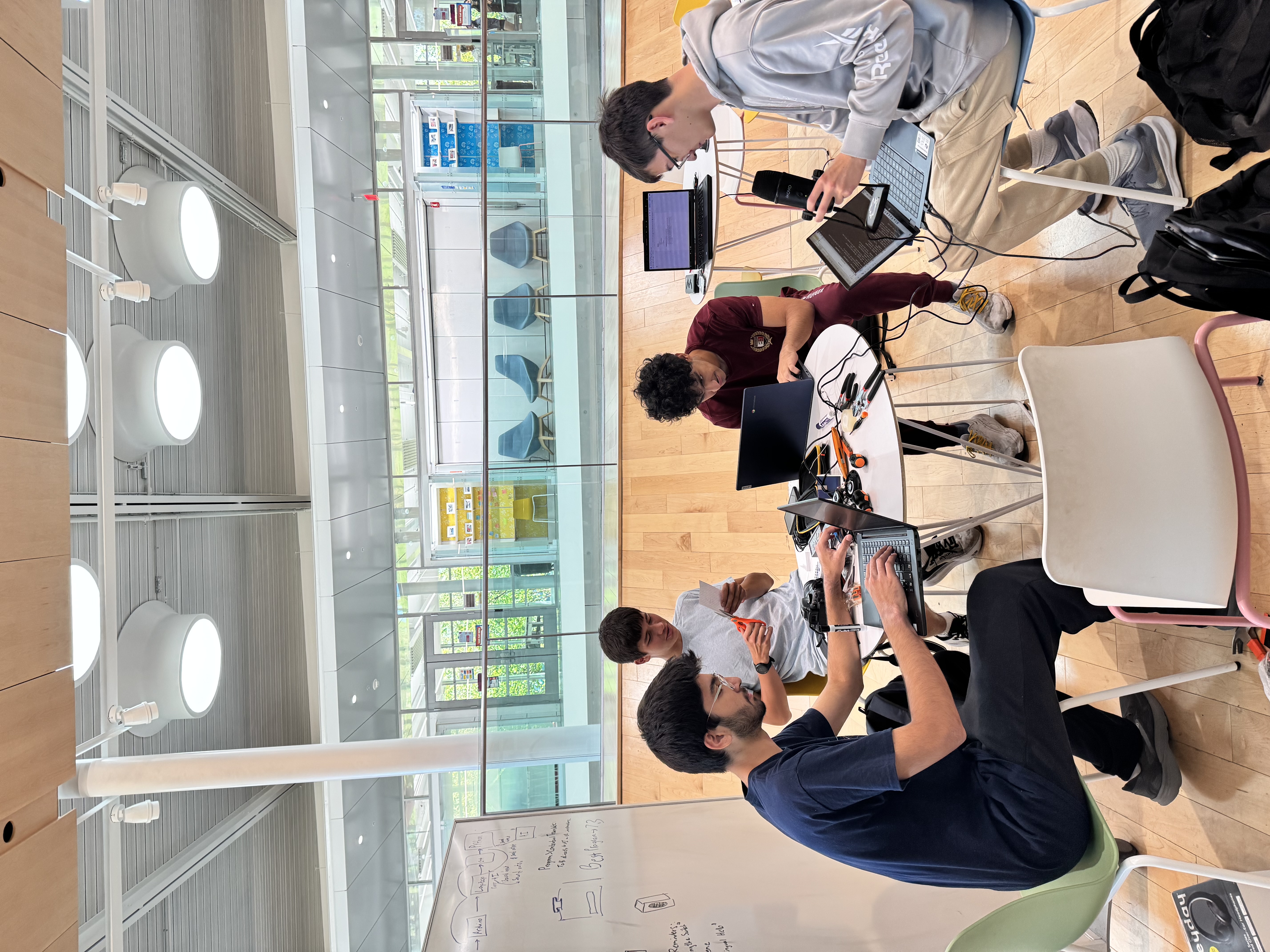
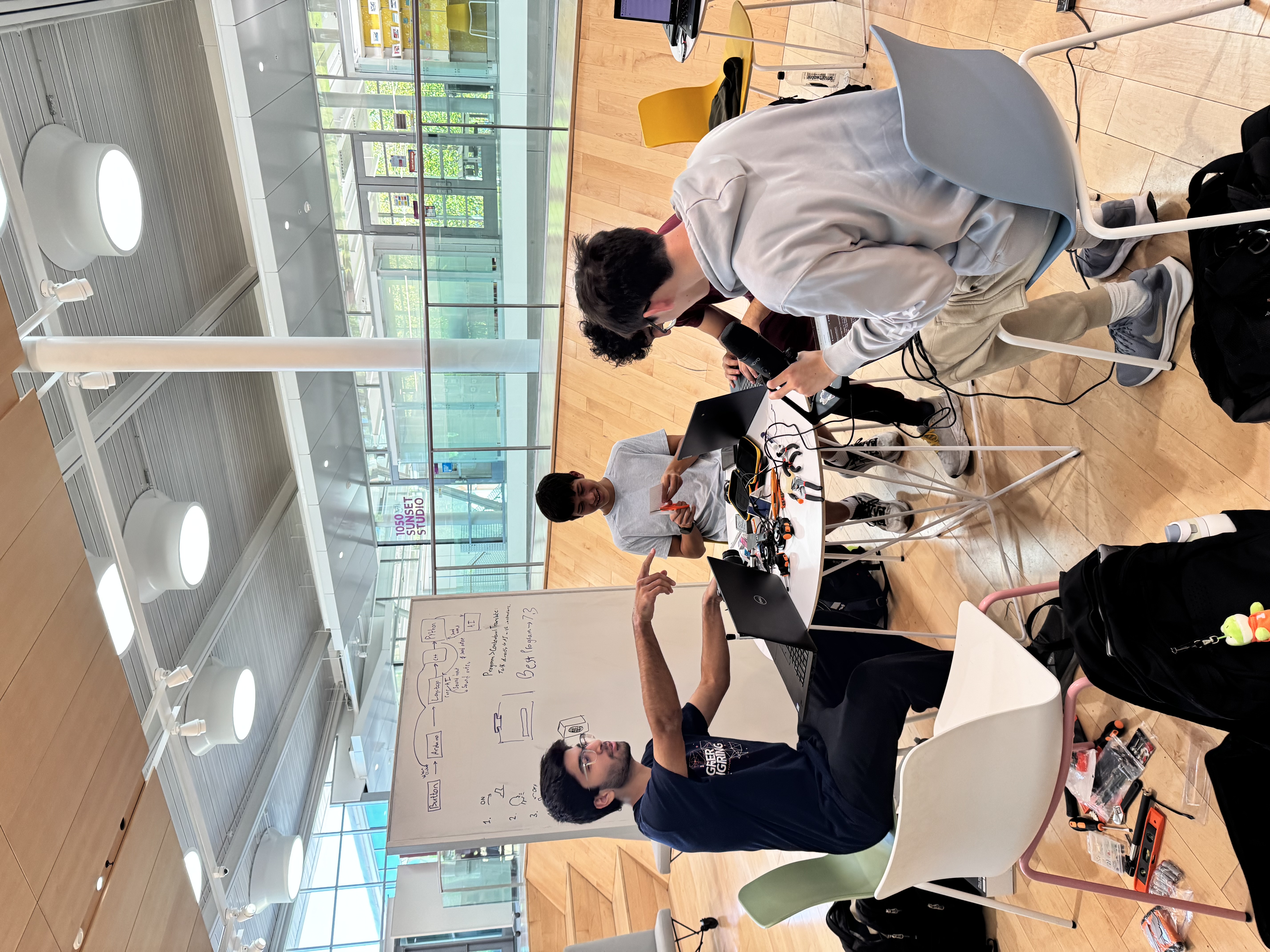
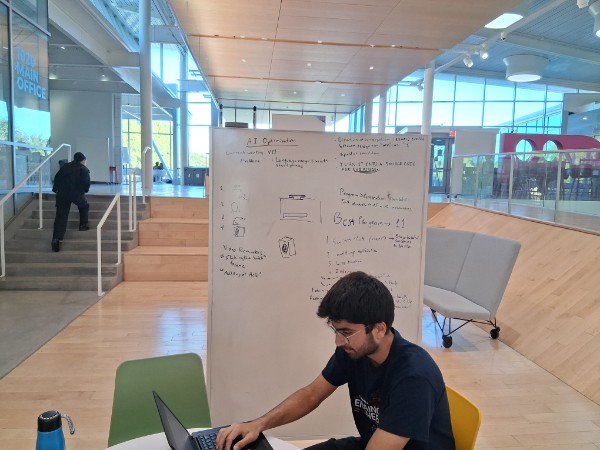
Digital-wise, we split and assigned the work to a primary editor of the application, who constructed and revised the program using Littlebird. The program was then assigned to translate multiple example phrases, naturally generated from the fluency of certain team members in other languages, and then was refined and prepared for final submission.
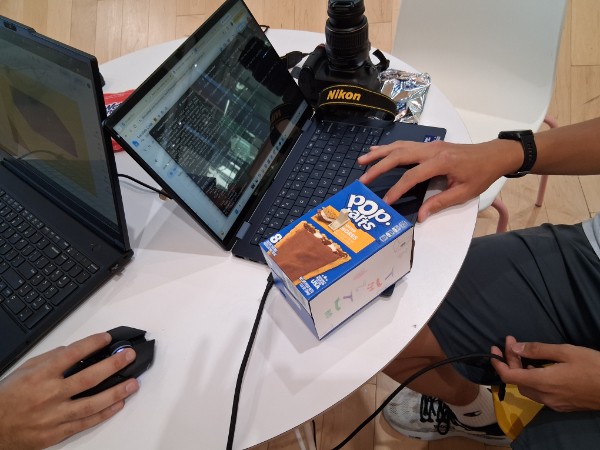
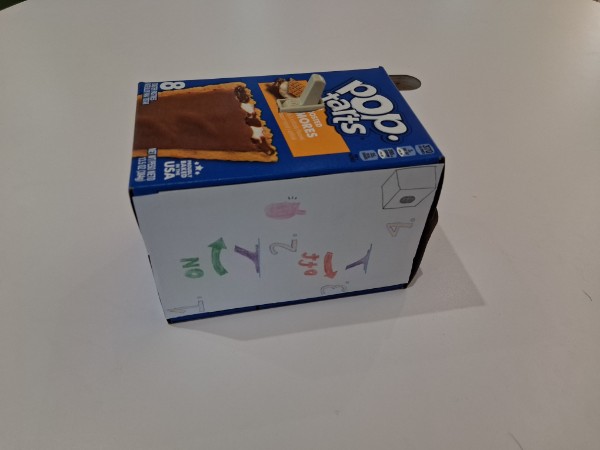
Physically, the box was originally supposed to be 3D-printed and custom built, but due to the strict limitations provided by the time limits of the competition, A Pop-Tart box that was previously finished during work was used to serve as the translator casing and the button housing.
Challenges we ran into:
Of course, there were small issues with fitting everything together in cleanly in the translator housing, but the most consistent issues we ran into consisted of issues with the program. Specifically, it had issues recognizing languages precisely at the start, and struggled with longer sentences and deeper contexts, which we prompted Littlebird to help fix. After it went through and resolved these issues, we then went on a while, further reprogramming it to help optimize translation times and accuracy, and reached our final product.
Accomplishments that we're proud of:
Of course, the first time we had it talk back to us was a very big accomplishment, since that meant it could recognize our voices, and understand the words we were speaking from our mouths. In fact, the first time this happened, the entire team immediately high-fived each other out of pure enjoyment.
What we learned:
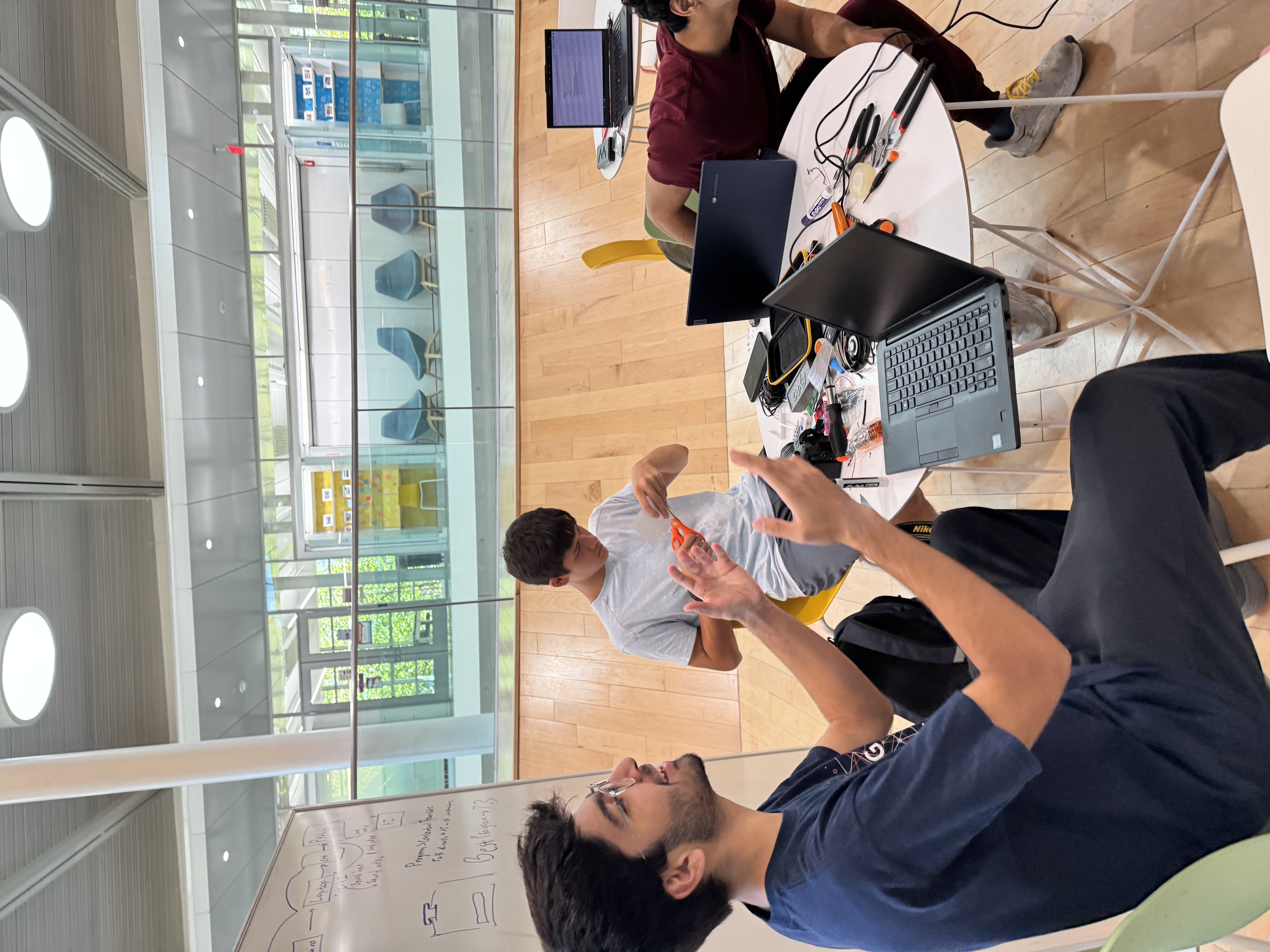
Through this, we learned the difficult lesson of proper coordination, since the team was actually somewhat unorganized at first, and for 3 hours of the project's start, it took us a while to even figure out where to start. We soon figured out how to look and create our own work for ourselves though, and as soon as this wave of revelation hit each member, we began forming an efficient and serious team.
What's next for Translato:
In terms of upscaling, Translato could see big improvements with world travelers, foreign visitors, working abroad, and an overall sense of world unity, and we want to see that. In order to reach this audience, we need to refine our prototype with investments to ideally design a final, standalone version that contains its own memory, and then we can expand into multiple fields of daily AI use, such as organizing calendars, performing research, and taking care of mindless tasks for the user, so that they can focus on what they need to succeed in their next ventures. By partaking in this expansion, we can establish a strong foothold in quality-of-life AI, that would lift us into other potential fields and applications.
Built With
- c++
- languages
- little-bird
- python


Log in or sign up for Devpost to join the conversation.