-
-
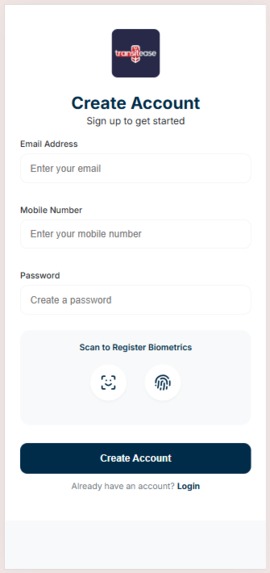
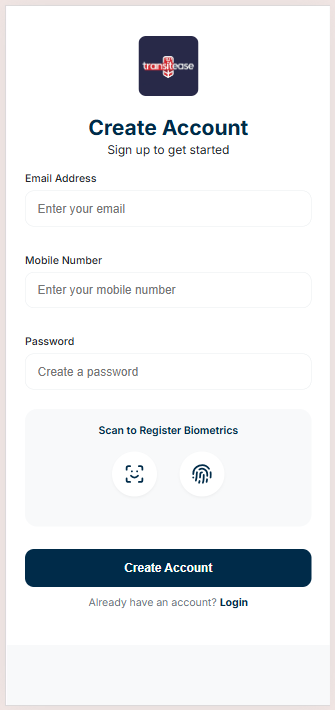
Sign Up
-
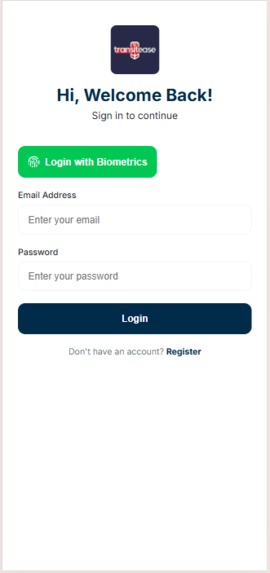
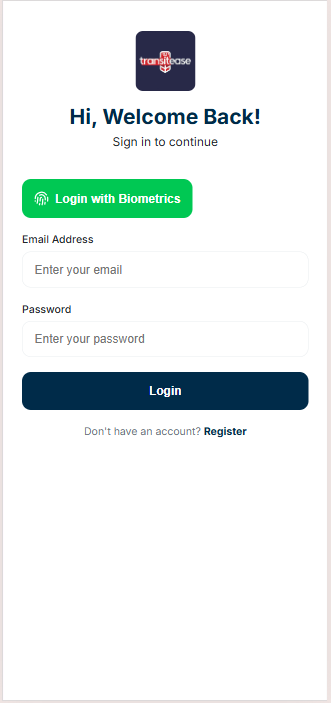
Sign In
-
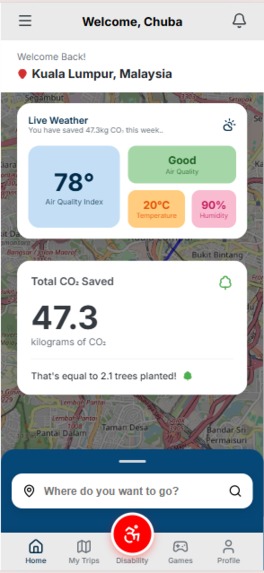
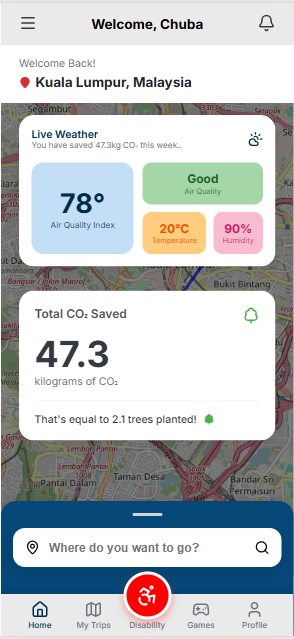
Home
-
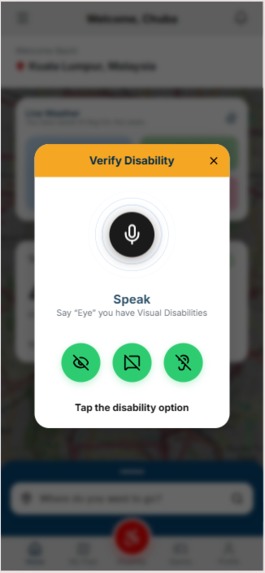
Change UI Accesibility Mode
-
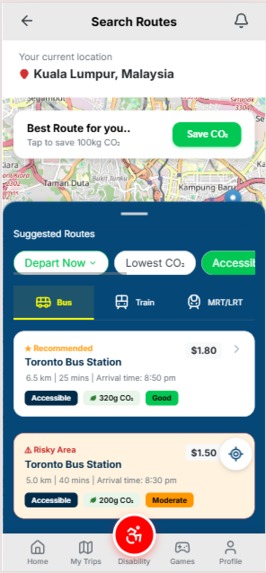
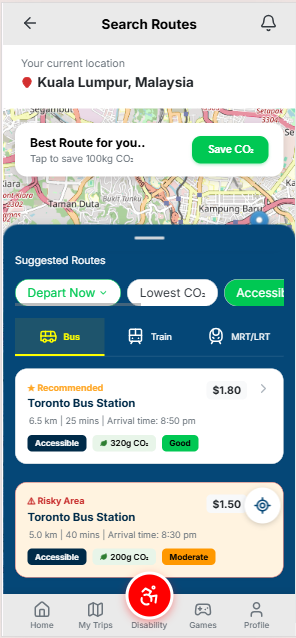
Bus
-
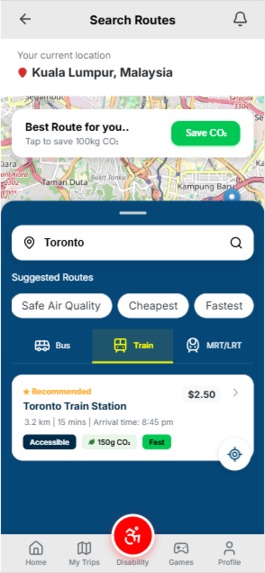
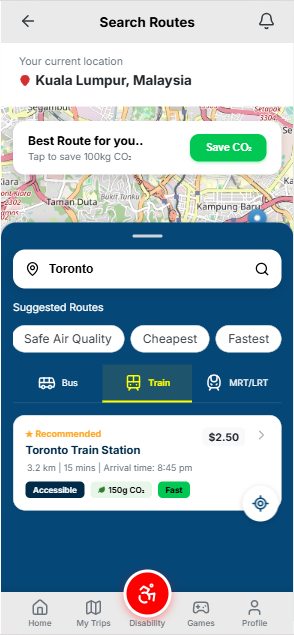
Train
-
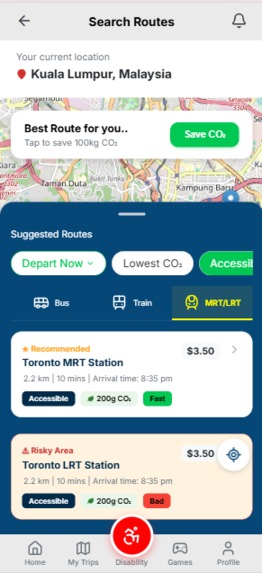
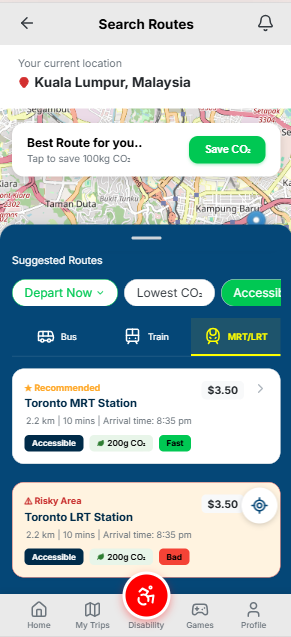
MRT/LRT
-
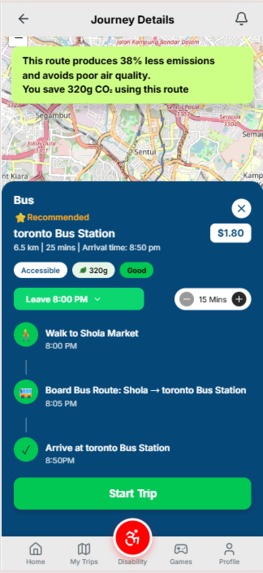
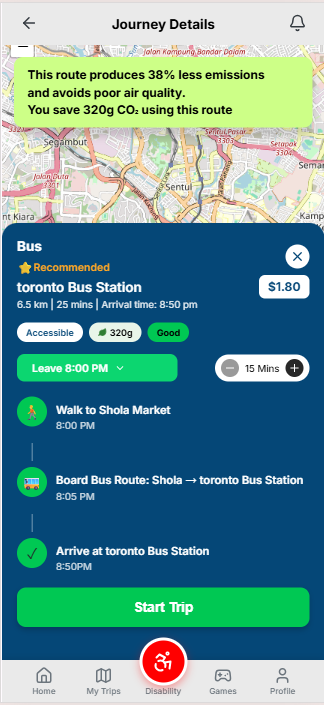
Recommended Route summary
-
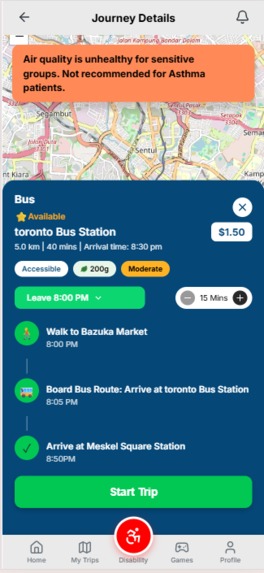
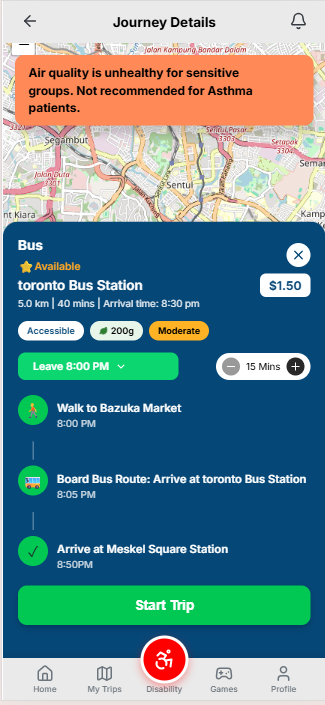
Risky route summary
-
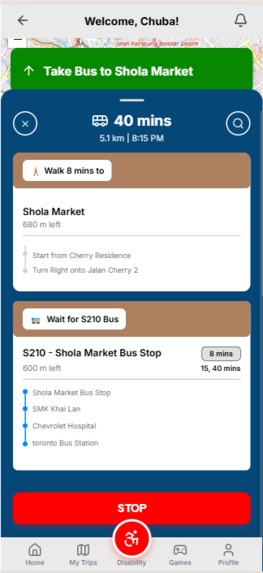
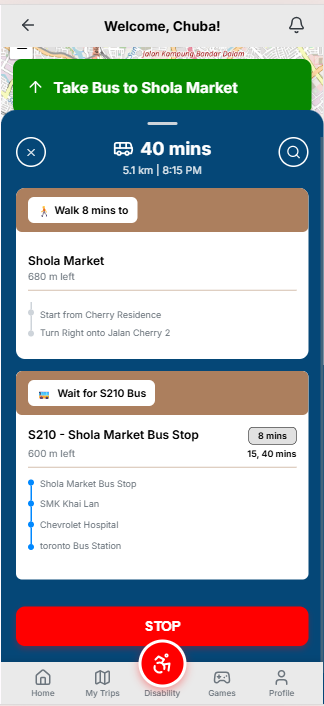
Trip Ongoing
-
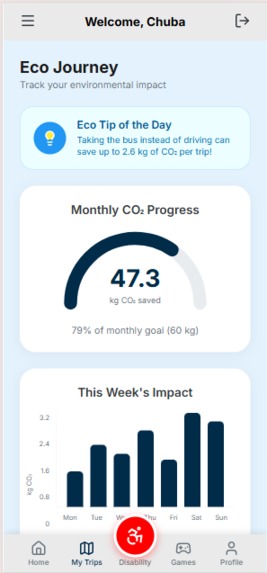
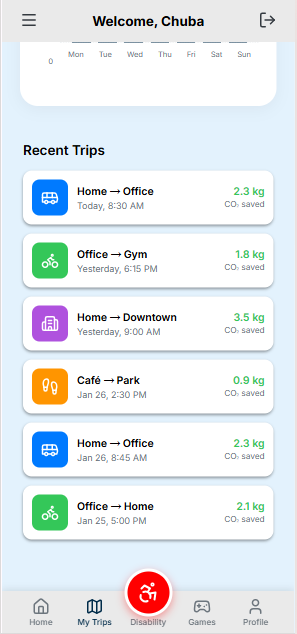
My Trips
-
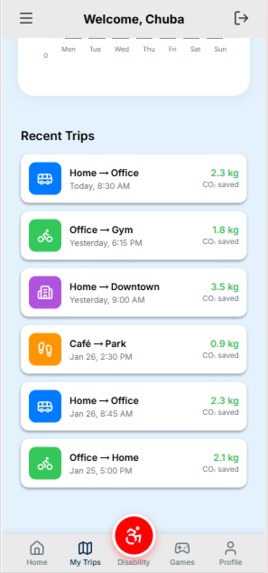
My Trips 2
-
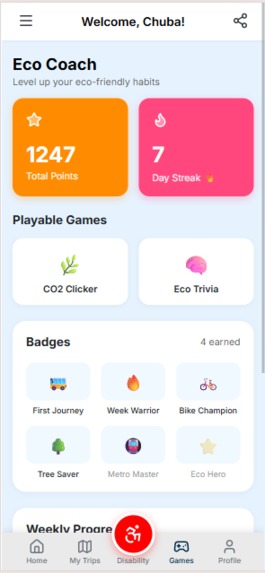
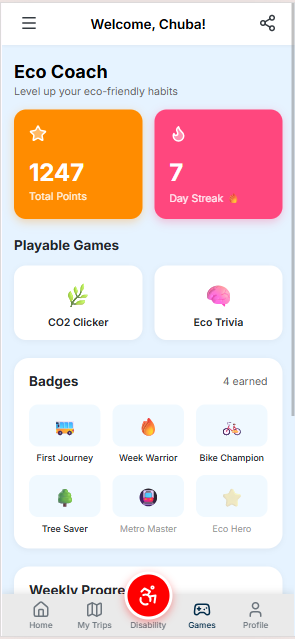
Games
-
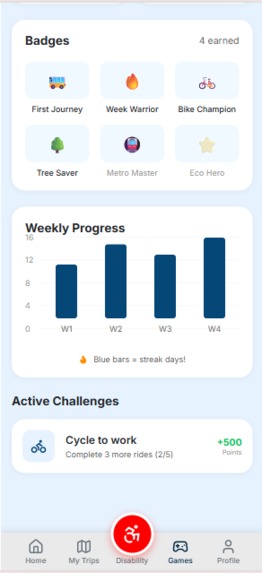
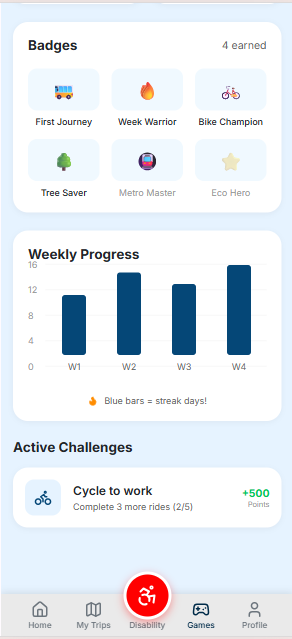
Games 2
-
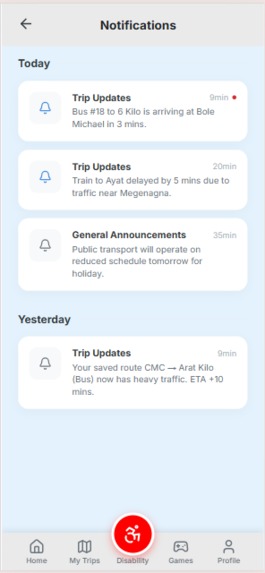
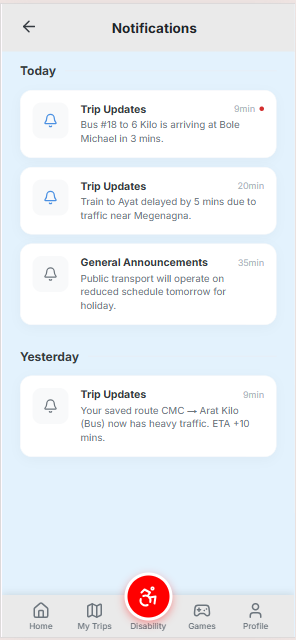
Notification
-
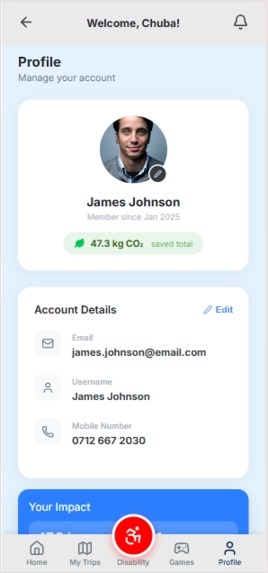
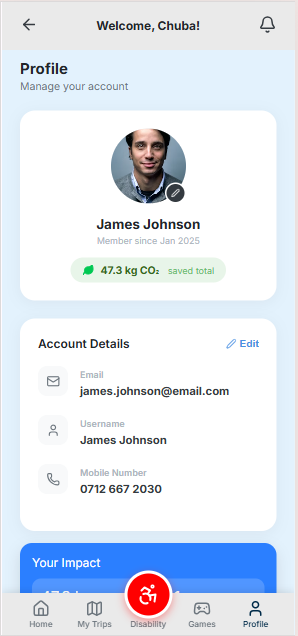
Profile
-
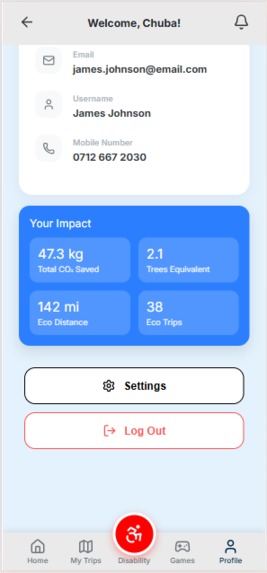
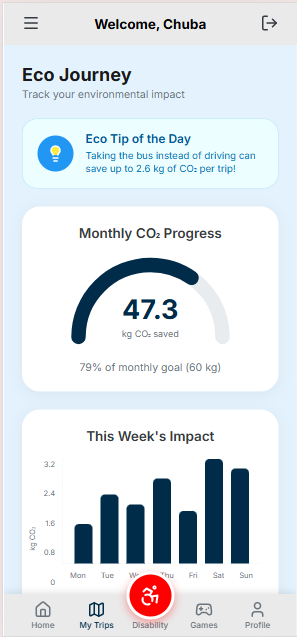
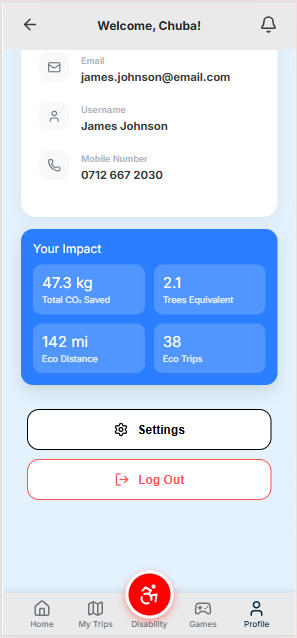
Impact summary @ Profile page
-
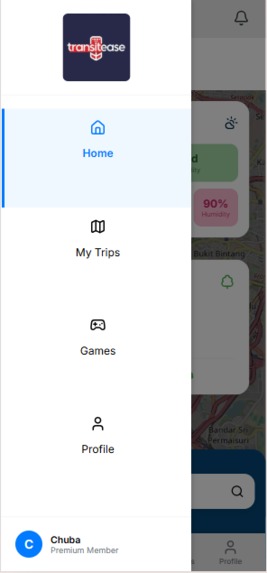
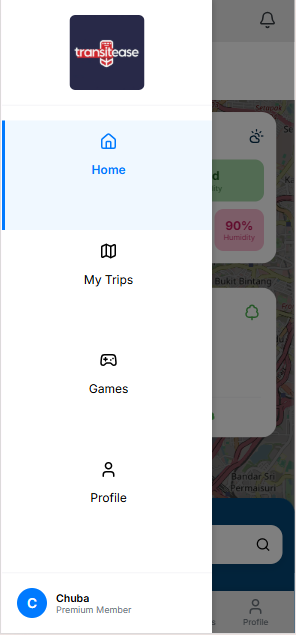
Side bar
-
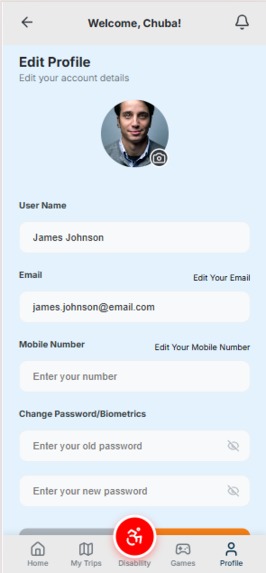
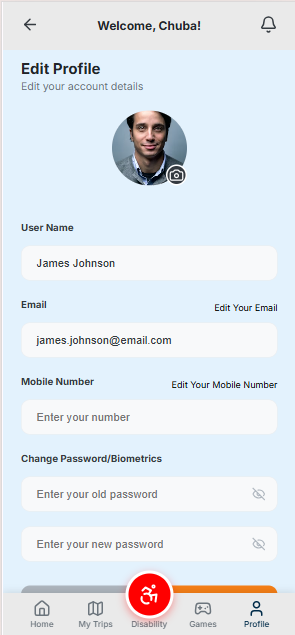
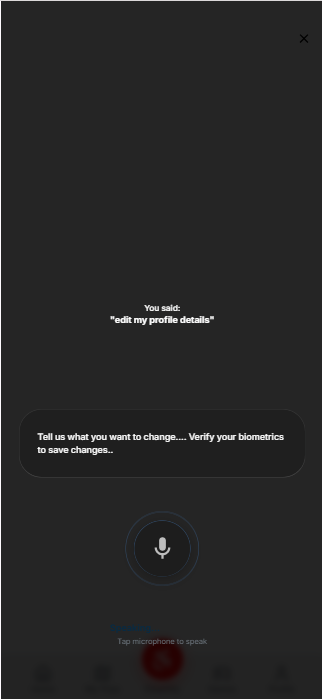
Edit Profile details
-
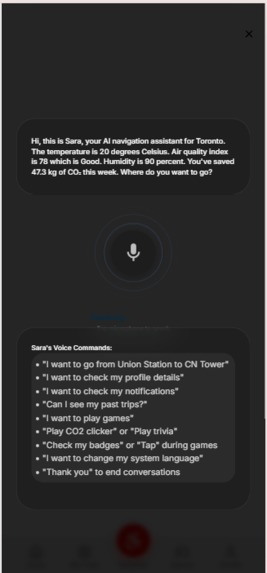
1 Sara Intro
-
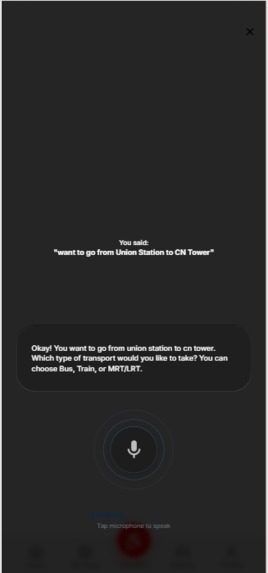
Journey 2
-
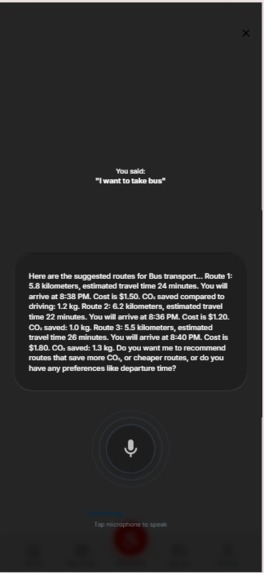
Journey 3
-
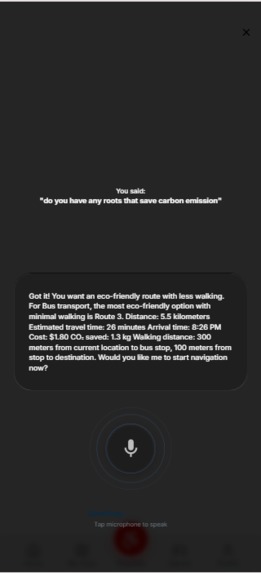
Journey 4
-
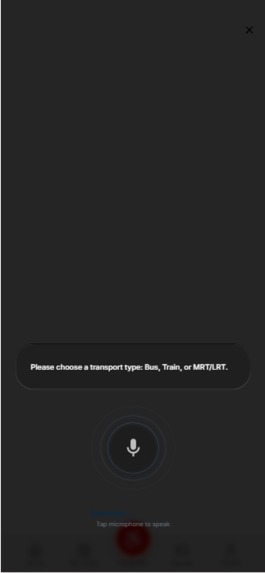
Journey 5
-
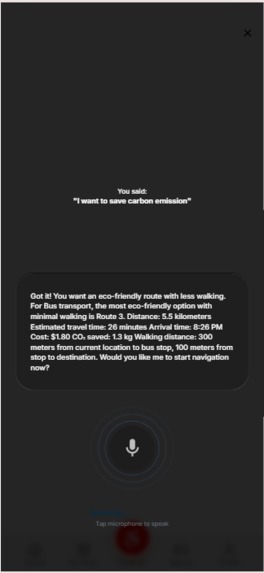
Journey 6
-
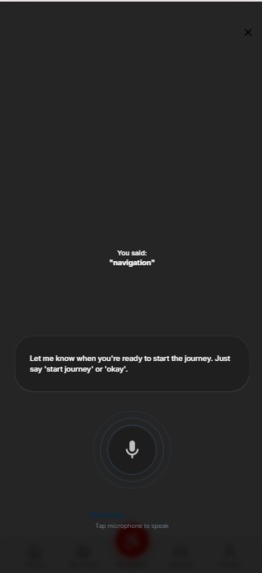
Journey 7
-
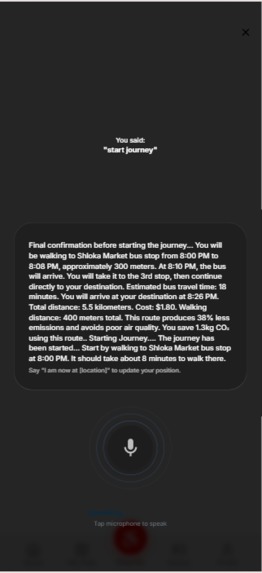
Journey 8
-
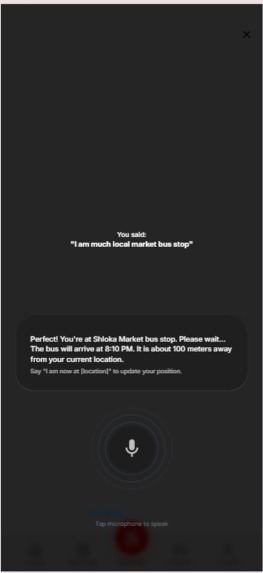
Journey 9
-
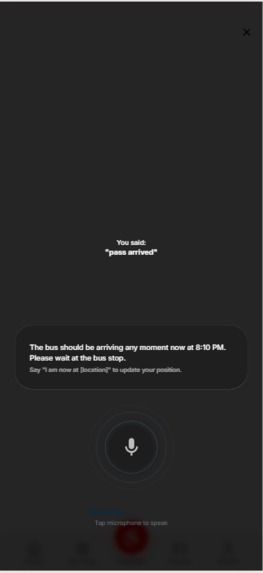
Journey 10
-
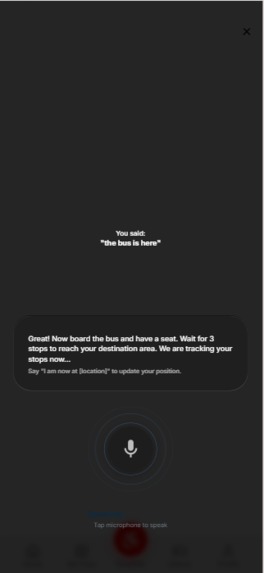
Journey 11
-
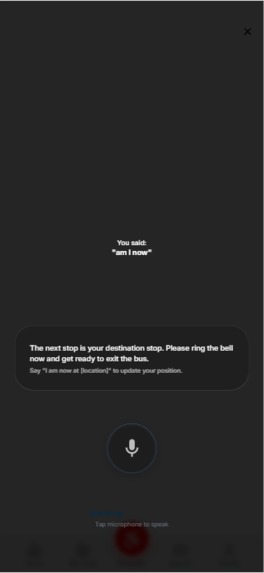
Journey 12
-
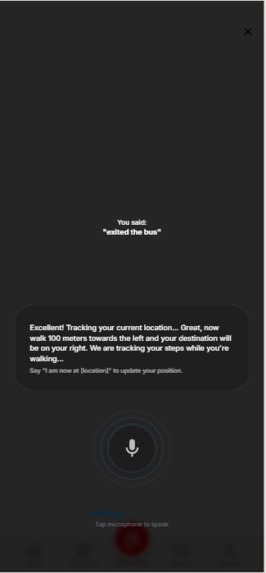
Journey 13
-
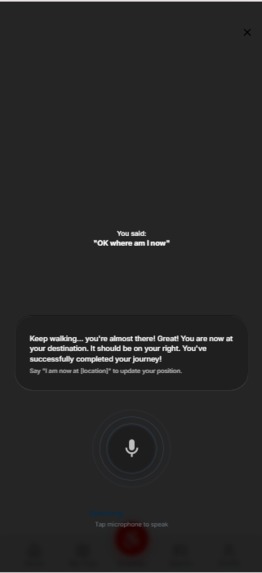
Journey 14
-
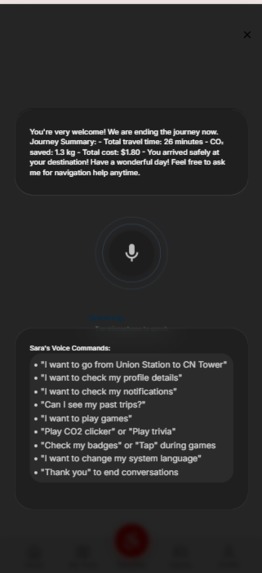
Journey 15
-
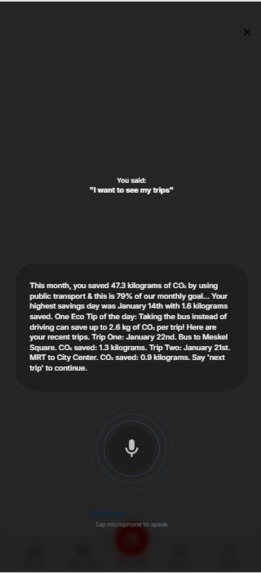
Trip 1
-
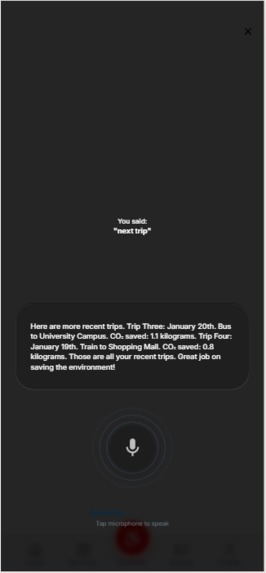
Trip 2
-
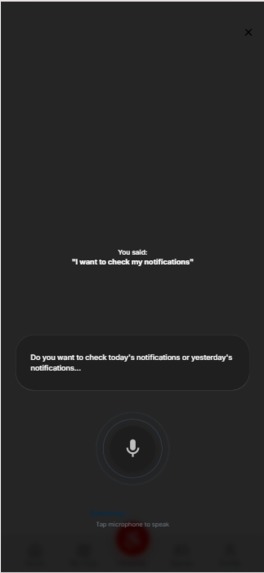
Notification 1
-
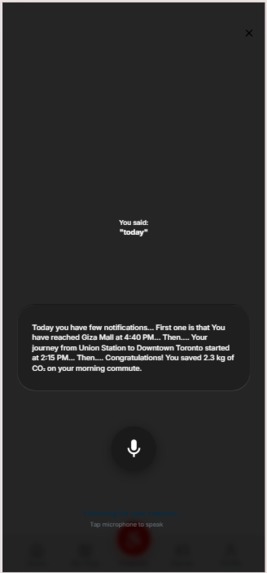
Notification 2
-
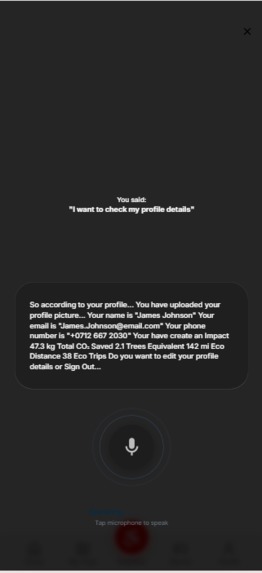
Check profile details
-
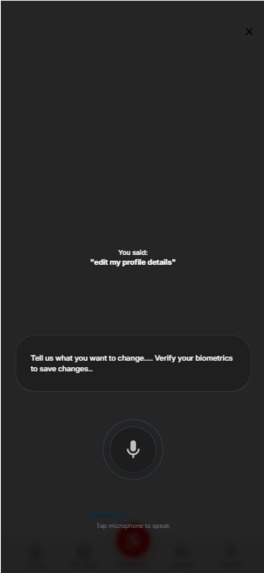
edit profile details
-
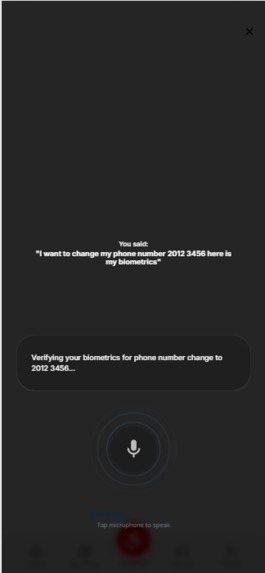
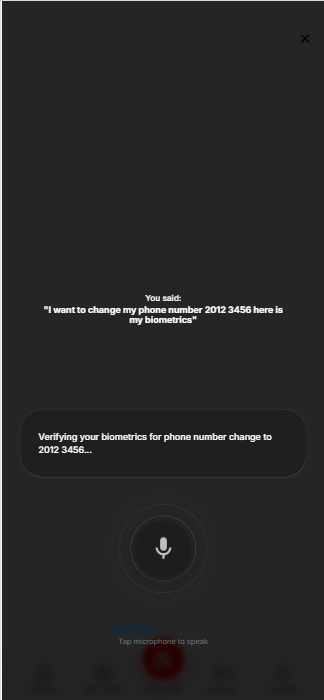
verify biometrics to make changes
-
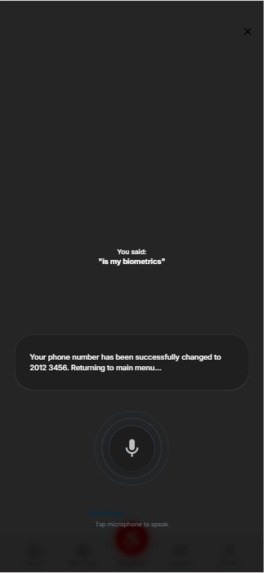
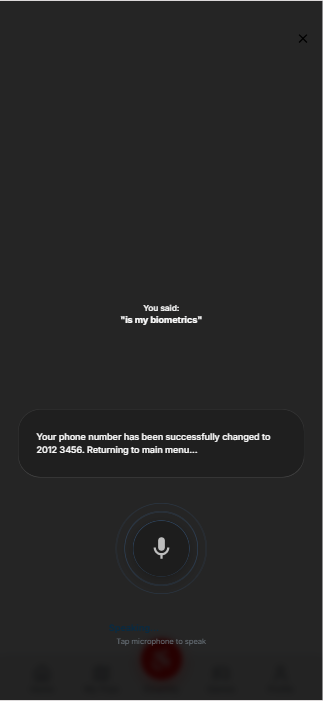
Profile details successfully changed
-
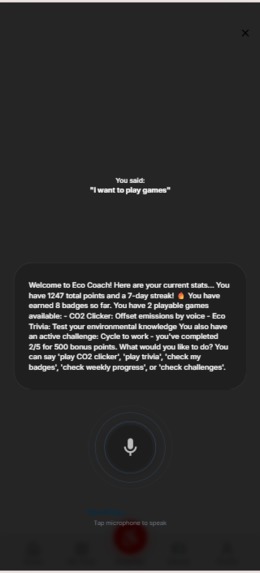
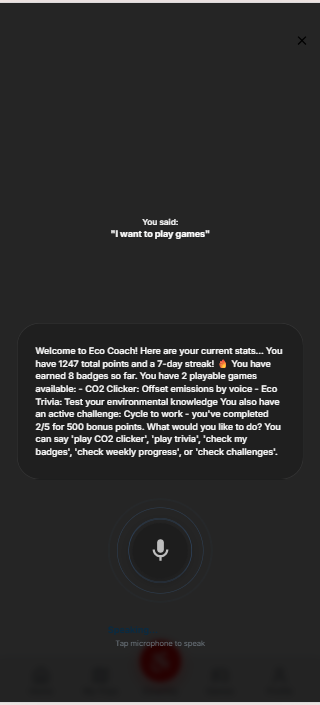
Games Menu
-
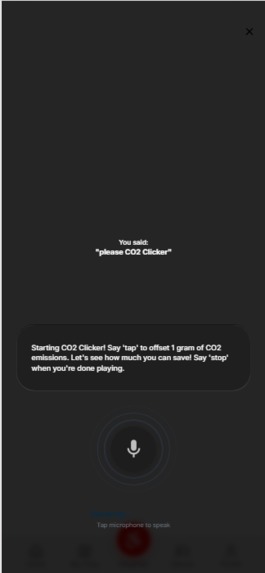
CO2 Clicker 1
-
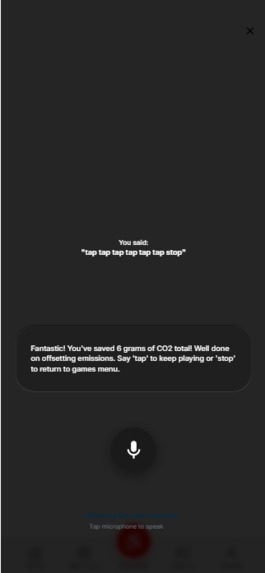
CO2 Clicker 2
-
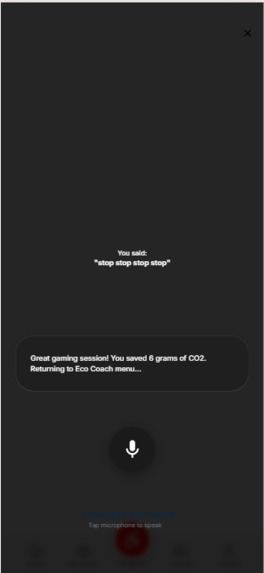
CO2 Clicker 3
-
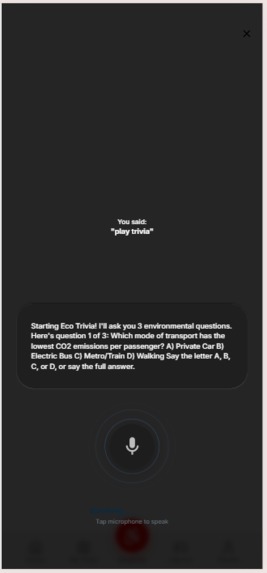
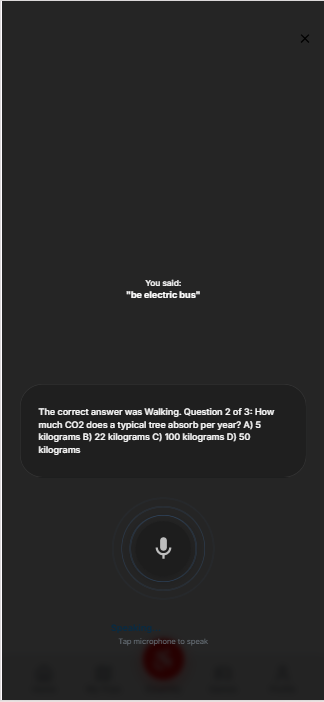
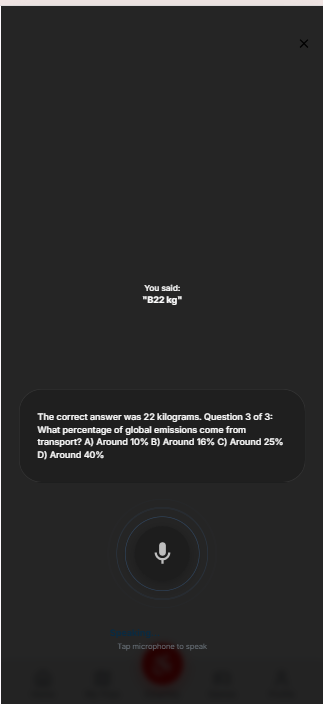
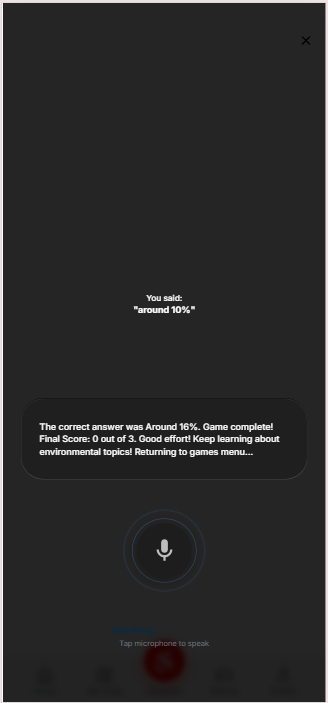
Play Trivia 1
-
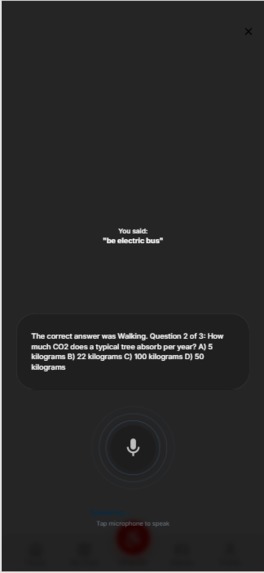
Play Trivia 2
-
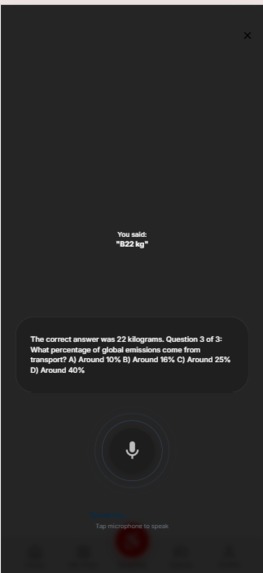
Play Trivia 3
-
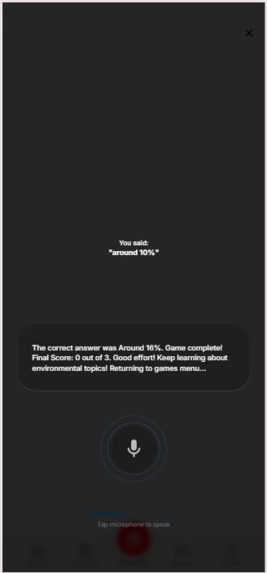
Play Trivia 4
-
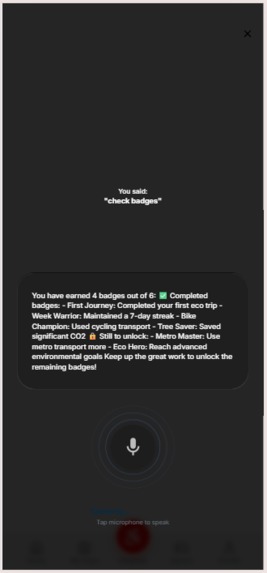
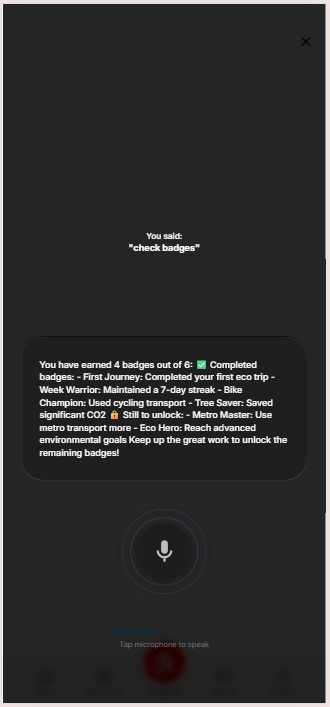
Badges Count
-
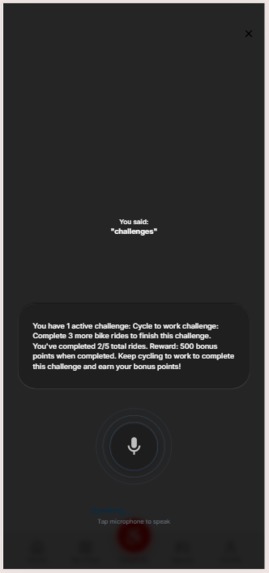
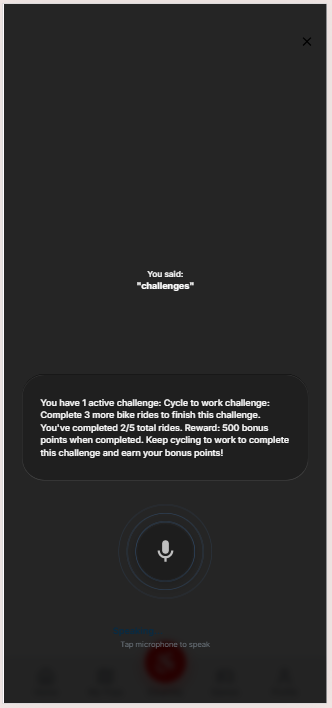
Ongoing Challenges
-
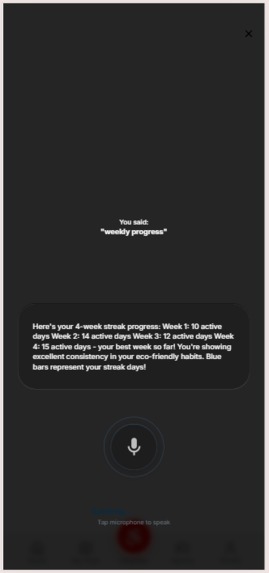
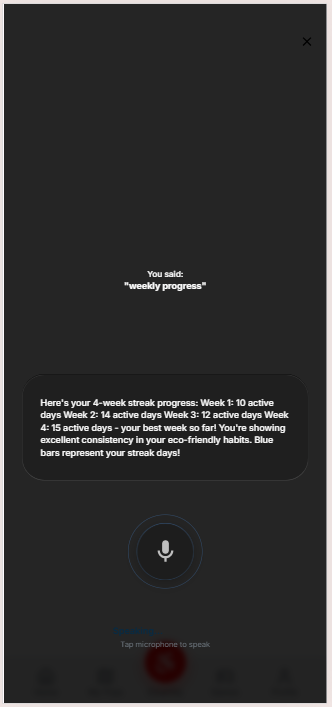
weekly progress
Inspiration
Our initial inspiration for this project was to improve the transit system, especially for those who require accessibility services. Knowing that people with hearing, visual, and speech disabilities may face more difficulty commuting on public transit, we wanted to create something that would help them. We also focused on the climate aspect, aiming to reduce CO2 emissions by educating users about their environmental impact and providing shorter, greener routes. Since CO2 emissions play a major role in climate change, we made sure to include environmentally conscious features in our application.
What it does
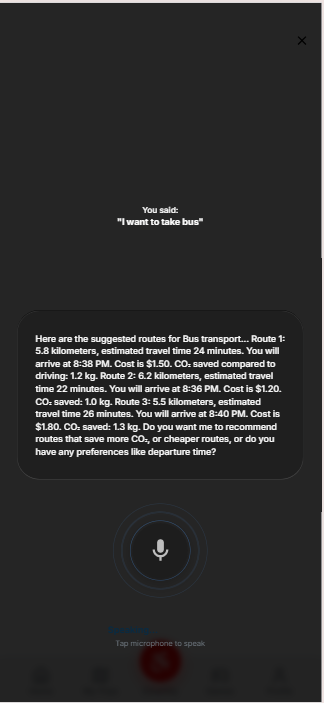
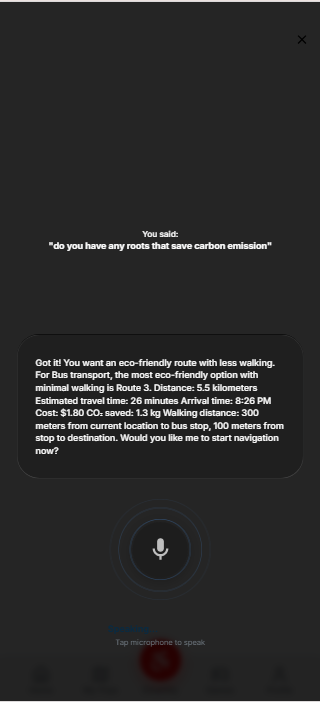
Our app is a transit app that helps the user choose a route to a specific location/station from wherever they are currently, similar to Google Maps. The app shows the user how much CO2 they would be saving by taking public transit over a car. Furthermore, the user can see the air quality of their destination in the form of CO2, and this would be helpful when there are forest fires nearby. The app also uses AI to recognize the user's travel patterns to suggest a "best" route.
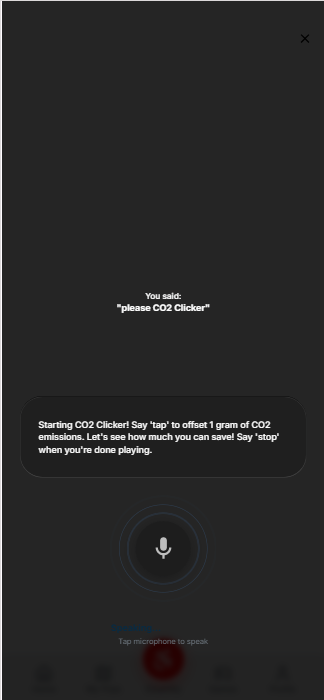
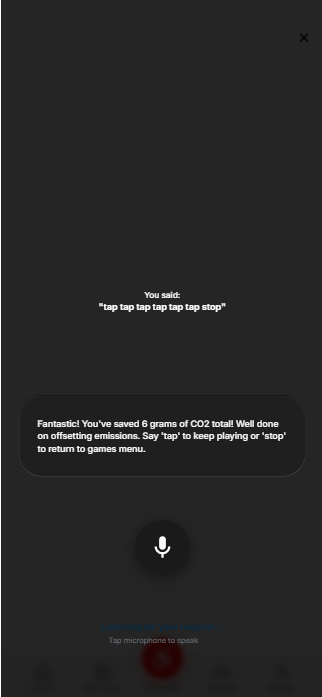
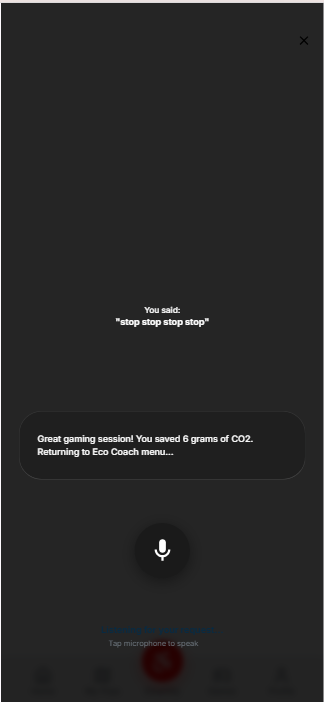
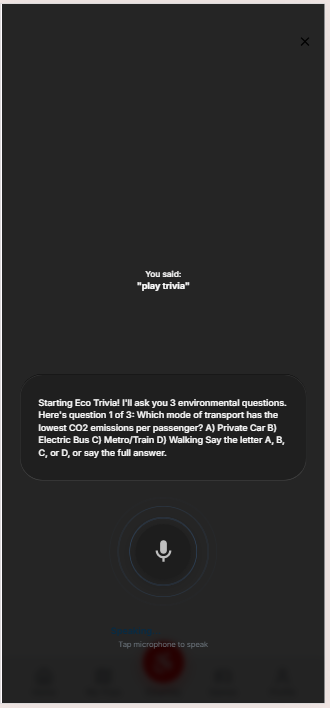
There is also a games section that encourages users to take more public transit by awarding points based on how much CO2 they've saved, as well as by playing some simple games to keep the user engaged.
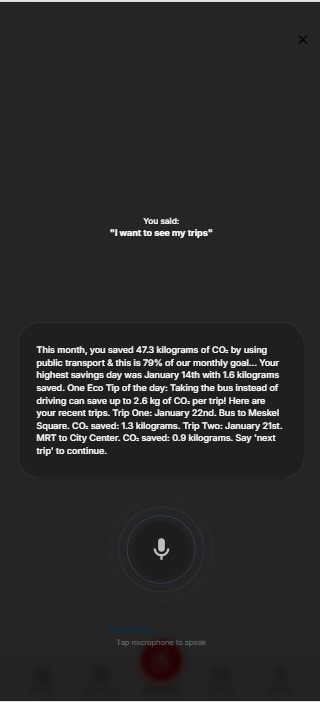
The user can also see their past trips as well as how much CO2 they've saved overall or for a specific day in the past week.
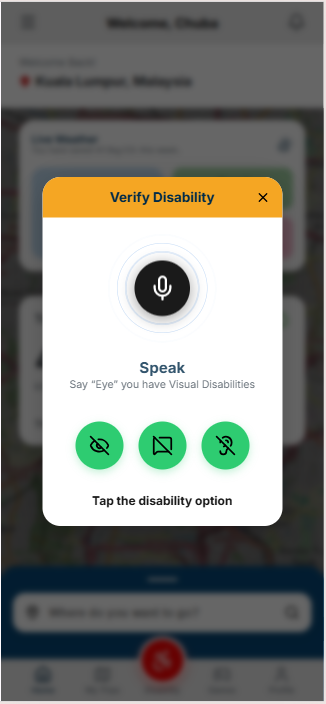
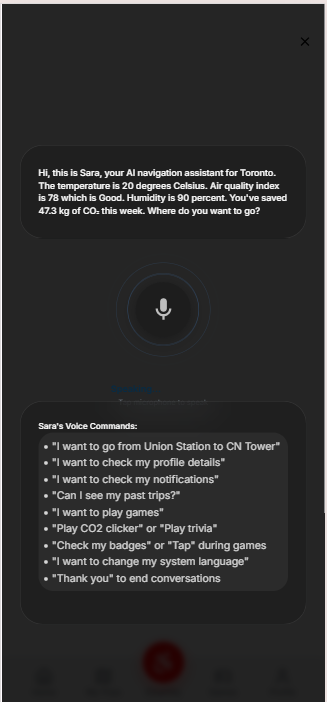
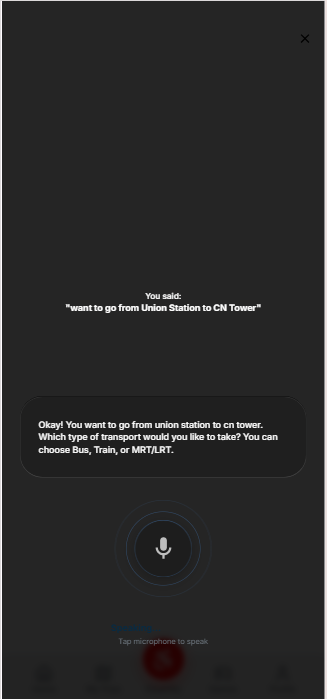
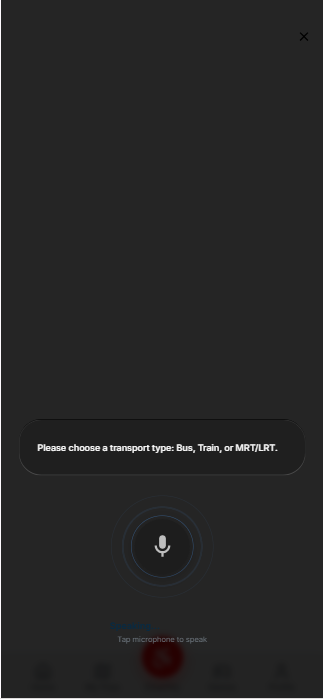
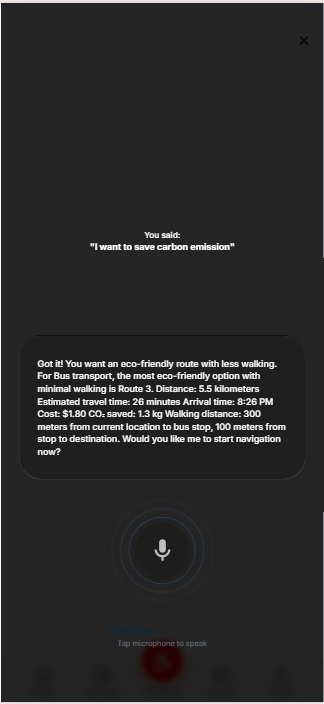
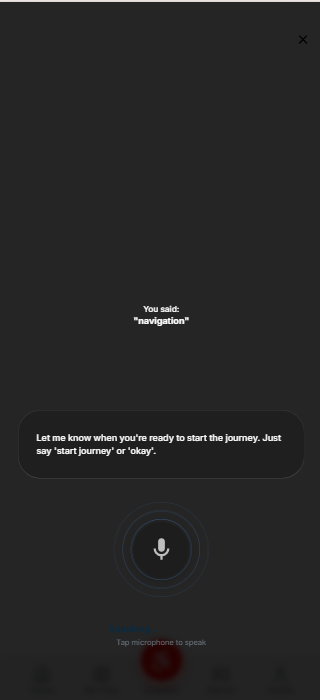
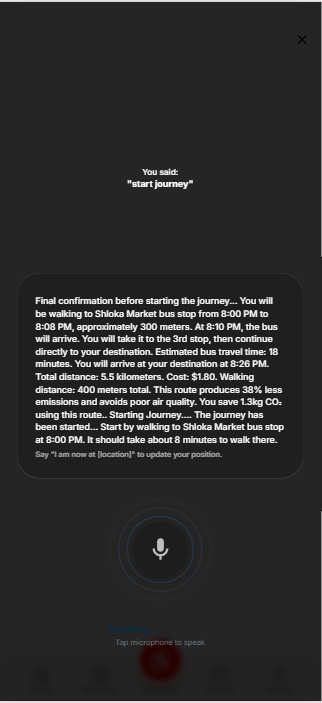
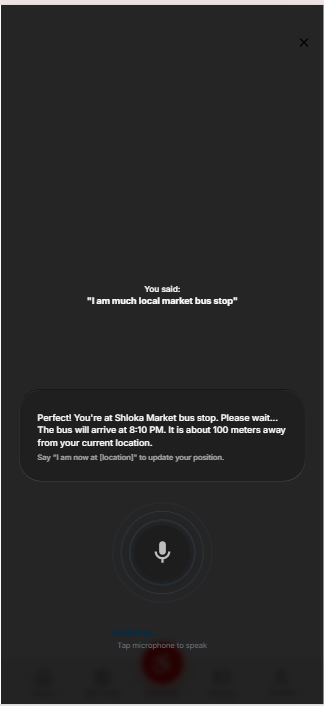
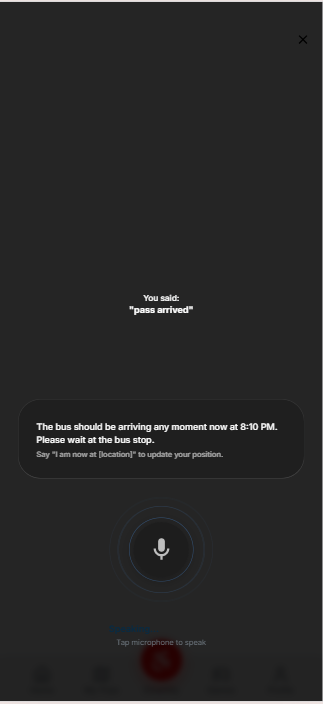
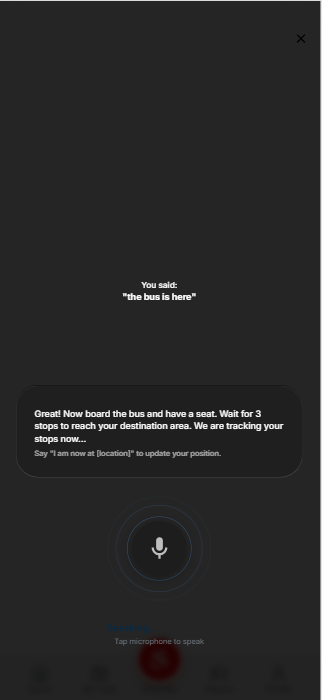
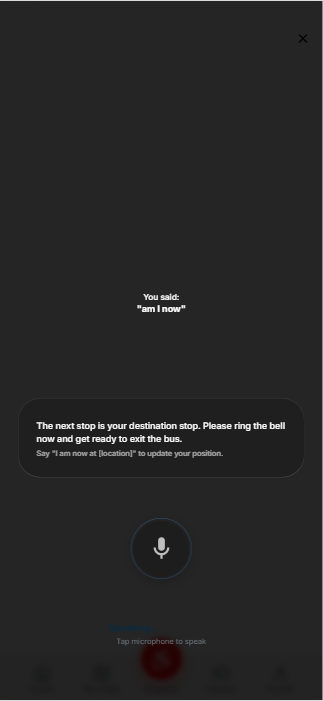
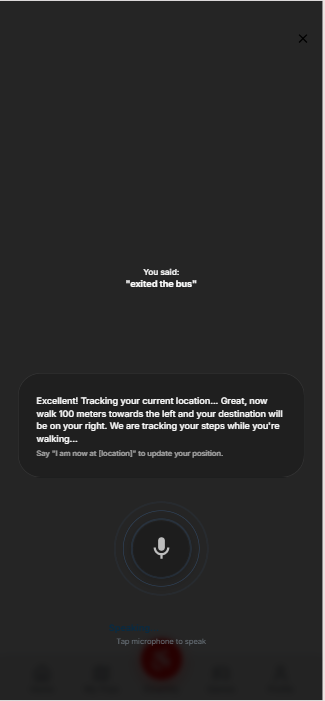
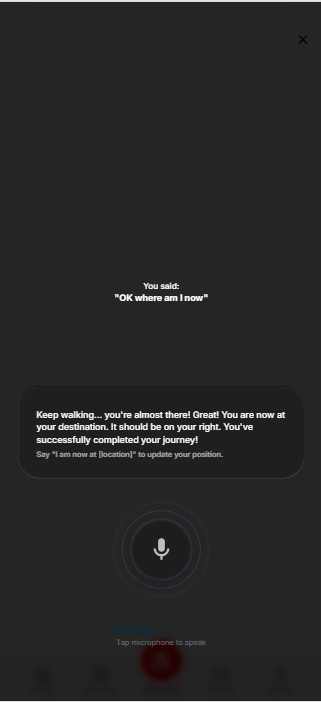
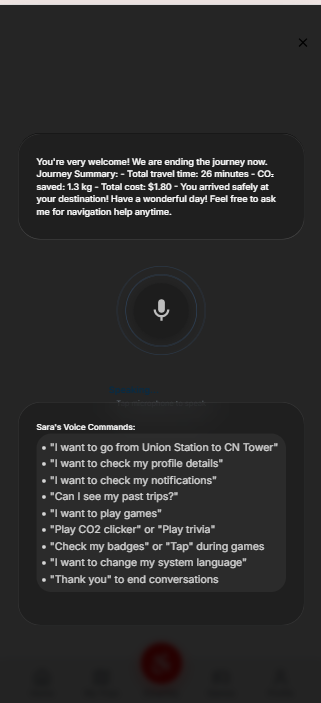
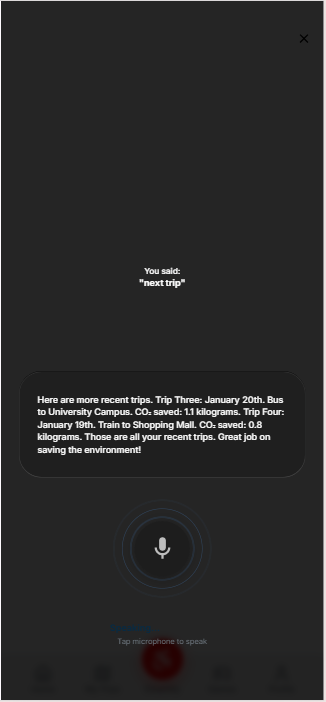
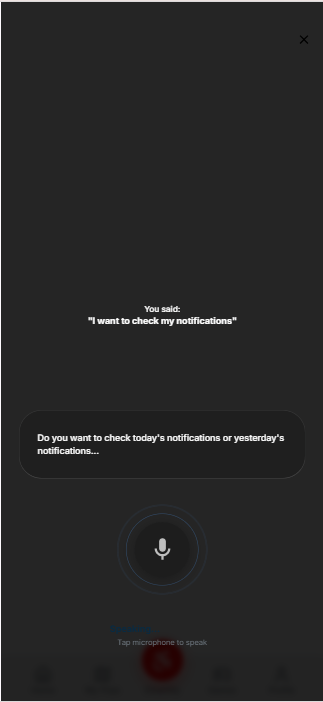
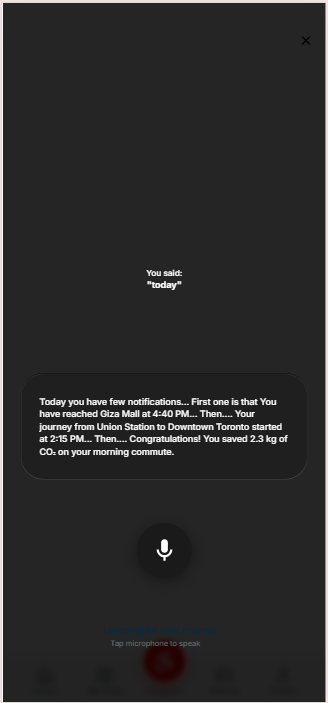
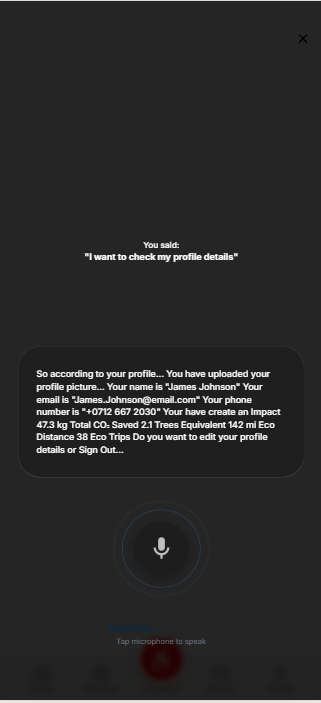
Accessibility features are central to the app. For visually impaired users, we’ve integrated Sara, an AI Voice Assistant powered by Gemini, enabling hands-free navigation and interaction. Users with hearing or speech disabilities can type to the AI for assistance, and benefit from visual/haptic cues and text-to-speech functionality.
How we built it
The backend is built with Python, utilizing the Gemini 3 Pro model for AI-driven features. We integrate several map APIs, including Google Maps and NASA FIRMS, to provide real-time transit and environmental data. The backend is structured into modular services for accessibility, carbon intensity, climate hazards, and more, with RESTful endpoints and thorough test coverage.
The frontend uses React and Vite for a fast, modern user interface. It includes pages for maps, journey planning, accessibility, and gamification. State management and asynchronous data flows ensure a responsive experience.
Challenges we Faced
Learning to integrate Gemini and other LLMs via API calls, which was new for many team members.
Normalizing and handling data from multiple APIs with different formats.
Ensuring accessibility for users with diverse needs, requiring frequent UI/UX testing and iteration.
Optimizing performance for map rendering and API calls, especially on mobile devices.
Managing secure authentication and user data, particularly for disability verification.
Addressing accent challenges in voice recognition: We noticed Sara sometimes struggled to understand users with different accents, so we implemented keyword-based conditions to improve recognition and ensure reliable assistance.
Accomplishments that we're proud of
Successfully combining accessibility and climate features in a single platform.
Integrating Sara, the AI Voice Assistant for hands-free support.
Providing real-time, actionable information for users with disabilities and those interested in reducing their environmental impact.
Building gamification features to encourage sustainable transit choices.
What we learned
We learned about using API calls to call an LLM, like Gemini in this case. For some of us hadn't used APIs at all prior to this, so it was a valuable skill to learn. For some of them, this was their first experience with APIs, making it a valuable learning opportunity. Most importantly, we gained insight into the challenges faced by people with different disabilities and developed solutions to help them.
What's next for Accessible Transit and Climate Efficiency App
Gather feedback from users with disabilities and continuously improve the user interface and experience based on their suggestions and challenges, ensuring the app meets their real needs.
Collaborate with companies to reward users with vouchers or discounts when they achieve certain points or badges, further encouraging sustainable transit choices.
Built With
- discord
- fastapi
- figma
- github
- google-gemini
- google-maps
- javascript
- nasa-firms-maps
- python
- react
- typescript
- vite


Log in or sign up for Devpost to join the conversation.