Inspiration
The idea for Transit AI Sense came from something we see around us all the time. When people use local buses, wagons, or Chingchis, they usually don't know exactly when their ride will arrive or what is happening on the route. Most of the time, they just wait and hope it comes soon.
We thought, why not make this information easier for passengers to find? That's where Transit AI Sense started.
What it does
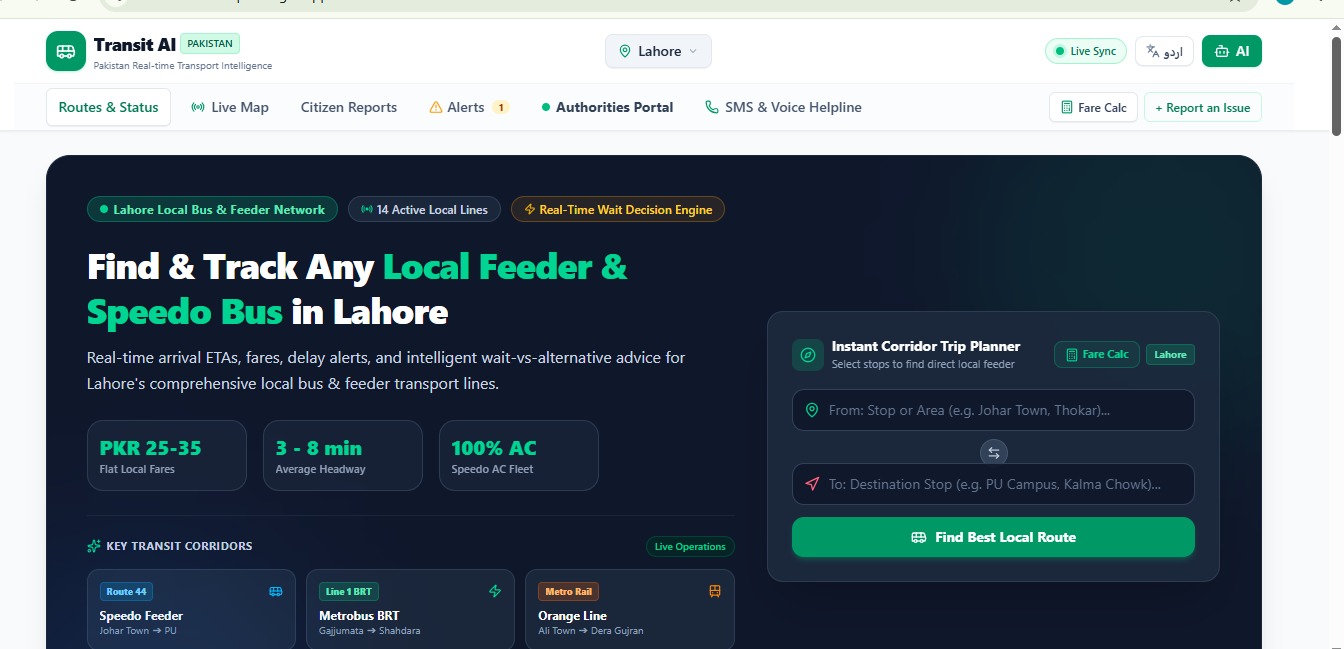
Transit AI Sense is a passenger app for local public transport.
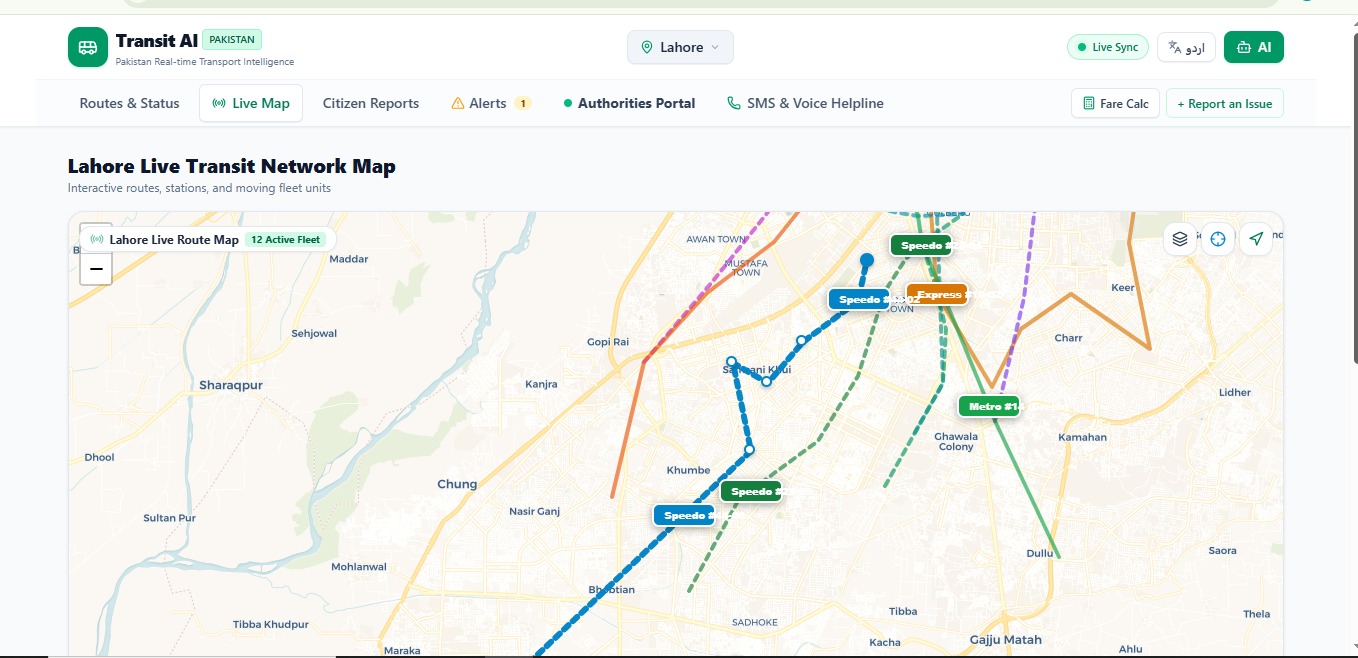
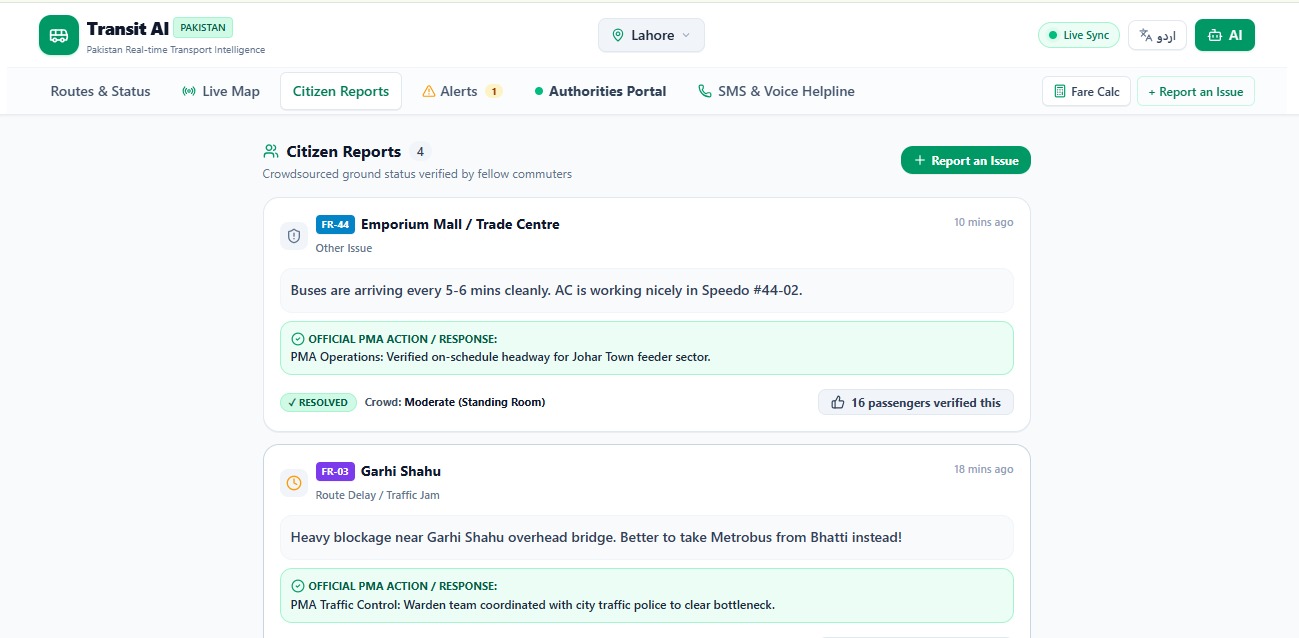
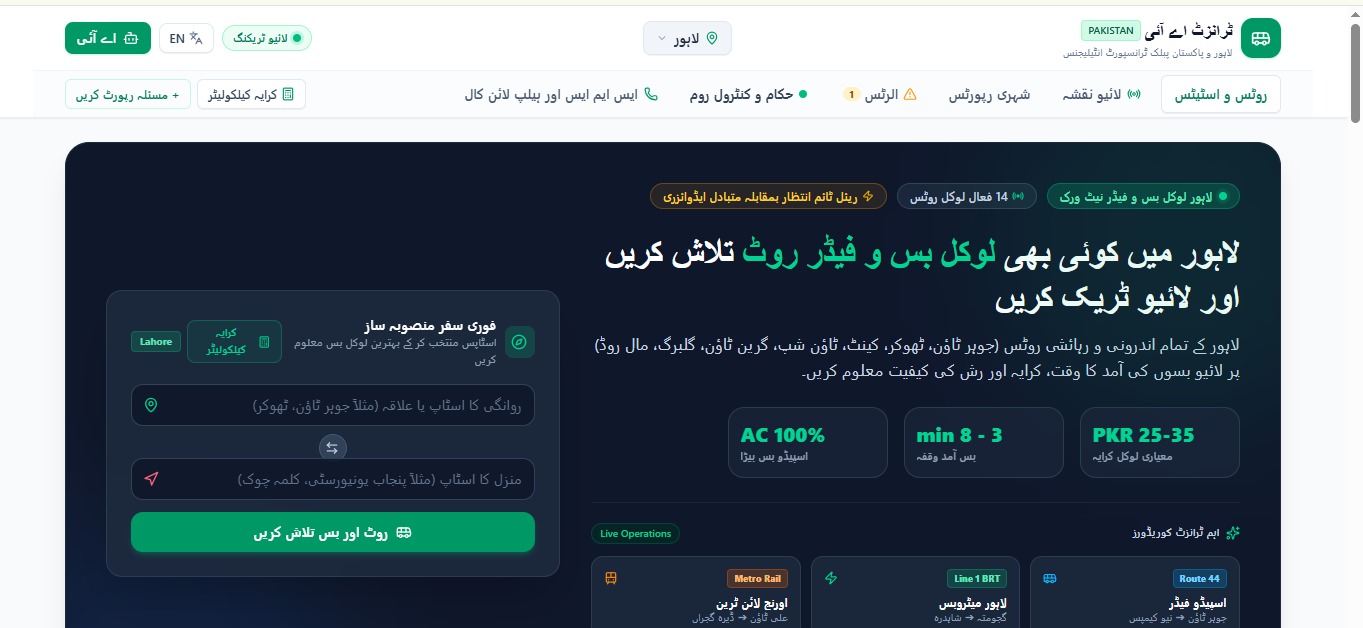
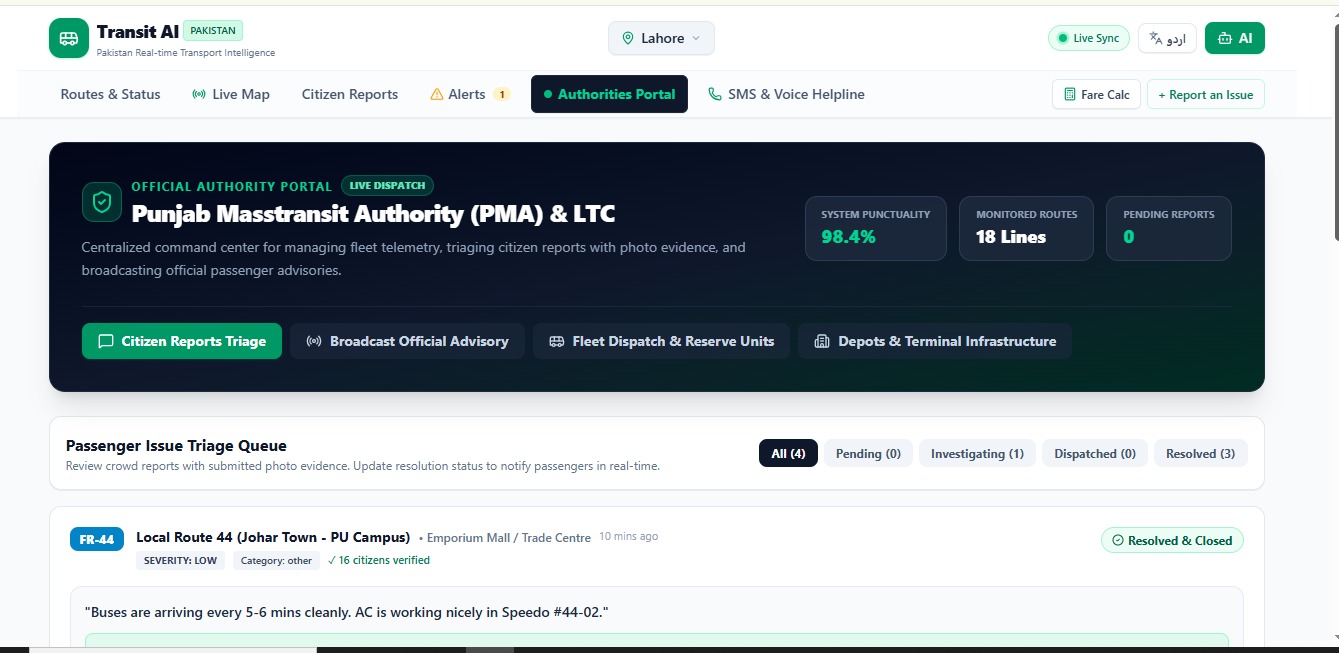
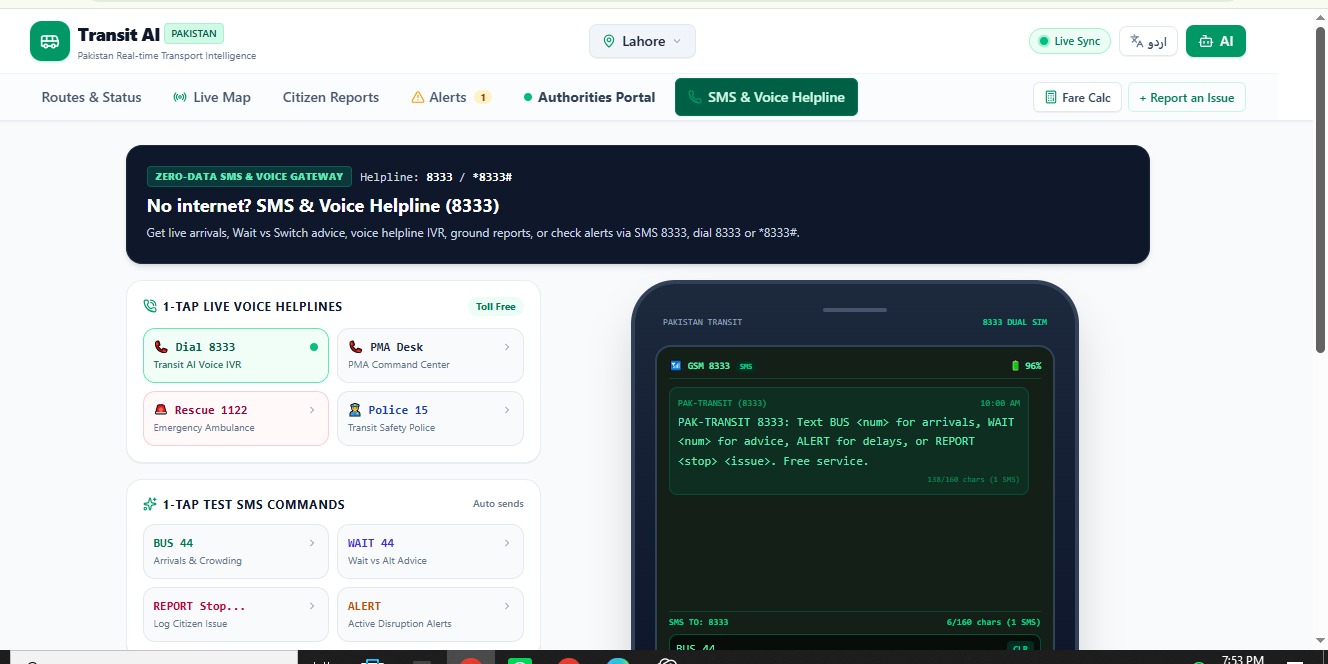
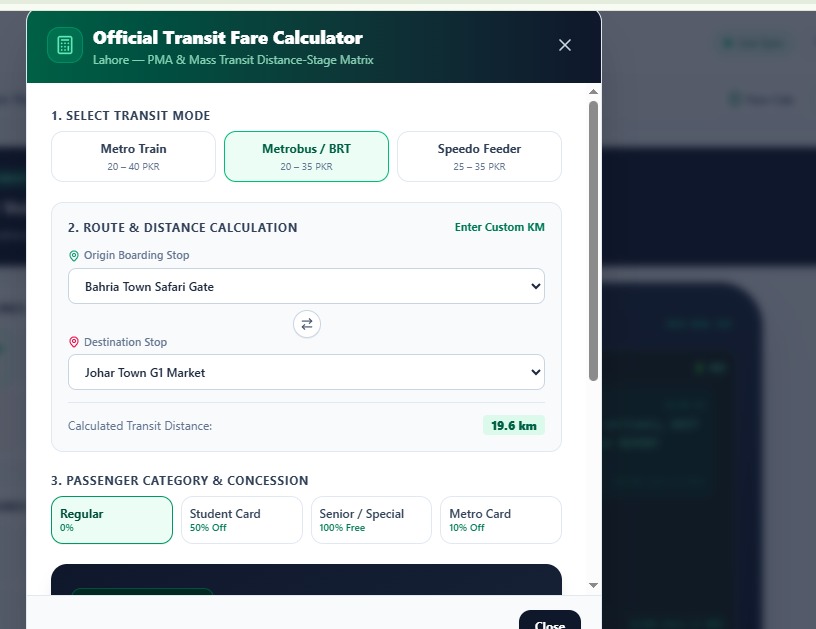
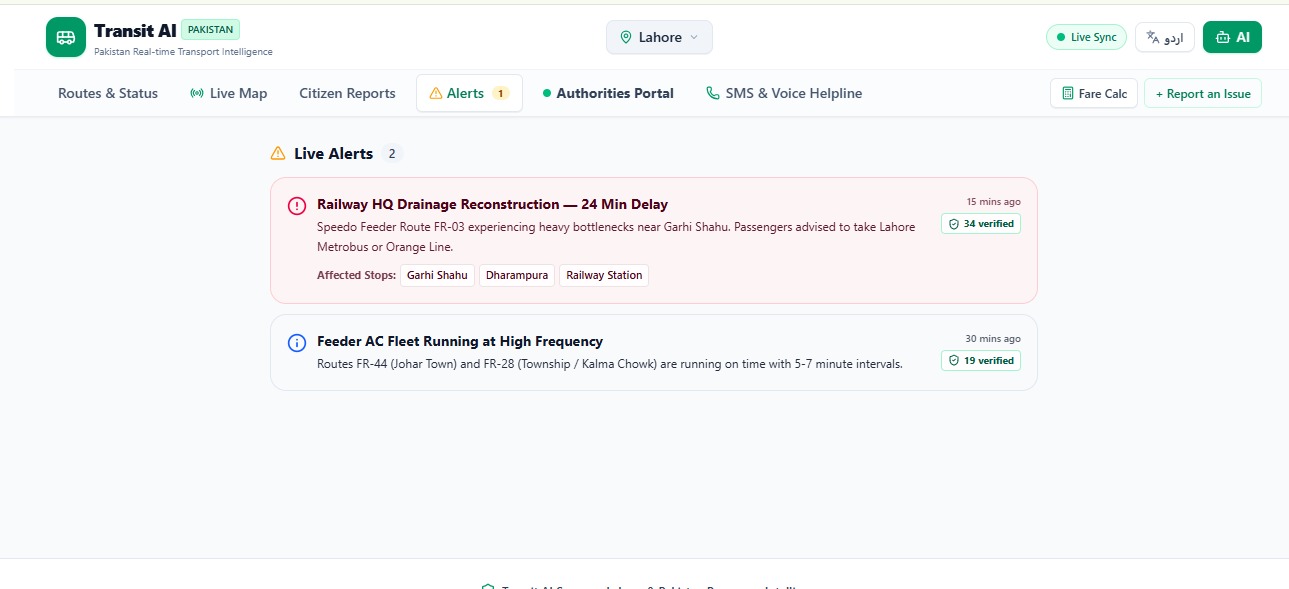
Users can search for routes, check available transit information, view arrival and prediction information, and report what they are experiencing on the road. We have also added Urdu support to make the app easier to use for local passengers.
Our main goal is simple: make public transport information easier to find and understand.
How we built it
We built the app using React and TypeScript and focused mainly on creating a simple mobile-friendly experience.
We started with the passenger side and worked on the main things a commuter would need, such as finding a route, checking transit information, viewing predictions, and sending reports.
Challenges we ran into
Getting reliable public transport data was one of our biggest challenges. Local transport doesn't always have proper digital or real-time data available, so figuring out how to structure and present this information was not easy.
We also had to keep reminding ourselves not to put too much information on one screen. A passenger should be able to open the app and understand it quickly.
Accomplishments that we're proud of
The thing we're most proud of is that we were able to turn our idea into an actual working passenger experience.
Instead of making another app for booking private rides, we decided to focus on local public transport and the information passengers often don't have access to.
Seeing the idea go from a problem we discussed to something we could actually open and demonstrate was a big achievement for us.
What we learned
We learned that building an app is not only about writing code. You also have to think about the people who will actually use it and the problems they face.
We also learned a lot about working with limited or incomplete data and making a first version that focuses on the most important parts of the problem.
What's next for Transit AI Sense
There is still a lot we want to improve.
Our next goal is to connect the app with more reliable real-world transit data and make the arrival predictions more accurate. We also want to improve citizen reports and eventually connect the passenger side with drivers, fleet operators, and city authorities.
For now, we want to keep improving the passenger experience and make Transit AI Sense something that can actually be useful for everyday commuters.


Log in or sign up for Devpost to join the conversation.