-
-
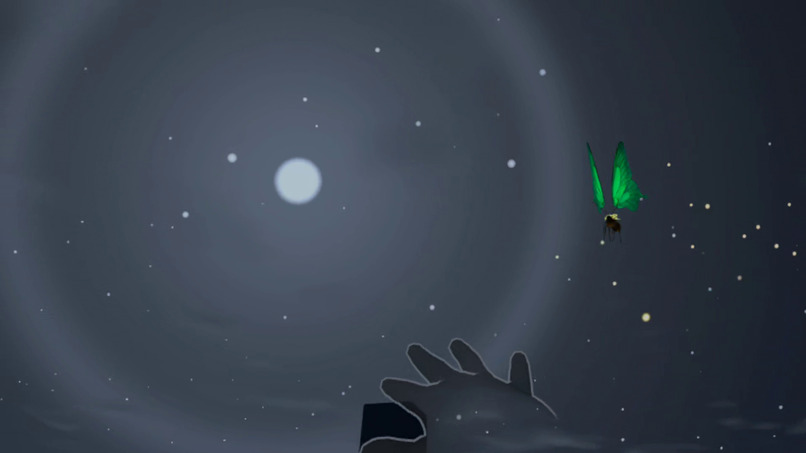
Frostmere: Moonlit ice sanctuary.
-
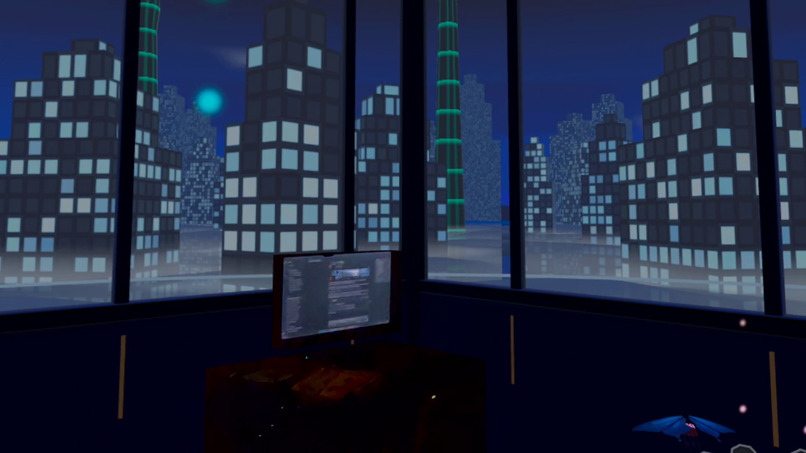
Nova Heights: Penthouse above the city.
-
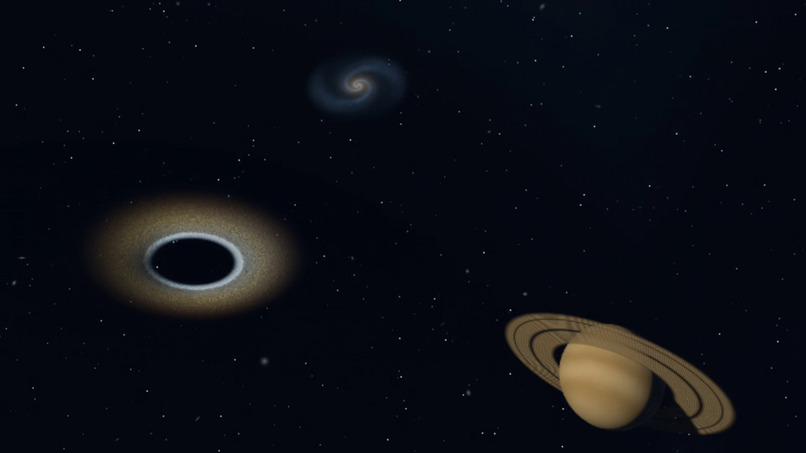
Starfall: Observatory among the stars.
-
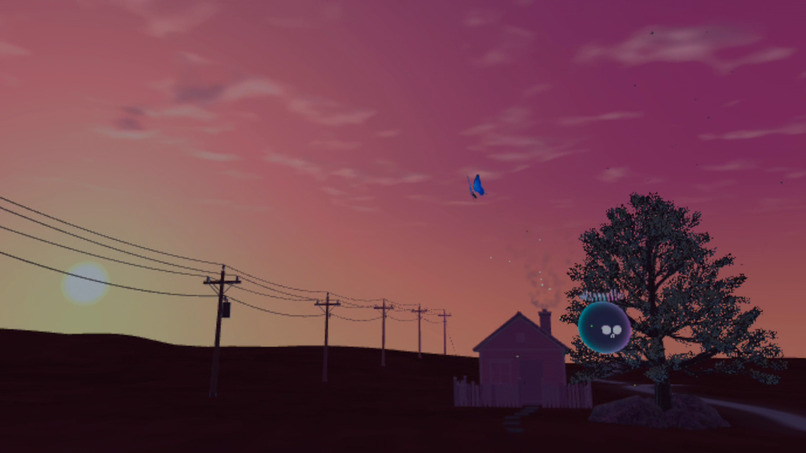
Oasys: Desert twilight retreat.
-
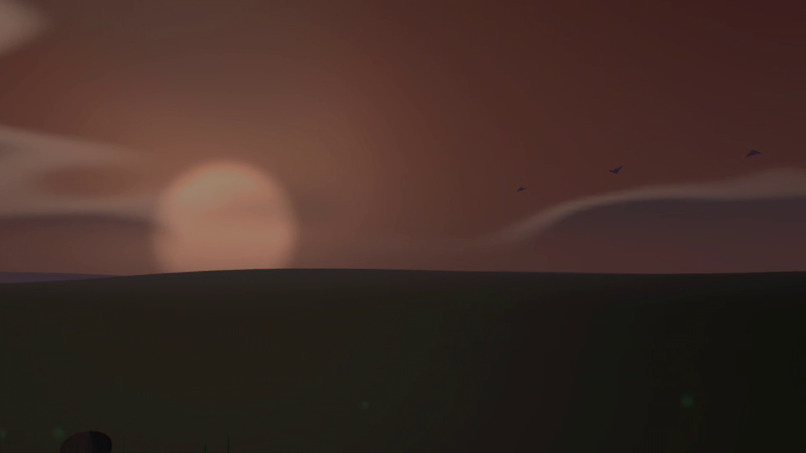
Evening Vale: Dusk over the valley.
-
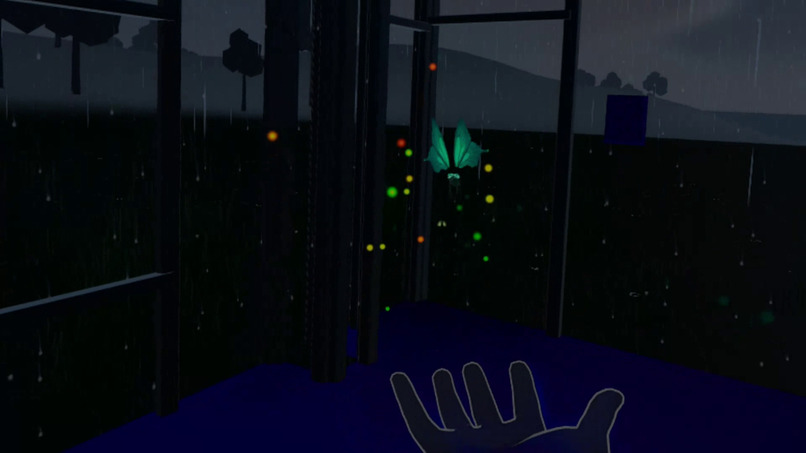
Misty Coast: Mist beyond your walls.
-
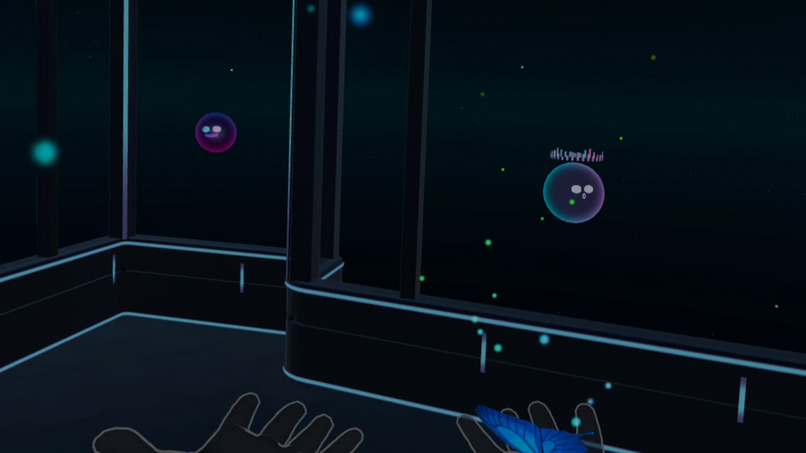
Nightwing: Under the aurora
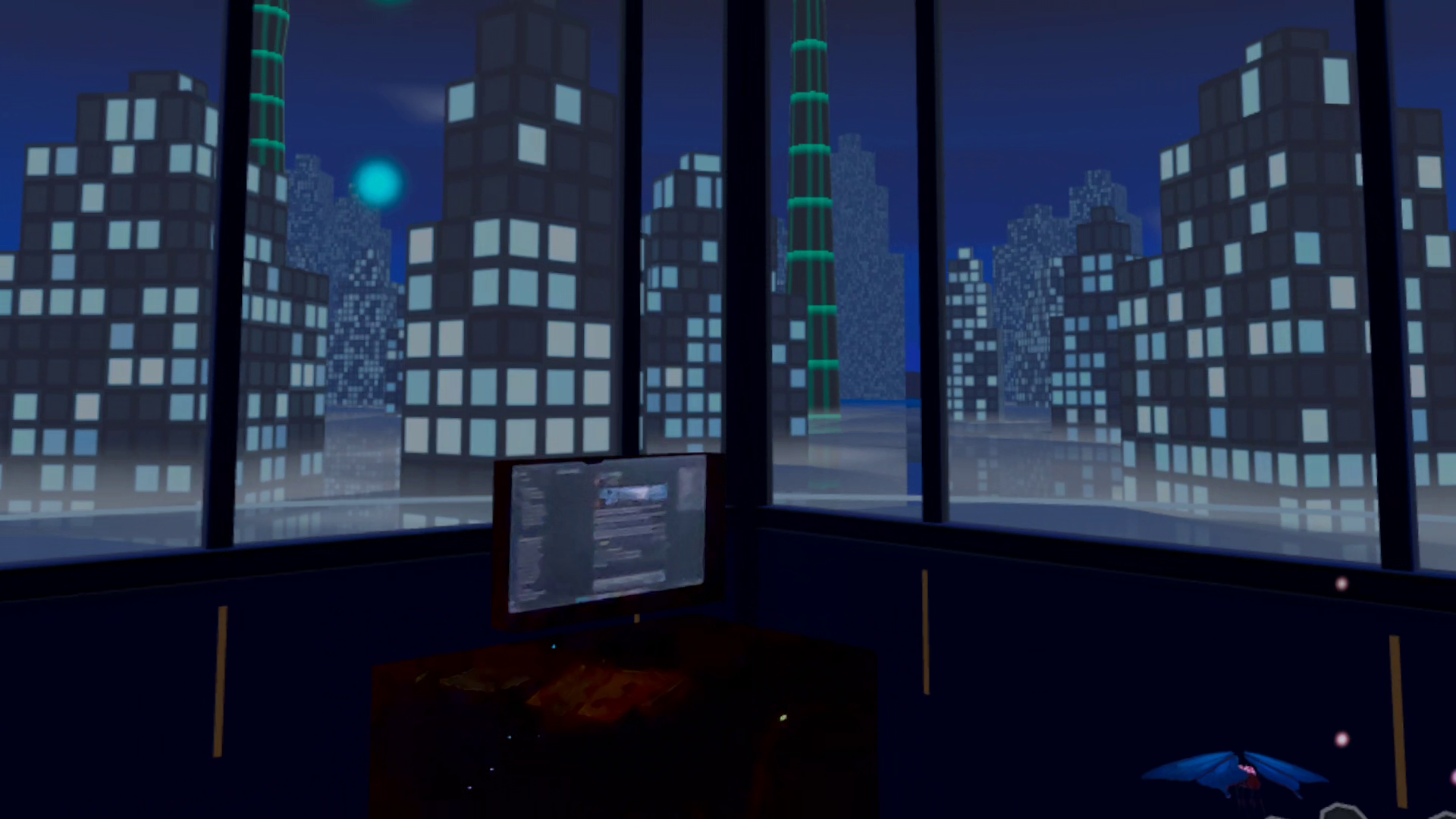
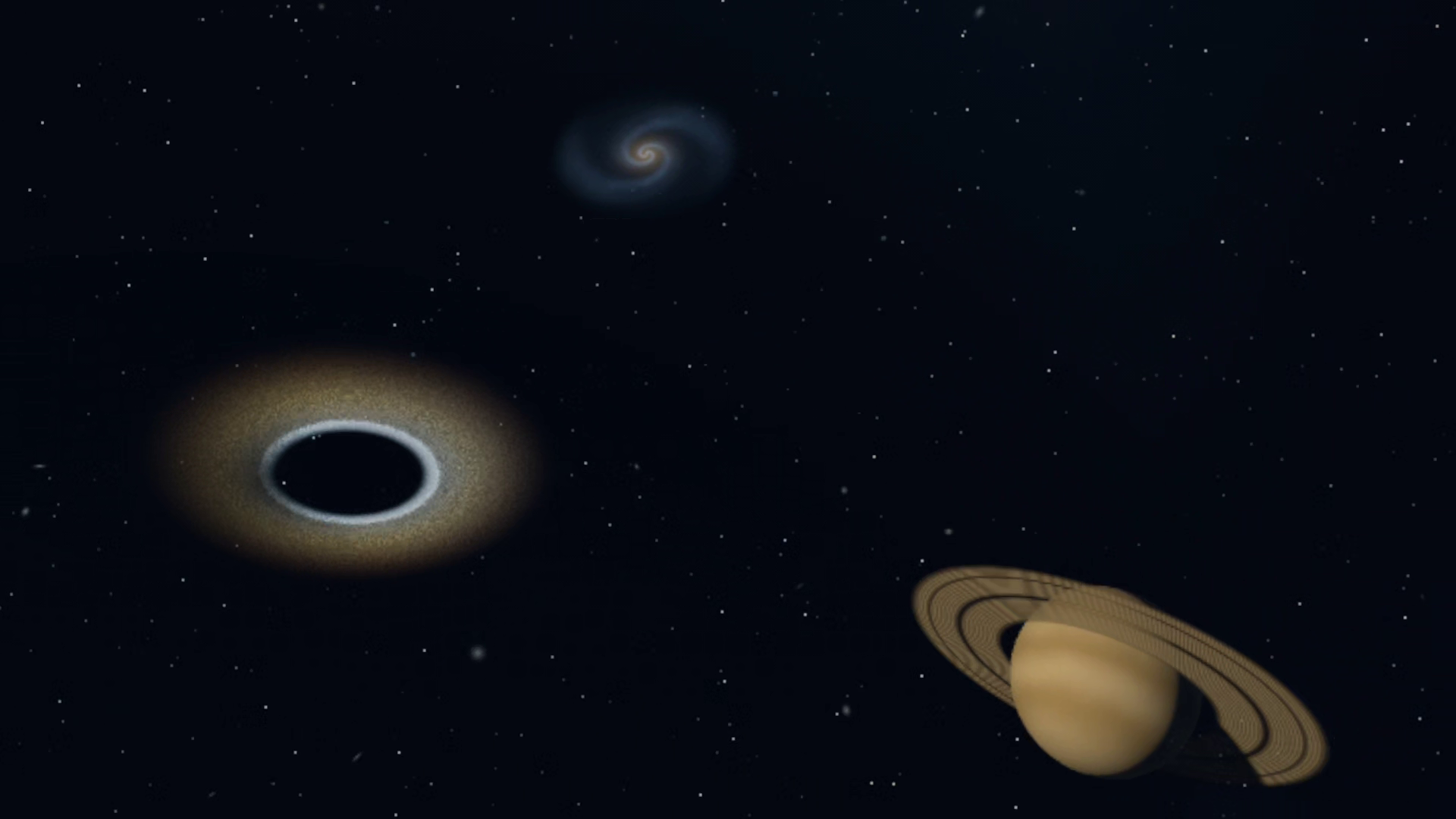
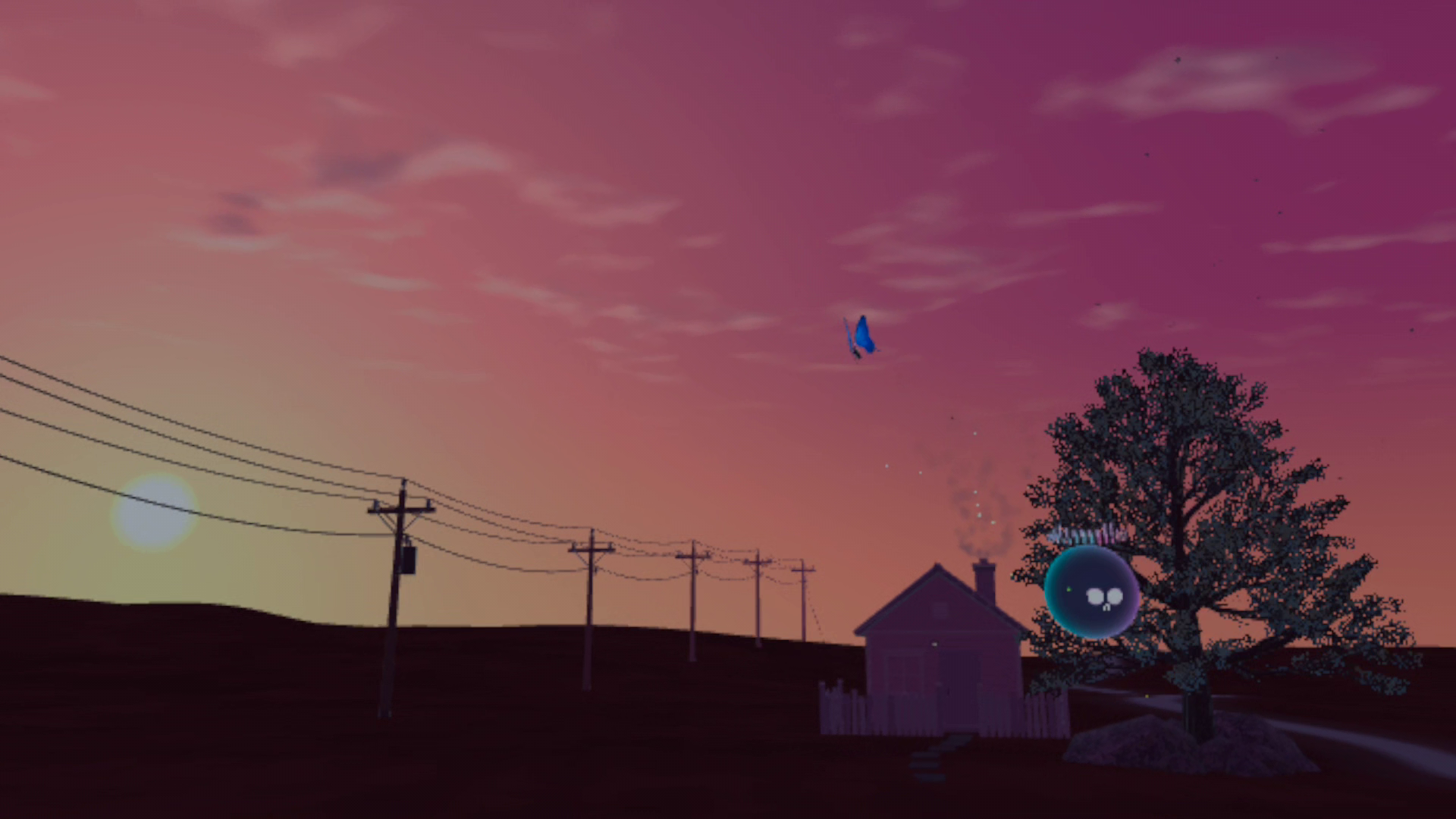
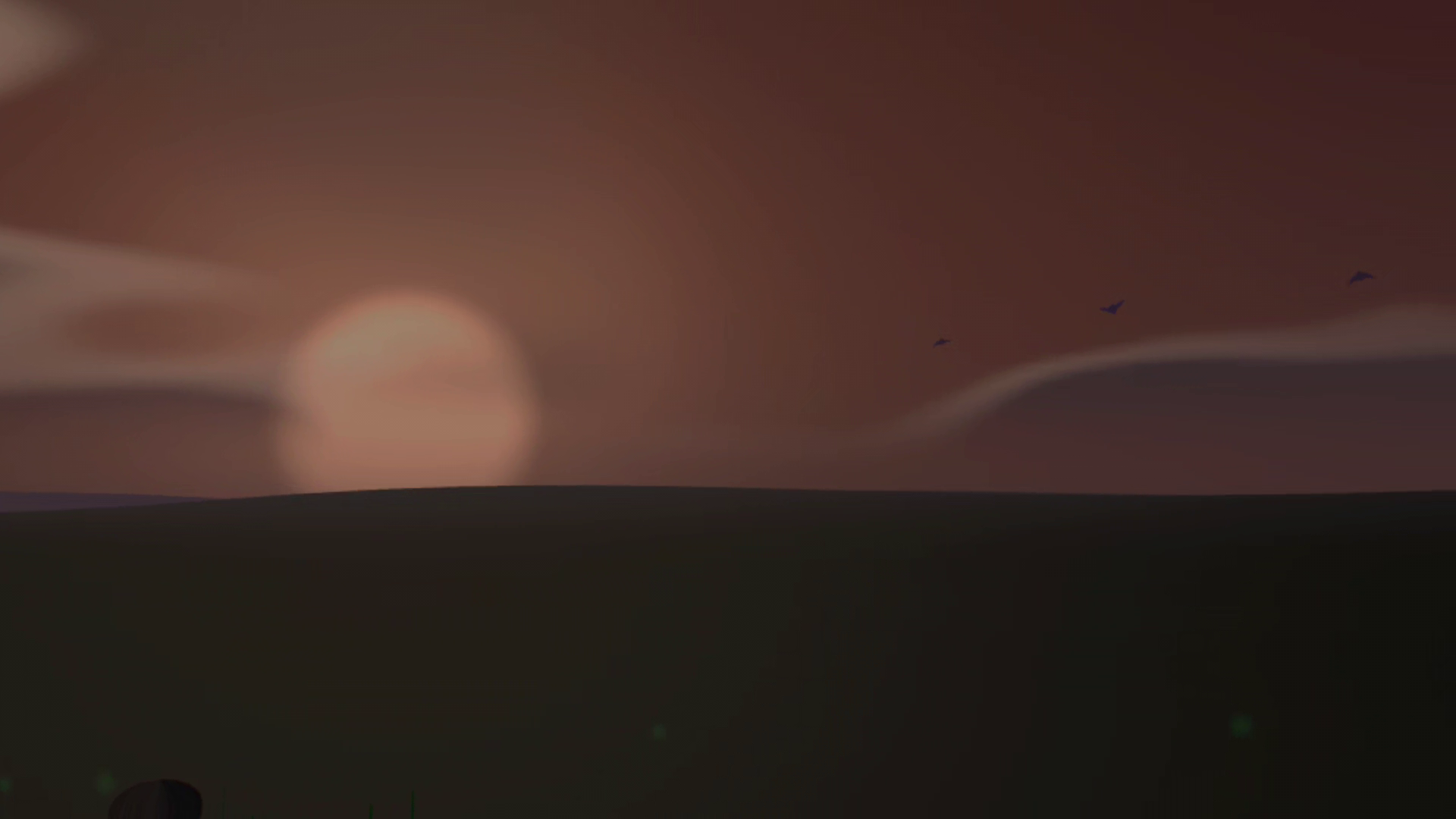
Inspiration
Most of us can't leave the room we're in when we need to switch off. We wanted the opposite of escapism that asks you to stand in an empty play space: an experience that keeps your real room and changes everything around it. Your couch, your walls and your door stay where they are. The world outside them becomes a moonlit veranda, a desert at twilight, or a glass deck among the planets. Turning our space into ambient calm place.
What it does
Trancespace is a mixed-reality ambient app for Meta Quest 3 and 3S.
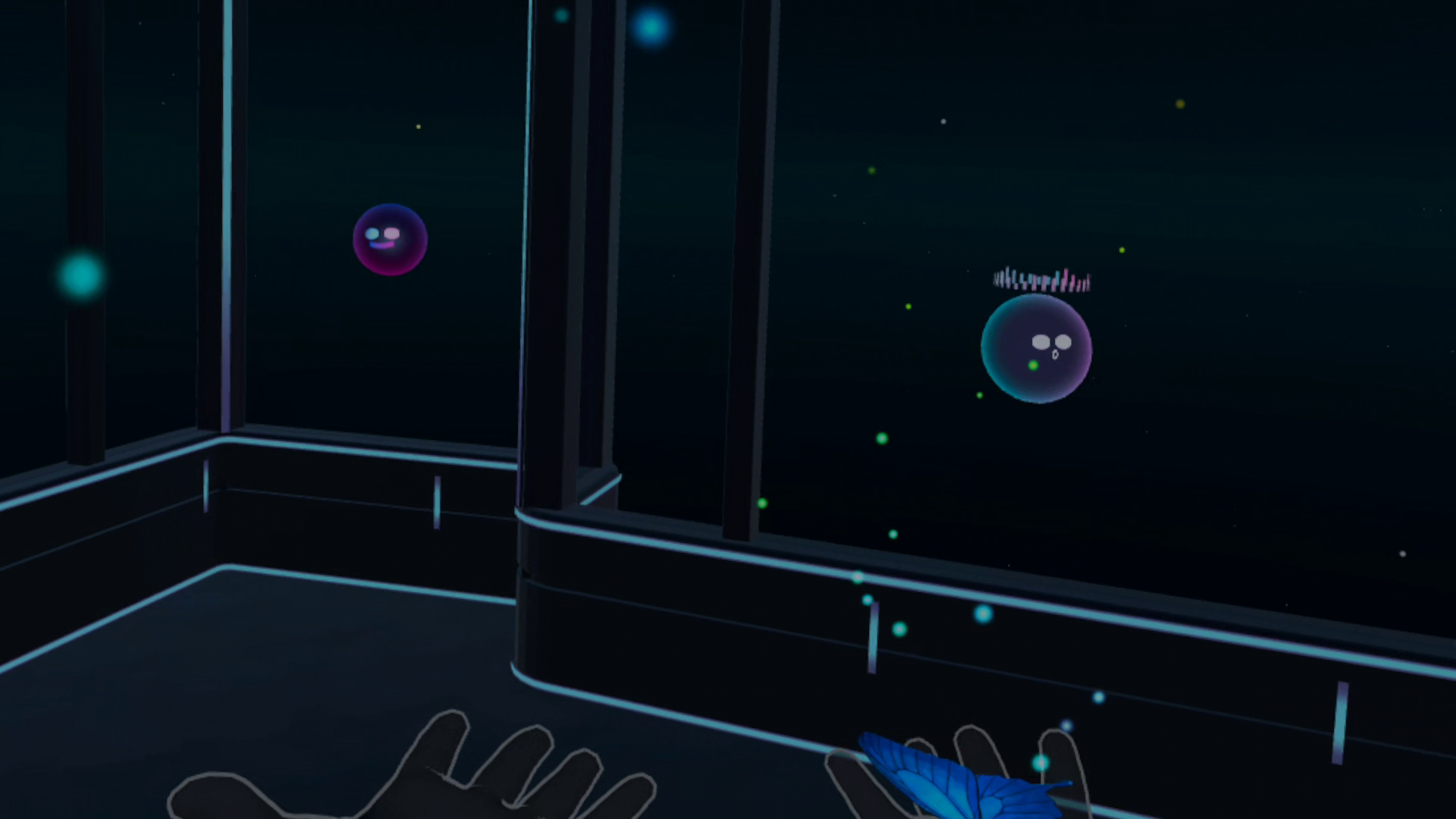
- Your room, rebuilt. The headset's room scan is turned into architecture: walls become glass or open rails, the floor becomes a timber deck or a rock terrace, and doorways stay open so you can walk through them.
- Seven worlds (vibes) : Nova Heights, Nightwing, Verdant-7, Biofields, Oasys, Starfall and Frostmere , each with its own soundtrack and layered ambient sound.
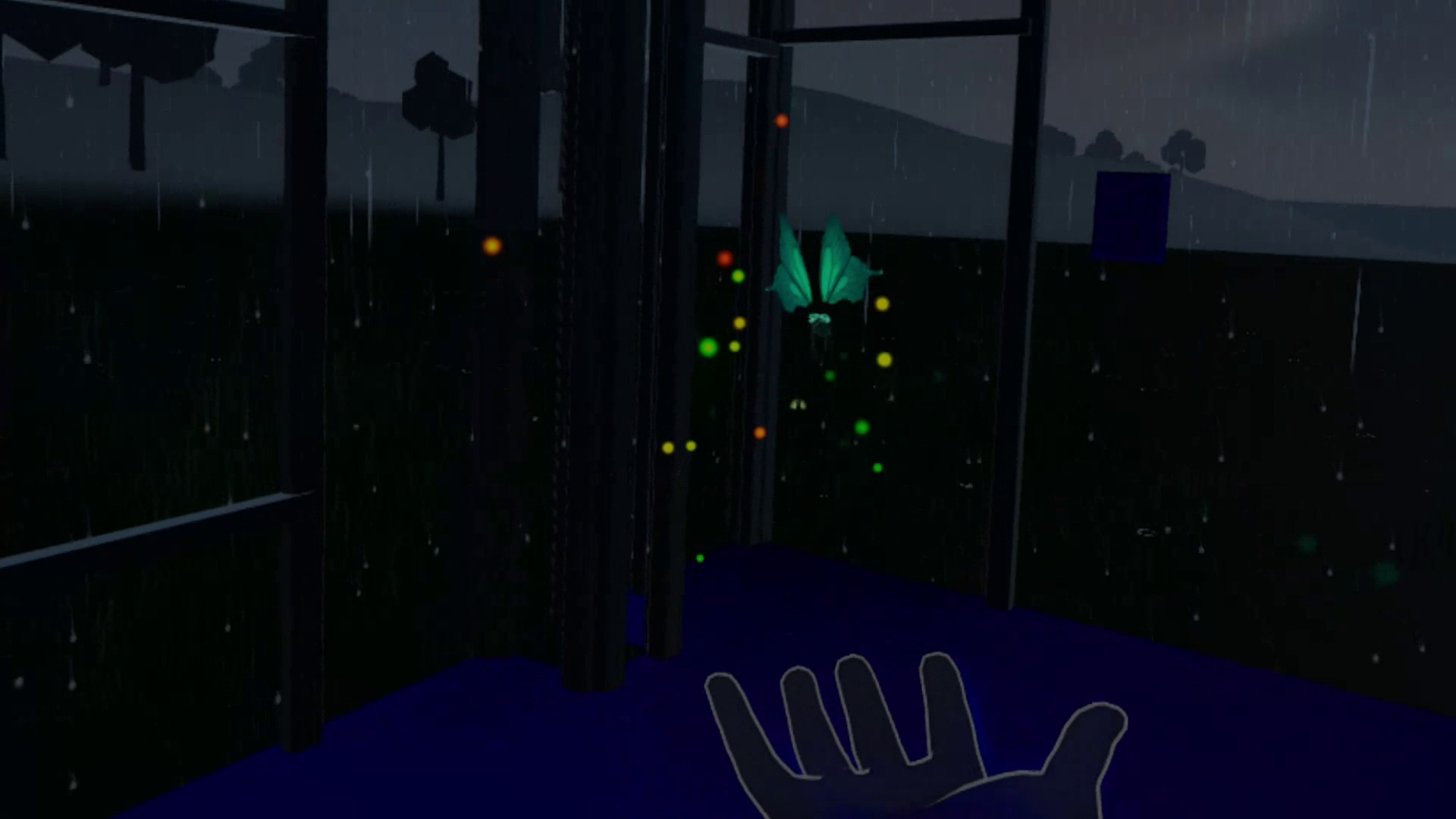
- Two Nest backgrounds that keep you in your own room but put a rainy coast or a dusk valley outside the window.
- Music drives the world. Foliage sways harder, fireflies gather into swarms, a bonfire breathes and light runs along a telegraph wire, all in response to whatever is playing.
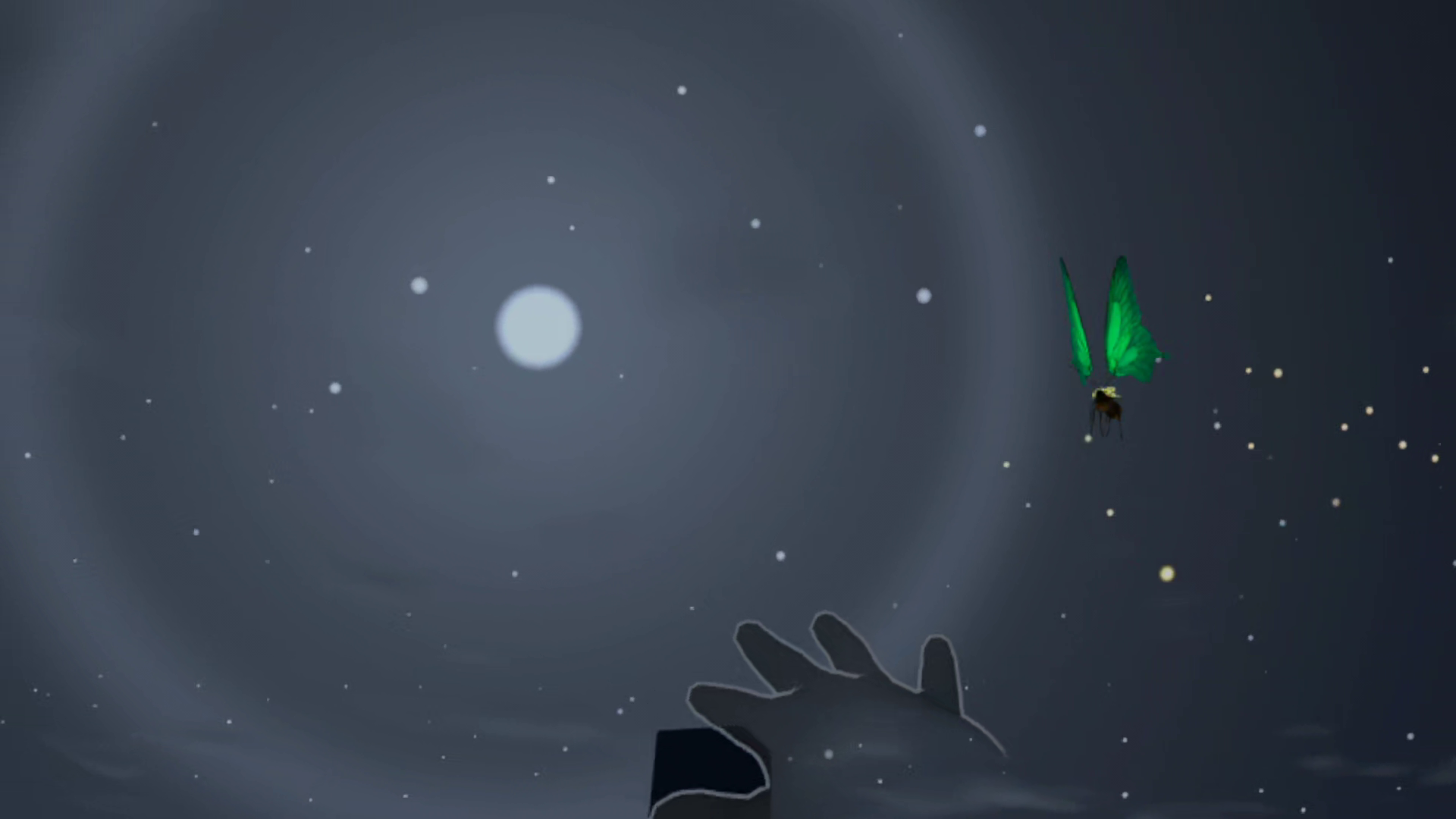
- Hand-played gadgets: Orbix, a ball you throw and recall with real physics; Aether, a light you fire from your hand; Virelia, a butterfly that lands on your palm; and Melodyx, a sphere that pulses to the beat.
- One hand-held tablet for everything, with comfort controls for brightness, passthrough, volume and a sleep timer that slowly dims and quietens the room.
There's no account and no setup, and it works offline once content is downloaded.
How we built it
- Unity 6 with the Universal Render Pipeline on Vulkan, OpenXR and the Meta XR SDK, including the Mixed Reality Utility Kit for the room scan.
- With C# and shaders. Almost every world surface (skies, grass, clouds, planets, glass) is procedural, with few or no textures.
- One persistent layer, one space at a time. The rig, music, gadgets and UI never unload; each world loads additively on top and brings its own room, music, ambience and gestures.
- Every room is built from one floor outline. We triangulate the scan's true polygon (ear clipping, so L-shaped rooms work) instead of placing a panel on each wall, so there are no gaps for the real room to leak through.
- Gestures are named intents. Hand poses, controller buttons and keyboard keys all produce the same events, so every gadget works with hands or controllers.
- Worlds ship as Addressable bundles from Cloudflare R2, so new content reaches players without a store update.
Challenges we ran into
Making motion react to music without jittering.
Holding 72 FPS on a mobile GPU. Procedural night skies turned out to be up to 44% of GPU time in some worlds. We bake the slow, soft parts (cloud, aurora, nebula) into a texture a few times a second and keep stars and the moon per pixel. In the worst world this lifted the frame rate from 64.9 to 71.5 FPS. Starfall's nebula went from about 23.8 ms to 8 ms of GPU time.
Every room is different. Rooms range from 2 to 8 metres, some are L-shaped, and the scanned floor and tracking floor can disagree in height. Anything placed "outside" is measured from the real walls, never from the scene's origin.
Accomplishments that we're proud of
- Worlds that fit any scanned room, with the composition turned to face you when you arrive.
- Seven complete worlds and a full music catalogue on a standalone headset, with no account required.
- A calm product with a strict comfort rule: every change of world happens under a fade, and nothing on the interface springs, bounces or shrinks toward your face.
What we learned
- The room is the stage. Designing from the real floor outline outward solved more problems than any visual trick.
- Write down why. Most of our source files open with a note on what was tried and what failed. That became our project's memory.
What's next for Trancespace
- Mixed-reality storytelling that unfolds around your own room.
- An AI companion that stays with you across worlds.
- AI characters, starting with a performer who dances to your music.
- Gadgets that see, using on-device computer vision.
- More worlds and more Nests, and a store to collect them.
Built With
- blender
- claude
- cloudflare
- codex
- metaxrsdk
- unity

