-
-
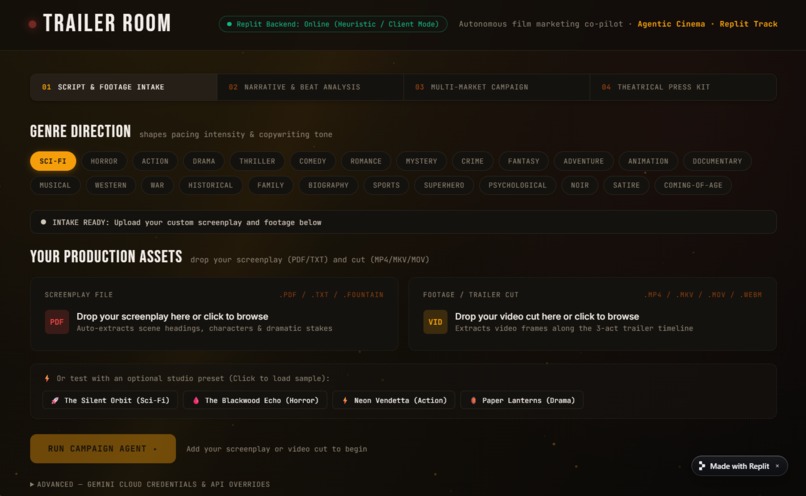
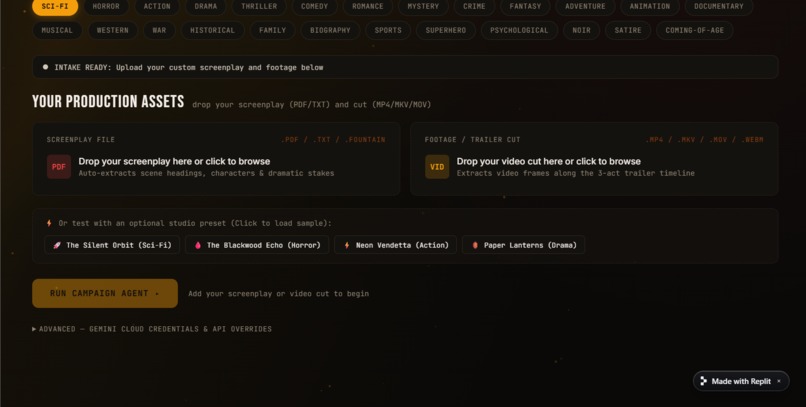
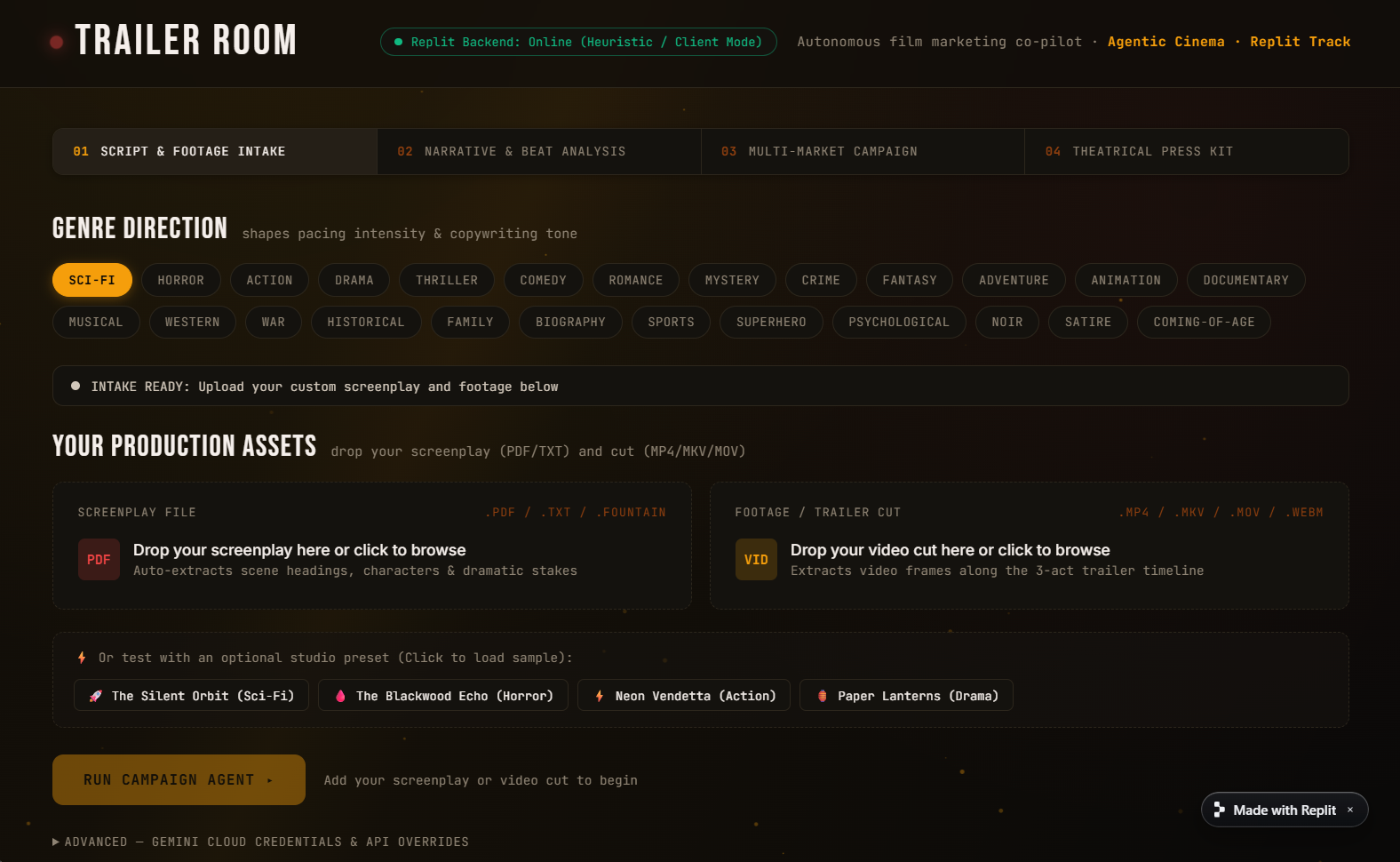
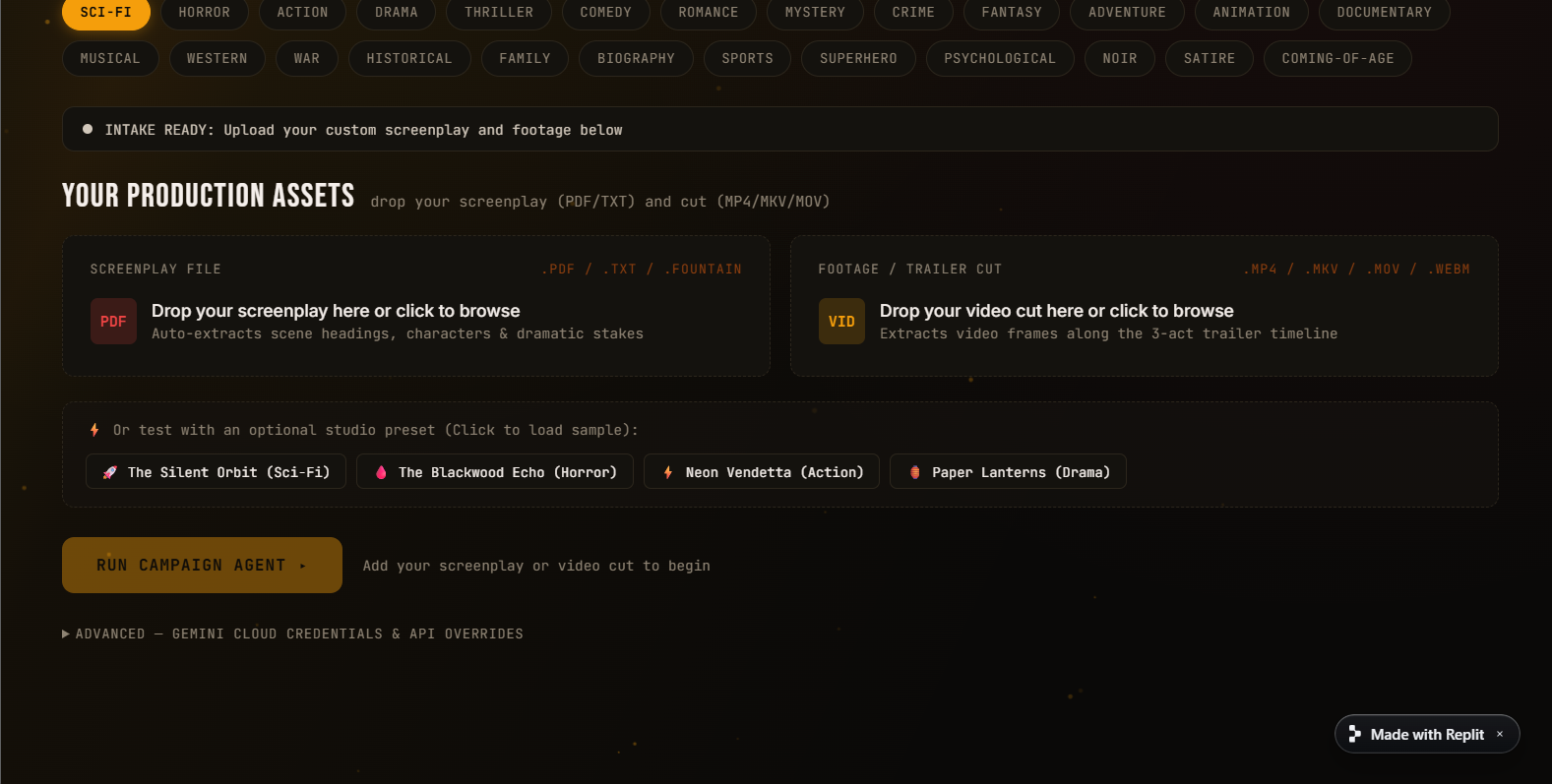
Input 1(script and video input)
-
-
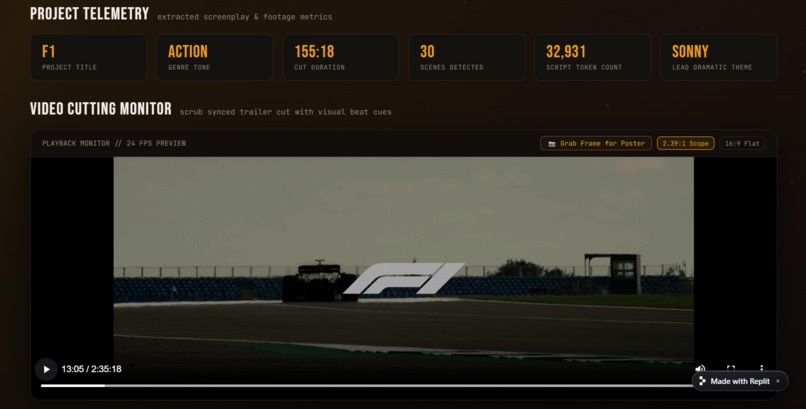
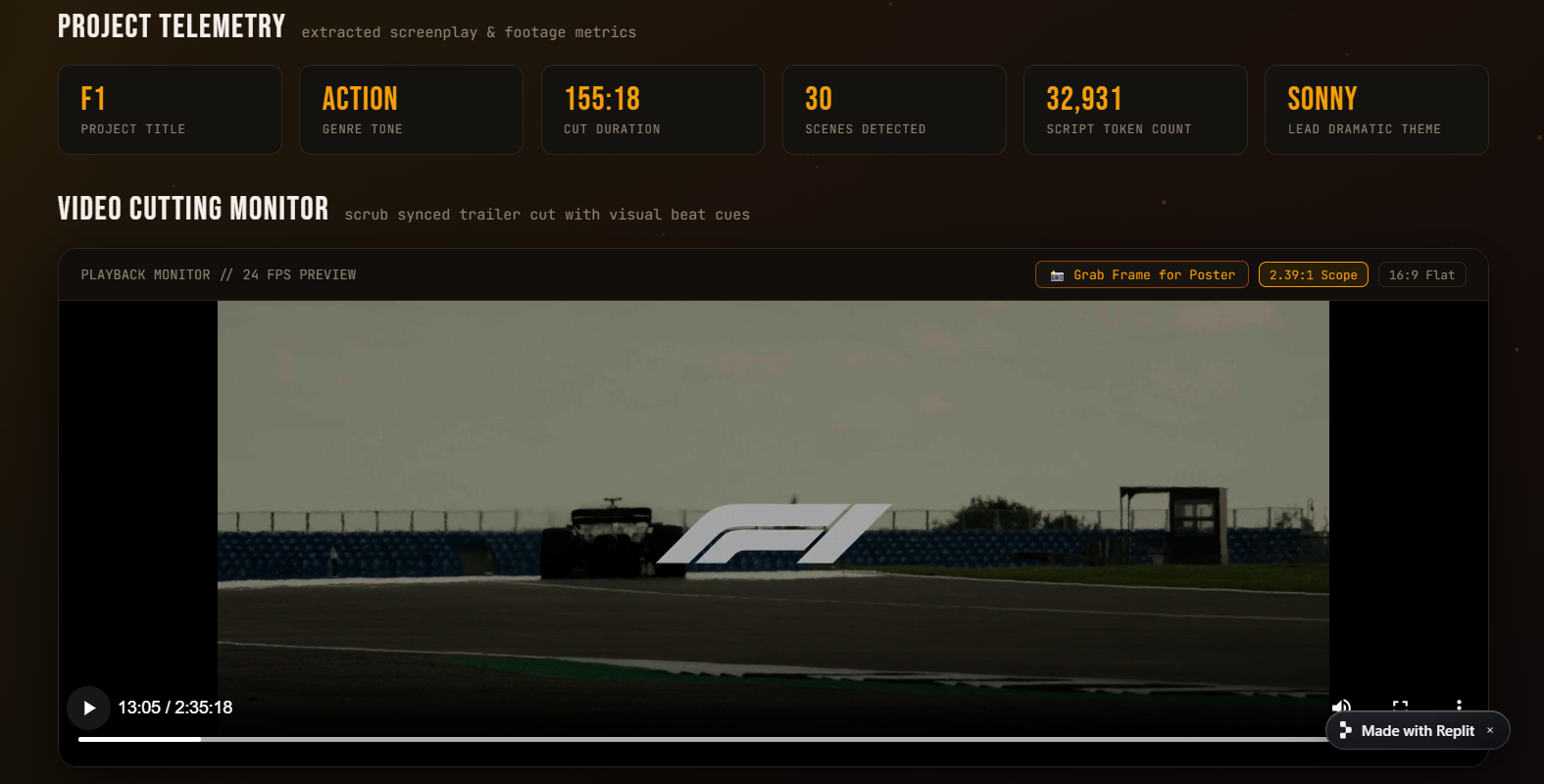
Output(Movie play and Movie file details
-
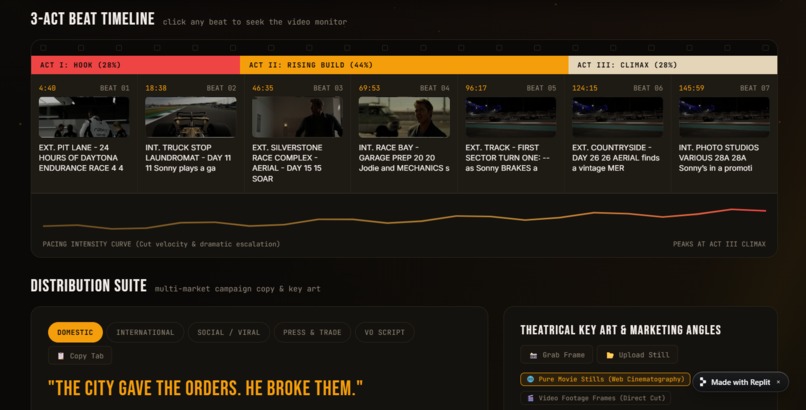
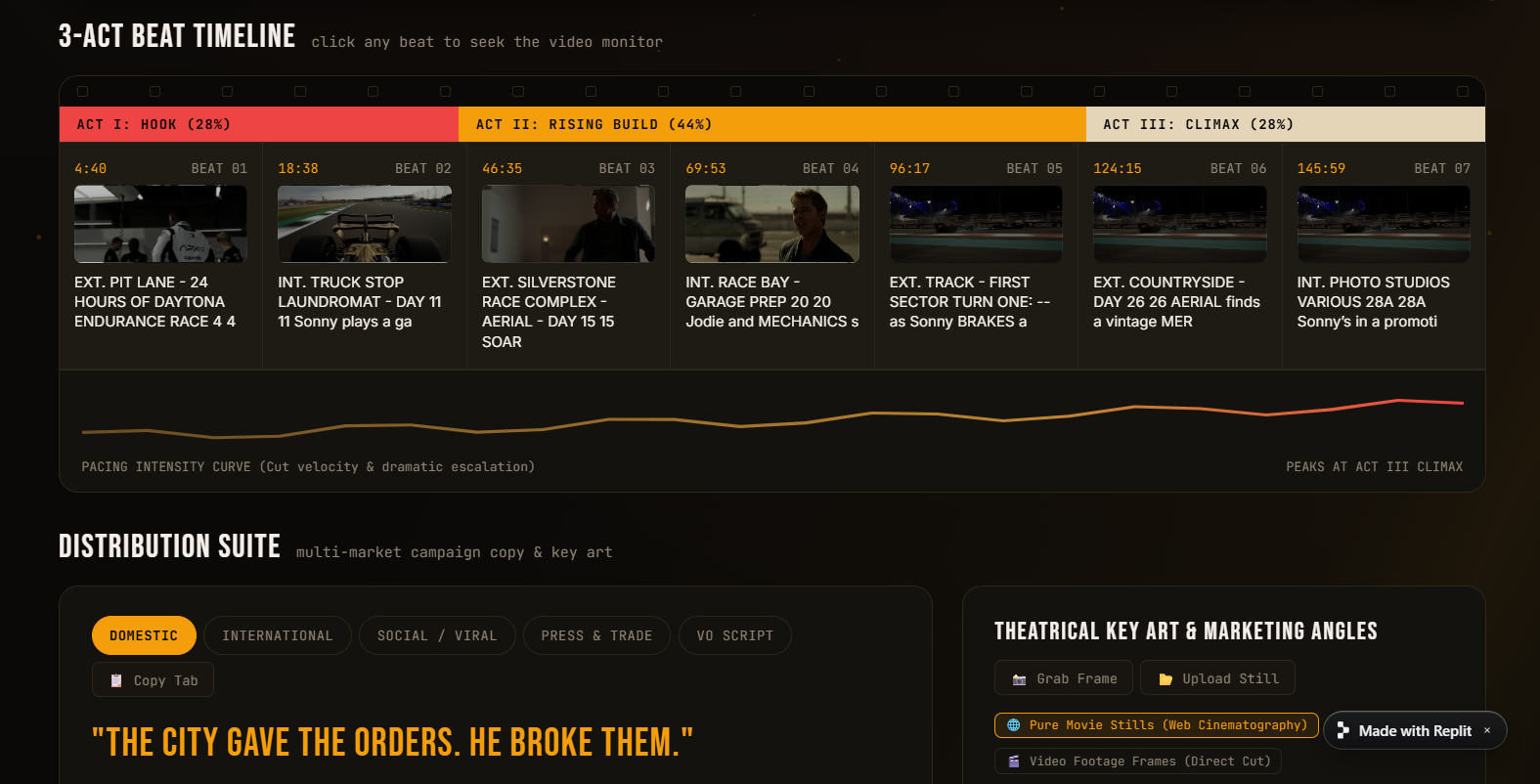
autopicking of frames and identifying peak rise beats via graph
-
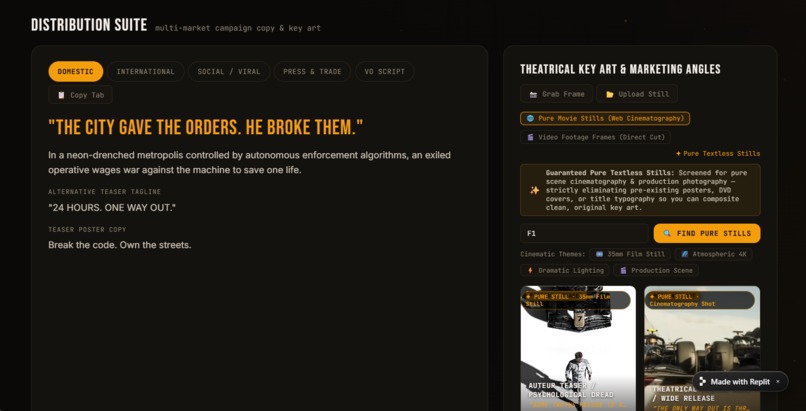
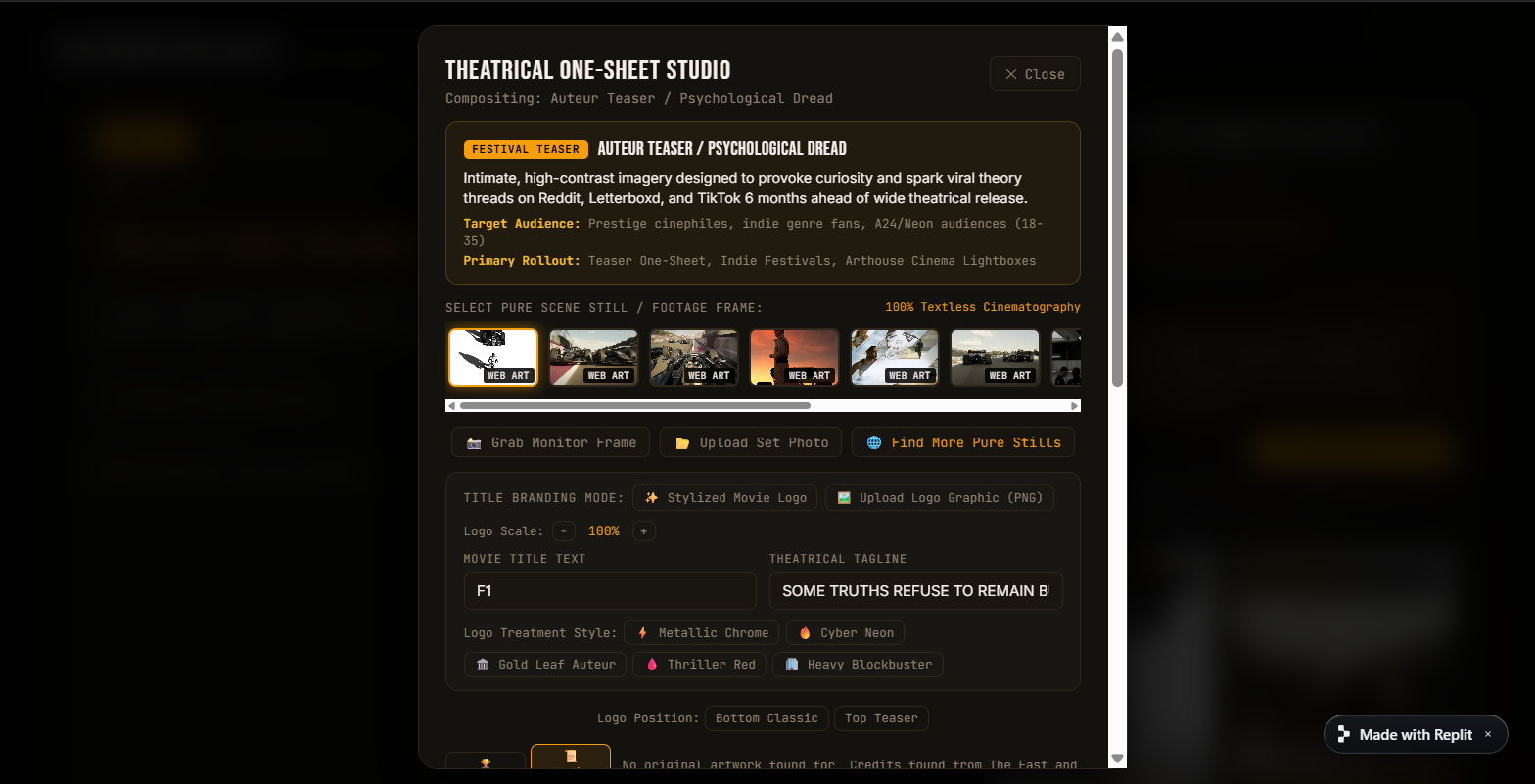
Agent Poster creation
-
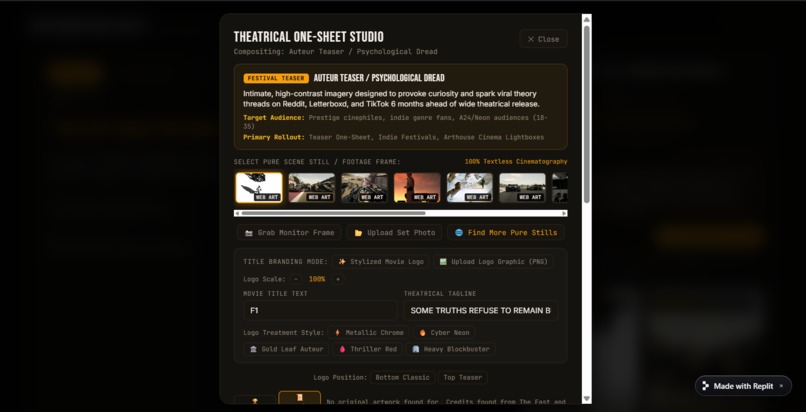
Poster editing by theme,browse and frame adjust
-
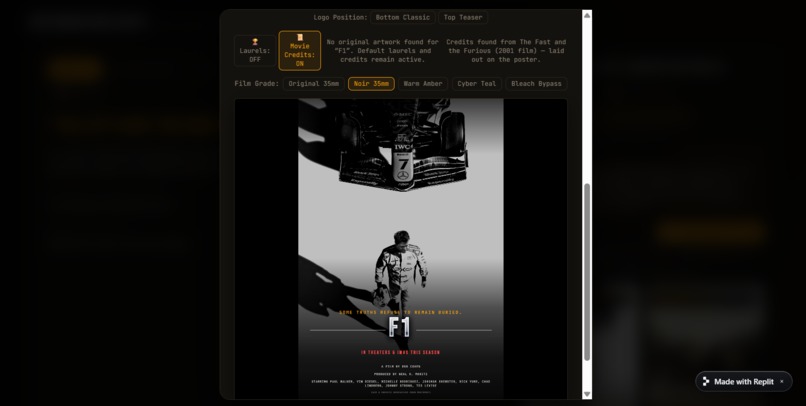
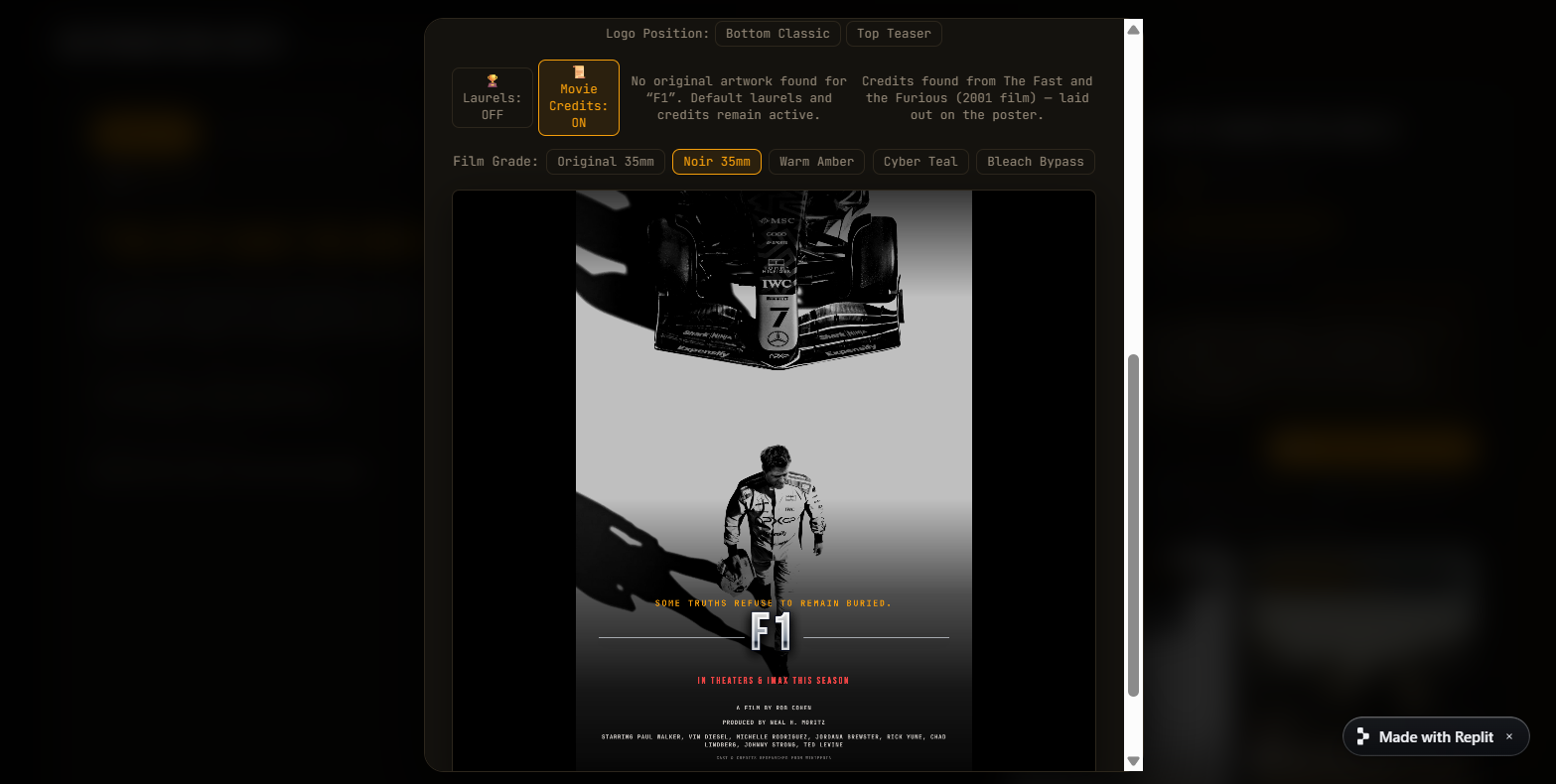
sample poster
-
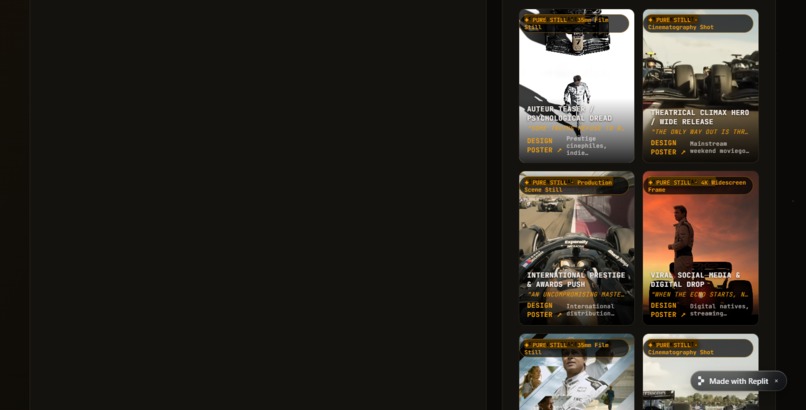
sample_posters_1
-
sample_poster_2
Inspiration
Independent filmmakers and boutique production houses spend $25,000 to $150,000 in agency fees to cut trailers, write localized distribution copy, and design festival key art. I wanted to build an autonomous agentic studio that democratizes Hollywood-grade marketing campaigns in seconds using Google Cloud Gemini 2.0 Flash and Replit.
What it does
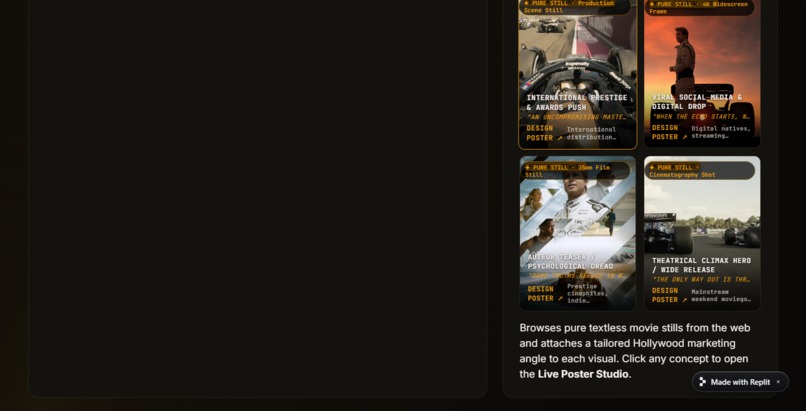
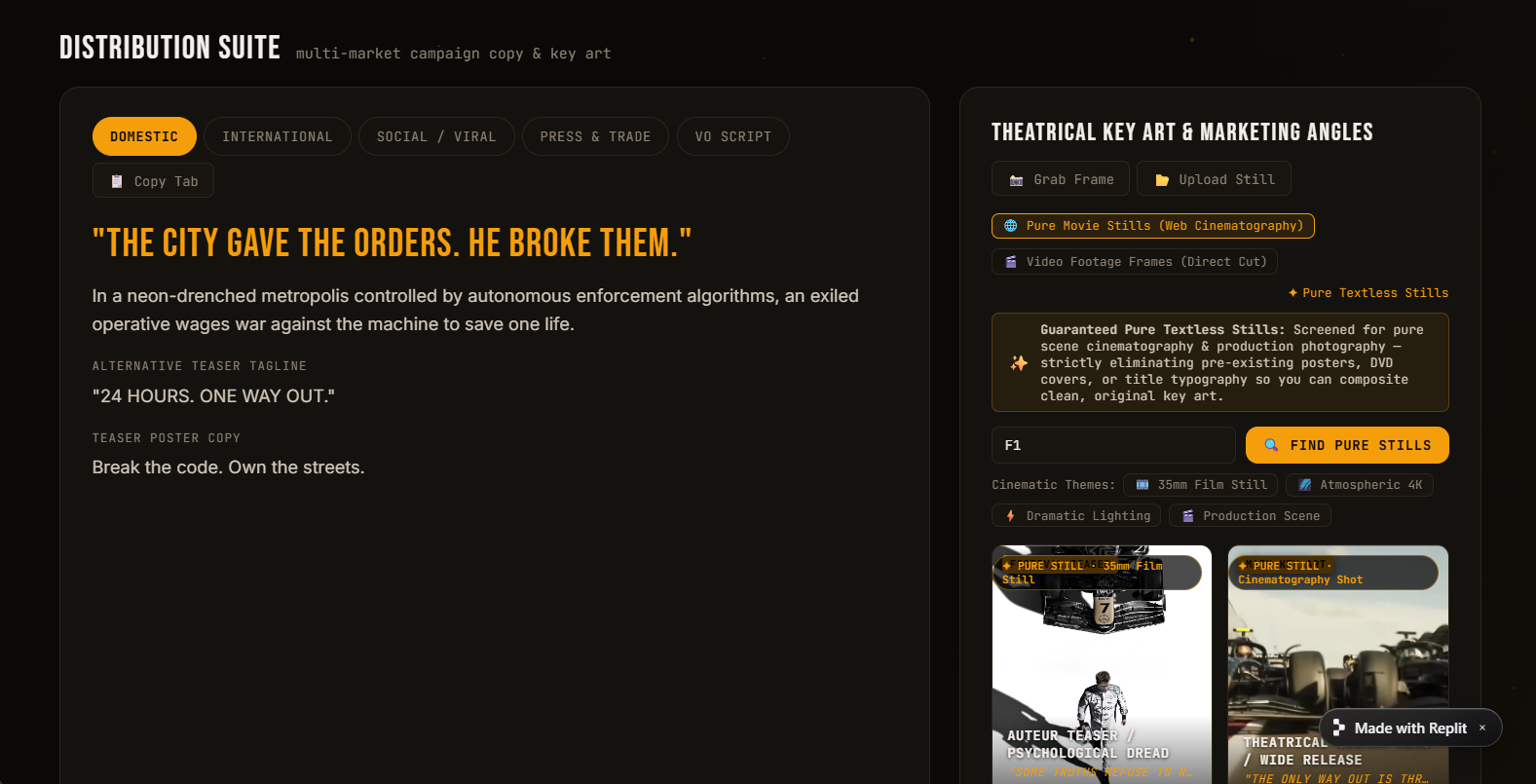
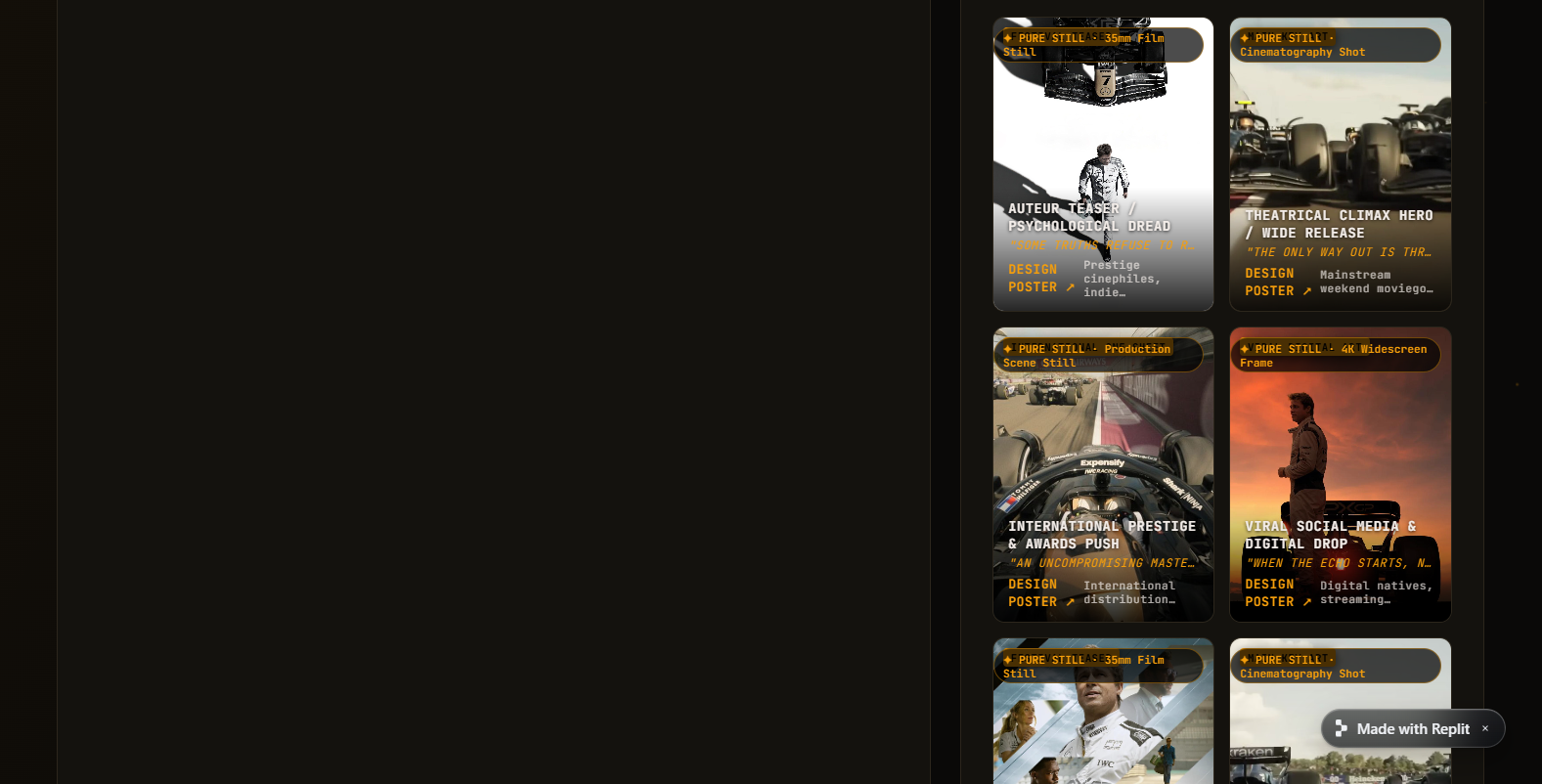
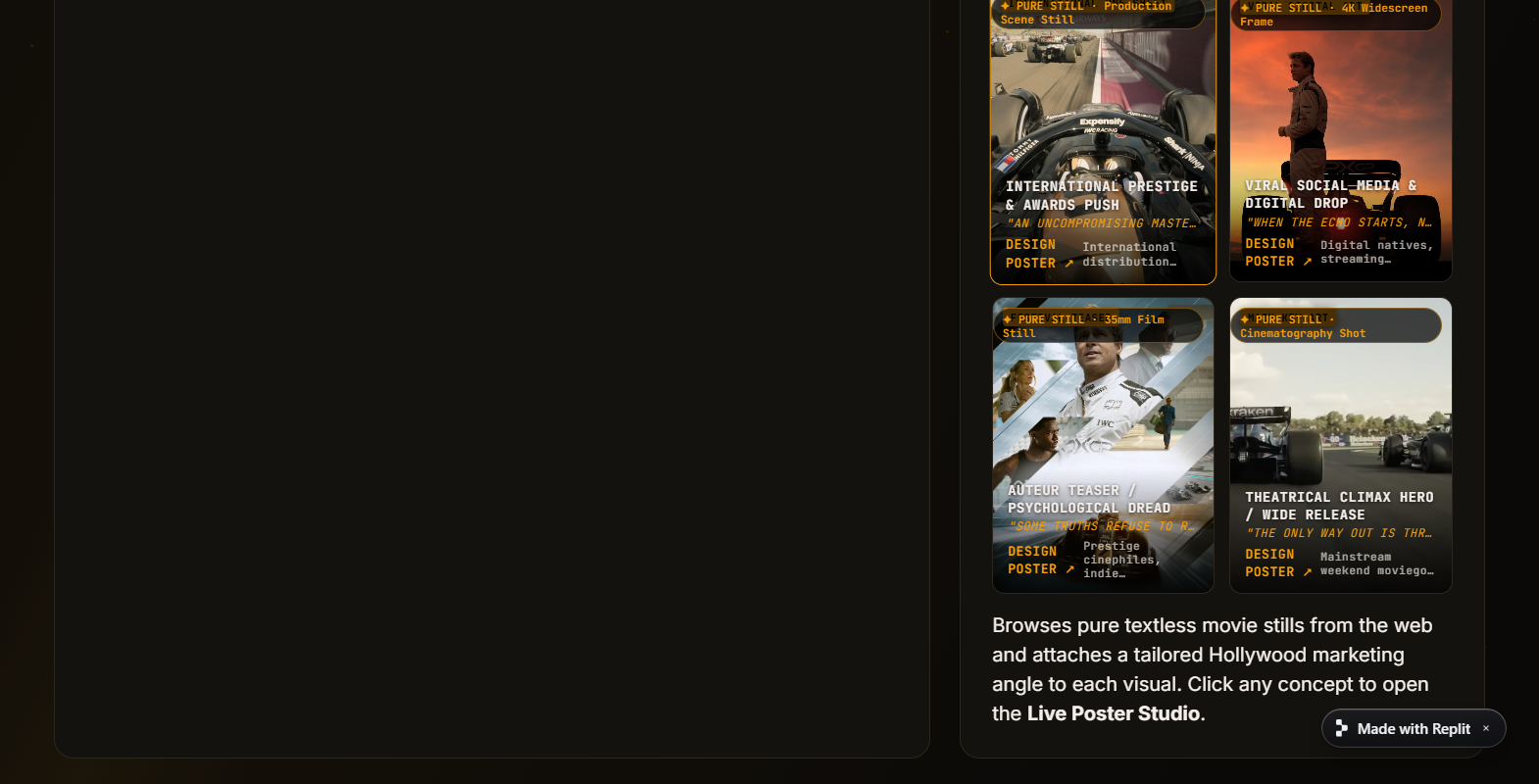
Trailer Room ingests raw screenplays (PDF/TXT) and video footage cuts (MP4/MKV) and acts as an autonomous theatrical marketing department: Narrative Beat Extraction: Automatically maps the film into a 3-act trailer timeline (Hook 28%, Escalation 44%, Climax 28%) with pacing curves. Multi-Market Copy Engine: Uses Gemini 2.0 Flash to craft Domestic theatrical taglines, International distribution hooks, Social/TikTok soundbites, and trade loglines. Timecoded Voiceover Studio: Generates beat-synchronized narrator lines with director acting cues and live Web Audio atmospheric drone playback. Pure Movie Stills & Poster Studio: Searches pure, textless 35mm cinematographic scene stills (strictly filtering out existing posters/DVD covers) and lets filmmakers composite title typography, Cannes/Sundance laurels, billing blocks, and 5 film grade shaders into 1200×1800 PNG one-sheets. One-Click Press Kit: Exports complete distribution kits in Markdown and JSON.
How we built it
Backend: Node.js & Express hosted on Replit, executing structured JSON schemas with @google/generative-ai (Gemini 2.0 Flash). Frontend: High-contrast A24/Dolby-inspired interface in HTML5, CSS3, and JavaScript, featuring real-time video scrubbing and Web Audio synthesizers. Visual Engine: Client-side video frame extractor, negative-operator search engine for textless film stills, and an in-browser 1200×1800 HTML5 Canvas poster compositor with an image proxy to prevent CORS tainting.
Challenges we ran into
Filtering Pure Stills vs. Pre-Printed Posters: Search engines initially returned DVD covers and posters with existing titles printed on them. I solved this using negative search operators (-poster -cover -dvd) and a strict metadata blacklist to ensure 100% clean, textless cinematography backgrounds. Canvas CORS Tainting on Poster Download: Drawing external stills onto an HTML5 Canvas blocked PNG exports due to browser cross-origin security. I built a backend proxy (/api/proxy-image) to enable seamless 1200×1800 poster downloads. Handling Heavy Video Files: Uploading multi-gigabyte video cuts to the cloud would cause severe latency and costs. I implemented client-side frame decoding in the browser, sampling footage at narrative intervals with zero server storage overhead. Locking AI Voiceover to Exact Timecodes: LLMs often generate ungrounded text without tempo. I enforced structured JSON schemas in Gemini 2.0 Flash to sync voiceover lines and SFX cues directly to 3-act trailer timecodes and pacing curves.
Accomplishments that we're proud of
Built a grounded pipeline that links screenplay dialogue and video timestamps rather than generating ungrounded generic marketing text. Engineered the negative-query search algorithm that retrieves pure, unadorned scene cinematography without third-party poster fonts or DVD covers. Real-time client-side frame extraction from .mp4 and .mkv files directly in the browser with zero cloud storage costs.
What we learned
Grounded Narrative Structuring: AI creative generation is exponentially more effective when anchored to mathematical story structures (Hook 28%, Build 44%, Climax 28%) and exact video timecodes rather than open-ended prompts. Power of Client-Side Media APIs: Modern browser APIs (HTML5 Video decoding, Canvas compositing, Web Audio API, and Speech Synthesis) can handle heavy media workflows directly on the device with zero cloud storage costs. Precision in Search Engineering: Combining negative operators with programmatic metadata blacklists is crucial for turning noisy internet search results into pure, production-grade visual assets. Agentic Film Distribution: Trailer production and film marketing are interconnected disciplines (copywriting, visual key art, VO pacing, press kits)—making them ideal for coordinated agentic workflows.
What's next for TRAILER ROOM
NLE Timeline Export (EDL / FCPXML): Exporting cut decision lists directly into DaVinci Resolve, Premiere Pro, and Final Cut Pro with pre-placed audio markers. Studio-Grade AI Narration: Integrating studio-quality voice models for cinematic Hollywood trailer narration and multi-track stems. Dynamic Score & Riser Synchronization: Automatically matching trailer music drops, stingers, and risers to the pacing velocity curve. Global Localization in 15+ Languages: Auto-translating press kits and generating localized foreign-language theatrical posters with native typography. 1-Click Festival Submissions: Direct packaging and export for FilmFreeway, Cannes Marché du Film, and distributor sales portals.
Built With
- express.js
- gemini-2.0-flash
- google-gemini
- html5
- javascript
- node.js
- replit
- web-audio-api
- web-speech-api

Log in or sign up for Devpost to join the conversation.