-
-
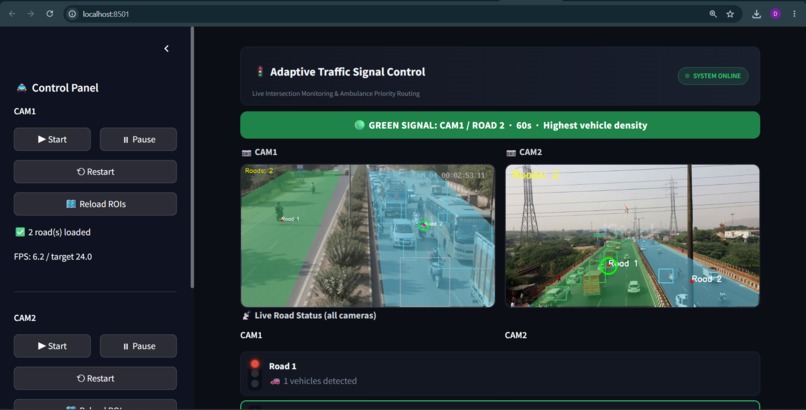
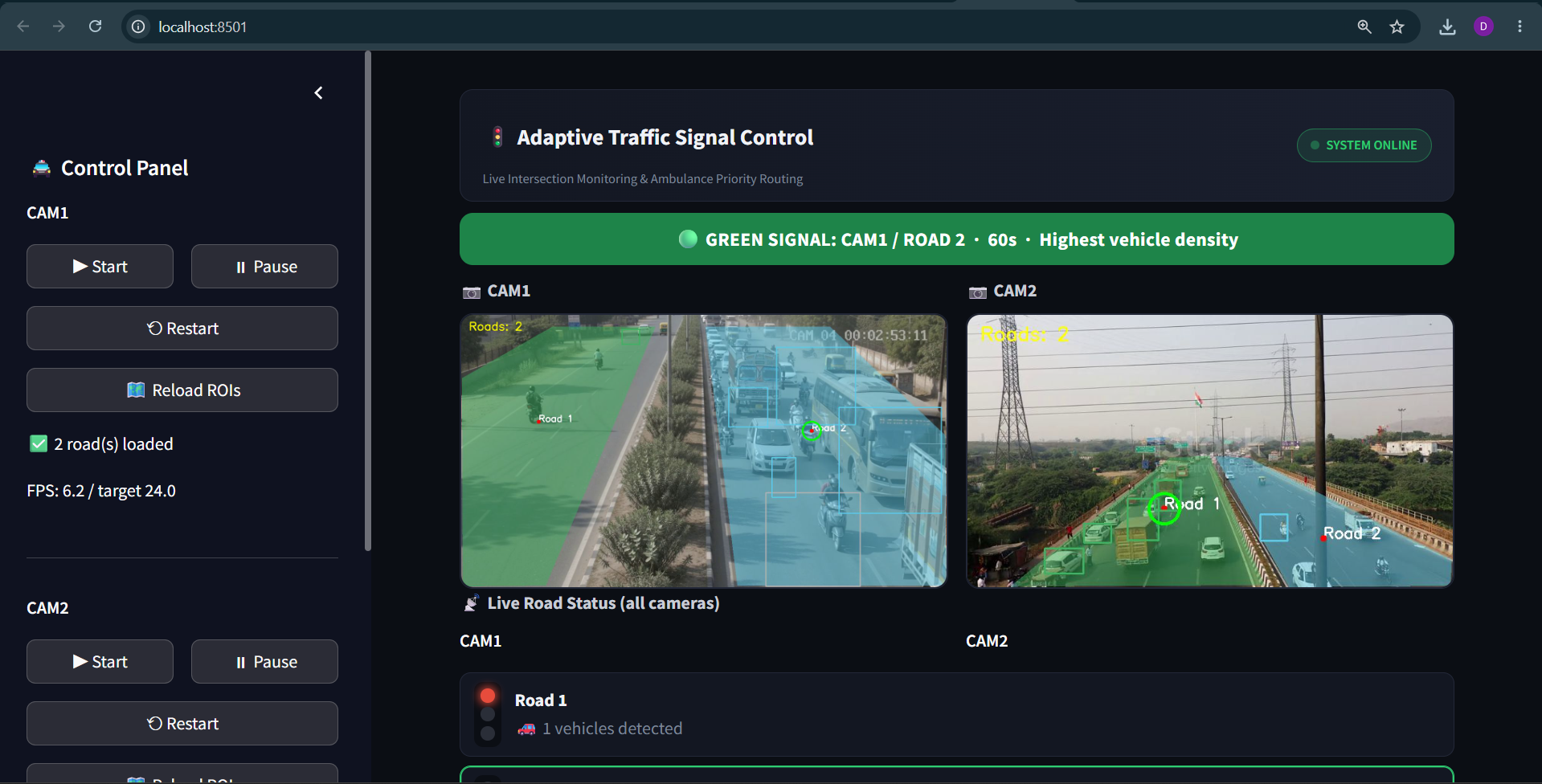
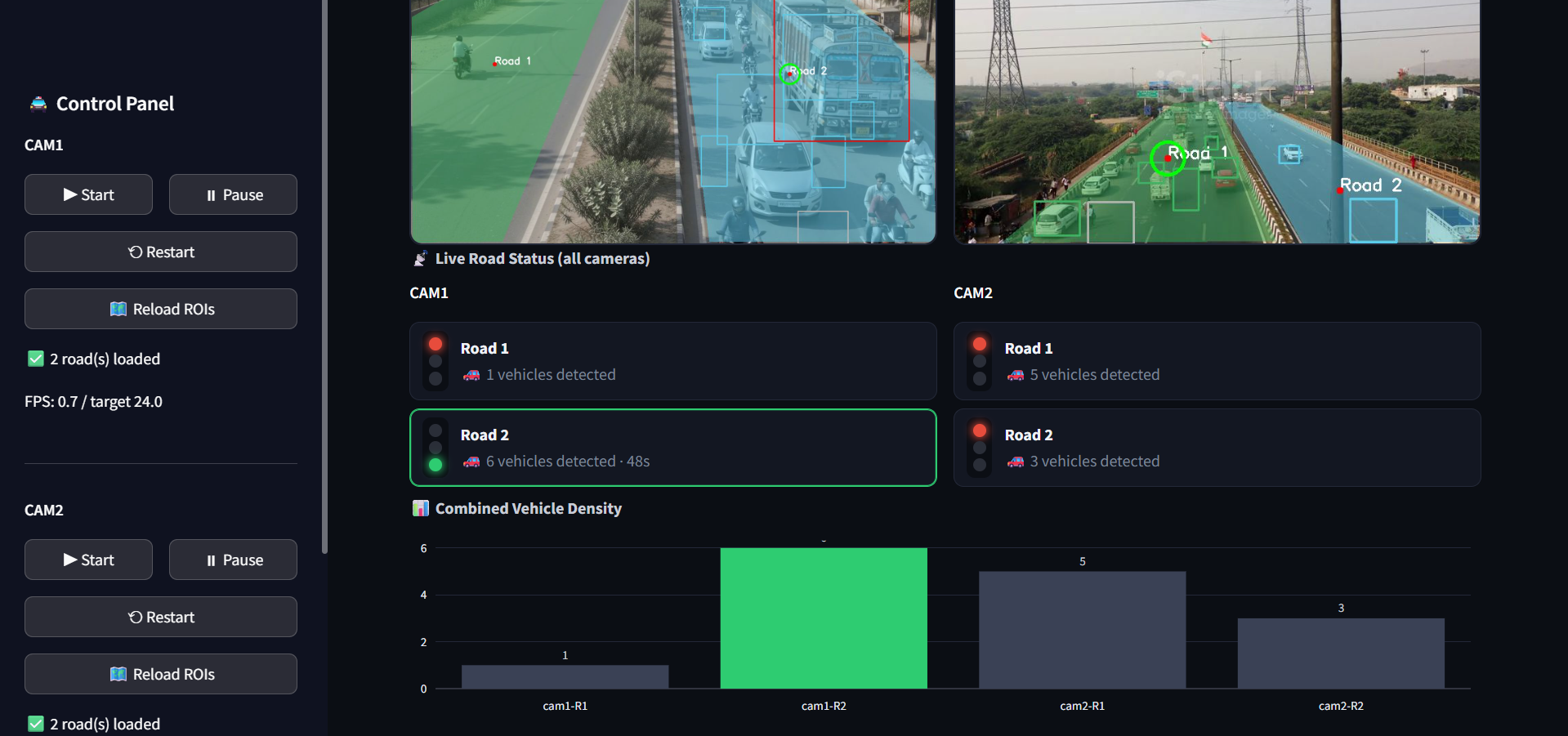
Dashboard of TrafficLens
-
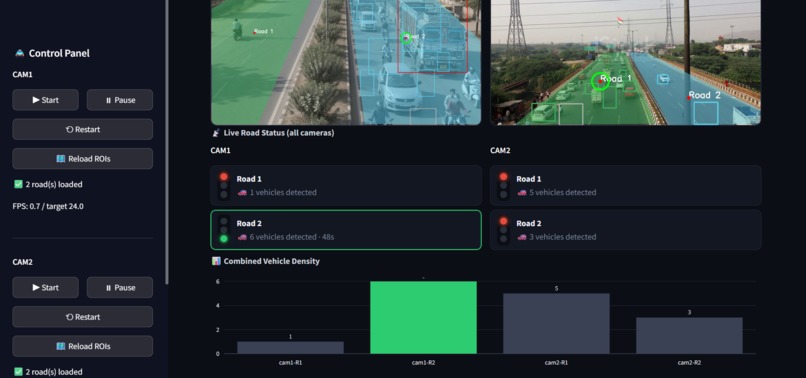
Turns the densest road signal green
-
-
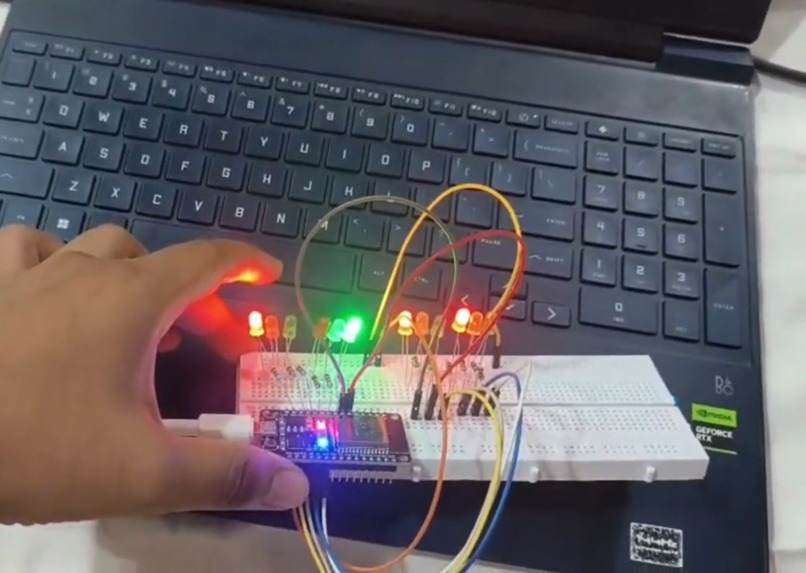
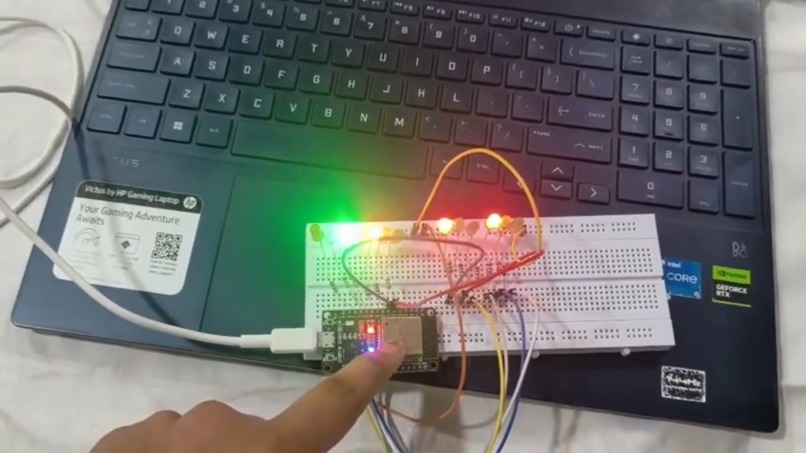
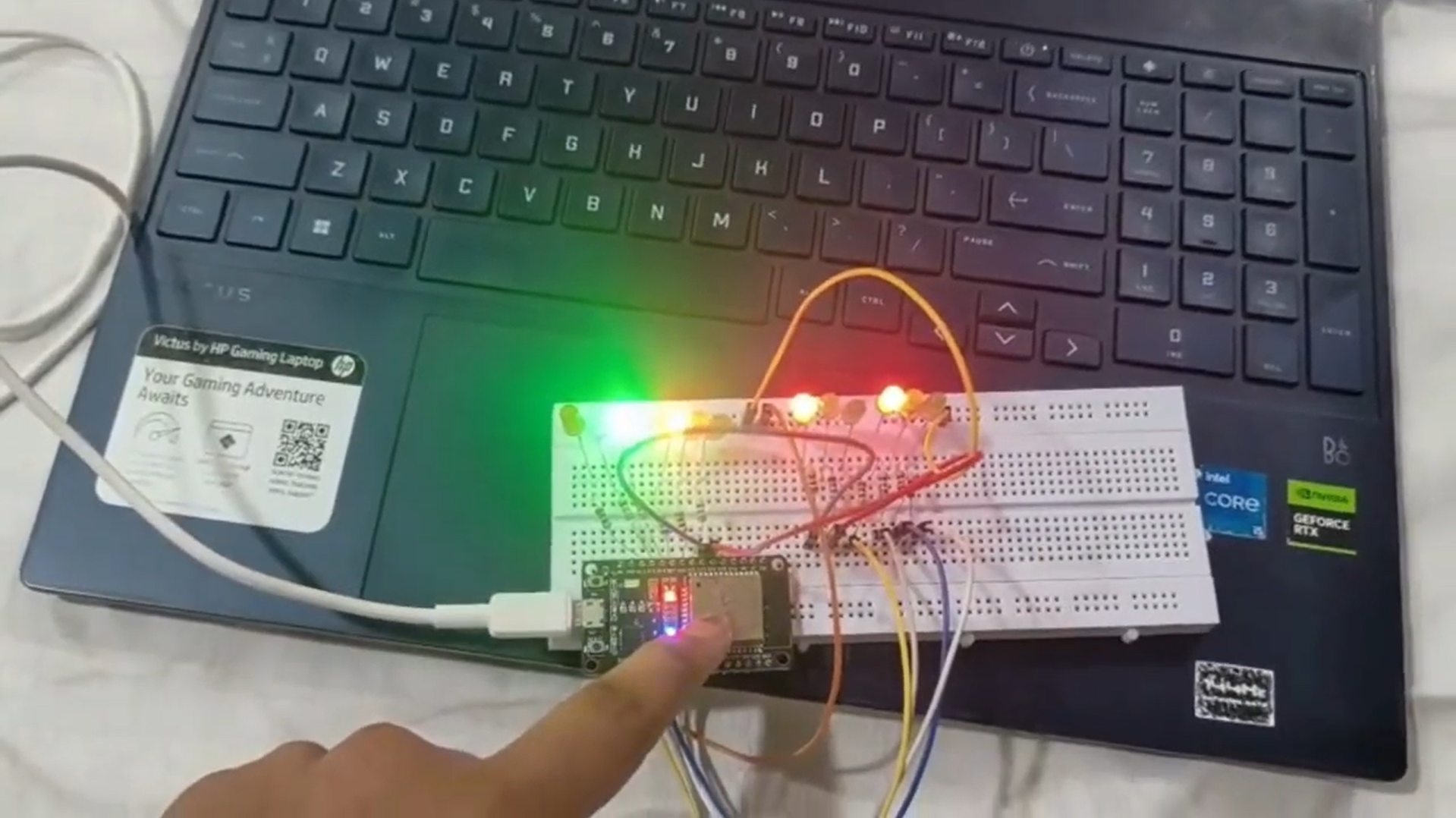
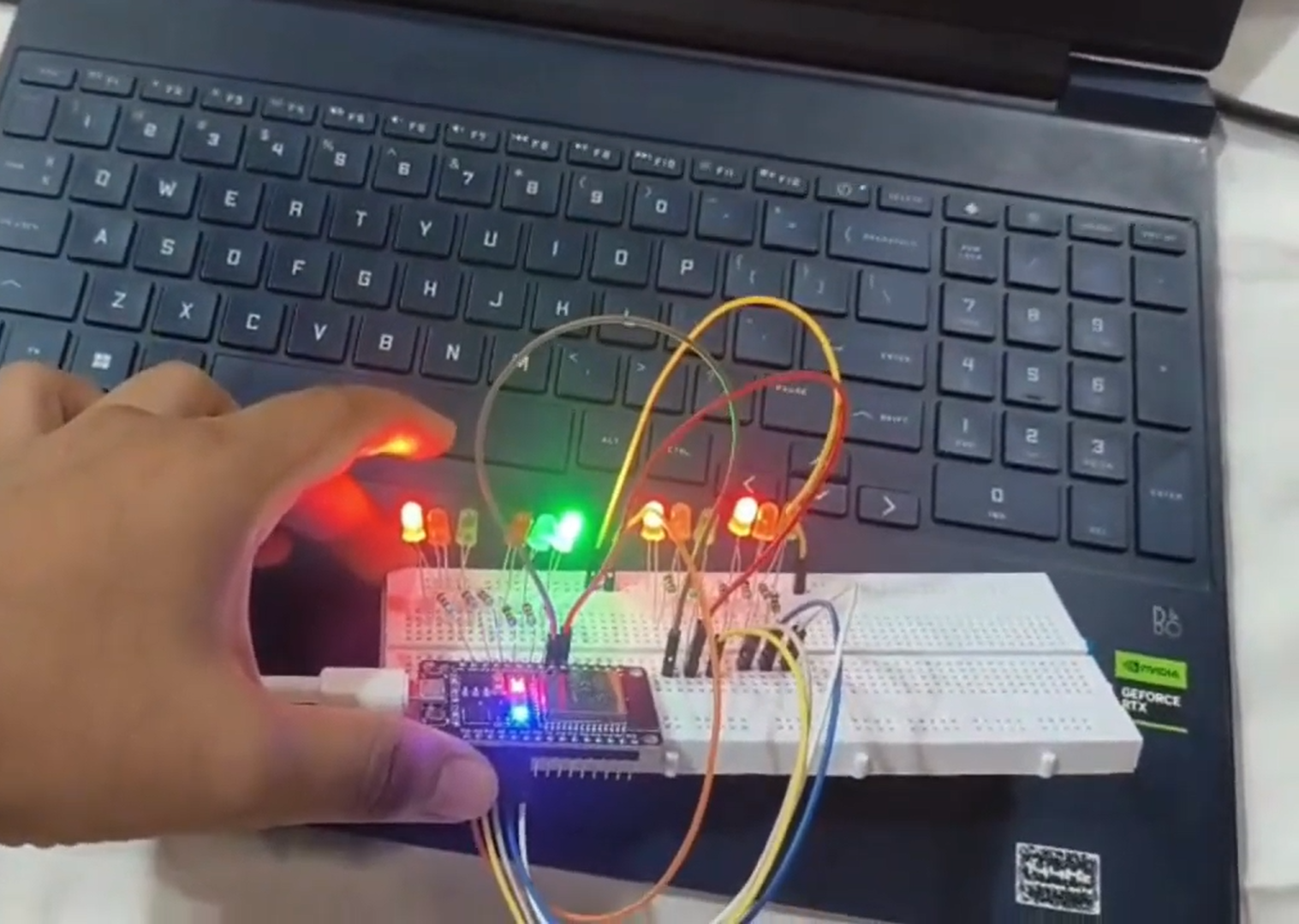
Live signal changing according to the density of the traffic
-
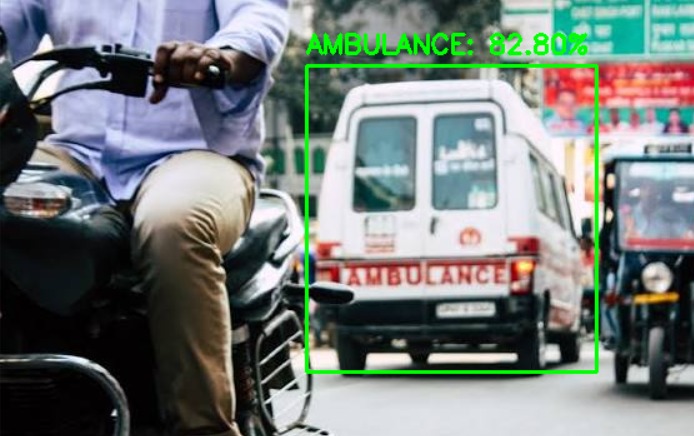
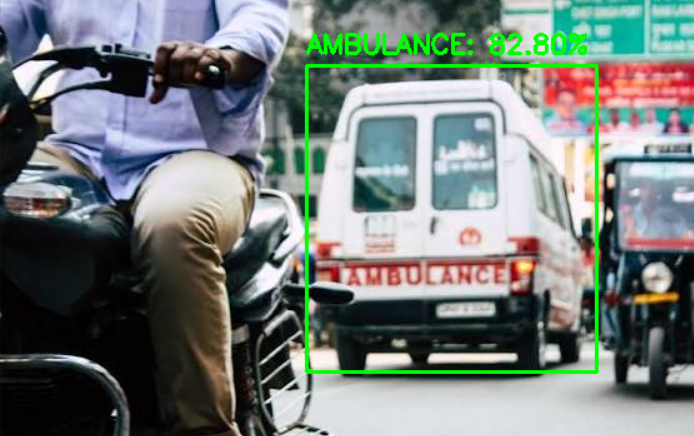
Ambulance detection with confidence score
Inspiration
We have often seen vehicles waiting at traffic signals even when there is little or no traffic on the other side. At the same time, we have seen ambulances getting stuck in traffic for several minutes while waiting for signals to change. These everyday situations made us think: what if traffic signals could understand what is actually happening on the road and respond accordingly? This inspired us to explore how AI and edge computing could make traffic signals more adaptive, efficient and responsive to real-time traffic conditions.
What it does
TrafficLens is an AI-powered intelligent traffic management system that monitors traffic in real time. It detects and classifies vehicles using computer vision and adjusts signal timing according to traffic density. It can also identify emergency vehicles and prioritize them at intersections.
How we built it
We built a prototype using ESP32-CAM, YOLOv8, edge computing and MQTT. The camera captures traffic footage while YOLOv8 detects vehicles and emergency vehicles. The traffic information is processed locally and used to make signal-control decisions. MQTT enables communication between the junction components and the monitoring system.
Challenges we ran into
One major challenge was designing a system that could respond quickly while working with limited hardware resources. We also had to think about emergency-vehicle detection, dynamic signal timing and communication between different components. Moving from a prototype to real-world deployment also requires integration with existing CCTV cameras and certified traffic controllers.
Accomplishments that we're proud of
We built a working proof of concept that combines computer vision, edge AI, adaptive traffic control and IoT communication. We also designed the architecture so that the prototype can potentially be adapted to existing traffic infrastructure instead of replacing an entire junction.
What we learned
We learned that building a real-world AI system involves much more than training a model. We had to consider latency, hardware limitations, communication, signal-control logic, scalability and practical deployment.
What's next for TrafficLens
Our next step is to move from prototype hardware toward real-world deployment using existing CCTV infrastructure and industrial edge devices. We want to test the system at an actual junction and expand it toward multi-intersection coordination, pedestrian detection and V2X integration.
Built With
- deep-learning
- esp32
- esp32-cam
- flask
- iot
- machine-learning
- mqtt
- python
- streamlit
- yolov8


Log in or sign up for Devpost to join the conversation.