Inspiration
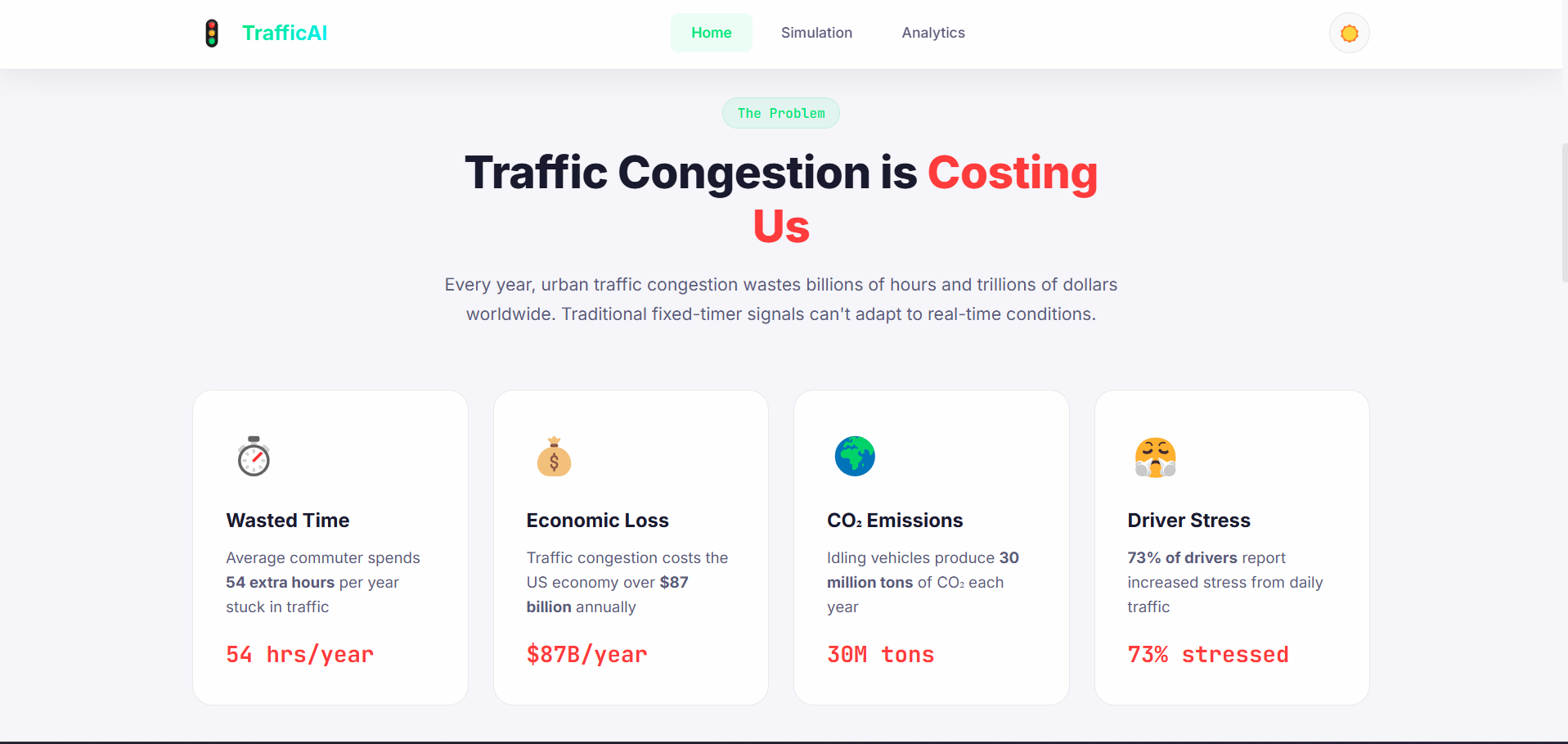
Witnessing the daily frustration of gridlocked traffic—where emergency vehicles are stalled and carbon emissions spike—we felt compelled to transform static, outdated traffic lights into a dynamic, "living" network that responds to real-world demand.
What it does
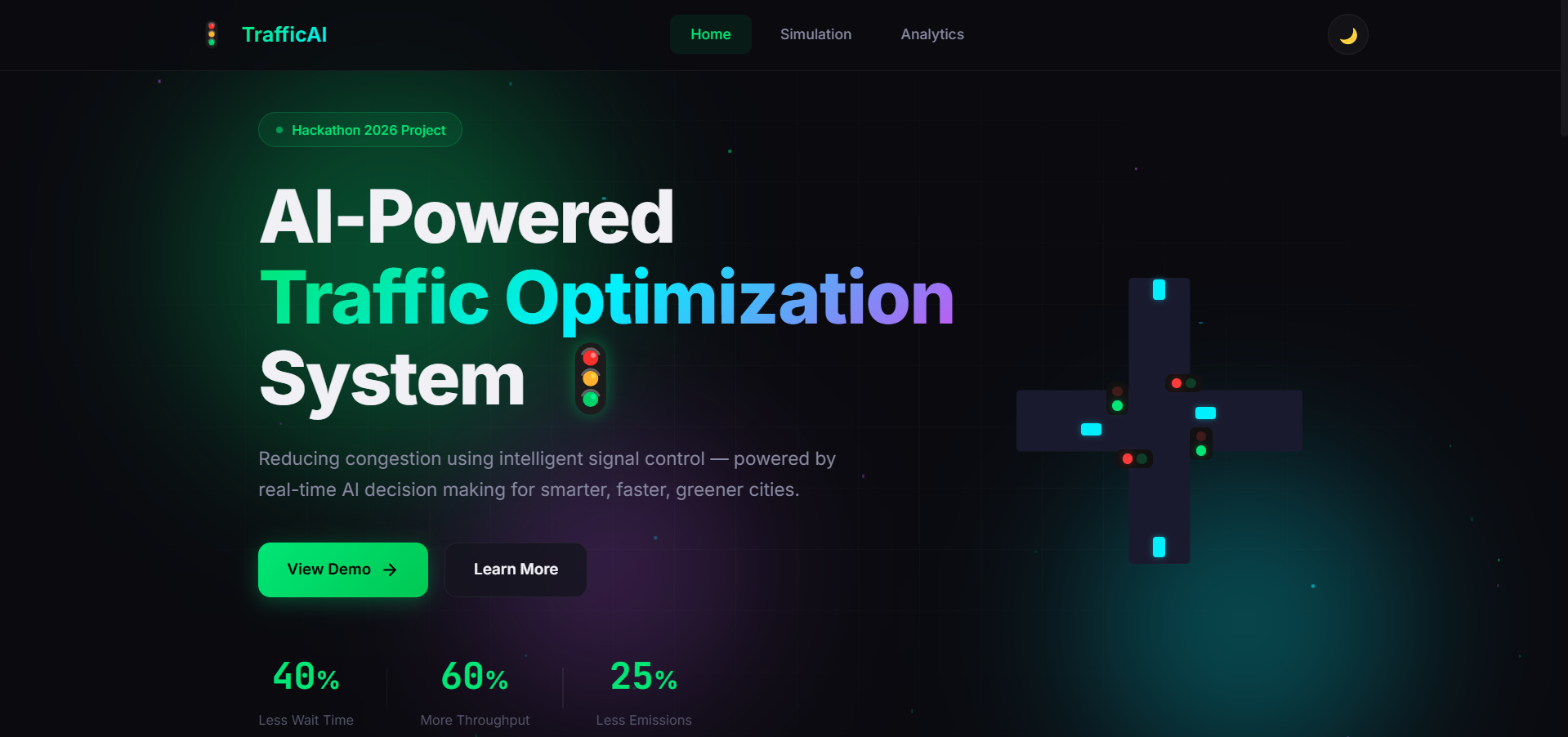
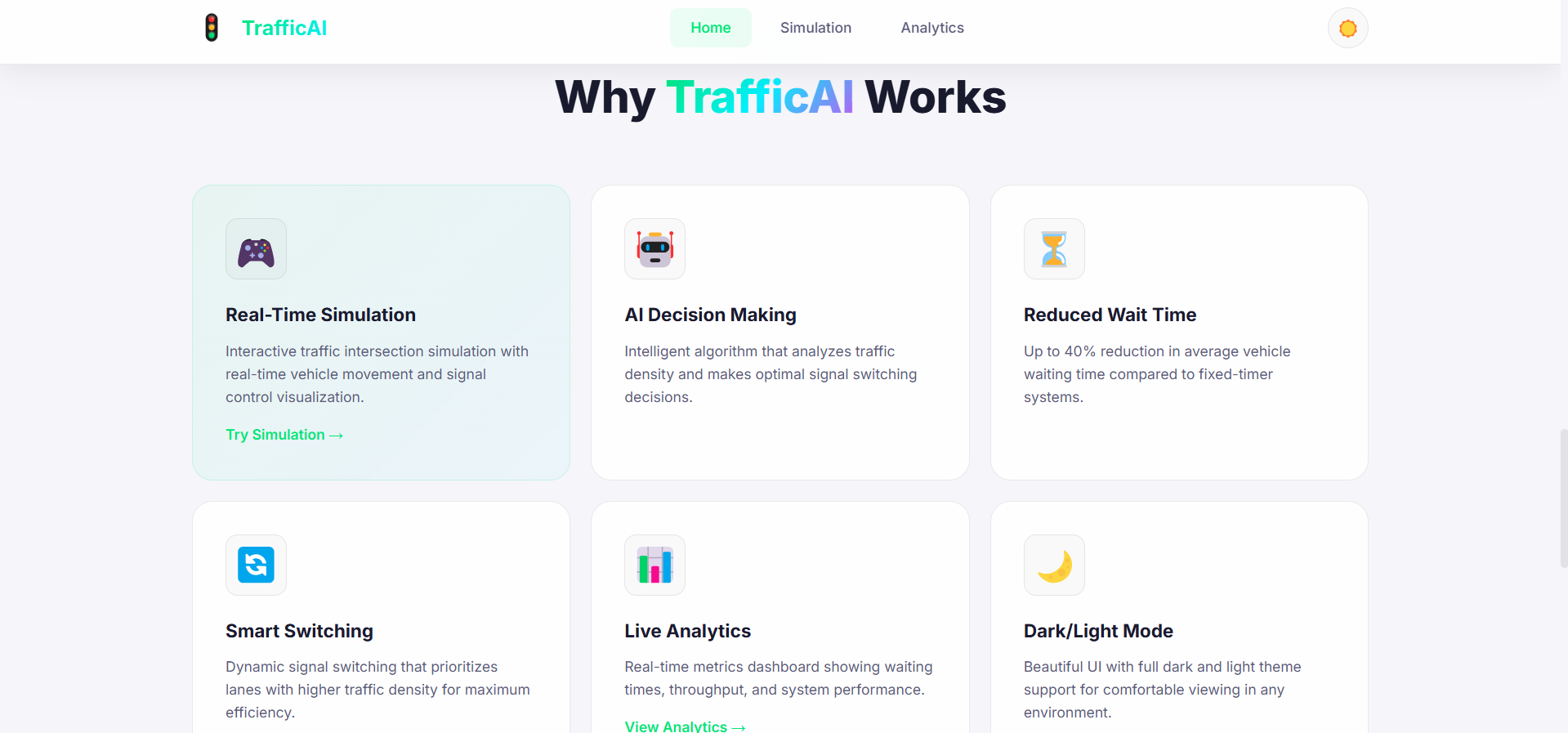
Enache is an AI-powered traffic management platform that analyzes real-time vehicle density to optimize signal timings. By prioritizing high-flow lanes and emergency routes, it reduces wait times by 40%, increases intersection throughput by 60%, and significantly cuts down on idling-related emissions.
How we built it
The system was developed using a full-stack approach:
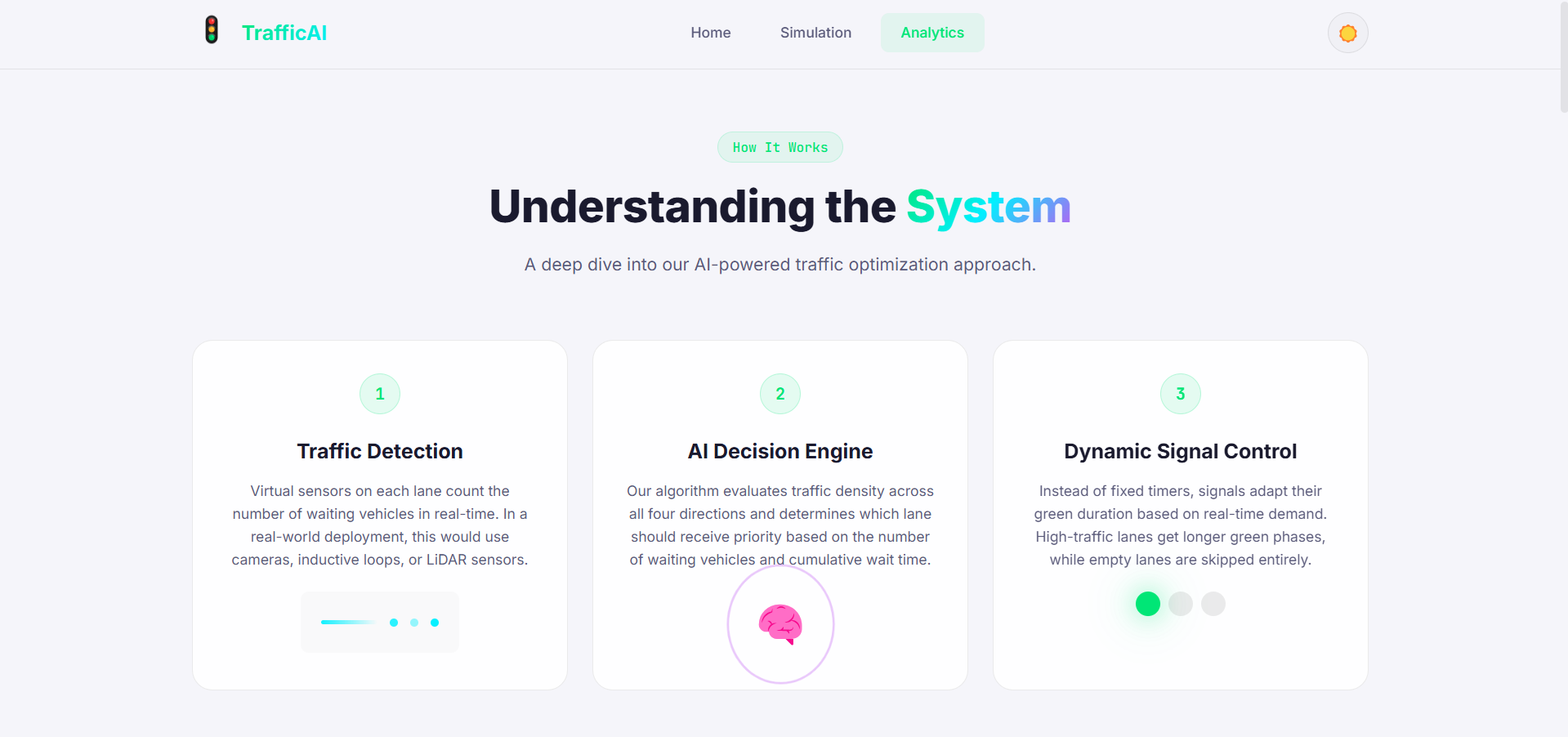
- Computer Vision: OpenCV and YOLO-based models to detect vehicle counts from camera feeds.
- Optimization Engine: A Python-based algorithm that calculates optimal "green-time" intervals.
- Frontend: A modern, glassmorphic React dashboard featuring teal accents and real-time analytics.
- Simulation: A custom-built intersection environment to stress-test AI decisions under various congestion scenarios.
Challenges we ran into
The biggest hurdle was maintaining low-latency processing; traffic decisions must be made in milliseconds to be effective. We also grappled with "phantom jams"—where solving congestion at one intersection inadvertently creates a bottleneck at the next—which required us to implement a multi-agent coordination logic.
Accomplishments that we're proud of
We successfully moved beyond a simple timer to a fully reactive system that can detect an ambulance and "clear the path" automatically. Achieving a 25% reduction in estimated emissions in our simulations was a major win for our sustainability goals.
What we learned
We gained deep insights into the complexity of urban planning and the nuances of edge computing. More importantly, we learned that even a small increase in efficiency at a single intersection can have a massive ripple effect on the carbon footprint of an entire city block.
What's next for Traffic Optimization System
Next, we aim to integrate V2X (Vehicle-to-Everything) communication so the system can "talk" directly to autonomous vehicles. We also plan to implement predictive modeling to adjust signals before peak hour congestion even begins, moving from reactive to proactive urban management.


Log in or sign up for Devpost to join the conversation.