-
-
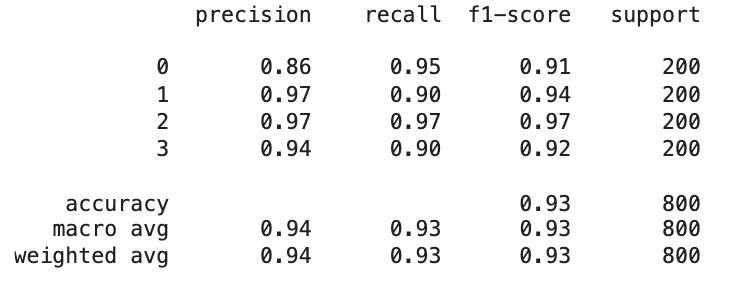
Accuracy and F1 score of our model
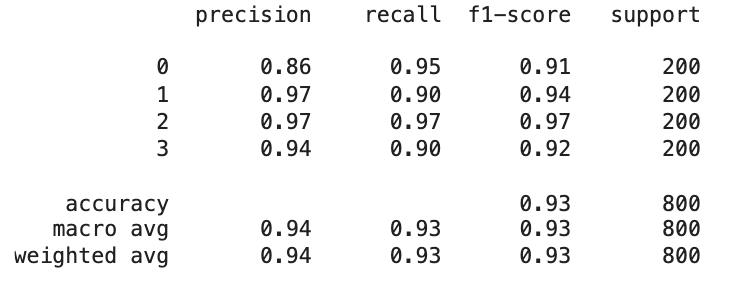
Traffic Flow Optimization and Congestion Management
Abstract
In this modern era, the use of vehicles is increasing tremendously due to the rise in population. The escalating issue of traffic congestion has emerged as a critical challenge. Currently, there is a lack of viable solutions to efficiently manage and alleviate traffic-related issues. In the event of an accident, our ability to swiftly locate the incident and initiate requisite actions is hindered, contributing to delays in addressing the situation effectively. This delay increases the severity of the situation.
In response to these challenges, we have devised a solution using deep learning models. Upon the occurrence of an incident, our system promptly dispatches immediate alerts to authorized personnel. By acting swiftly, this system significantly reduces the impact of incidents.
What Inspired Us
The growing challenges in urban traffic management and the consequences of delayed responses to accidents inspired us to develop this project. We realized the potential of leveraging advanced technologies like deep learning to address these challenges and contribute to safer, smarter cities.
What We Learned
Throughout this project, we gained a deep understanding of:
- Real-time object detection using YOLOv8
- Tracking objects in video feeds with DeepSort
- Classifying incidents and assessing severity using VGG16
- Sending automated alerts through Python's
smtplibmodule - The integration of these components into a cohesive and efficient system
How We Built Our Project
1. Detection
We used YOLOv8 to detect objects in real-time video streams obtained from CCTV cameras. The model identifies and annotates objects, forming the foundation for subsequent tracking and classification.
2. Tracking
The DeepSort algorithm assigns unique IDs to detected objects, enabling us to track their movements and identify specific objects responsible for incidents. This module creates a robust framework for monitoring traffic in real-time.
3. Incident Classification and Severity Analysis
The VGG16 model classifies incidents into four categories: Accident, Dense Traffic, Sparse Traffic, and Fire. Using significant frames from tracked video feeds, the model determines the severity of the situation and triggers alerts accordingly.
4. Sending Alerts
We used Python's smtplib module to send real-time notifications to relevant authorities. These alerts include details of the incident and its severity, ensuring timely interventions.
Challenges We Faced
- Real-Time Processing: Ensuring minimal latency in detecting, tracking, and classifying incidents was a key challenge.
- Data Handling: Managing and processing large volumes of video data from CCTV feeds required efficient handling.
- Integration of Modules: Combining detection, tracking, classification, and alerting seamlessly was a complex task.
- Accuracy: Achieving high accuracy in classifying incidents while minimizing false positives was critical.
Results and Discussion
The proposed system demonstrated:
- High Accuracy: Achieved 99% accuracy in classifying incidents using VGG16.
- Efficient Tracking: Real-time tracking of objects using DeepSort allowed precise identification of responsible entities.
- Effective Alerts: Prompt notifications were sent to authorities, reducing response times.
- Impactful Visualization: Severity analysis and class probabilities were displayed for comprehensive insights.
Figures showcasing results, including detection, tracking, classification reports, and severity analysis, highlight the system's effectiveness.
Future Work
We plan to integrate automated traffic signal manipulation. When an alert is triggered, the system will autonomously adjust signals to clear affected lanes, enabling emergency responders to reach the location swiftly. This feature will enhance the system's efficiency and improve overall road safety.
Accuracy and F1 score of our model
Conclusion
Traffic congestion and accidents are pressing challenges. Our system leverages YOLOv8, DeepSort, and VGG16 to detect incidents, classify their severity, and send timely alerts. By addressing these issues, the proposed solution significantly enhances traffic safety and contributes to improving daily urban life.


Log in or sign up for Devpost to join the conversation.