-
-
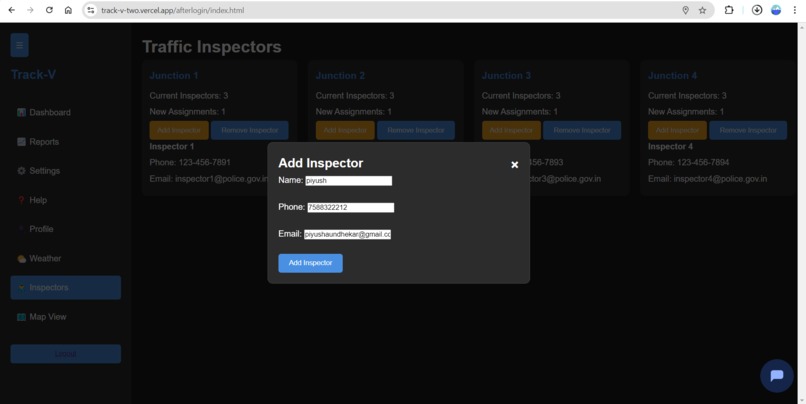
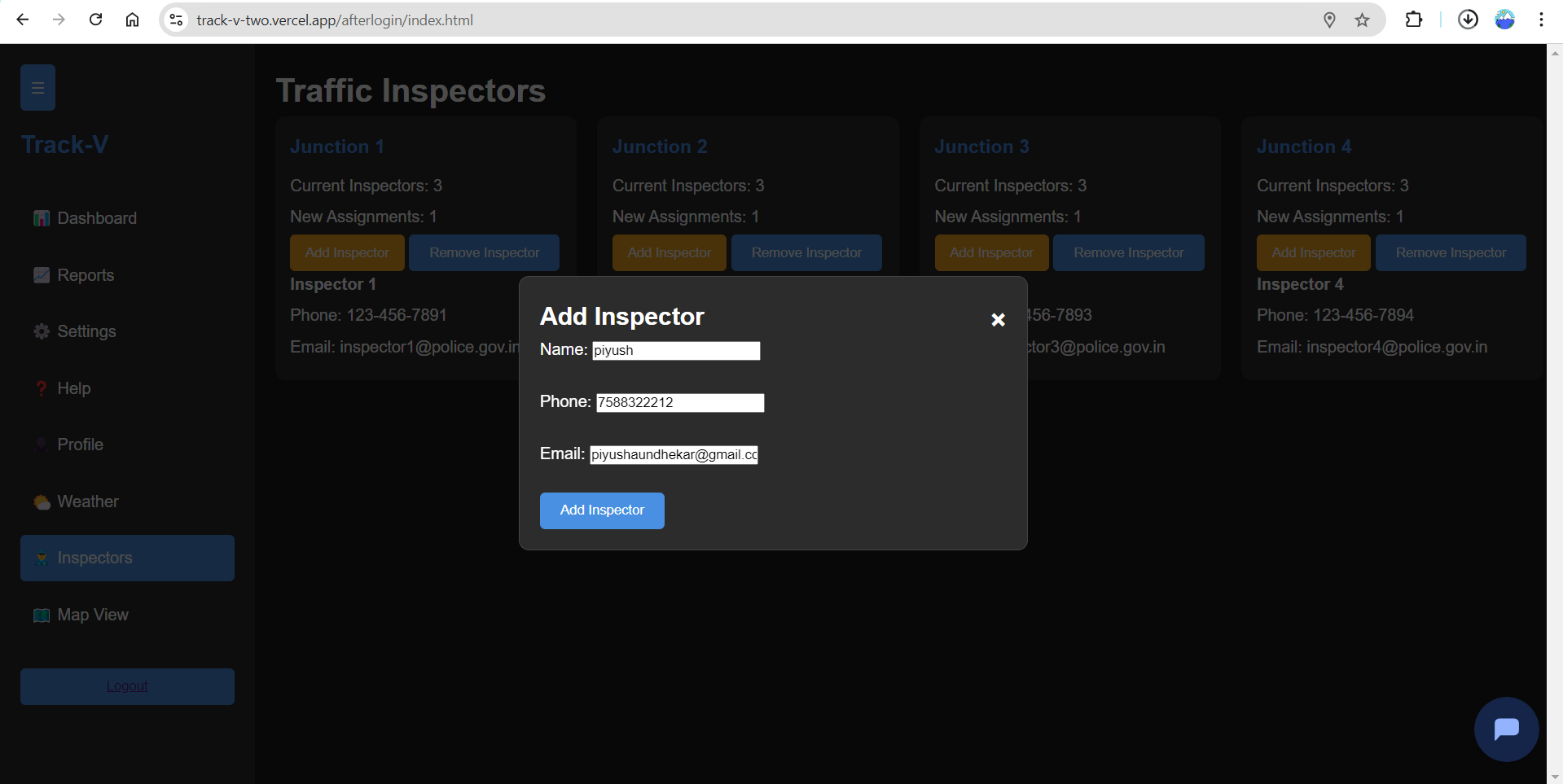
Add Inspector for the Junction
-
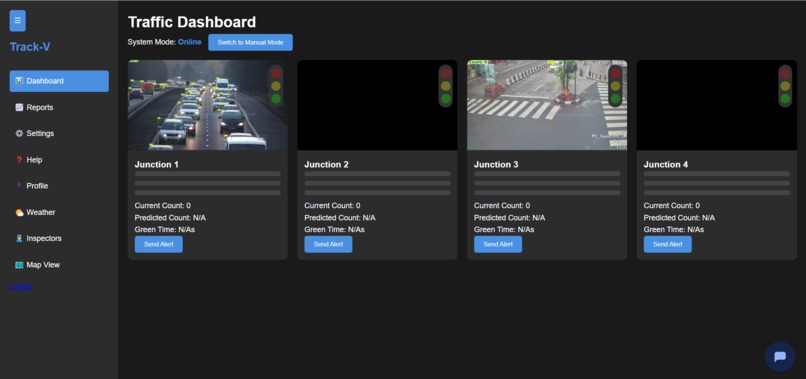
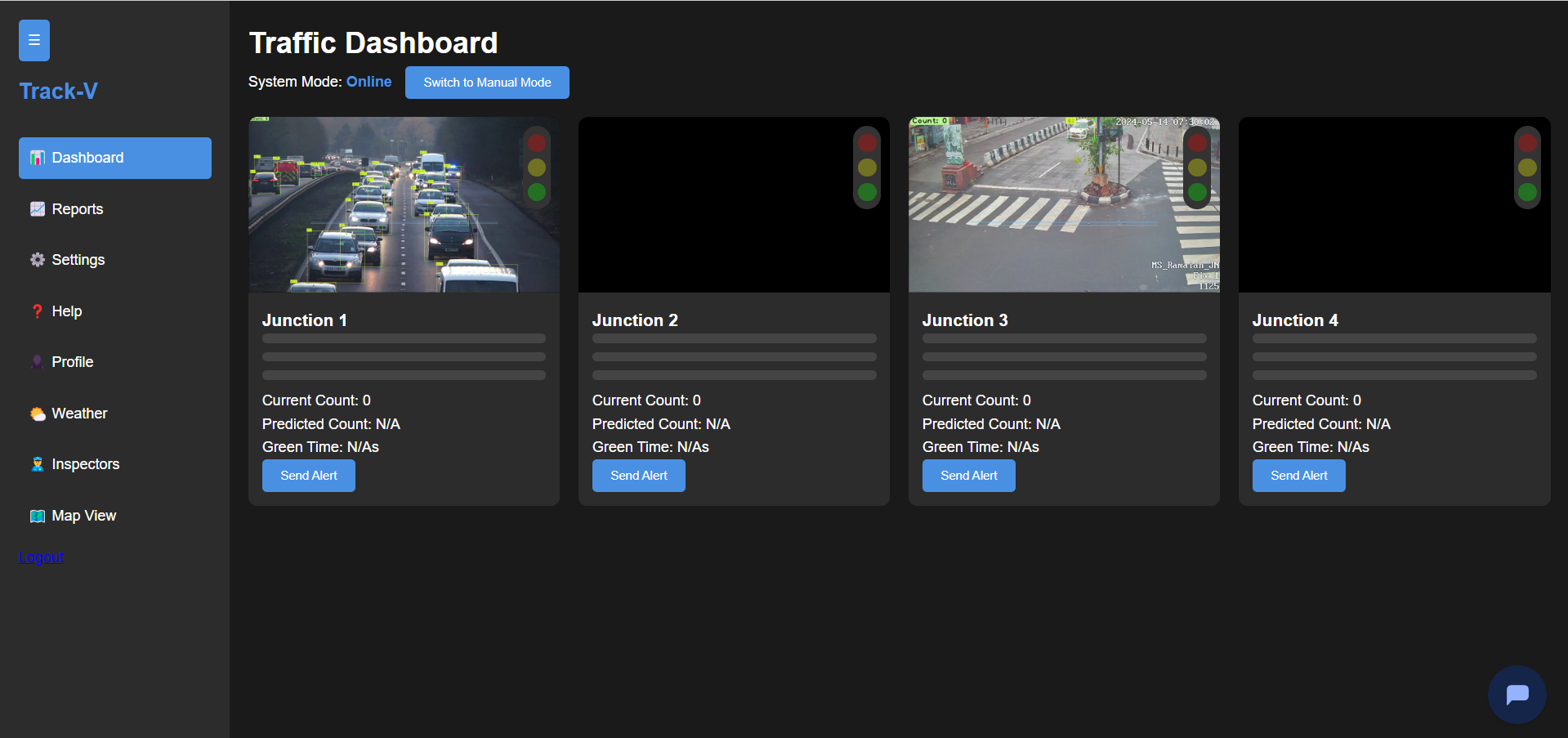
Dashboard
-
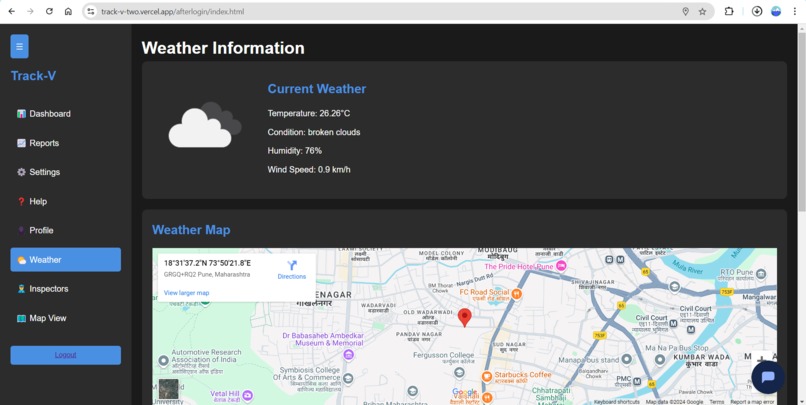
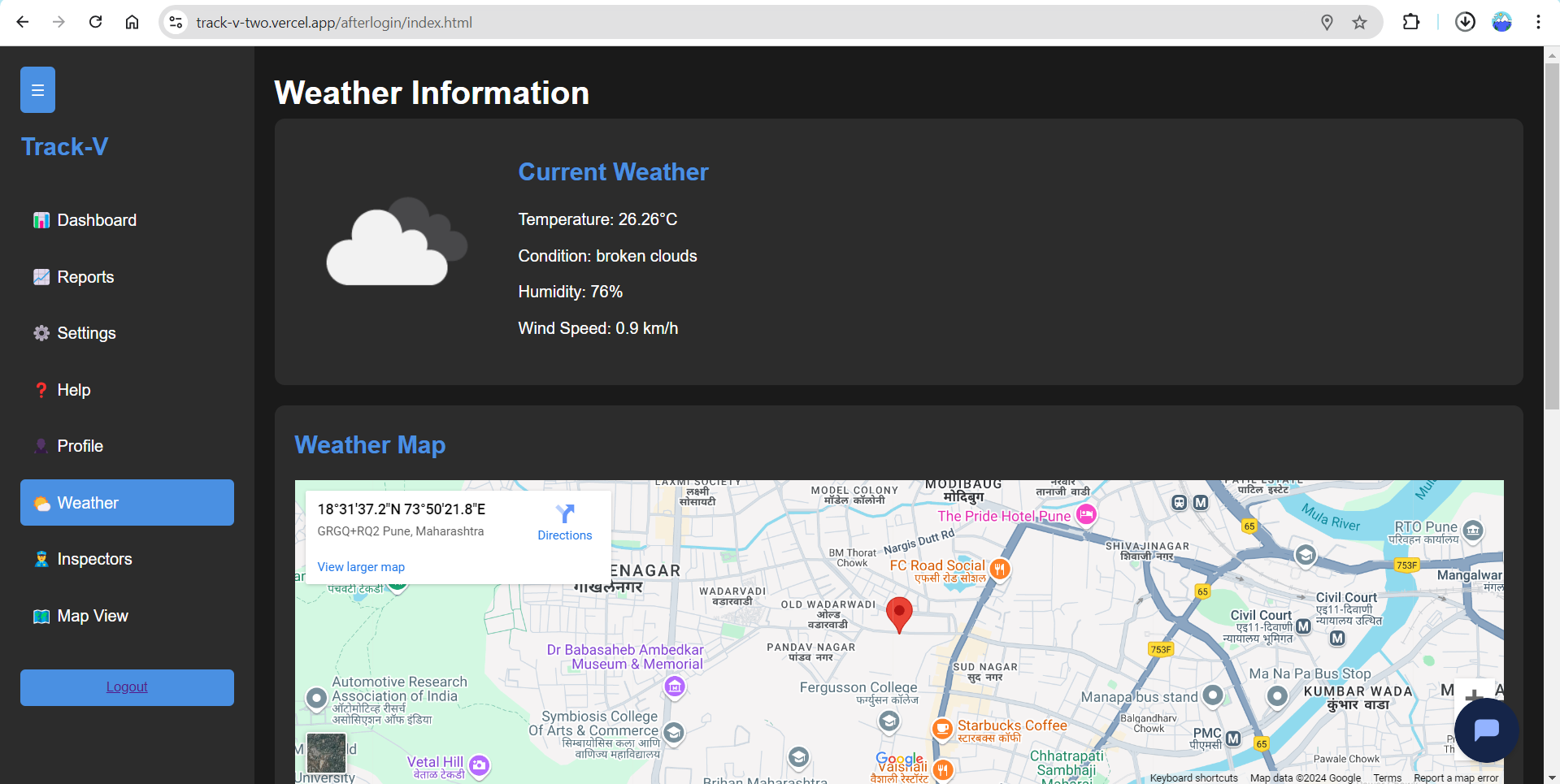
Whether Relation with Traffic Flow
-
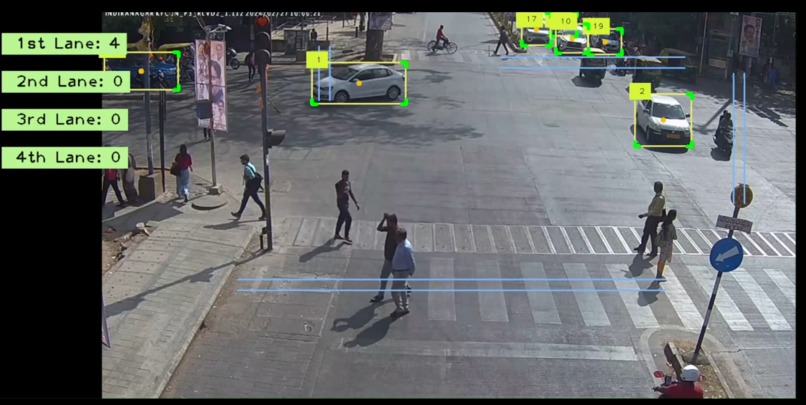
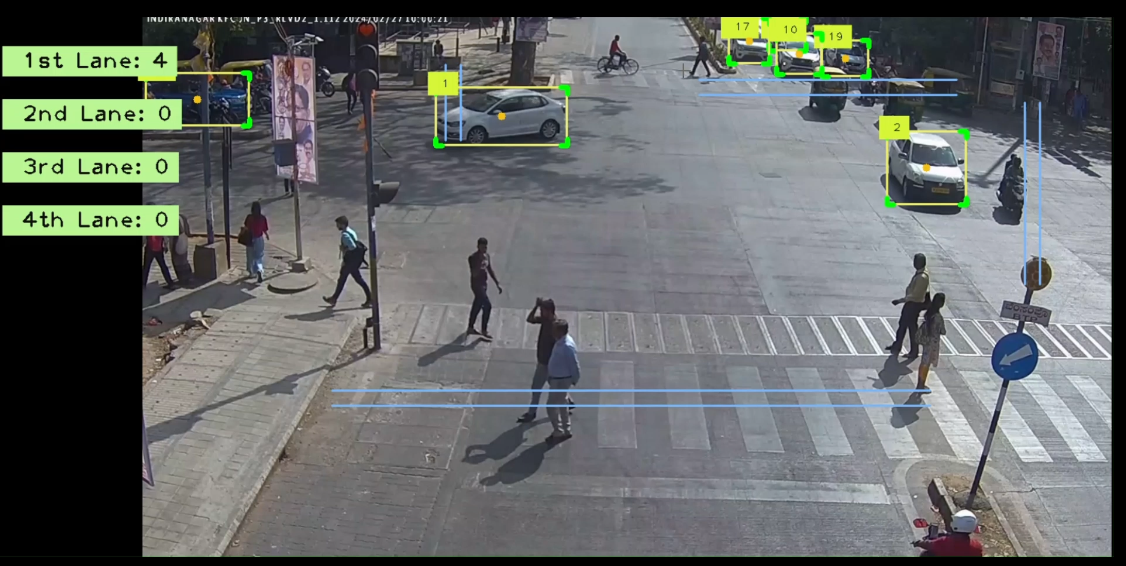
Live Vehical detection and count
Inspiration
The inspiration for our Traffic Flow Optimization System came from experiencing the frustrating chaos of city traffic firsthand. Each delay at a signal often felt like lost time, and we started thinking—what if traffic lights could actually "think" and adjust in real time based on traffic flow? This question fueled our drive to create a solution that could make urban transportation smoother and less stressful.
What it does
Our system smartly optimizes the green light duration at intersections, adjusting based on real-time vehicle counts and traffic flow. With machine learning algorithms and digital twin simulations, it not only improves immediate traffic efficiency but also helps city planners visualize and predict various "what-if" scenarios for infrastructure management. This isn’t just about shortening waits; it’s about reimagining traffic management in a smarter, more connected way.
How we built it
We developed the system using a Flask app, integrating machine learning models to understand traffic patterns and Fetch.AI agents for decentralized decision-making. Digital twins were key to our simulations, allowing us to mirror real-world traffic scenarios and test different approaches virtually. We relied on advanced simulation tools, predictive analytics, and interactive visualizations to refine and validate the effectiveness of our approach.
Challenges we ran into
Working with real-time traffic data was a challenge, especially due to its dynamic nature. Integrating the machine learning model with digital twin simulations and Fetch.AI agents proved complex, as each component had unique requirements and nuances. Additionally, managing decentralized data for decision-making was new territory, which stretched our understanding of agent-based systems and coordination.
Accomplishments that we're proud of
One of our proudest achievements was securing 4th place at the UST Global Hackathon, a nationwide competition across India. Competing against some of the best tech minds in the country was exhilarating, and earning this recognition strengthened our belief in the potential impact of our system. We’re excited to keep building on this momentum!
What we learned
This project taught us so much about integrating technology layers and the importance of simulations before deploying in real environments. Working with digital twins, agent-based systems, and real-time data handling taught us valuable lessons on scalability and resilience in complex systems. We also gained a deeper understanding of the importance of infrastructure management in shaping sustainable cities.
What's next for TRAFFIC FLOW OPTIMIZATION SYSTEM
We plan to continue refining the system and integrating it with more advanced predictive analytics for greater accuracy. Additionally, we envision collaborating with urban planning authorities to pilot this system in real-world scenarios. There’s also potential to expand the platform to encompass other infrastructure components, making it a robust tool for comprehensive urban management.


Log in or sign up for Devpost to join the conversation.