-
-
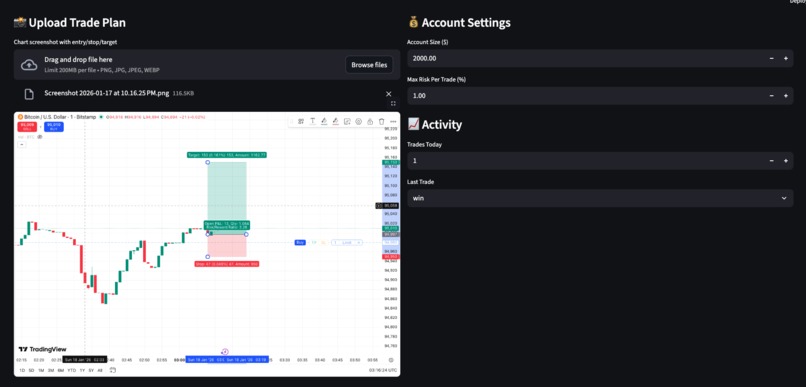
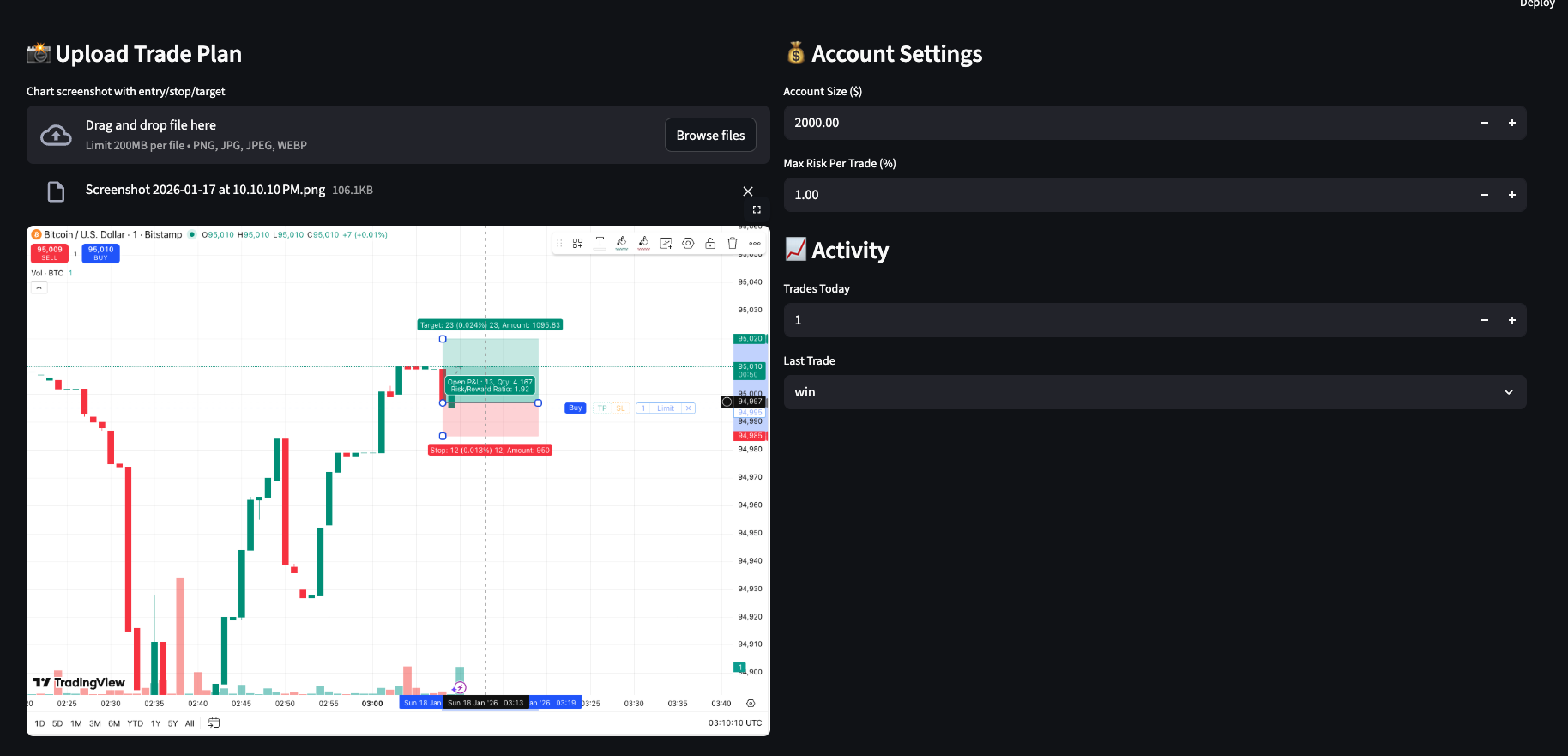
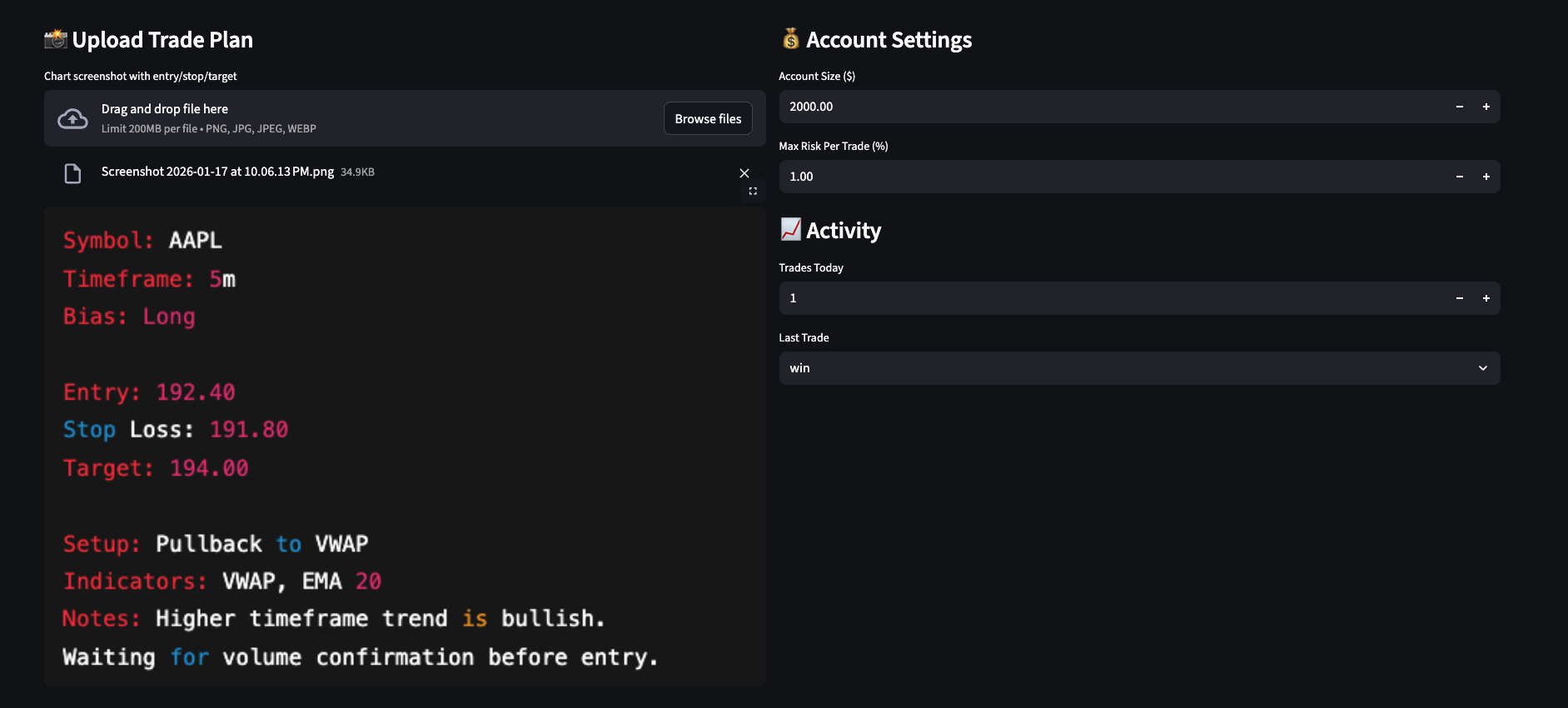
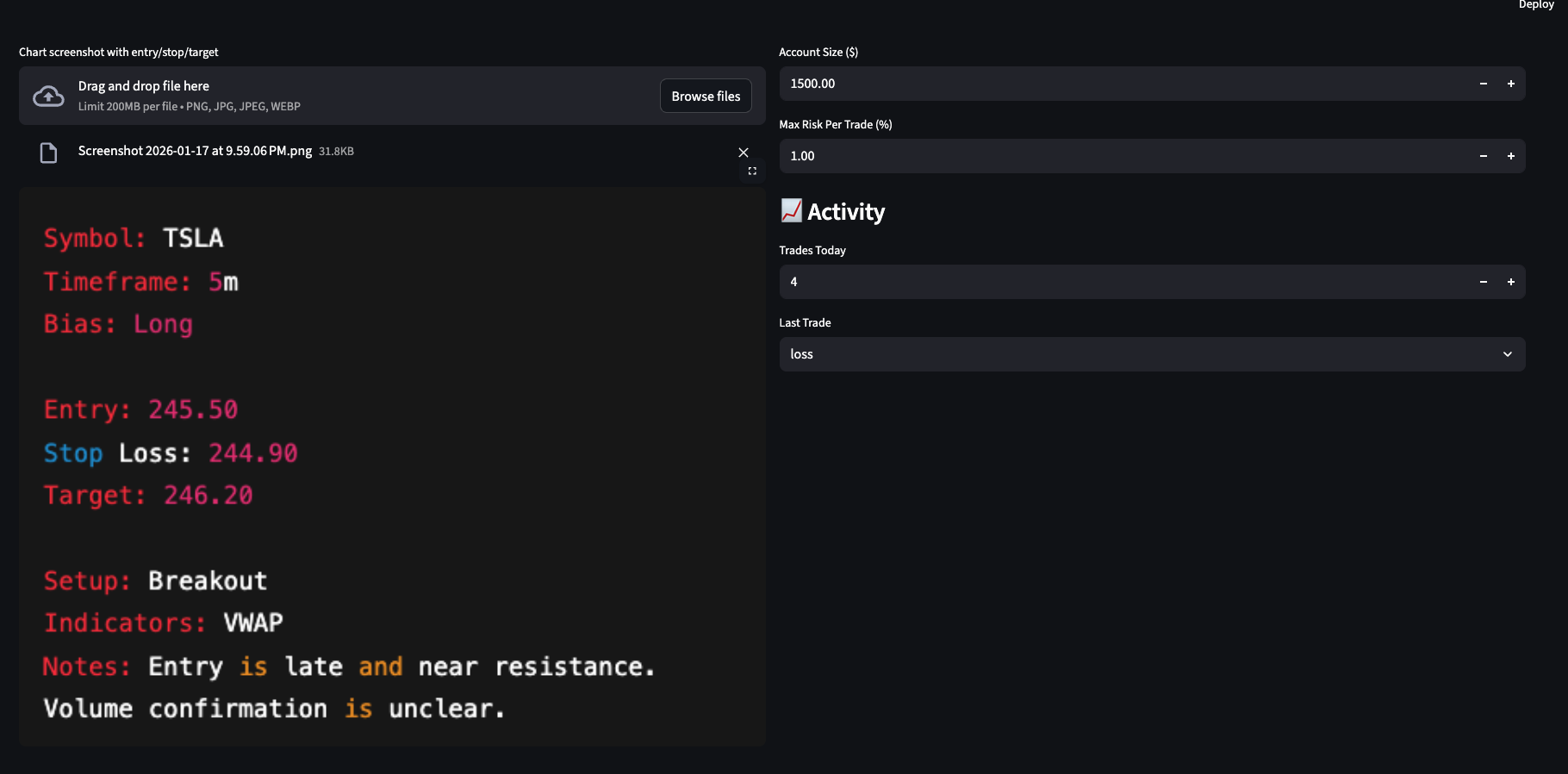
Test Case # 1- Image Upload
-
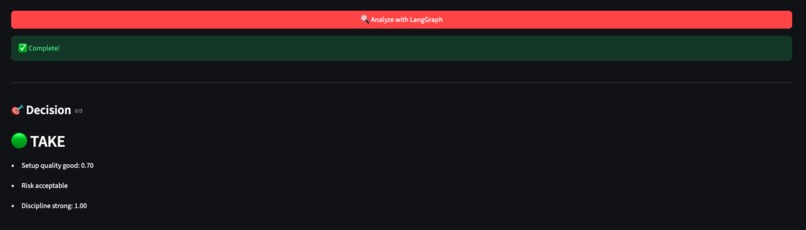
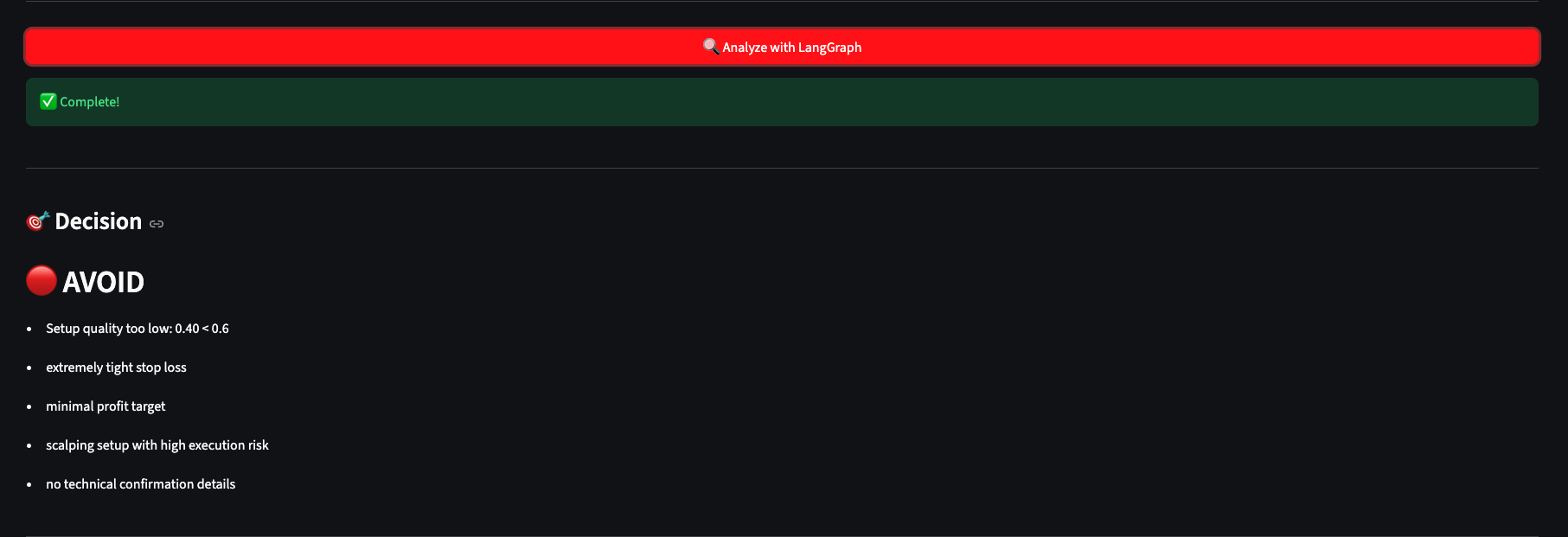
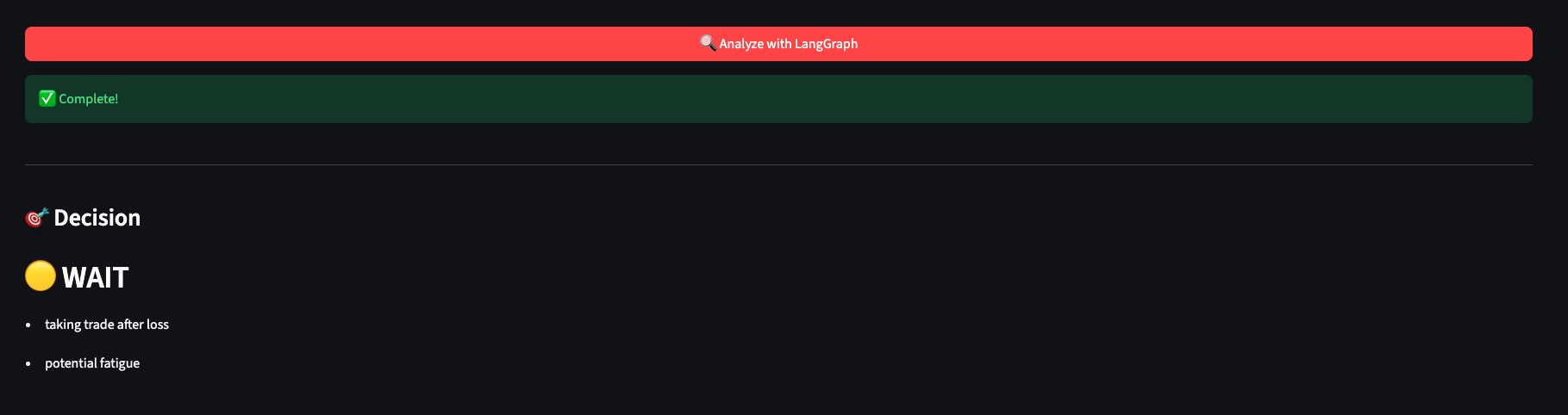
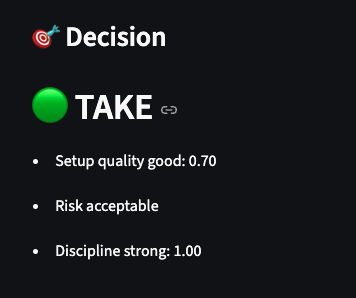
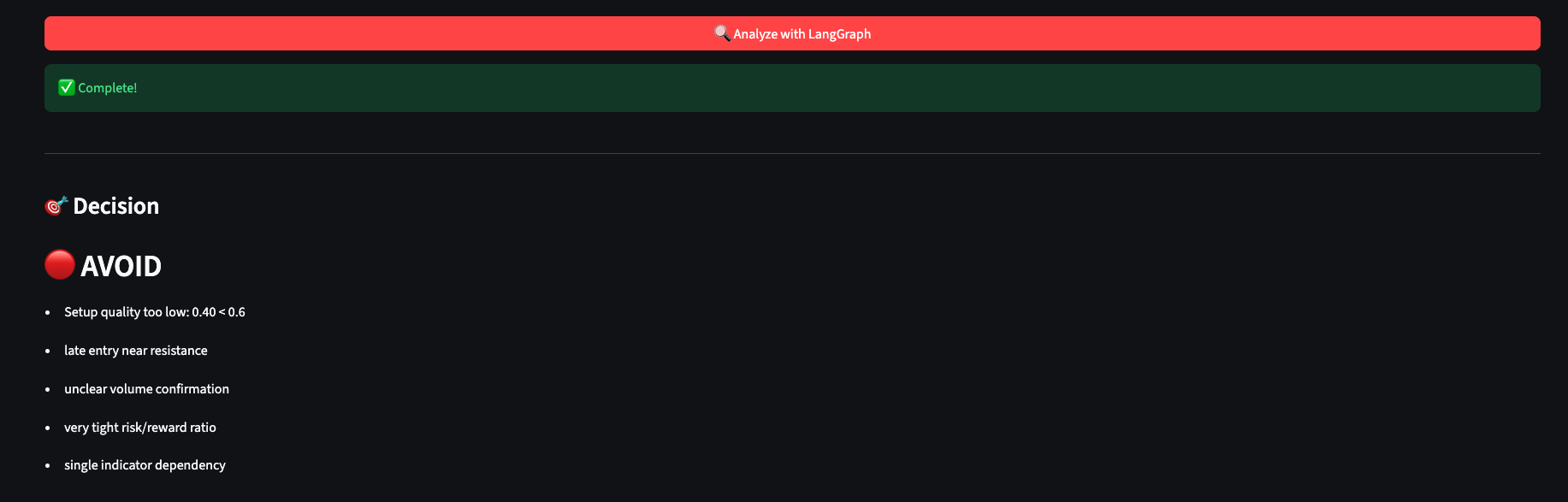
Test Case # 1- Decision
-
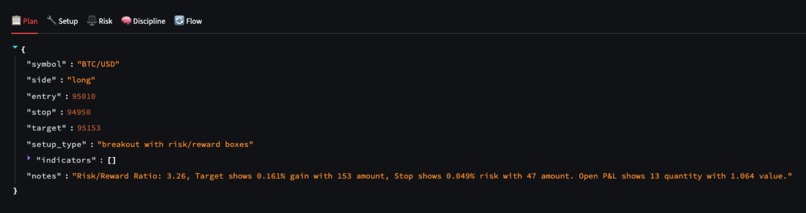
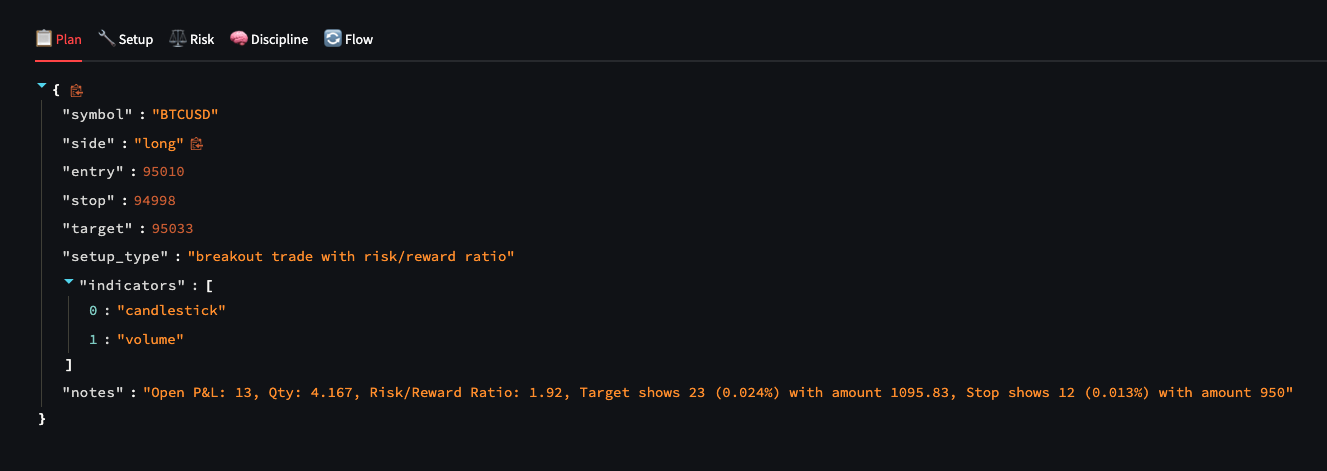
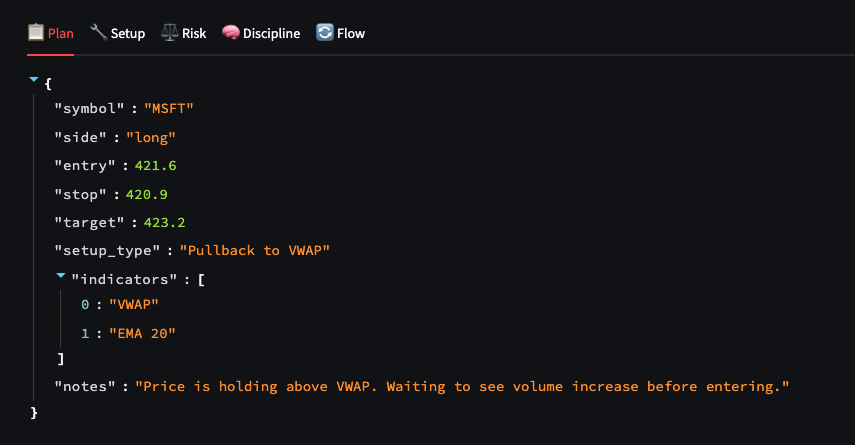
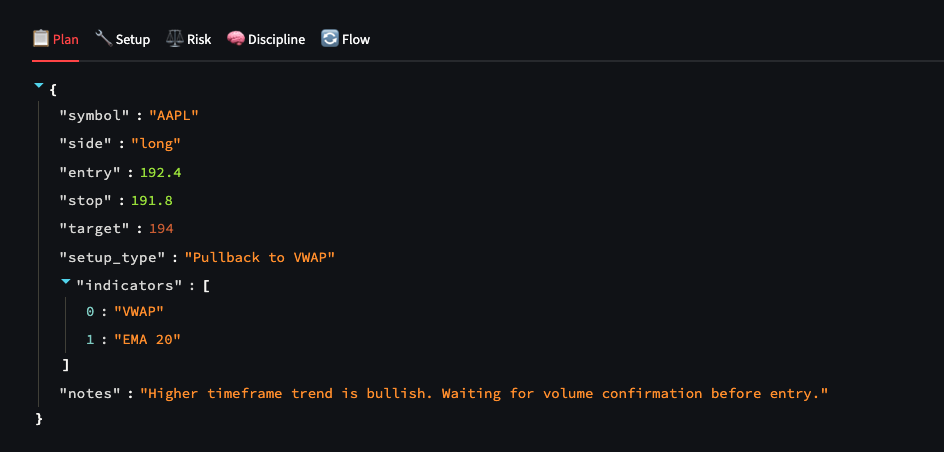
Test Case # 1- Plan
-
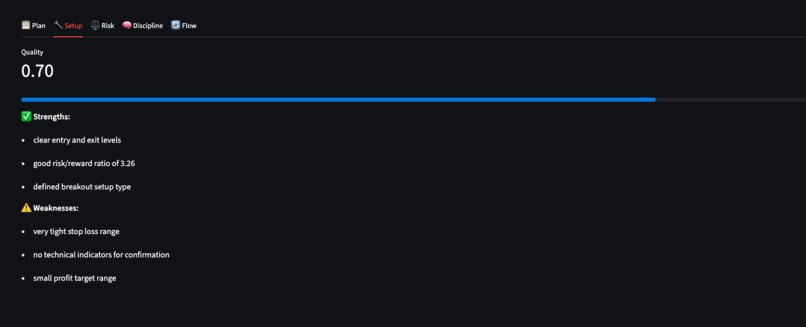
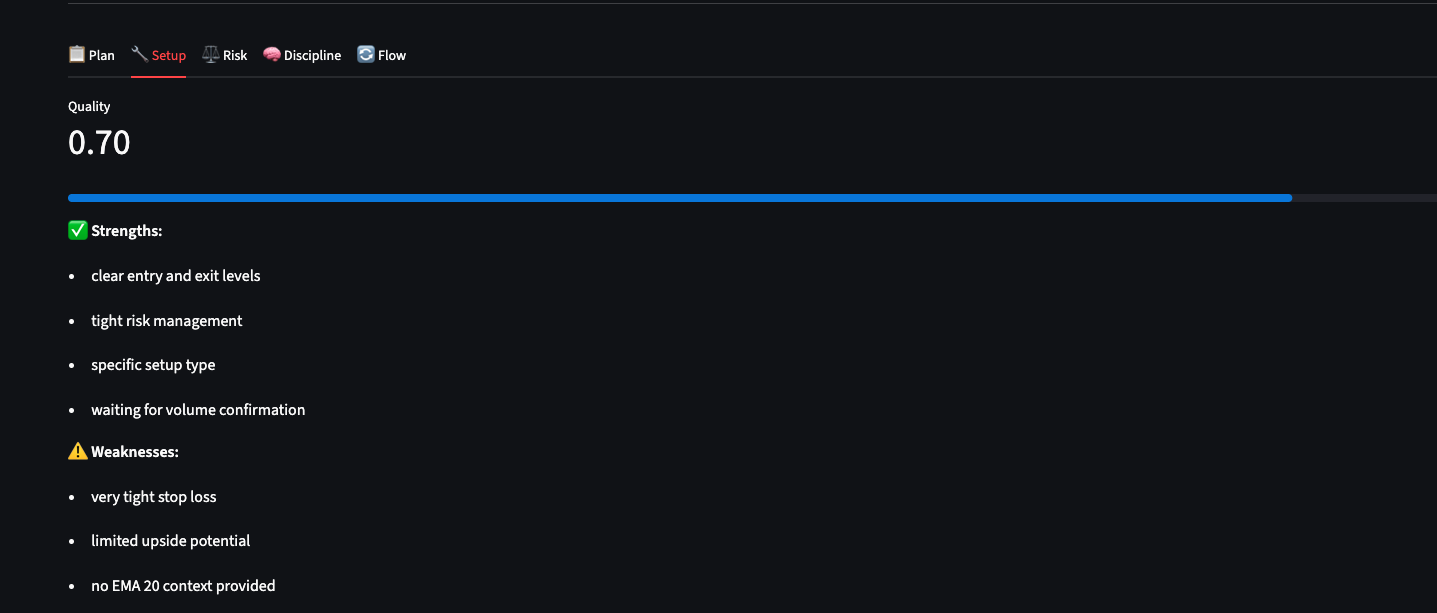
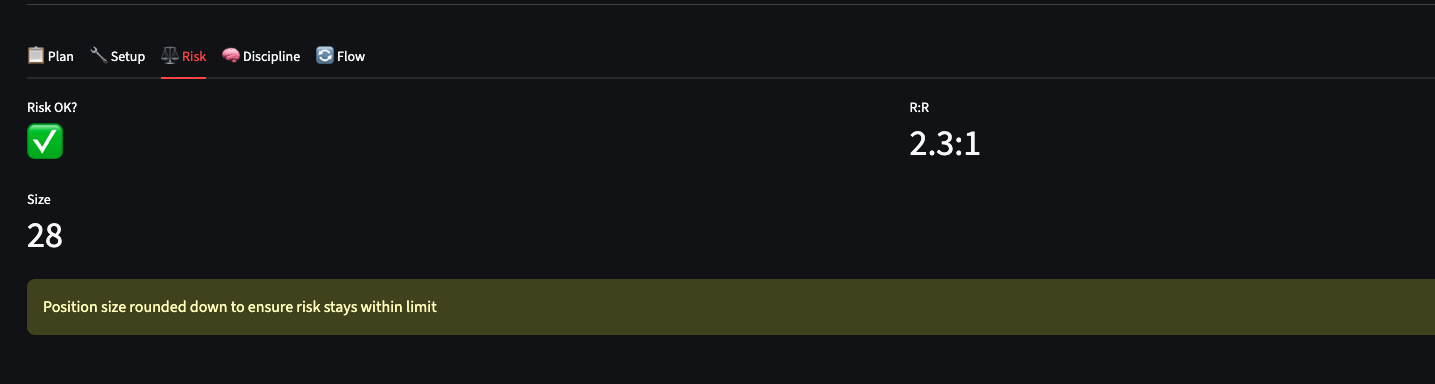
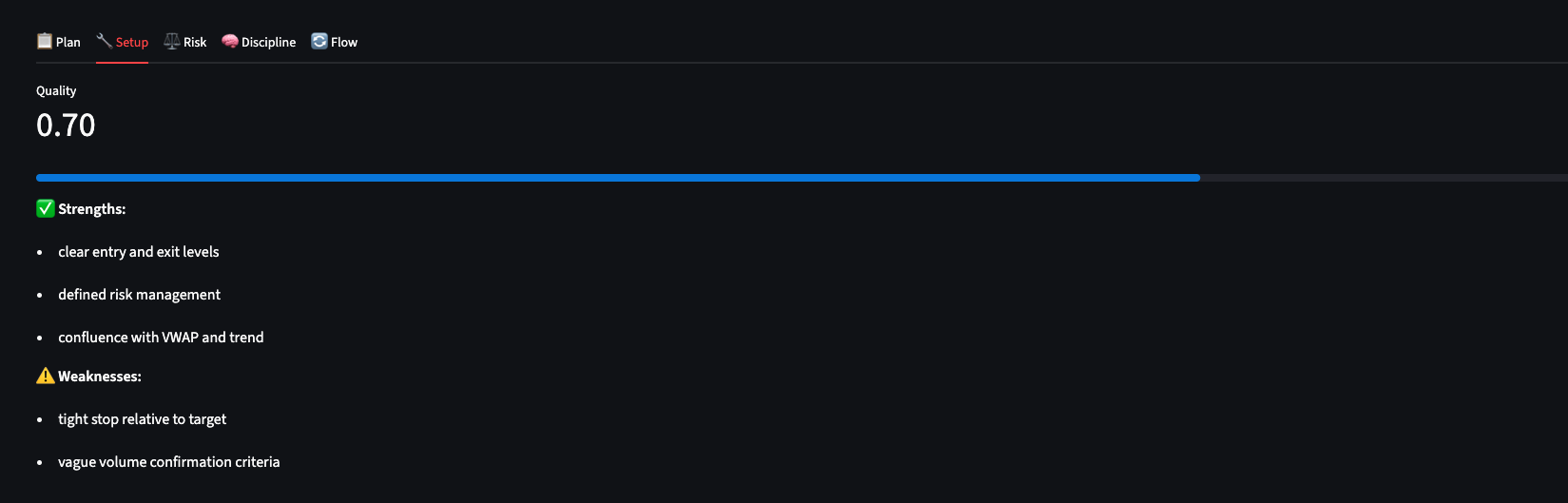
Test Case # 1- Agent 1
-
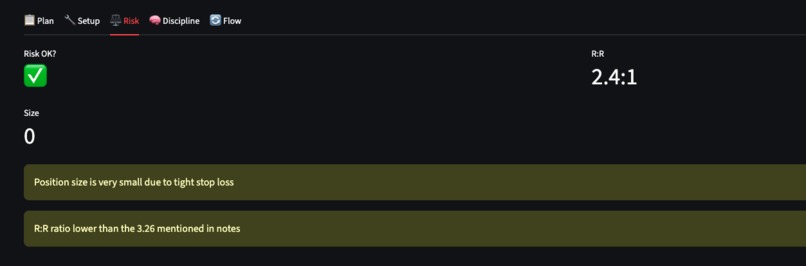
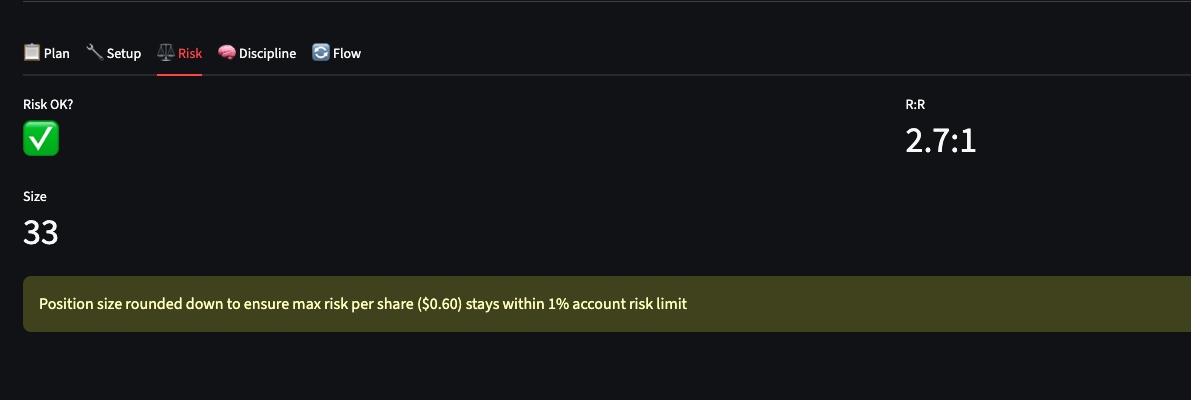
Test Case # 1- Agent 2
-
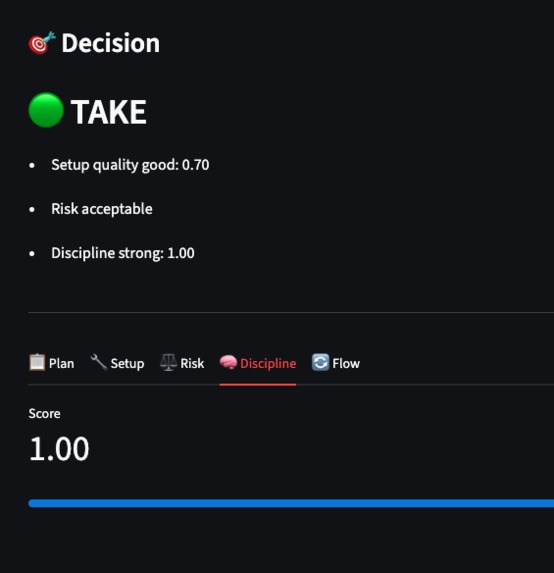
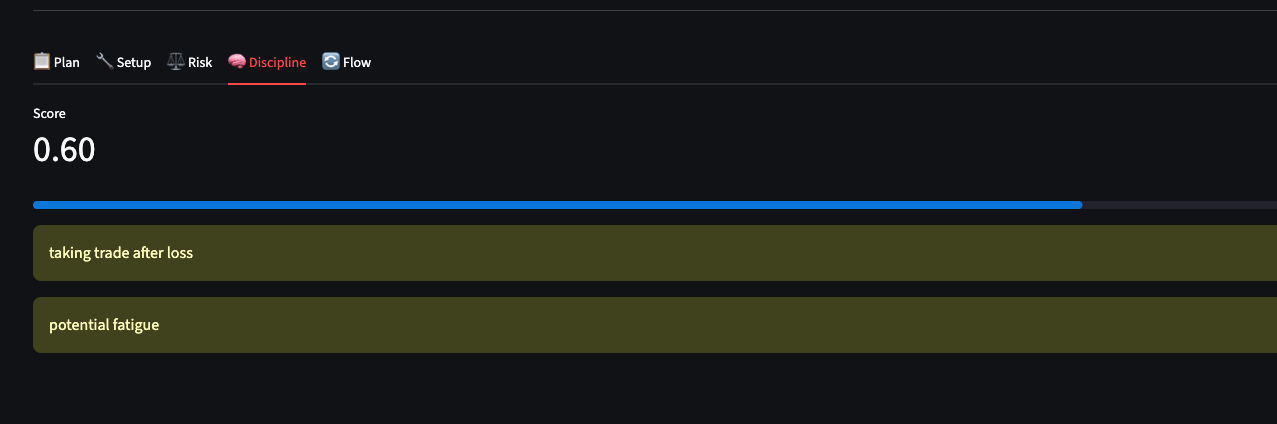
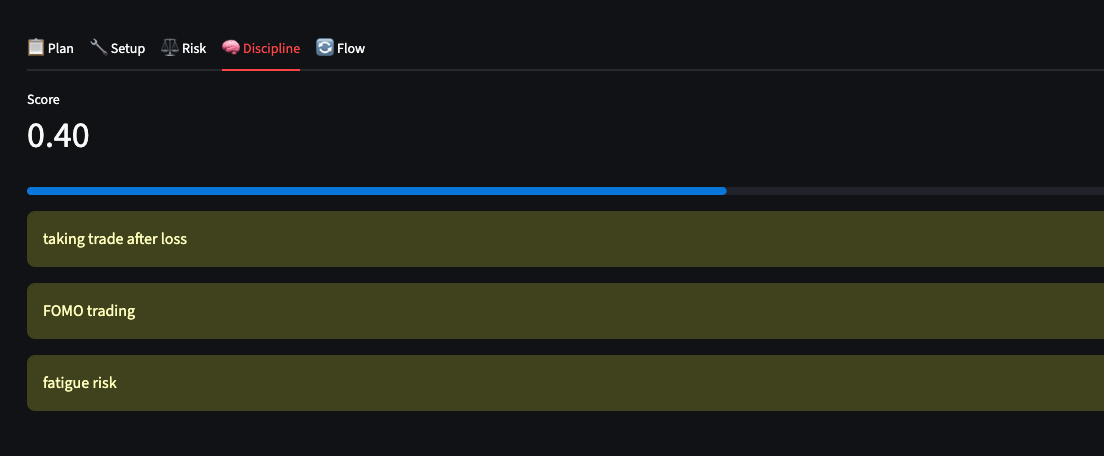
Test Case # 1- Agent 3
-
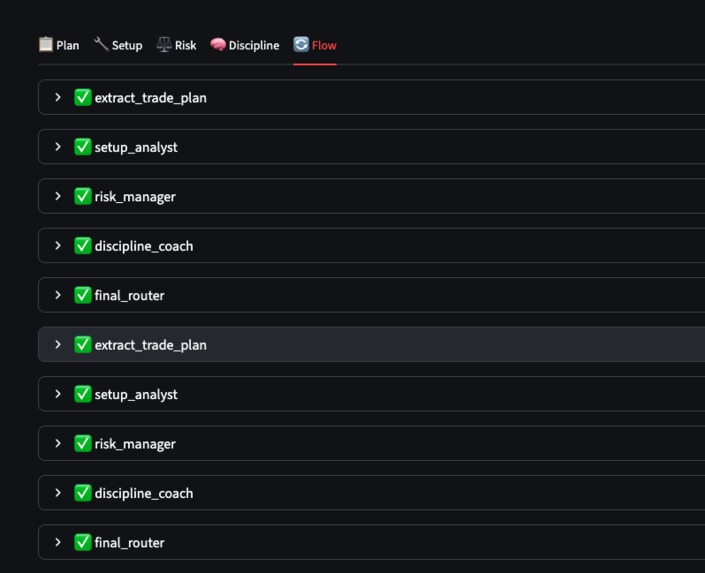
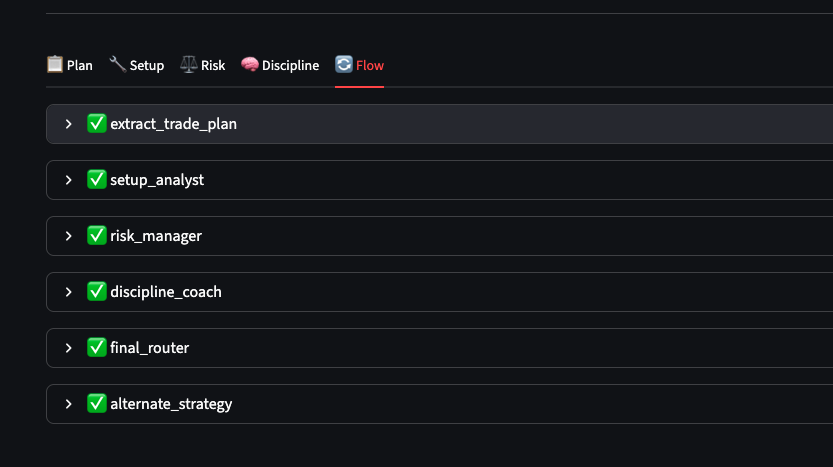
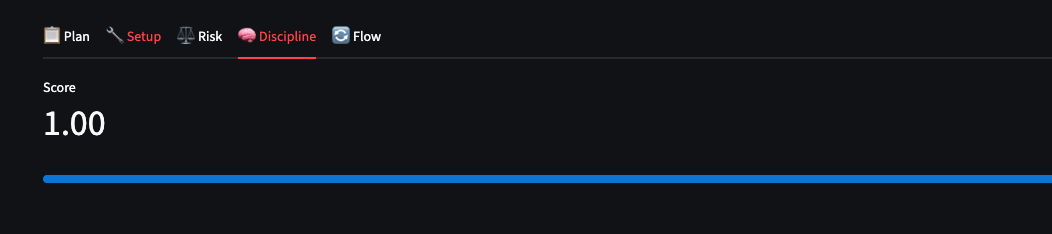
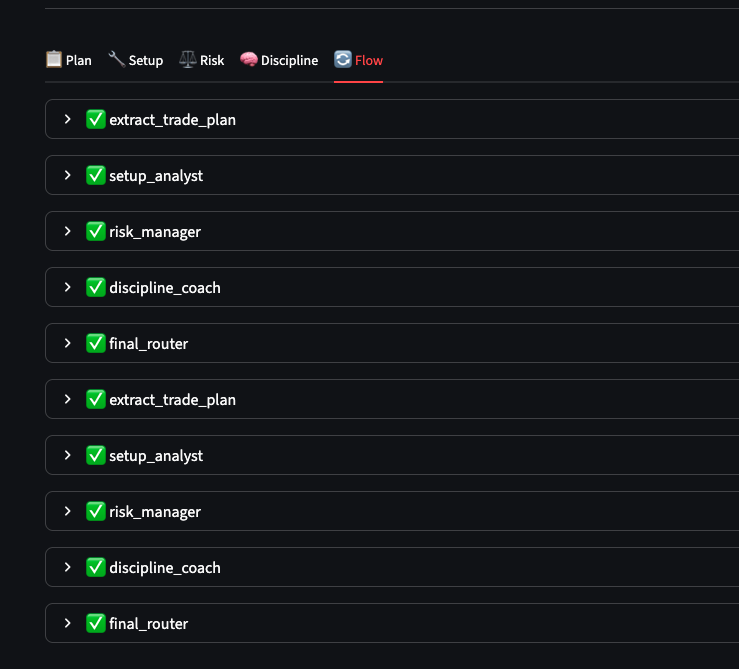
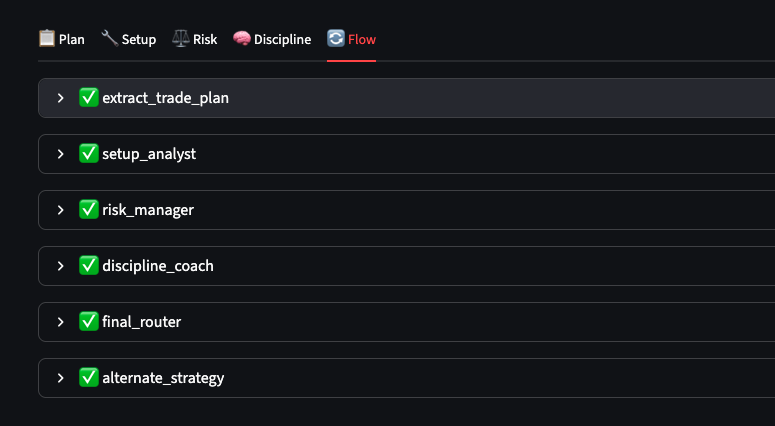
Test Case # 1- Flow
-
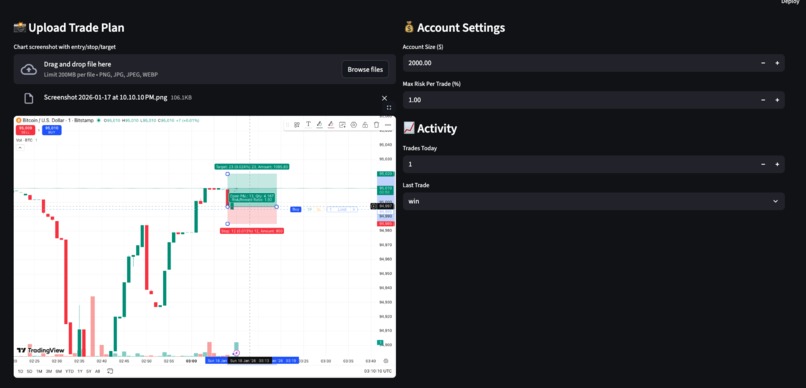
Test Case # 2 - Image Upload
-
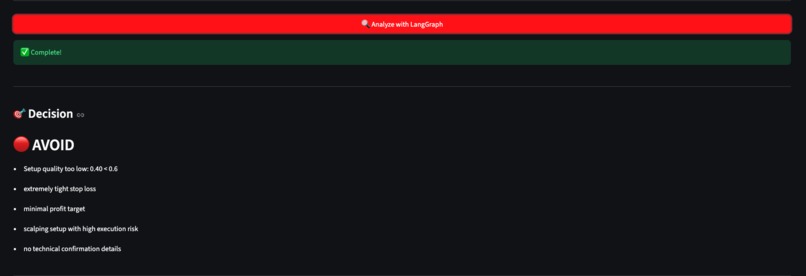
Test Case # 2 - Decision
-
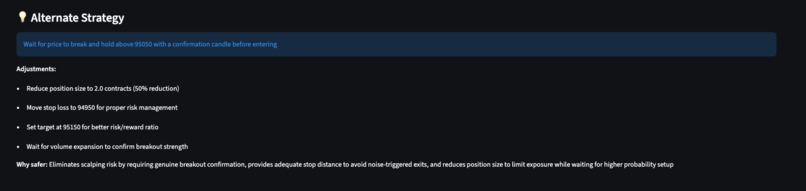
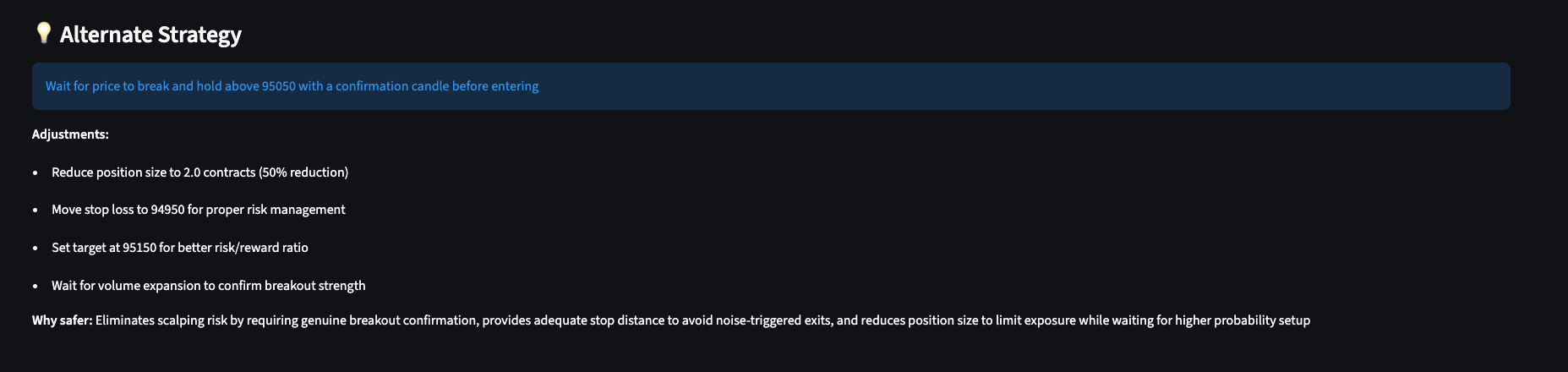
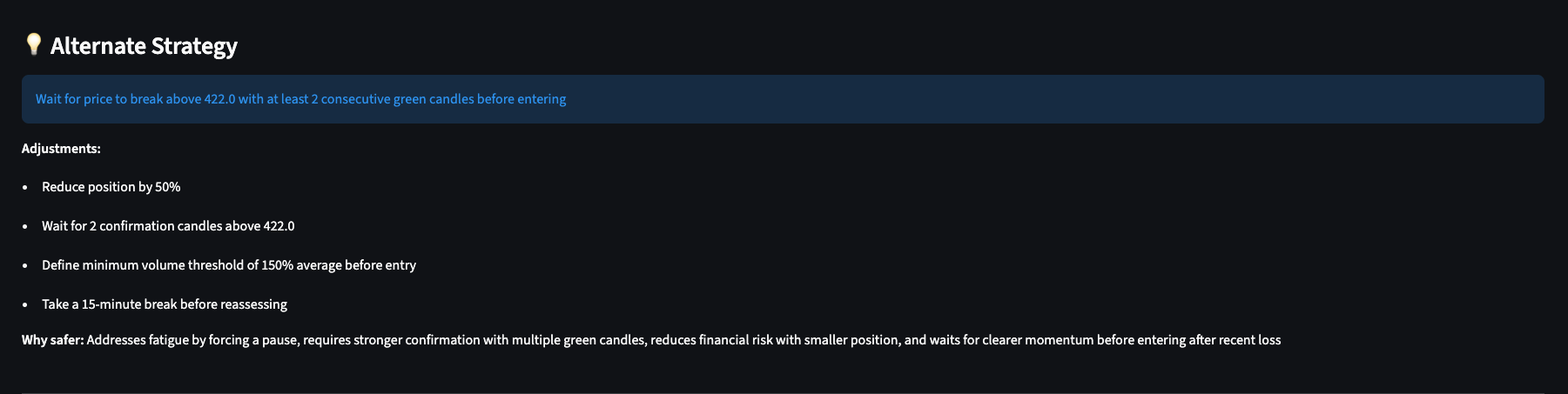
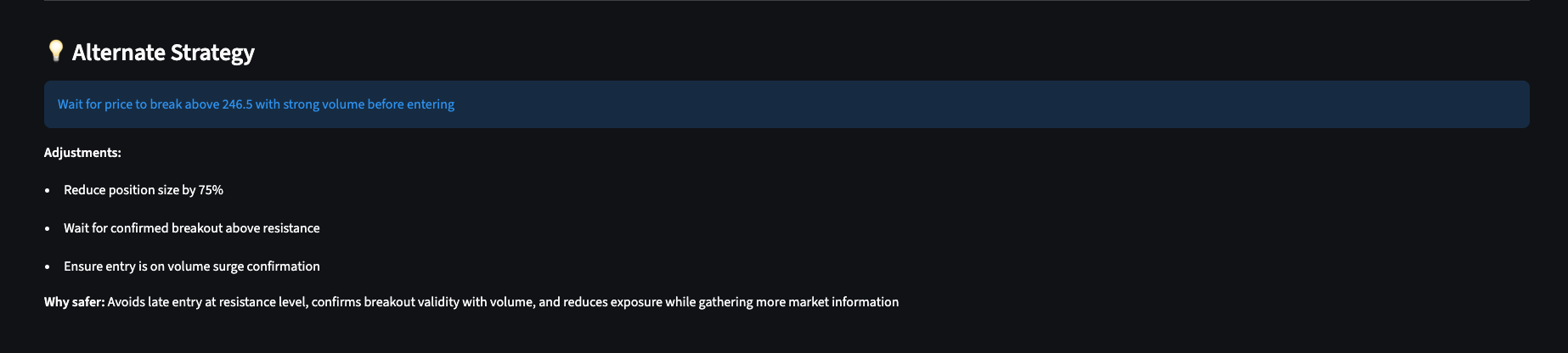
Test Case # 2 - Alternate Strategy
-
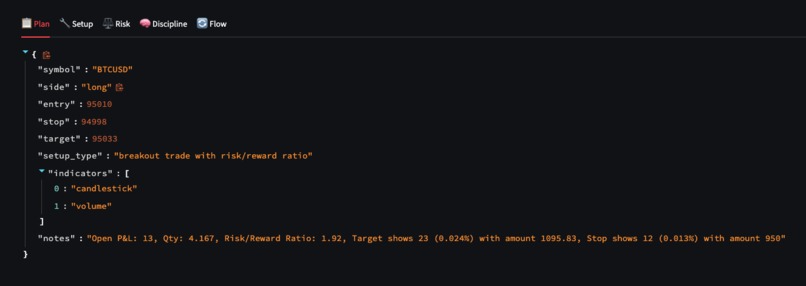
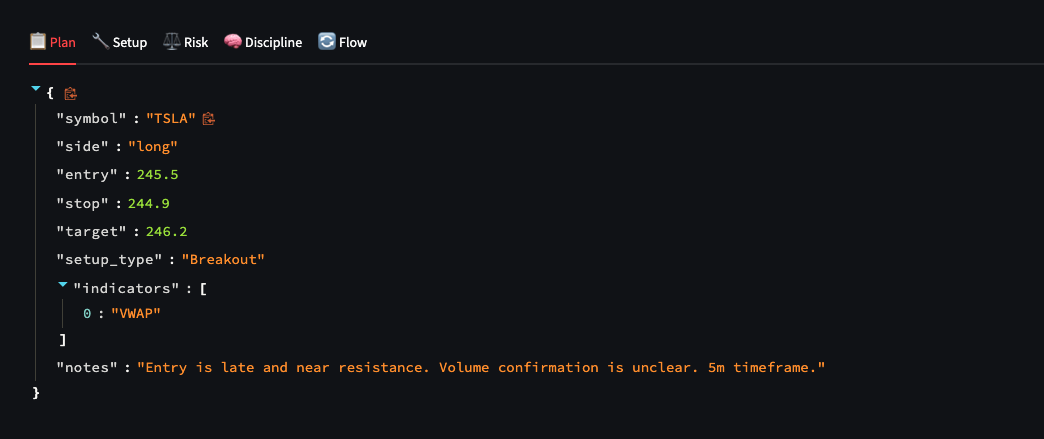
Test Case # 2 - Plan
-
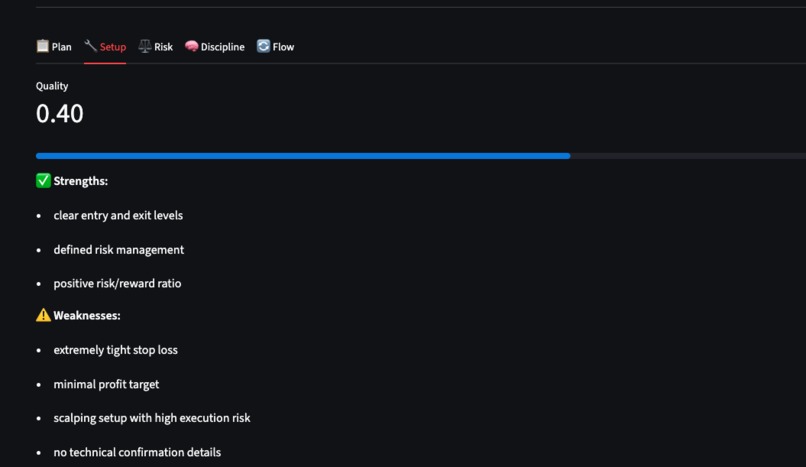
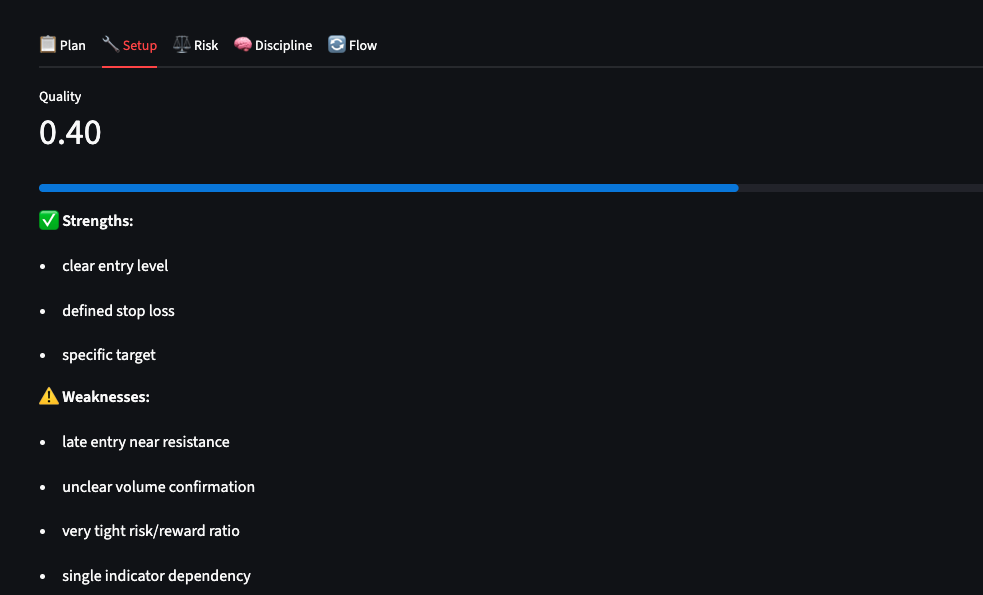
Test Case # 2 - Agent 1
-
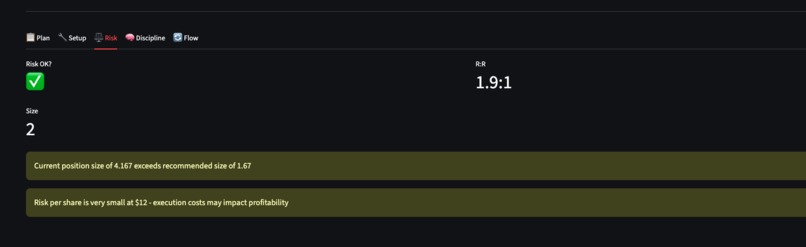
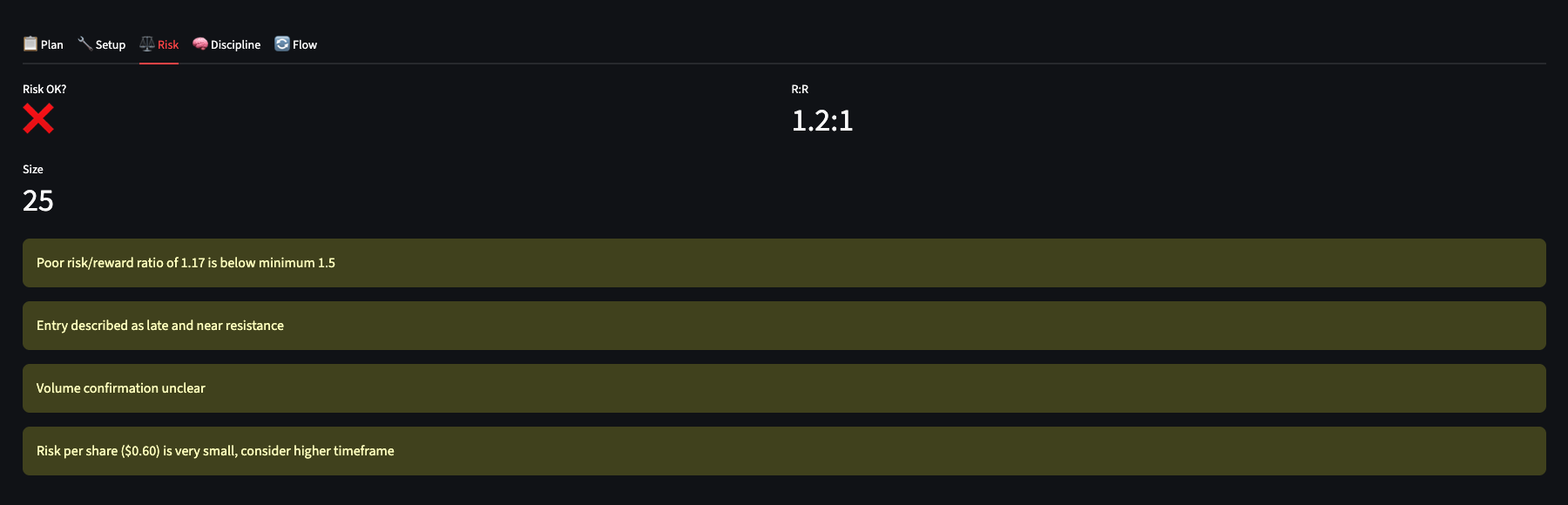
Test Case # 2 - Agent 2
-

Test Case # 2 - Agent 3
-
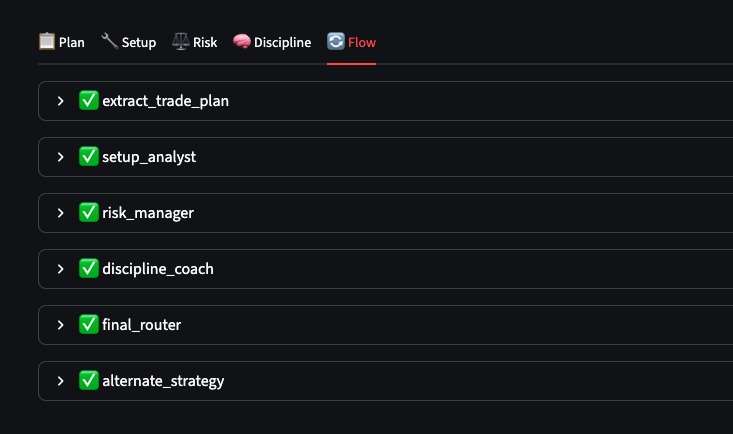
Test Case # 2 - Flow
-
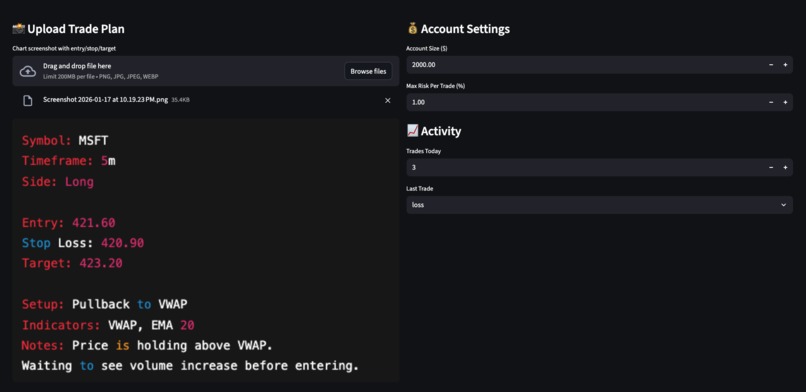
Test Case # 3 - Image Upload
-
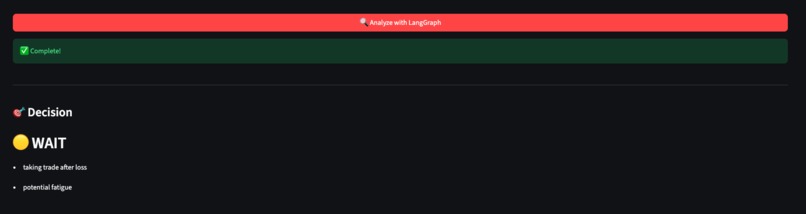
Test Case # 3 - Decision
-
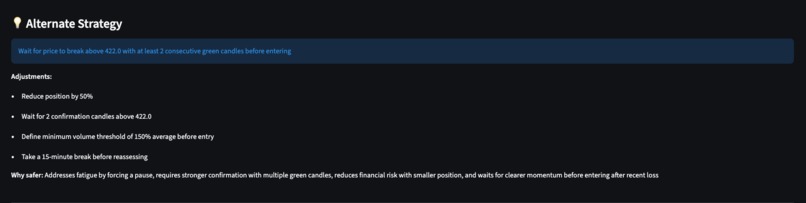
Test Case # 3 - Alternate Strategy
-
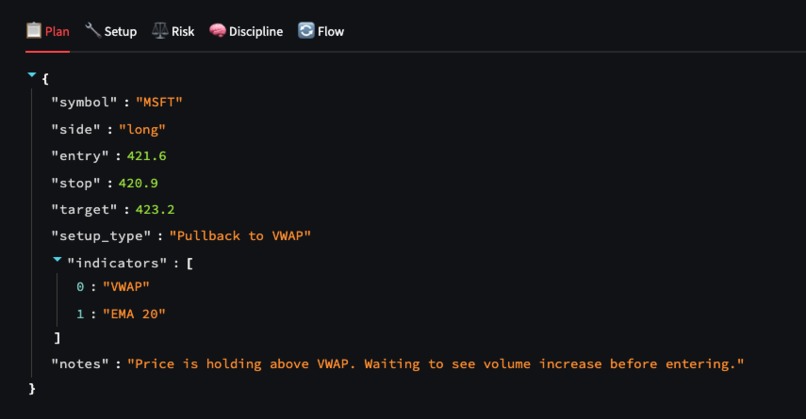
Test Case # 3 - Plan
-
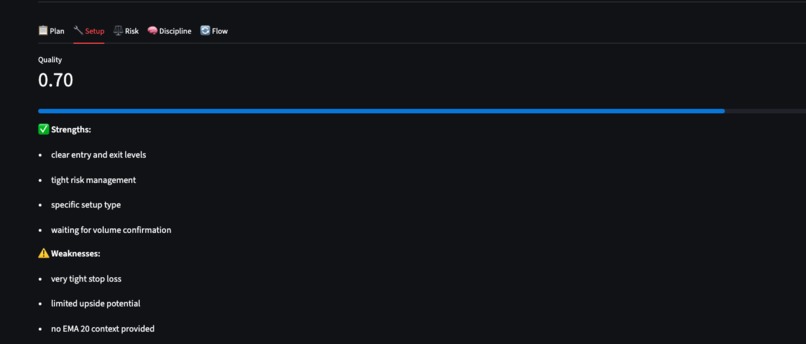
Test Case # 3 - Agent 1
-
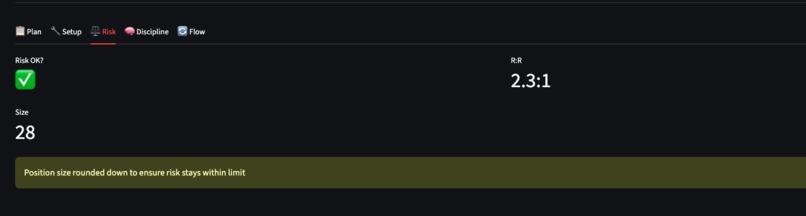
Test Case # 3 - Agent 2
-
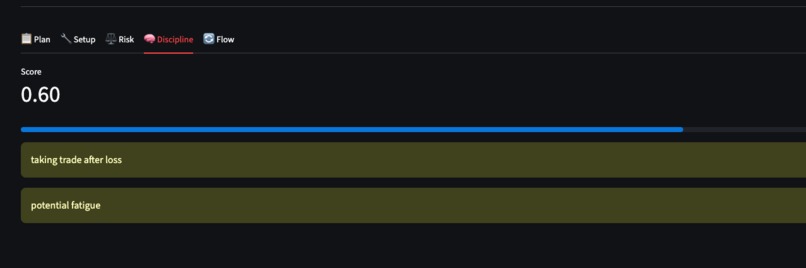
Test Case # 3 - Agent 3
-
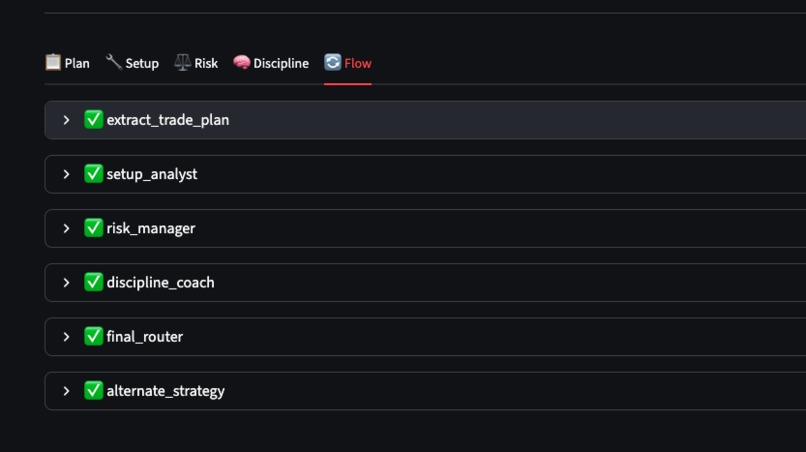
Test Case # 3 - Flow
-
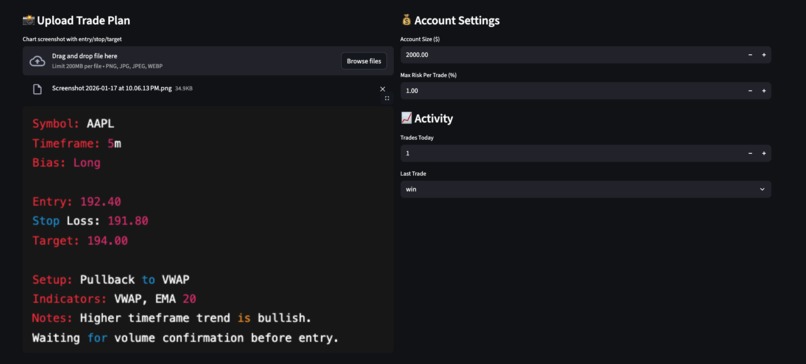
Test Case # 4 - Image Upload
-
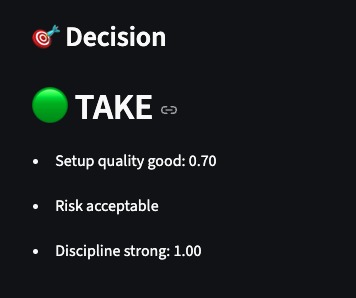
Test Case # 4 - Decision
-
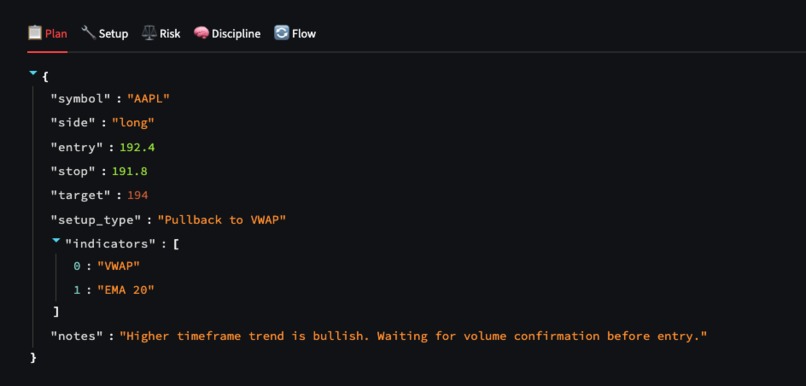
Test Case # 4 - Plan
-
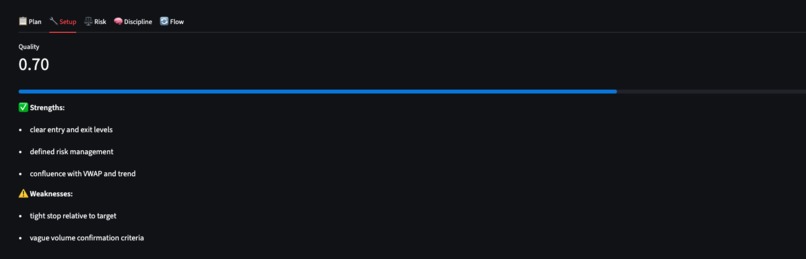
Test Case # 4 - Agent 1
-
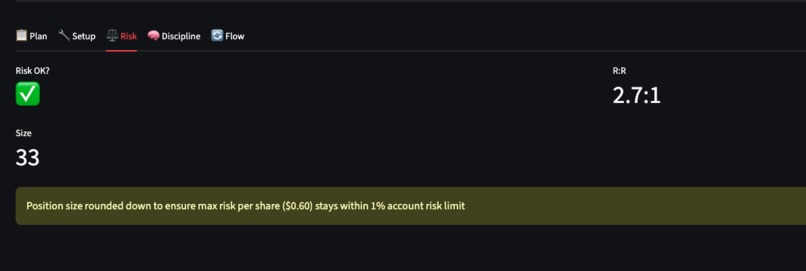
Test Case # 4 - Agent 2
-
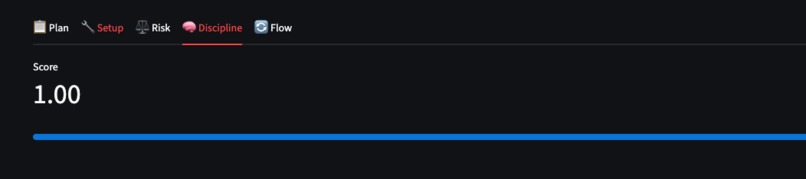
Test Case # 4 - Agent 3
-
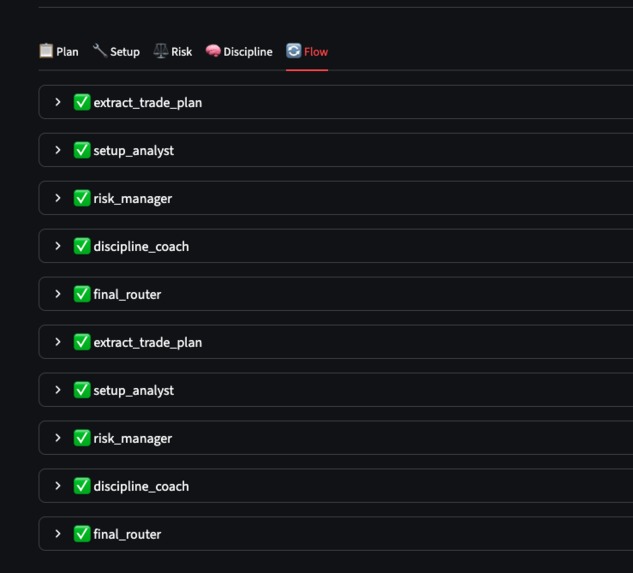
Test Case # 4 - Flow
-
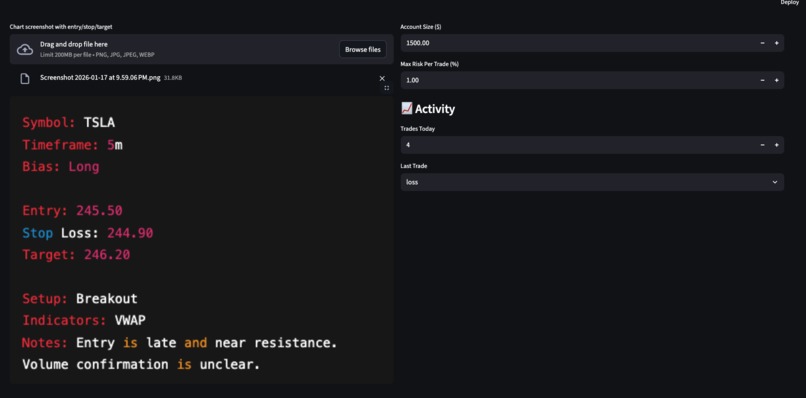
Test Case # 5 - Image Upload
-
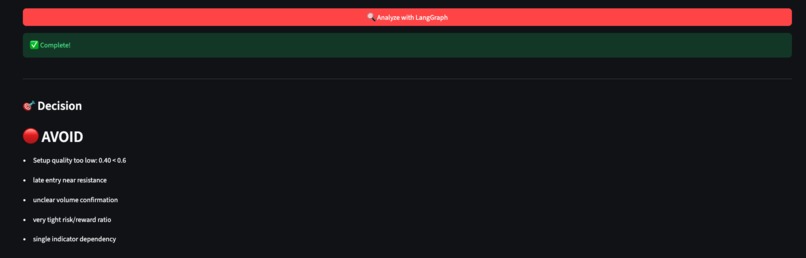
Test Case # 5 - Decision
-
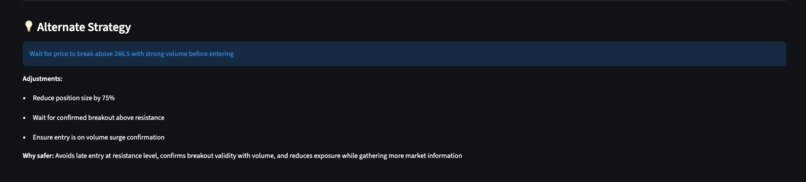
Test Case # 5 - Alternate Strategy
-
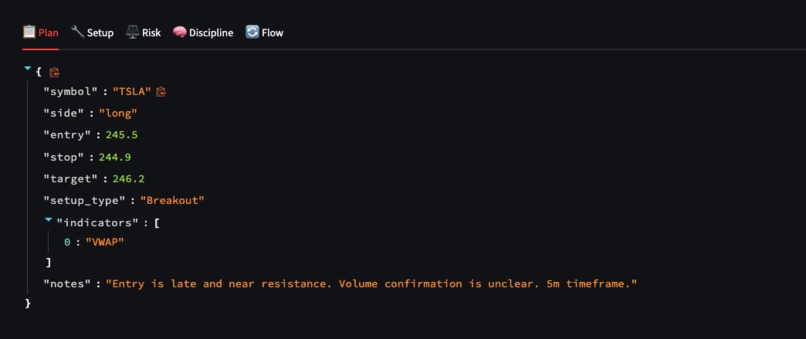
Test Case # 5 - Plan
-
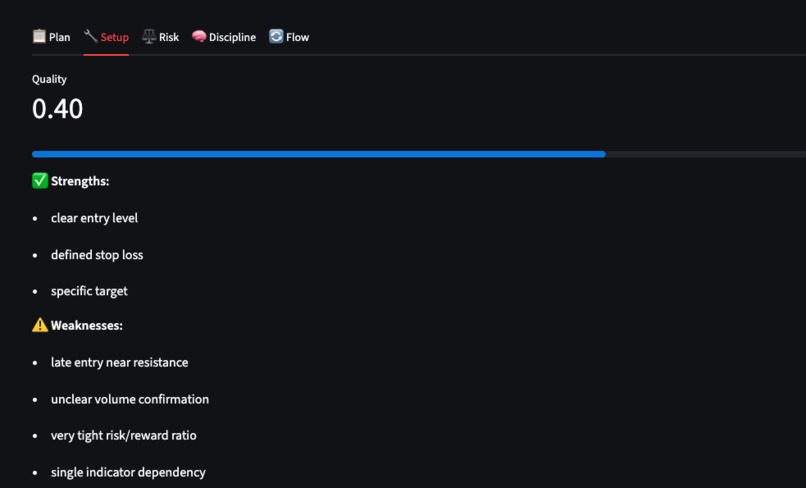
Test Case # 5 - Agent 1
-
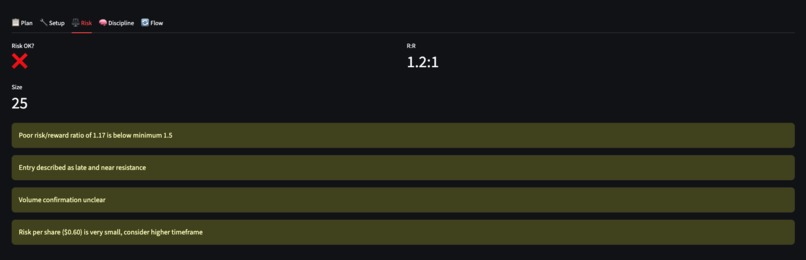
Test Case # 5 - Agent 2
-
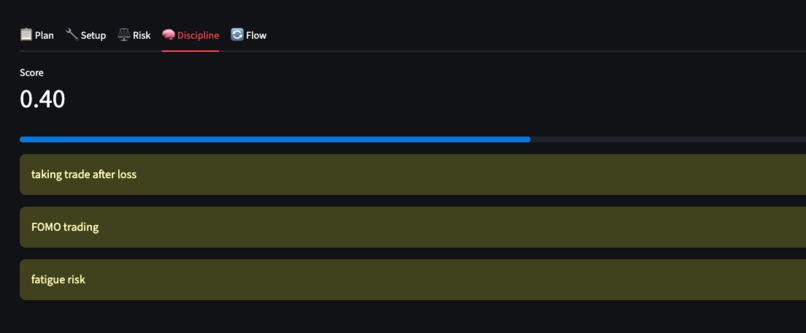
Test Case # 5 - Agent 3
-
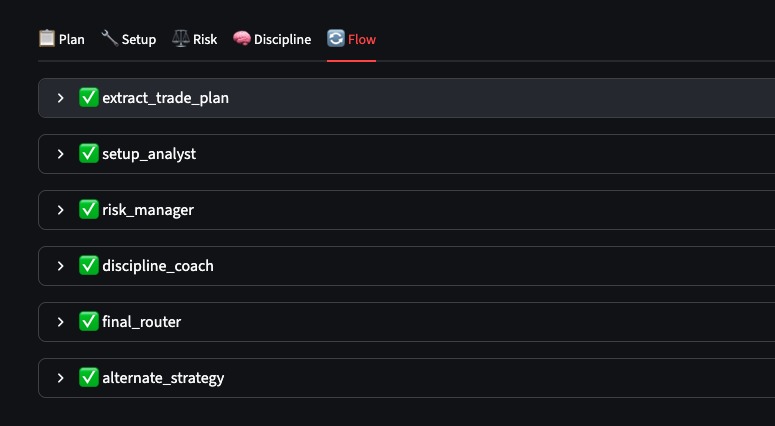
Test Case # 5 - Flow

Inspiration
I was inspired to build Trade Triage after seeing a close friend lose a significant amount of money day trading by following unverified tips and signals shared online. This made me question why traders rely on subjective advice when modern AI systems can support more structured and informed decision-making. Trade Triage explores how multi-agent AI can be used to improve the process behind short-term trading decisions rather than predicting outcomes.
What it does
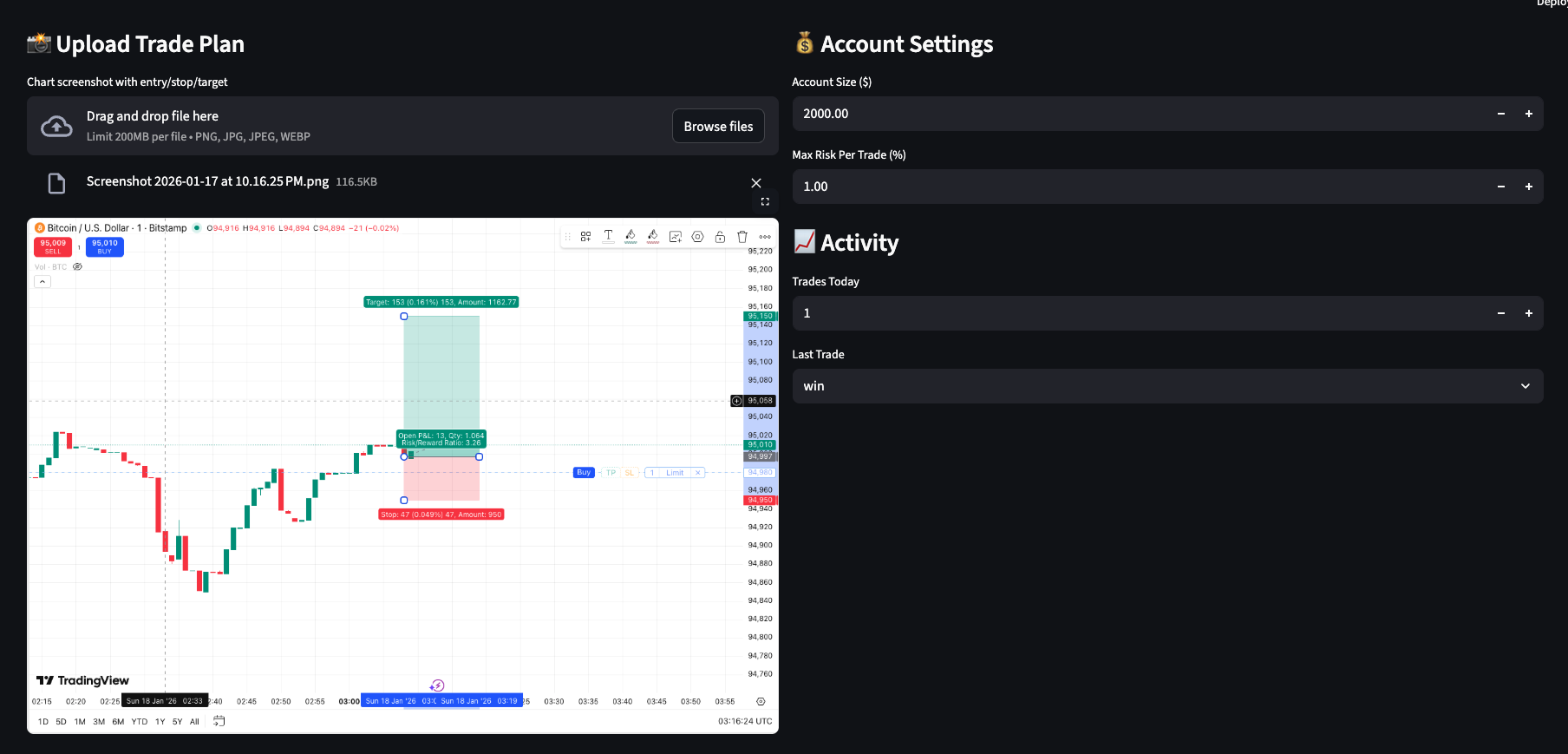
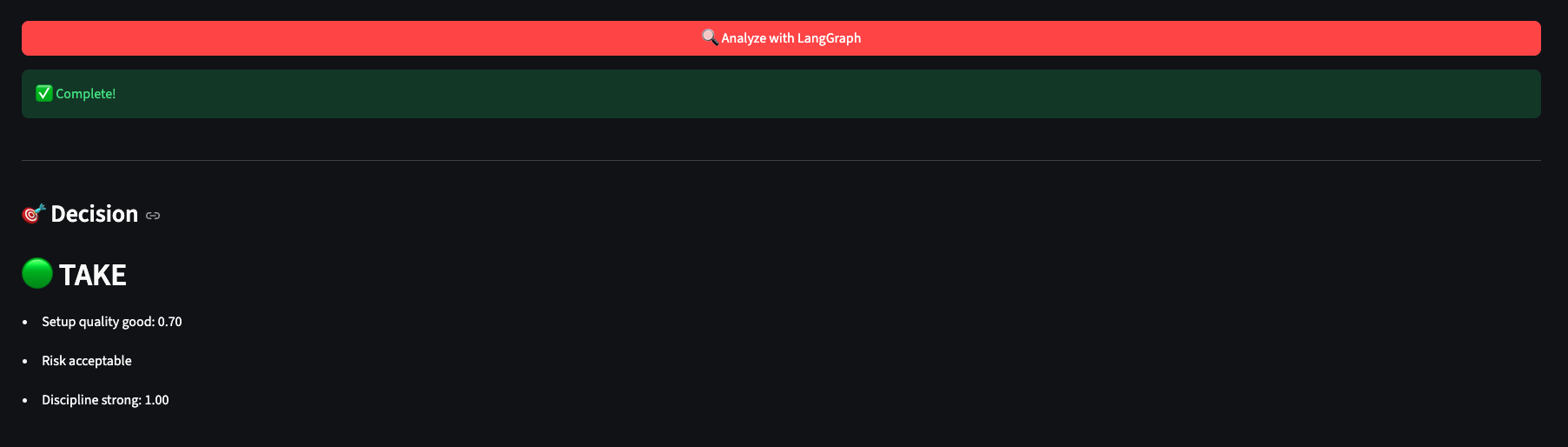
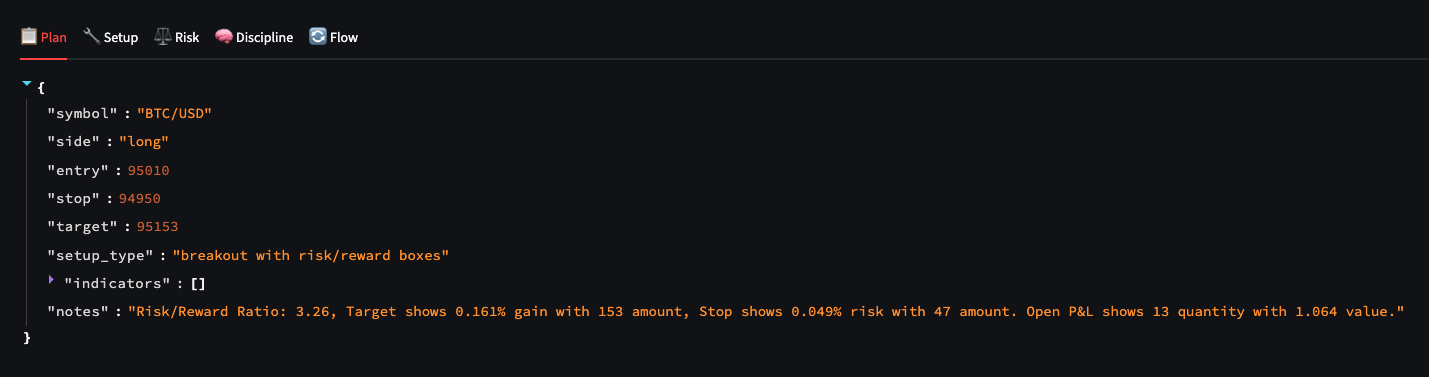
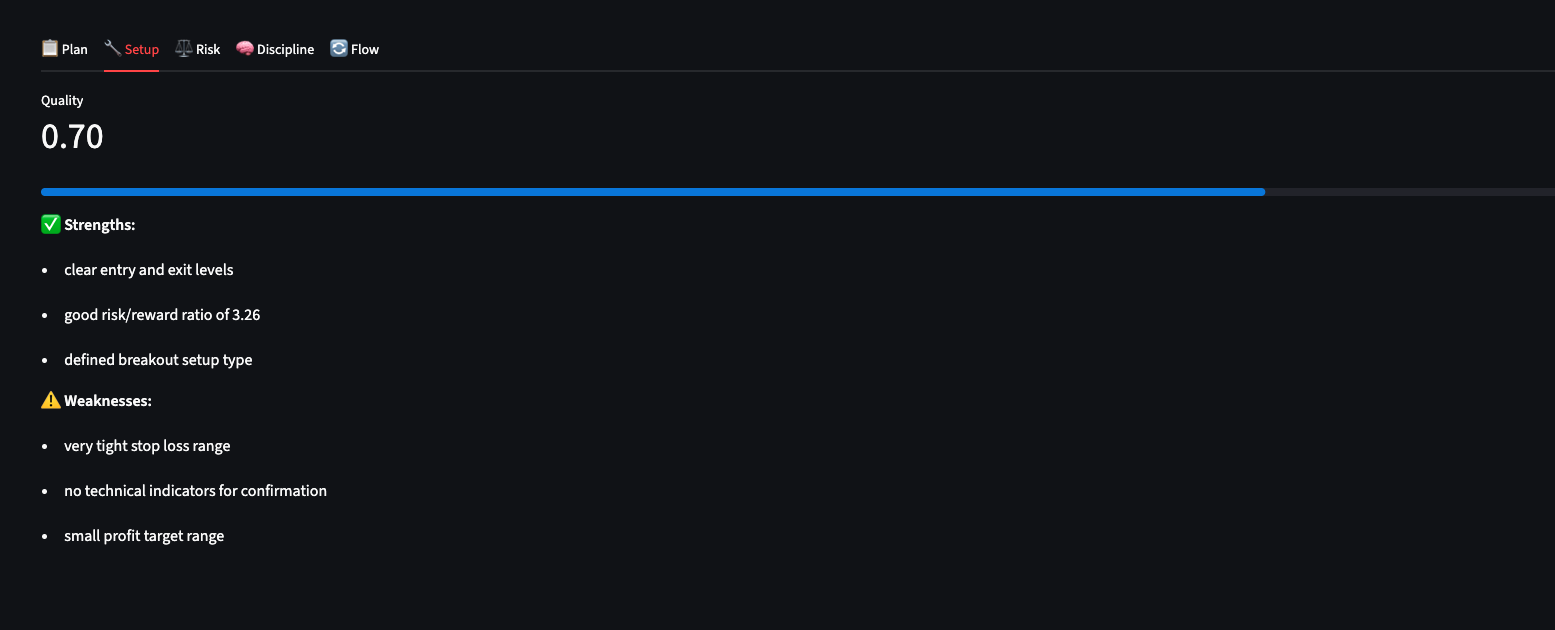
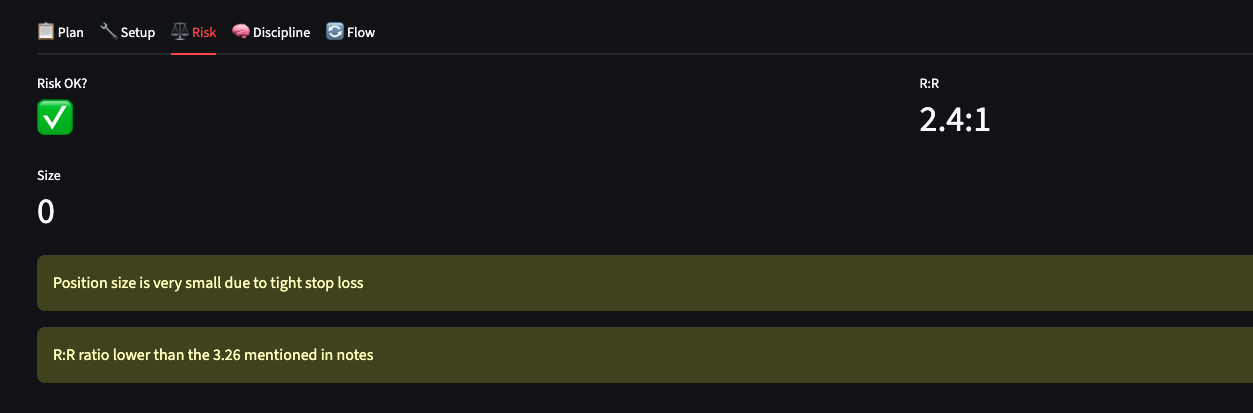
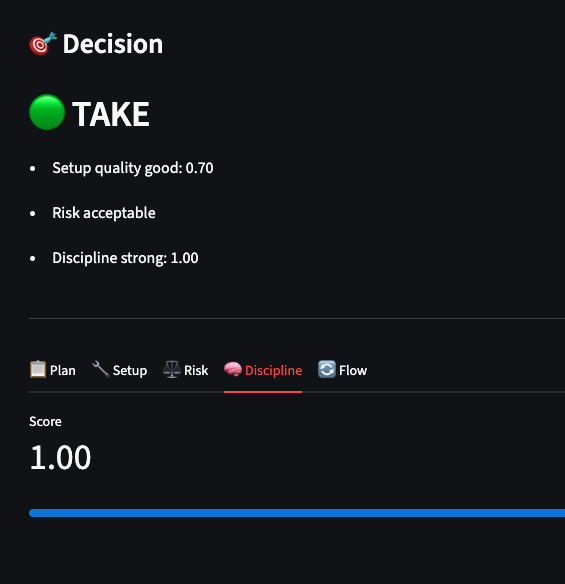
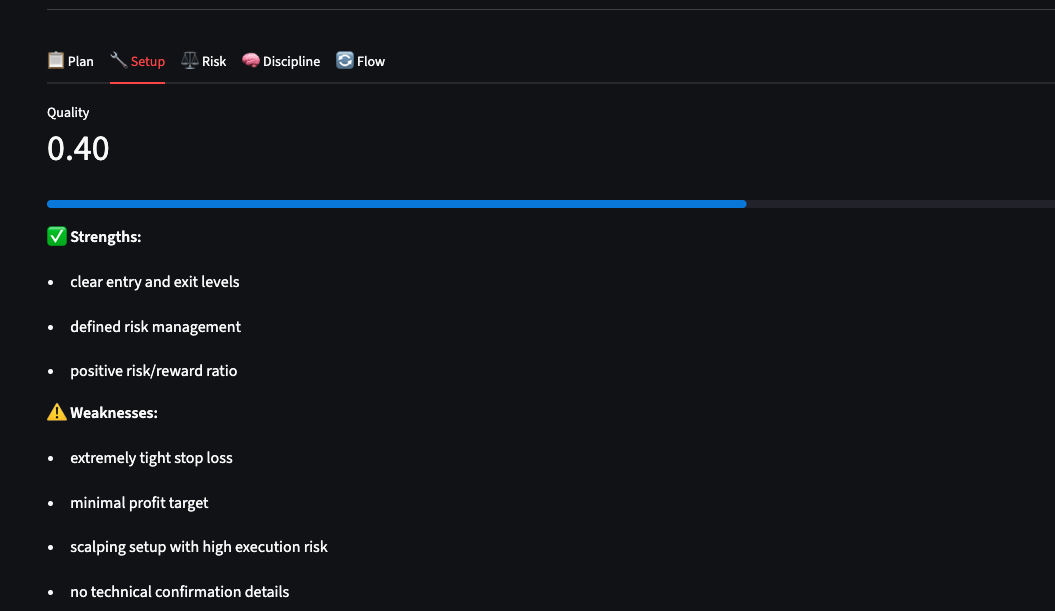
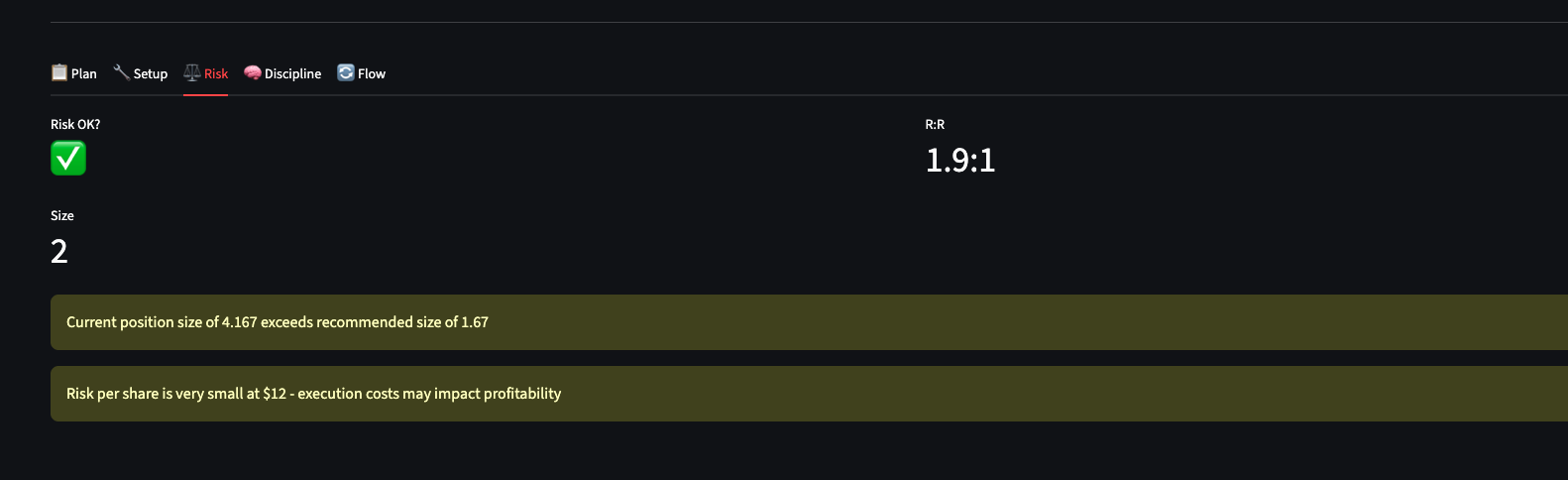
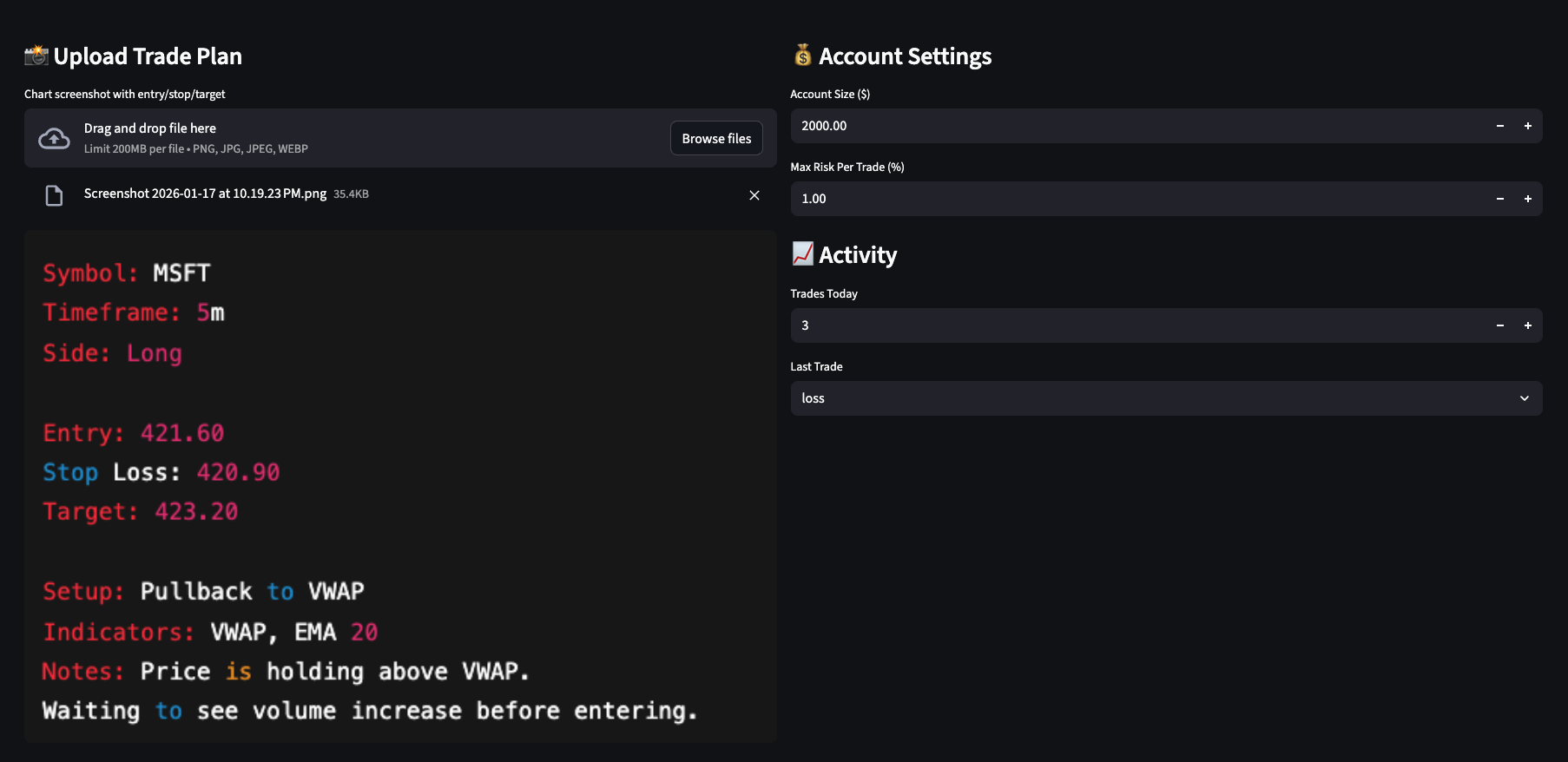
Trade Triage is an educational decision-support tool for day traders. It accepts an image of a trade plan (such as chart annotations or notes), extracts structured trade information, and evaluates the plan using three specialized AI agents. The system produces a clear and explainable TAKE, WAIT, or AVOID outcome and suggests safer alternative strategies when a trade is flagged as risky.
How we built it
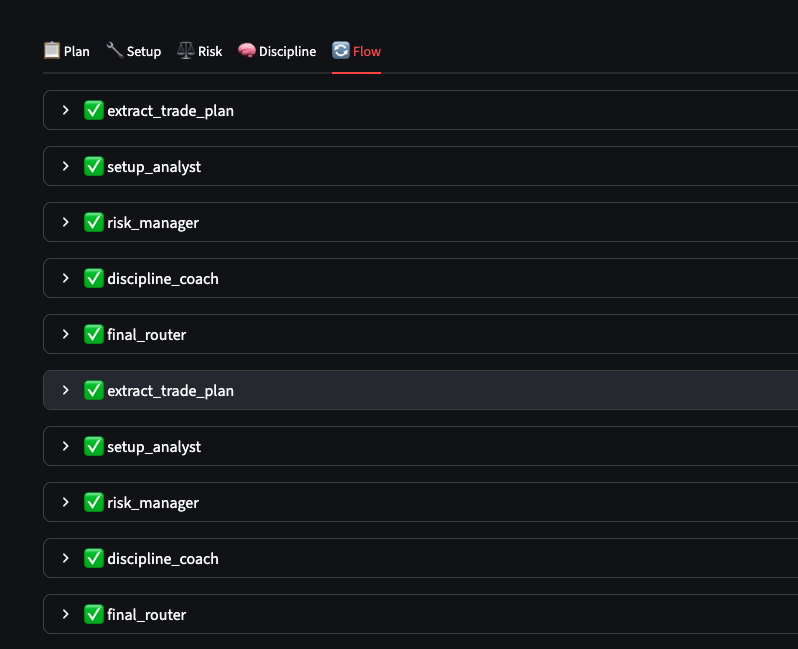
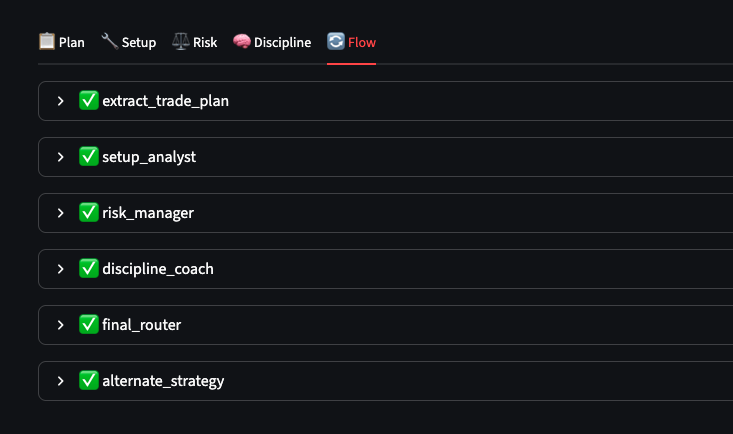
The project is built using Python and Streamlit, with agent orchestration handled by LangGraph. A vision model first extracts trade details from the uploaded image. This data is then passed through three agents: a Setup Analyst, a Risk Manager, and a Discipline Coach. LangGraph manages shared state across agents, ensuring clear hand-offs where each agent’s output is used by the next. Final decisions are made using transparent, rule-based logic rather than AI-generated signals.
Challenges we ran into
The main challenges involved enforcing structured JSON outputs from models, handling incomplete or ambiguous information extracted from images, and clearly demonstrating state hand-offs between agents to meet orchestration requirements.
Accomplishments that we're proud of
I successfully built a working multi-agent system using LangGraph that integrates image input, agent specialization, state management, and explainable decision logic. The project demonstrates responsible AI use in a high-risk domain without relying on real-time trading or automated execution.
What we learned
Through this project, I learned how agent orchestration frameworks like LangGraph enable more reliable and interpretable AI workflows. I also gained experience designing systems that prioritize explainability, safety, and clear role separation over raw predictive power.
What's next for Trading Triage
Trade Triage is currently a beta prototype. Future improvements include integrating real-time market data through financial APIs, supporting live price validation, and expanding agent logic to handle more complex market conditions and trader profiles.

Log in or sign up for Devpost to join the conversation.