-
-
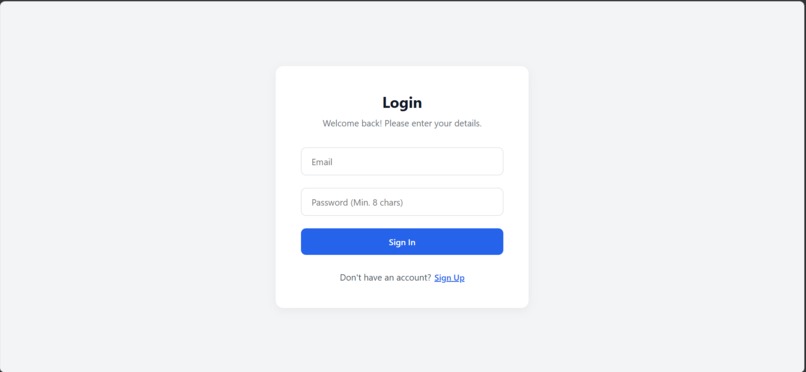
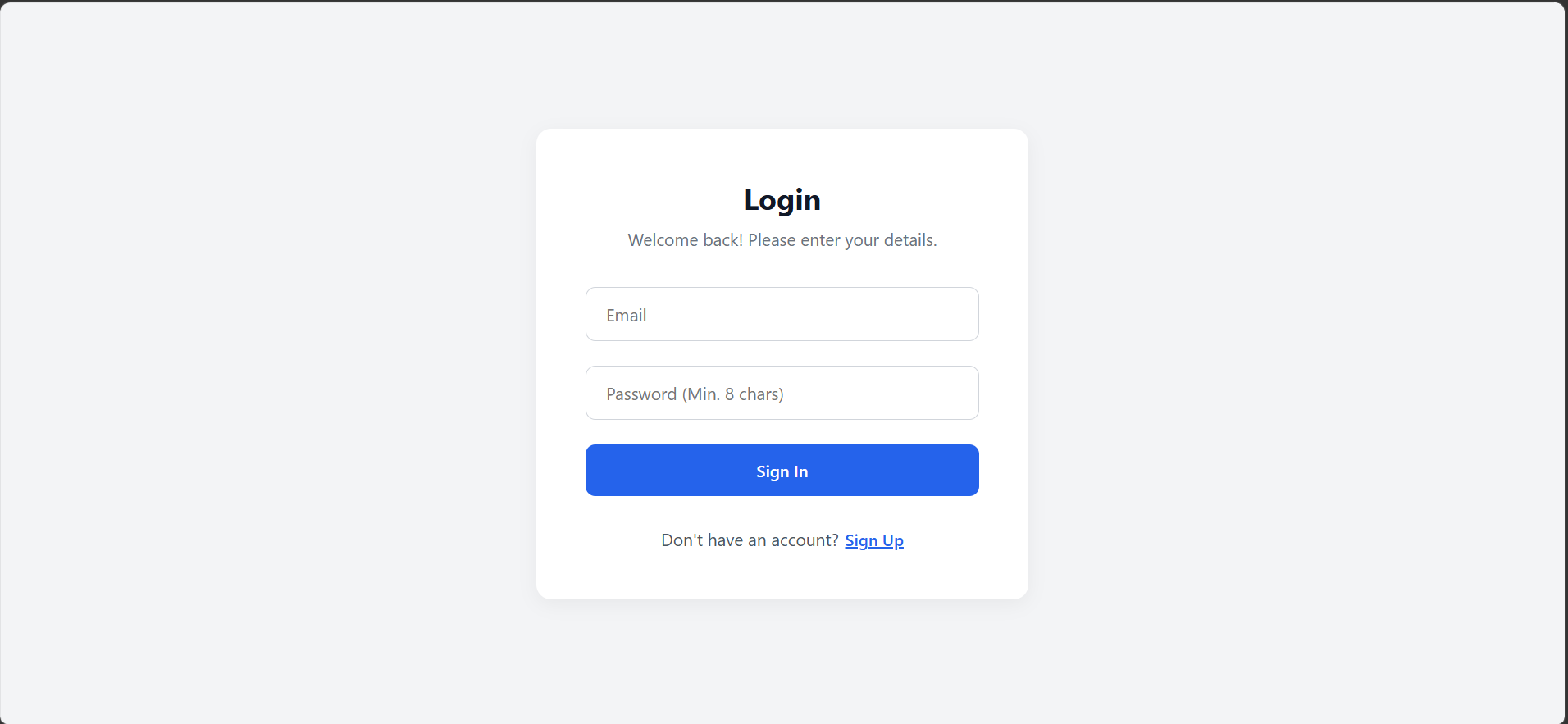
Signup/Signin Page
-
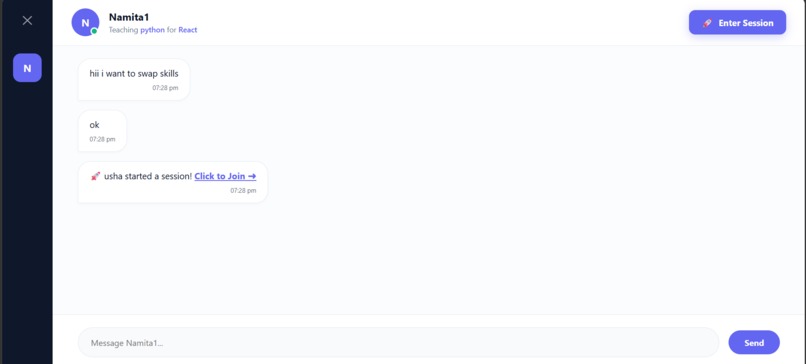
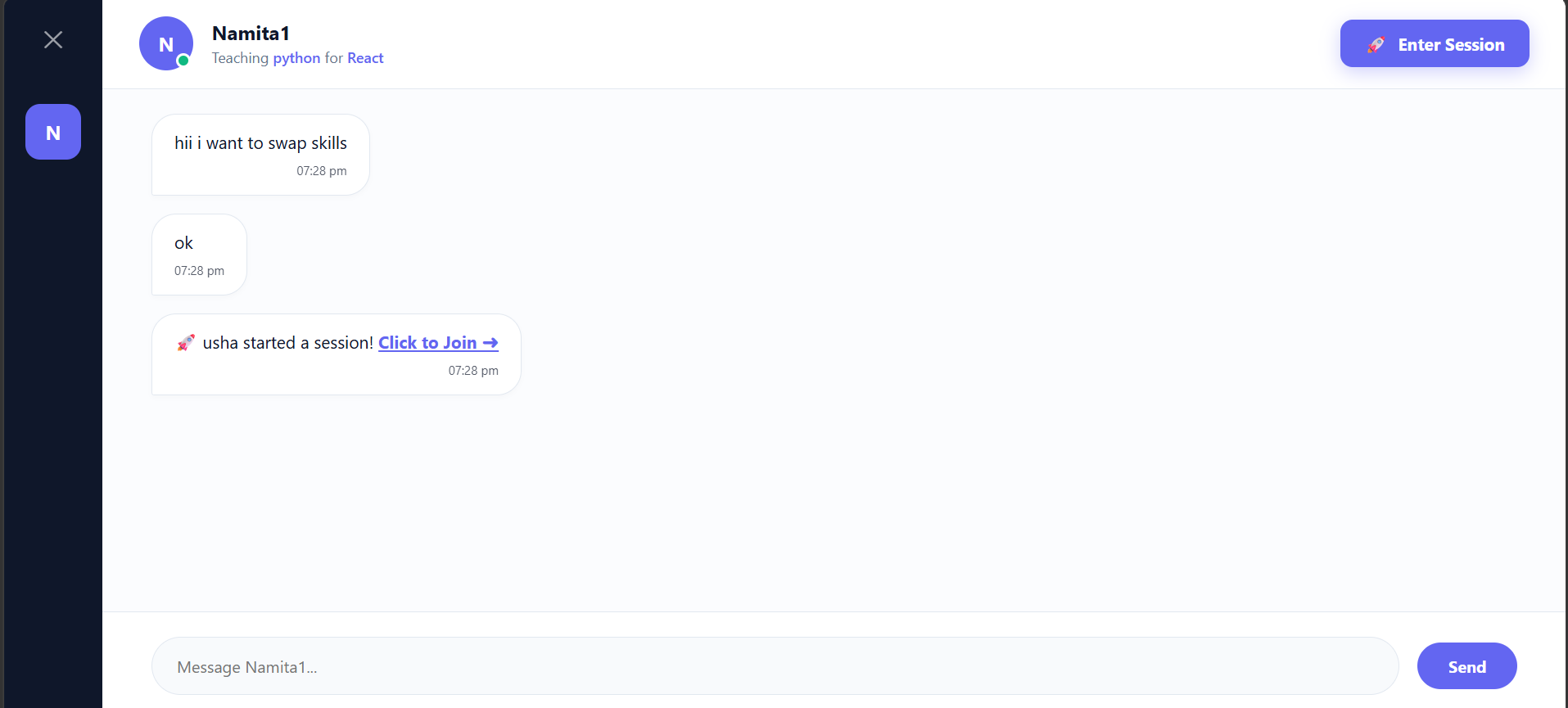
Chat Page
-
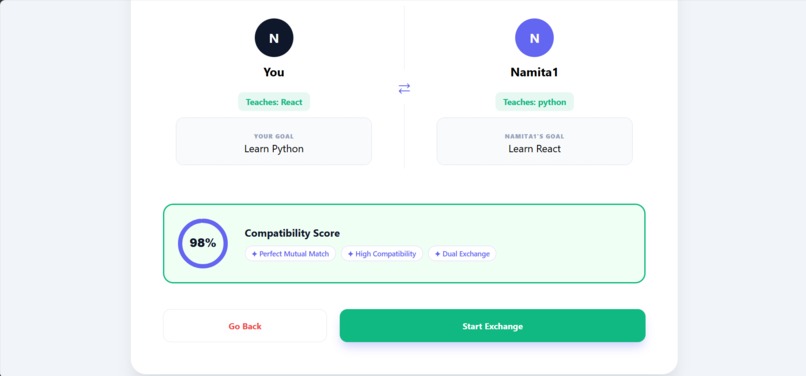
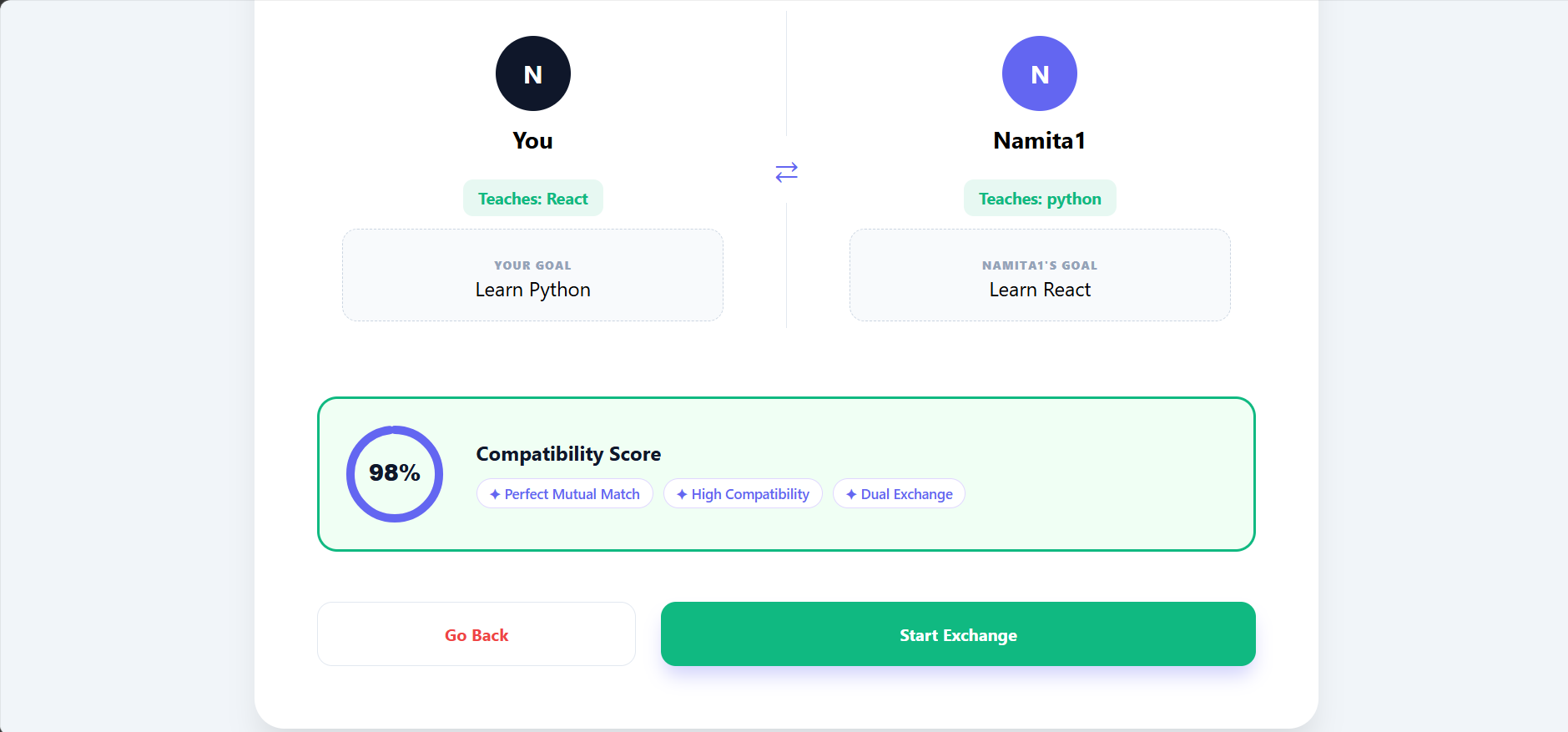
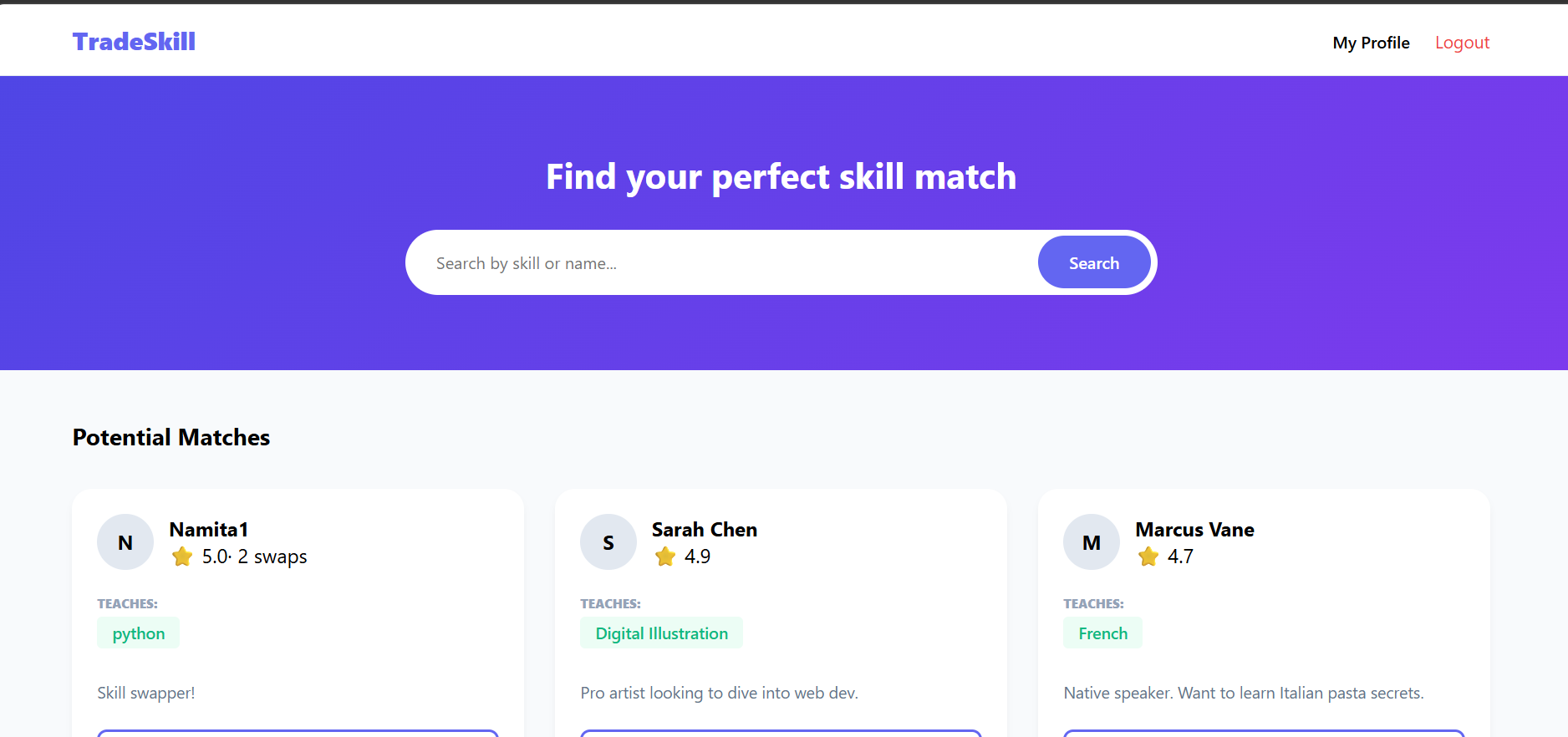
Match Page
-
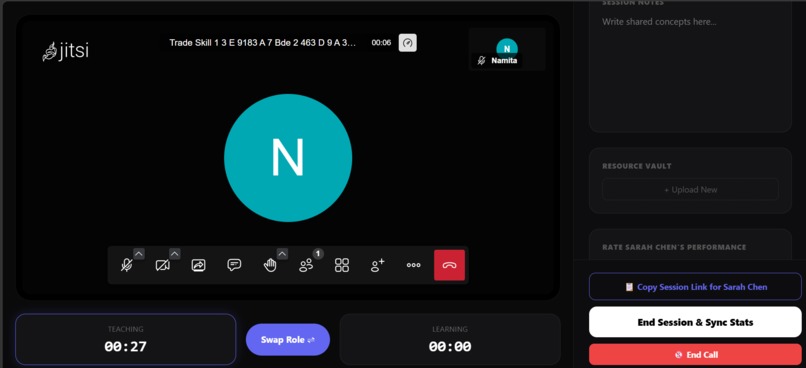
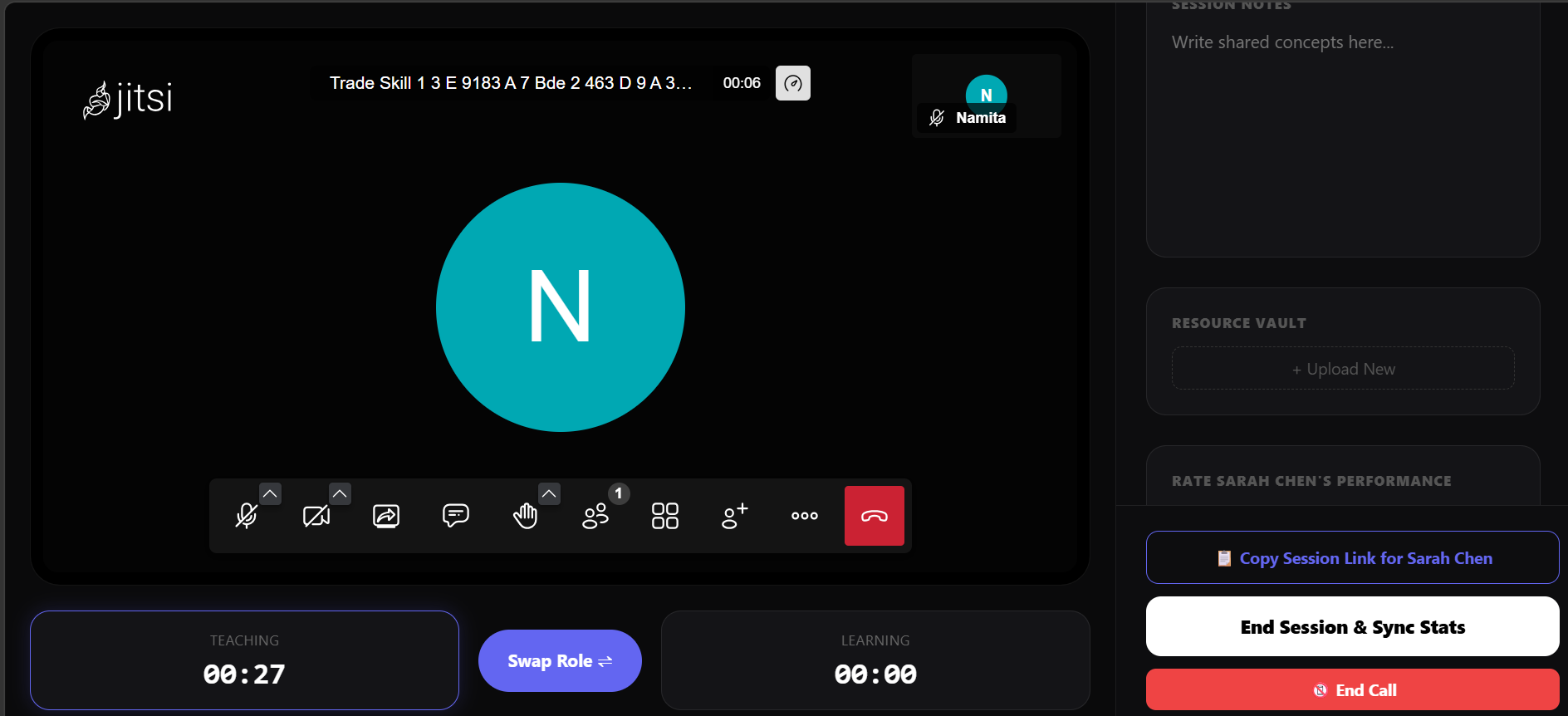
Workspace/video call Page
-
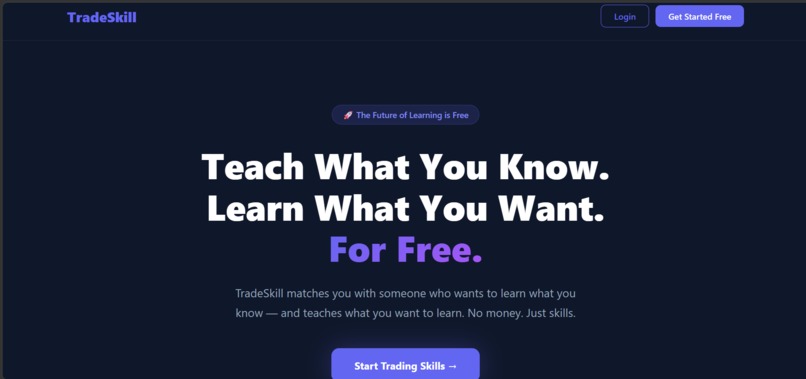
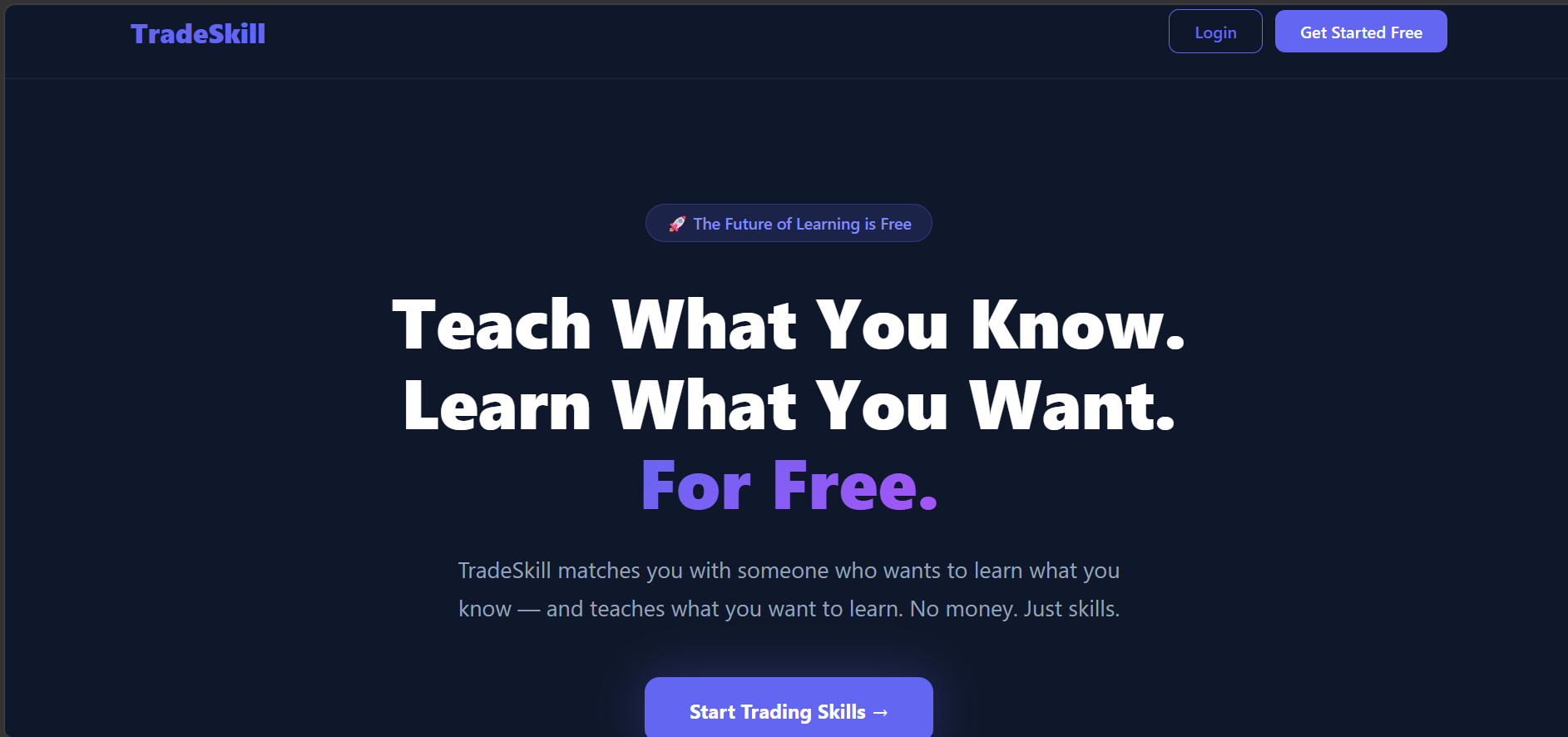
Landing Page
-
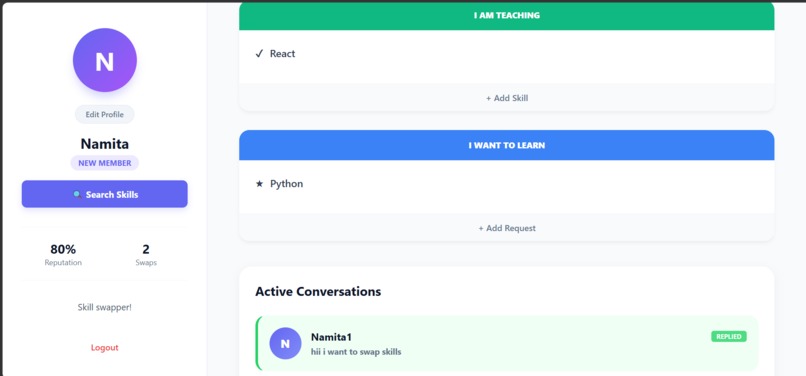
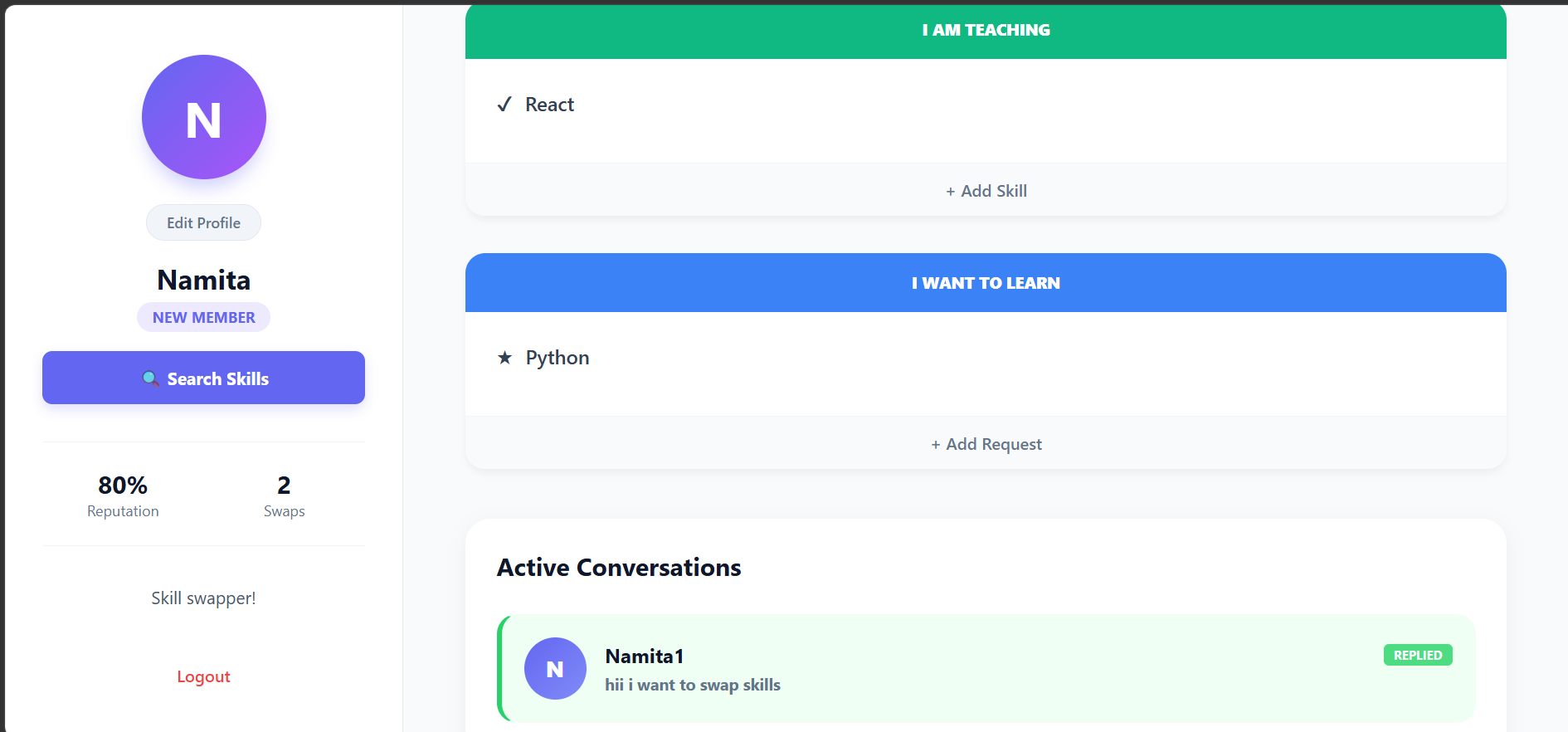
Profile Page
-
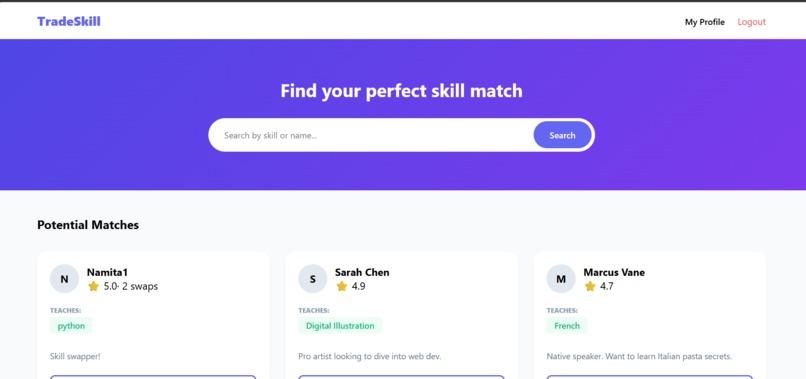
Home Page
-
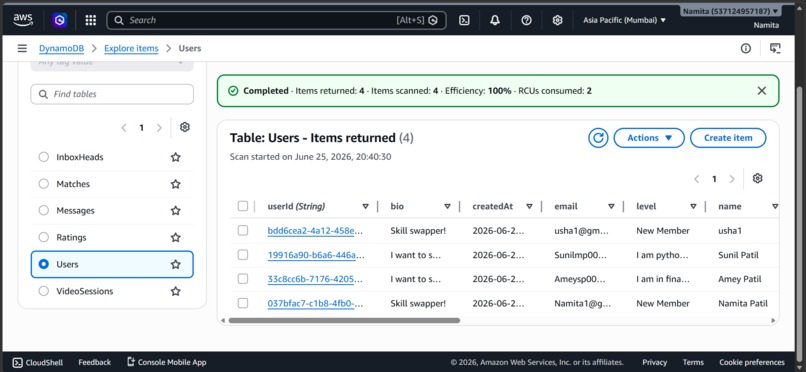
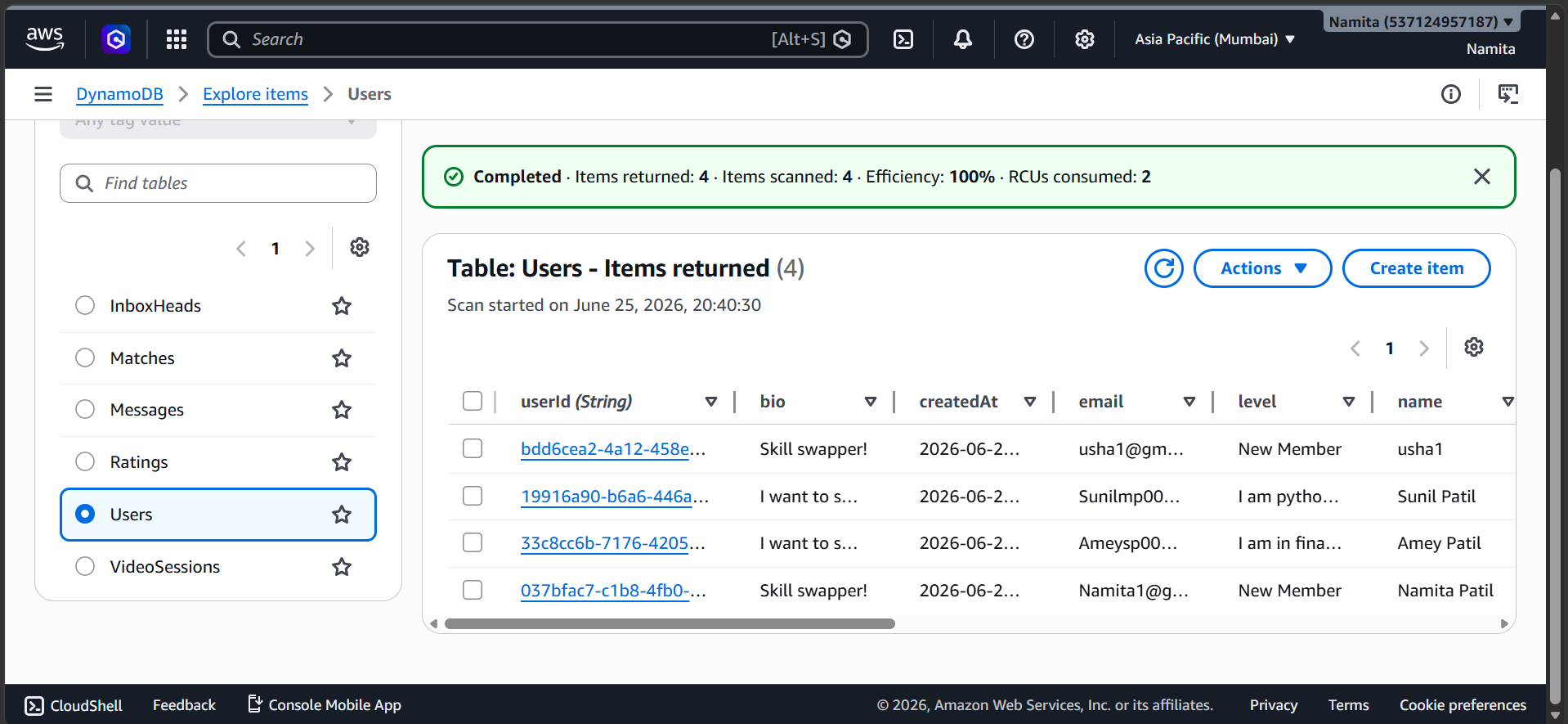
Users Table
-
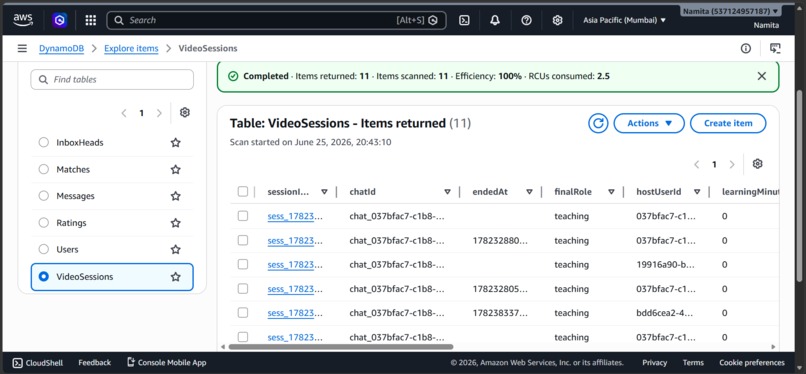
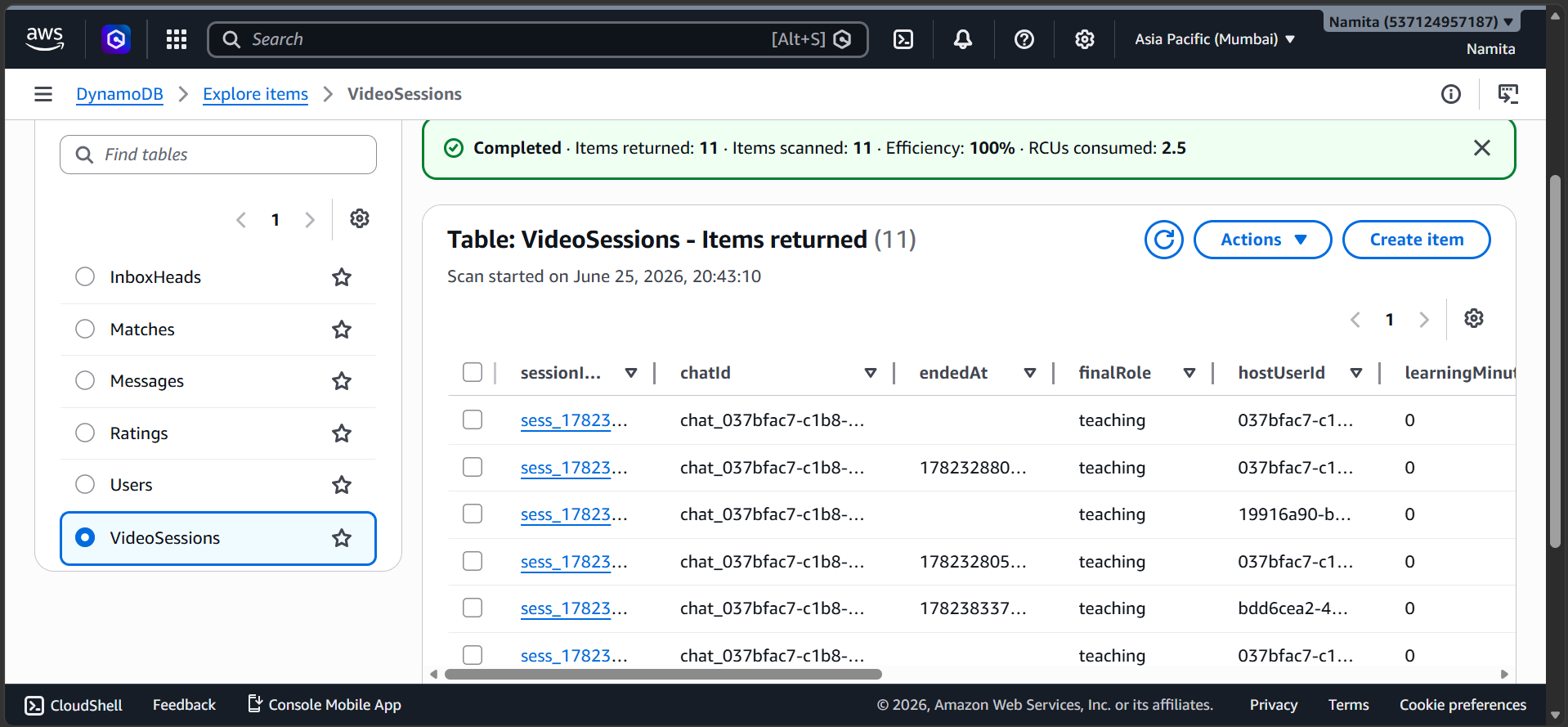
VideoSession Table
-
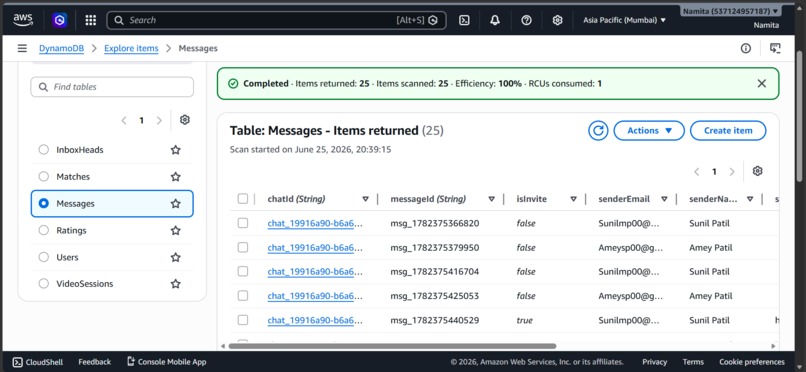
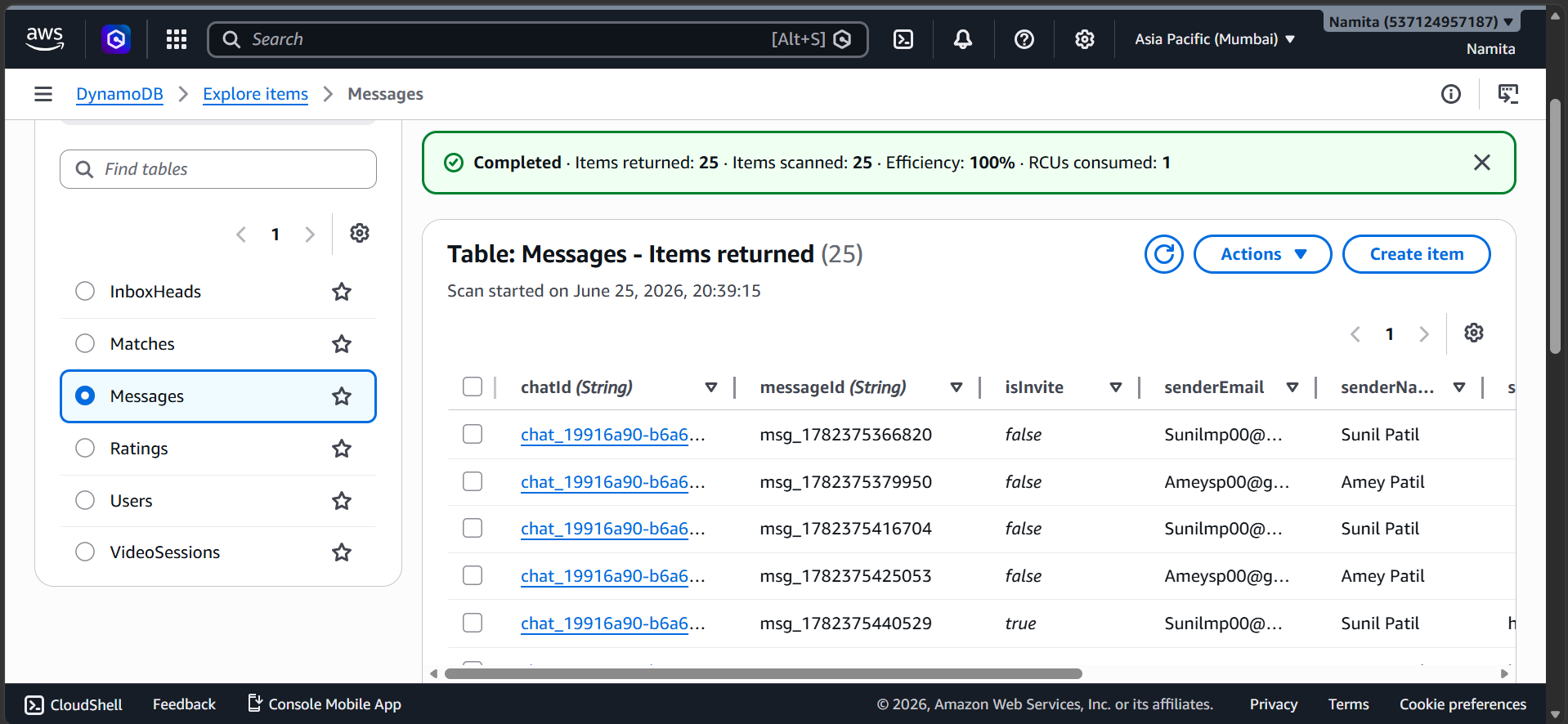
Messages Table
-
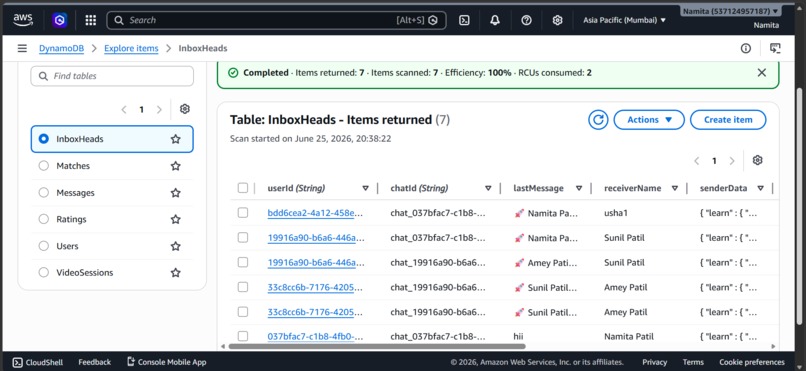
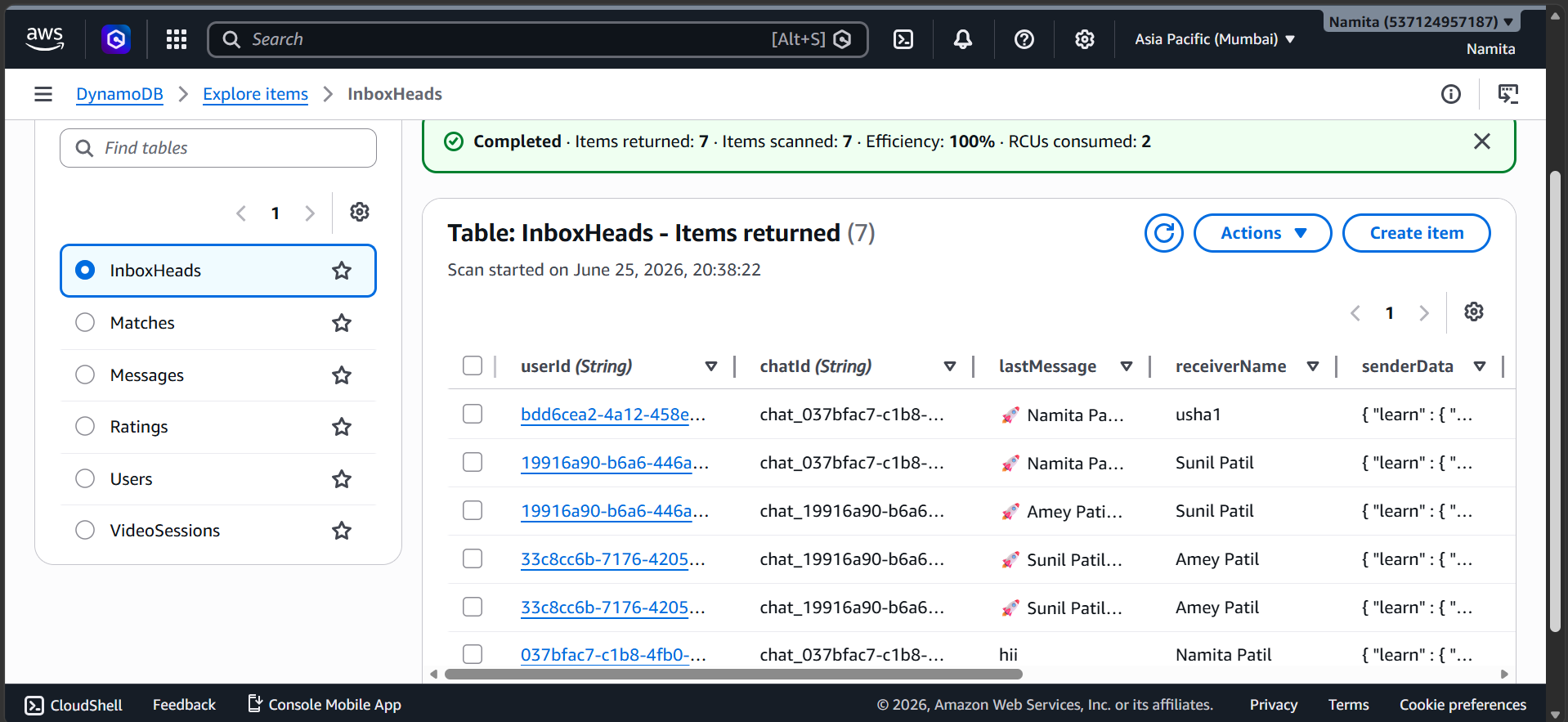
IndexHeads Table
-
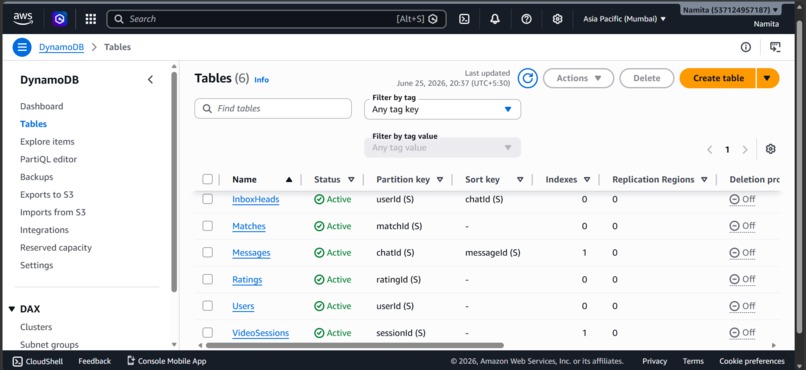
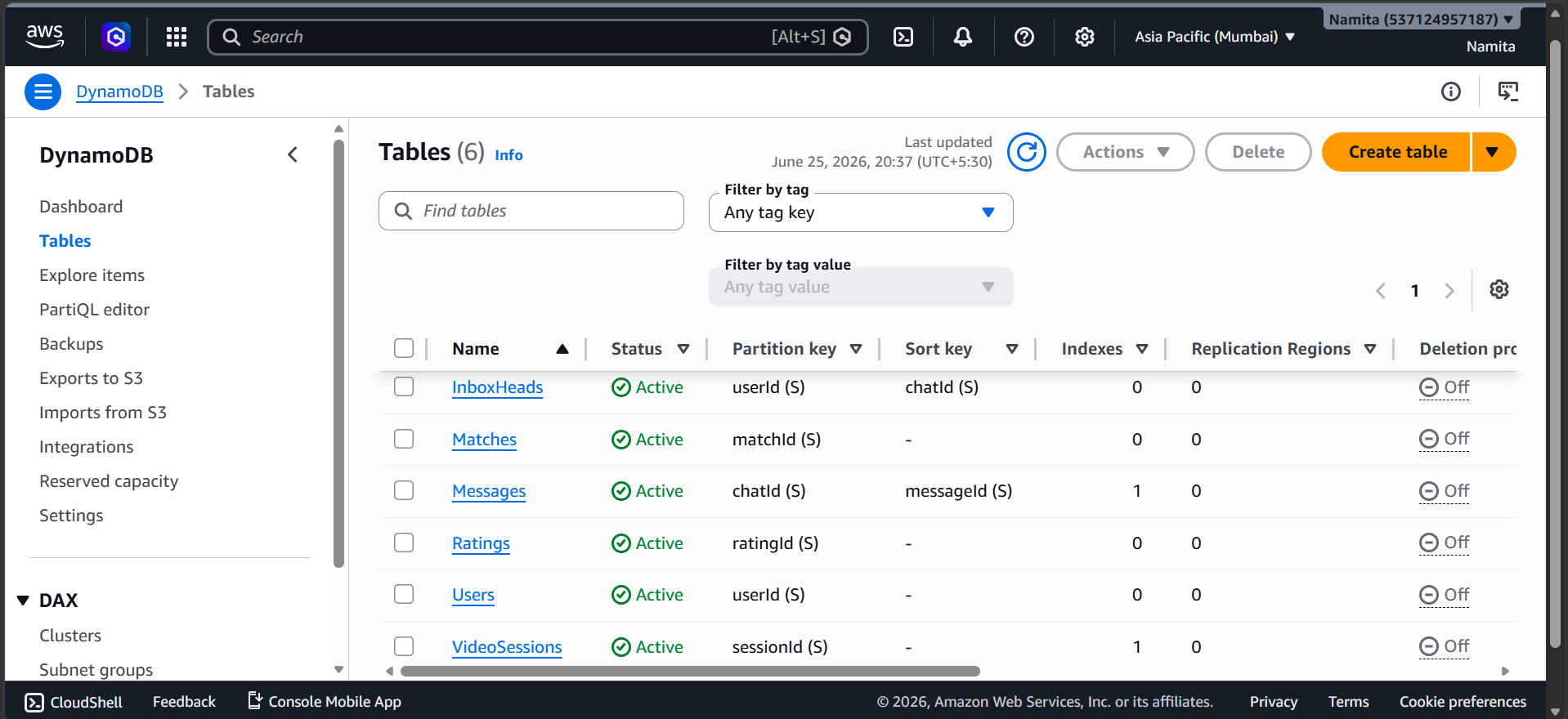
DynamoDB tables
-
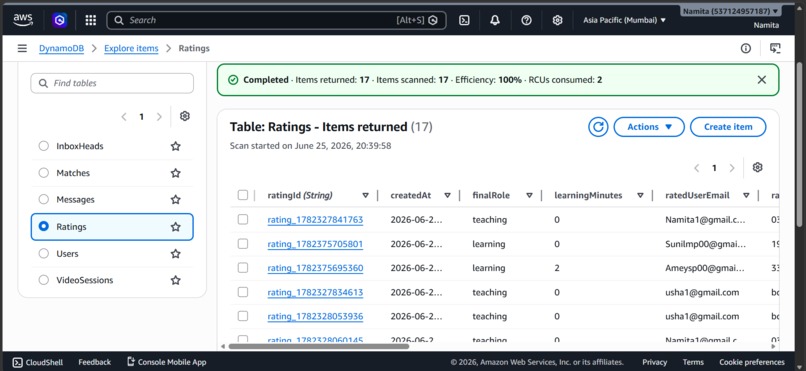
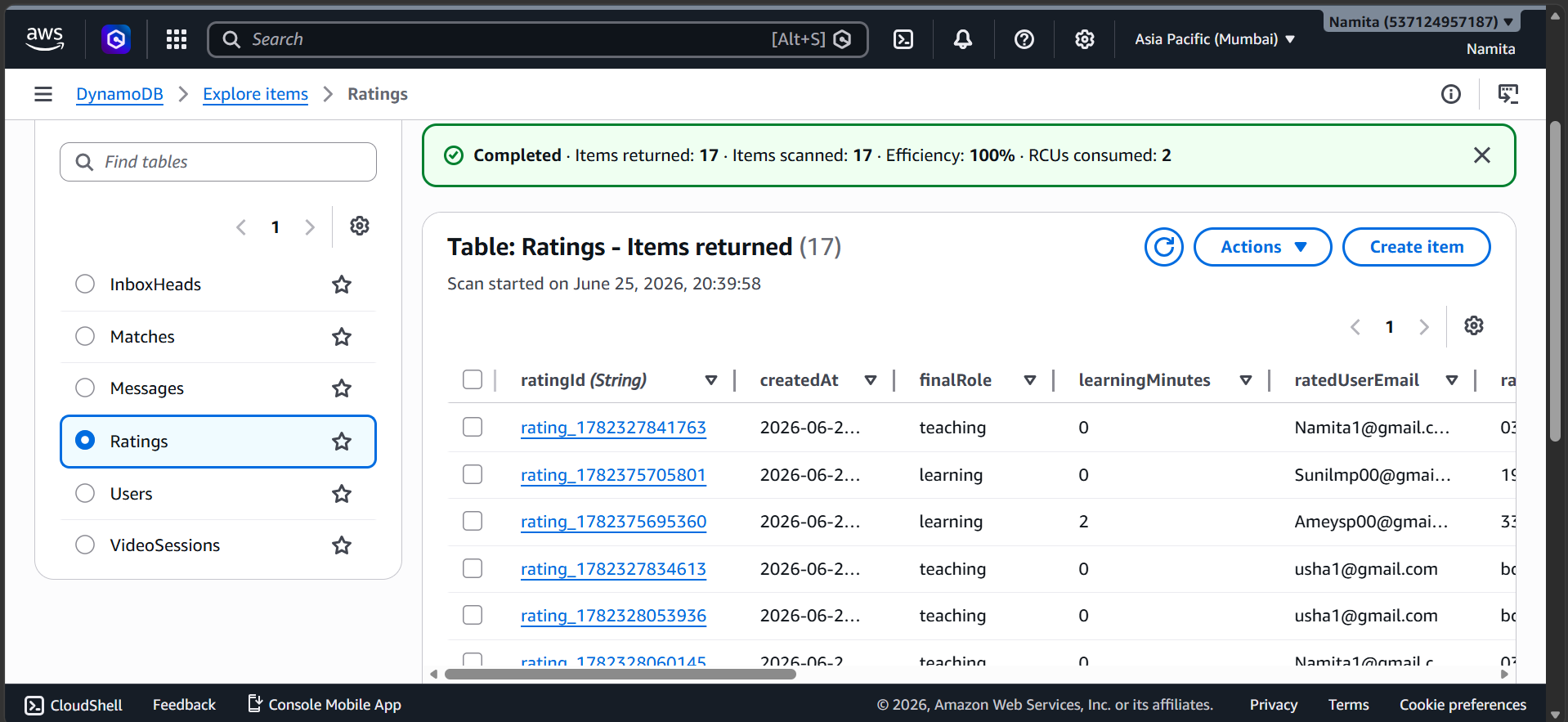
Ratings Table
The Problem
While thinking about how people learn, I noticed something strange. We have more free content than ever before yet most people still struggle to actually learn new skills.
The problem isn't access to content. It's the lack of a real human on the other side. Someone who guides you, answers your questions, and keeps you accountable.
Then I noticed something else. Almost everyone knows something that someone else desperately wants to learn.
That gap is exactly what TradeSkill was built to close.
What it Does
TradeSkill is a peer-to-peer skill exchange platform where people teach one skill in return for learning another. No money. No subscriptions. Skills become the currency.
If A knows drawing and wants to learn coding, and B knows coding and wants to learn drawing — TradeSkill matches them automatically. Both teach. Both learn. Neither pays a rupee.
Why It's Better Than Existing Platforms
vs Paid Platforms (Udemy, Coursera):
- ❌ Cost hundreds or thousands of rupees
- ❌ Pre-recorded, no real interaction
- ✅ TradeSkill: Completely free forever
- ✅ Live interactive 1-on-1 sessions
vs Free Platforms (YouTube):
- ❌ No personalization or feedback
- ❌ Cannot ask questions in real time
- ✅ TradeSkill: Personalized live sessions
- ✅ Real time feedback from your teacher
Every other platform makes you a student only. TradeSkill makes you both a student AND a teacher. Your knowledge has real value — trade it.
How I Built It
Frontend: React deployed on Vercel
Database: AWS DynamoDB with 6 tables:
- Users — profiles and skill data
- Messages — real time chat
- InboxHeads — conversation previews
- VideoSessions — live session tracking
- Ratings — peer performance ratings
- Matches — compatibility records
Video: Jitsi Meet API for live sessions
The matching algorithm compares skills users can teach against what others want to learn and generates compatibility scores.
Challenges
DynamoDB data modeling was harder than expected. This isn't a simple CRUD app. I needed separate structures for profiles, conversations, inbox previews, session states, and ratings while keeping reads and writes efficient.
Designing the dual-role video session where users switch between teaching and learning within the same call required rethinking how session state is tracked in real time.
What I Learned
This project gave me hands-on experience with DynamoDB data modeling, integrating third-party video services, and designing systems around human behaviour rather than simple data operations.
The biggest lesson was about product thinking — designing an experience people would actually want to use is much harder than building features.
What's Next
- AI-assisted skill matching
- Skill verification through assessments
- Group learning sessions
- Mobile application support
- Calendar integration for scheduling
TradeSkill existed as a React frontend with local storage before the hackathon. During the submission period I made these significant updates:
- Integrated AWS DynamoDB as primary database replacing all local storage
- Built 6 DynamoDB tables: Users, Messages, InboxHeads, VideoSessions, Ratings, Matches
- Implemented real time chat using DynamoDB
- Added user authentication with password hashing
- Built rating and reputation system with DynamoDB
- Deployed frontend on Vercel
- Added landing page and complete UI redesign
- Fixed multi-user session handling
- Integrated Jitsi video call system
- Added skill matching algorithm with compatibility scoring
The core idea existed but the entire backend, database architecture, and production deployment were built during the hackathon period. The vision: a world where anyone can learn anything by sharing what they already know. Knowledge should be free. On TradeSkill, it is.
Built With
- amazon-web-services
- dynamodb
- javascript
- jitsi
- meet
- node.js
- react
- vercel


Log in or sign up for Devpost to join the conversation.