Inspiration
Algorithmic trading systems often show signals, positions, and performance, but they rarely preserve enough evidence to explain why a decision was made, whether the data was reliable, or whether an experiment contaminated the trusted results.
I built Trade Evidence to make algorithmic trading research auditable by design.
What it does
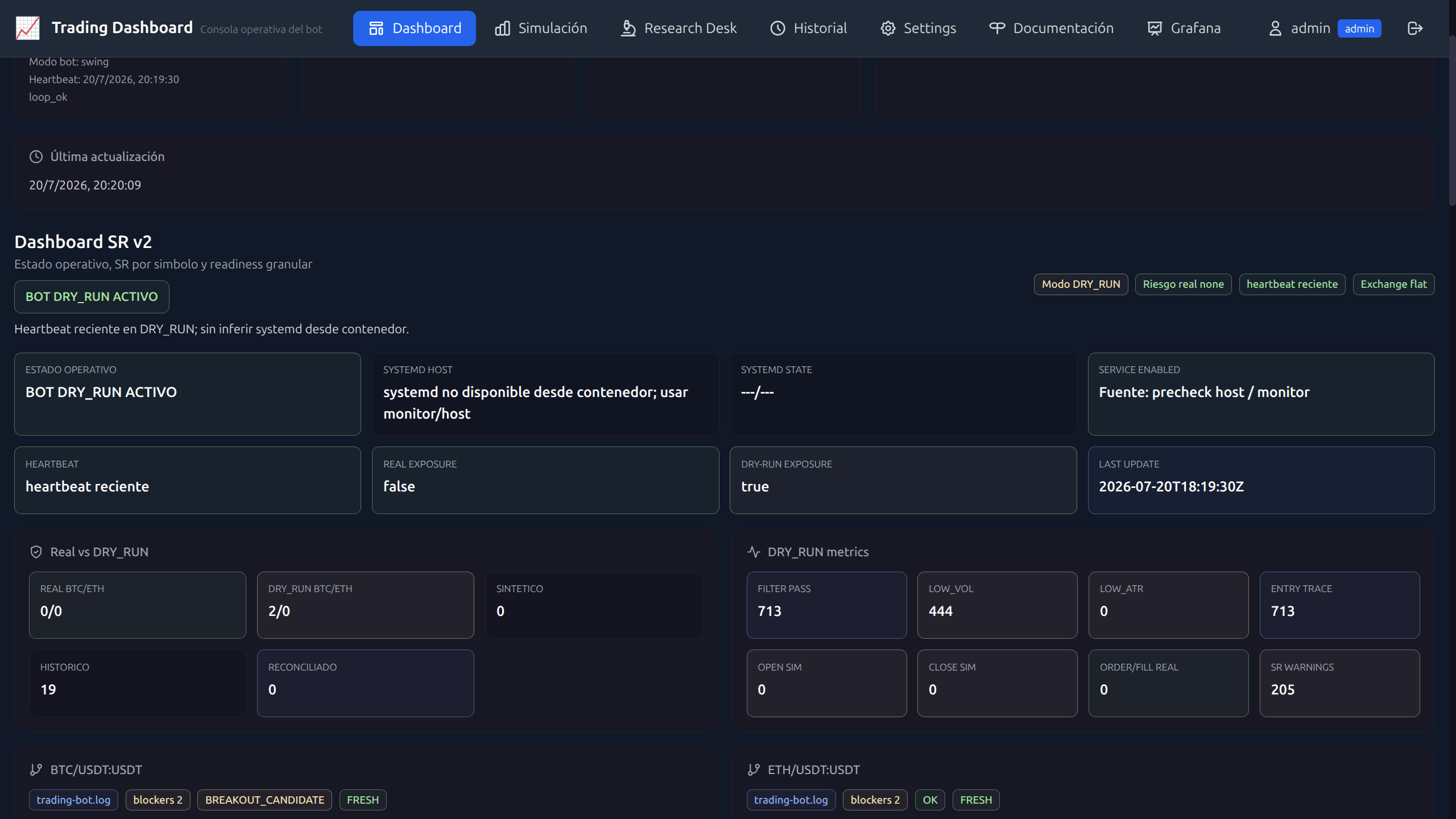
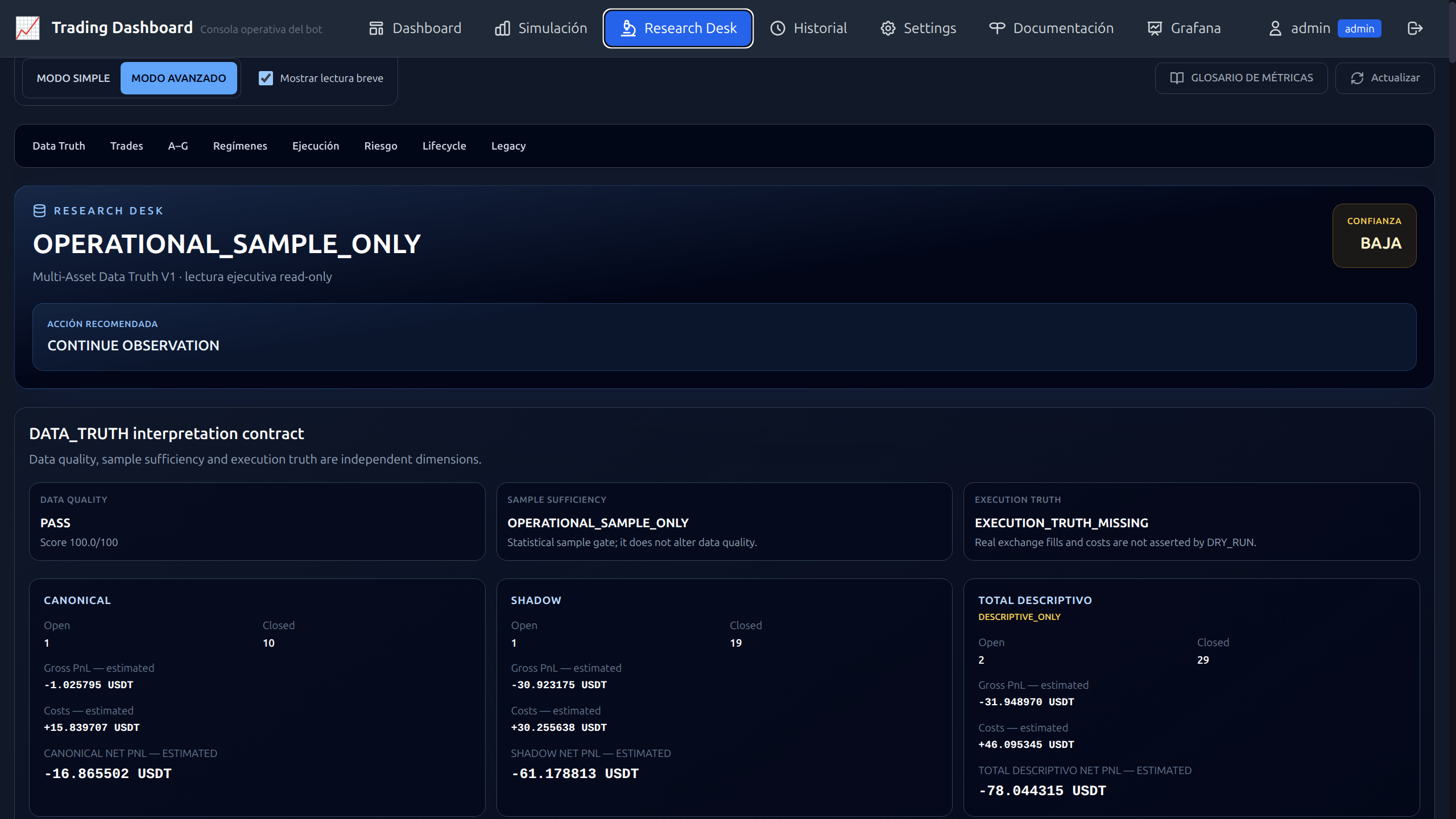
Trade Evidence is a simulation-first research platform for algorithmic trading.
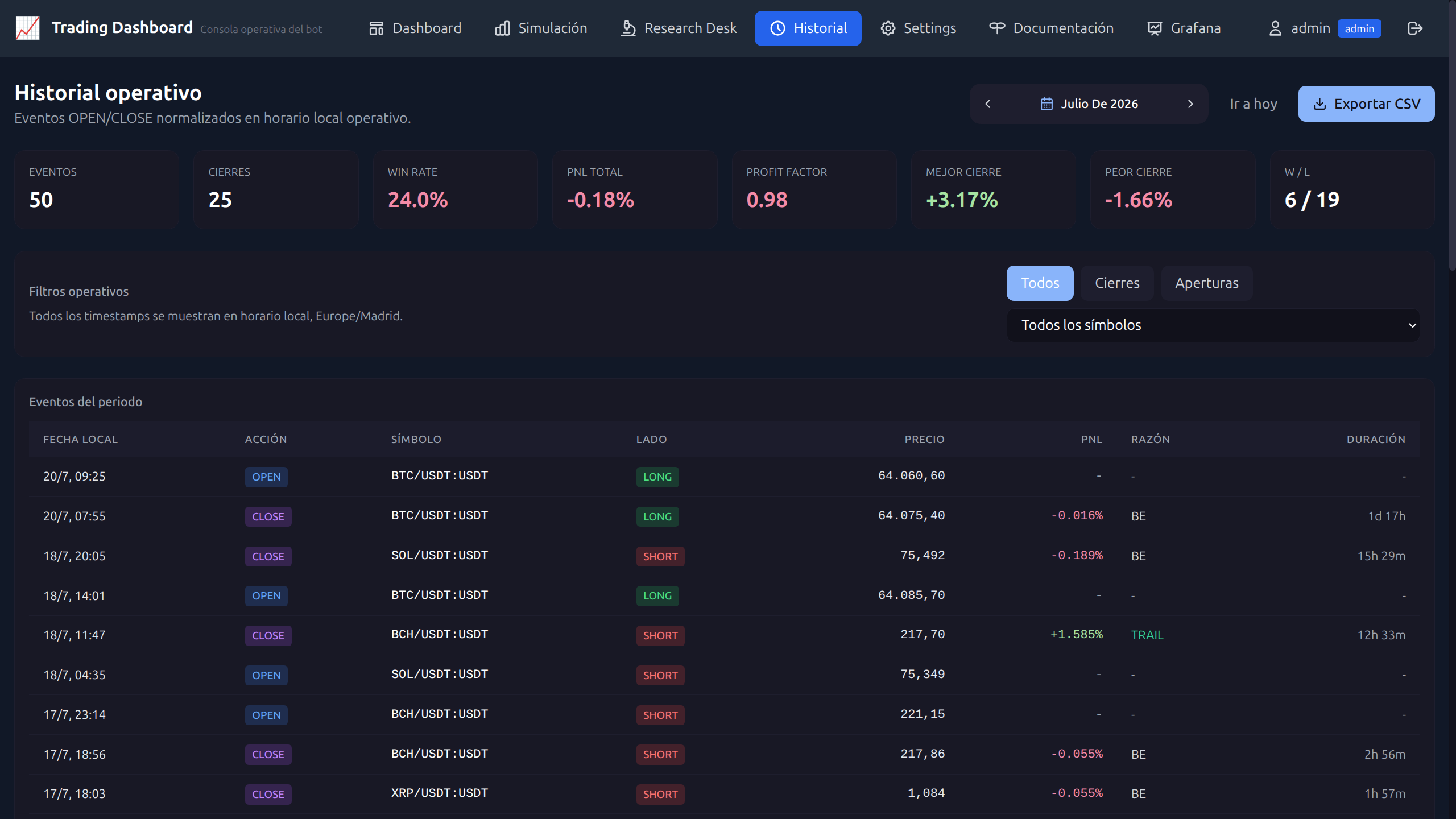
It monitors multiple crypto assets, evaluates signals under explicit risk controls, records blocked decisions, and preserves the complete lifecycle of simulated trades.
The platform separates:
- Canonical results, used as the trusted research record.
- Shadow experiments, used to test alternative policies without contaminating canonical performance.
- Data quality, which checks whether the underlying evidence is valid.
- Sample sufficiency, which prevents conclusions from being promoted too early.
- Execution truth, which distinguishes simulated evidence from real-market execution.
For each simulated lifecycle, the platform can preserve:
- Symbol and direction
- Entry and exit information
- Exit reason
- Gross PnL
- Estimated costs
- Net PnL
- Maximum favorable excursion
- Maximum adverse excursion
- Giveback
- Data timestamps
- Experimental lane and cohort
How I built it
I defined the product requirements, trading constraints, risk rules, validation gates, and acceptance criteria.
ChatGPT helped me reason through the architecture, debugging, documentation, and product decisions.
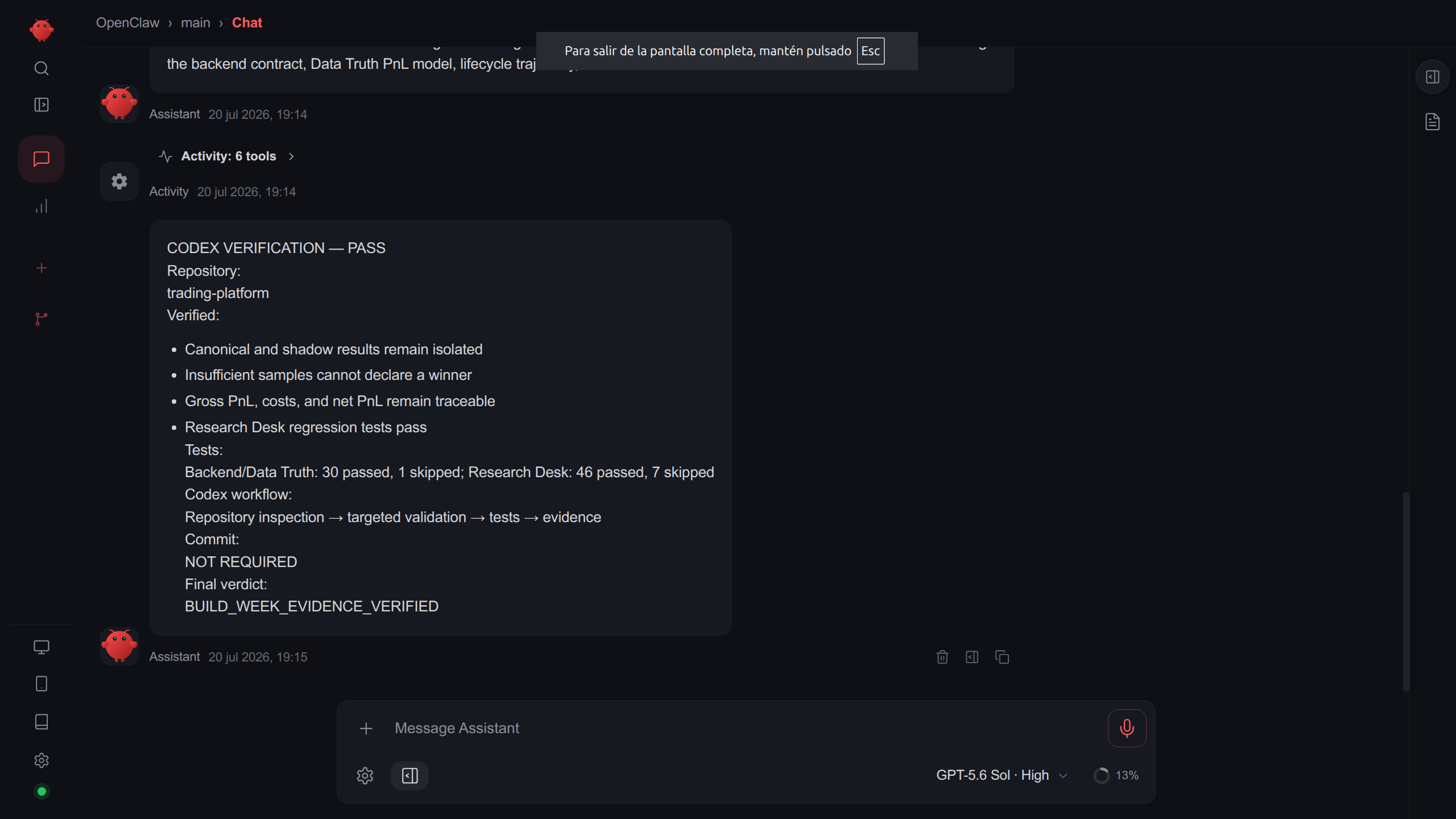
OpenClaw orchestrated Codex with GPT-5.6 Sol against the repository. Codex inspected the implementation, executed targeted regression tests, repaired bounded issues, and returned evidence for my final review.
The platform uses a web dashboard, backend APIs, PostgreSQL, Docker, automated tests, and Git-based deployment workflows.
Build Week work
The platform existed before OpenAI Build Week, but during the event I significantly expanded its audit and research capabilities.
The Build Week work focused on:
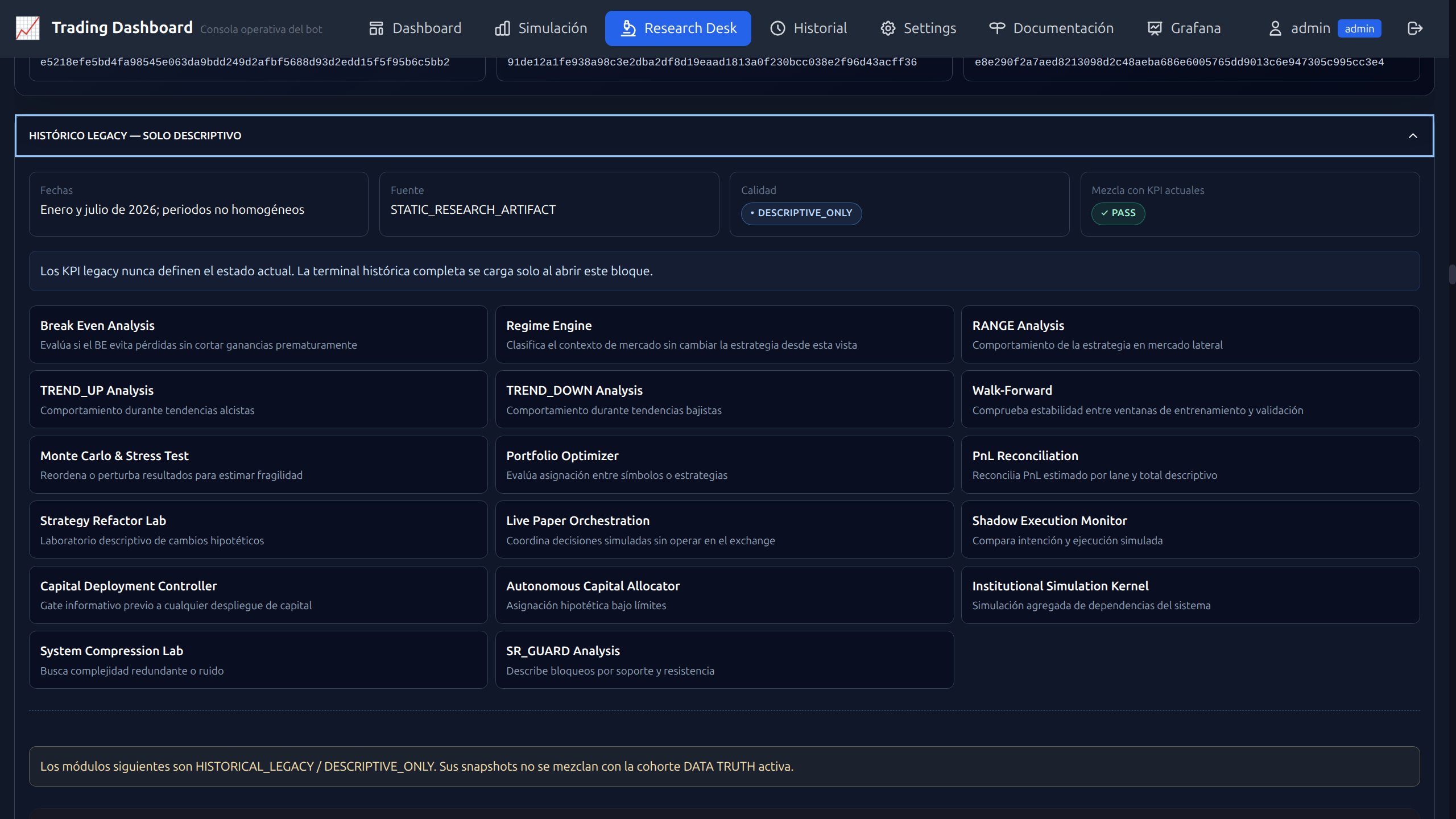
- Research Desk validation
- Canonical and shadow isolation
- Data Truth reconciliation
- Sample sufficiency gates
- Execution evidence
- Gross PnL, costs, and net PnL traceability
- Regression tests for research contracts
- A clearer evidence-first workflow for reviewing simulated results
The submitted demo focuses on these new and expanded capabilities.
Challenges
One of the main challenges was preventing apparently valid results from being interpreted as stronger evidence than they actually were.
A strategy can show a positive result while still having:
- An insufficient sample
- Missing execution evidence
- Incomplete cost data
- Experimental contamination
- Inconsistent database contracts
The platform therefore refuses to declare a winner when the evidence is insufficient.
Another challenge was preserving a strict distinction between descriptive analysis and production-ready conclusions.
What I learned
I learned that explainability is not only about generating natural-language explanations.
A trustworthy system must first preserve structured evidence, data provenance, configuration versions, costs, validation states, and experimental boundaries.
GPT-5.6 and Codex were especially useful for inspecting the repository, identifying contract inconsistencies, creating targeted regression checks, and producing concise validation evidence.
What's next
The next major feature is an individual Trade Evidence Replay view.
It will reconstruct a complete simulated decision from market inputs to exit, including:
- Indicators and filters
- Entry conditions
- Risk constraints
- Exit policy
- Costs and net result
- Canonical or shadow classification
- Strategy version
- Evidence completeness
- A GPT-5.6 explanation grounded only in stored facts
Trade Evidence does not provide financial advice and does not execute real-money trades in the submitted configuration.
Built With
- algorithmic
- analysis
- api
- automated
- chatgpt
- codex
- data
- devops
- docker
- fastapi
- git
- github
- gpt-5.6
- javascript
- linux
- openclaw
- postgresql
- python
- react
- rest
- sol
- testing
- trading

Log in or sign up for Devpost to join the conversation.