-
-
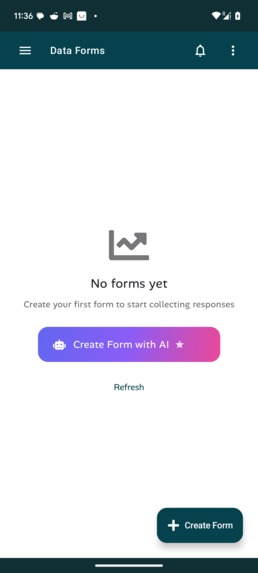
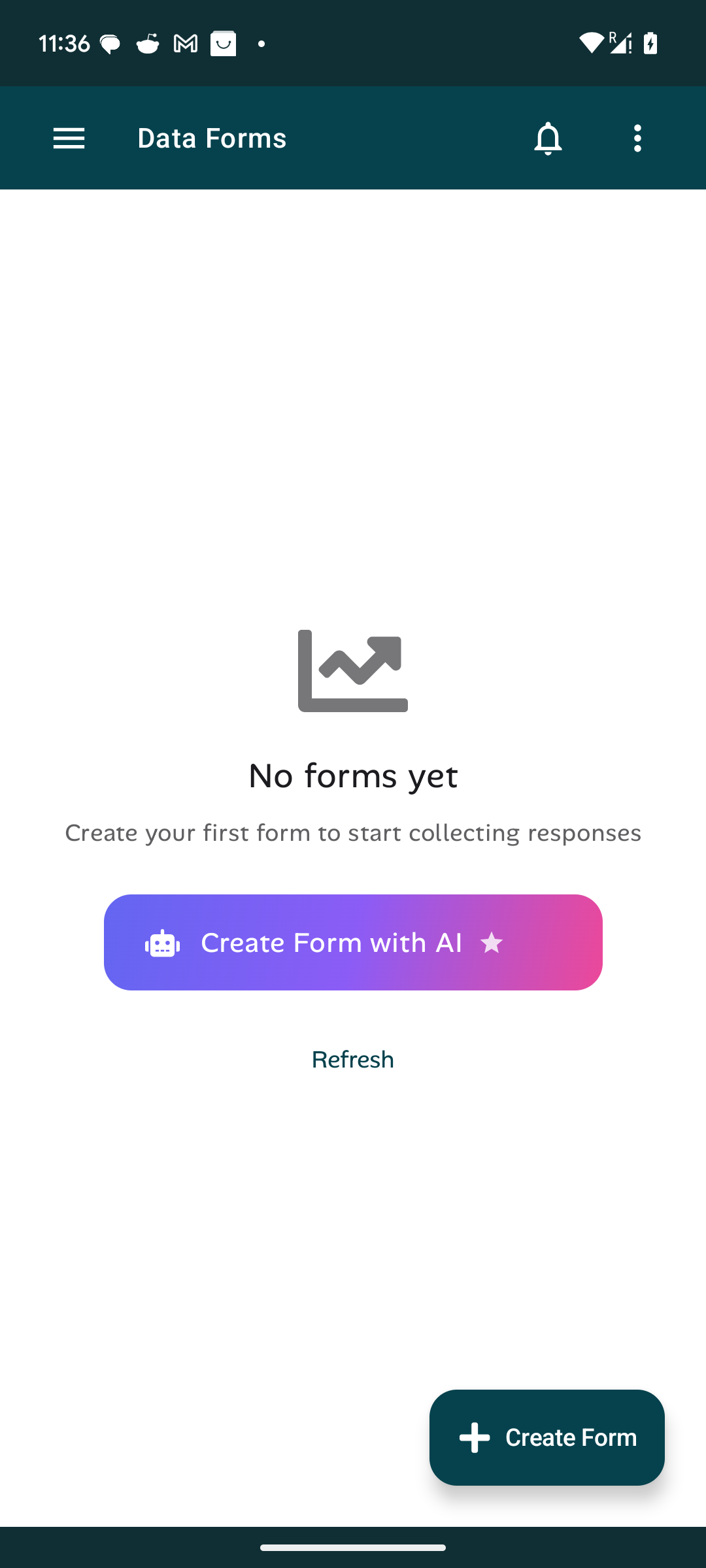
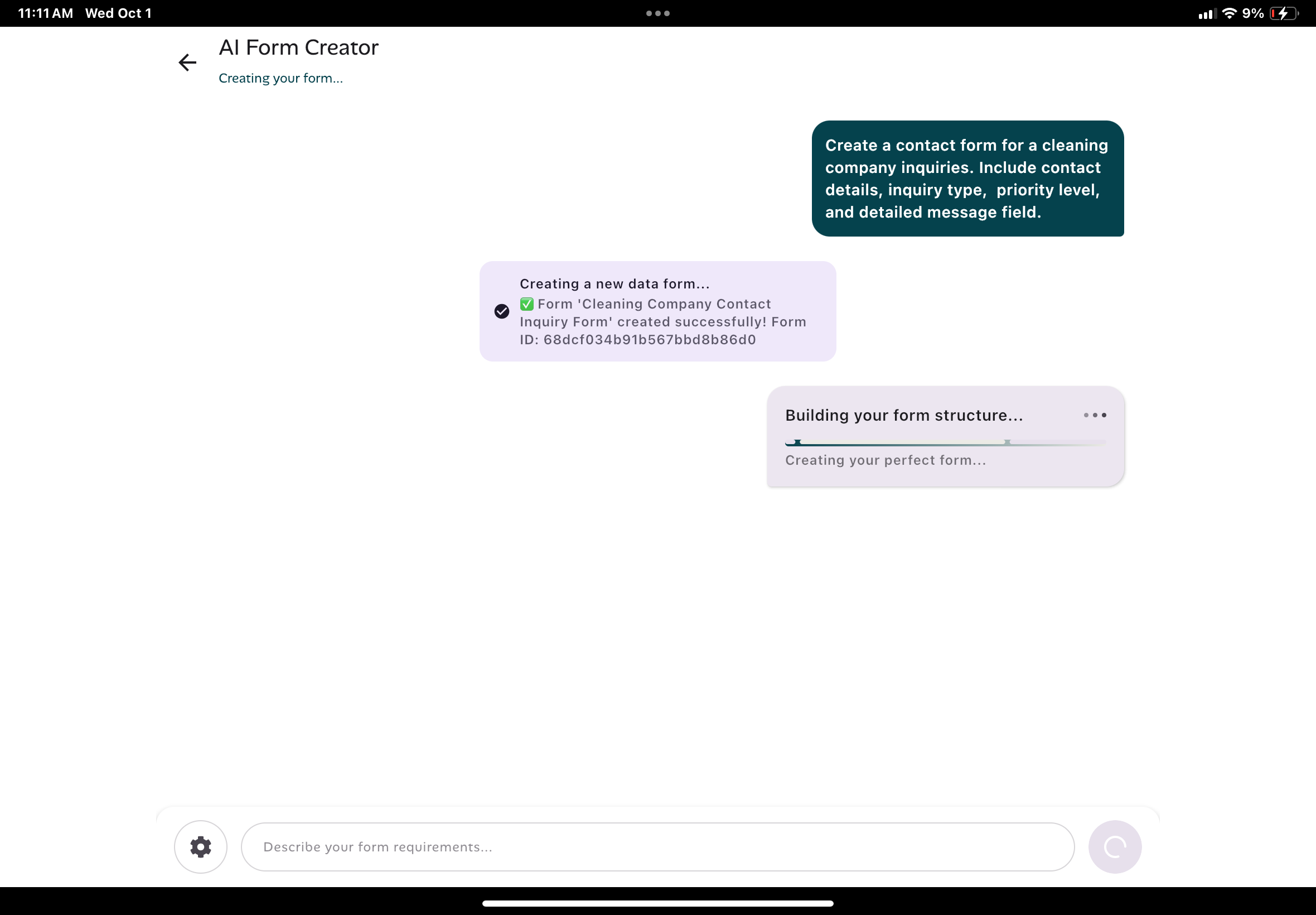
Ai-Form Generation
-
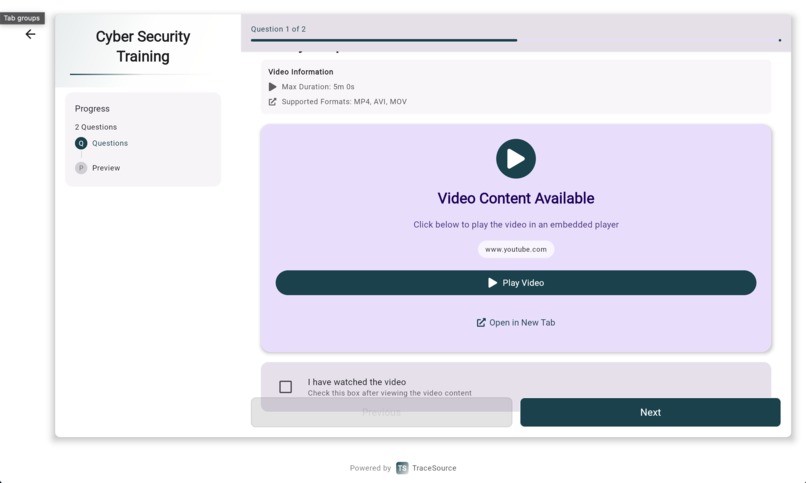
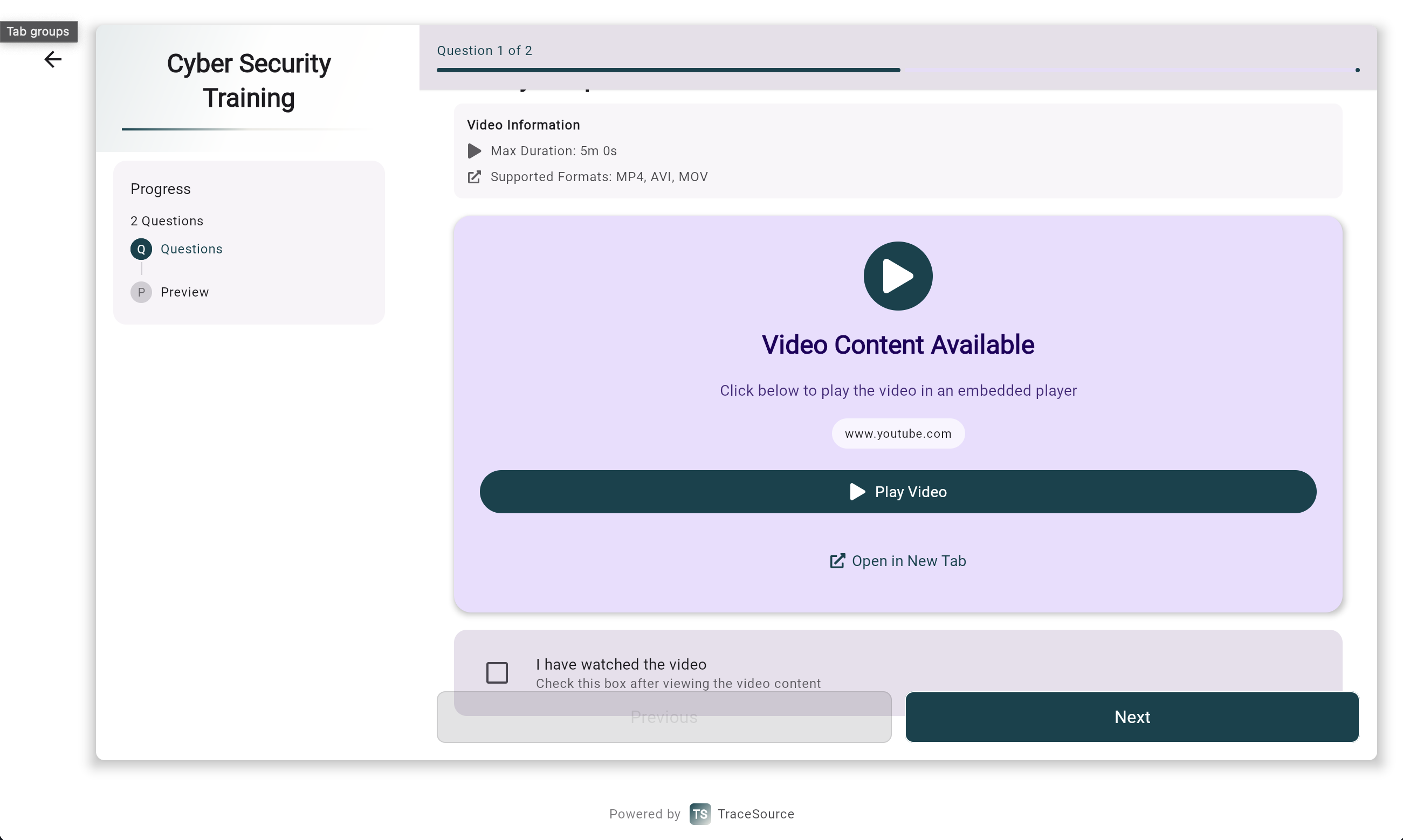
Example Video Link Usecase for Training
-
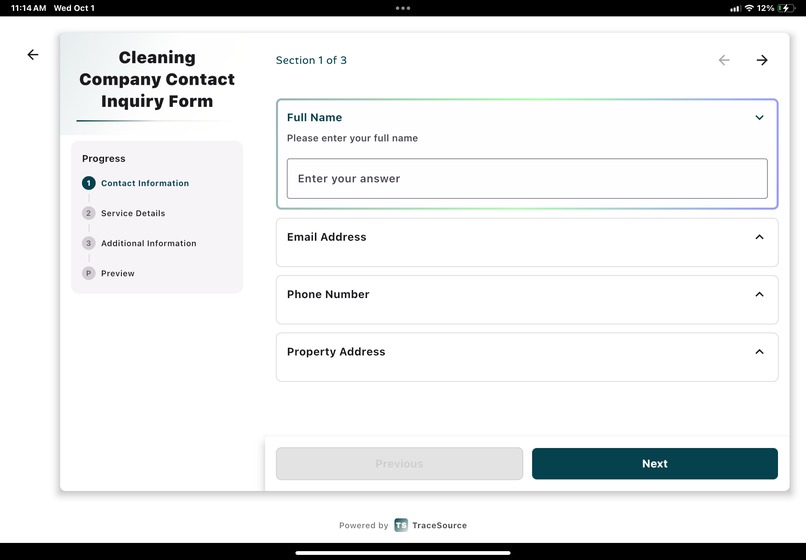
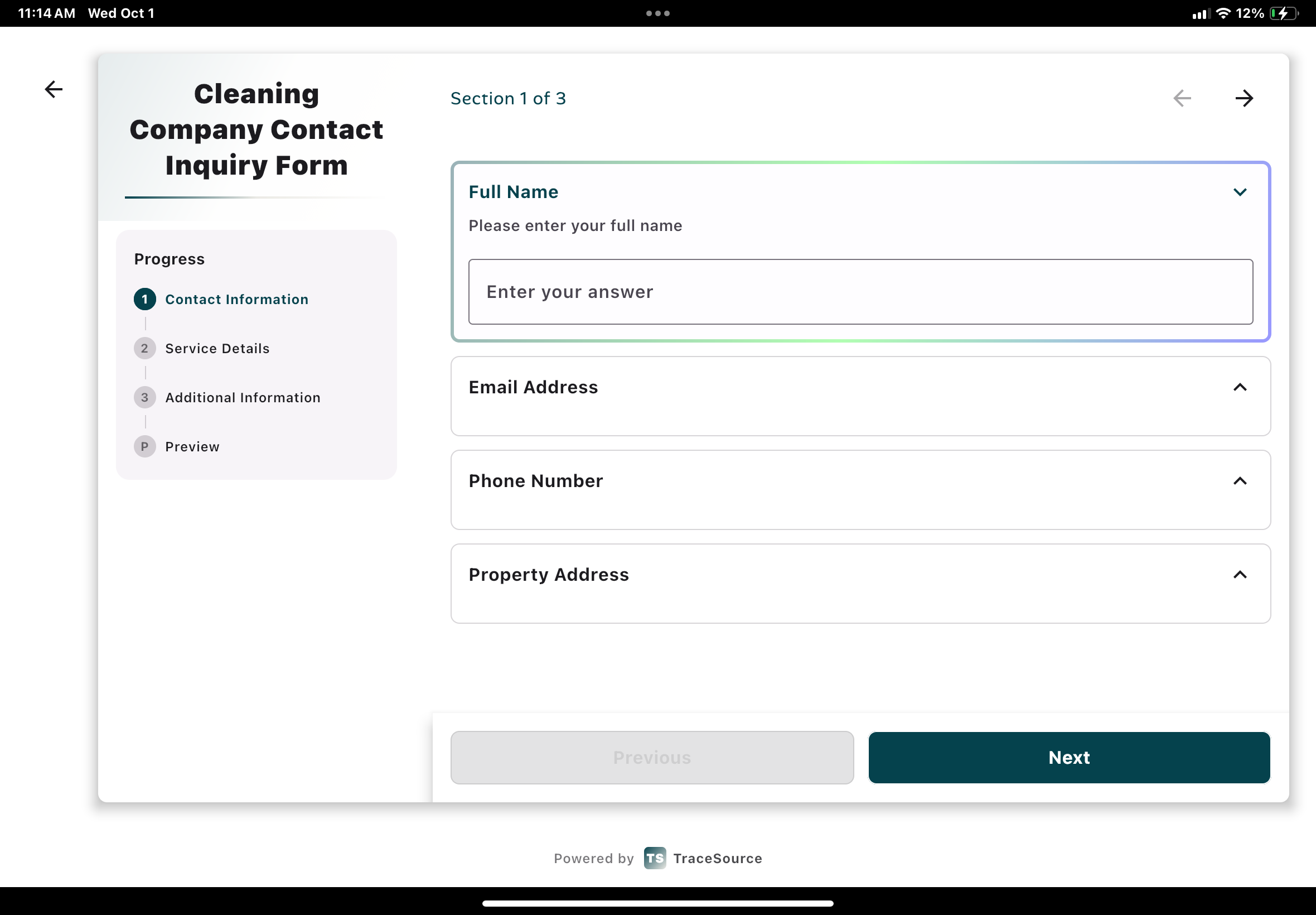
Form Example
-
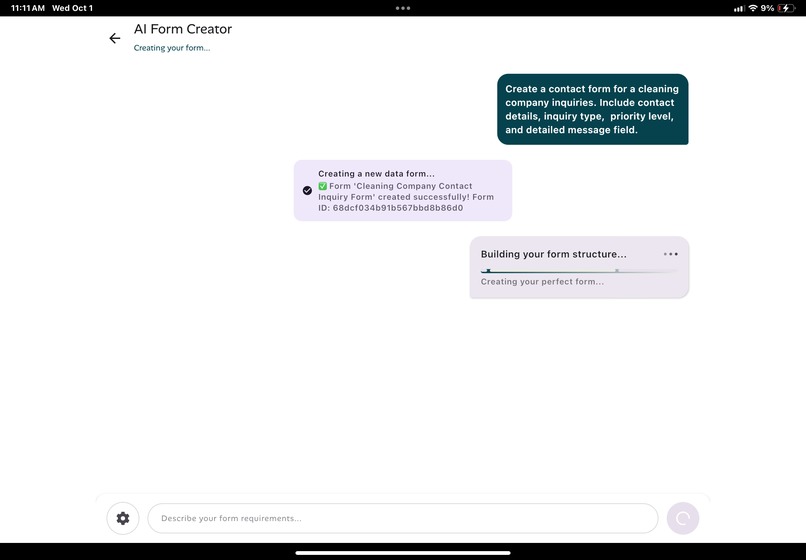
AI
-
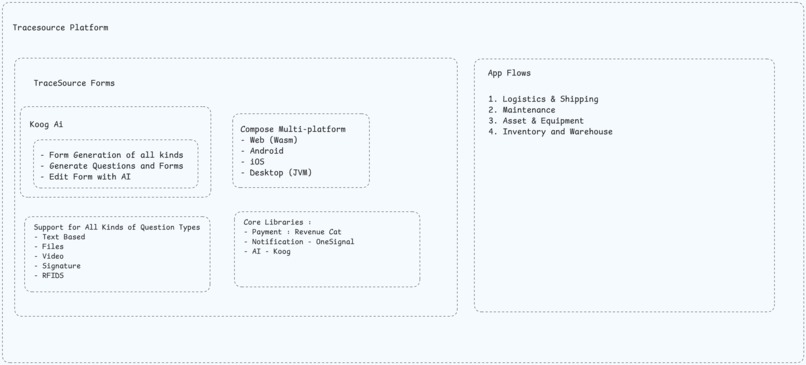
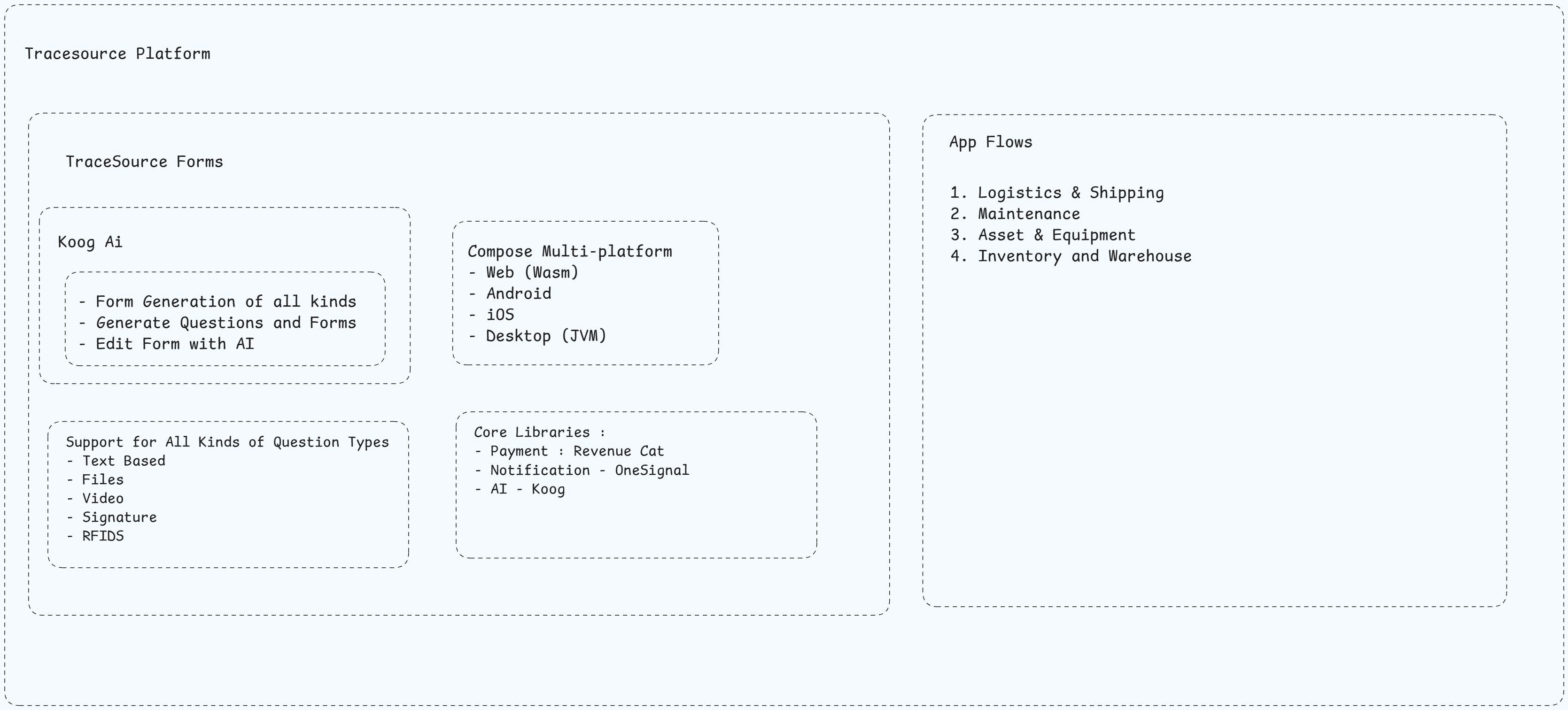
Architecture
Inspiration
Organizations of all kinds often struggle with scattered tools for workflows, asset management, and progress tracking. Many of these tools are either too complex or require technical knowledge that everyday users don’t have.
We were inspired to ask: what if managing organizational data could be as simple as filling out a form?
This simple but powerful idea became the foundation of TraceSource.
What it does
TraceSource is a super app for organizations that runs across mobile (iOS & Android), web, and desktop.
- At its core, it’s powered by forms and responses, making CRUD operations simple for non-technical users.
- These forms act like “tables and rows,” enabling organizations to capture and manage data effortlessly.
- On top of this, organizations can use or customize workflow templates — like Logistics, Asset Tracking, Manufacturing, Workshops, CRMs, and ERPs — to suit their specific needs.
How we built it
- Core engine: a form-and-response system that powers all CRUD operations.
- Template system: modular workflows built on top of the form engine, adaptable by users.
- Cross-platform apps: Mobile (iOS/Android), Web, and Desktop clients, all syncing in real time.
- Backend architecture: microservices with APIs ensuring scalability, synchronization, and analytics.
Challenges we ran into
- Making a system powerful enough for enterprise ERPs but simple enough for “normies.”
- Keeping forms, responses, and workflows synchronized across devices in real time.
- Designing templates that are both general-purpose and customizable across industries.
- Balancing feature requests with tight development timelines.
Accomplishments that we're proud of
- Built a unified super app that works across mobile, web, and desktop.
- Designed a form-based system that allows even non-technical users to create complex workflows.
- Developed modular workflow templates that can power entire industries.
- Created a scalable backend that supports both startups and large organizations.
What we learned 📚
- Simplicity drives adoption — forms are a universal interface anyone can use.
- Every workflow can be broken down into forms and transitions:
- Pre-built templates help organizations start fast, but customization is key to long-term value.
- Building for multiple platforms at once requires a strong design system and consistent APIs.
What's next for TraceSource
- Launching more industry-specific templates (healthcare, education, supply chain).
- Adding AI-powered insights to analyze form responses and optimize workflows automatically.
- Expanding integrations with third-party tools (Slack, ERP systems, financial software).
- Growing from small team pilots to enterprise-scale adoption.


Log in or sign up for Devpost to join the conversation.