

Inspiration
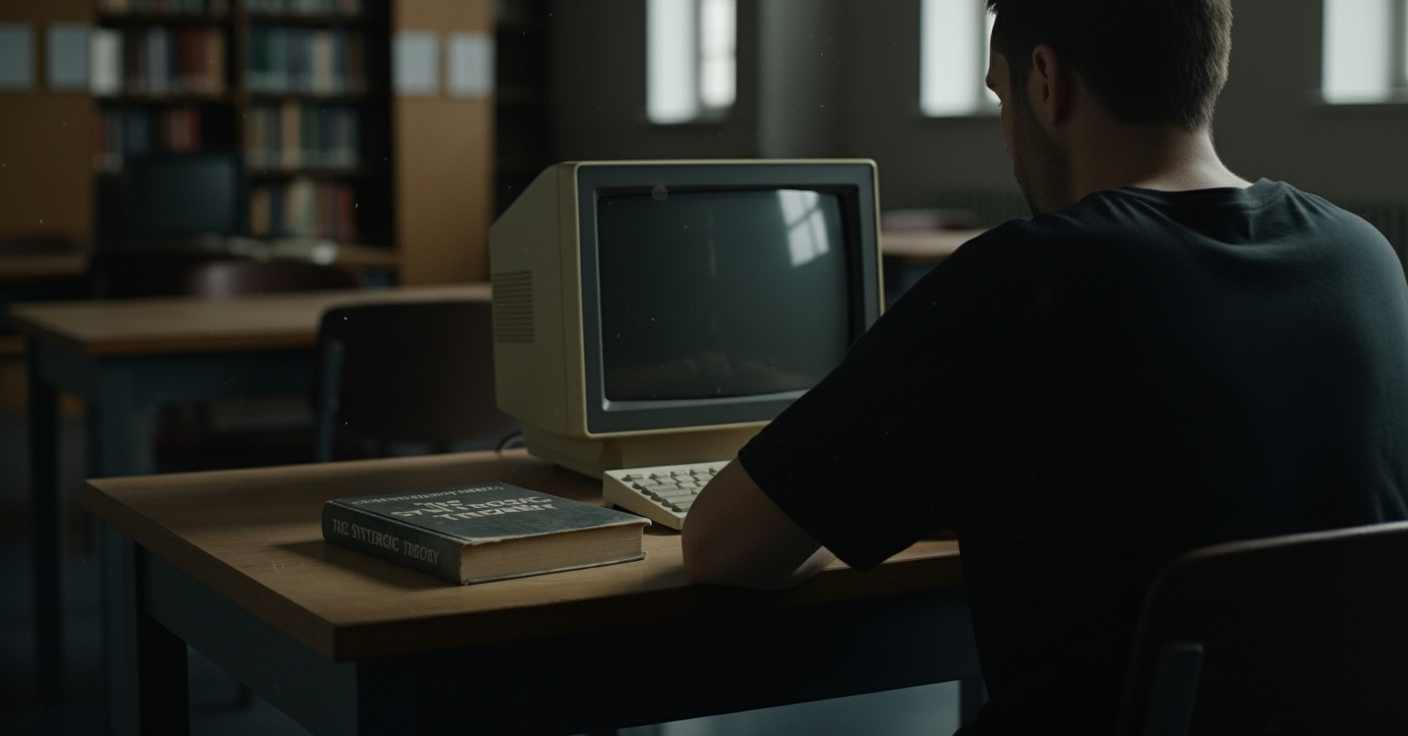
The inspiration for "TRACE" is a synthesis of high-concept science and deep, humanistic philosophy. The project began with a fascination for the "Syntergic Theory" of neurophysiologist Dr. Jacobo Grinberg, who proposed that consciousness creates a holographic field of information a "lattice" that underpins reality. We wanted to explore what it would mean to consciously interact with this field.
This scientific framework was then fused with the profound, non-dualistic, and devotional poetry of mystics like Rumi, who describe the illusion of the separate self and the ultimate reality of a unified, loving consciousness the "Beloved." Cinematically, the project draws its atmospheric, melancholic, and visually deliberate tone from directors like Denis Villeneuve (Arrival) and Andrei Tarkovsky (Solaris), who masterfully blend the metaphysical with a grounded, human reality.
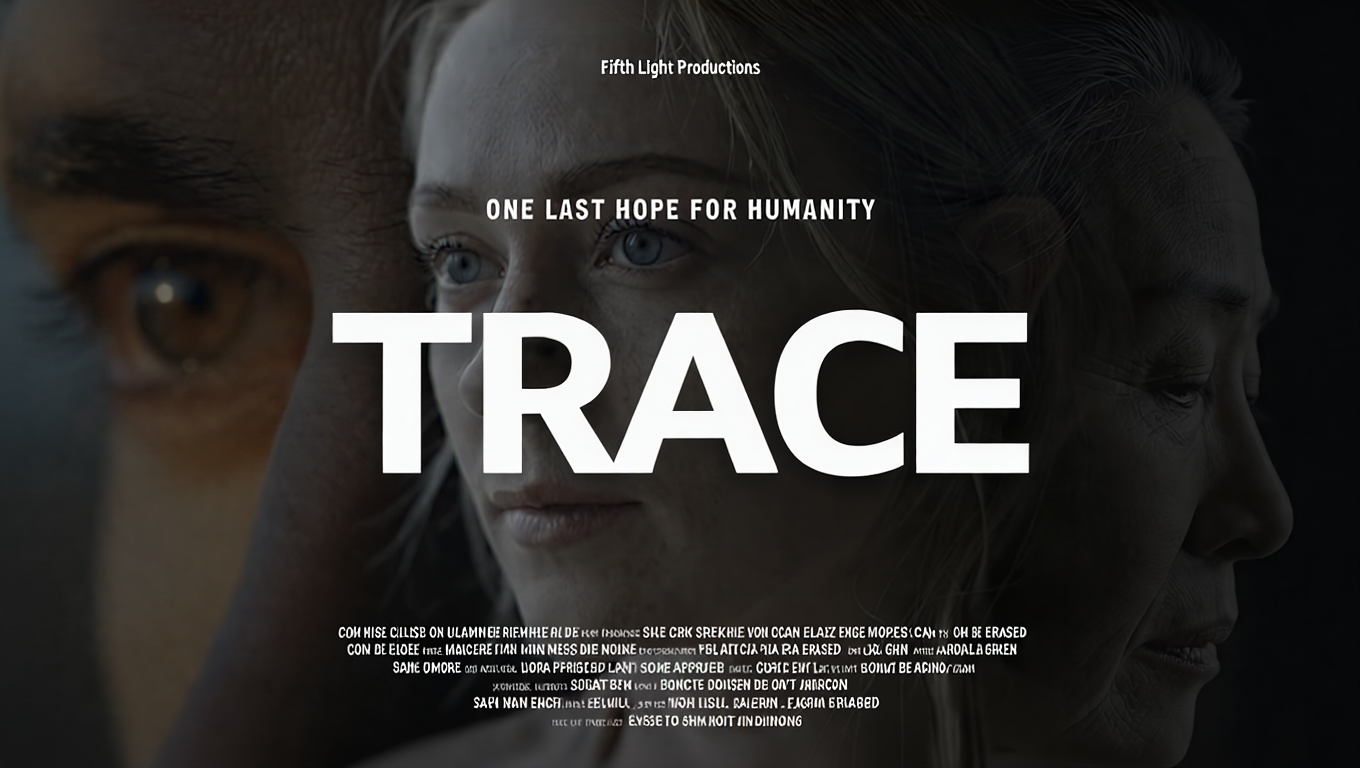
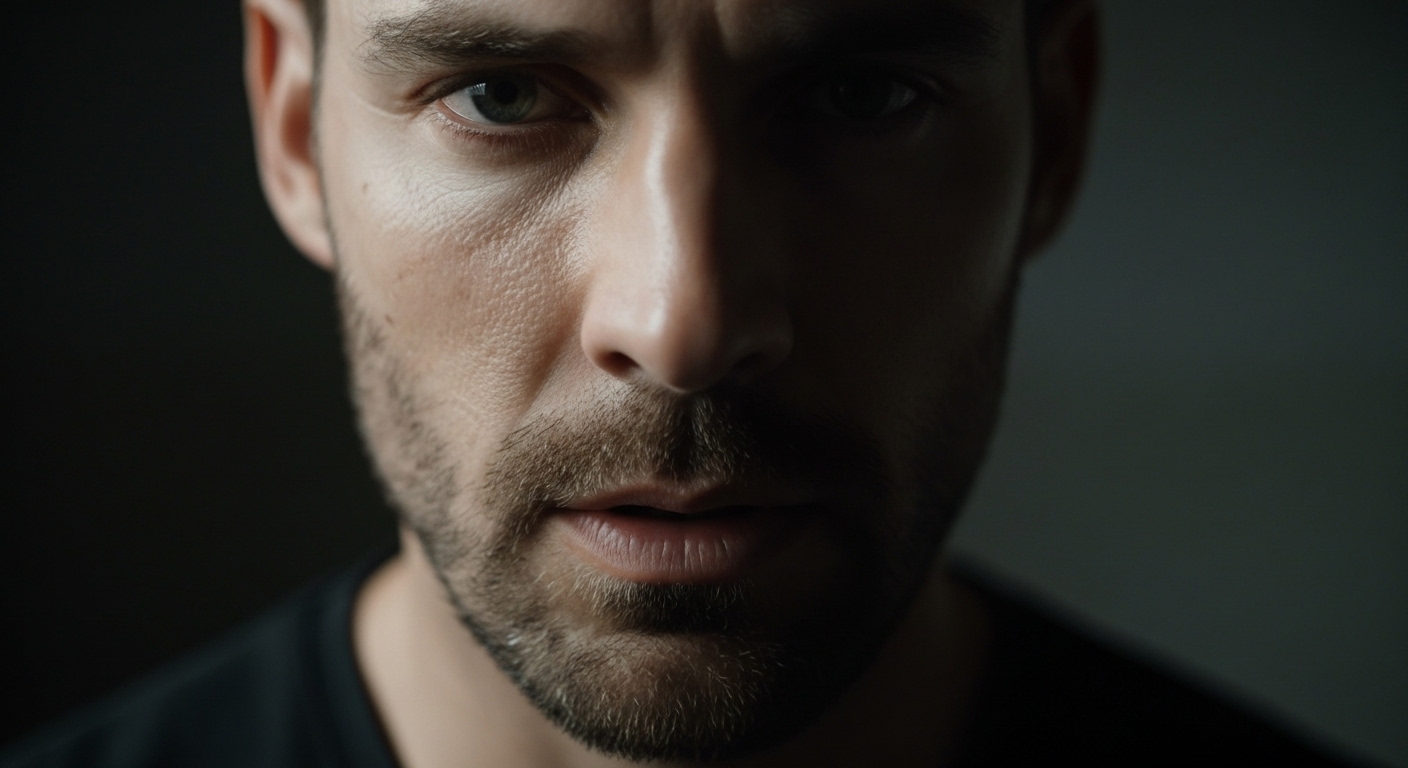
What it does "TRACE" is a philosophical sci-fi drama that tells the story of a world fractured by disconnection and on the brink of collapse. In a remote commune, a trio, a man haunted by his past, his empathetic sister, and a wise elder use a forgotten quantum device to access the "lattice." Their mission is a desperate act of "inception": to implant a single, pure idea of empathy into the collective consciousness, hoping to heal the world's self-inflicted wounds, even if the cost is a piece of their own souls.
How we built it This project was built from the ground up through a unique, iterative collaboration between a human creative and a 3 different Generative agents built in Gemini. The entire narrative, from the initial premise to the final line of dialogue, was developed through a conversational process.
Narrative Architecture: We began with a simple three-act structure and fleshed out every scene, debating major plot points like the nature of the climax and the tone of the ending.
Dialogue & Voiceover: We crafted and refined key pieces of dialogue, exploring different philosophical and poetic styles (from Cormac McCarthy to Nietzsche to Rumi) to find the perfect voice for the story.
Visual Development: The core of the process was translating abstract philosophical concepts into concrete, cinematic visuals. We brainstormed and "stress-tested" multiple allegories for the climax—= the Library, the Symphony, the Golden Thread before synthesizing the final "Whispering Gardener" concept.
Prompt Generation: Each scene was then translated into a detailed, hyperrealistic prompt, structured in JSON format. These prompts serve as the architectural blueprints for a generative AI video model, detailing not just the visuals, but the mood, lighting, cinematography, and emotional tone of every shot.
Challenges we ran into The primary challenge was a conceptual one: how to visualize the invisible. Representing abstract ideas like a "field of consciousness," "non-dualism," and the "propagation of empathy" in a way that was cinematic, unique, and emotionally clear required extensive brainstorming and iteration. We cycled through nearly a dozen different visual metaphors for the climax before finding the one that felt true to the story's soul.
Another challenge was balancing mystery with exposition. We debated and restructured the film's opening multiple times to find the perfect balance between hooking the audience with an enigma and providing them with the necessary context to understand the world's stakes.
Accomplishments that we're proud of We are proud of creating a story that seamlessly blends the scientific rigor of quantum theory with the profound, humanistic traditions of mystical poetry. The final voiceover for the climax, which fuses these two worlds, is a particular point of pride. We also feel we successfully developed a unique and cohesive cinematic language for the film one that is quiet, atmospheric, and emotionally resonant, trusting the audience's intelligence and empathy.
What we learned This project has been a profound lesson in the power of human-AI creative partnership. We learned that generative AI is not just a tool for execution, but a true collaborator in the creative process. The ability to rapidly prototype, analyze, and refine complex narrative and visual ideas in a conversational flow is a transformative new way to tell stories. The AI served as a tireless creative consultant, a cinematic encyclopedia, and a co-writer, pushing the boundaries of the original idea.

Log in or sign up for Devpost to join the conversation.