
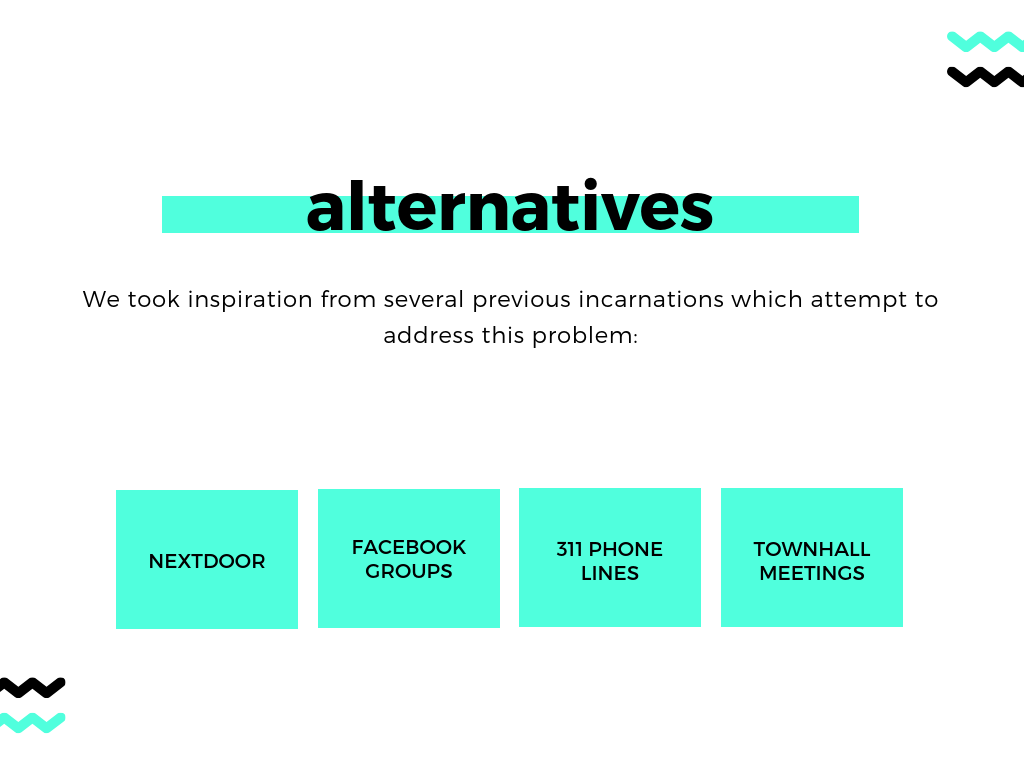
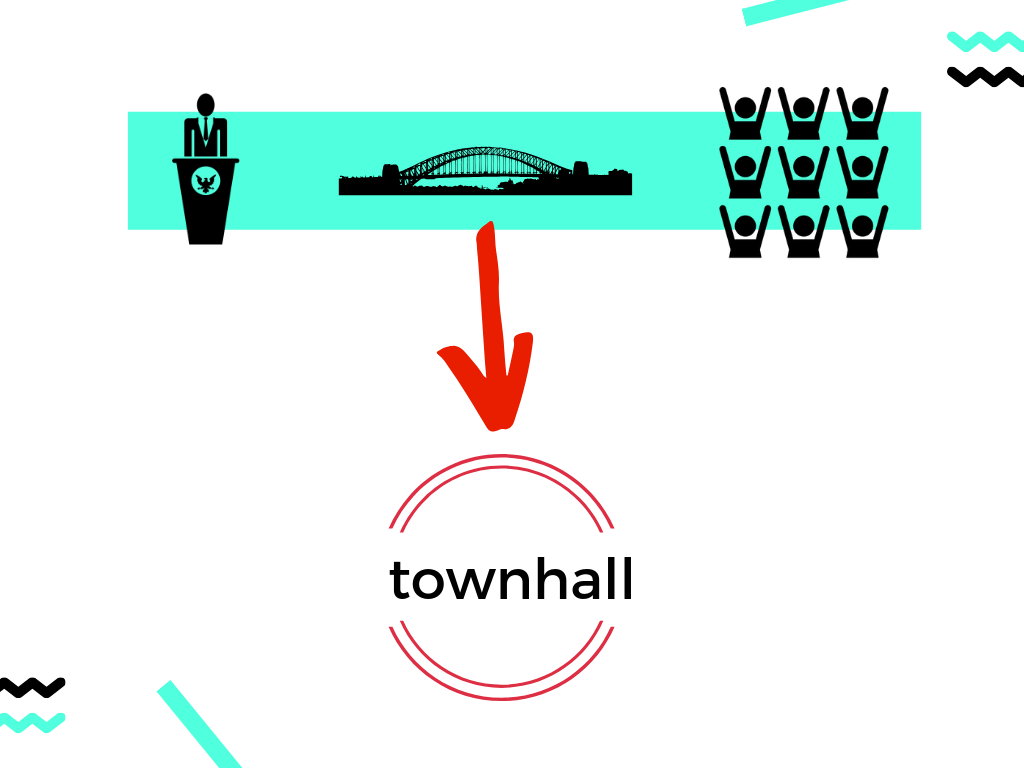
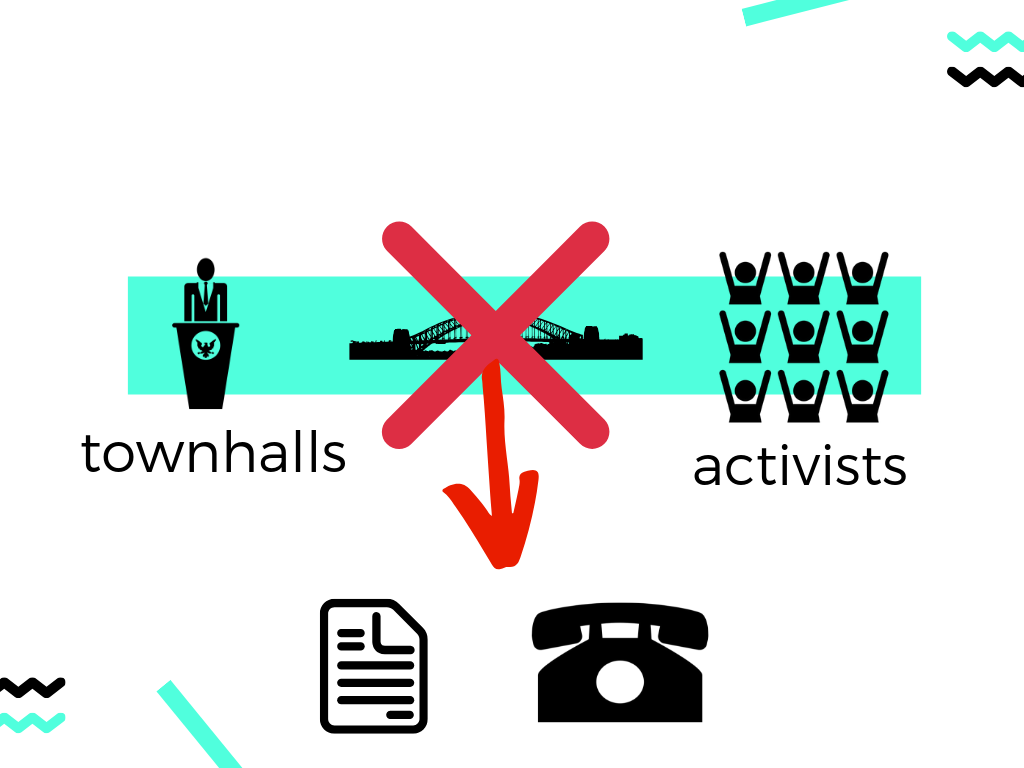
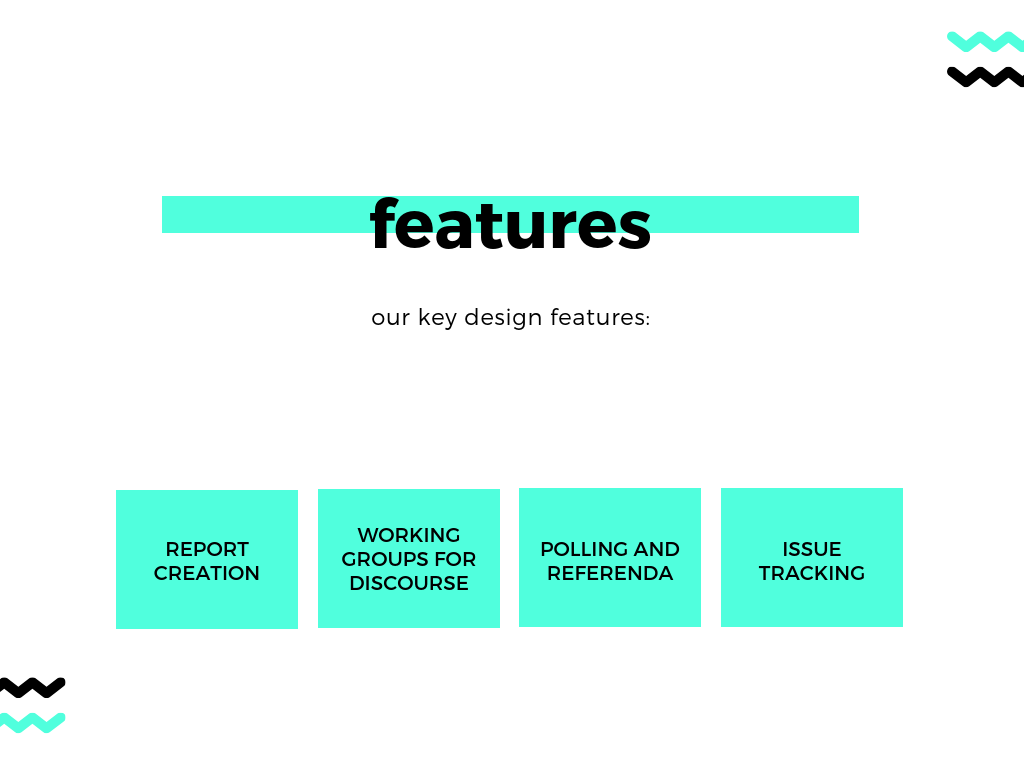
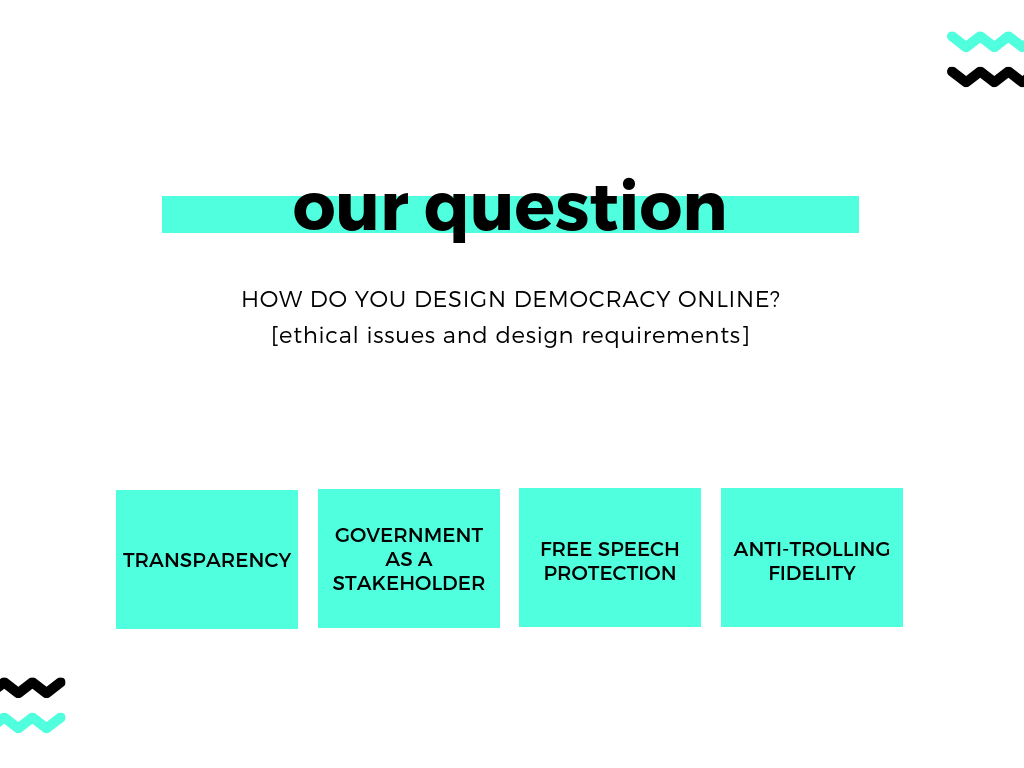
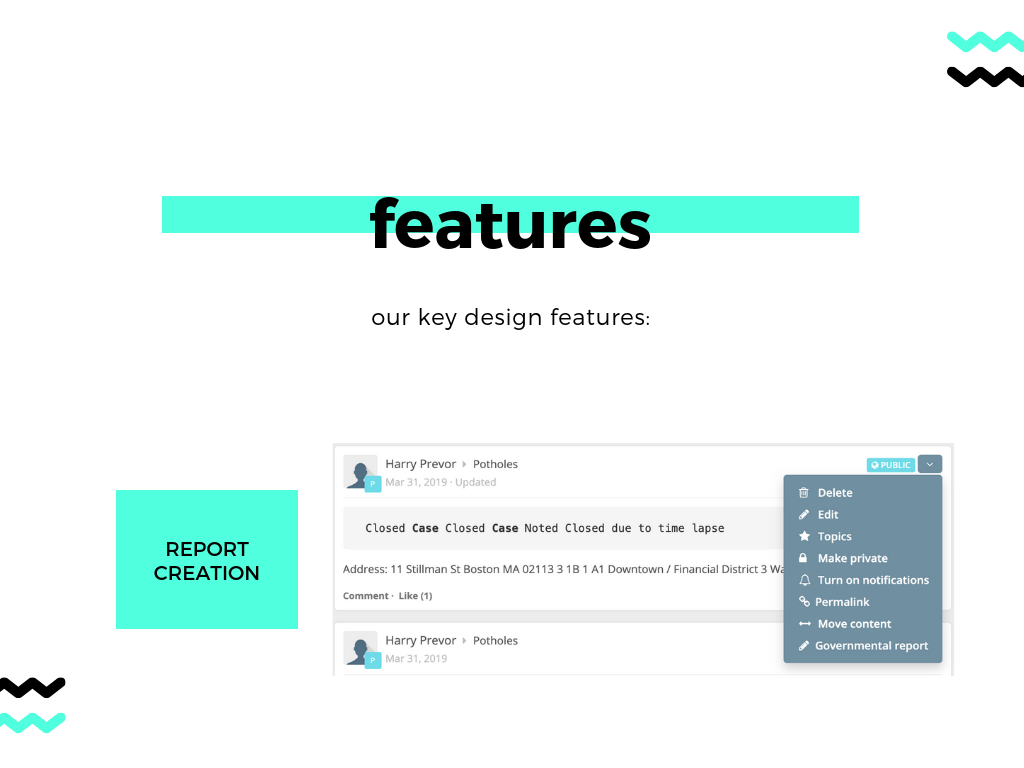
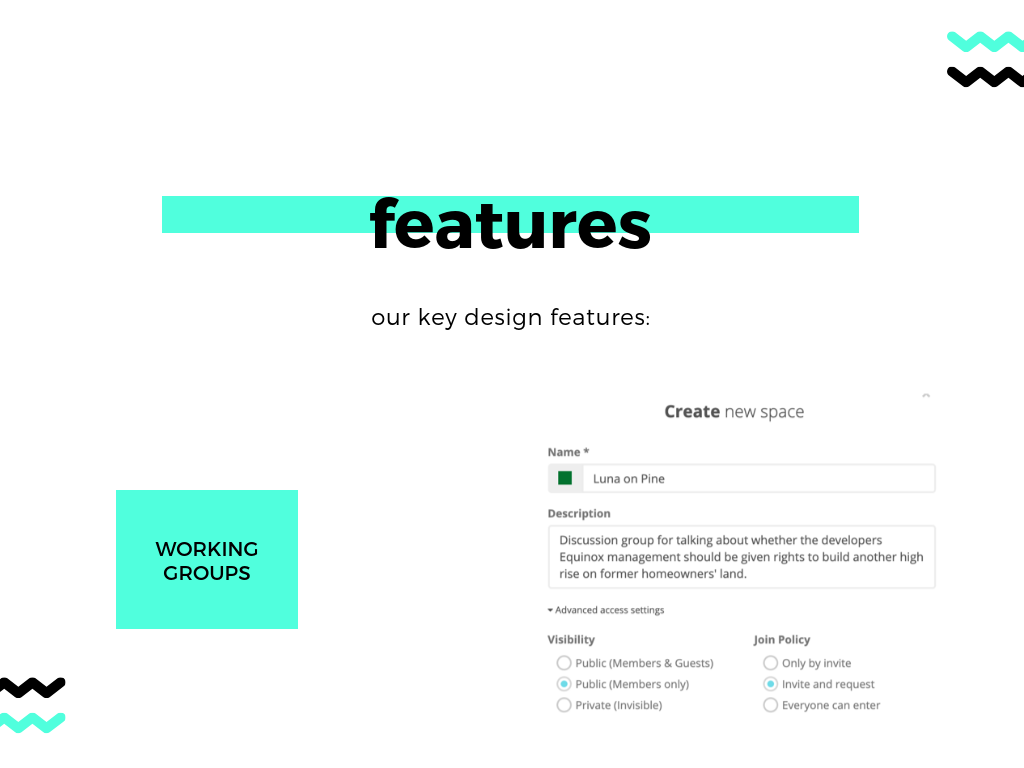
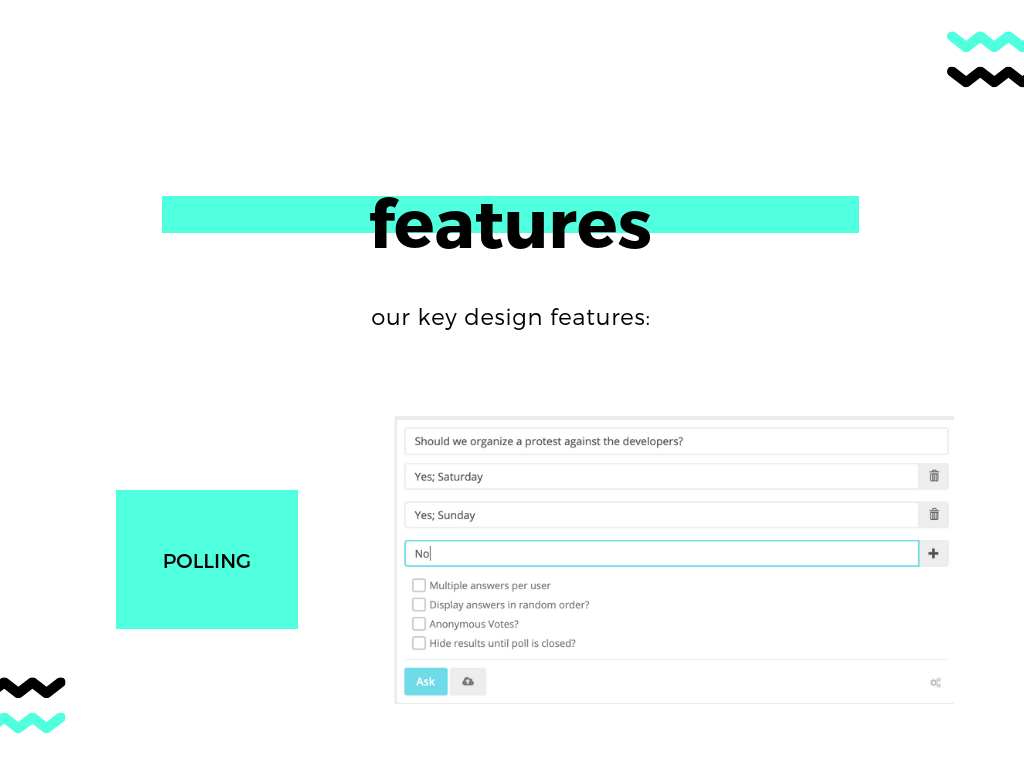
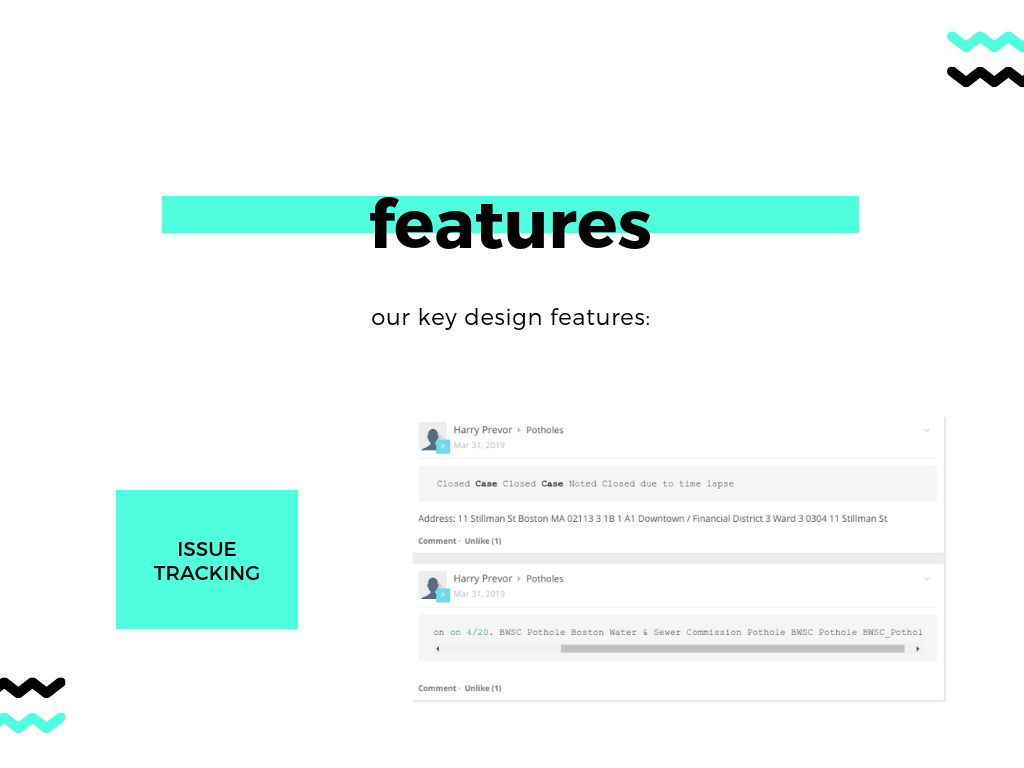
In the first four months of 2019 alone, CNN reported over 20 stories of town hall meetings which had only 1 member in attendance. Town halls are supposed to be the city council’s venue for convening stakeholders from across the locality to discuss the wicked problems of social policy. This purpose does not pan out in practice. Our platform, aptly named townhall, makes government a stakeholder on the same platform as citizens, businesses, and nonprofits and uses the power of new internet tools to remove the frictions that keep people from having the chance to participate in local democracy. The platform ensures users are completely verified for location and their accounts are tied to their actual identity in public record, protecting against trolling. By building accountability into the platform, the system allows robust and faithful polling, referenda, and discourse in its working group system. Constituents can post issues on the site which government employees can claim in real-time, allowing constituents to track where potential service requests, complaints, and petitions are in the bureaucratic process. The system also leverages the use of a well-planned database to allow employees and interest groups alike to requests “reports” of posts in working groups which returns the posts themselves and any structured data attached to them (for example, in a working group for reporting potholes, reporting would return the address of reported potholes). The platform is fully open source and is distributed as a dockerized webapp which can be obtained from our GitHub page by any government ready to begin establishing the application locally.
Townhall (Team 17)
An open-source platform for stakeholder-driven democracy
Updates

Leave feedback in the comments!
Log in or sign up for Devpost to join the conversation.