-
-
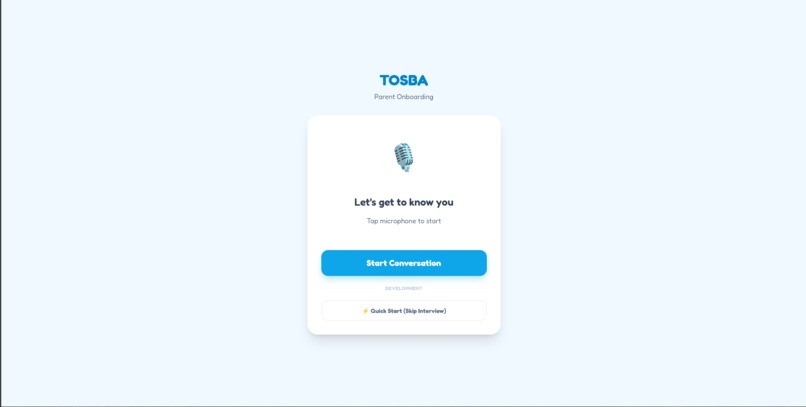
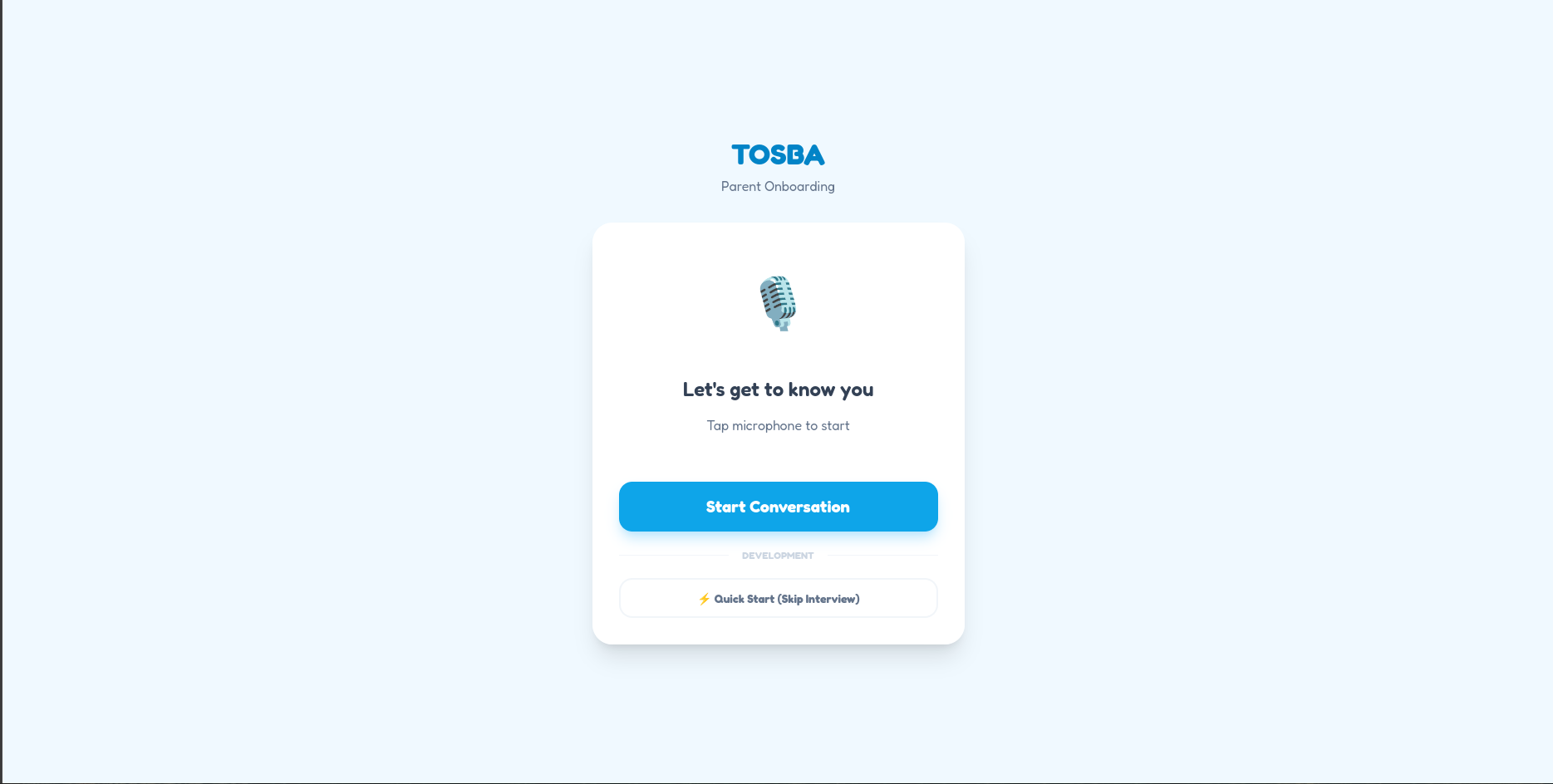
Welcome Screen
-
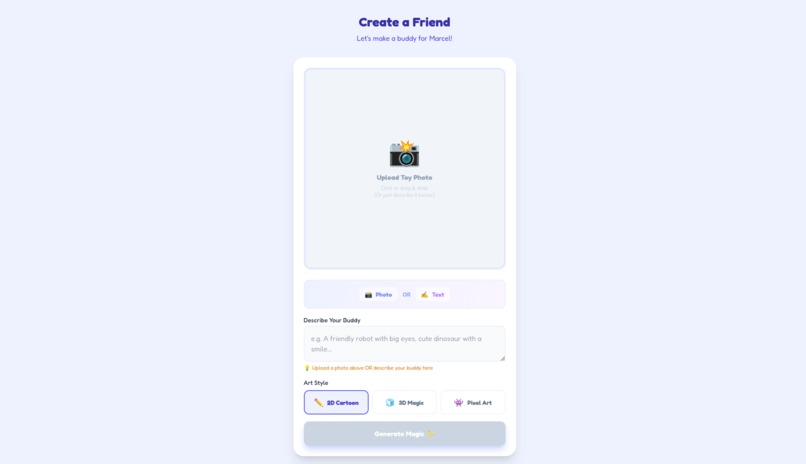
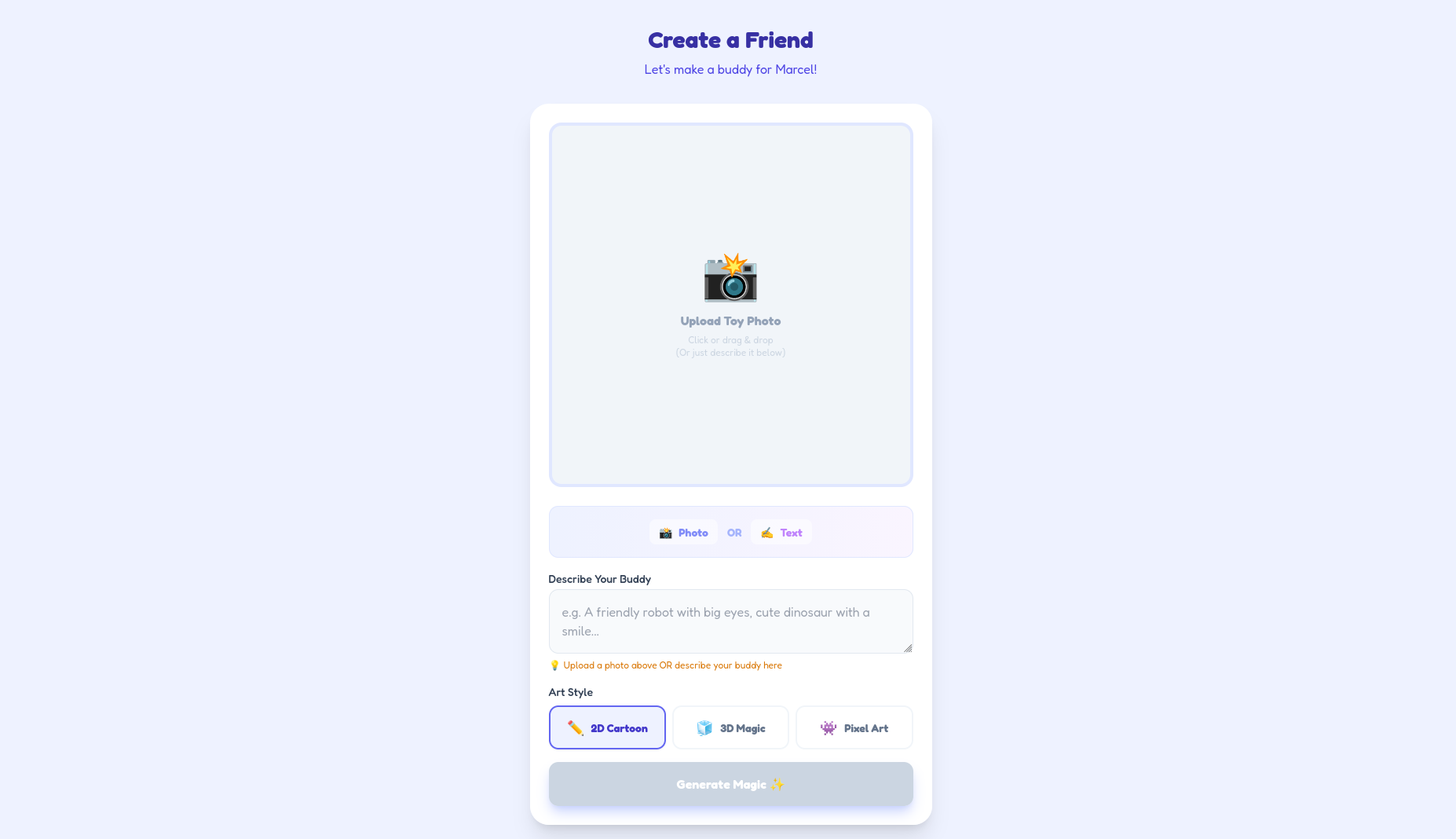
Buddy Create
-
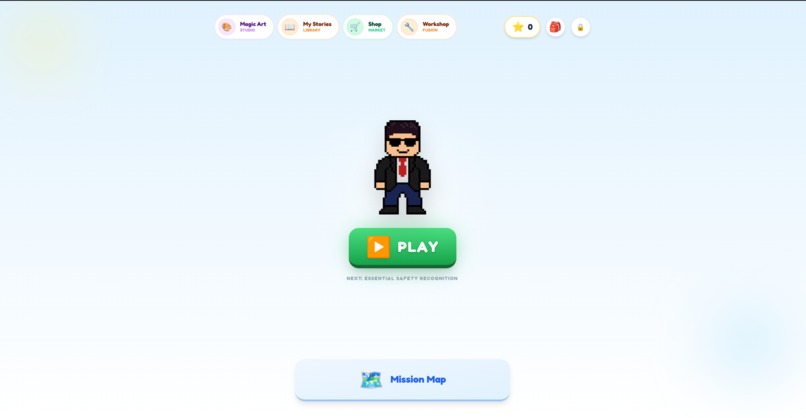
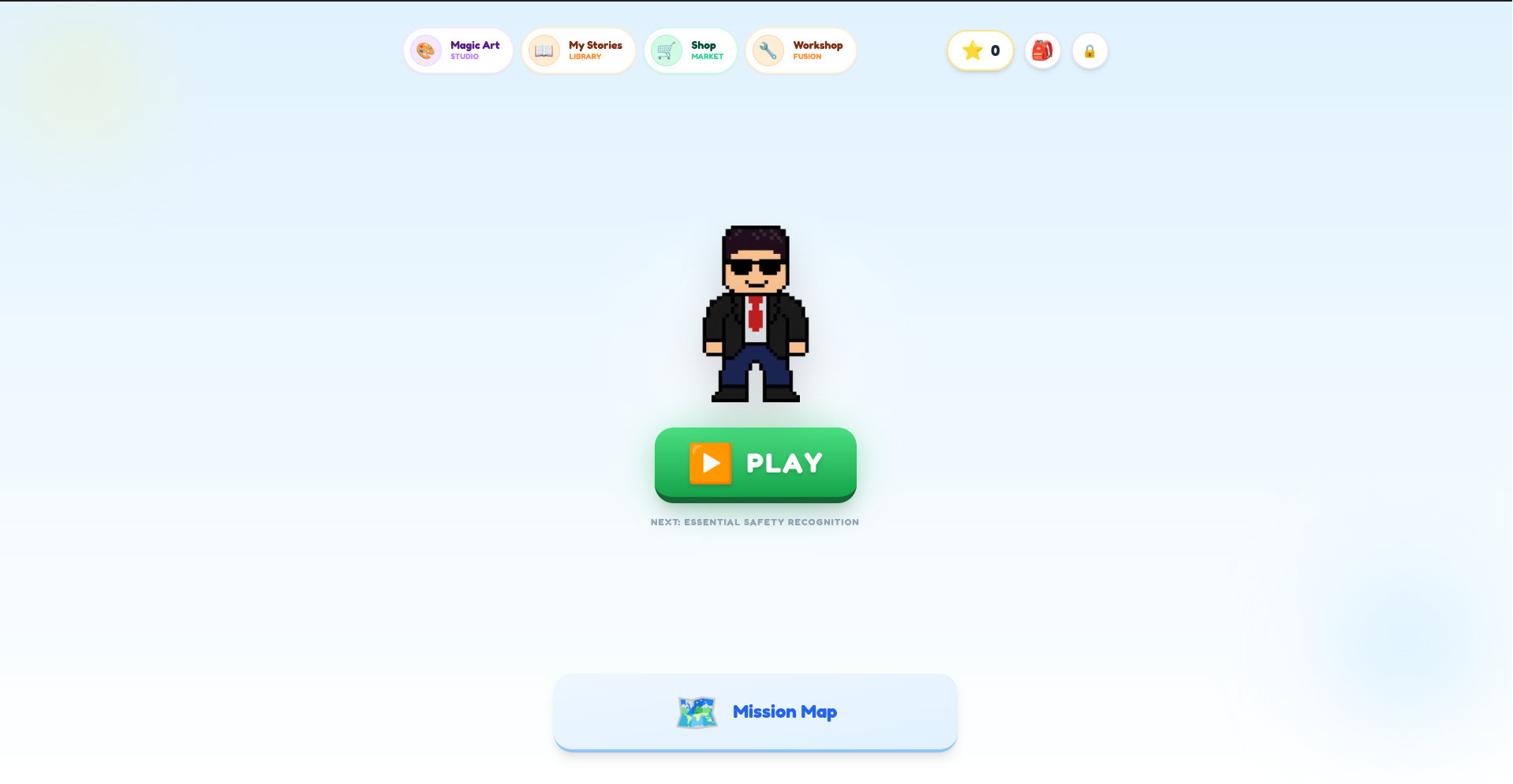
Main Dashboard
-
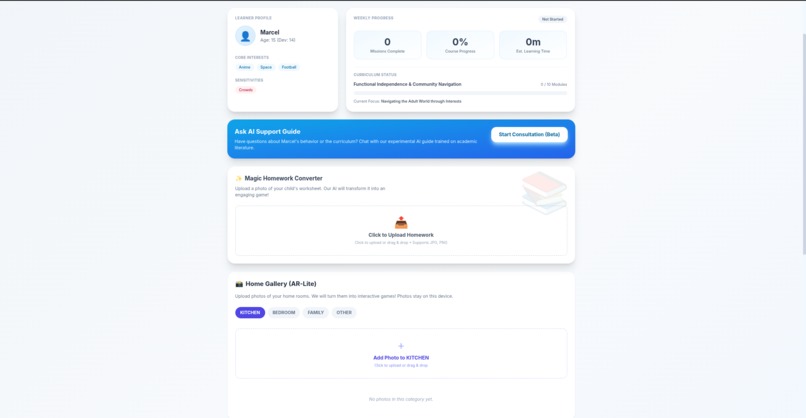
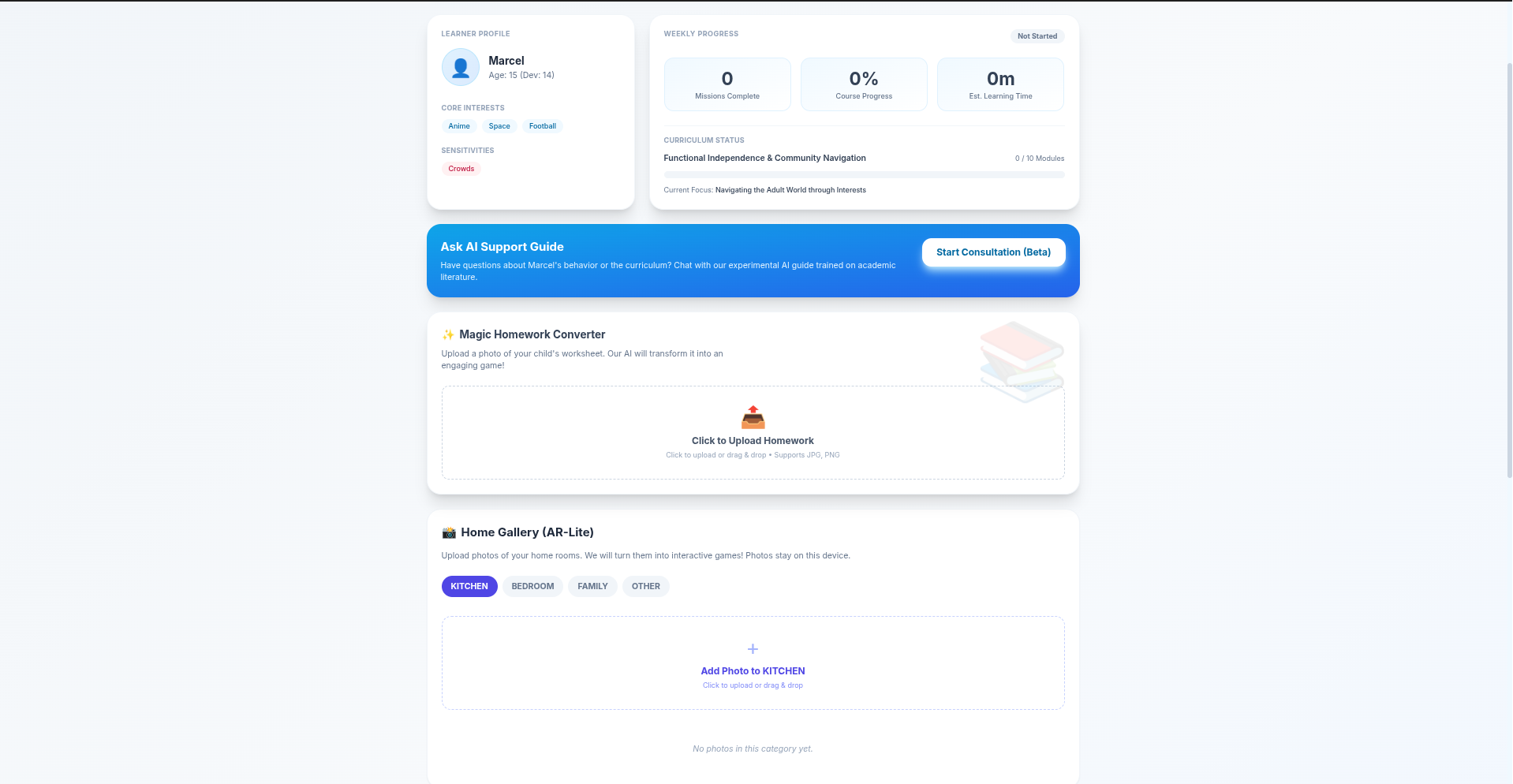
Parent Dashboard
-
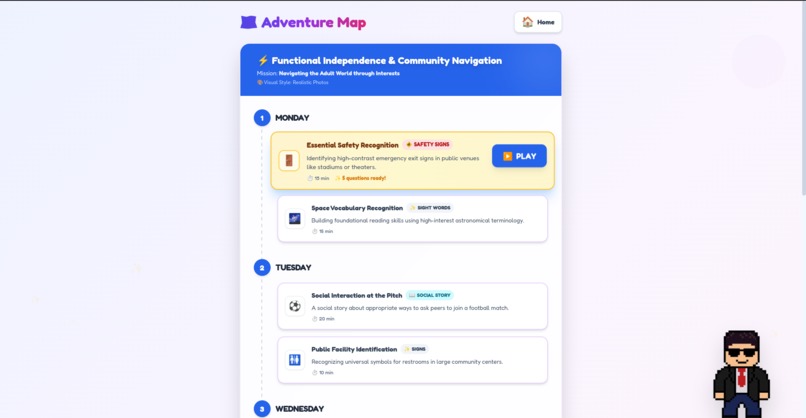
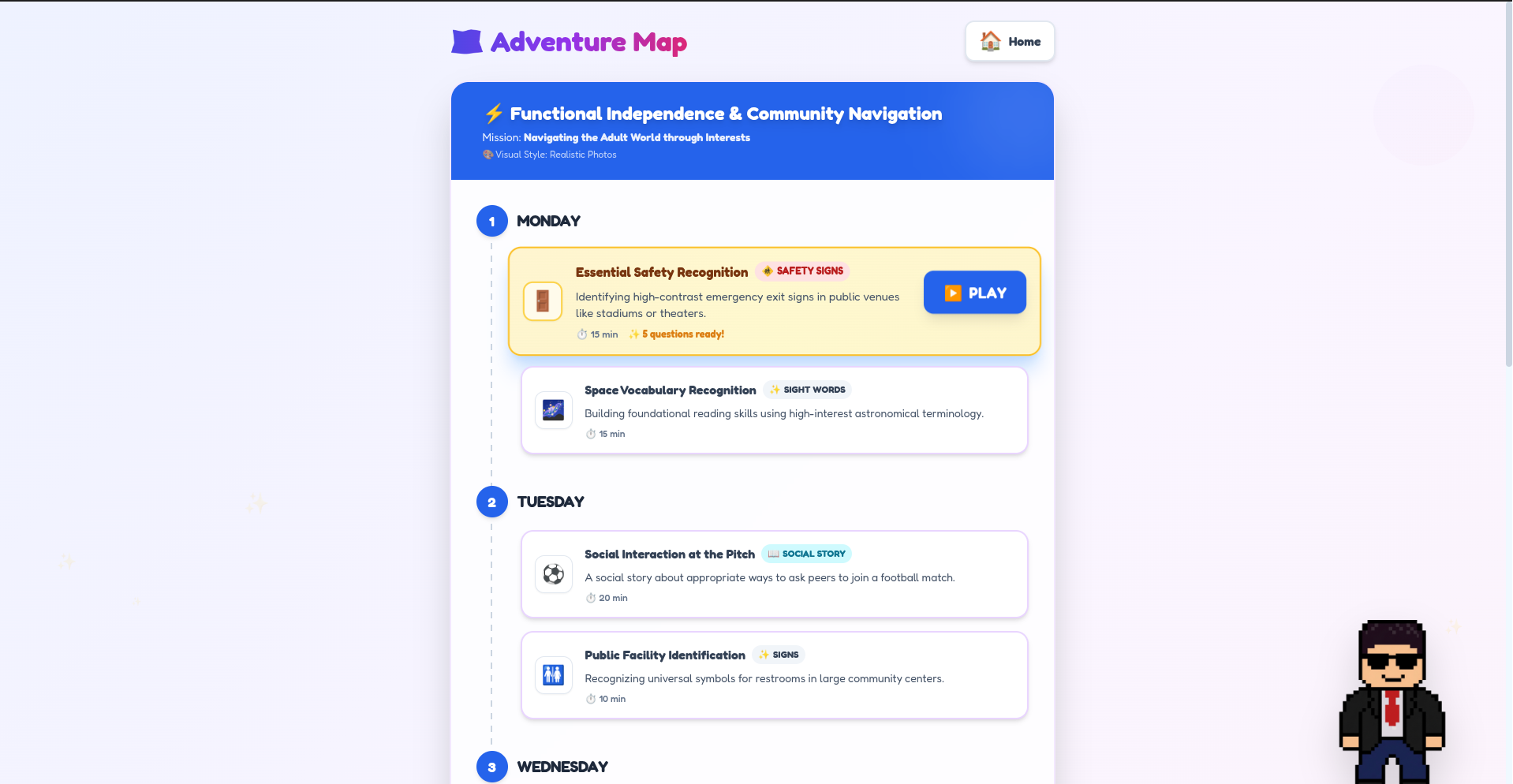
Main Curriculum
-
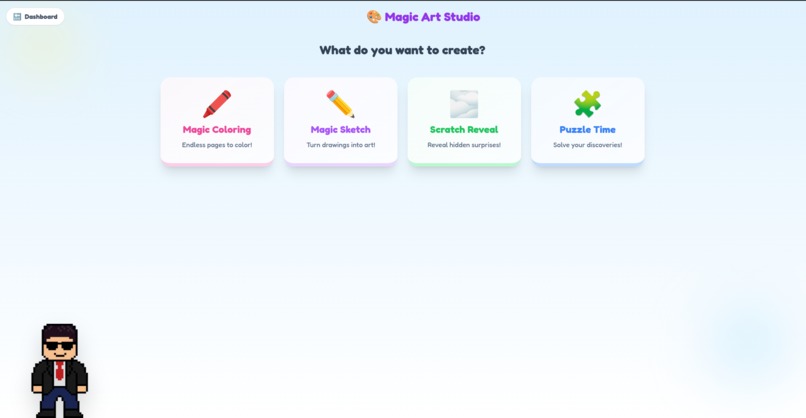
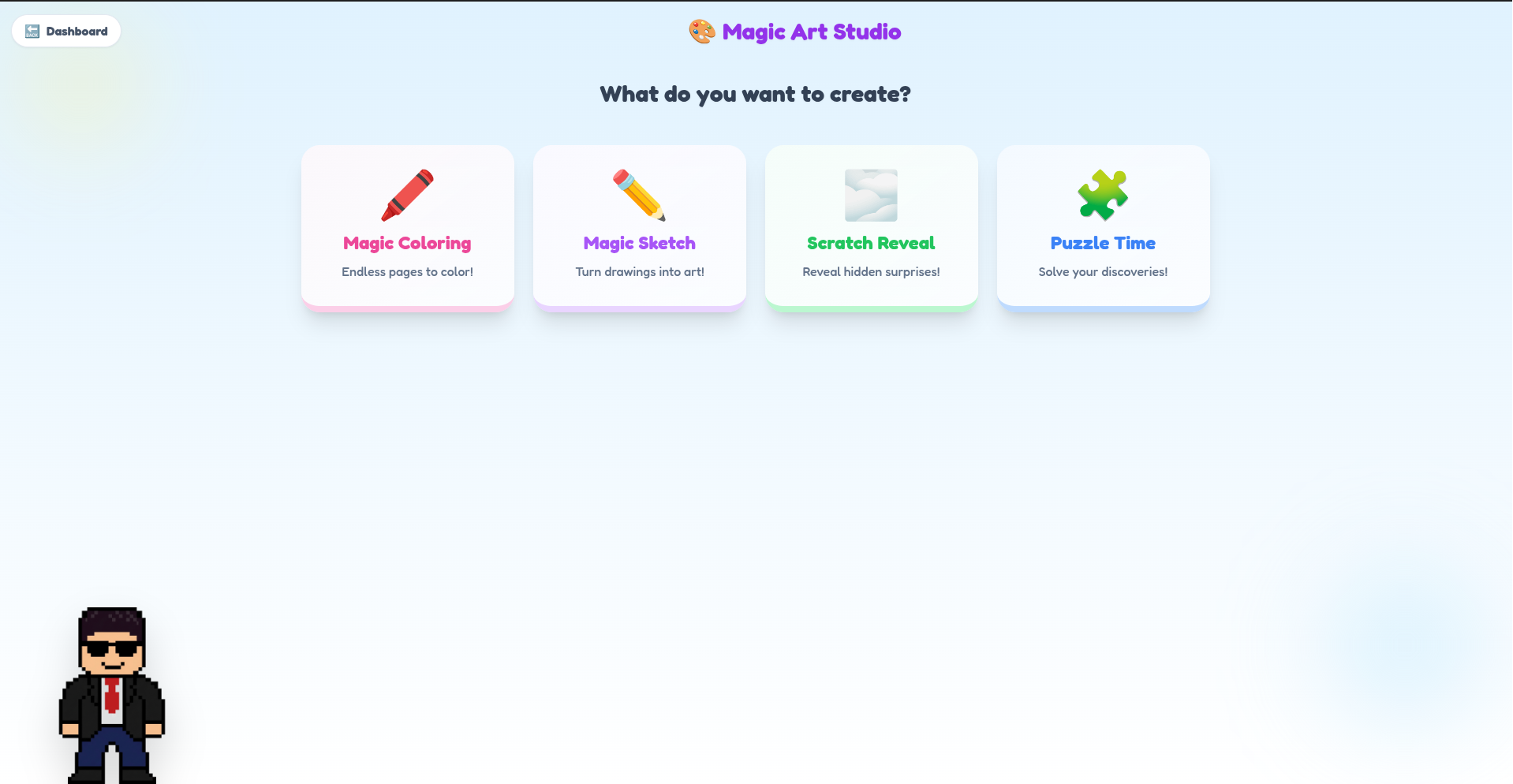
Magic Art Studio
-
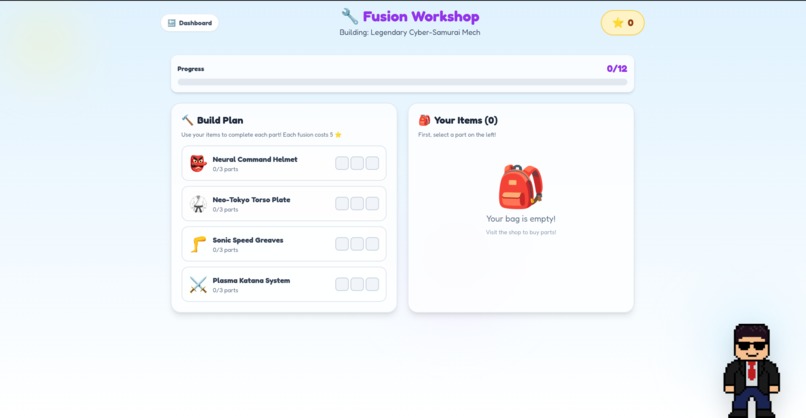
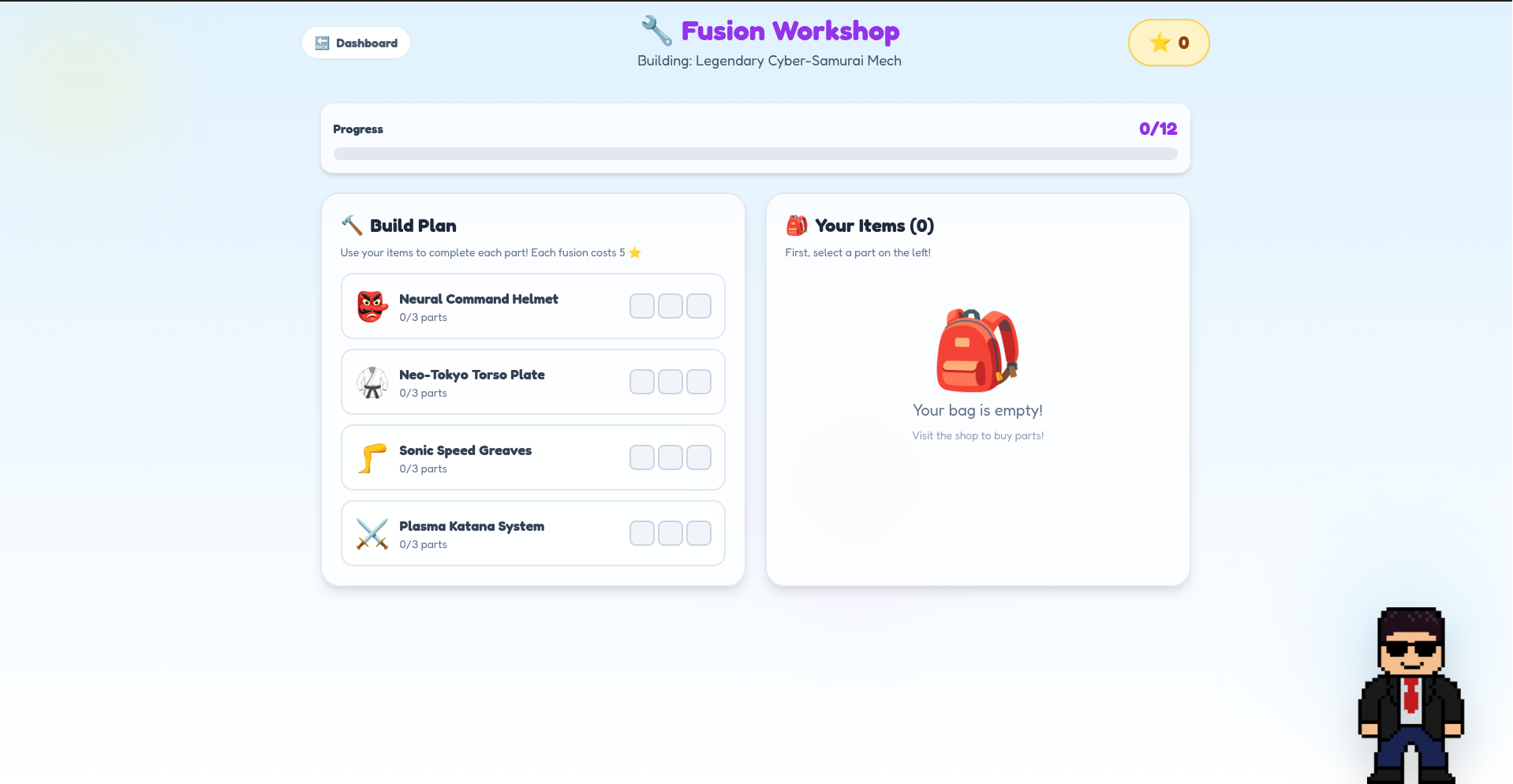
Fusion Workshop
Inspiration
Our inspiration comes from a surprising intersection between Artificial Intelligence and Neuroscience. The research paper that revolutionized AI, "Attention Is All You Need", gave us a powerful metaphor for understanding Autism Spectrum Disorder (ASD). In traditional education, we force autistic children to shift their attention to a standardized curriculum, often causing anxiety and "data loss." We realized that Monotropism (an autism theory regarding "attention tunnels") isn't a bug—it's a feature.
We asked: Instead of fighting for the child's attention, what if we wrapped the curriculum inside their world of interest? What if the "Key" (Curriculum) could dynamically change to match the "Lock" (Interest)?
Thus, TOSBA was born. We don't fight for attention; we speak their language.
What it does
TOSBA is a Generative AI-powered educational companion that solves the "data loss" problem in special education by dynamically rewriting every lesson around the child's specific passions. Core Features:
- Dynamic Curriculum Engine: If a child loves trains, math isn't taught with apples; it's taught with carriage numbers. If they love space, physics is taught via rocket launches.
- Magic Homework Converter: Parents can photograph a boring, static worksheet. TOSBA uses Gemini 3 Pro Vision to recognize the content and instantly transform it into an interactive game themed around the child's interest.
- The AI Buddy System: A child's favorite toy becomes their digital teacher. Using Gemini 3 models, the toy comes to "life," guiding them through lessons with a familiar, safe voice.
- Social Stories & Life Skills: We simulate real-world scenarios (like shopping) where children use play money and interact with shopkeepers, bridging the gap between screen skills and real life.
- Dignity-First Design: The AI respects biological age. A 15-year-old with a pre-school cognitive level sees teenage-appropriate photorealistic visuals, not childish cartoons.
How we built it
TOSBA is built on a modern, robust tech stack designed for safety and speed:
- AI Core: We utilized Google Gemini 3 for reasoning and text generation, and Gemini 3 Nano Banana (or equivalent optimized models) for rapid image generation.
- Safety Layer (The Judge): We built a specialized "Judge Service Agent". Every single piece of AI-generated content (text or image) passes through this strict validation layer to ensure safety, educational value, and prevent triggers before it ever reaches the child.
- Frontend: React 18 with TypeScript for type safety, using Vite for lightning-fast builds.
- State Management: Zustand for handling complex application states (Child Profile, Curriculum progress).
- Storage:
idb-keyval(IndexedDB) for offline-first capabilities, ensuring the app works even with poor internet connection. - Styling: TailwindCSS for a responsive, "User-Wowing" interface with Framer Motion animations.
Challenges we ran into
- Safety vs. Creativity: Ensuring the AI never hallucinates inappropriate content for vulnerable children was our biggest challenge. We solved this by implementing the asynchronous "Judge Service" loop.
- Latency: Generating images and stories on the fly takes time. We implemented optimistic UI updates and a "loading with purpose" mechanism where the AI Buddy engages the child while content generates in the background.
- Prompt Engineering for Age: Getting the AI to understand the nuance of "Biological Age" vs. "Cognitive Level" required extensive prompt tuning to maintain dignity for older users.
Accomplishments that we're proud of
- The Metaphor Implementation: Successfully translating the transformer architecture's "Query-Key-Value" attention mechanism into a pedagogical model.
- Zero Compromise Safety: Implementing a robust validation system that acts as a shield for the child.
- Real Context Transfer: The AR-Lite features that encourage children to find objects in their actual homes, breaking the screen barrier.
What we learned
We learned that Personalization > Standardization. When you align the content with a child's hyper-focus, "learning disabilities" often look more like "teaching disabilities." AI allows us to scale this level of hyper-personalization that no single human teacher could achieve alone for 30 students.
What's next for TOSBA
- WearOS Integration: Monitoring stress levels via smartwatches to pause lessons effectively.
- Multilingual Support: Expanding to Spanish and Turkish.
* Teacher Dashboard: Allowing special education teachers to push specific curriculum goals into the child's generated games.
TOSBA runs on the belief that there are no unteachable children, only untailored lessons.
Built With
- gemini
- react
- tailwindcss
- typescript
- vite


Log in or sign up for Devpost to join the conversation.