-
-
agent 4
-
agent 3
-
agent 2
-
agent 1
-
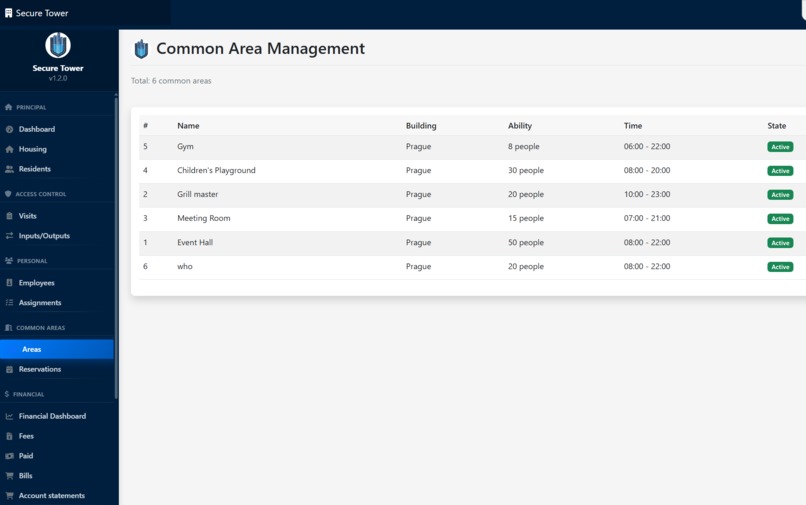
scream web admin
-
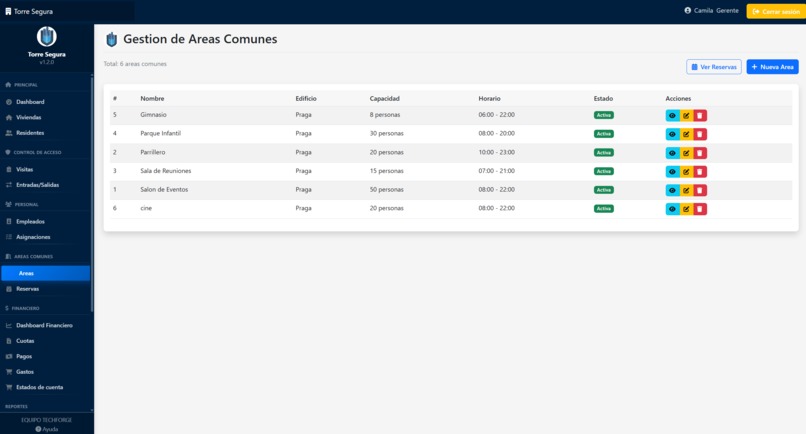
scream web admin
-
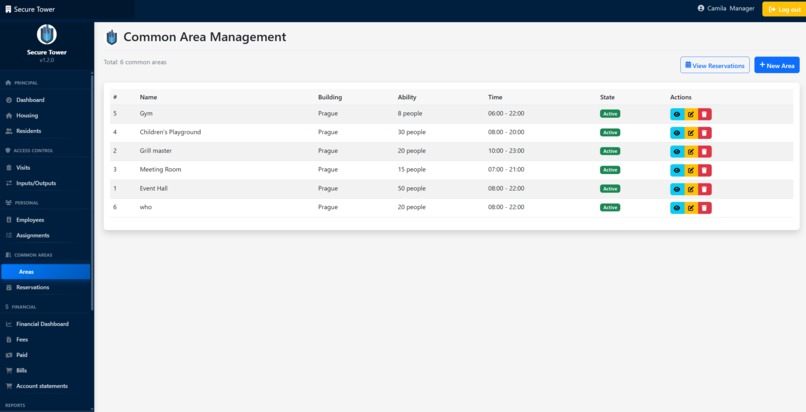
scream web admin
-
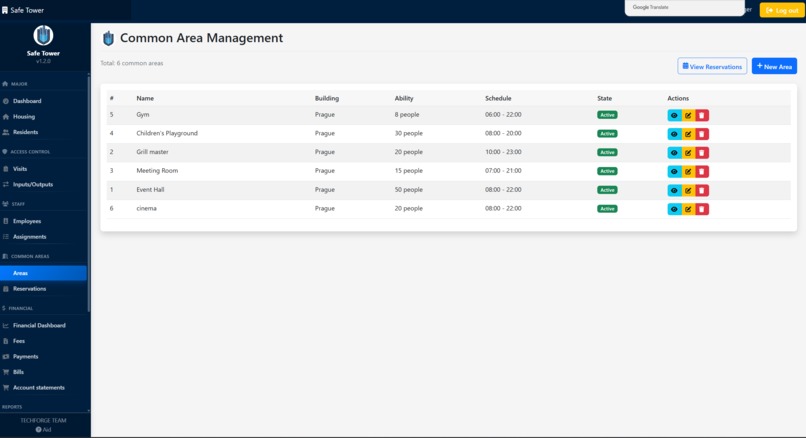
scream web admin
-
scream web admin
-
scream web admin
-
scream web admin
-
scream app
-
scream app
-
scream app
-
scream app
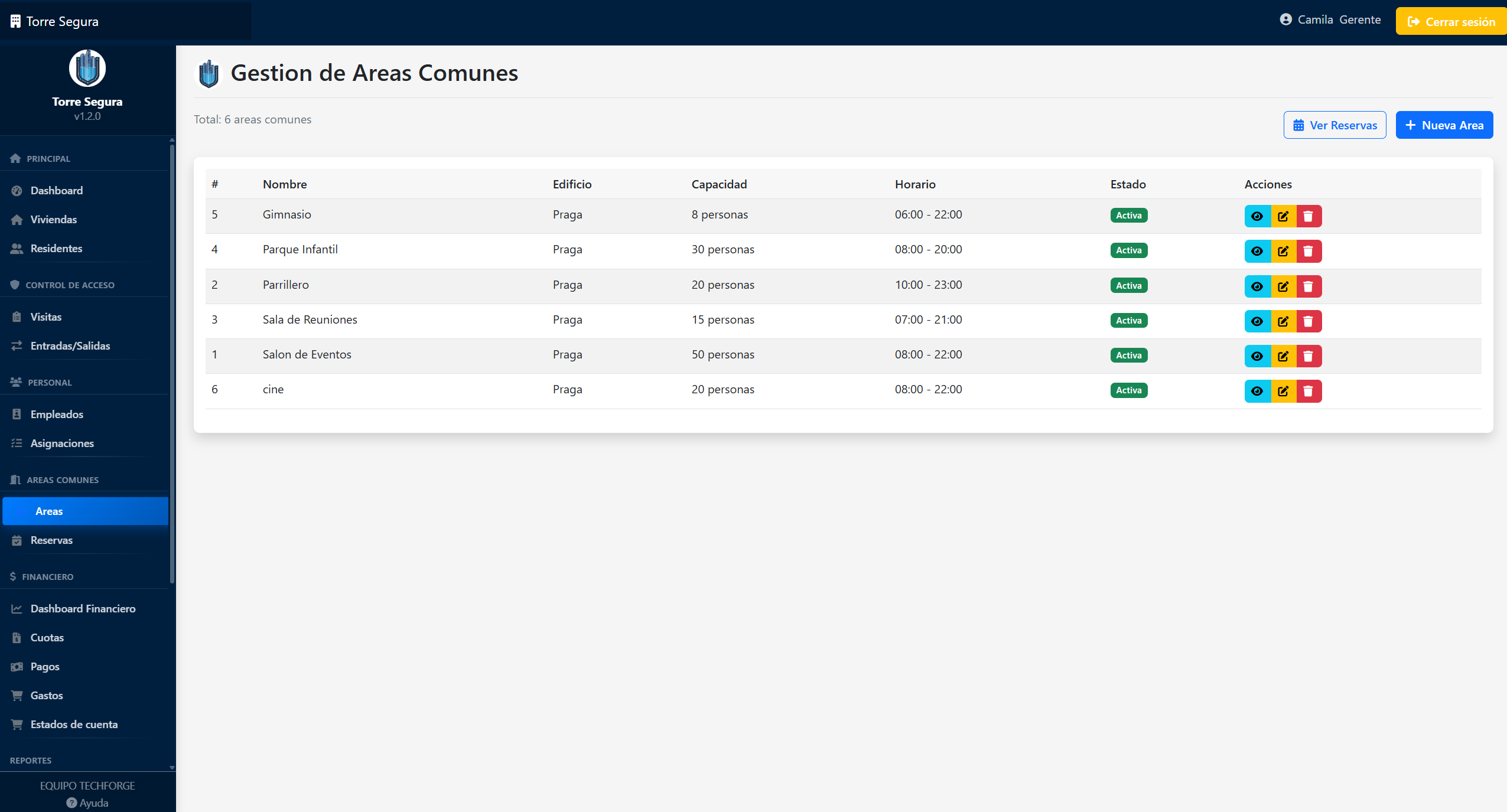
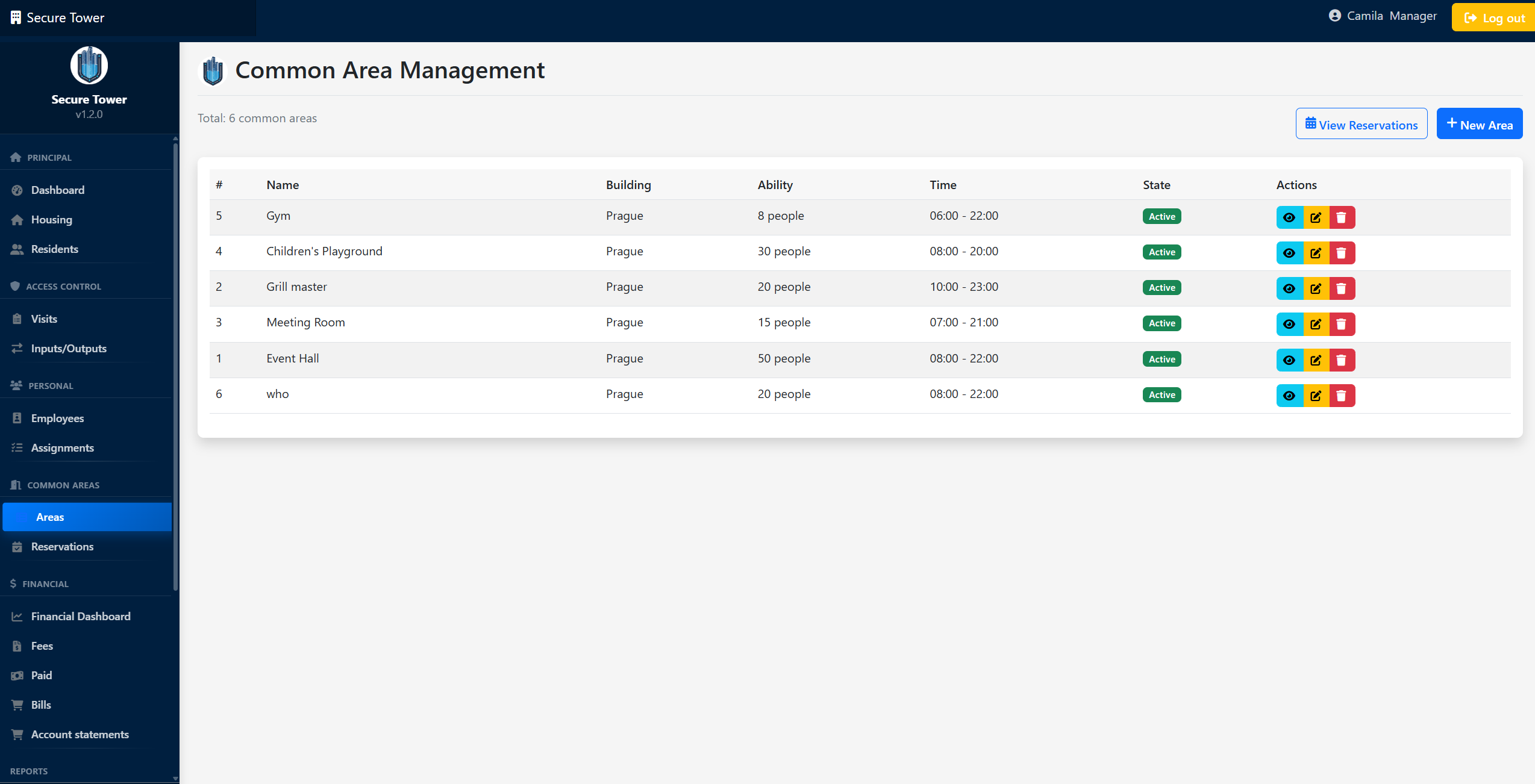
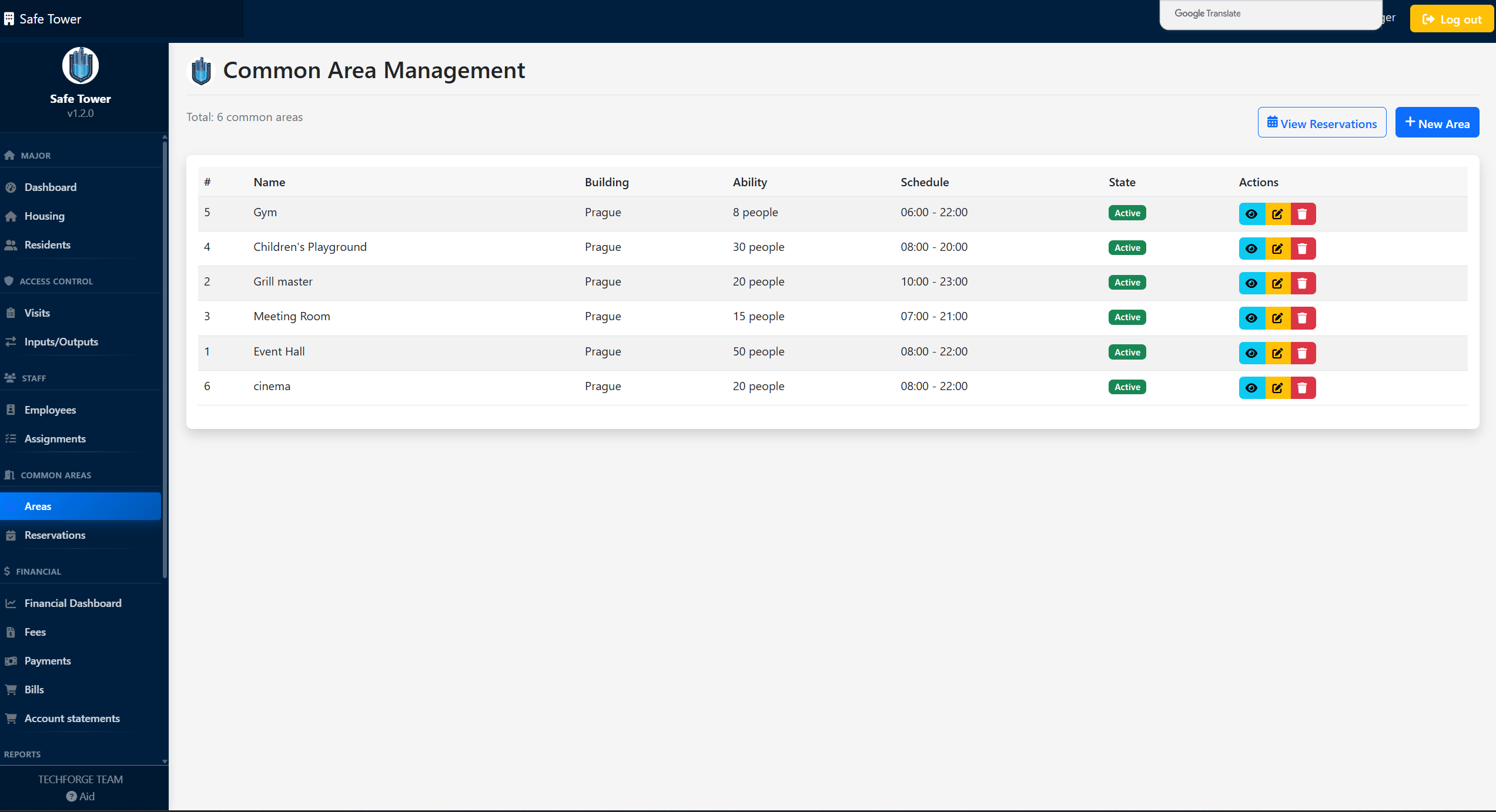
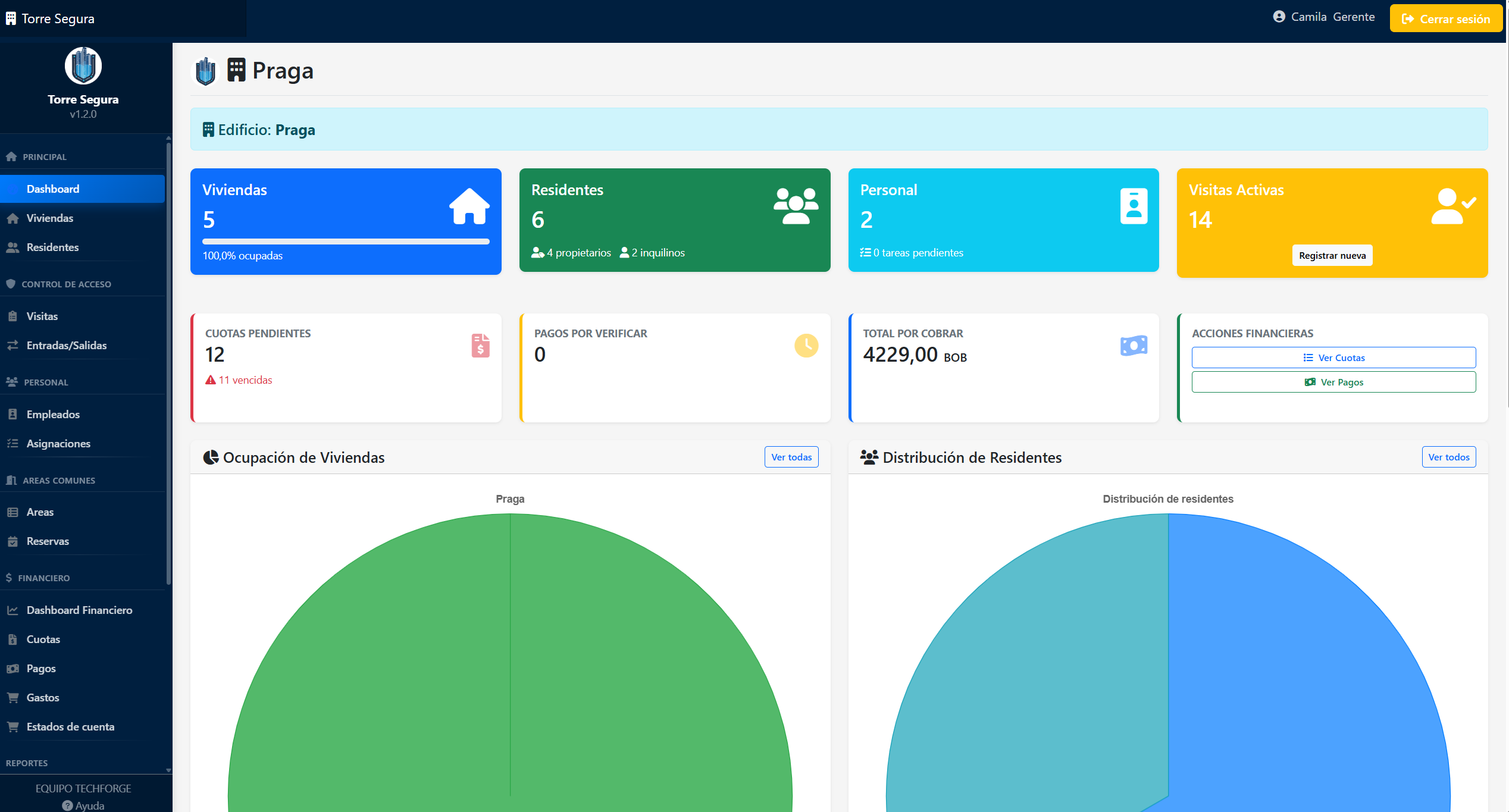
Inspiration
Modern condo living increasingly runs through a single app — and that's a good thing. But we kept noticing a hidden problem.
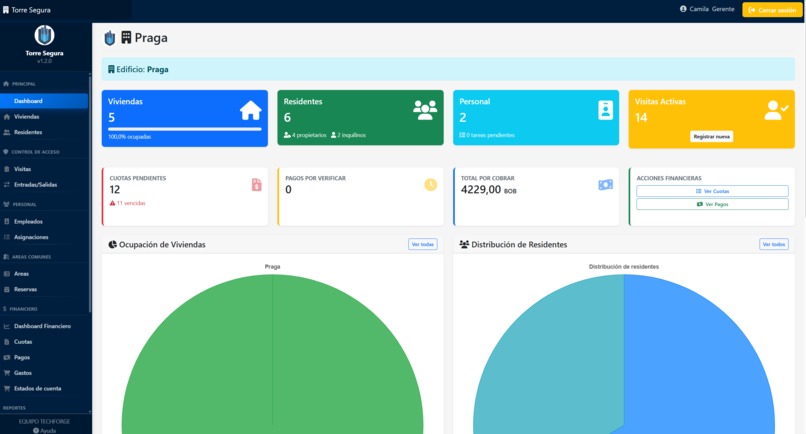
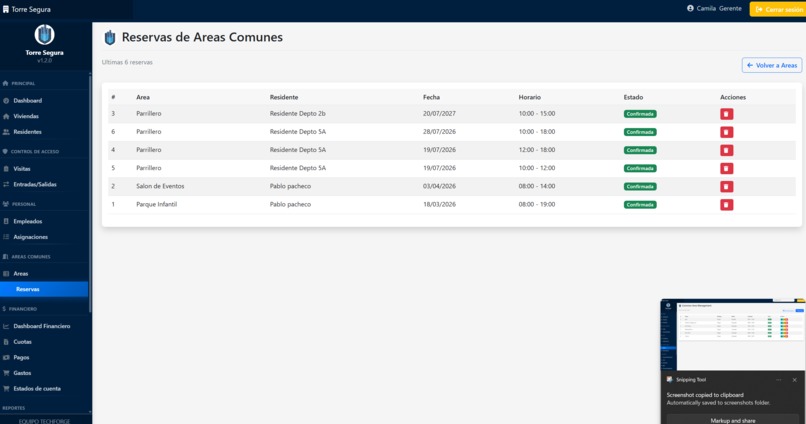
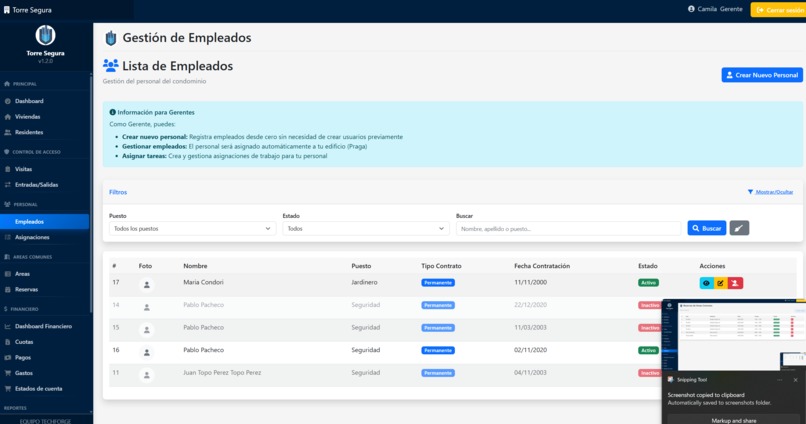
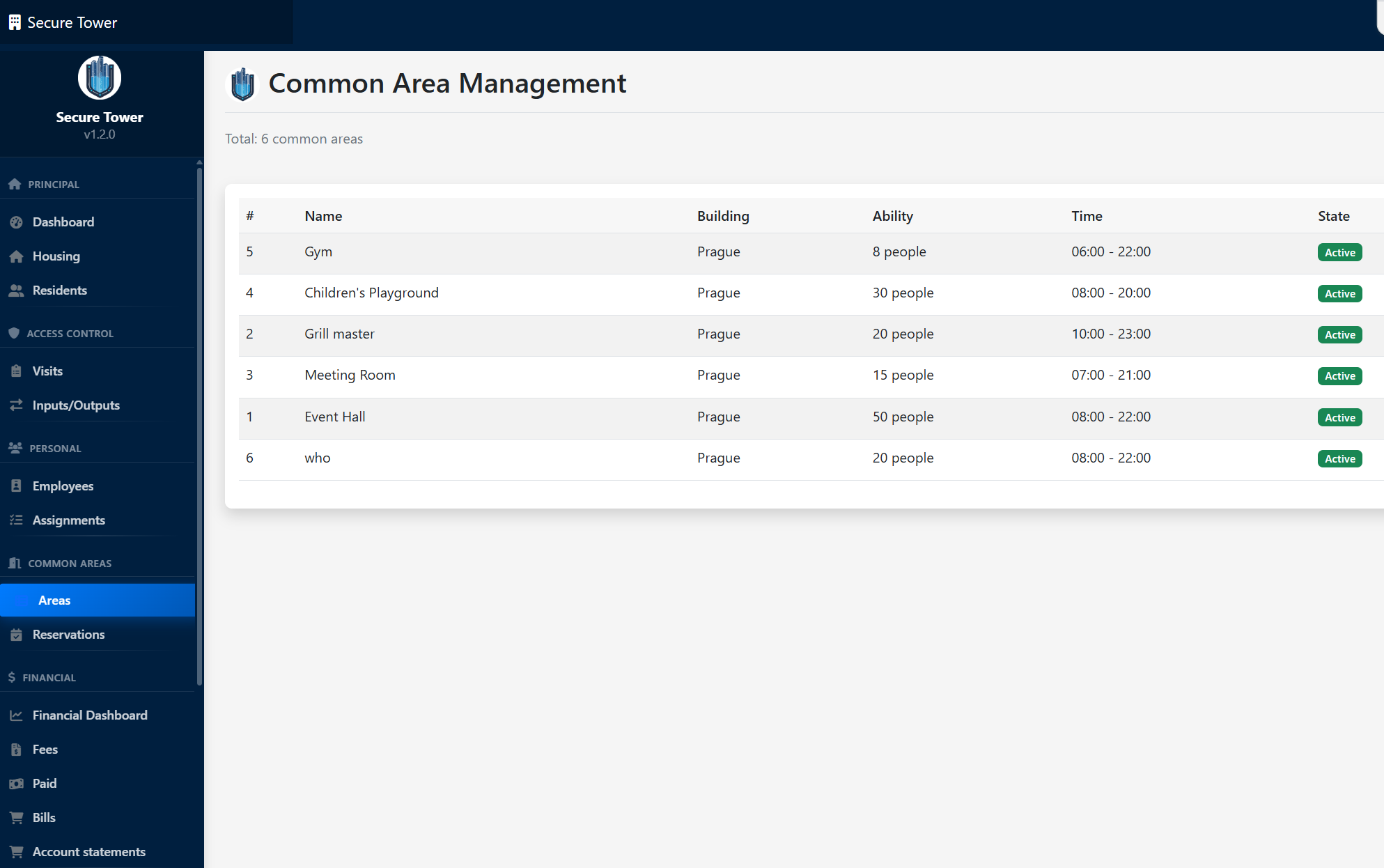
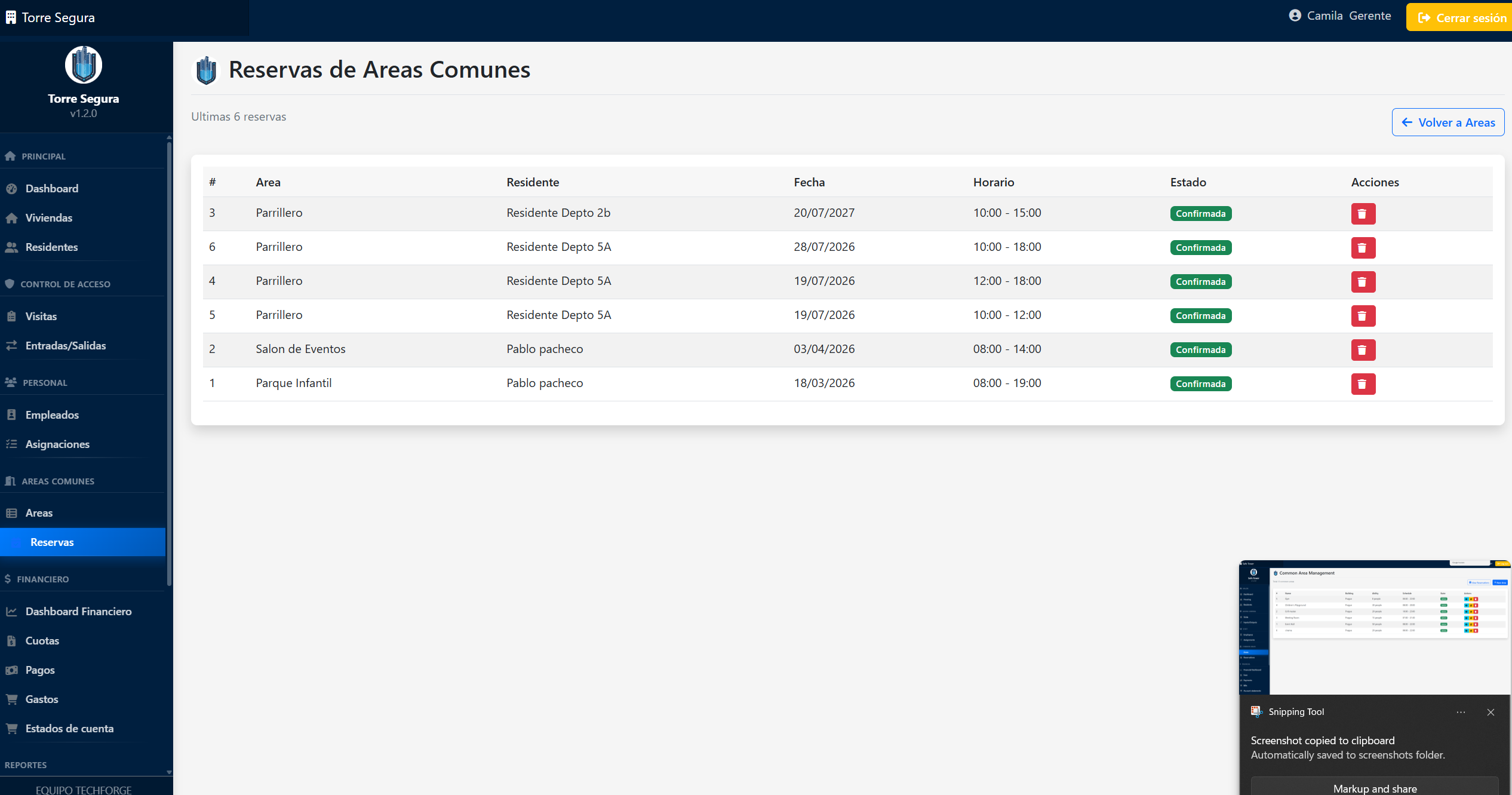
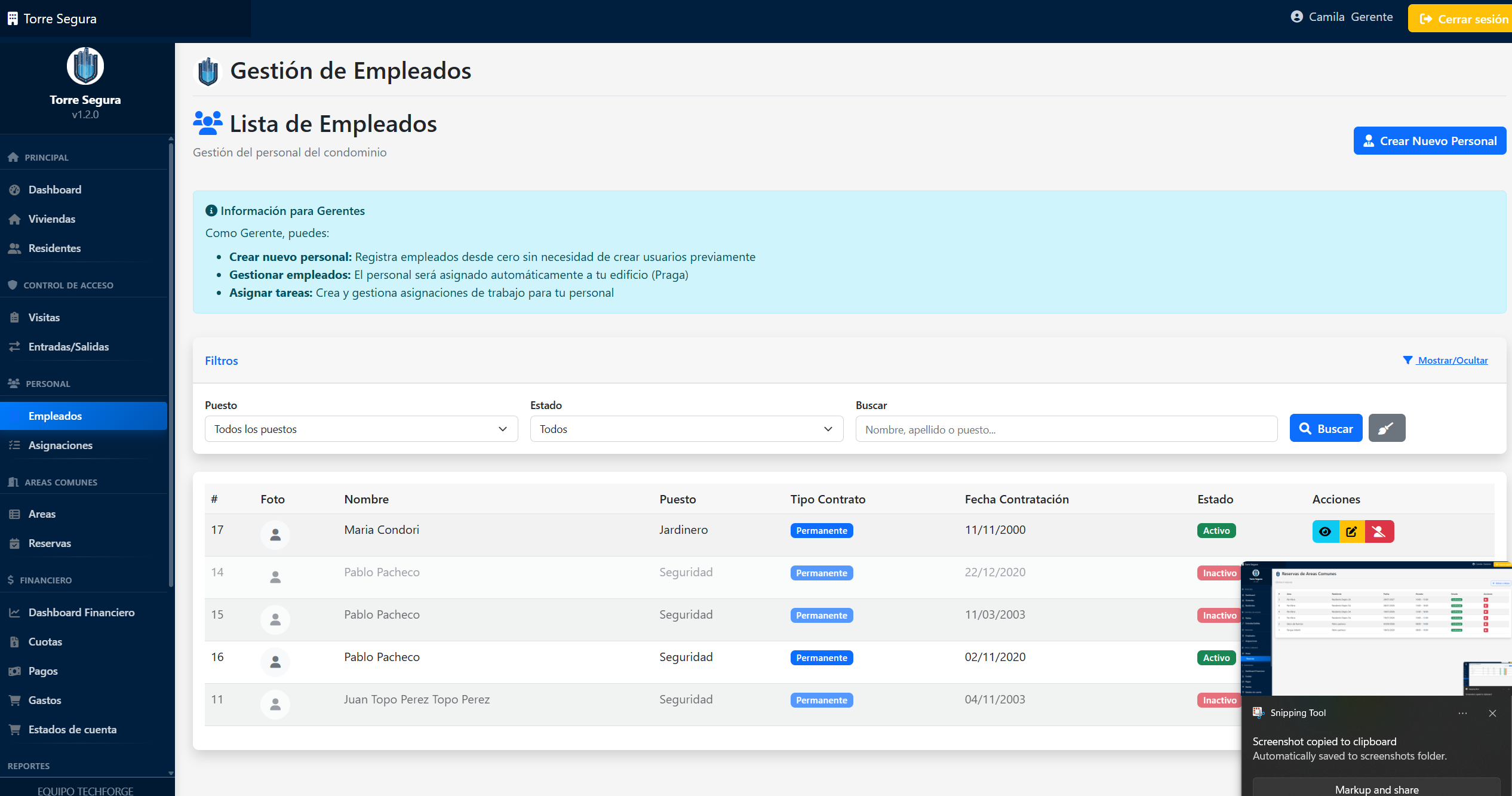
TorreSegura already works on two fronts: building administrators manage everything from the web (buildings, apartments, residents, fees, staff, reports), while residents and security guards use the mobile app for the modules that matter to them — QR visitor access, payments, area reservations, emergency alerts, door control. The platform is powerful.
The problem is that every new module is one more thing a resident has to learn. And a resident already has a full mind: work, the kids, an errand, a birthday, the end-of-the-month bills. Nobody opens a condo app to explore menus. So these genuinely useful tools end up installed but almost never used — even on the exact day they would have solved the person's problem.
We are five university students in Bolivia, and we asked a simple question: what if the resident never had to learn the app at all? What if they could just say what they need, in plain language, and the building responds? That is TorreSegura Autopilot.
What it does
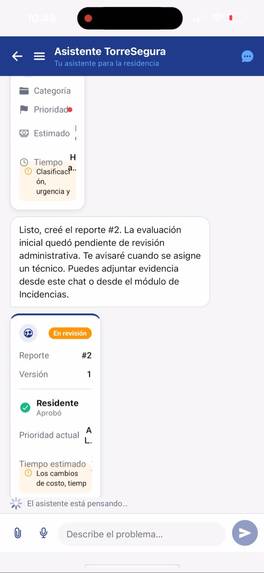
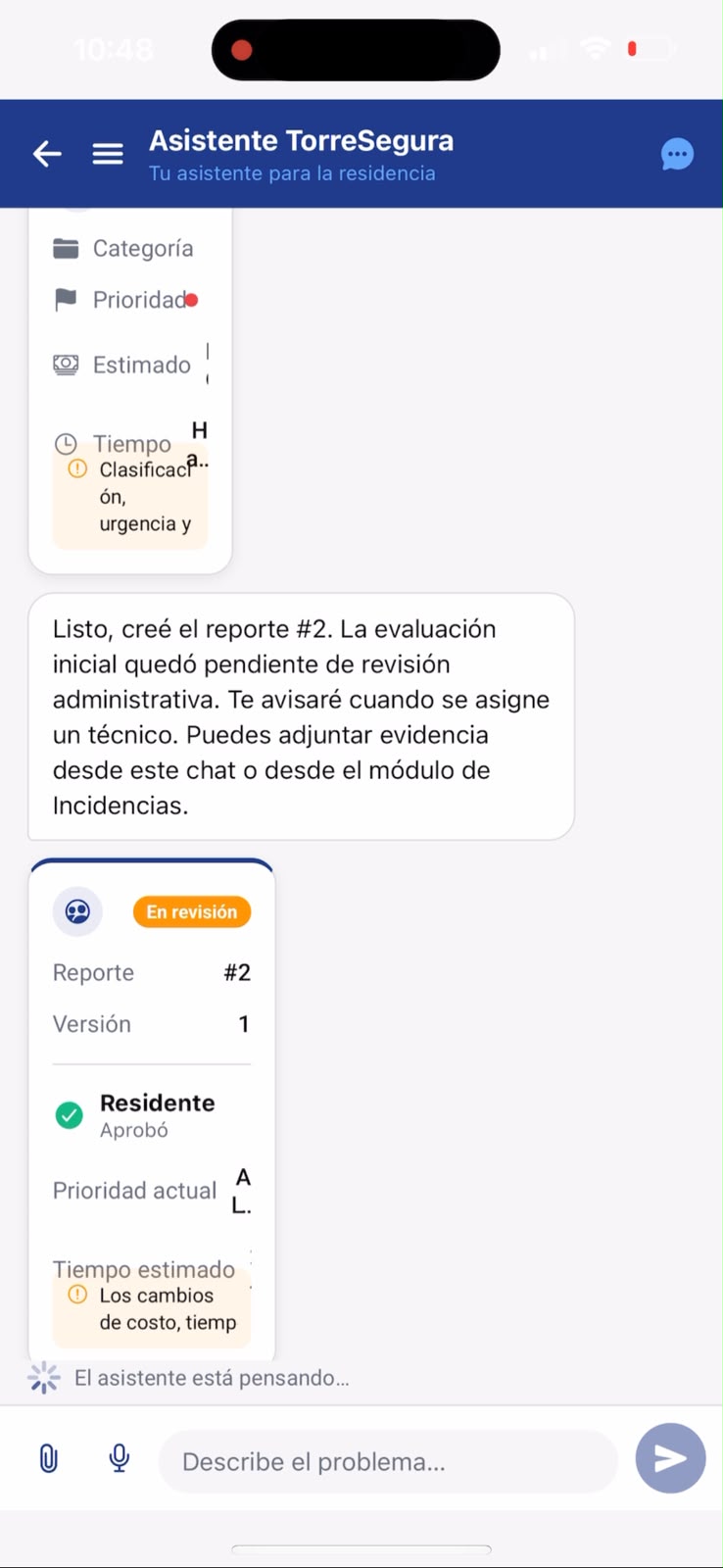
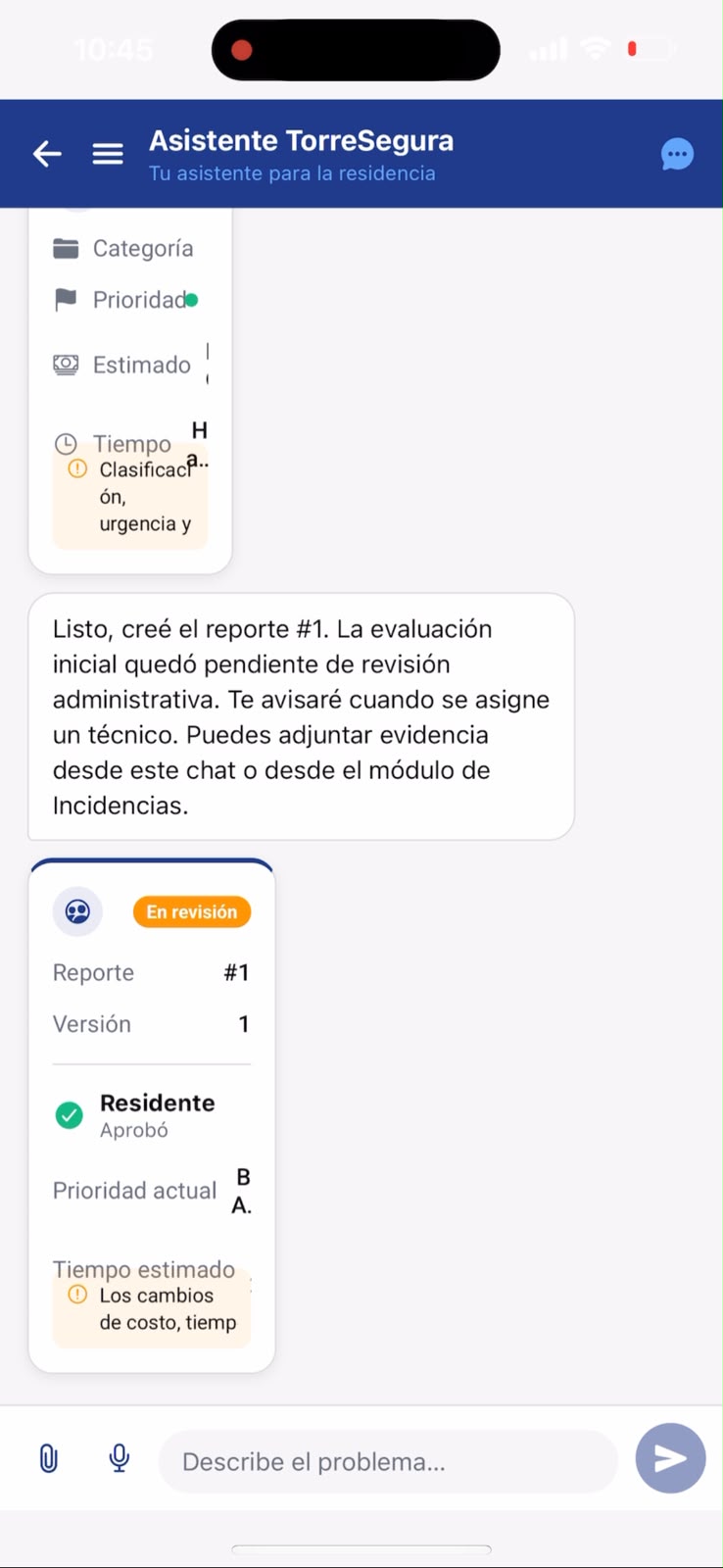
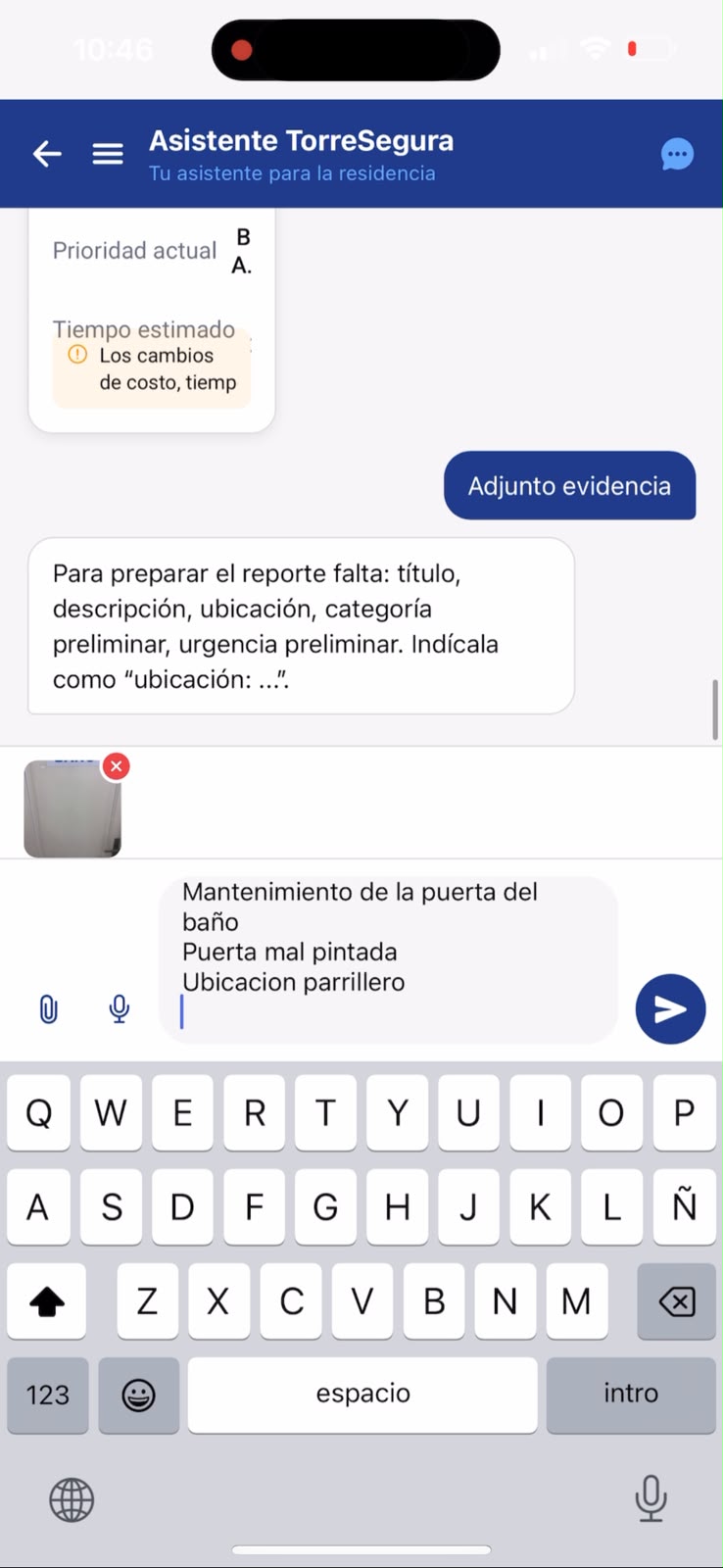
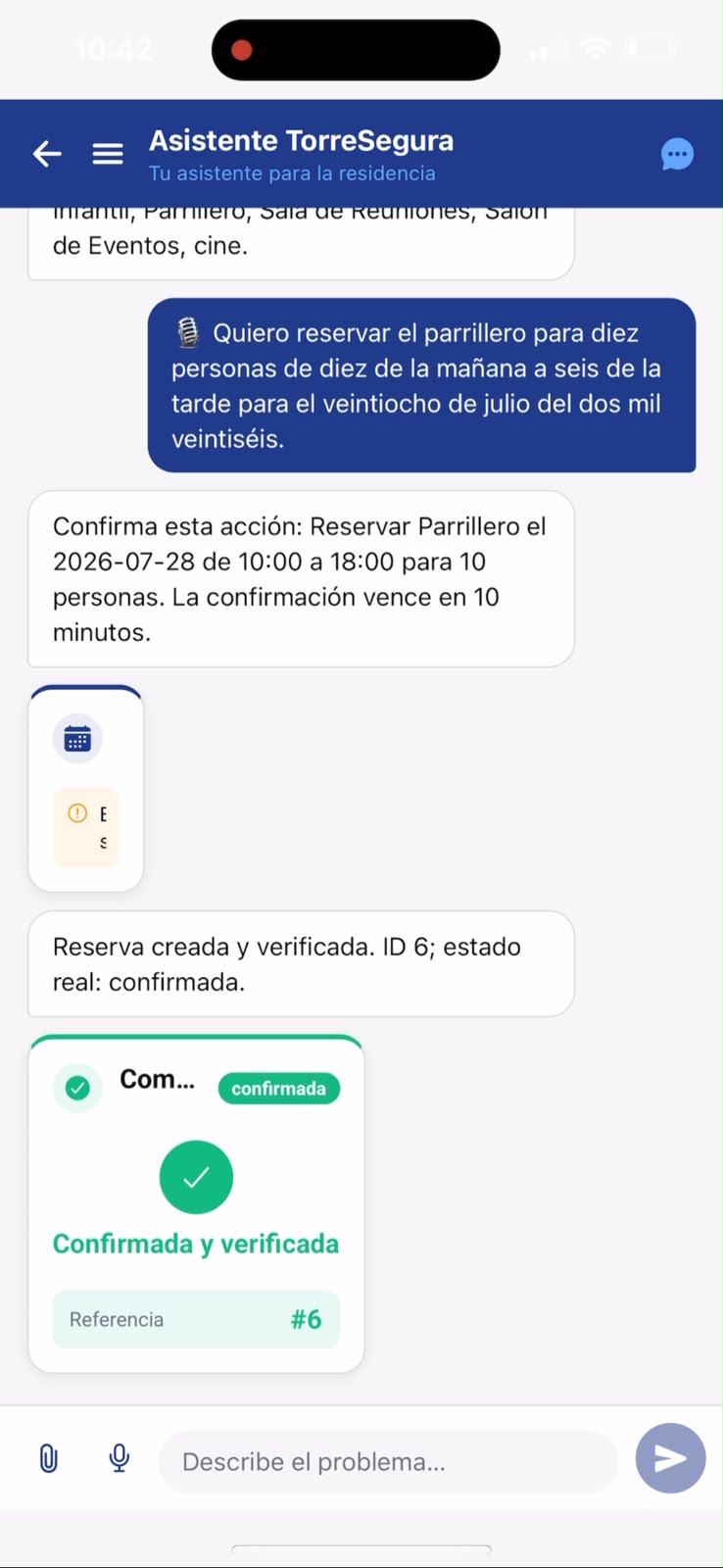
Autopilot is a conversational layer on top of the whole platform. Instead of hunting for the right module, the resident writes or speaks what they need and a Qwen-powered agent does the work for them. Today the agent drives real building processes end-to-end from a normal chat message:
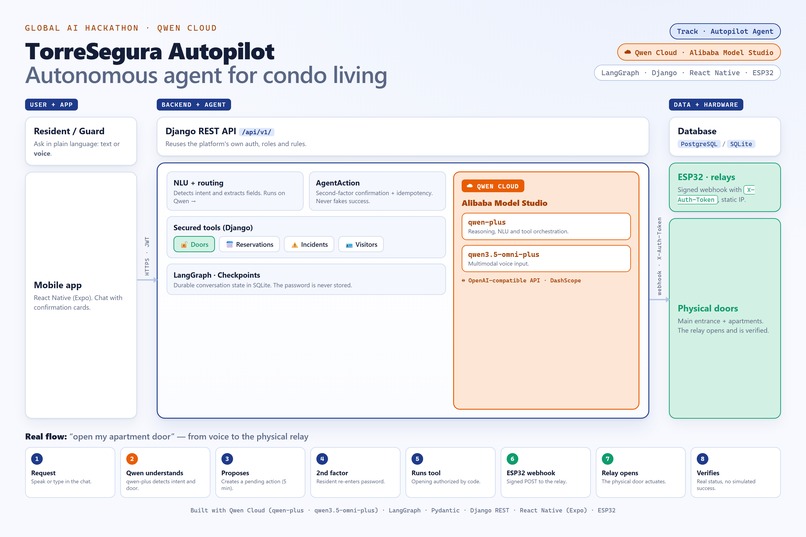
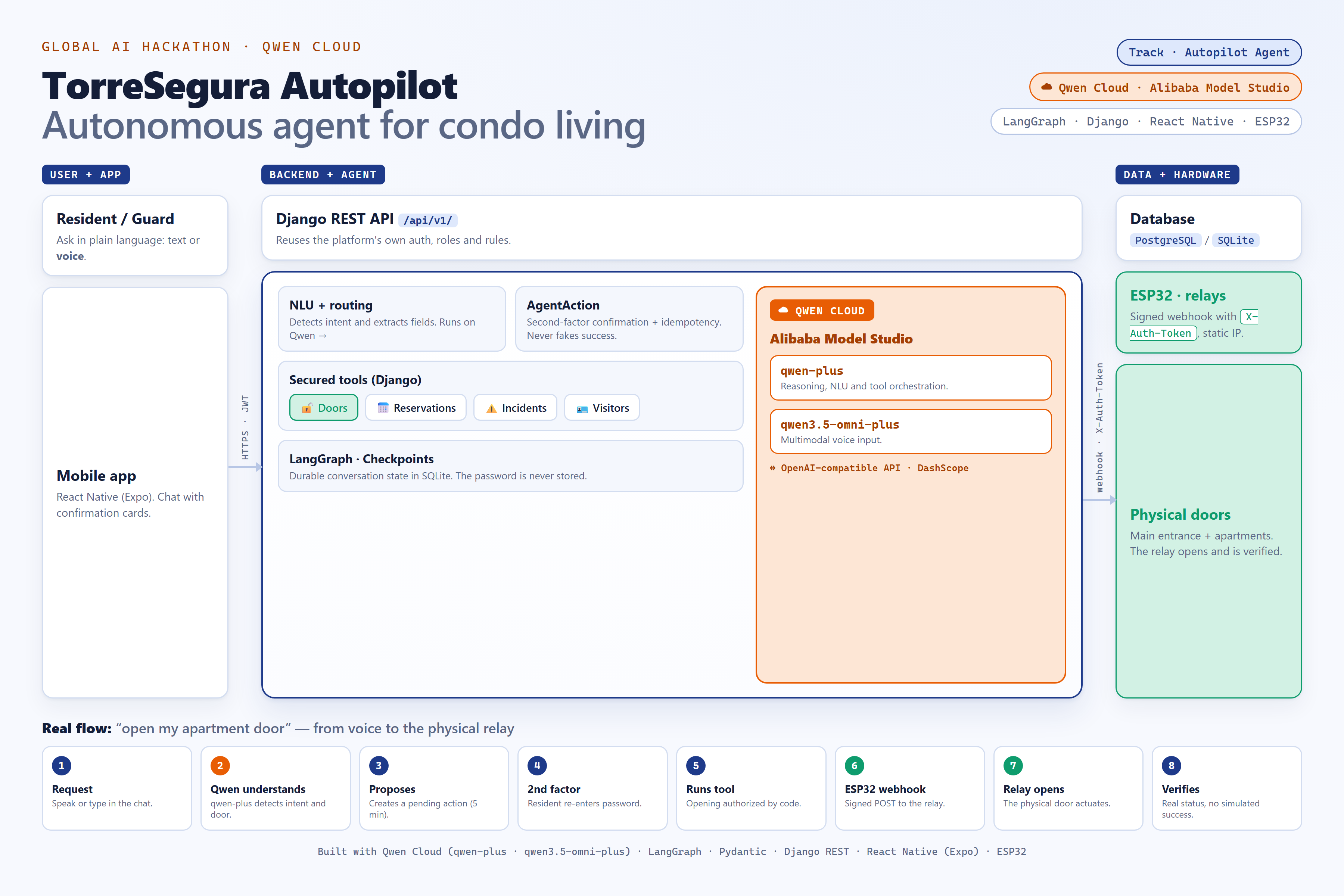
- 🔓 Opens physical doors — the resident asks, confirms with a second factor, and a real door opens through an ESP32 relay controller wired to the building.
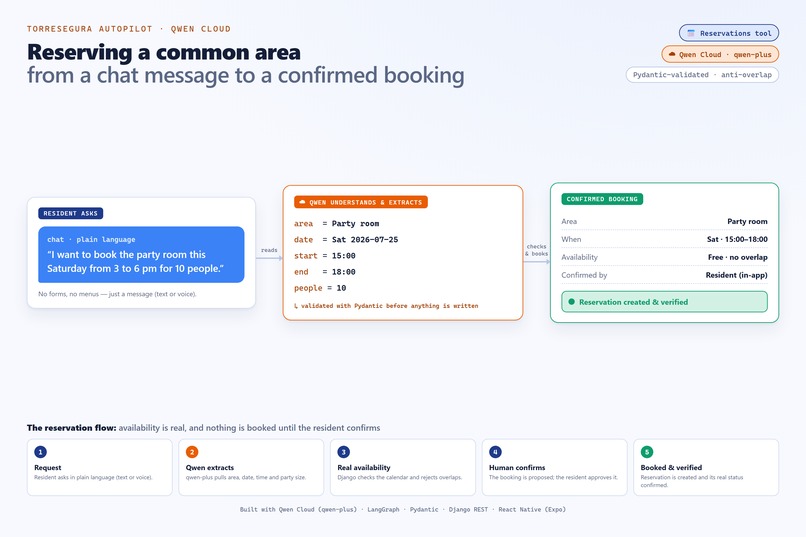
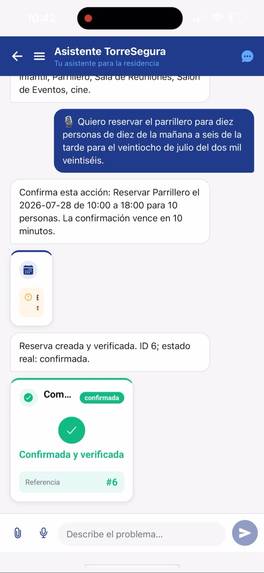
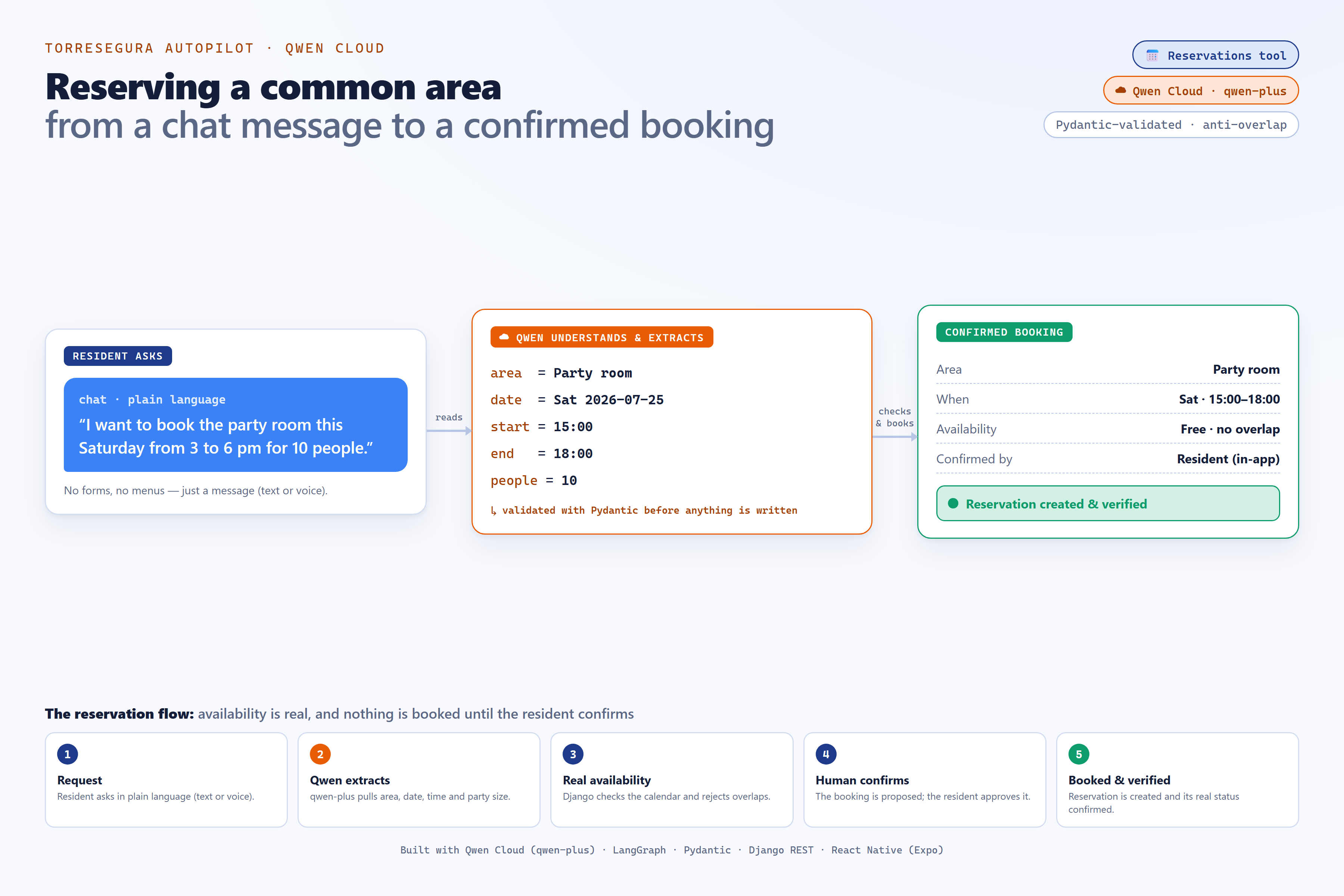
- 📅 Reserves common areas — checks real availability and confirms before booking.
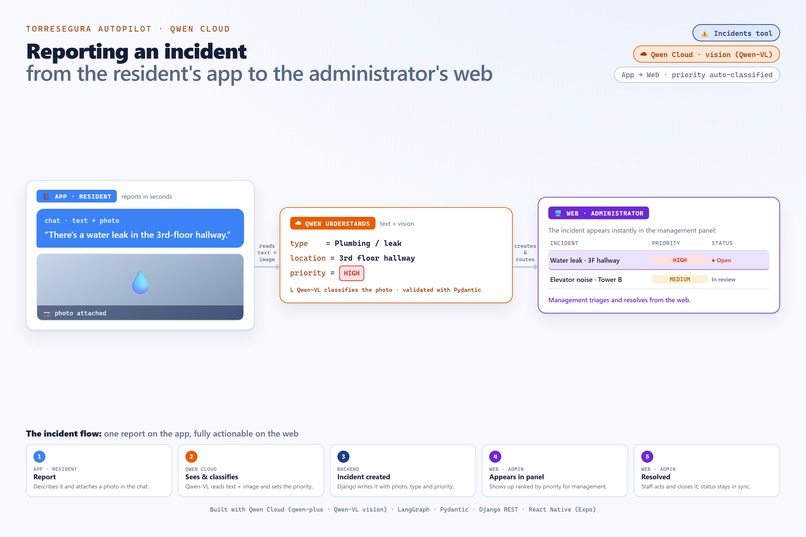
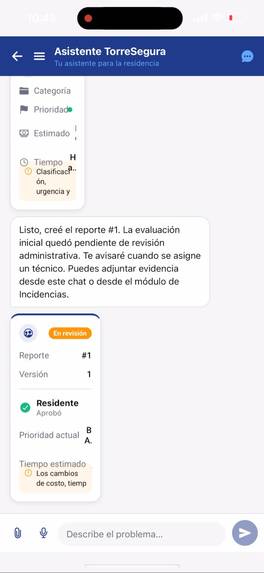
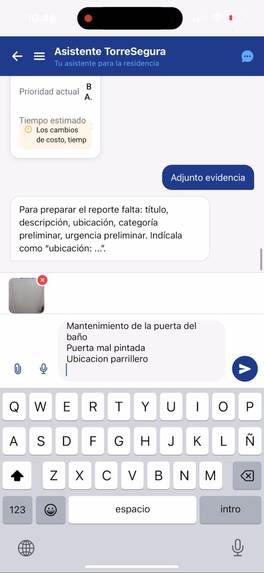
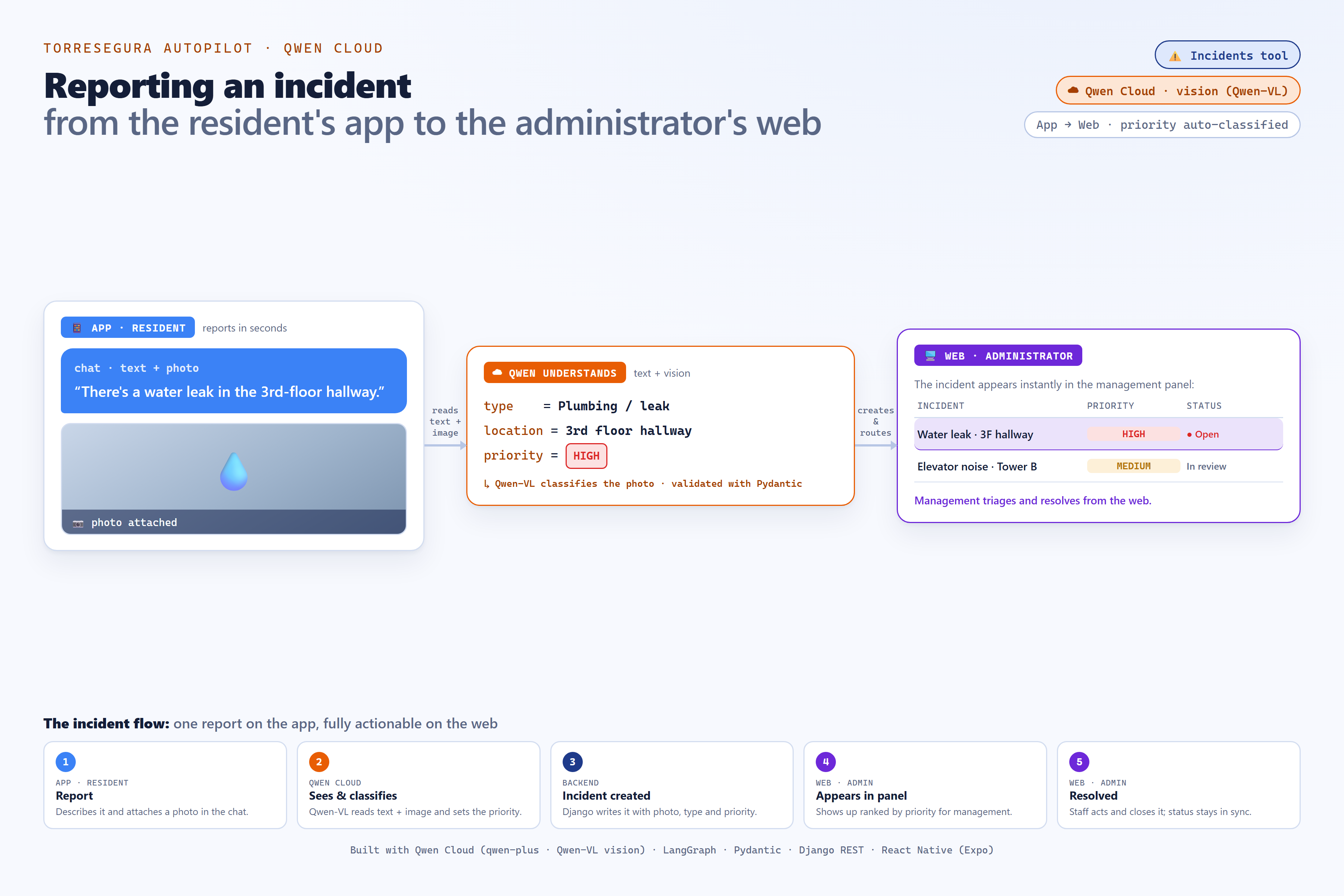
- ⚠️ Reports incidents — from a description and a photo, using Qwen's visin and classify its priority so management can act.
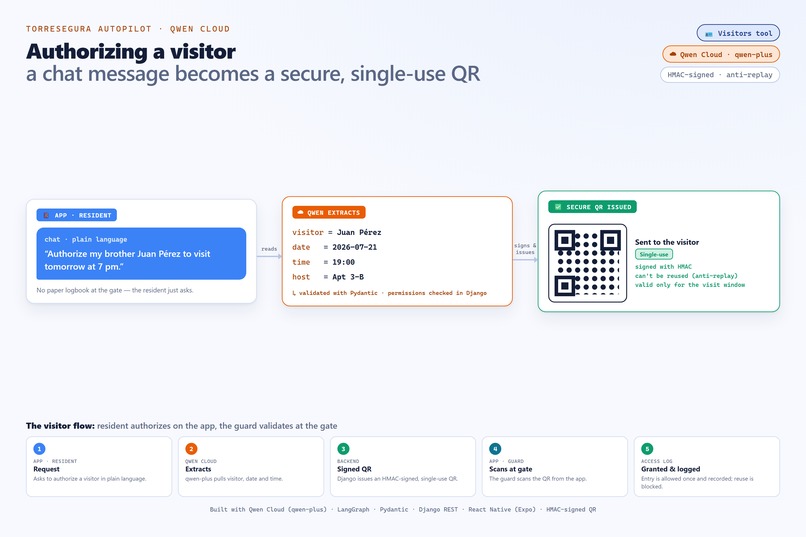
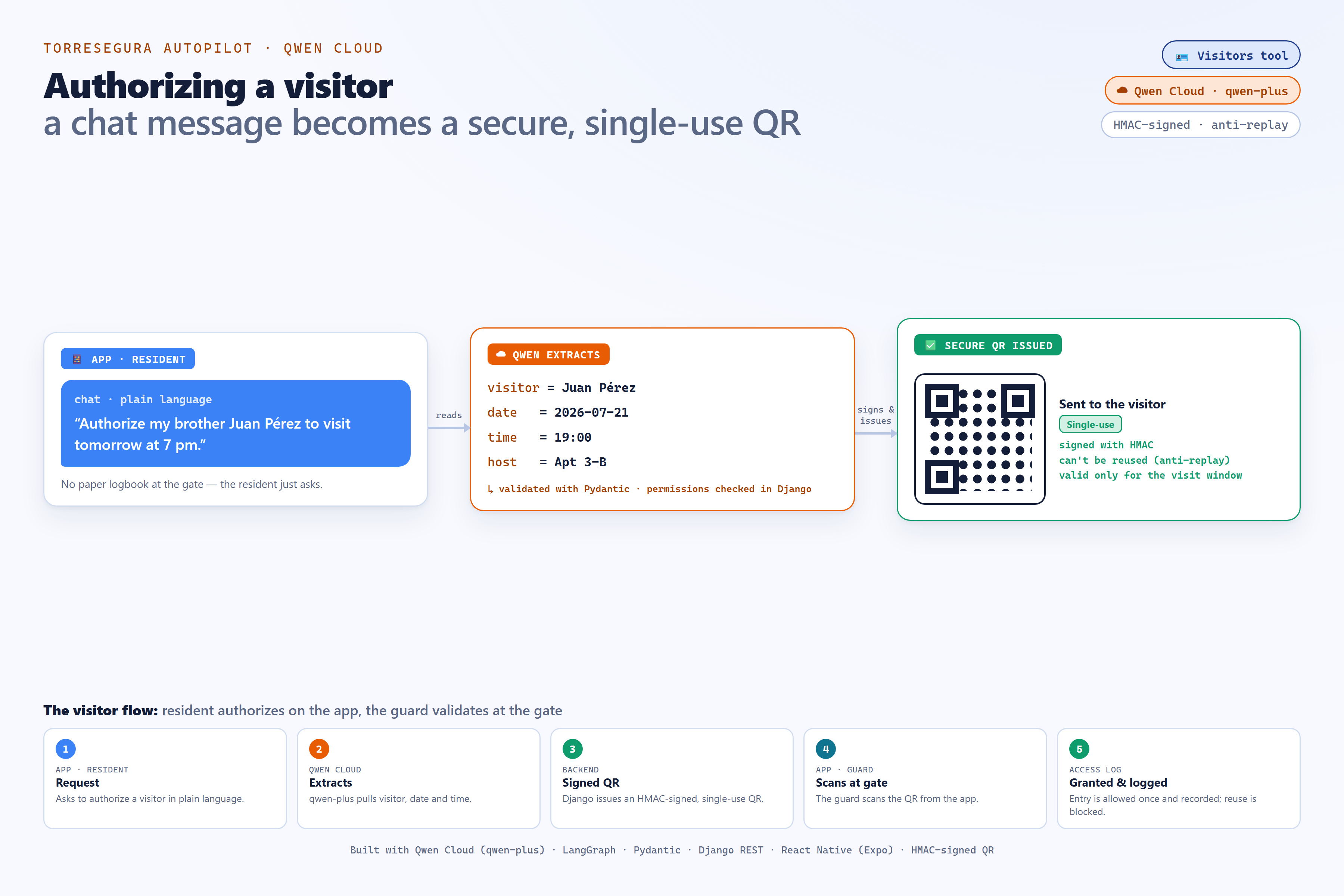
- 🪪 Registers visitors — turning a plain request into an authorized, trackable access.
The resident doesn't learn where each feature lives. They just ask.
How we built it
The agent lives inside our Django backend, so it reuses the same authentication, roles and rules the platform already enforces. Qwen Cloud (Alibaba Model Studio) handles the language:
qwen-plusreads the message, understands the intent, and extracts the structured fields we need.qwen3.5-omni-pluspowers voice input, so the resident can simply speak- Qwen's vision classifies incident photos by priority.
LangGraph keeps the conversation state across turns (with durable SQLite checkpoints, so a multi-step request survives even a server restart). Everything the model extracts is validated with Pydantic before it touches the database. Our own secured tools do the rest — cg availability, writing, confirming, and verifying the real outcome. For doors,the backend sends an authenticated webhook (X-Auth-Token) to the ESP32, which pulses the relay and reports back. The frontend is a simple React Native (Expo) chat screen; the backend
runs on Alibaba Cloud.
Challenges we ran into
The hardest part was making a language model safe enough to take real actions l door. Our first instinct was to control everything from the prompt, but a promptcan be talked around, so we moved every guardrail into code: permissions live in the backend, not in the instructions, and nothing executes until the resident confirms with their password. A plain "yes" typed in the chat is never treated as real consent.
Physical actions raised a subtler bug: a repeated or retried message must never*confirmation, yet a genuine new request **must actually fire the relay again —not replay a cached result. Getting idempotency exactly right for a real-world actuator took real care, as did keeping the conversation coherent across restarts and expiring stale confirmations safely.
Accomplishments that we're proud of
The agent doesn't just talk — it completes real actions from beginning to end, iware, without ever putting the data at risk. We drew a hard line: the model can understand and extract, but it can never authorize or execute on its own. Everything with consequences stays in trusted code, gated by a human confirmation. Reaching that balance — an agent that feels effortless to the resident but stays strict underneath — is what we're
What we learned
A trustworthy agent is mostly a systems problem, not a model problem. The intempts; it's the boundaries: what the model may touch, where the human sits in theloop, and how you can prove afterward that the agent did exactly what it said. We learned to keep the model's job small and sharp — understand and extract — and to let solid backend code own everything that matters.
What's next for TorreSegura Autopilot
We're extending the same secure, confirmed path to **more of the platform**: month BNB QR gateway, emergency coordination, and multi-building management foradministrators. From there the goal is simply to grow the list of things a resident can ask for. The destination is clear: **the resident should never have to learn the app. They just ask, and the building responds.**
Built With
- alibaba-cloud
- arduino
- c++
- dashscope
- django
- django-rest-framework
- esp32
- expo.io
- iot
- javascript
- jwt
- langchain
- langgraph
- model-studio
- nativewind
- postgresql
- pydantic
- python
- qwen
- qwen-cloud
- qwen-vl
- react-native
- rest-api
- sqlite


Log in or sign up for Devpost to join the conversation.