
Inspiration
ToppleTee began with a simple question: what if the challenge in a golf game was not just choosing an angle and power, but physically positioning the golfer before every swing?
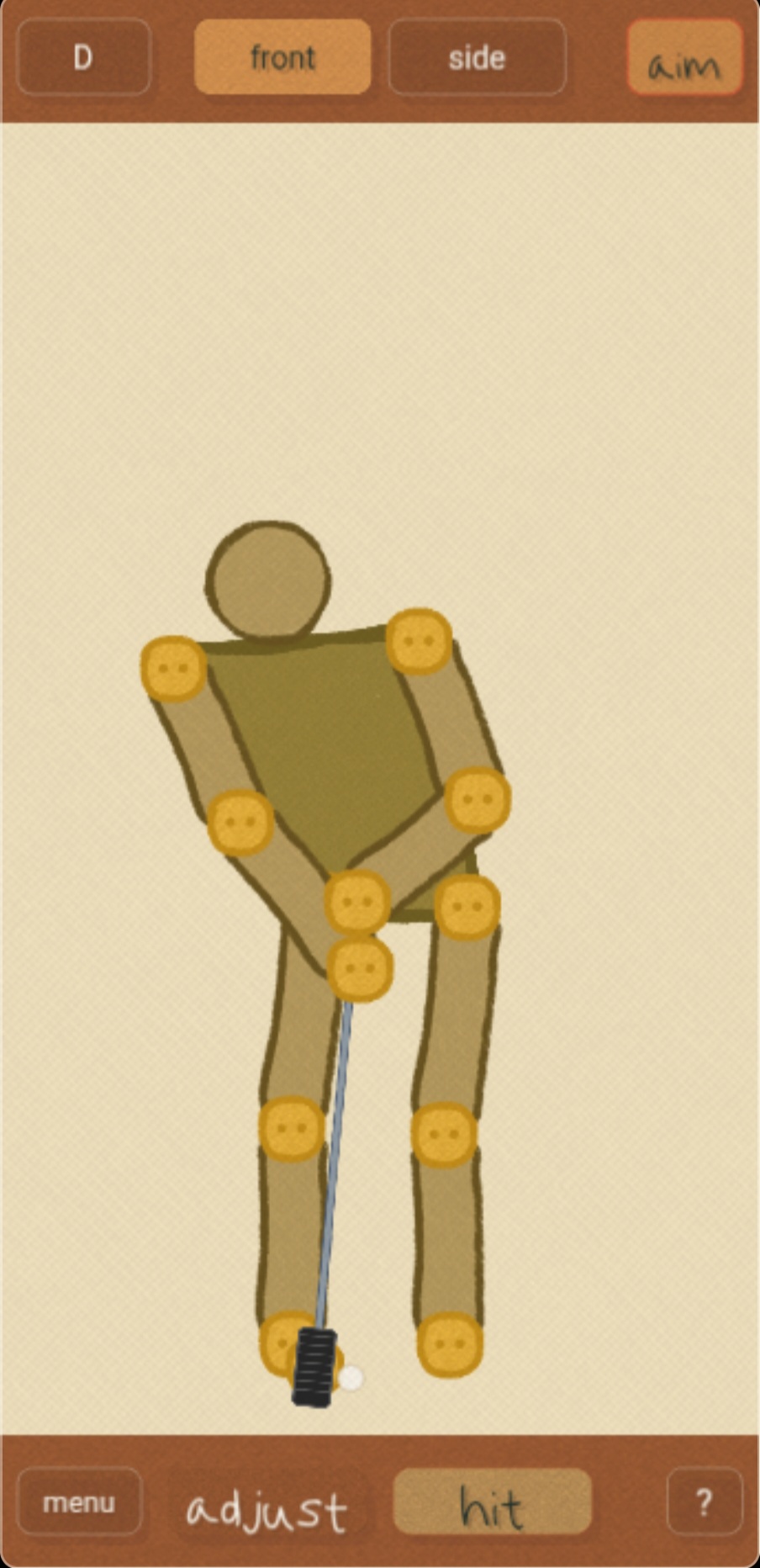
Most golf games reduce the swing to a timing meter. I wanted the golfer’s body itself to become part of the puzzle. In ToppleTee, players drag individual joints to build a stance, then aim and control the power of the shot. Every strange slice, perfect drive, or accidental collapse begins with a pose the player created.
I was also inspired by Foddian games, where a small set of unusual controls creates tension through failure.
What it does
ToppleTee is a physics golf game where players position every joint in their golfer’s body before each swing.
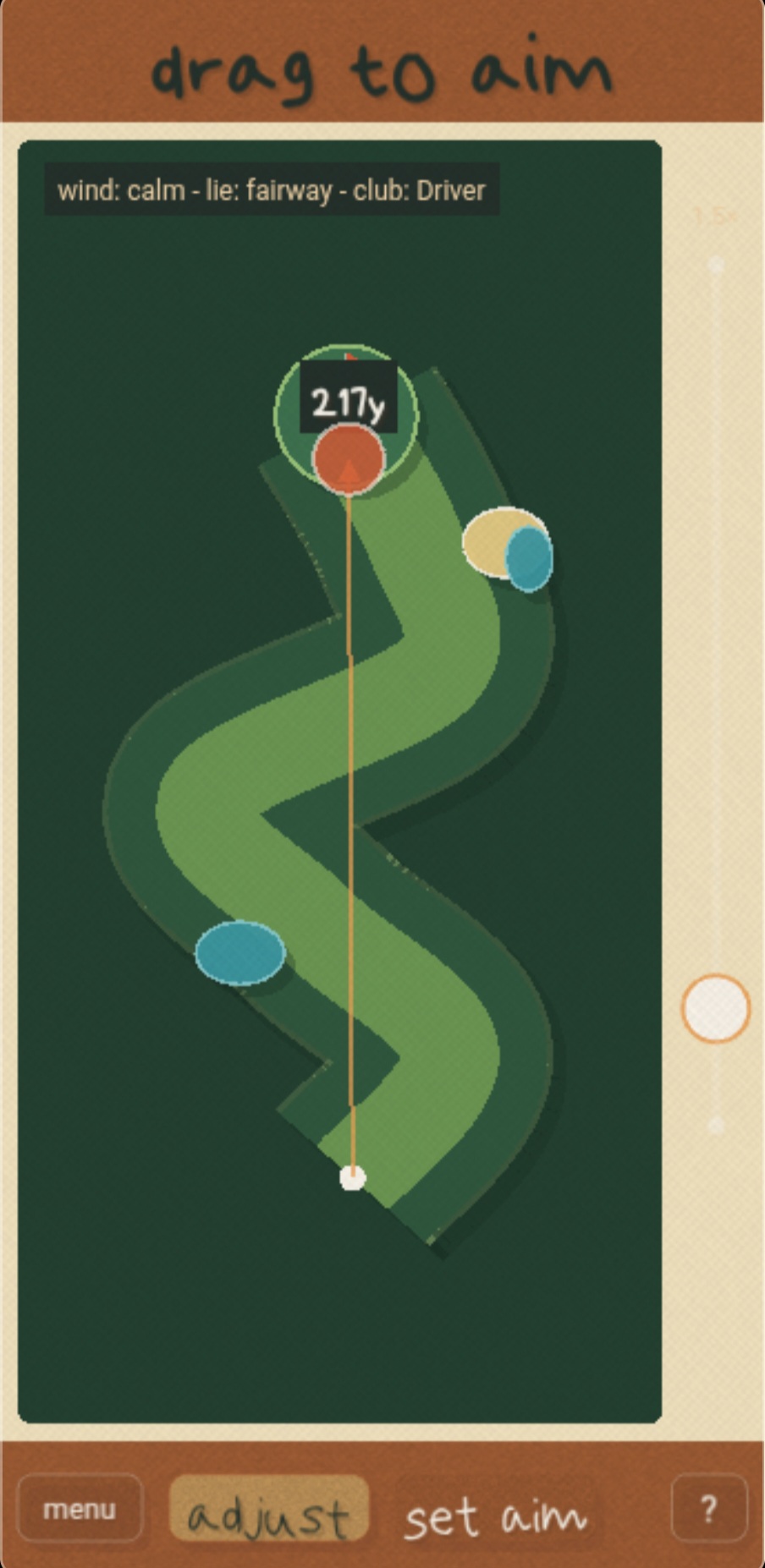
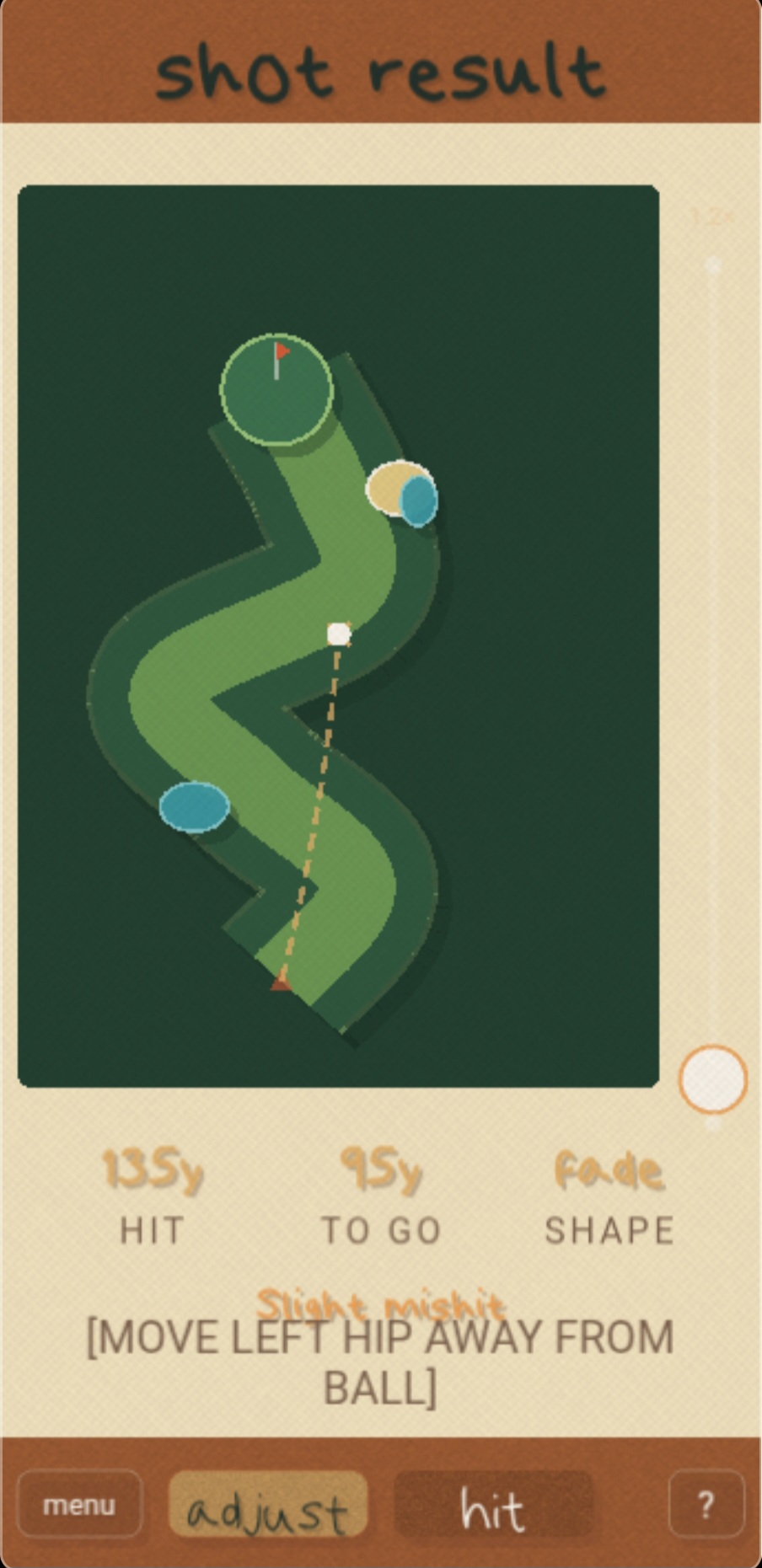
Players adjust the golfer from front and side views, choose a club, aim, and control their power. Their posture influences the distance, direction, and consistency of the shot, so each stroke is a small physics puzzle.
Players can...
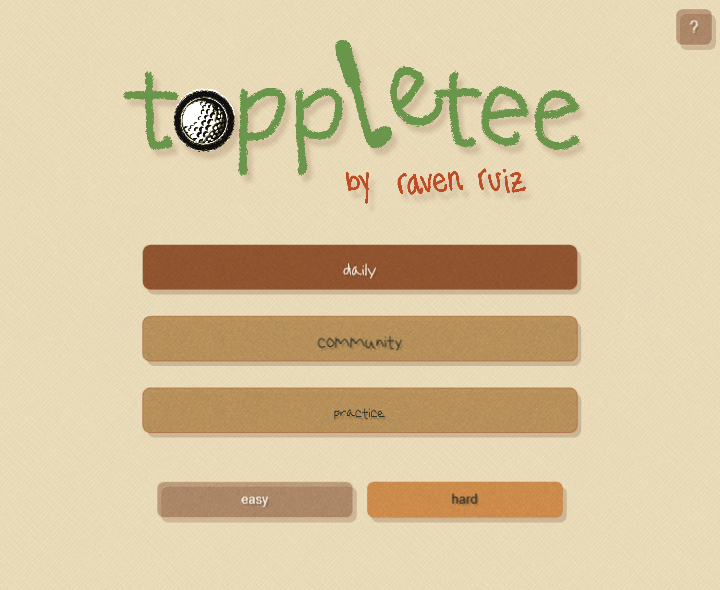
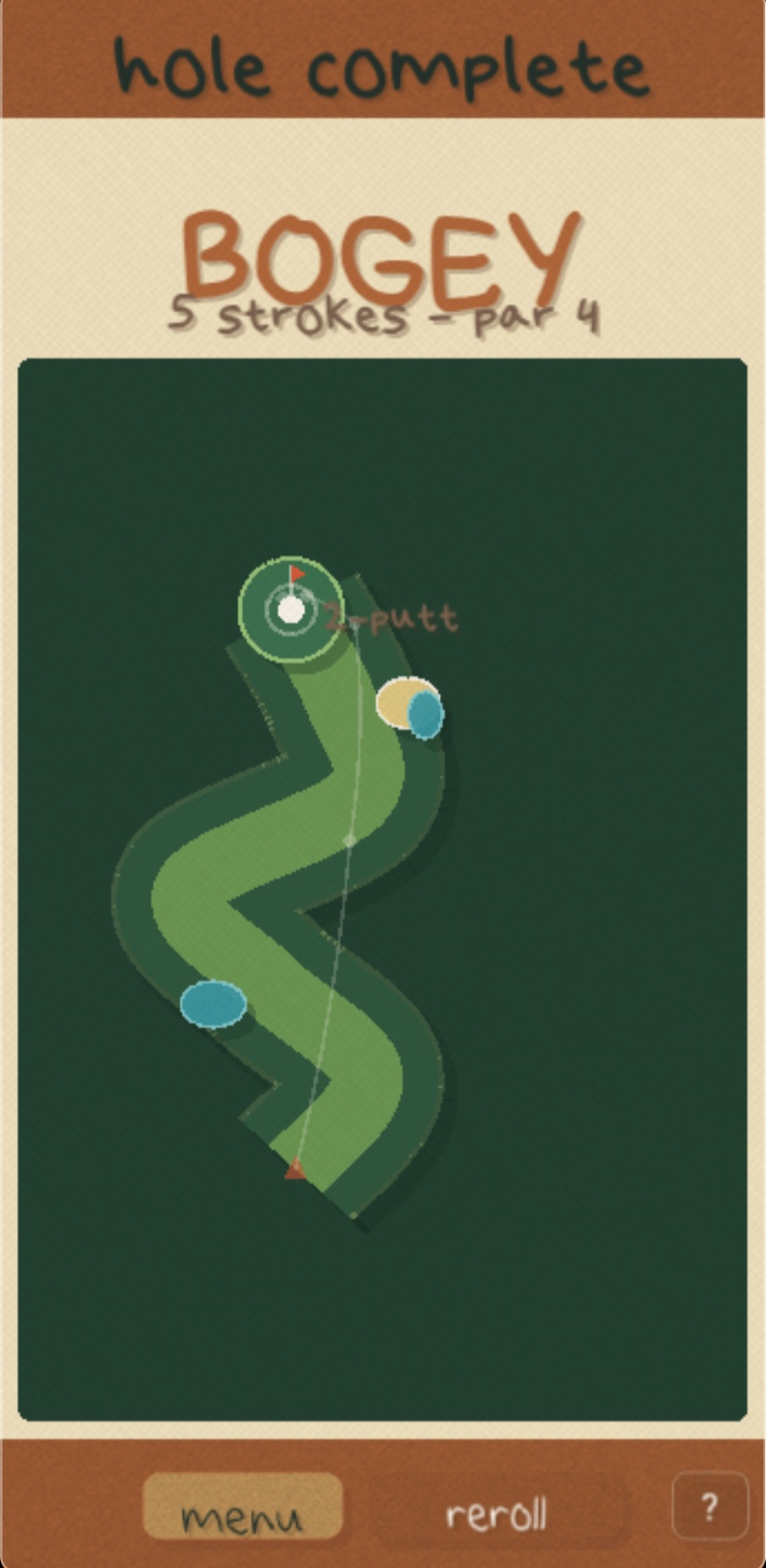
- Attempt a daily generated course
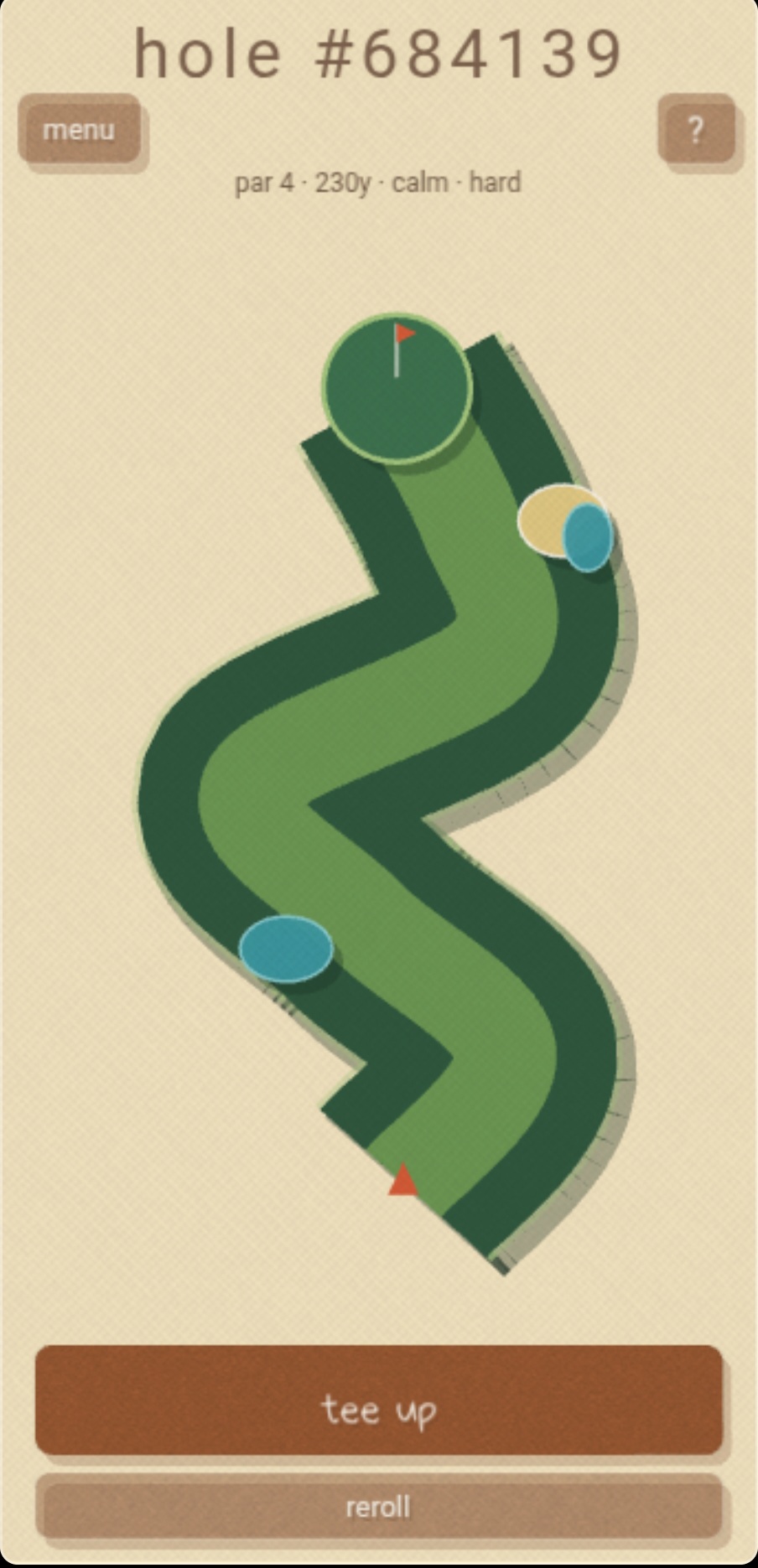
- Practice on randomized holes
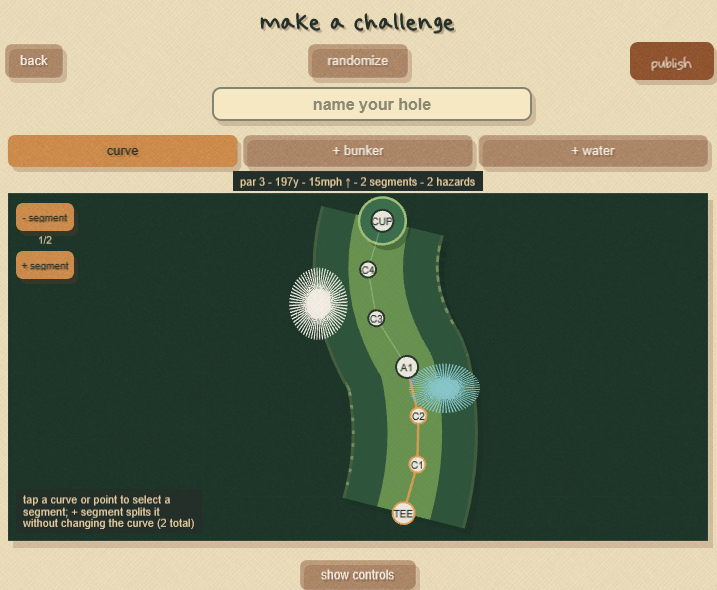
- Build bespoke courses with custom terrain, curves, hazards, and wind
- Share player-made challenges through Reddit posts
- Compete for better scores on community leaderboards
- Choose between an accessible easy mode and a more demanding posture-based mode
How I built it
ToppleTee was built with Phaser, TypeScript, and Devvit Web.
Phaser handles the game scenes, input, animation, course rendering, camera controls, and shot presentation. The golfer is an articulated rig with draggable joints shown through paired front and side views. This lets players control both horizontal placement and depth while working in a readable two-dimensional interface.
The golfer’s limbs, joints, club, and torso use custom visual assets. Bones resize and rotate between joints, while the torso uses a deformable textured mesh whose corners follow the shoulders and hips. The rendering system also manages near and far limbs so unusual poses remain visually understandable.
The shot system combines:
- Joint positioning and posture quality
- Club selection
- Aim direction
- Power
- Wind
- Terrain
- Club-specific distance and accuracy behavior
Courses are generated from reusable curve and terrain data. Daily and practice holes are derived from seeds, while the bespoke editor allows players to shape their own course and publish it as a playable community challenge.
Challenges I ran into
The central mechanic was the largest design challenge. Giving players control over every joint can quickly become confusing, especially when limbs overlap or move in depth.
I created paired front and side views, near and far shading, deliberate render ordering, named joints, and club-specific starting poses to make the rig easier to understand. The torso also evolved from a simple graphics shape into a deformable textured mesh so it could remain expressive while following extreme poses.
Balancing posture was another major challenge. Early versions were too punishing, and small visual differences could create disproportionately bad shots. I separated posture influence, club variation, power behavior, and overswing penalties so each could be tuned independently. Easy mode provides a forgiving starting point, while hard mode preserves the full positioning mechanic.
I also had to make procedural and player-created courses predictable enough to be fair without losing the surprising results that make the game fun.
Accomplishments that I'm proud of
I'm especially proud of the body positioning mechanic. I wanted to make a game that felt frustrating like real golf, and I think I did that. The final pose really affects the shot.
The custom rig system is another major accomplishment. It combines draggable joints, asset-backed limbs, depth-aware rendering, and a deformable torso while remaining flexible enough to support intentionally awkward poses.
Most importantly, ToppleTee has developed its own visual and mechanical identity. It is recognizable not simply as another aim-and-power golf game, but as a game about constructing the swing itself.
What I learned
- Small presentation details also have a major impact in a physics game. Depth ordering, impact feedback, trajectory rendering, camera behavior, and responsive controls can either make the same system feel satisfying or confusing.
- Unpredictability feels best when players still understand their role in the outcome. ToppleTee is intentionally unstable and sometimes absurd, but every result begins with decisions the player made.
What's next for ToppleTee
Next, I want to expand the systems that help players create, discover, and compete on community courses.
- More terrain types, hazards, and course-building tools
- Better discovery and browsing for community challenges
- Expanded daily and recurring challenge formats
- More detailed leaderboards and player progression
- Additional clubs with distinct posture and shot behavior
- Improved mobile controls and accessibility options
- More polish, animation, sound, and shot feedback
- Better tools for sharing poses and results
Built With
- devvit
- phaser.js

Log in or sign up for Devpost to join the conversation.