-
-
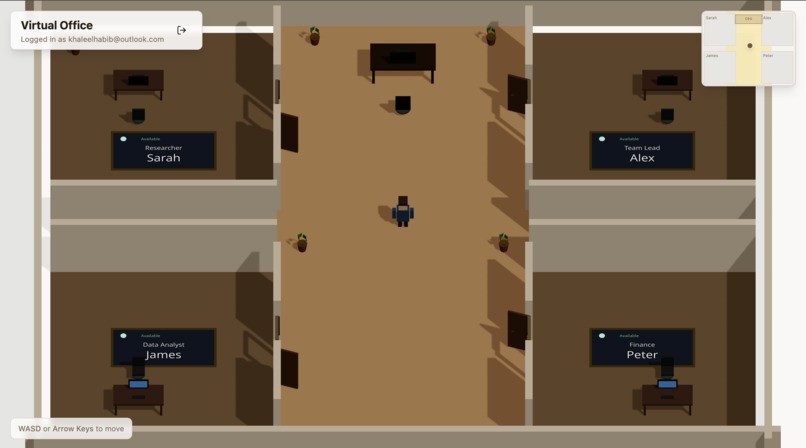
The office interface
-
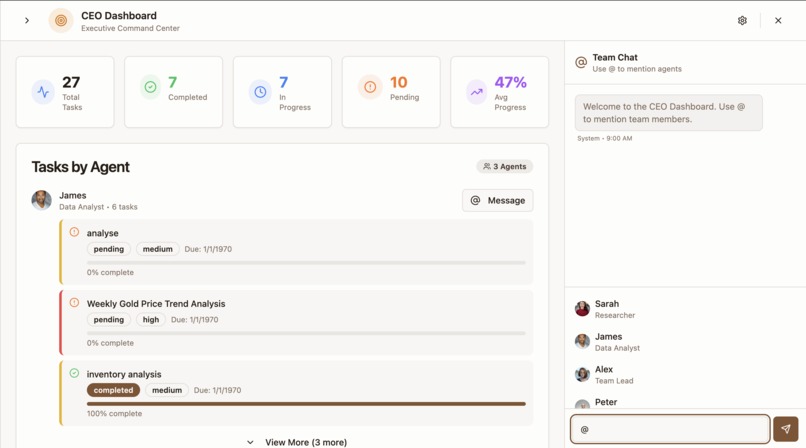
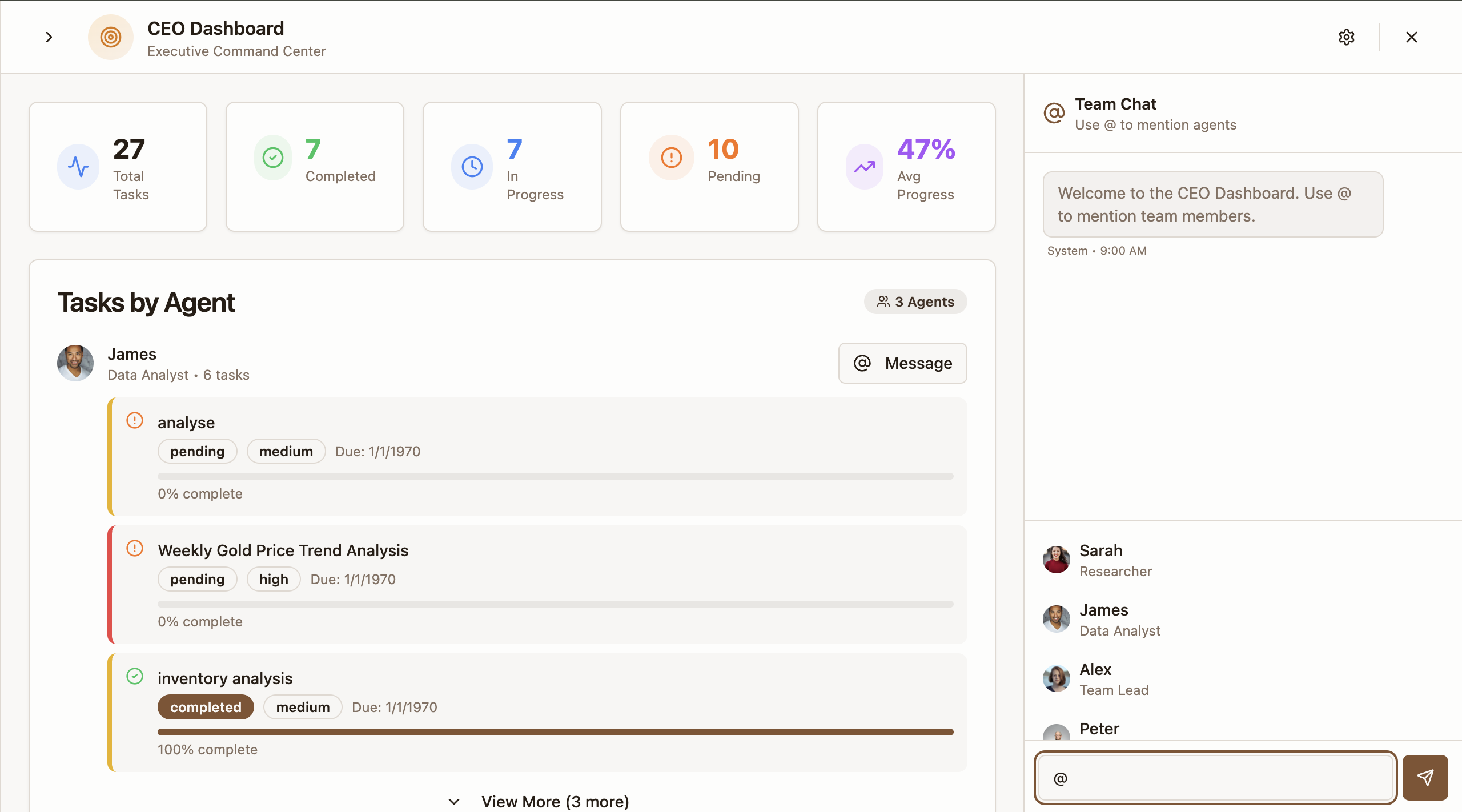
CEO dashboard (command center)
-
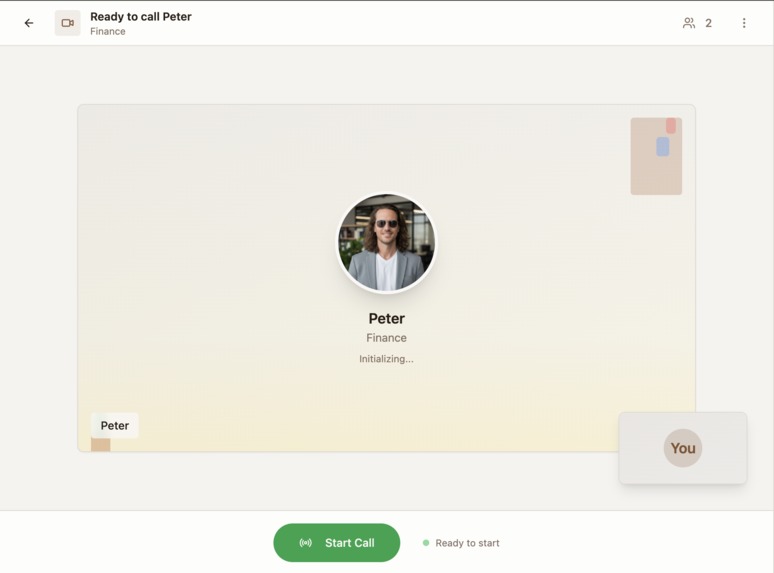
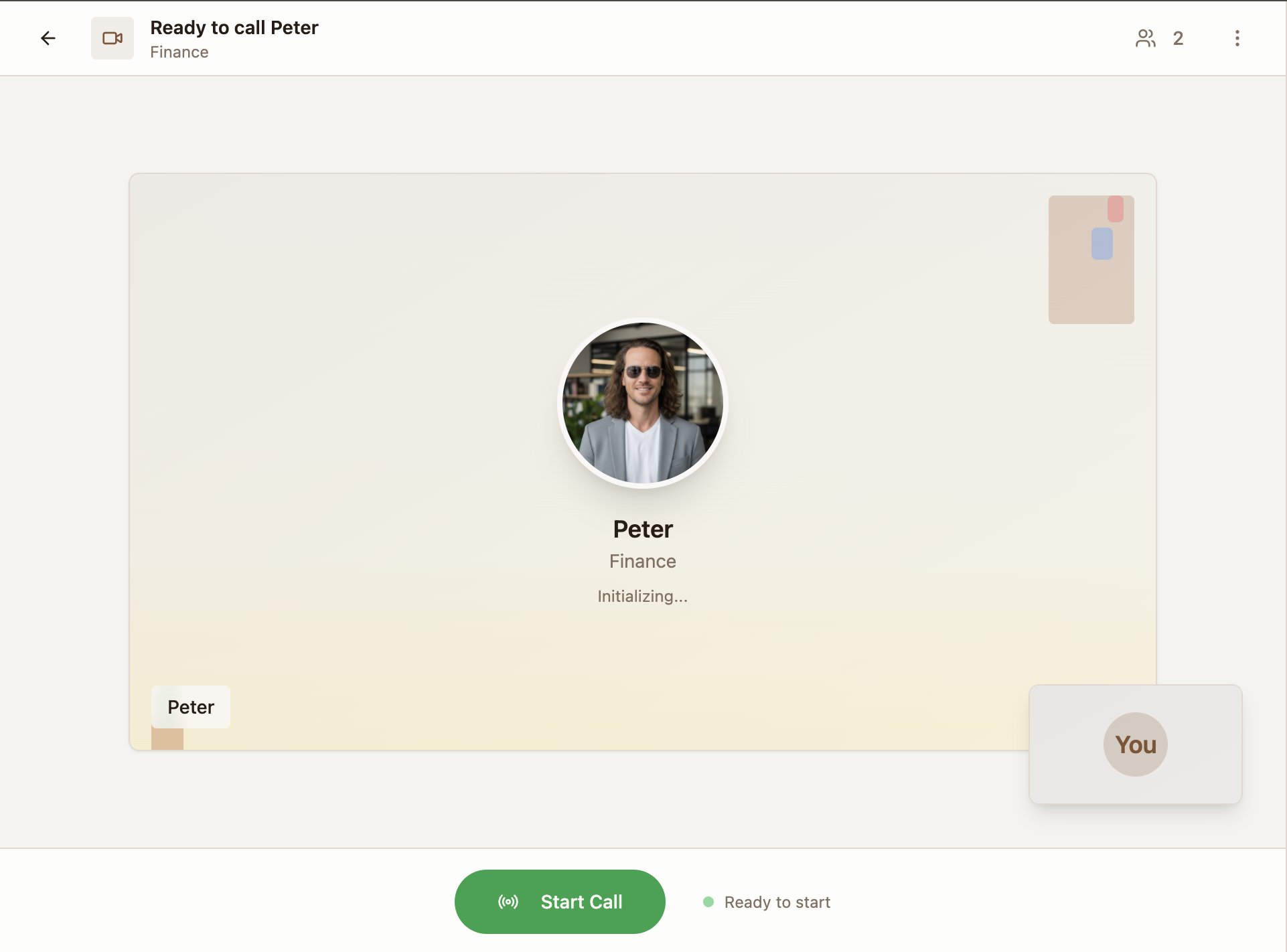
Live voice chat with agent
Inspiration
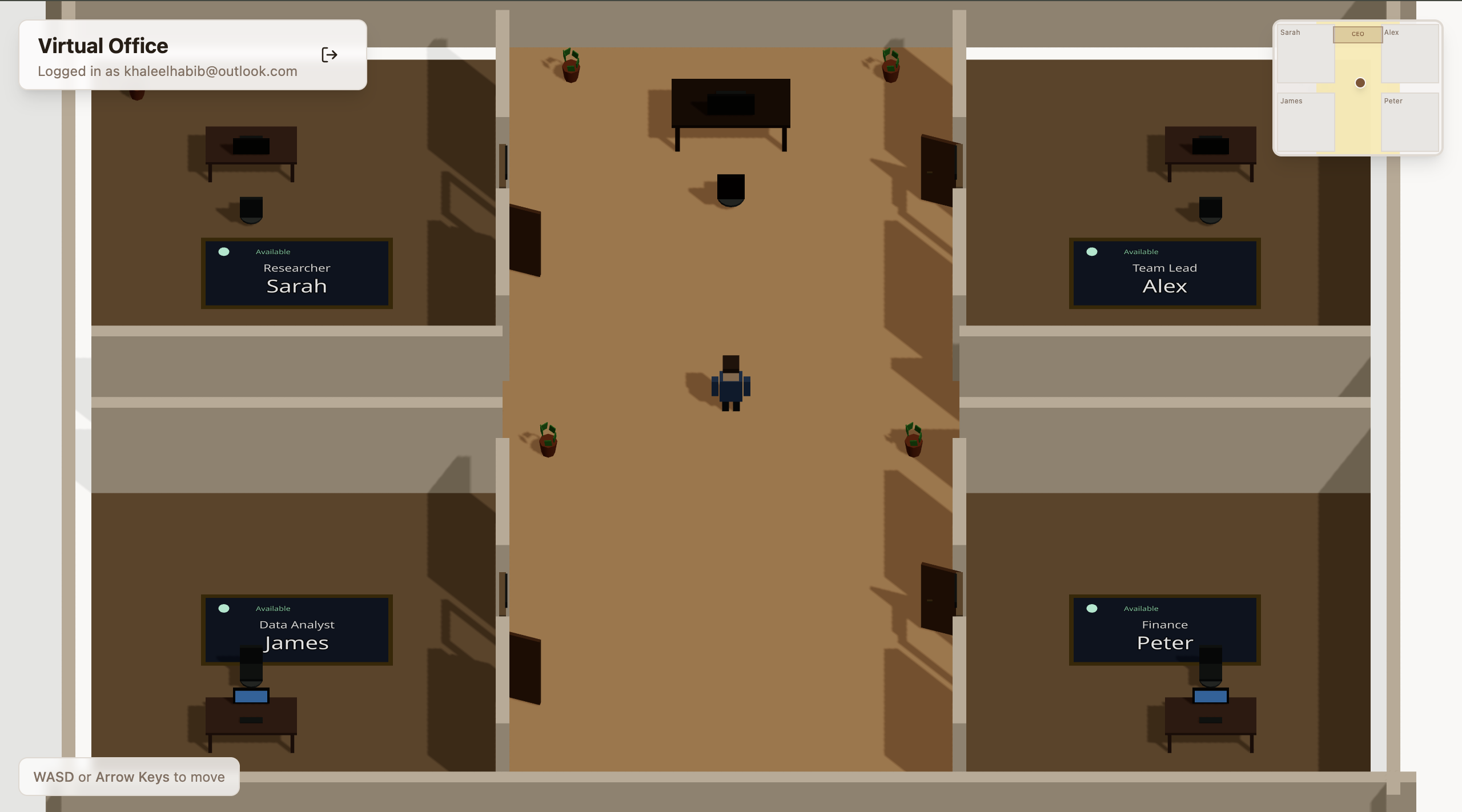
The inspiration behind Topfloor AI came from observing how fragmented modern decision making with ai agents has become. Even with AI tools, ai agents work is still spread across chats, spreadsheets, dashboards, and documents, making it hard to get clear, confident answers. I wanted to explore a different interaction model, one where AI behaves less like a single assistant and more like a coordinated team inside a real company. The idea of a virtual office felt like a natural way to represent this, with each AI agent occupying a specific role and responsibility.
What it does
Topfloor AI is a virtual AI-powered office where the user acts as the CEO and interacts with a team of specialized AI agents. Each agent represents a real company role, including a Researcher, Data Analyst, Finance Expert, and Team Lead. Aside isolated responses, agents collaborate with each other to analyze data, synthesize information, and support better decision-making. The system maintains session memory, allowing conversations, assumptions, and datasets to persist over time, making interactions feel continuous and realistic.
How we built it
The system is built using a Python FastAPI backend and a 3D office interface on the frontend built with React and Three JS. Gemini 3 powers the intelligence layer through a multi-agent architecture, where each agent uses Gemini’s advanced reasoning, long context understanding, and tool-calling capabilities. Gemini enables agents to collaborate, share context, and produce structured outputs rather than simple chat responses. Session memory is used to preserve state across interactions, while tool-based execution allows agents to analyze user-provided data and generate actionable insights.
Challenges we ran into
One of the main challenges was scope management under tight time constraints. Building a system with multiple intelligent agents can quickly become complex, especially when integrating external tools and services. To stay focused, I intentionally avoided heavy integrations and instead prioritized a clean, reliable core experience. Designing clear boundaries between agent roles and ensuring consistent collaboration without overlap was also a key challenge.
Accomplishments that we're proud of
I’m proud of delivering a working multi-agent system that feels cohesive, intuitive, and practical. The collaboration between agents mirrors real organizational workflows, and the 3D office interface makes the experience engaging without sacrificing clarity. Most importantly, the project demonstrates how Gemini 3 can be used to power coordinated AI systems rather than standalone chatbots.
What we learned
This project highlighted the importance of clear role definition in multi-agent systems. Gemini 3’s reasoning and memory capabilities are most powerful when agents are narrowly scoped and designed to collaborate. I also learned that reducing scope strategically can lead to a more polished and convincing product, especially in a hackathon setting.
What's next for Topfloor AI
Next, Topfloor AI can evolve to support user-defined agents, deeper tool integrations, and richer organizational workflows. Future versions could include secure connections to external services, customizable agent roles, and advanced analytics, turning Topfloor AI into a full decision-intelligence platform for teams and organizations.
Built With
- adk
- celery
- chroma
- fastapi
- gemini
- pandas
- postgresql
- python
- react
- redis
- three.js
- typescript
- yfinance


Log in or sign up for Devpost to join the conversation.