-
-
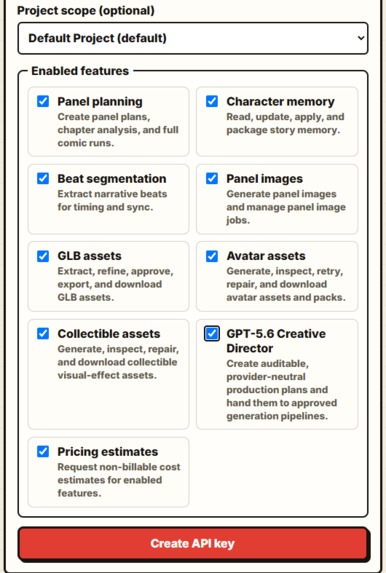
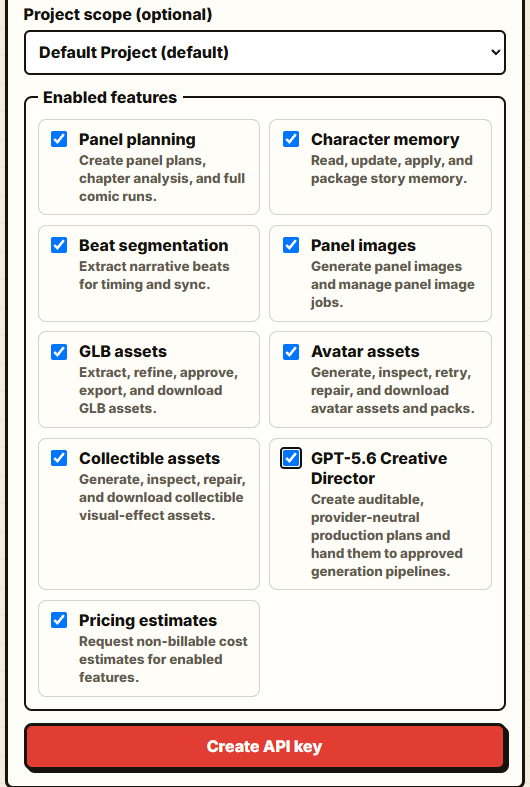
API pipelines
-
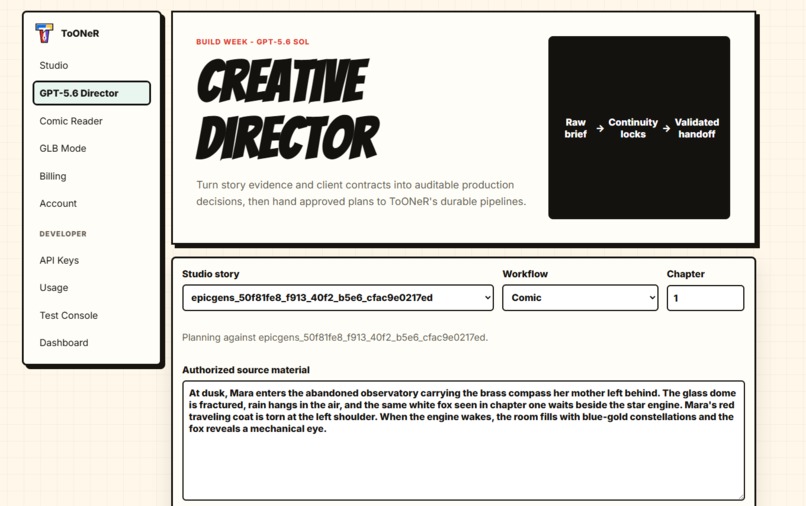
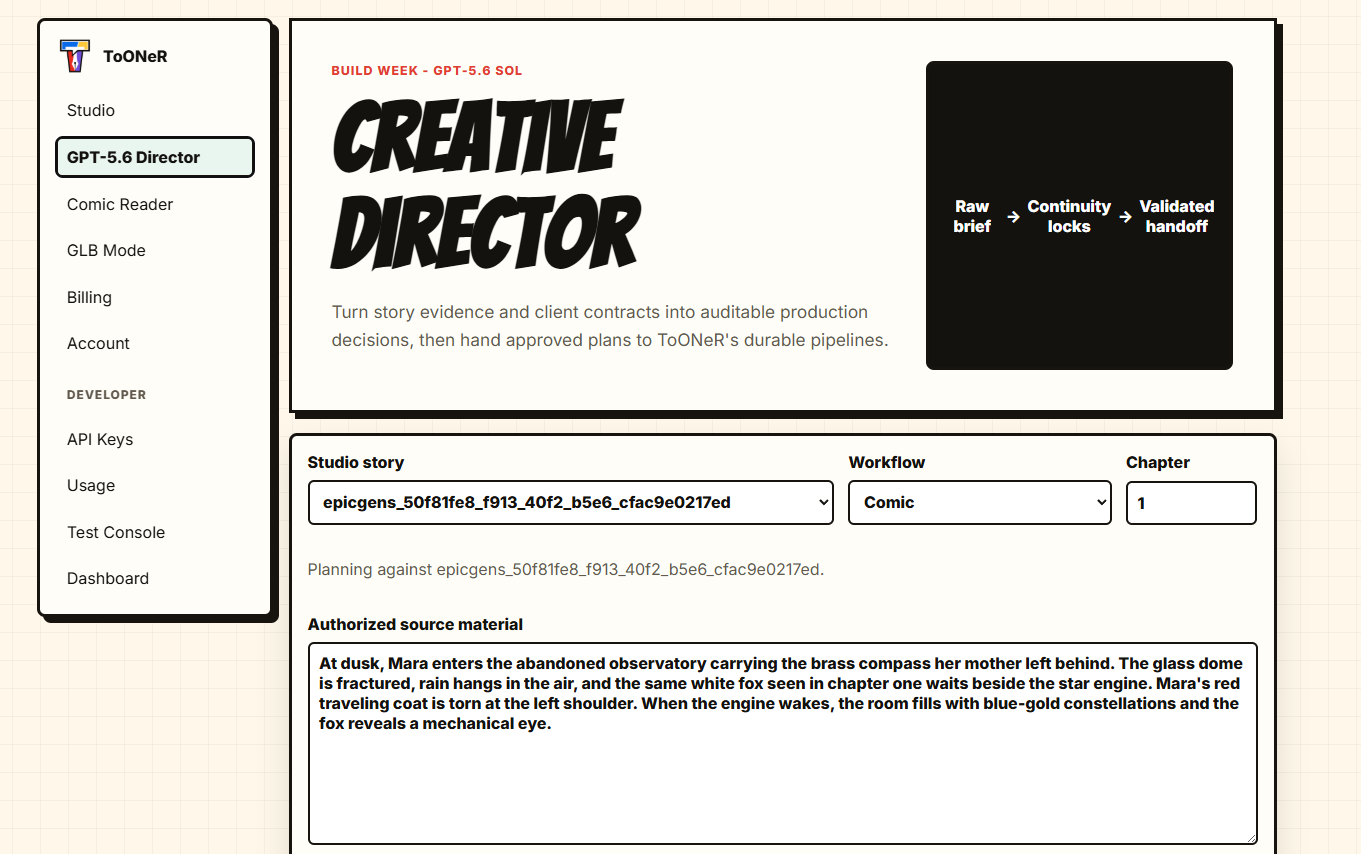
GPT 5.6 director view
-
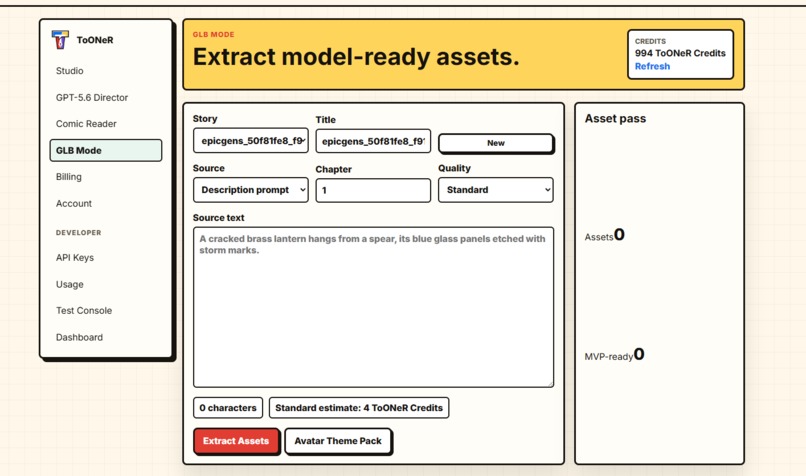
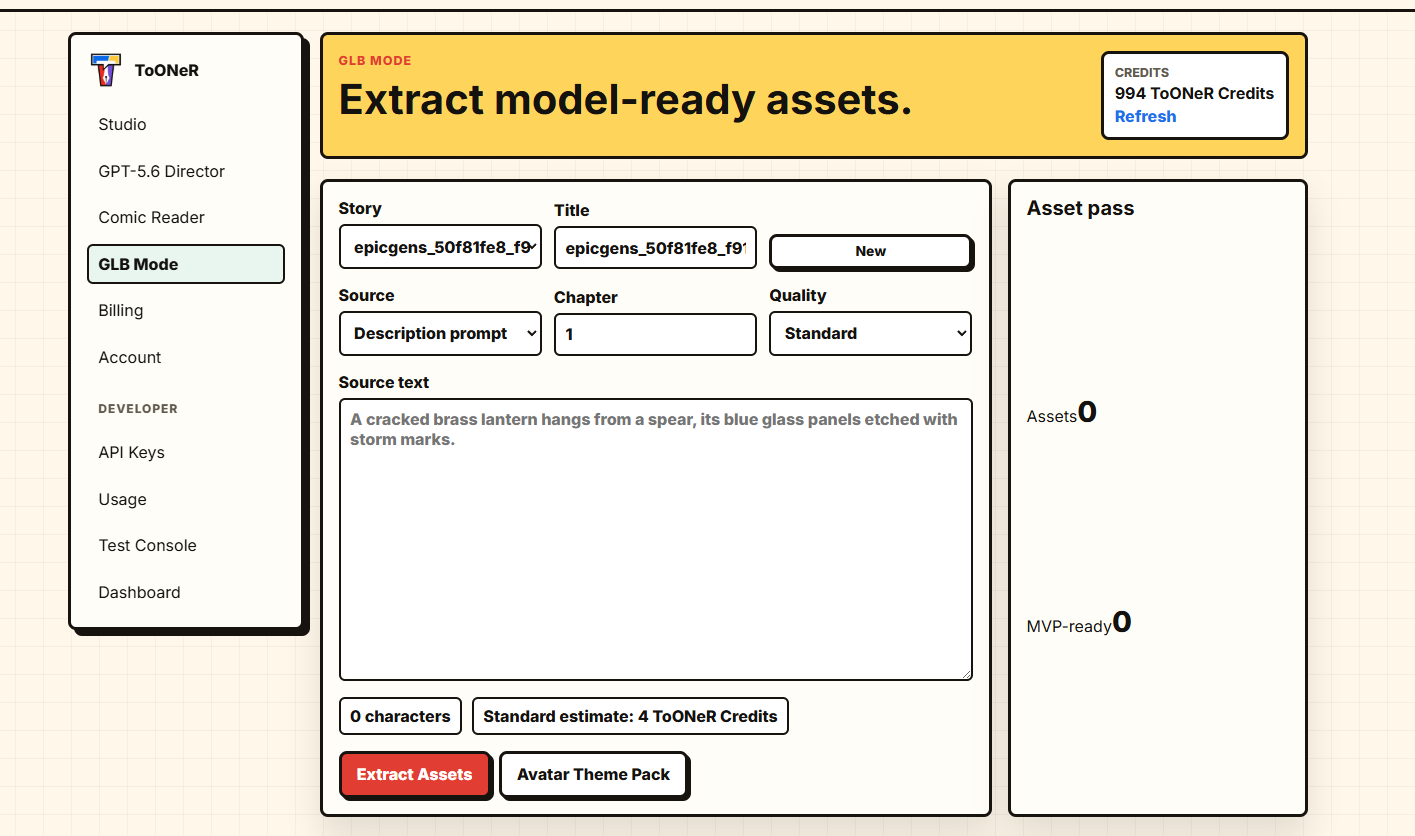
GLB mode for game assets
-
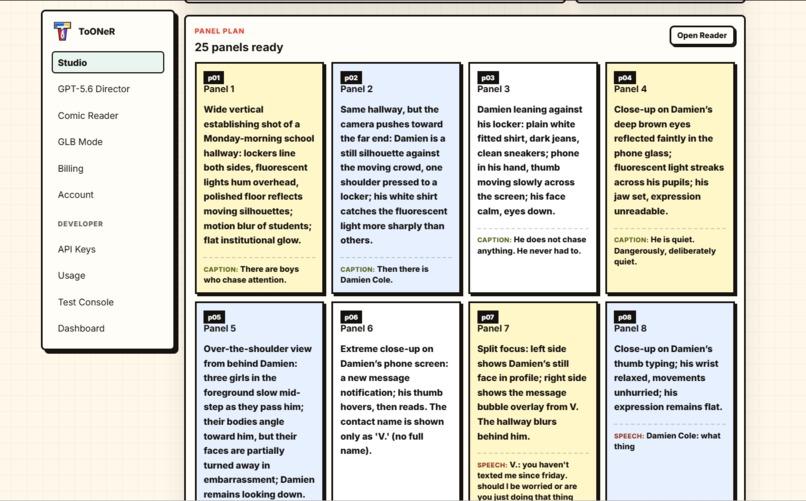
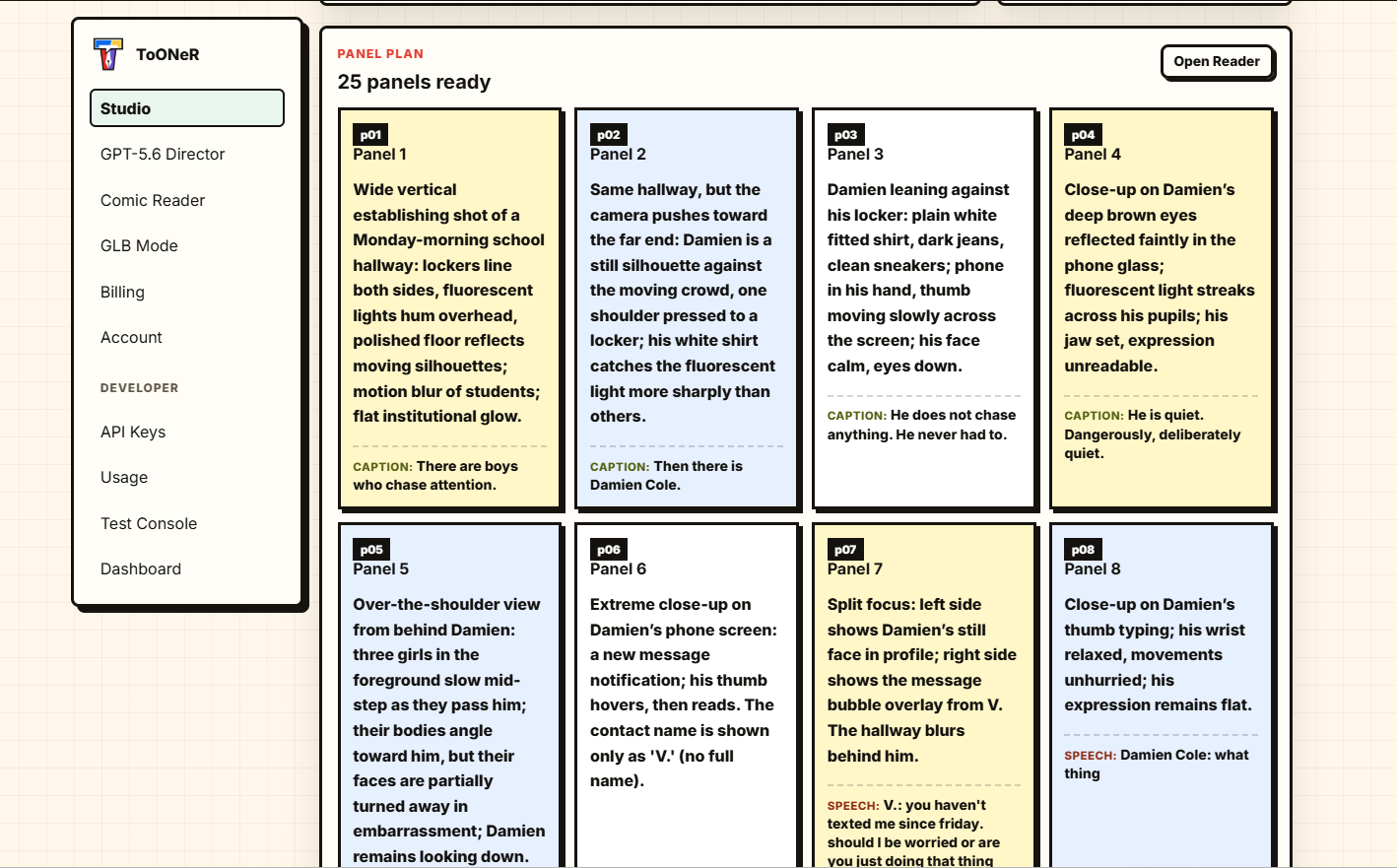
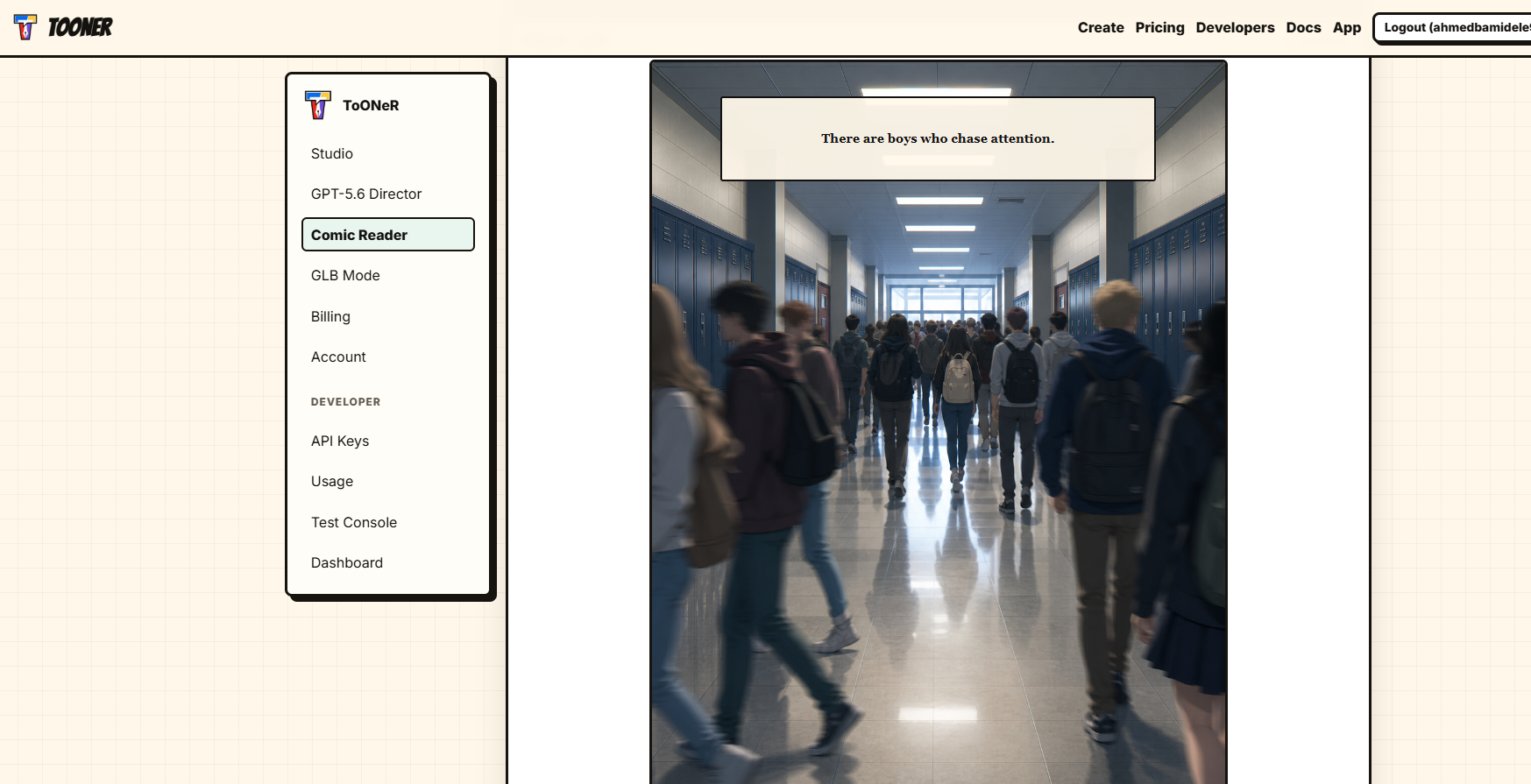
panelized chapter produced by GPT 5.6 director
-
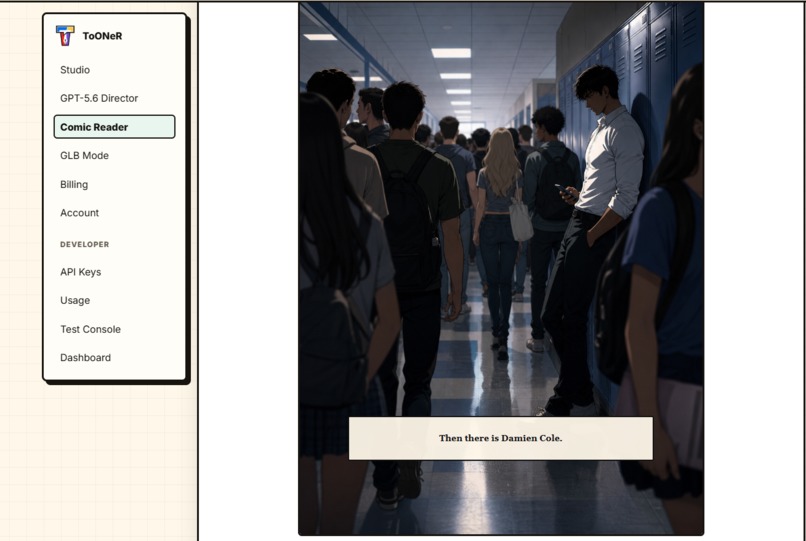
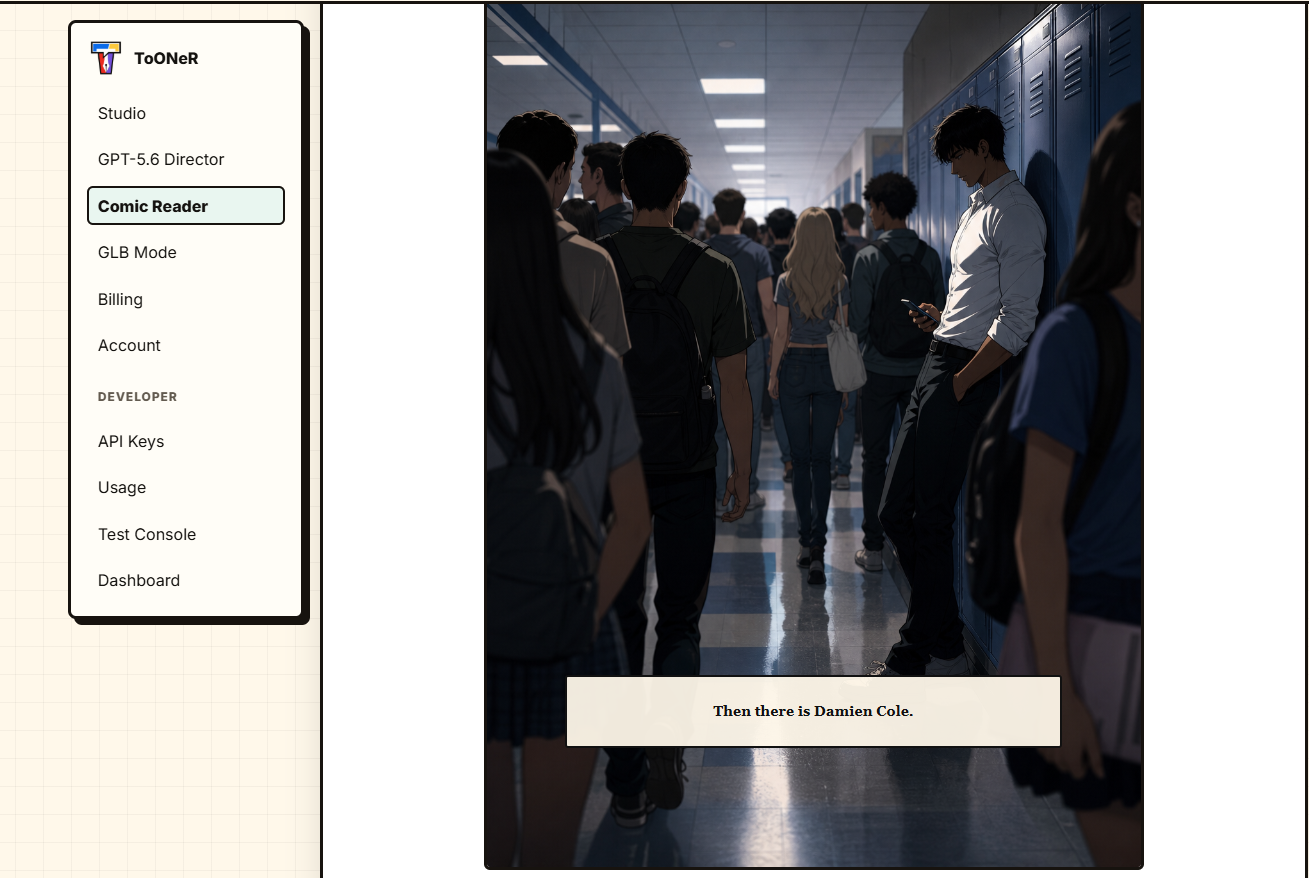
sample
-
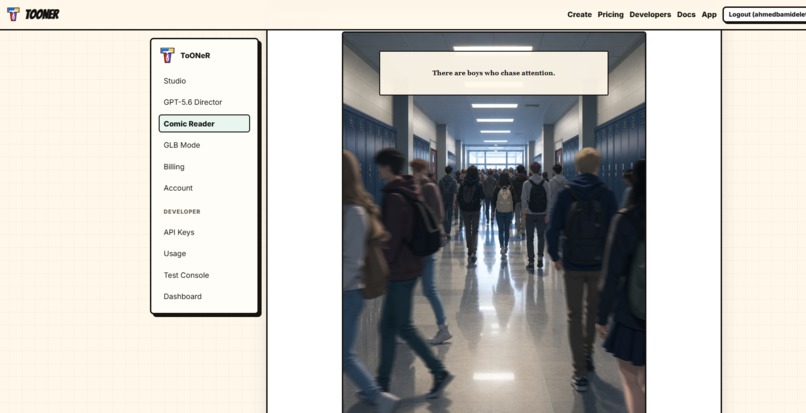
sample [ulled from a chapter in an EpicX novel
-
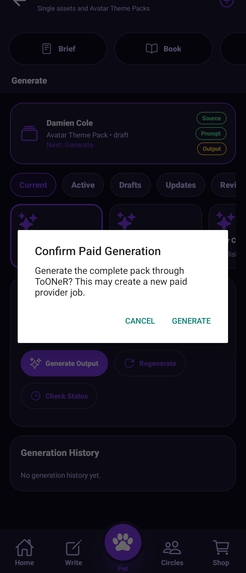
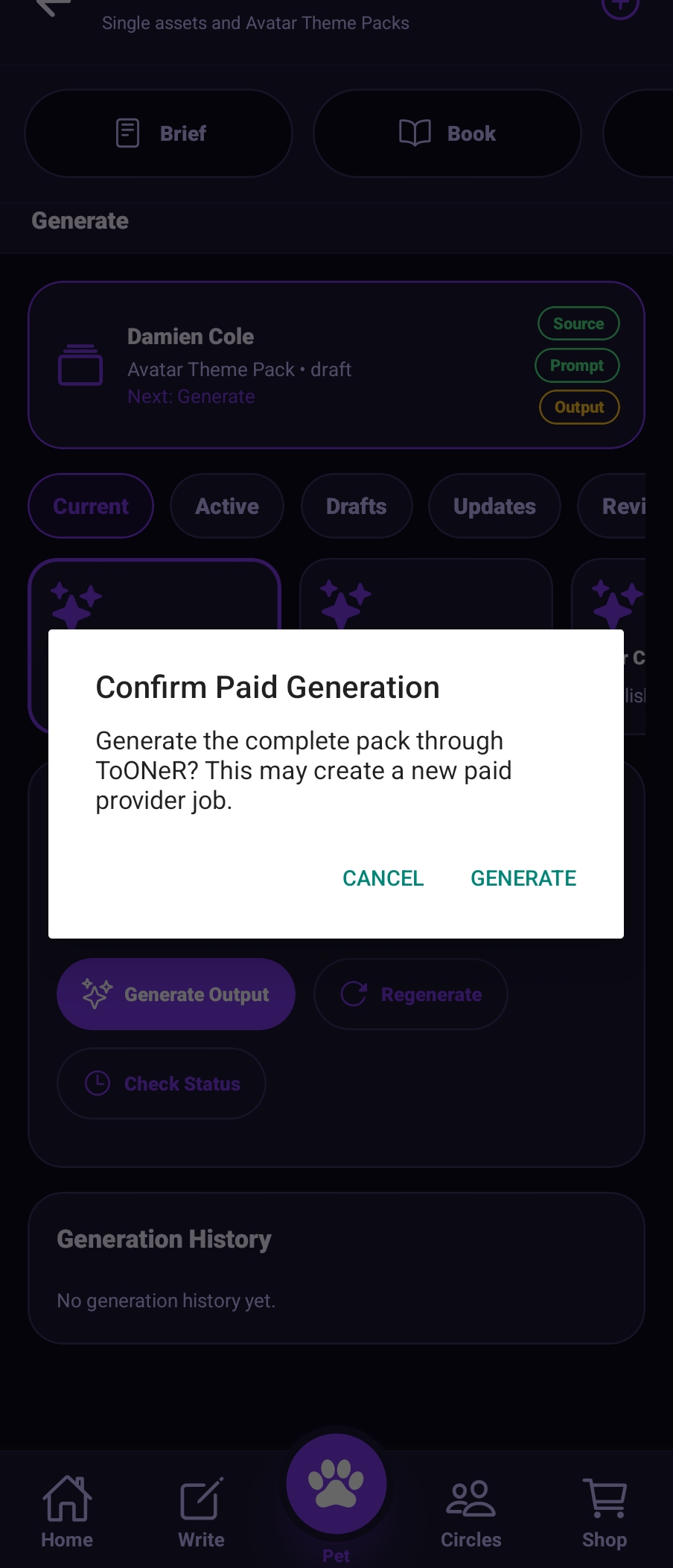
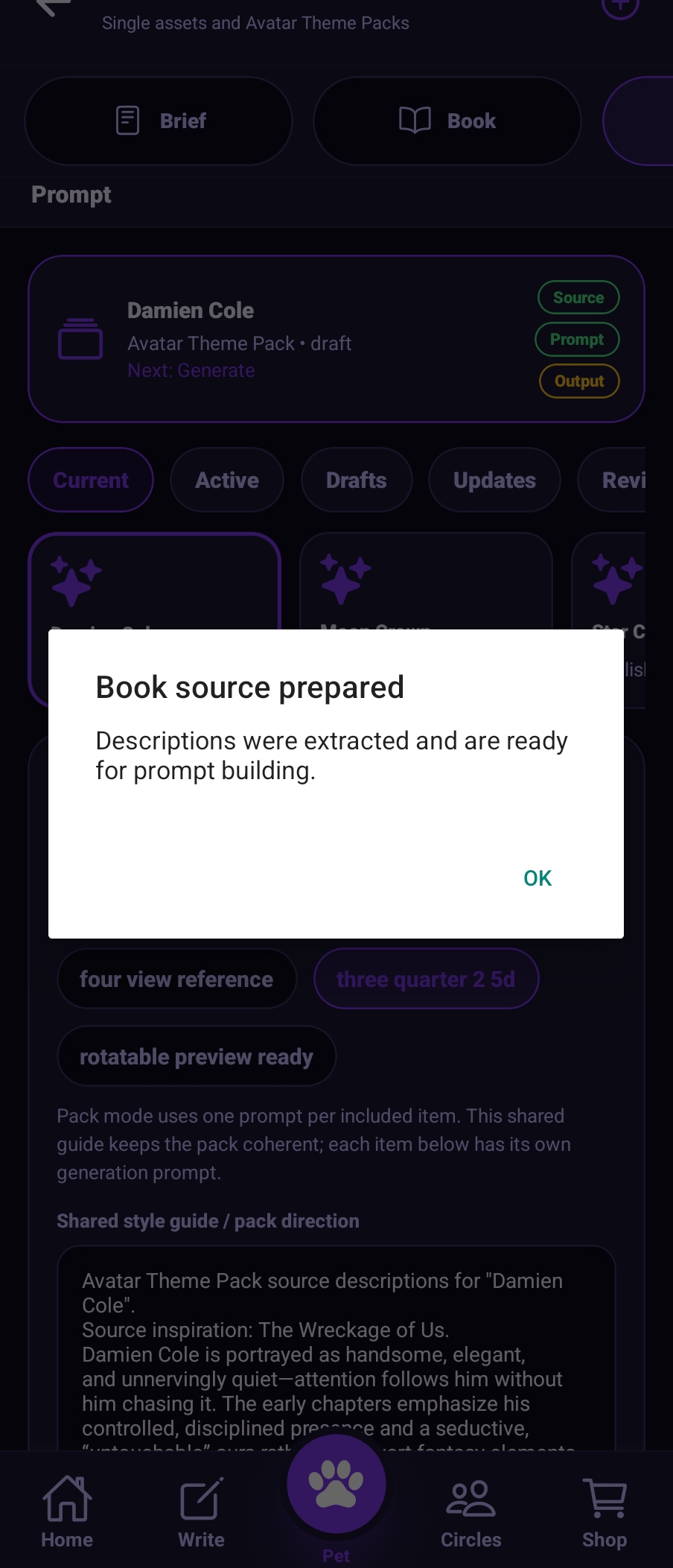
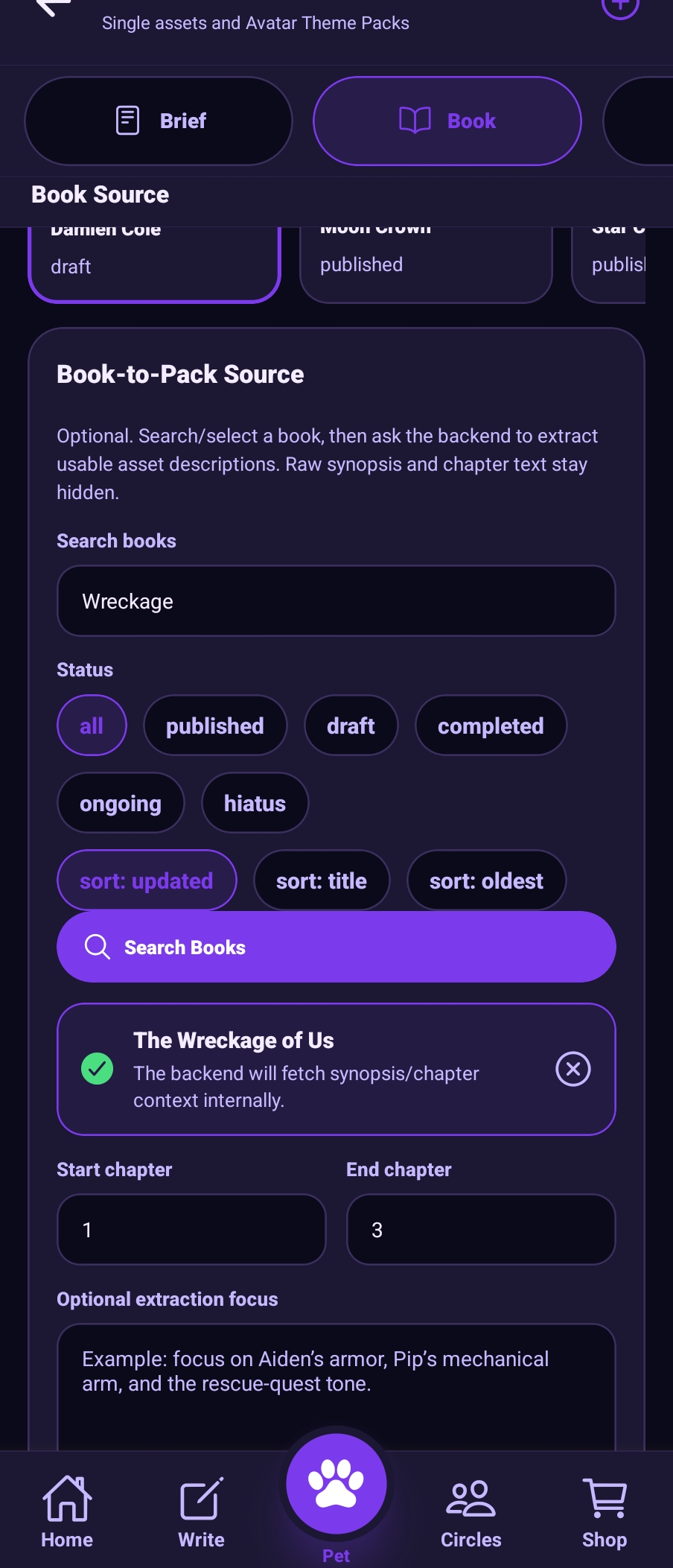
Avatar generation process in EpicX
-
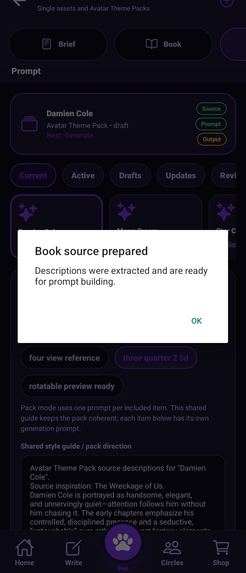
Avatar generation process in EpicX
-
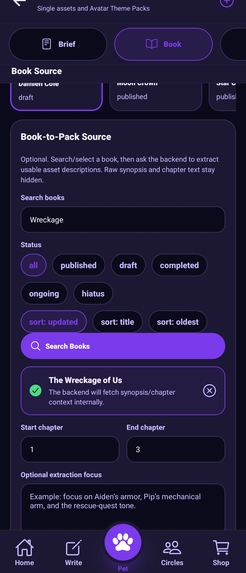
Avatar generation process in EpicX
-
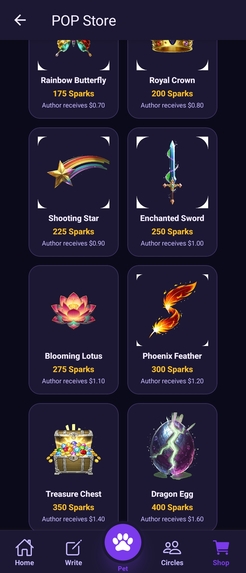
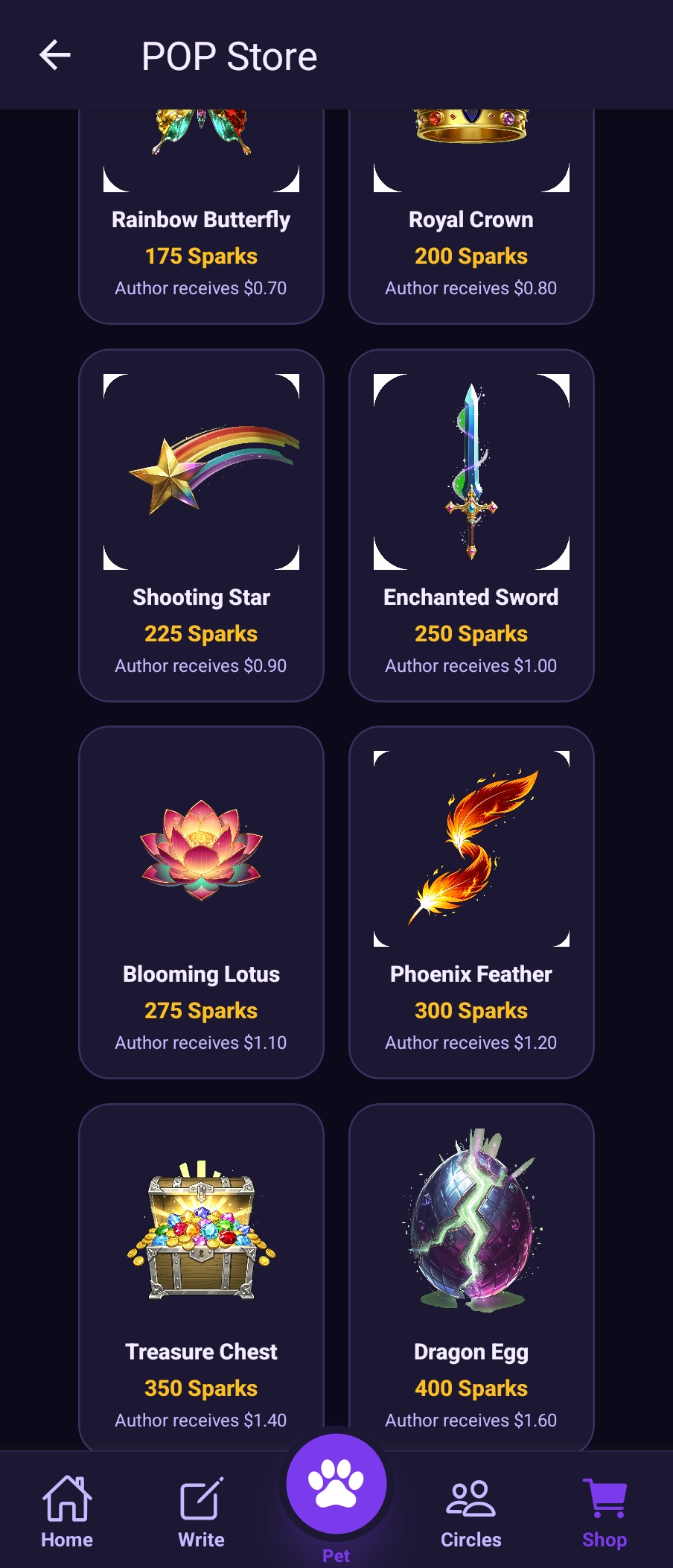
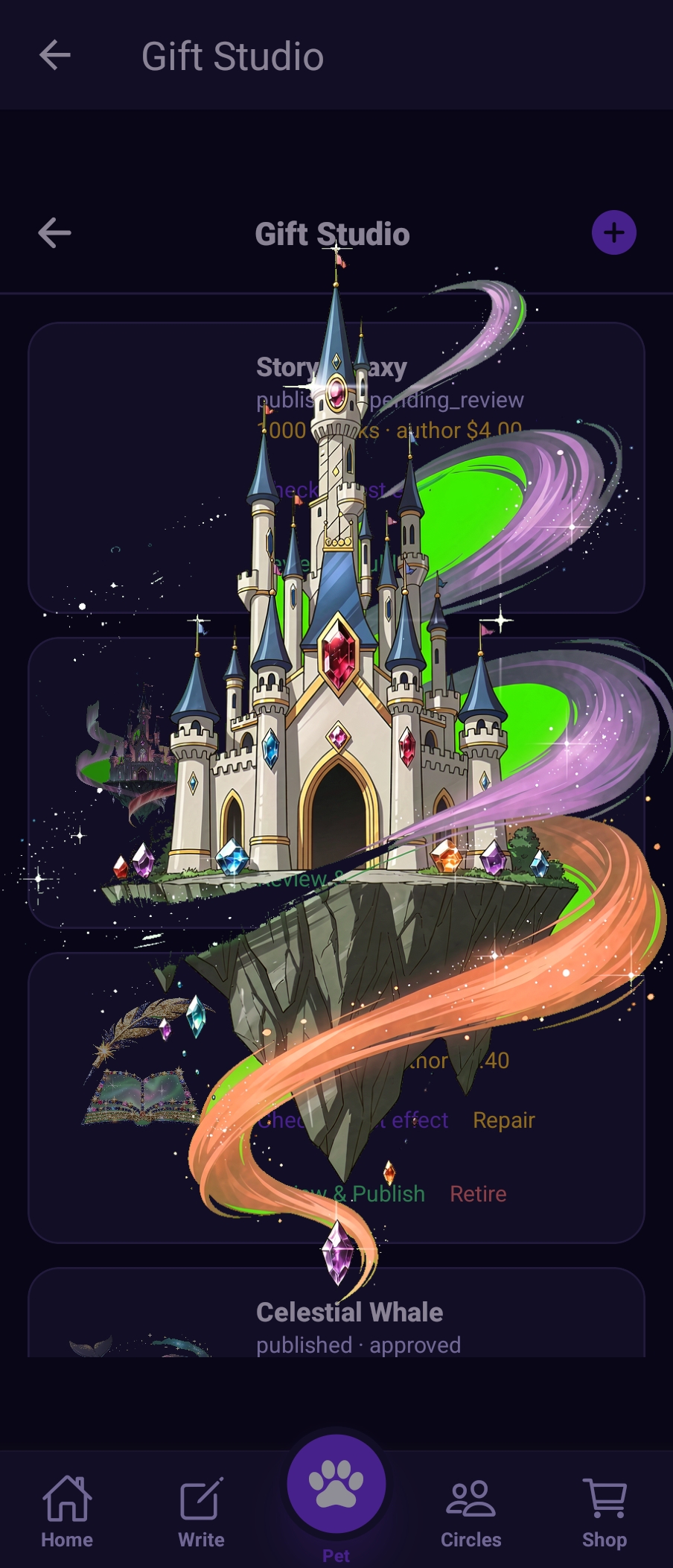
gifting assets produced by ToONeR in EpicX
-
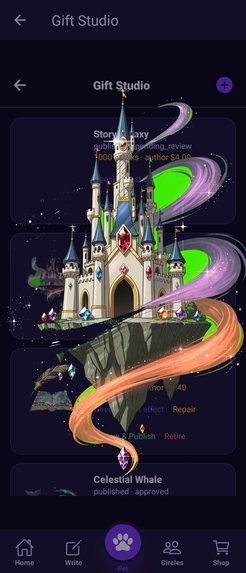
bol view of gifting asset
Inspiration
ToONeR started from a problem I kept running into while building EpicX.
Generating one impressive image with AI is easy. Building a complete comic, avatar collection, or visual asset pack that stays consistent from beginning to end is much harder.
Characters can change appearance. Clothing, props, locations, and visual style can drift. Important references are forgotten between generations. A good result may be produced, but the reasoning behind it often disappears inside a model call.
I wanted a system that could understand the creative direction first, preserve the important decisions, and then carry those decisions safely into production.
That became ToONeR: a developer platform for turning stories and asset briefs into durable, reviewable creative-production workflows.
What it does
ToONeR helps developers and creative platforms produce comics, avatar assets, and collectible visual effects while preserving continuity, production requirements, and human control.
During Build Week, I added the GPT-5.6 Creative Director.
Before expensive image generation begins, the Creative Director receives:
- The source story or asset brief.
- Existing continuity information.
- Visual style requirements.
- The intended audience.
- Safety constraints.
- The available budget.
- The client application's render contract.
- Output and validation requirements.
GPT-5.6 then produces a structured production plan instead of a loose prompt.
The plan identifies important characters, creatures, locations, props, and world rules. It locks the details that must remain consistent, connects those decisions to evidence from the source, ranks relevant references, and divides the work into clear production units.
For comics, those units may be scenes and panels.
For avatar production, they may be bodies, faces, clothing, accessories, companions, backgrounds, or effects.
Each unit can include camera direction, composition, lighting, palette, motion, rig requirements, validation rules, and repair limits.
The plan remains visible, versioned, and reviewable before it is handed into ToONeR's generation pipelines.
How we built it
ToONeR already had working comic, avatar, and asset-generation workflows before Build Week.
The Build Week extension introduced a separate GPT-5.6 Creative Director workflow using the OpenAI Responses API with strict structured output.
Each Creative Director request is stored as a durable job with:
- Its input and request hash.
- The selected model.
- Progress and heartbeat information.
- Usage and estimated cost.
- Warnings and validation results.
- The final production-plan version.
- The identity of any downstream generation job.
Identical requests are idempotent, which prevents duplicate paid work. When the source material or production requirements change, ToONeR creates a new version instead of silently replacing the old plan.
Approved plans can be handed into the existing comic, avatar, or collectible pipelines. The handoff preserves the Creative Director run, continuity requirements, validation rules, billing history, and downstream job identity.
Generation never automatically publishes work. Human review remains required.
Codex was my main development partner throughout the project. I used it to inspect the existing architecture, implement the GPT-5.6 workflow, extend the three production handoff paths, build database migrations, create schema and integration tests, prepare the judge sandbox, improve the documentation, and verify the deployed system.
I made the main product and architecture decisions, including durable execution, tenant isolation, client-independent contracts, visible failures, bounded repairs, and mandatory human approval.
Challenges we ran into
One major challenge was adding a new production-planning layer without breaking ToONeR's existing workflows.
The Creative Director could not simply generate a large block of text. Its output had to be strict enough for software to validate and execute, but flexible enough to support very different production types such as comic panels, layered avatars, and collectible effects.
Another challenge was continuity. We needed to preserve evidence from the source, existing visual references, client-rendering requirements, and previous production decisions without allowing the plan to become contradictory or too large to use.
Durability was also difficult. Creative jobs may involve model calls, provider requests, file processing, billing, and human review. A restart or temporary network failure could not be allowed to erase progress or create duplicate charges.
The biggest practical challenge for me was the cost of using Codex intensively. I used Codex as my primary building environment across both the ToONeR and EpicX repositories, and sustained development, testing, debugging, and documentation became expensive.
That forced me to work more deliberately. I kept tasks focused, reused the same development context where it improved integration, tested important stages before moving forward, and avoided asking Codex to repeatedly redo work that could be verified directly.
The cost was a real constraint, but Codex still allowed me to complete a level of architecture review, implementation, testing, and integration that would have taken me much longer alone.
Accomplishments that we're proud of
I am especially proud that the Creative Director is not just another prompt generator.
It produces a validated production contract that can control real downstream work.
During Build Week, I completed:
- A dedicated GPT-5.6 Creative Director workflow.
- Strict structured production plans.
- Evidence-backed continuity locks.
- Durable jobs with retries, heartbeats, usage, cost, and idempotency.
- Comic, avatar, and collectible production handoffs.
- Human-review and publication gates.
- Visible warnings and bounded repair policies.
- A Studio interface for inspecting plans and decisions.
- A judge sandbox with prepared examples and a limited live workflow.
- Integration testing through EpicX as a real downstream application.
ToONeR is the submitted developer platform.
EpicX is not a separate submission. It is the production client I used to demonstrate that ToONeR's manifests, assets, continuity rules, and approval gates can work inside a real consumer application.
What we learned
The biggest lesson was that reliable creative AI requires more than a powerful generation model.
The dificult part is preserving intent between stages.
A model may understand a story, another provider may create an image, and a client application may render the result, but the production system must keep all of those stages connected.
I also learned that structured output becomes much more valuable when it is treated as a persistent product artifact instead of a temporary model response.
The Creative Director plan can be reviewed, versioned, compared, validated, and reused. That makes it useful to developers, artists, reviewers, and downstream applications.
I also learned that human approval should not be added as an afterthought. It needs to be part of the workflow contract from the beginning.
What's next for ToONeR
The next step is to expand the Creative Director into a shared production layer across all ToONeR workflows.
Planned improvements include:
- More detailed visual-reference ranking.
- Better comparison between production-plan versions.
- Additional client render contracts.
- Expanded avatar and game-asset workflows.
- Stronger budget forecasting before generation.
- More automated validation without removing human approval.
- Collaboration tools for teams reviewing the same production plan.
- Broader API access for approved third-party applications.
The long-term goal is for ToONeR to become a dependable creative-production engine that developers can use behind their own applications, games and related works.
GPT-5.6 provides the creative reasoning and structured planning.
ToONeR preserves those decisions and carries them safely into production.
Built With
- codex
- express.js
- flux
- gpt-5.6
- openai-responses-api
- postgresql
- react
- sequelize
- typescript
- vite


Log in or sign up for Devpost to join the conversation.