-
-
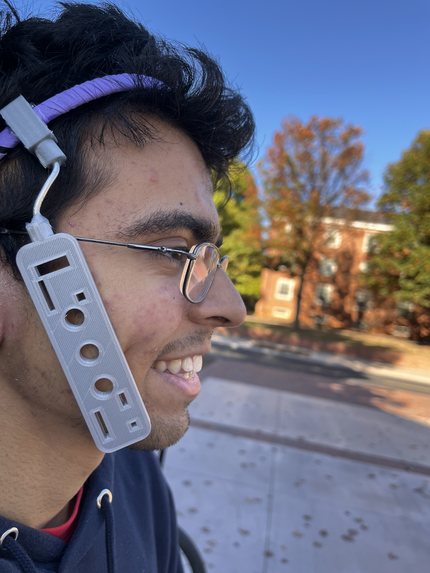
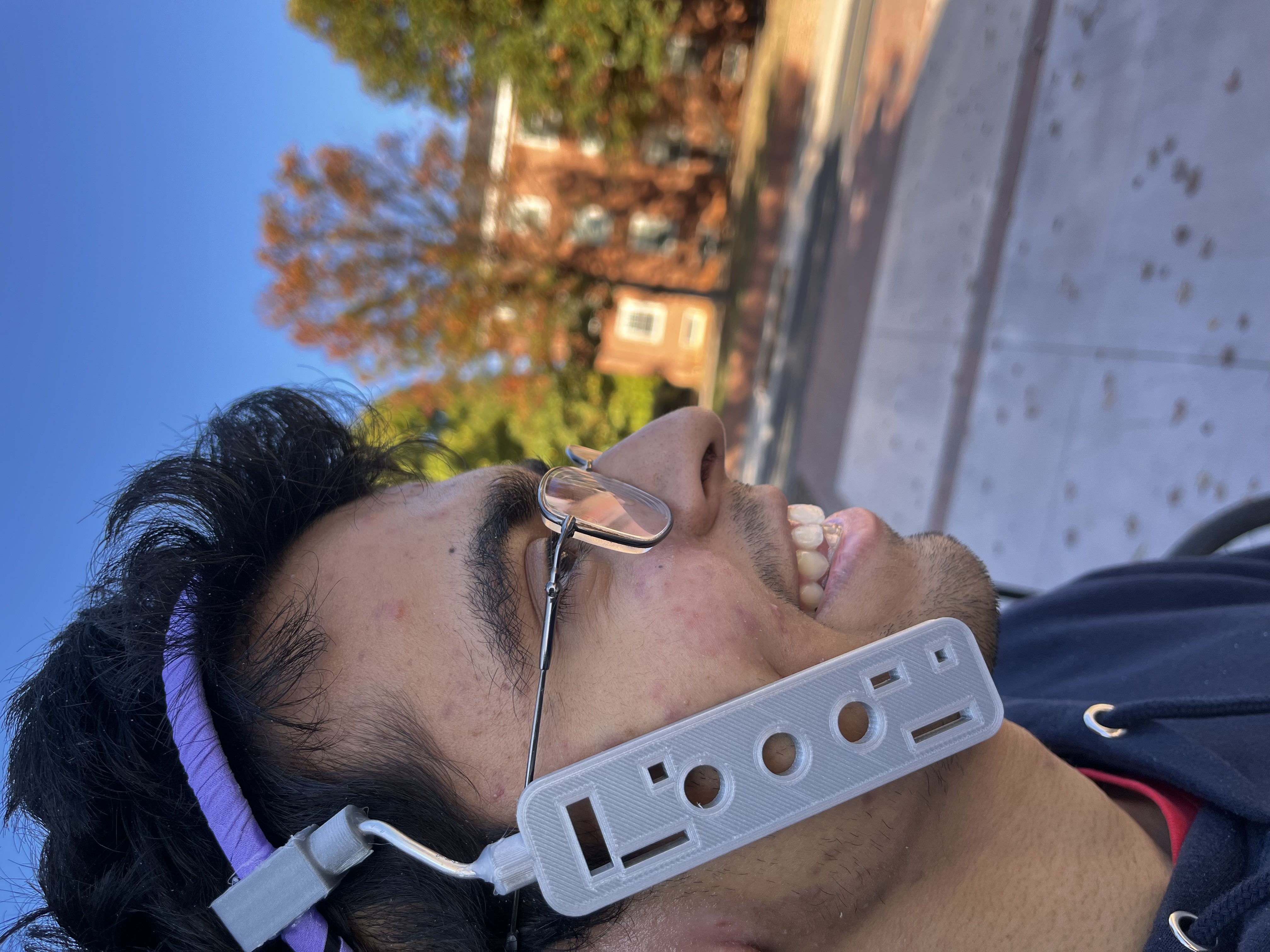
Head mount attachment
-
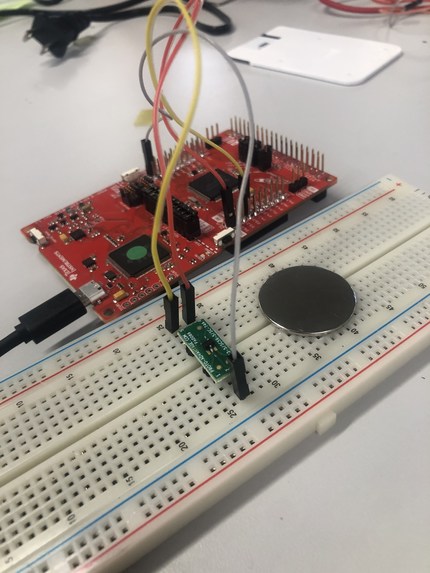
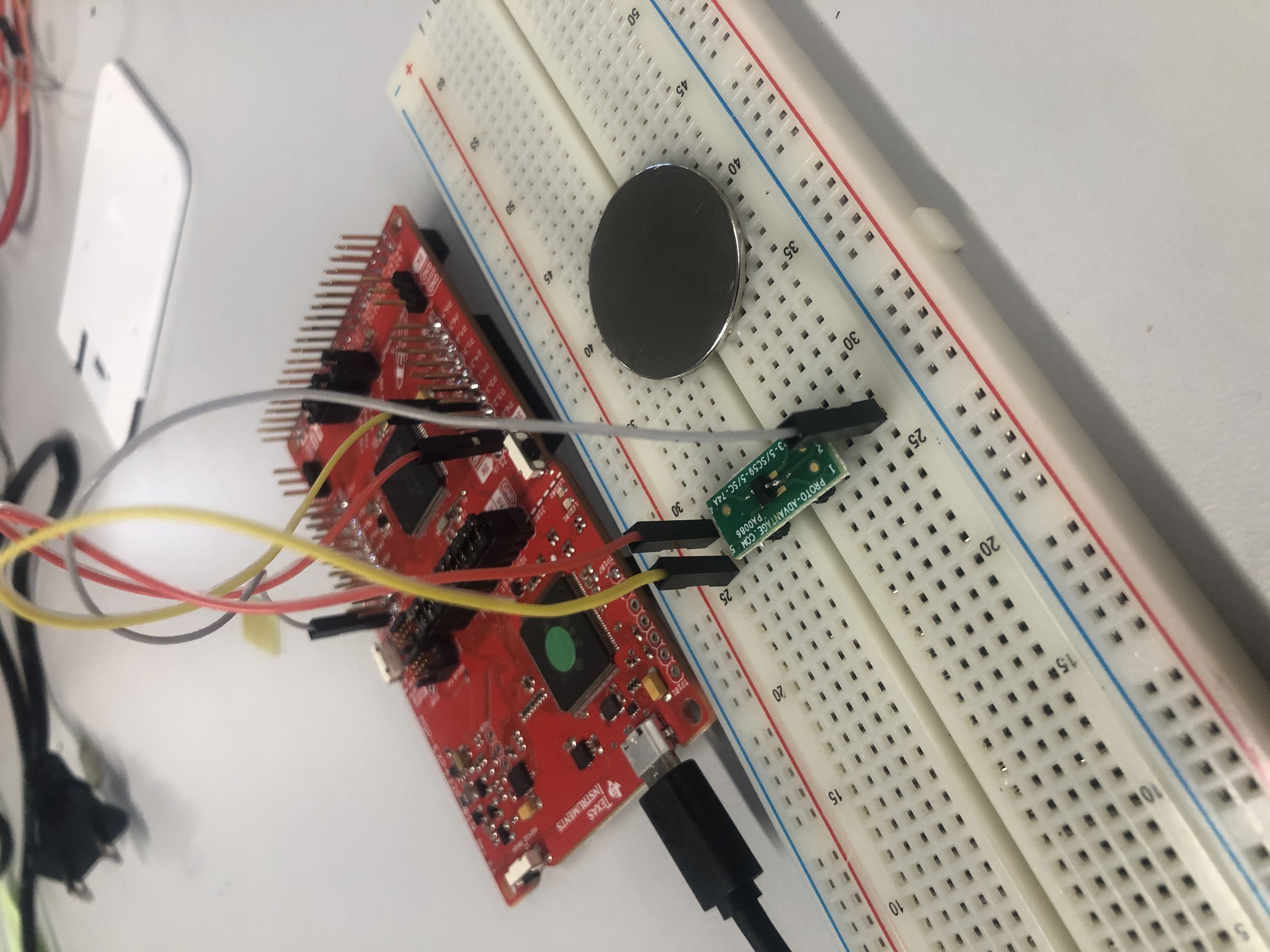
Sensor setup
-
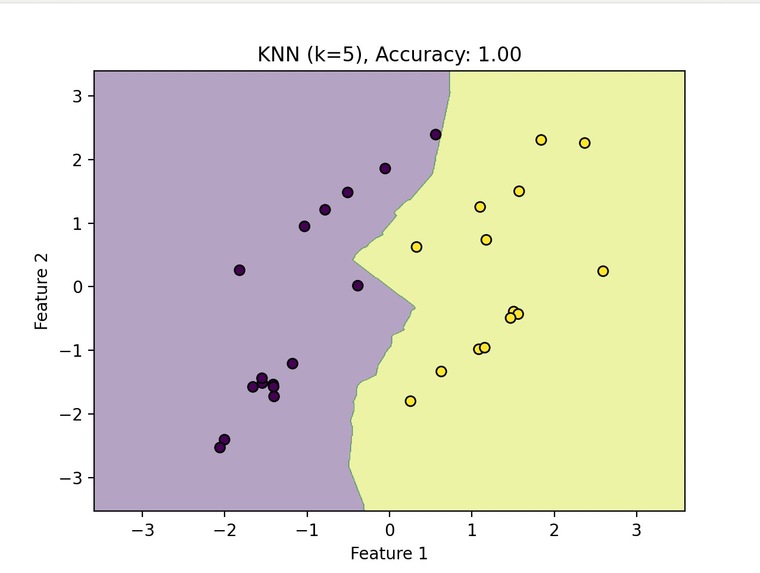
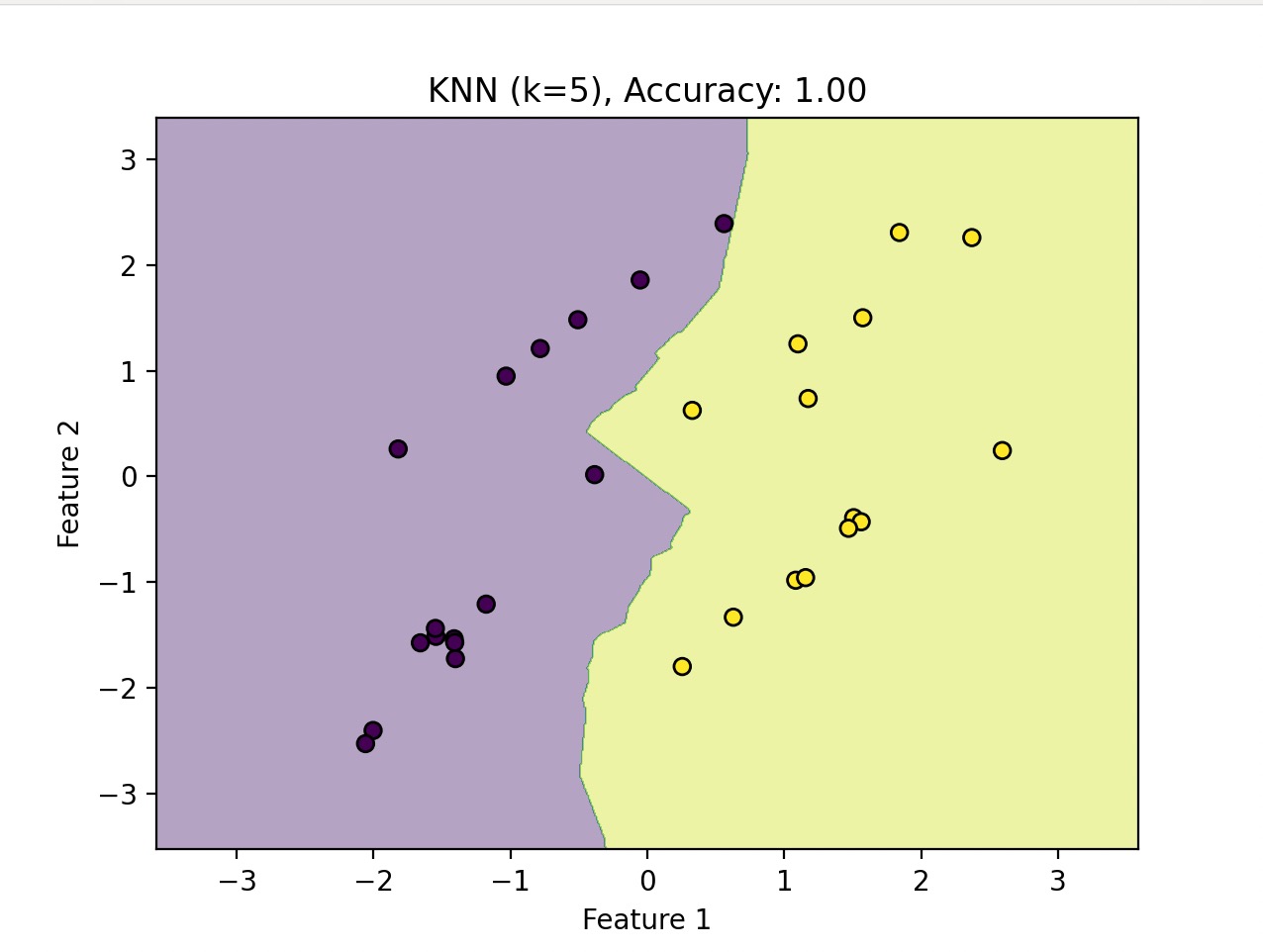
KNN Algorithm
-
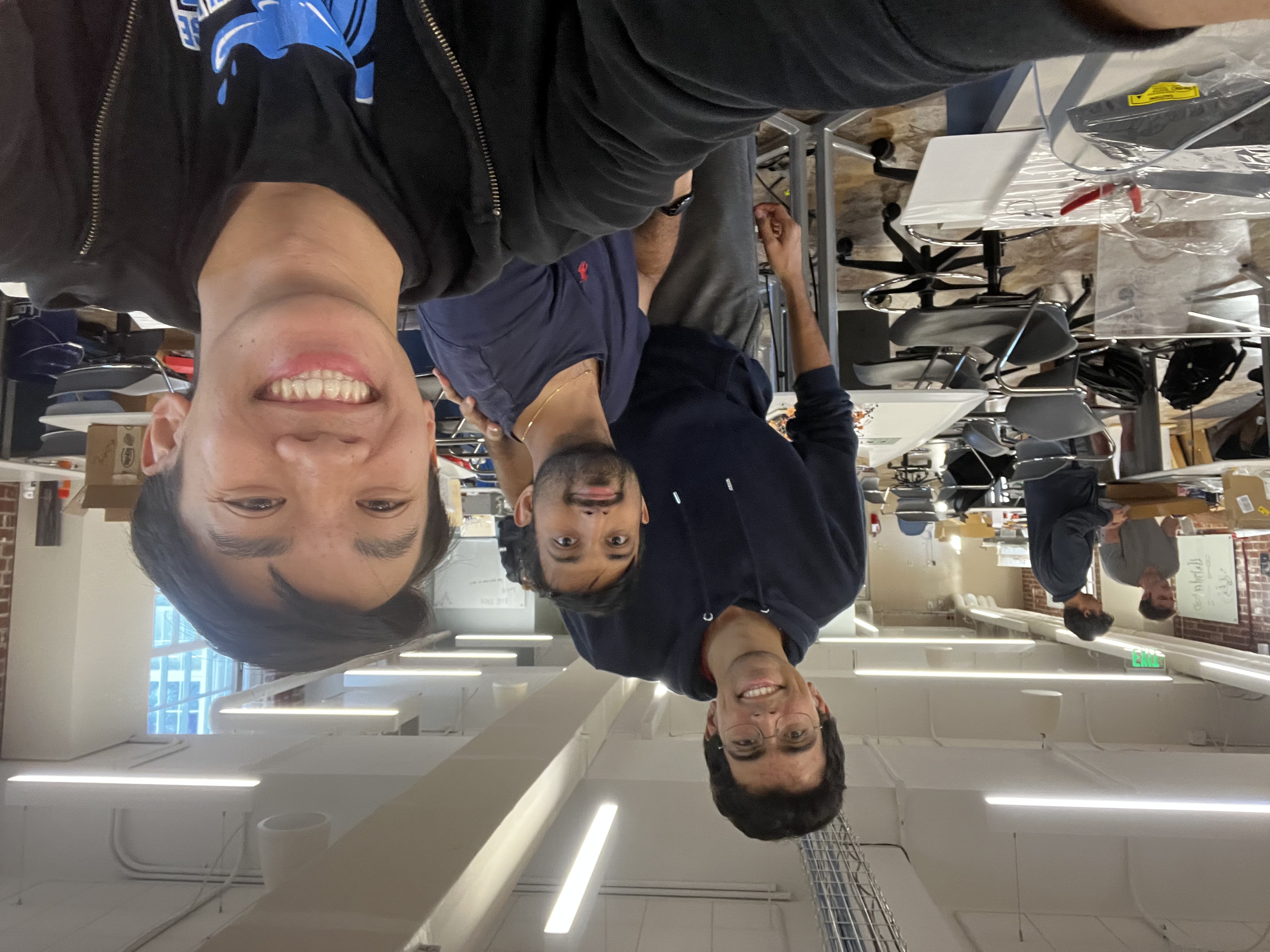
Group photo!
Inspiration
For individuals with quadriplegia or similar conditions, mobility is a significant challenge. Traditional methods of wheelchair control, such as manual movement or joystick operations, might be impractical or impossible. We were inspired to develop a solution that would tap into the capabilities that many of these individuals still retain: the movement of their tongue.
Our Vision
The "Tongue Controlled Wheelchair" project aims to be a groundbreaking initiative that leverages the movement of a person's tongue to operate a motorized wheelchair. By attaching a magnet to the user's tongue and placing a hall effect sensor on a head mount outside the face, we can detect the tongue's position and movement using a k-nearest neighbor algorithm. From there, the MSP432 microcontroller translates these movements into directional commands for the wheelchair, providing an intuitive way for individuals with quadriplegia to navigate their environment.
What we accomplished
We worked on multiple subtasks for the overall tongue wheelchair due to the time constraints the a hackathon. We built a custom headpiece using 3D printed components used to mount the hall effect sensors in optimal positions to detect tongue movement, implemented an Analog-to-Digital-Converter (ADC) which takes in sensor data and converts it into digitally usable data, soldered a hall effect sensor onto a breadboard adapter to be usable by an MSP432 microcontroller, and implemented a k-nearest neighbors algorithm and tested its latency on the microcontroller to ensure that it was fast and responsive enough for real-time wheelchair control.
Challenges we ran into
Calibrating the hall effect sensor to accurately detect the magnet's movement on the tongue, without interference from other metallic objects or electronic devices, was a significant challenge. Additionally, understanding the limited documentation for the MSP432 microcontroller to design the a
Accomplishments that we're proud of
- Determined a 100ms latency for 12 dimensional vector running KNN
- Assembling a Device to mount sensors
- Getting real time data from hall effect sensor using ADC and transmitting to laptop using UART
What we learned
We gained a deeper understanding of the challenges faced by individuals with mobility impairments and the importance of intuitive control systems. The project also provided insights into the capabilities and limitations of the MSP432 microcontroller, especially when running complex algorithms like k-nearest neighbor.
What's next for Tongue Controlled Wheelchair
Lets make this fully functional!
Built With
- c
- msp432-microcontroller
- tmr-analog-sensor


Log in or sign up for Devpost to join the conversation.