
About the Project: Tomorrow's Future
Inspiration
Our inspiration for "Tomorrow's Future" stems from witnessing the ongoing energy crisis in Tunisia, where rising demand, dependency on imported fossil fuels, and inefficiencies in energy production pose significant challenges. As we envision Tunisia before the year 2050, it becomes clear that a sustainable energy solution is crucial to meeting the needs of a growing population while minimizing environmental impact. With advancements in nuclear technology and the power of artificial intelligence, we aimed to create a project that optimizes energy production through a smart, data-driven approach.
What We Learned
Throughout this project, we gained insights into:
- Nuclear Energy: Understanding the principles of nuclear fission and its potential as a clean energy source.
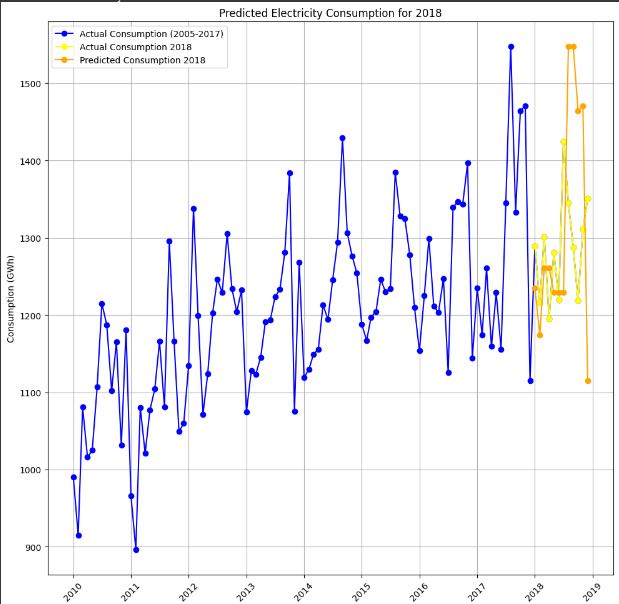
- Artificial Intelligence: Exploring how AI can analyze data, predict energy consumption patterns, and dynamically optimize energy production.
- Sustainability: Recognizing the importance of creating energy solutions that are efficient and environmentally friendly.
Building the Project
In developing "Tomorrow's Future," we focused on several key steps:
- Research and Analysis: We investigated current energy consumption trends in Tunisia, identifying the potential for nuclear energy to address future challenges.
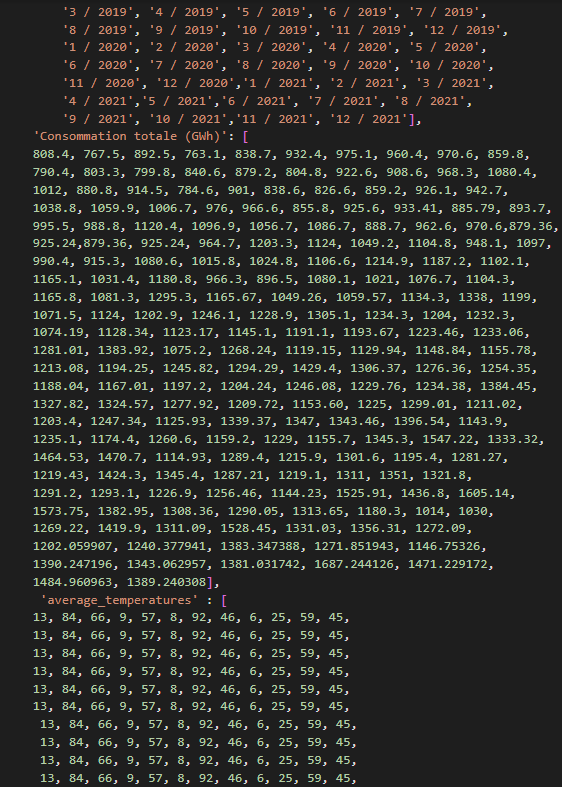
- Data Collection: We gathered data on energy consumption, production capabilities, and the environmental impacts of various energy sources.
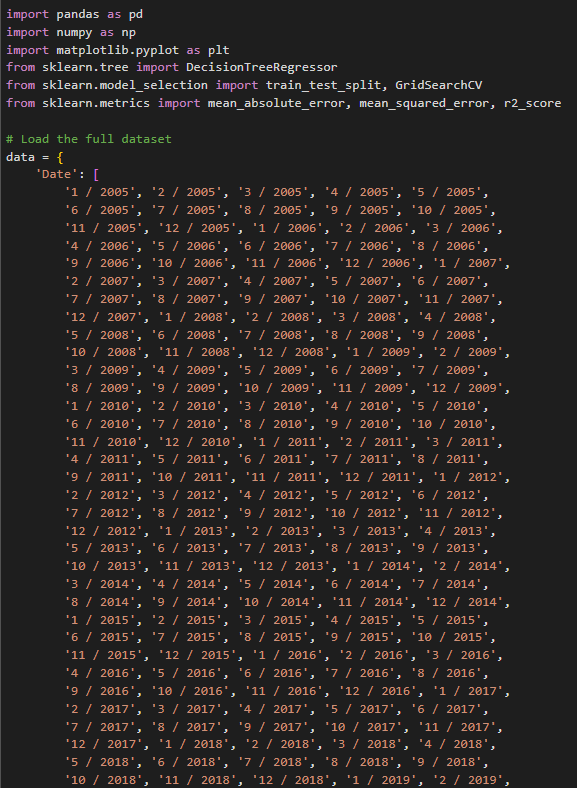
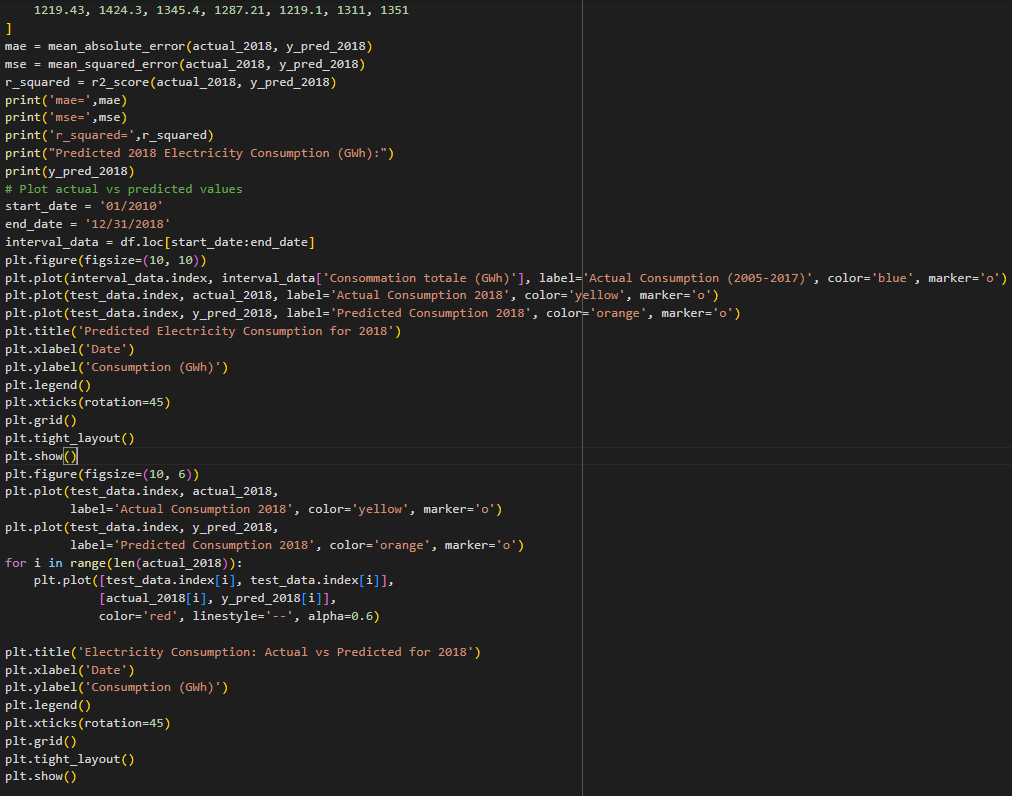
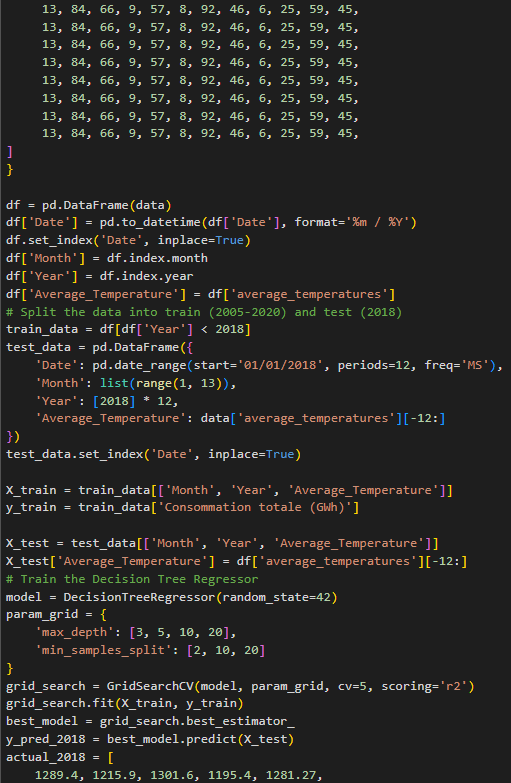
- AI Model Development: We designed a machine learning model that predicts energy demand and adjusts nuclear energy production dynamically to match consumption patterns.
- Simulation and Testing: We ran simulations to test the AI model’s effectiveness in optimizing energy production while ensuring sustainability and efficiency.
Challenges We Faced
During the project, we encountered several challenges:
- Data Availability: Accessing accurate and comprehensive data on energy consumption and production was initially difficult, necessitating extensive research.
- Technical Complexity: Navigating the complexities of AI algorithms to ensure accurate predictions required continuous refinement and collaboration.
- Stakeholder Engagement: Effectively communicating the benefits of nuclear energy and addressing concerns about safety and environmental impact was essential for gaining support.
Despite these challenges, the experience of working on "Tomorrow's Future" has been incredibly rewarding. It has reinforced our belief in the transformative power of AI in solving pressing energy challenges and has inspired us to continue exploring innovative, sustainable energy solutions for Tunisia as we strive to shape a better tomorrow.

Log in or sign up for Devpost to join the conversation.