-
-
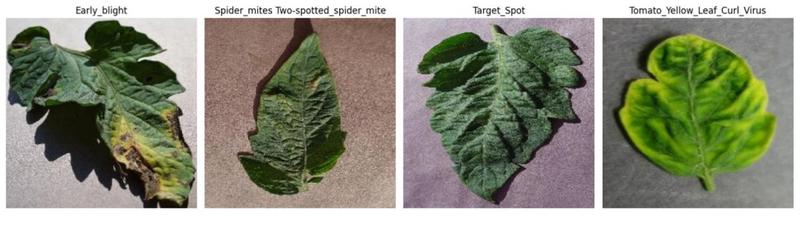
diseases
-
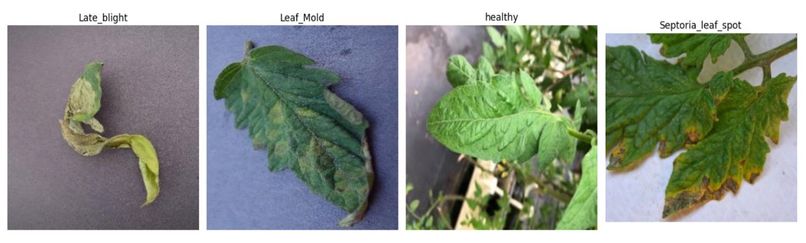
diseases
-
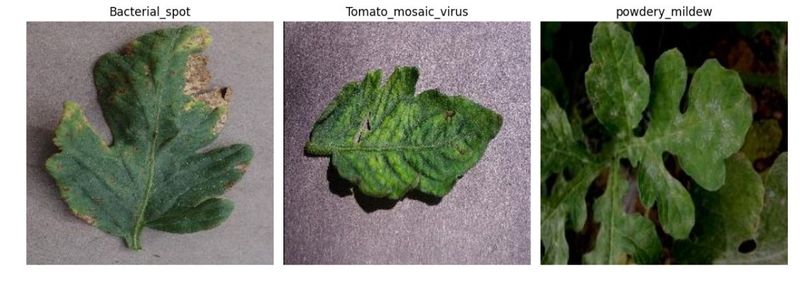
diseases
Inspiration
Tomato crops are vital worldwide, yet they’re highly susceptible to diseases that reduce yield and quality. Manual diagnosis is slow and unreliable, motivating an AI-based solution for faster, more accurate detection.
What it does
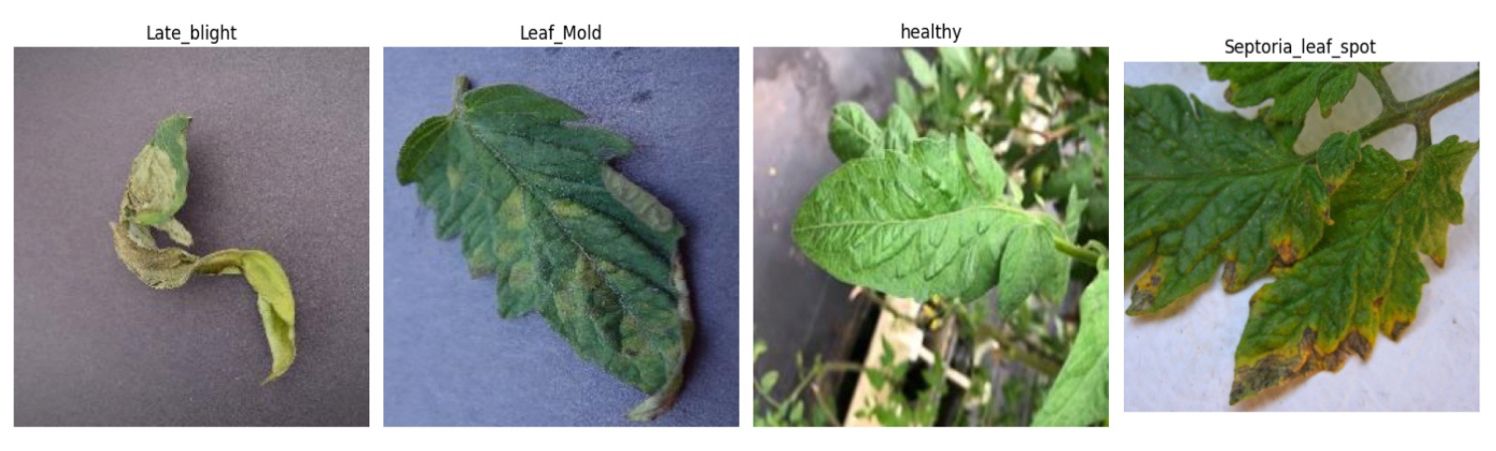
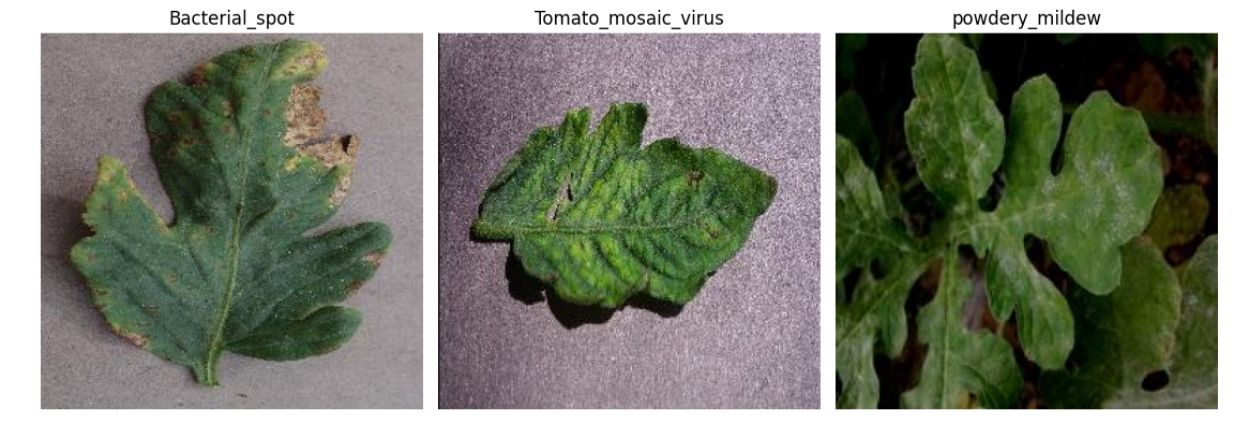
The model uses EfficientNetB0 and transfer learning to identify 11 tomato leaf conditions (including Early Blight, Late Blight, and Septoria Leaf Spot) with 98.37% accuracy and an F1 score of 0.9836, providing real-time disease classification.
How we built it
We used the PlantVillage dataset (35,804 images), applied data augmentation for class balancing, and trained the model with dropout, batch normalization, and Adamax optimization. The final model generalizes effectively with minimal overfitting.
Challenges we ran into
Handling imbalanced datasets, preventing overfitting, and optimizing for computational efficiency while retaining high accuracy were the key challenges.
Accomplishments that we're proud of
Achieving near-perfect classification across most disease classes, creating a lightweight model suitable for real-time, low-resource deployment, and contributing to sustainable agriculture.
What we learned
We learned how transfer learning and adaptive augmentation can significantly improve model performance, scalability, and robustness in agricultural applications.
What's next for Tomato Leaf Disease Detection using effecientNet
Deploying the model on mobile and edge devices, integrating IoT-based farm monitoring, and expanding it to detect diseases in other crops for smarter, sustainable farming.
Built With
- artifcial-neural-networks
- artificial-intelligence
- deep-learning
- effecientnet
- machine-learning
- python

Log in or sign up for Devpost to join the conversation.