-
-
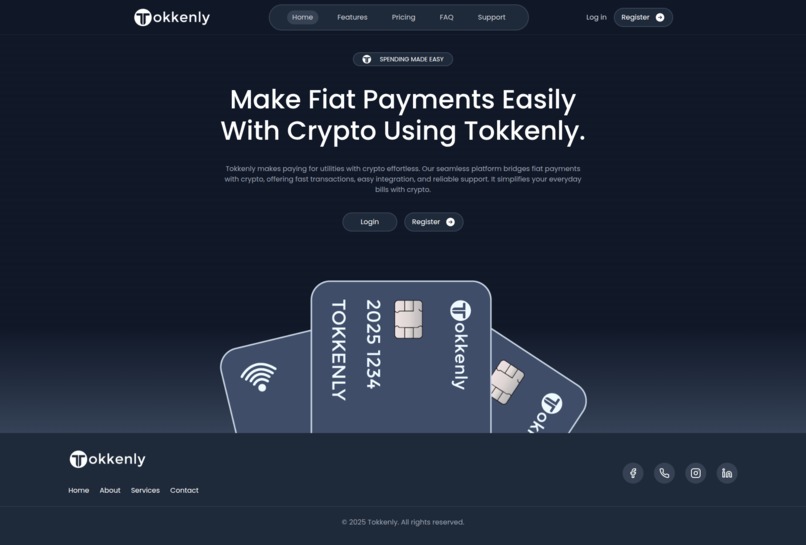
Homepage
-
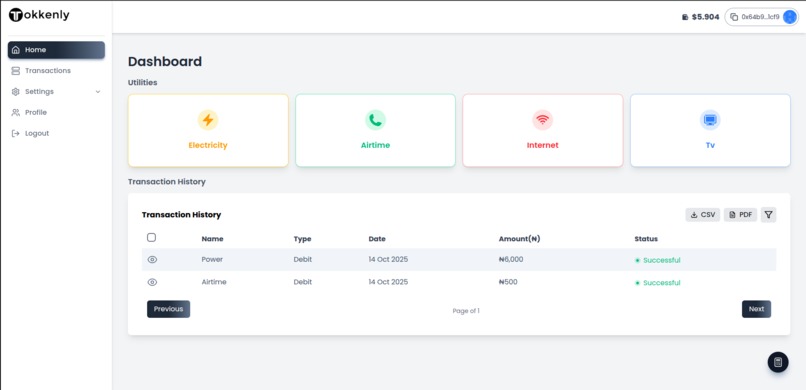
Dashboard
-
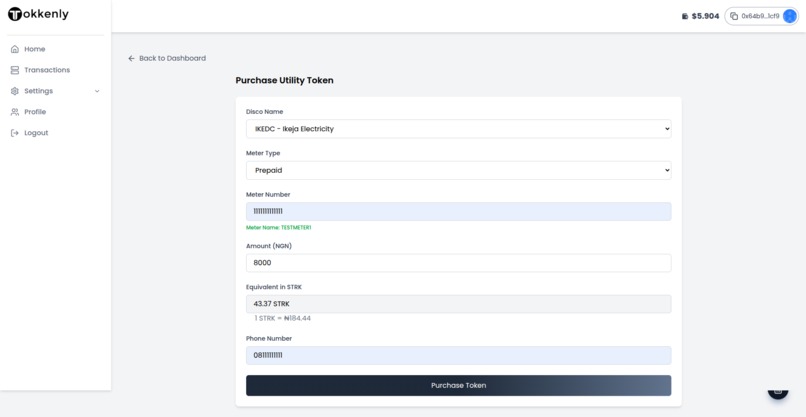
Utility Bill Purchase
-
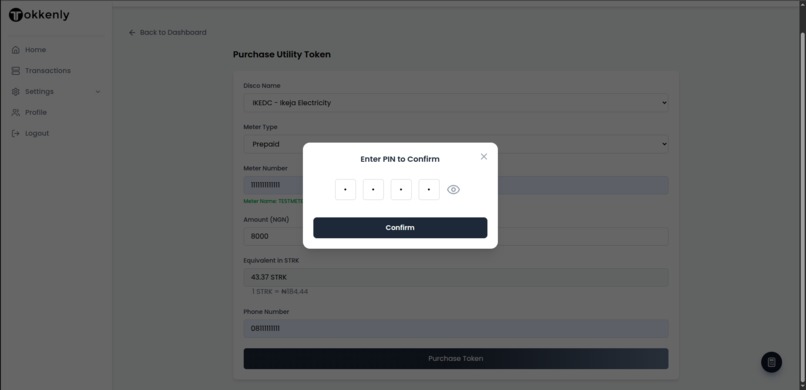
Transaction Pin Request
-
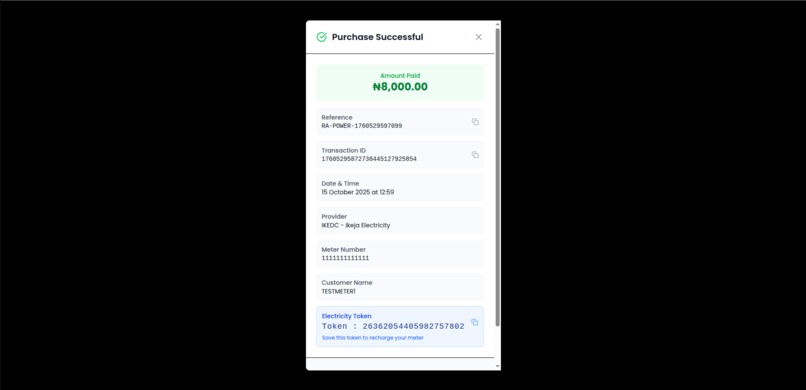
Payment Receipt
-
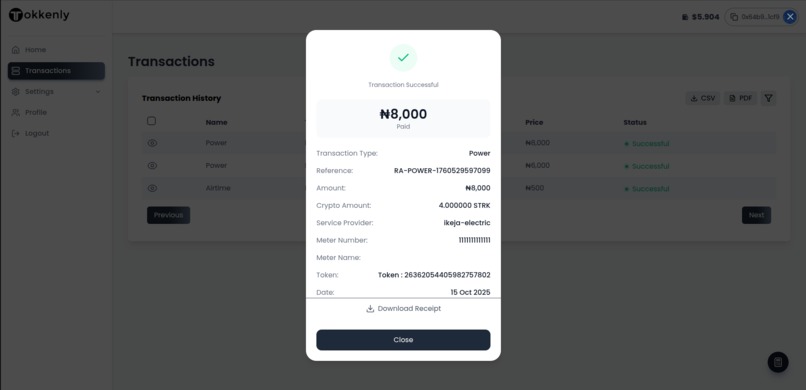
Transaction Details
-
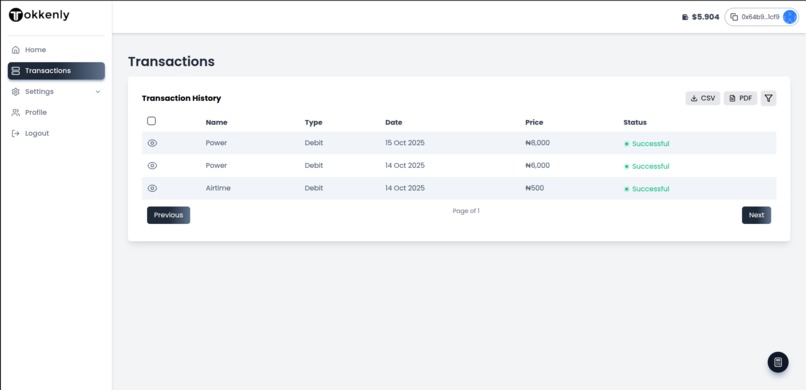
Transactions History
-
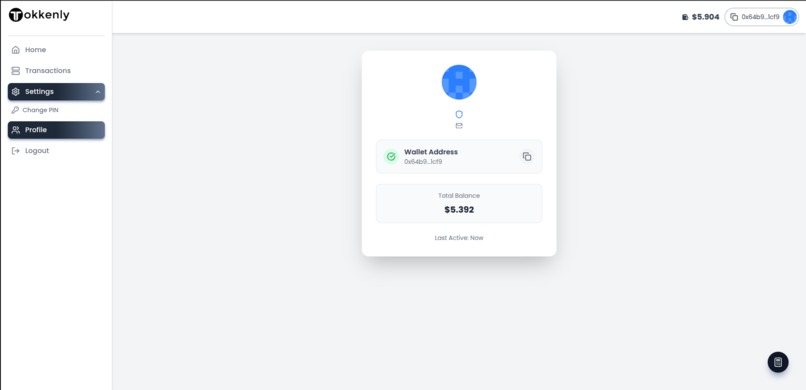
Profile Info


Inspiration
We started Tokkenly to solve a major pain point: crypto still isn’t usable for everyday life. People hold tokens but can’t easily pay for real-world services like electricity, internet, or streaming subscriptions. We wanted to make Web3 practical, enabling users to pay real-world bills seamlessly using crypto. Migrating to Starknet was inspired by our need for scalability, speed, and lower transaction costs, while staying fully on-chain and leveraging the efficiency of zero-knowledge proofs.
What it does
Tokkenly lets users pay for utilities, subscriptions, and everyday bills directly using crypto — now powered by STRK tokens. Users simply connect their wallet, choose a service (like power, water, or Netflix), and pay in STRK. Tokkenly handles the on-chain transaction and facilitates a backend settlement to the appropriate service provider, making crypto payments feel as simple as fiat.
How we built it
We built Tokkenly on Starknet using:
- OpenZepplin for creating users' wallet.
- Starknet.js for wallet connections and user transactions.
- React.Js for the frontend interface.
- Node.js / Express API that bridges between Starknet transactions and off-chain service integrations.
- On-chain payments are confirmed via Starknet contracts, while the backend securely settles the equivalent fiat value with vendors.
This setup allowed us to make payments faster, cheaper, and verifiable on-chain.
Challenges we ran into
- Creation, funding, and deployment of account on new wallet for users on Starknet.
- Integrating off-chain fiat settlements in a fully decentralized flow.
- Managing STRK token price volatility while ensuring consistent utility payments.
- Building a smooth UX for Tokkenly on Starknet.
Accomplishments that we're proud of
- Successfully integrated payment using STRK on Tokkenly while maintaining stability for payments.
- Built one of the first real-world payment platforms on Starknet.
- Simplified users' onboarding.
- Delivered a working demo where users can pay real bills using STRK.
What we learned
- The importance of UX in blockchain apps - especially when bridging on-chain actions with real-world outcomes.
- Strategies to abstract blockchain complexity for non-crypto users.
- How to leverage Layer 2 scalability without compromising decentralization.
What's next for Tokkenly
- Enable multi-token support (ETH, STRK, and other Starknet ecosystem tokens).
- Launch merchant APIs, allowing businesses to accept STRK directly.
- Integrate on-chain proof of payment for transparent service tracking.
- Partner with service providers and fintechs across Africa to expand coverage.
- Explore on-chain credit scoring and recurring payments using Starknet’s ecosystem tools.

Log in or sign up for Devpost to join the conversation.