Inspiration
Most relationship apps focus on fixing couples, measuring compatibility, or turning connection into another performance metric.
I wanted to explore a different idea: what if technology celebrated a couple that is already deeply in love, while still helping each person protect their own identity, ambitions, and responsibilities?
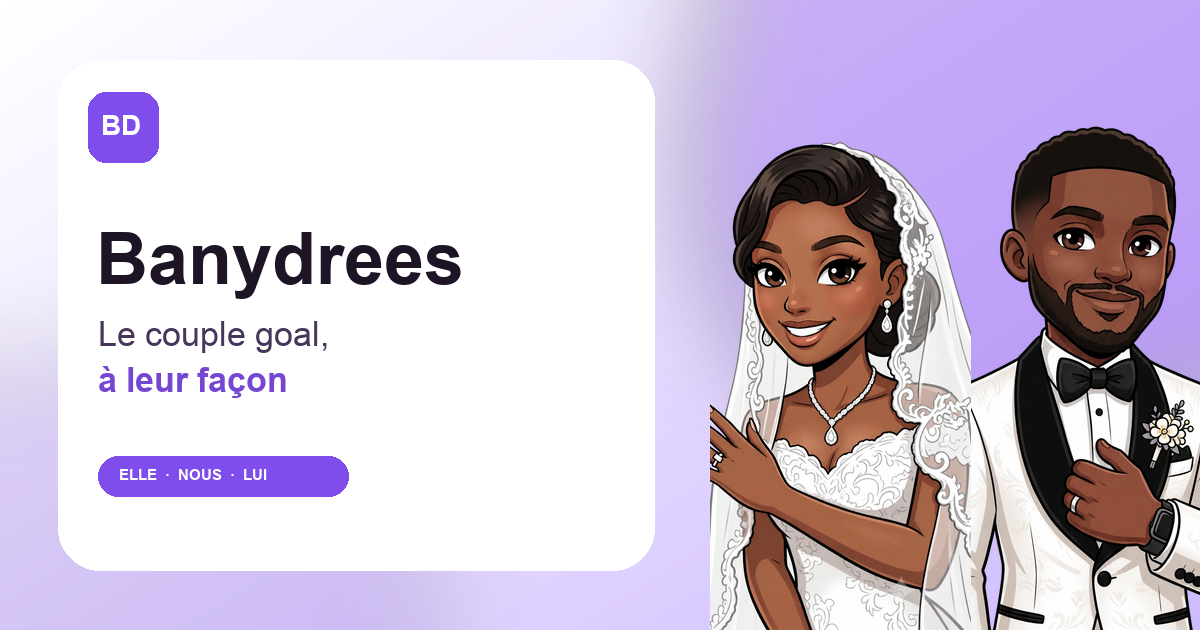
Together OS is a digital operating system for two individuals and the life they build together. BanyDrees Edition is its first deeply personalized edition, created around a real couple's personalities, habits, dreams, humour, and visual worlds.
What it does
The experience is divided into three connected spaces:
- Bany — her personal space;
- Us — their shared emotional and practical space;
- Drees — his personal space.
Each individual space includes profile-owned actions, challenges, progress tracking, and a Personal Compass powered by GPT-5.6.
The user describes a personal dream, selects a time horizon, preferred pace, and weekly availability. GPT-5.6 transforms that intention into practical domains, milestones, and accessible next steps. Nothing is added automatically: the user reviews the proposal, chooses which actions to keep, and selects how progress should be visualized.
The available views include:
- Domains — Radar;
- Milestones — Path;
- Rhythm — Activity bars;
- Focus — Domain bars.
The shared Us space includes memories, private thoughts, a dynamic marriage counter, shared habits, a calendar, a Meal Planner, a Shared Soundtrack, and a humorous pass-the-phone duel for everyday decisions.
It also contains Our Next Chapter, a second GPT-5.6 experience for shared dreams. One partner proposes an intention, GPT-5.6 suggests a gentle bilateral plan, and the other partner must approve it. Each shared action is completed through two separate half-heart contributions.
There are no relationship scores, rankings, or punitive streaks.
How I built it
I designed the product concept, experience, art direction, characters, content, interaction rules, and final feature decisions.
I used Codex with GPT-5.6 as an implementation and iteration partner to translate detailed product briefs into a modular application, build the different experiences, debug ownership and persistence issues, integrate the OpenAI Responses API, create automated tests, and verify the real responsive interface.
The application uses semantic HTML, responsive CSS, modular JavaScript, Vite, browser storage, server-side OpenAI endpoints, and Vercel.
The public demo is local-first: most interactions work without an account, and approved data persists in the current browser. OpenAI credentials remain server-side.
Challenges
The greatest challenge was protecting the distinction between three kinds of data:
- Bany's personal actions;
- Drees's personal actions;
- genuinely shared couple data.
A personal action must never be created under the wrong profile. Shared contributions must remain independent while still producing one common result.
Another challenge was scope. The product went through several directions during Build Week. Instead of presenting every experiment, I deliberately reduced the final demo to its strongest and most coherent experience.
The pass-the-phone duel also required careful state management: two secret choices, four personalized animated attacks, deterministic rules, replay behaviour, and correct assignment of the final task.
What I learned
I learned that meaningful AI personalization is not only about generating more content. It is about deciding what context the model genuinely needs, what information should remain private, when AI should recommend rather than decide, and where human approval must remain essential.
GPT-5.6 does not act as an authority inside Together OS. It turns intentions into manageable possibilities while leaving every final choice to the user.
I also learned how valuable Codex can be during rapid product iteration. It helped preserve working architecture and tests while the creative direction evolved repeatedly.
What I am proud of
Together OS — BanyDrees Edition does not feel like a generic productivity dashboard with two names added.
The two personal spaces have distinct identities but equal ownership and capabilities. The shared space feels emotional, practical, and playful without becoming therapeutic or competitive.
Together OS demonstrates how AI can support people both as individuals and as a couple without asking either person to disappear inside the relationship.
What is next
BanyDrees Edition is the first personalized implementation of Together OS.
The architecture is intended to support future editions with different identities, visual universes, motivational styles, personal dreams, and couple configurations. Future work would include secure multi-device synchronization, user-uploaded avatars, and a guided personalization flow.

Log in or sign up for Devpost to join the conversation.