-
-
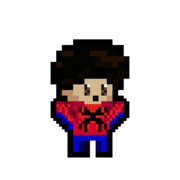
Official Todochi app icon, 1024 × 1024, submitted for Shipaton 2026.
-
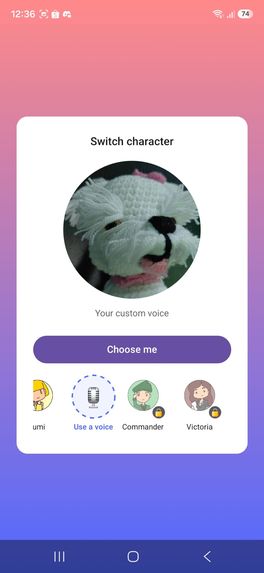
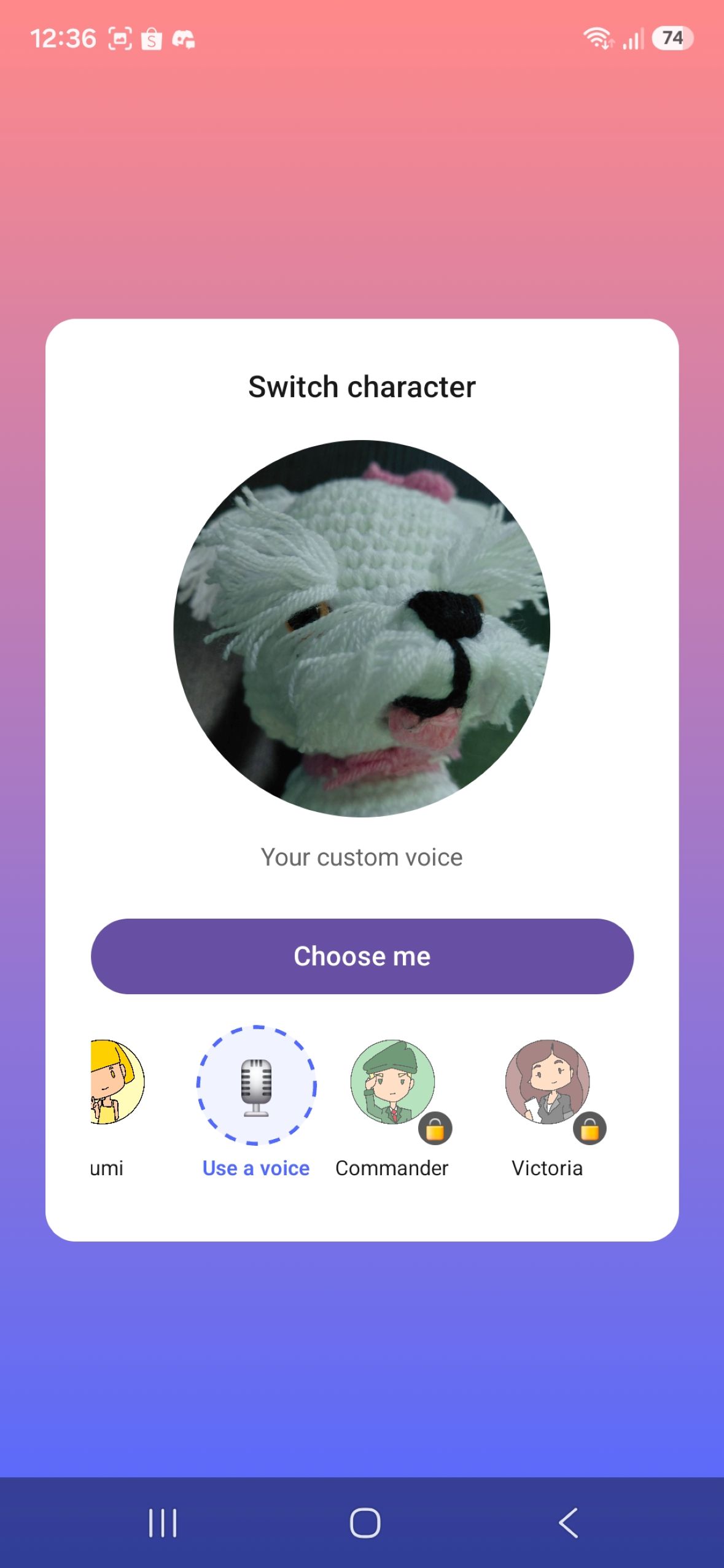
Create your own character with a photo and record custom reminder lines that play as the actual alarm sound.
-
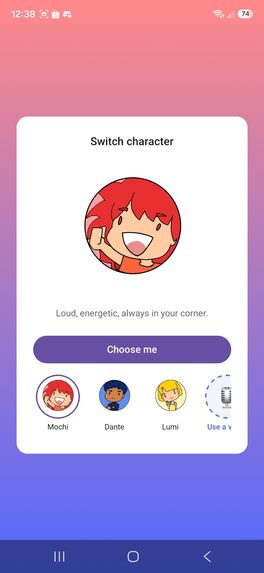
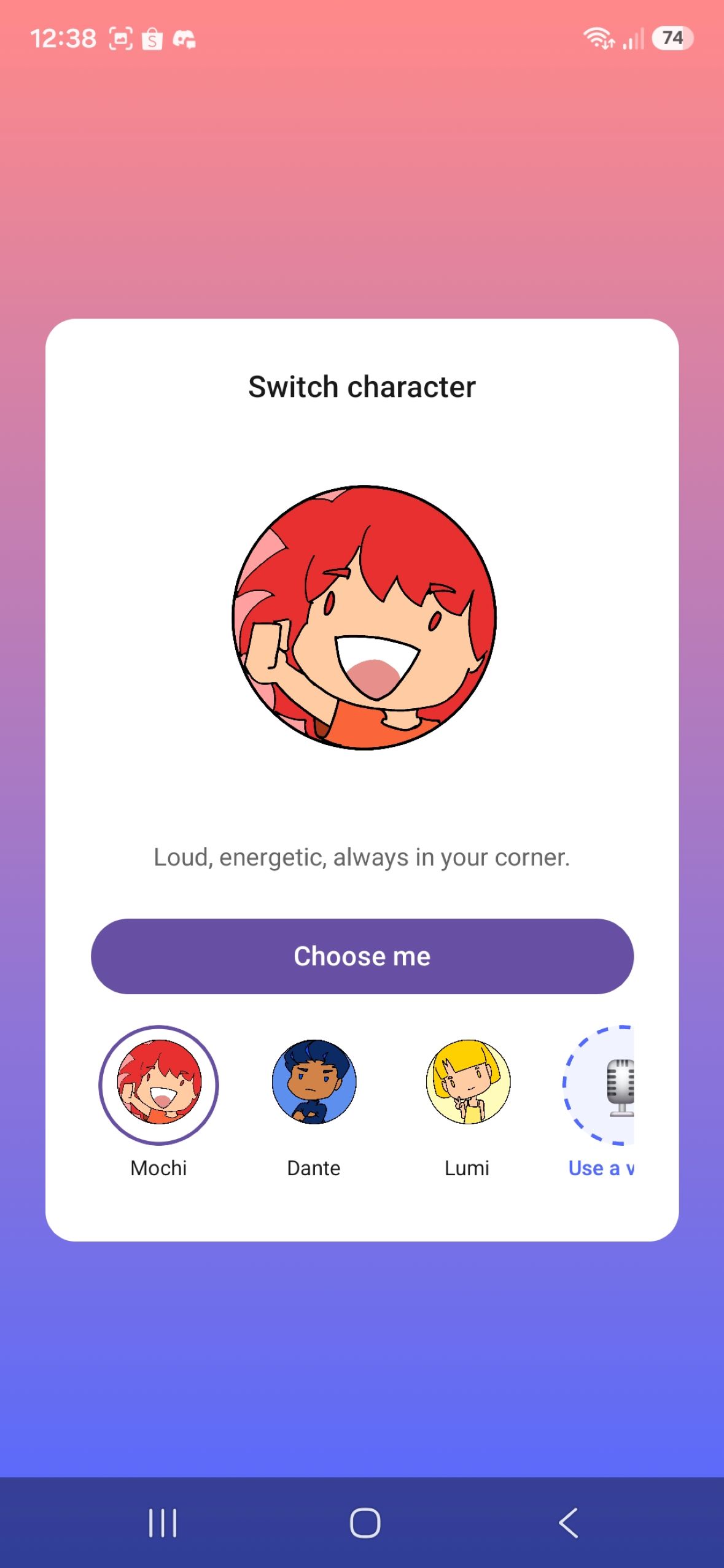
Choose the personality that fits you, or switch to a custom character and voice you recorded yourself.
-
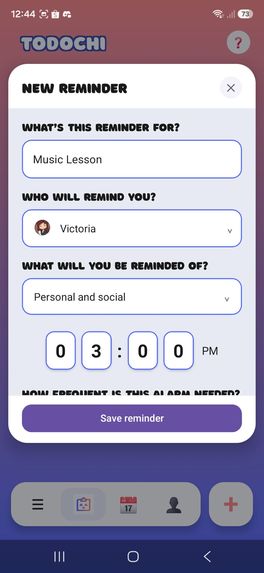
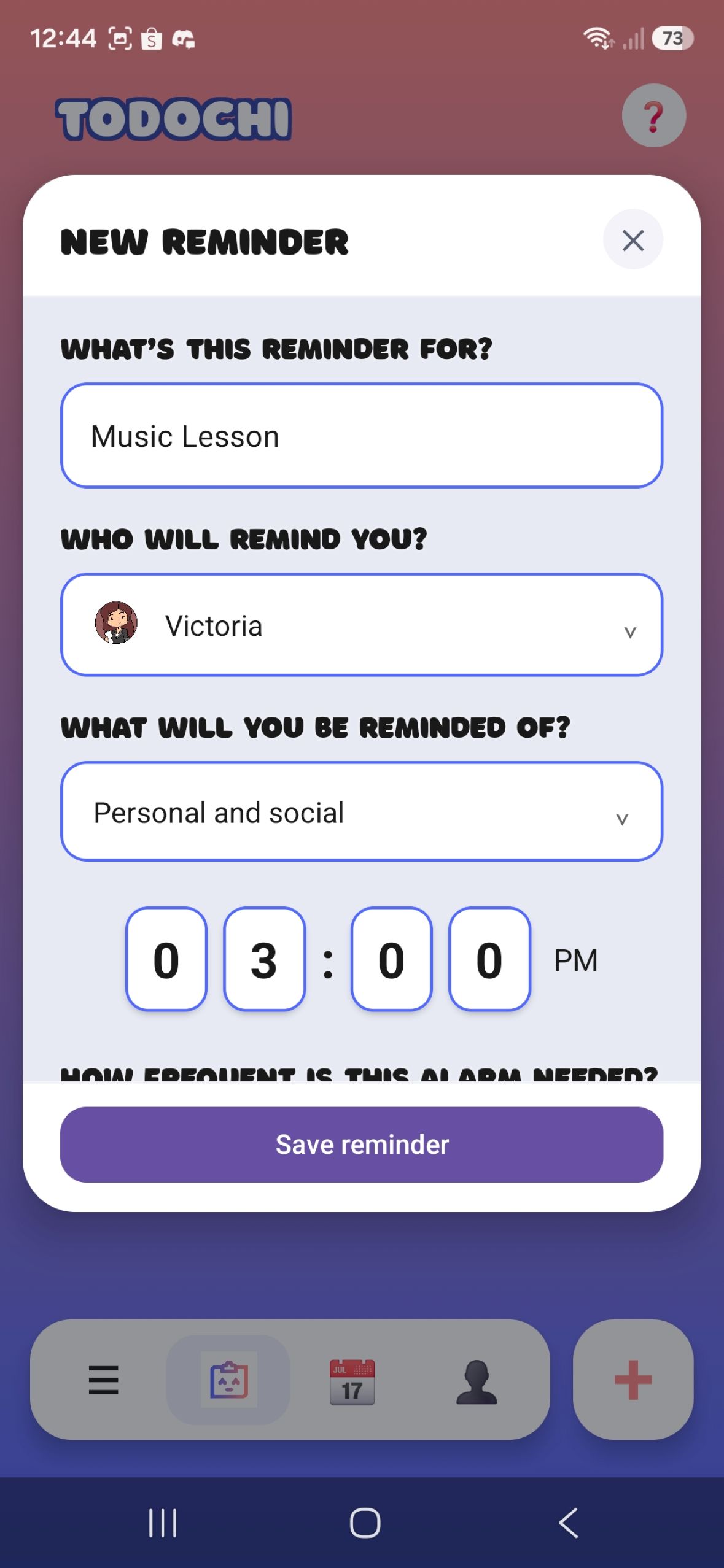
Set the category, schedule, early ring, subtasks, and character for each reminder in one place.
-
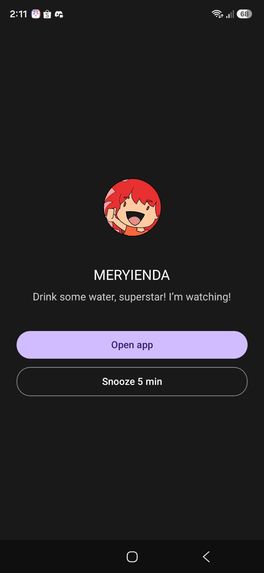
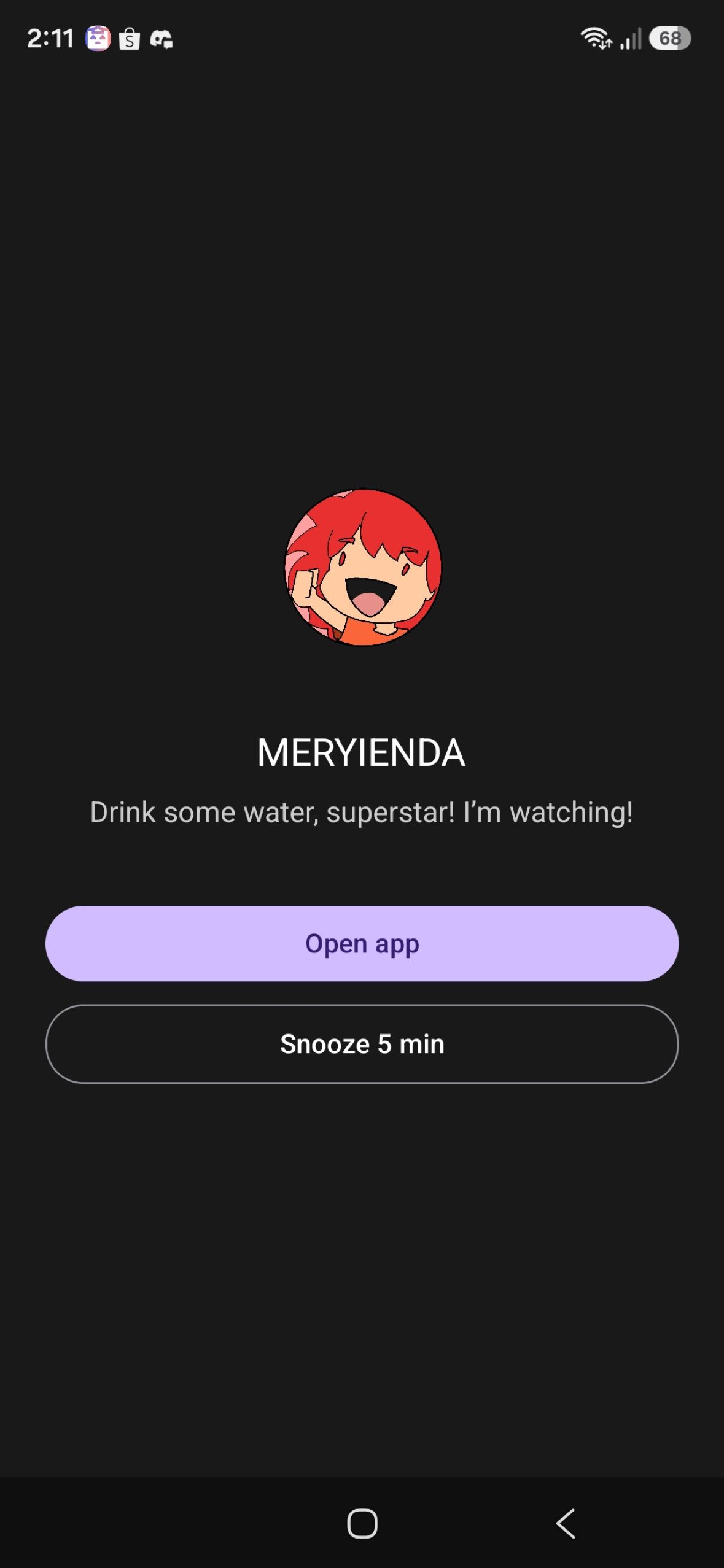
When it matters, Todochi rings as a real full screen alarm with your chosen character and voice.
-
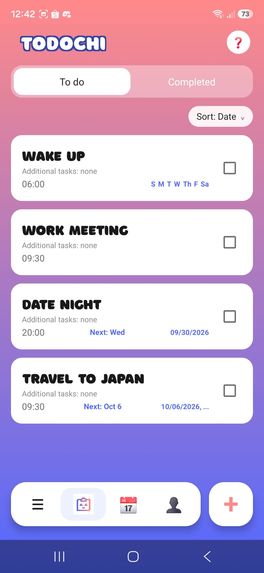
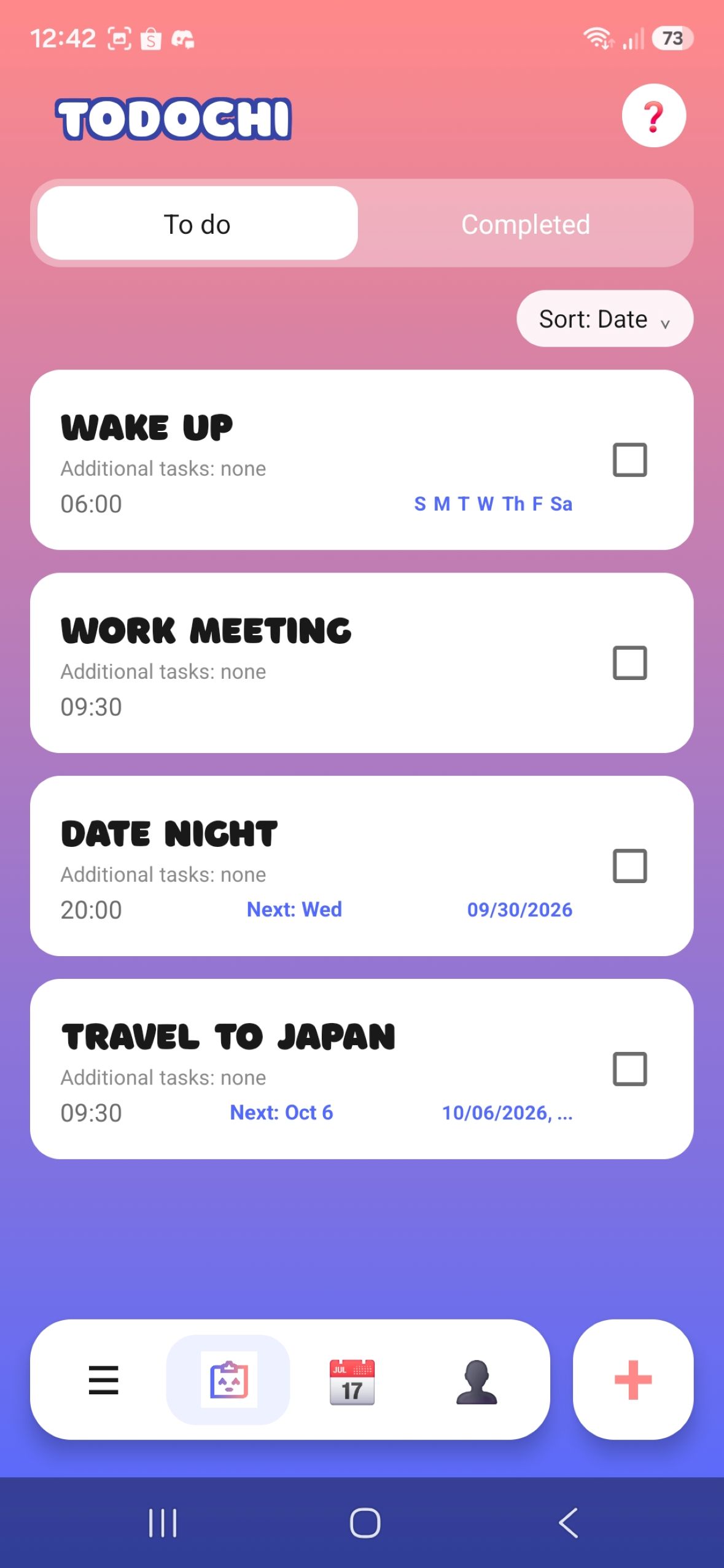
See what is still to do and what is completed, with dates, sorting, and quick completion from the home screen.
-
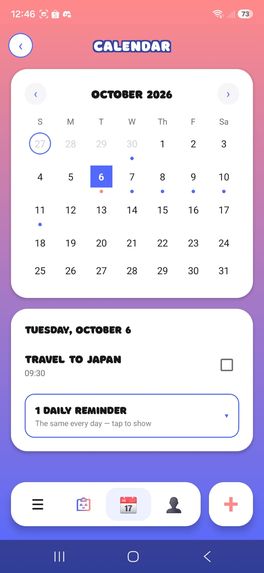
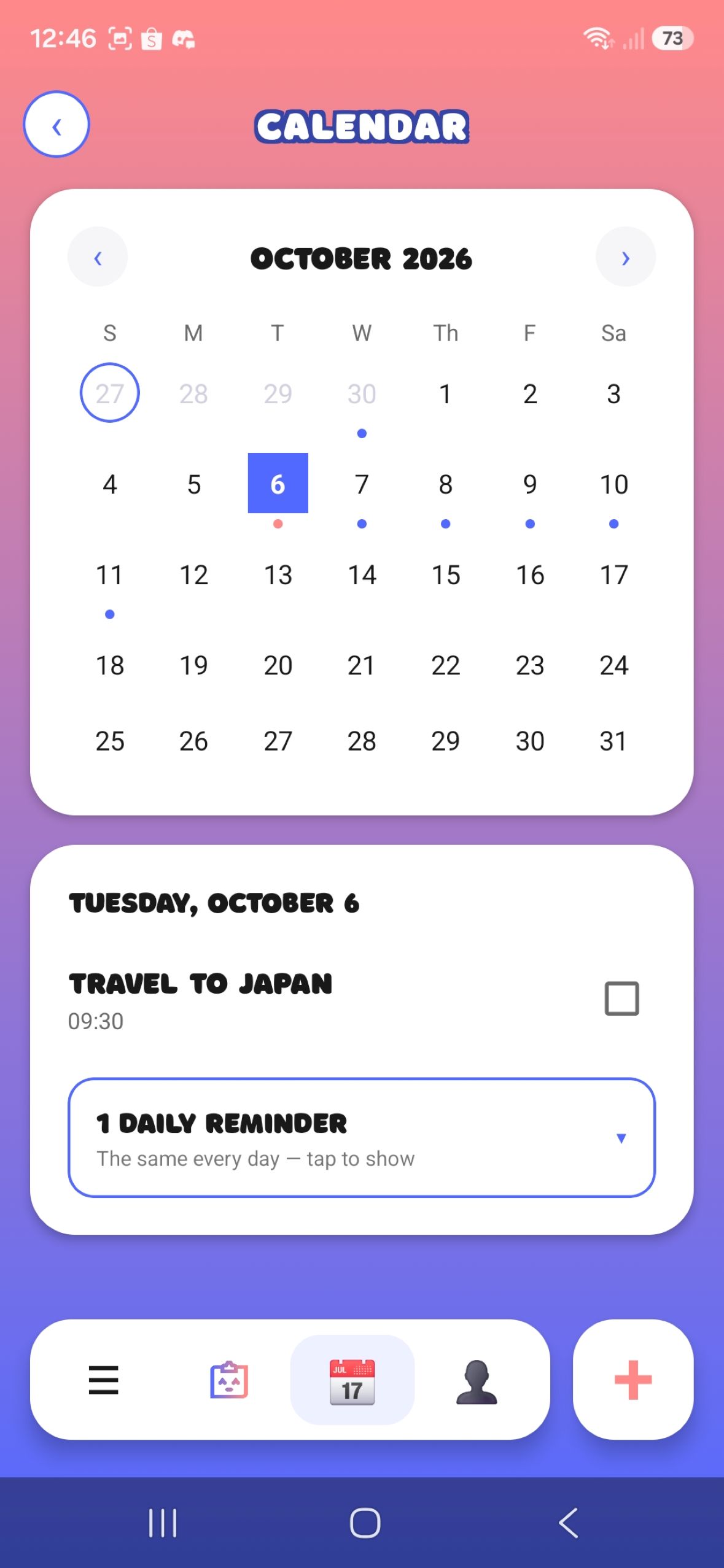
Plan specific dates in a calendar view and see every reminder that applies to the day you select.
-
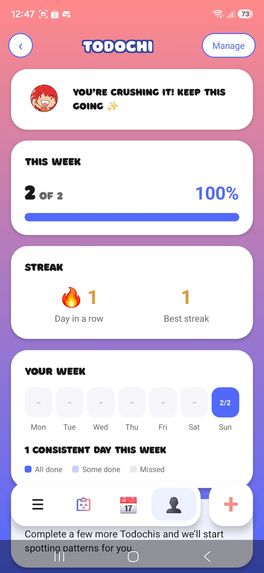
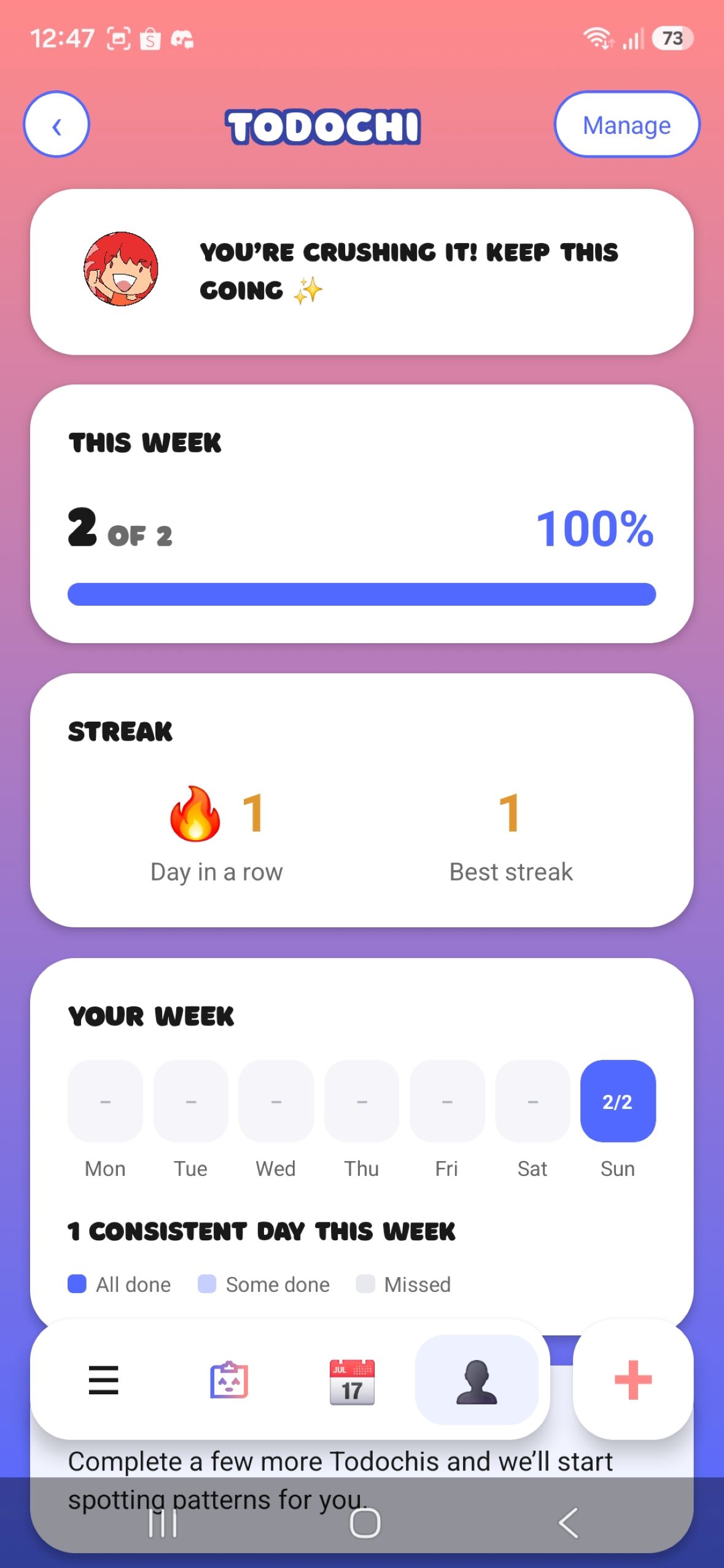
Track weekly completion, streaks, personal bests, and progress with encouragement from your chosen character.
-
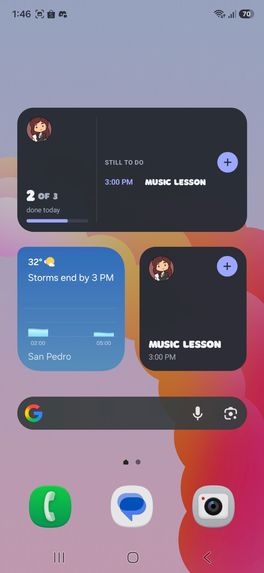
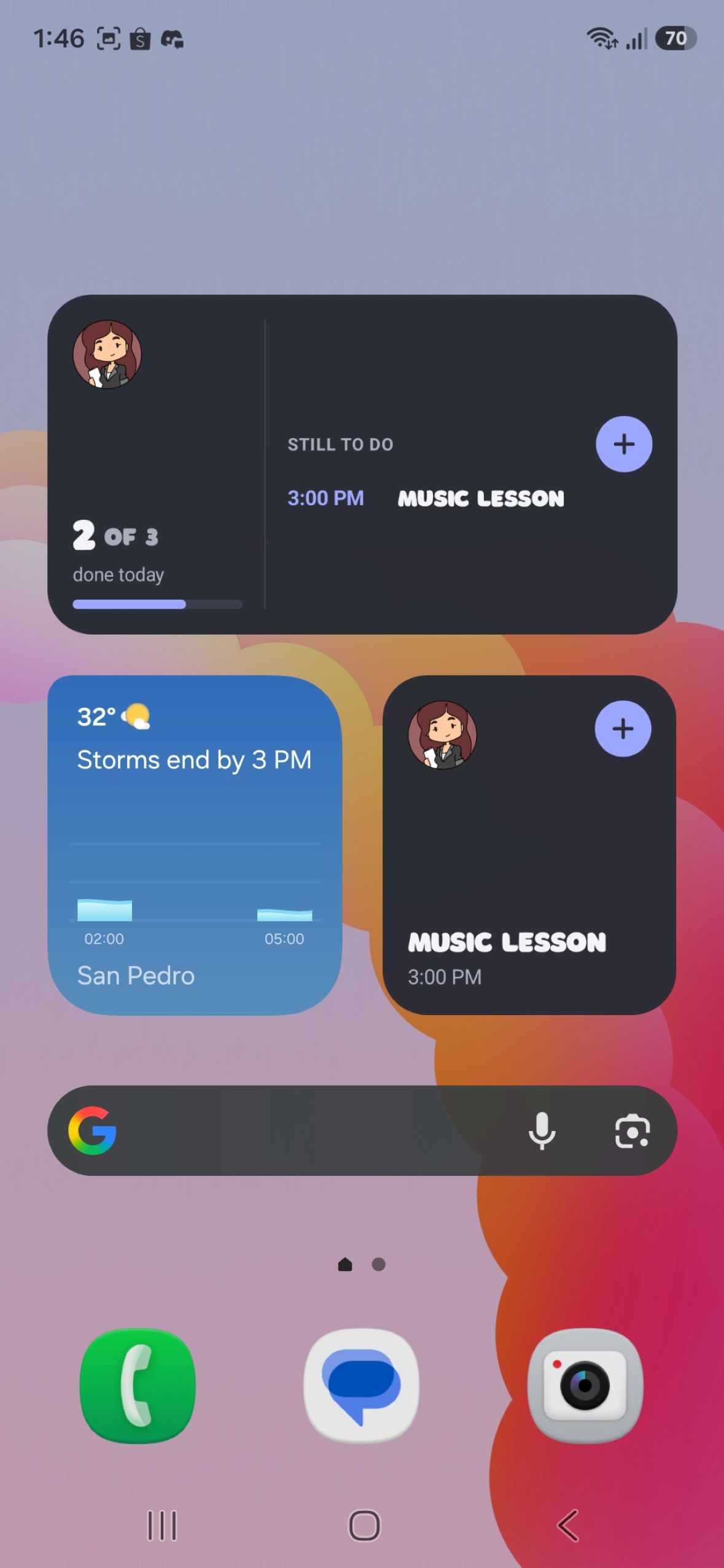
Keep your next reminder and today's progress visible with Todochi home screen widgets on Android and iPhone.
-
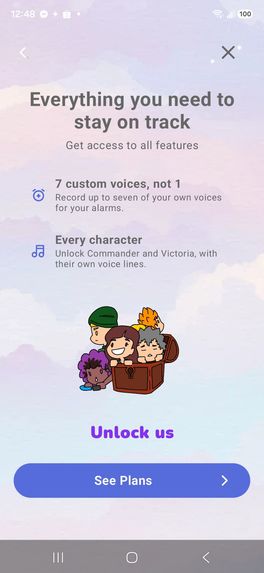
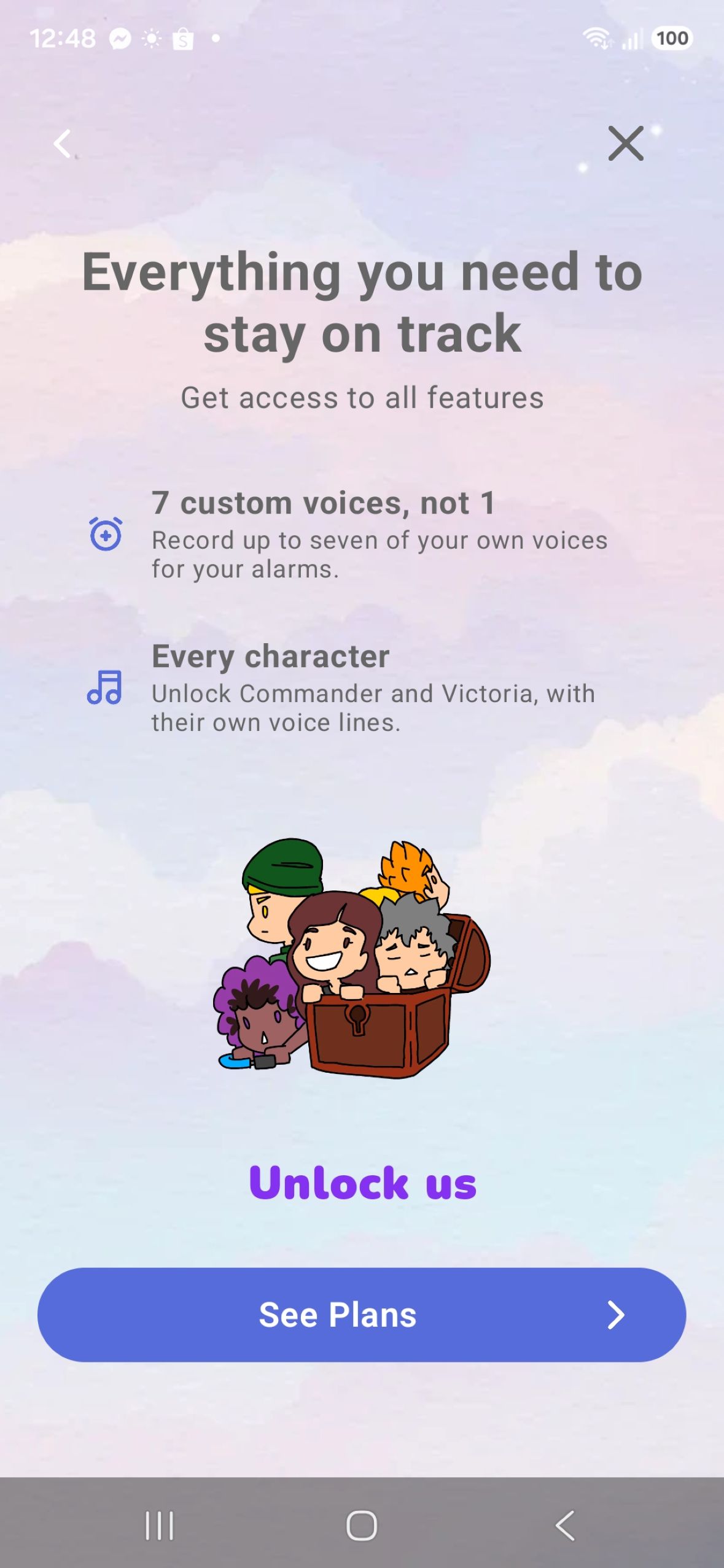
Premium unlocks Commander, Victoria, and up to seven custom voices, with subscriptions powered by RevenueCat.
Inspiration
Todochi started with a simple question: why do reminders have to feel so boring?
We are Lagooners, four Filipino brothers who have always wanted to build something together, whether it was an app, a game, or simply an idea we could turn into something real.
When Shipaton 2026 came along, we finally had a reason to stop talking about it and start building.
We spent our first hours studying previous Shipaton projects, listening to advice from the organizers, and filling a notebook with different ideas.
Eventually, we kept coming back to reminders.
Everyone uses them, but most reminders feel cold, repetitive, and easy to ignore. We wanted to make them feel more personal.
That became Todochi.
The name comes from a wordplay between “to do” and “tomodachi,” the Japanese word for friend.
That combination captured exactly what we wanted Todochi to feel like. Not just an app telling you what to do, but more like a friendly companion helping you through your day.
That became our mission:
Make reminders something people look forward to instead of something they dread.
Instead of another generic alert or alarm sound, Todochi gives reminders a character, a voice, and a personality.
What it does
Todochi is a reminder app whose alarms actually speak.
Users can choose a character with their own voice and personality to deliver each reminder.
But the feature at the heart of Todochi is something even more personal:
You can create your own character and record your own reminder voice.
Choose a photo, create your character, and record exactly what you want them to say.
When the reminder rings, that recording becomes the actual alarm sound.
It is not simply a voice clip that plays after opening the app. It becomes part of the alarm itself.
Todochi supports nine reminder kinds:
Wake Up, Work & Study, Fitness, Health & Sleep, Home, Travel, Shopping, Finance, and Personal & Social.
Each custom recording can be up to 15 seconds long.
Users can preview recordings, record them again, or replace only one category without recreating the entire character.
If a custom voice does not have a recording for a certain category, Todochi can borrow a line from a built in character so the alarm never becomes silent.
This creates possibilities that a normal reminder app cannot offer.
A family member could record something encouraging for your morning alarm.
A friend could leave you a funny reminder.
You could record your own motivation for exercising or studying.
Or you could create a character entirely your own and decide exactly what you want to hear throughout your day.
The reminder is yours, but so is the voice behind it.
Todochi also includes five original characters:
Mochi, loud, energetic, and always in your corner.
Dante, cool and confident.
Lumi, bright, gentle, and encouraging.
Commander, firm and motivating.
Victoria, poised, precise, and a little sharper.
Each character has a recorded line for all nine reminder categories, giving Todochi 45 built in character voice lines.
We used ElevenLabs to create their voices, with each voice selected to match the character's personality.
Users are not limited to one character for every reminder either.
A morning alarm could use Mochi.
A study reminder could use Commander.
A personal reminder could use a custom character and voice recorded by the user.
Todochi uses a fallback system so an alarm always has a voice available:
Reminder character → User character → Built in character
Todochi also behaves more like a real alarm than a standard push notification.
On Android, it uses exact alarms, a full screen alarm experience, and the system alarm audio stream.
On iPhone, Todochi uses Apple's AlarmKit, with the character recording used as the alarm sound.
When an alarm rings, users can mark the reminder as done, snooze it for five minutes, or open it to work through any subtasks.
Todochi supports:
- One time reminders
- Daily reminders
- Weekly reminders
- Selected weekdays
- Specific dates
- Early rings 5, 10, or 15 minutes before the main reminder
- Subtasks
- Different characters for individual reminders
Specific date reminders can also be viewed through a calendar.
The home screen separates reminders into To Do and Completed, with sorting, category filters, day information, and subtask progress.
Todochi also includes a progress screen showing streaks, weekly completion, personal bests, category progress, and a message written in the personality of the user's selected character.
Home screen widgets are available on both Android and iPhone.
The Up Next widget shows the next reminder, its time, and whose voice will deliver it.
The Today widget shows how much of the day has been completed and what is still left.
Users can also personalize Todochi with seven gradient themes, a custom color picker, and light or dark appearance.
An account is not required to start using Todochi.
Reminders, completion history, and voice recordings are stored locally on the device.
Users can optionally create an account using email, Google, or Apple to sync their profile and personalization.
We also wanted the free version to remain useful on its own.
Free users get unlimited reminders, repeating schedules, subtasks, three characters, one custom recorded voice, calendar, widgets, progress tracking, and themes.
Todochi Premium unlocks Commander and Victoria and increases the number of custom voices from one to seven.
Premium includes a 14 day free trial and is managed through RevenueCat.
If Premium expires, recordings beyond the free allowance are locked rather than deleted. If the user subscribes again, those recordings become available again.
We chose that behavior because a recording might be personal. Losing someone's voice simply because a subscription ended would feel wrong.
At the center of everything is one simple idea:
Your reminders. Your characters. Your way.
How we built it
Todochi was built using React Native, Expo, TypeScript, Expo Router, and React Compiler.
Most development was done in VS Code, with Git and GitHub for version control and collaboration.
We use Expo EAS Build to create and distribute mobile builds.
Todochi uses SQLite locally for reminders, completion history, and voice recordings.
Firebase and Firestore support accounts and synchronized profile data.
For monetization, we integrated the RevenueCat SDK to manage subscriptions and purchases through Google Play and the App Store.
For the voices of Mochi, Dante, Lumi, Commander, and Victoria, we used ElevenLabs.
Custom voices work differently. They are recorded by the user directly inside Todochi and stored locally on the device.
We also integrated OneSignal for optional engagement messaging.
We intentionally separated those messages from Todochi's actual reminders.
Todochi alarms are scheduled directly on the device.
An important reminder therefore does not depend on OneSignal or an internet connection in order to ring.
OneSignal is used for optional communication such as tips, product updates, character announcements, and other messages that give users a reason to return.
Turning those messages off does not affect the user's alarms.
The alarm implementation also required different solutions for each platform.
Android uses exact alarms, full screen alerts, foreground playback, and the system alarm audio stream.
iPhone uses Apple's AlarmKit.
We used Google Play Console for Android testing and publishing, while App Store Connect and TestFlight were used for iPhone distribution and testing.
Our design workflow evolved too.
We initially used Figma while exploring the Todochi logo and visual identity, then continued much of the branding and graphic work in Canva.
Because Todochi was our first mobile app, AI also became part of how we learned and moved faster.
We used GPT, Codex, and Claude to help us understand unfamiliar technologies, debug problems, explore solutions, review code, and think through product decisions.
AI helped us move faster, but we still had to decide what Todochi should become, implement it, test it, and decide what actually shipped.
Outside development, we also had to learn how to market the app.
We used CapCut for video editing, Canva for graphics, and experimented with Higgsfield AI and Blender for creative social media content.
Todochi itself was built by four brothers with different responsibilities.
Seymour leads much of the backend and technical logic behind reminders, alarms, and character behavior.
Calahan leads the frontend and turns our ideas into the screens and interactions users experience.
Austein focuses on creative work and marketing, including branding, graphics, thumbnails, and content.
Kieffer handles much of the operations and content work alongside a full time job, including video editing, social media, project coordination, publishing accounts, expenses, and marketing.
We also decided early that we wanted to build Todochi publicly.
Throughout Shipaton, we shared our progress through X, YouTube, TikTok, Instagram, Facebook, and HackerNoon.
We shared new features, unfinished builds, bugs, delays, tester feedback, and what we were learning.
That eventually became part of how we developed the app.
People responded.
Testers pointed out problems we had missed.
They suggested ideas we had not considered.
Some of those suggestions eventually became changes inside Todochi.
Our development loop became:
Test → Feedback → Build → Repeat
Challenges we ran into
One of our biggest lessons was that building the app was only one part of shipping it.
We had to learn development, design, monetization, testing, privacy, store publishing, developer accounts, platform rules, marketing, and customer feedback almost at the same time.
Google Play was one of our first surprises.
We originally thought we could finish Todochi and release it once it worked.
Instead, our new developer account had to complete a closed testing period before applying for production access.
That meant finding testers while we were still developing the app.
Our first production access application was not approved, so we went through another testing period.
It delayed our original launch plans, but it also gave us more time to improve Todochi and collect feedback.
Apple brought a different set of problems.
During account setup, our phone numbers were not receiving the verification codes we needed. We eventually completed the process with help and were able to purchase our Apple Developer membership.
At another point, Google flagged the Lagooners account connected to important developer services for possible deletion.
We appealed and fortunately recovered the account.
The alarm itself became one of our biggest technical challenges.
Making something ring while the app is open is very different from making it behave reliably while the phone is locked, idle, muted, or affected by battery restrictions.
Some Android manufacturers aggressively restrict background applications, so Todochi includes device specific guidance for phones from manufacturers such as Xiaomi, Samsung, Oppo, and Vivo.
iPhone required a completely different approach because of Apple's rules around alarms and audio.
Instead of forcing identical behavior on both platforms, we learned to work with what each operating system allows.
There are still limitations we want to improve, especially around widget refreshing and restoring Android alarms after a device restart.
Every solved problem seemed to reveal another one.
But that became part of the experience.
We were not only learning how to build an app.
We were learning how to ship one.
Accomplishments that we're proud of
Our biggest accomplishment is that Todochi became real.
What started as a notebook filled with ideas became an app that people can install, use, test, and give feedback on.
We built Todochi for both Android and iPhone.
We created real alarm experiences on both platforms.
We created five original characters with 45 built in voice lines.
We built custom recorded voices that can become the actual alarm sound.
We created per reminder characters, flexible scheduling, early alarms, subtasks, calendar views, completion tracking, progress insights, widgets, themes, guest mode, accounts, and subscriptions.
We integrated RevenueCat for monetization.
We integrated OneSignal for optional engagement while keeping important reminders available offline.
We built a Firebase and Firestore backend for account and profile synchronization.
But the feature we are most proud of is still the simplest to explain:
You can make Todochi sound like someone who matters to you.
A reminder does not have to sound like a machine.
It can sound like your character.
It can sound like someone you care about.
It can even sound like you.
We are also proud that people outside our team like family and friends started caring enough to help improve it.
Testers sent suggestions, screenshots, bugs, and ideas.
People following our Build in Public journey reacted to what we were creating.
Several improvements came from that feedback.
That was when Todochi stopped feeling like something only the four of us were building.
Real users were beginning to shape it too.
What we learned
The biggest lesson was that a mobile app is much more than code.
It is engineering, UX, testing, publishing, monetization, marketing, privacy, support, platform restrictions, and constant decisions about what deserves to be built.
We also learned that our assumptions are not always the same as a user's experience.
After using Todochi ourselves every day, certain things felt obvious.
Then a tester would open the app and immediately find something confusing.
That taught us to listen.
Building in public reinforced the same lesson.
Showing unfinished work allowed people to react while we still had time to change it.
We also learned how quickly a product can become too complicated.
There are many directions Todochi could go in, including habits, gamification, AI, social features, and more productivity tools.
But every new idea has to answer the same question:
Does this help make reminders something people look forward to instead of something they dread?
If the answer is no, it probably does not belong in Todochi yet.
Most importantly, Shipaton taught us that we did not need to know everything before starting.
We could learn each piece when the project demanded it.
That mindset took us from four brothers with a notebook to a real mobile app running on Android and iPhone.
What's next for Todochi
Our biggest opportunity is not to turn Todochi into another complicated productivity app.
It is to go deeper into what makes Todochi different:
Characters and voices.
Today, users can create a character, choose a photo, record their own reminder lines, and hear those recordings as their actual alarm sound.
In the future, we want to take that idea much further.
One direction we are especially excited about is a Todochi voice marketplace.
We imagine a place where YouTubers, streamers, influencers, voice actors, and other creators can make official reminder voice packs for their communities.
A creator could record Wake Up, Study, Fitness, Shopping, and other Todochi reminder lines.
Fans could purchase those voice packs and use them for their own reminders.
Imagine your favorite streamer reminding you that it is time to study.
A fitness creator encouraging you to start your workout.
A YouTuber you watch every day waking you up in the morning.
Instead of creator content only being something fans watch, their voice could become part of a fan's everyday routine.
For creators, voice packs could become another way to connect with their audience and potentially another source of income.
For Todochi, it could turn the app into a platform built around voices, characters, and personalities.
We also want ordinary users to eventually have ways to share their own creations.
A marketplace like this would come with serious responsibilities around creator verification, consent, voice ownership, impersonation, licensing, moderation, privacy, payments, and creator payouts.
That is why we see it as a long term direction rather than something we want to rush into the current product.
For now, our focus remains on making the core experience better:
- Alarm reliability
- Custom voices
- Character interactions
- Scheduling
- Widgets
- Progress tracking
- Onboarding
- Retention
- Premium conversion
- Listening to our users
We also want to use OneSignal carefully.
We do not want Todochi to become another app that sends notifications simply to get attention.
Messages should have a reason to exist, whether that is a useful tip, a meaningful update, a new character, or something genuinely worth coming back for.
Shipaton gave us the push to finally build something together, but we do not want the project to end when the competition does.
Todochi may be the first app built by Lagooners.
We hope it is only the beginning.
We finally built something together. Now we want to see how far we can take it.
Built With
- app-store-connect
- apple-alarmkit
- canva
- elevenlabs
- expo-eas-build
- expo-router
- expo.io
- figma
- firebase
- firestore
- git
- github
- google-play
- onesignal
- react-native
- revenuecat
- sqlite
- testflight
- typescript
- vs-code


Log in or sign up for Devpost to join the conversation.