-
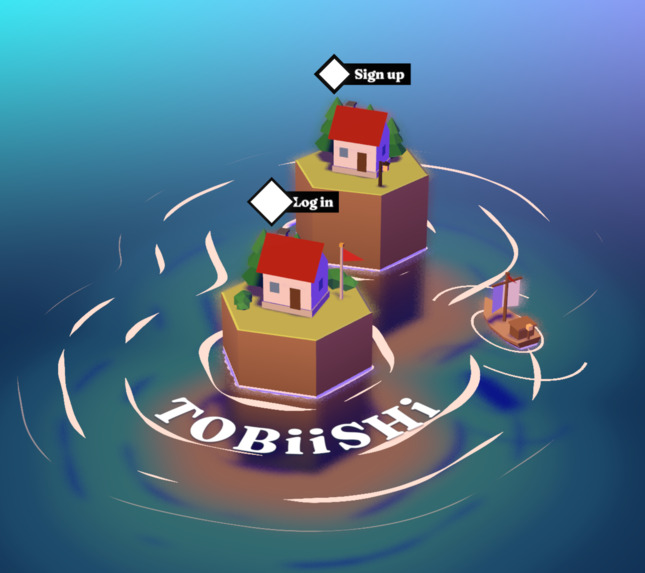
Landing Page
-
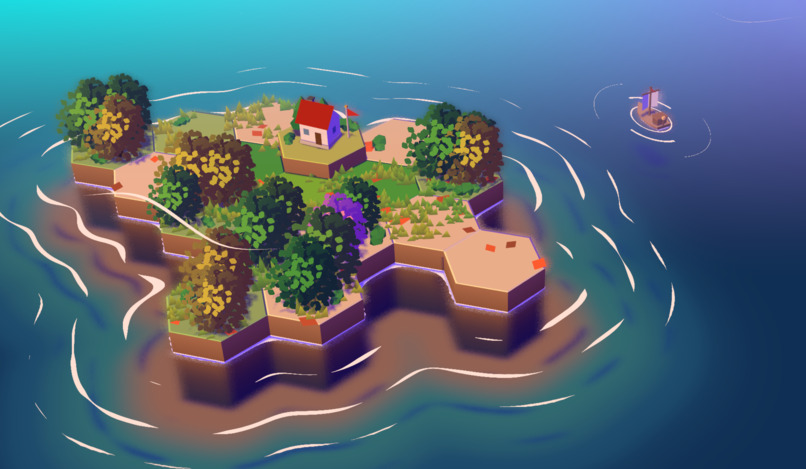
Login Page
-
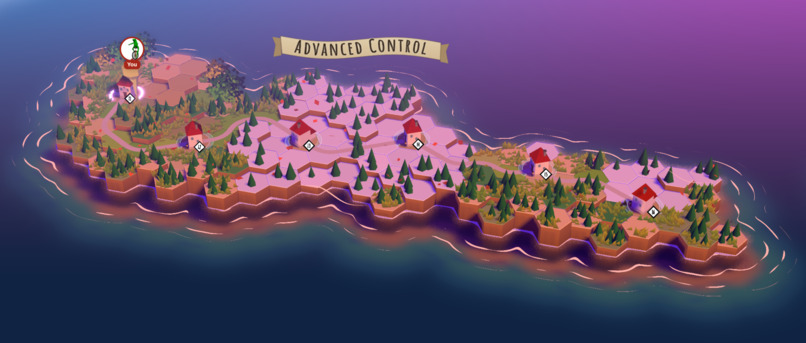
Study Island
-
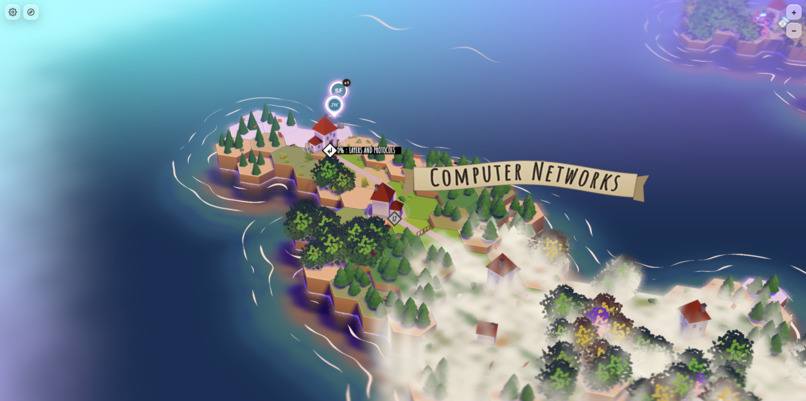
-
-
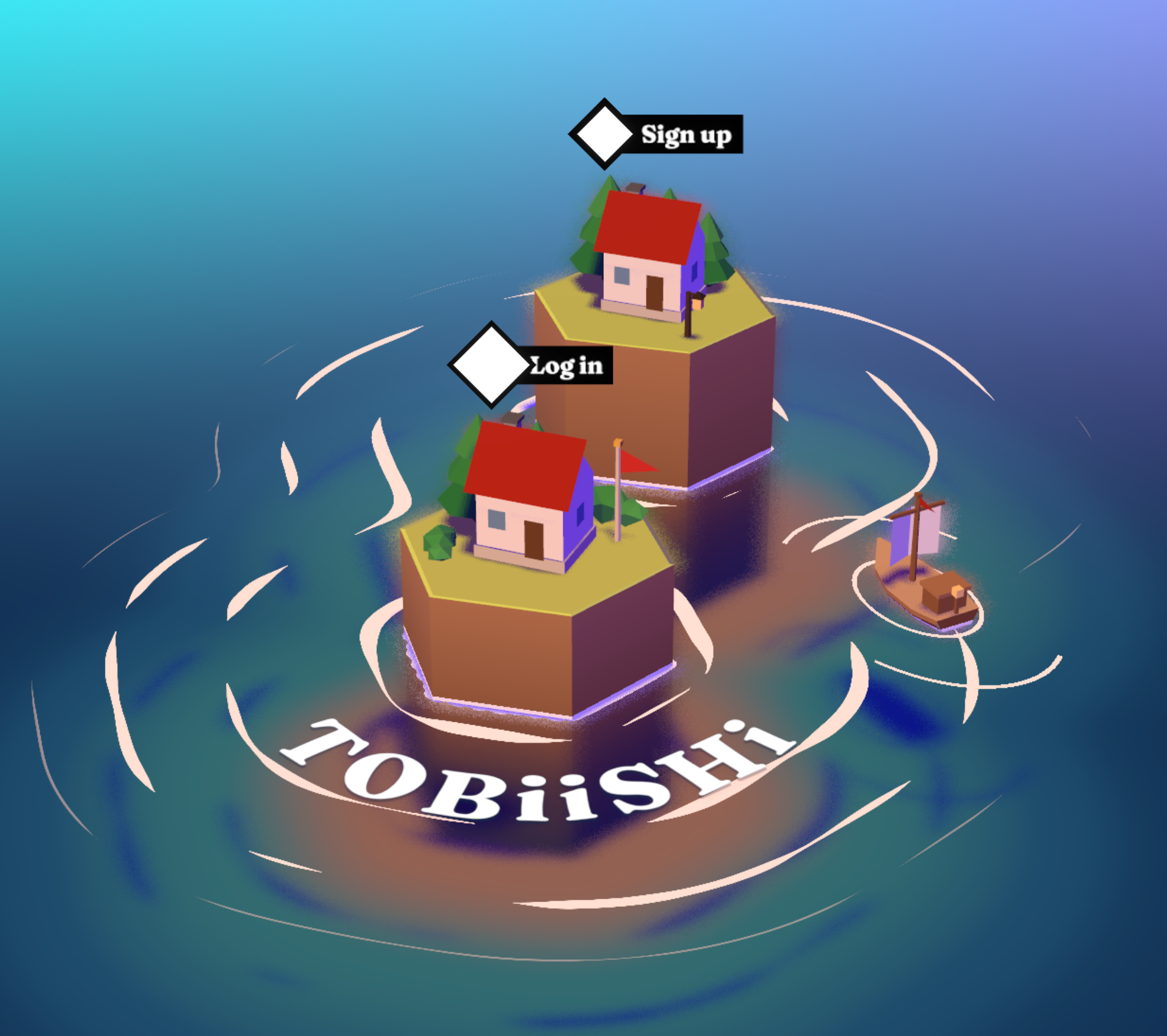
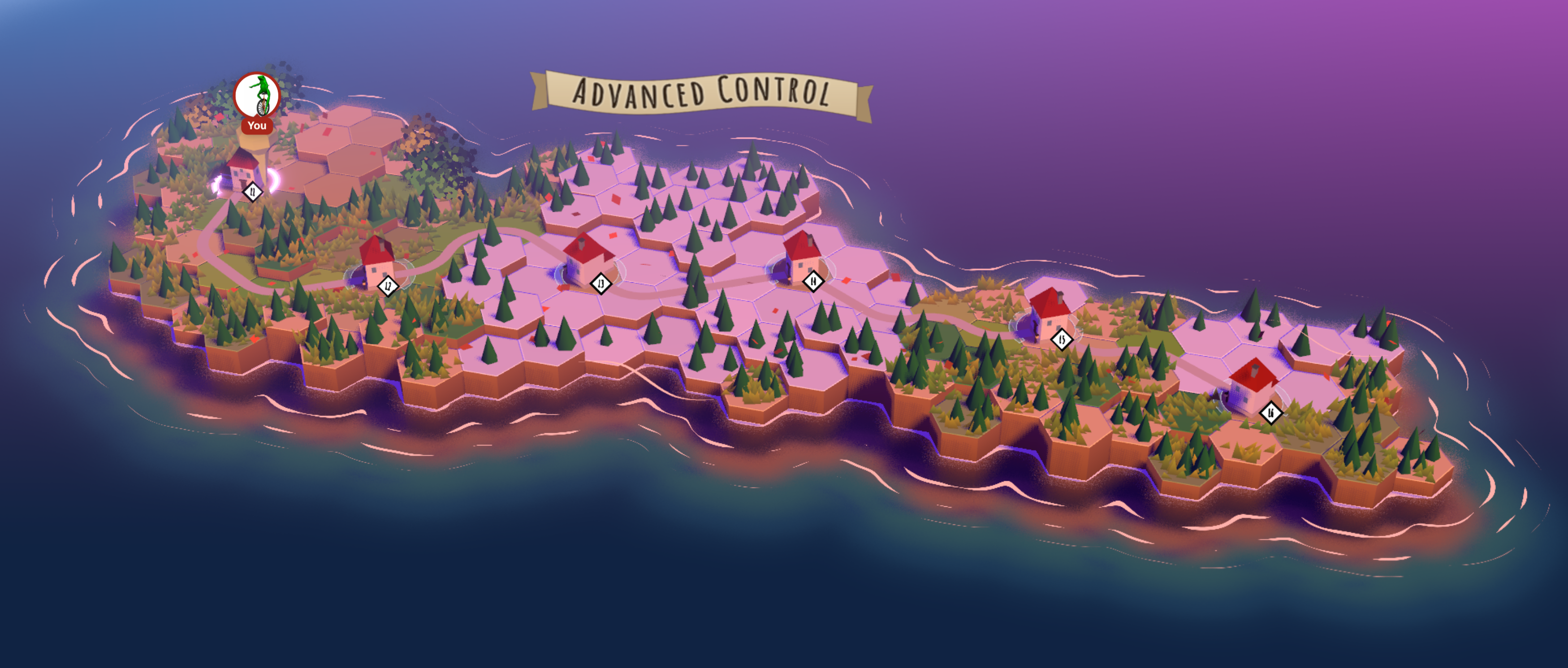
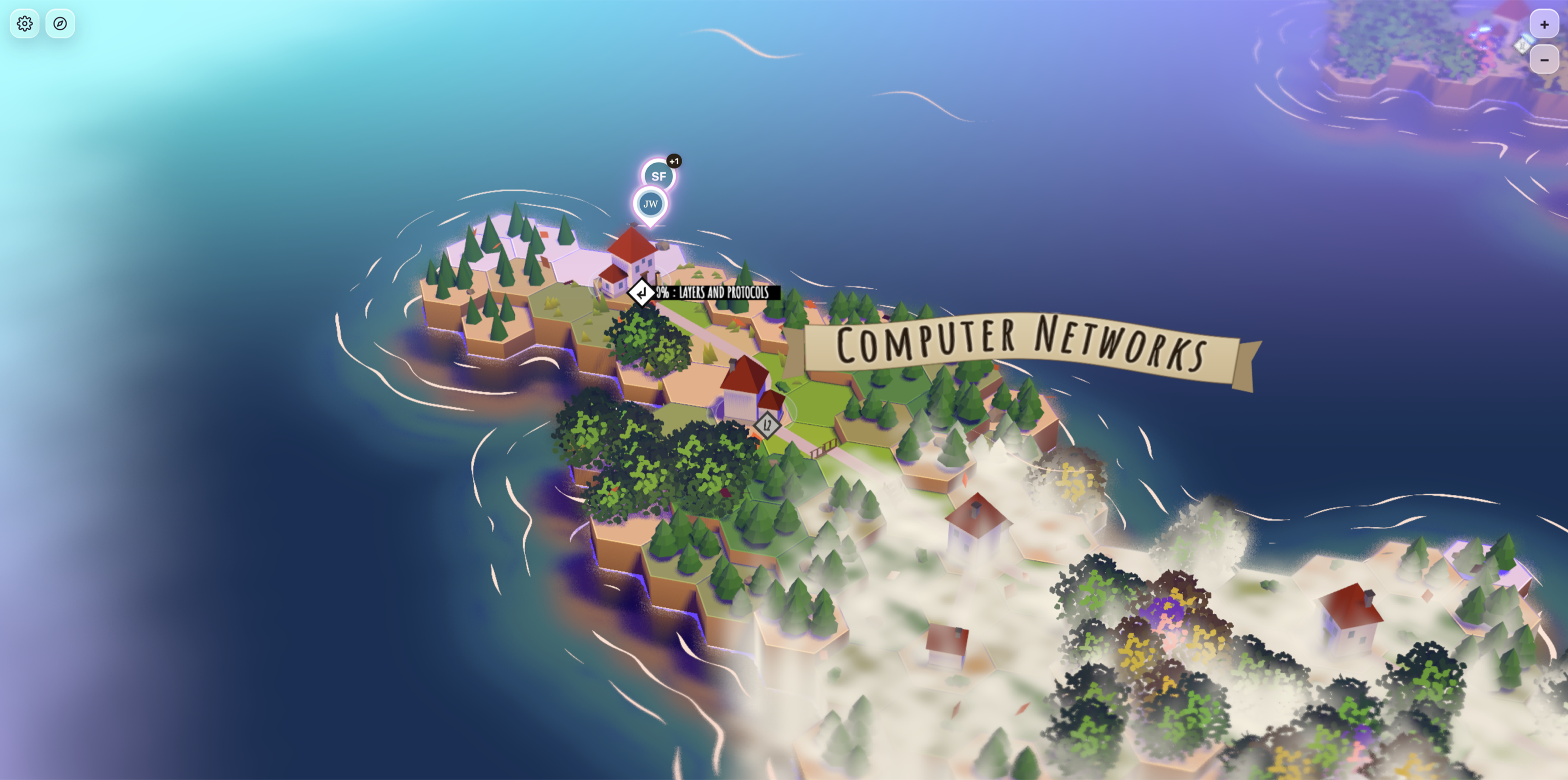
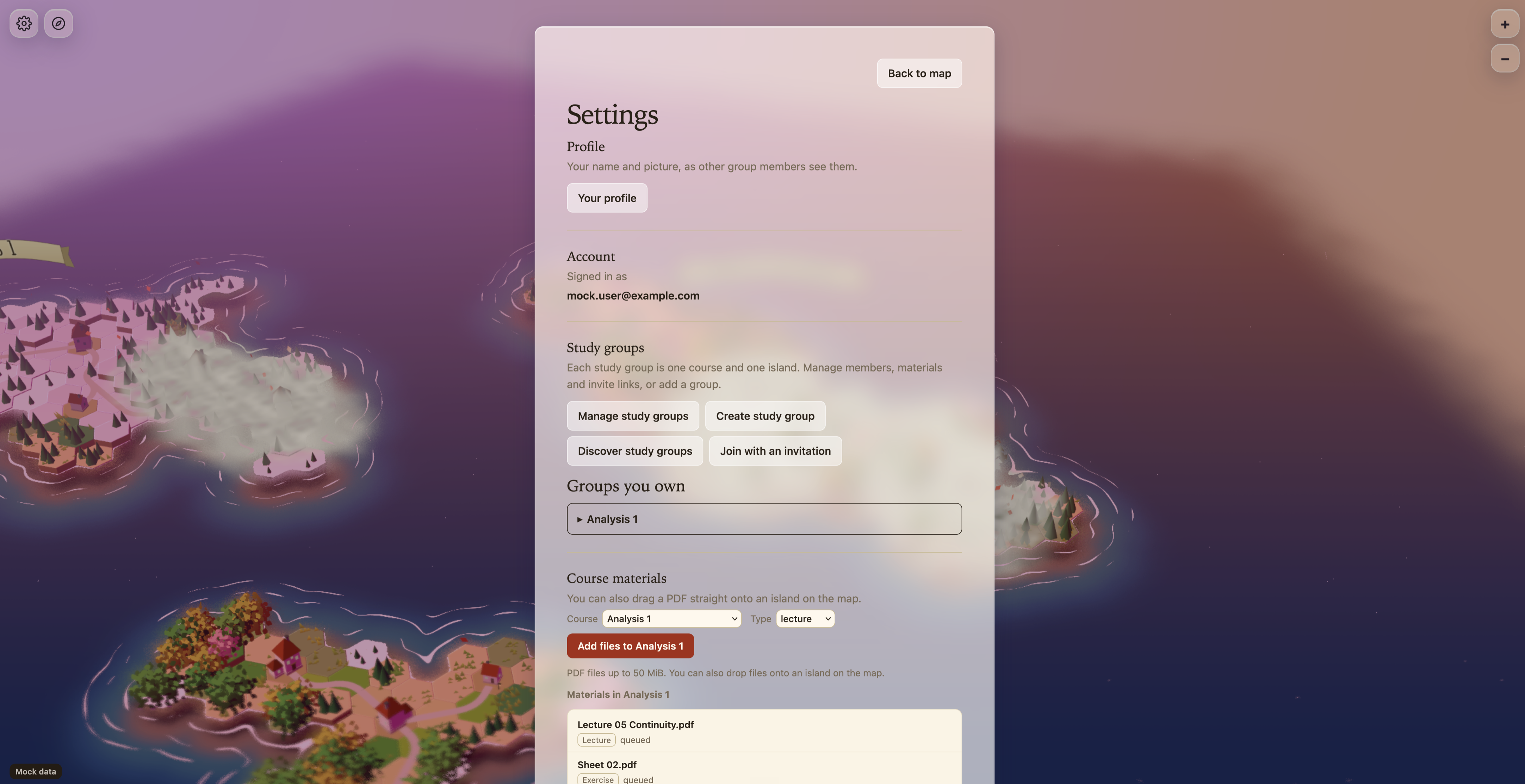
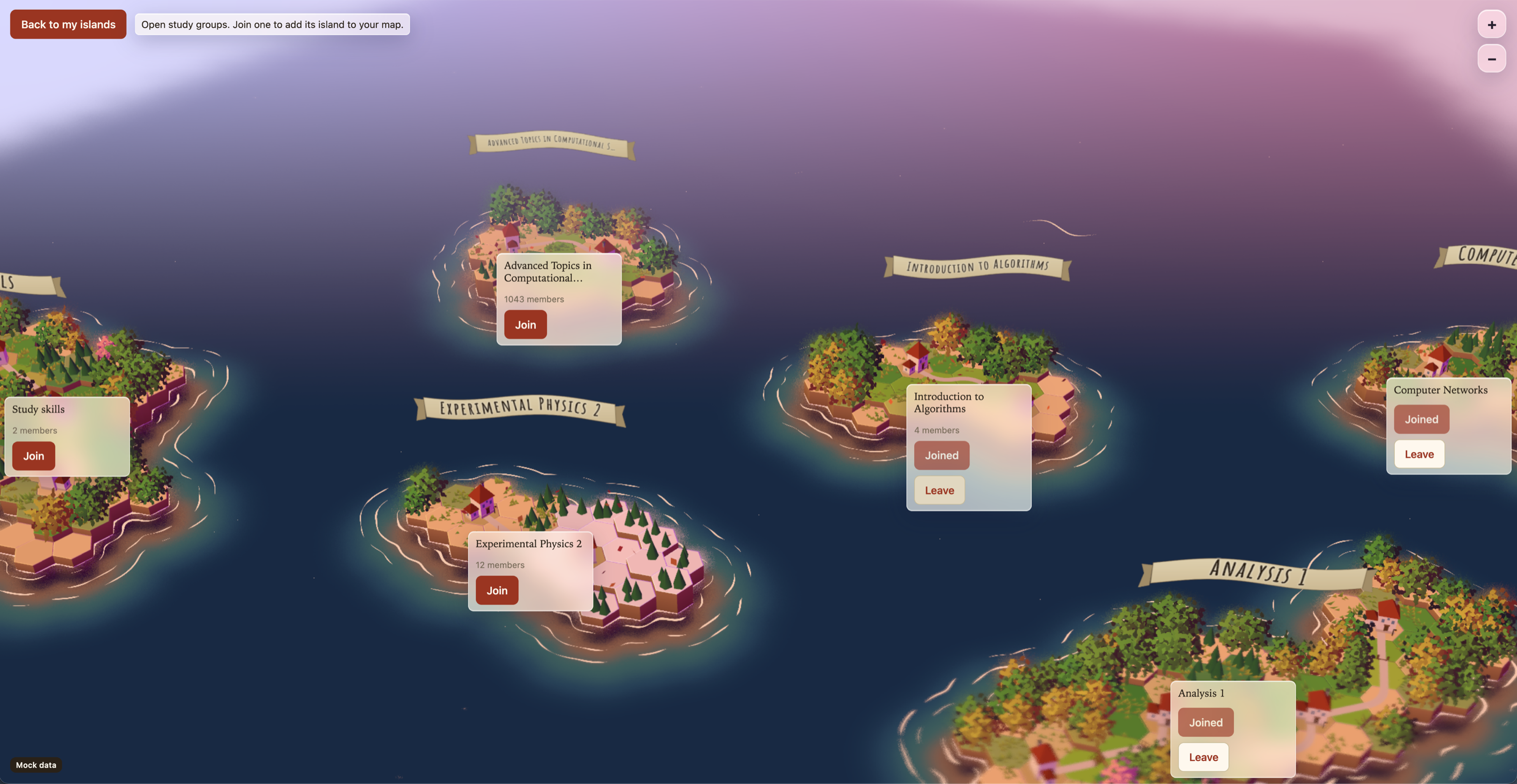
At 11 p.m. before an exam, a study group has the same problem in six different browser tabs: hundreds of slides, exercise sheets, scattered notes, and no shared answer to “what do we need to understand next?” Tobiishi turns that material into a course students can explore together. It makes the path through a subject visible, keeps explanations tied to their source pages, and puts people in control of what AI adds.
Inspiration
Most study tools treat a student as an individual with a stack of documents. Real studying is social: one person understands the derivation, another remembers the exercise, and everyone has a slightly different set of notes. We wanted the group’s work to accumulate into one trustworthy course space rather than disappear into private chats and repeated summaries.
What it does
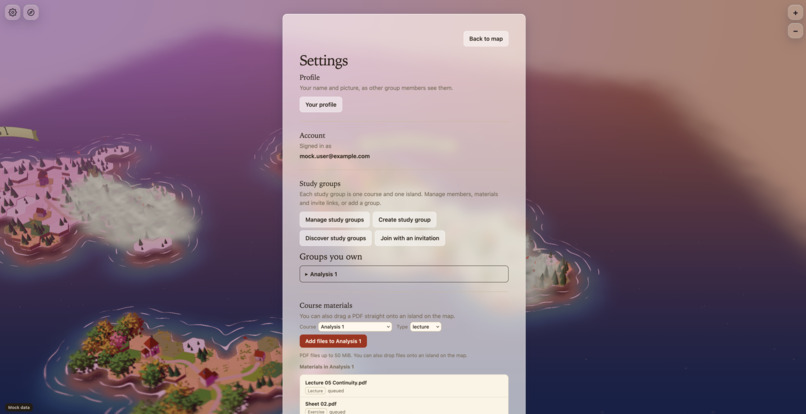
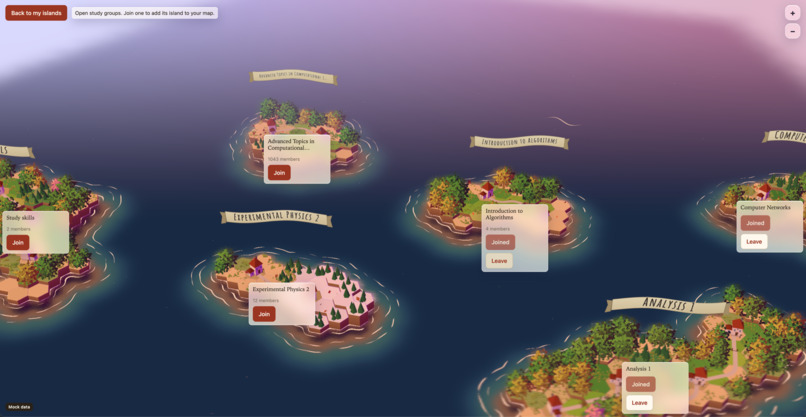
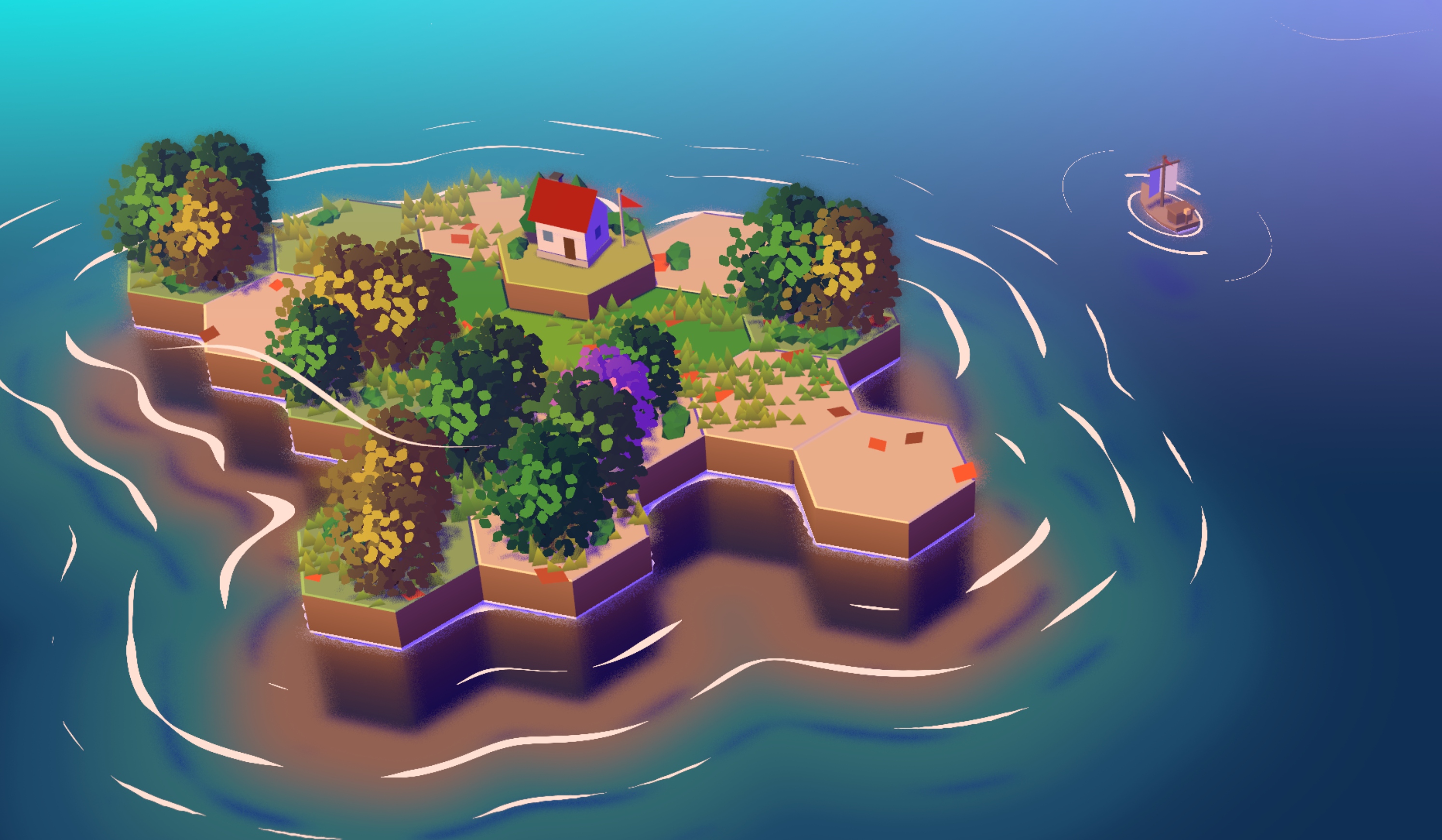
A course becomes an island. Each study group has a shared map. Topics form a path of buildings; members appear as avatars; completed levels and badges show who has worked through what. A student can move from the map into a lesson, open its cited PDF pages, answer questions, and return to the island with their progress updated.
The source stays one click away. Courses are parsed into chapters, levels, study sections, math rendering, scored question attempts, answer explanations, and a PDF pane that opens the relevant pages. A section-scoped AI tutor can explain a passage or derive an equation and save the response as a private note beside that section.
Groups build knowledge together. Members can create or join groups, invite classmates, upload course PDFs to private storage, and inspect materials. The shared knowledge graph connects small items such as definitions, methods, examples, and exercise tasks through prerequisites and related concepts. Proposed items and links carry citations and go through member review before publication.
Ask the course, not just a chatbot. Tobiishi uses retrieval-augmented generation (RAG): keyword and embedding search find relevant published items, graph links supply prerequisites, original document passages fill gaps, and external evidence is used only when needed. Answers distinguish course and outside sources, show working for derived results, and identify what remains unresolved. Read-only MCP lets members use the same published group knowledge from their own AI tools under the same membership rules.
How we built it
The frontend uses React, TypeScript, Vite, and a custom hex-island map engine. Cognito handles identity. FastAPI on AWS Lambda exposes the app and group APIs; PostgreSQL and pgvector store memberships, progress, reviewed knowledge, citations, and keyword and semantic search indexes. Private S3 holds the original PDFs. The lesson reader renders mathematics with KaTeX and source pages with PDF.js. Amazon Bedrock powers generation, research, and the contextual lesson tutor.
The AI pipeline separates generation from publication. Multimodal PDF processing reads text and page images; a language model proposes knowledge items, concept links, lessons, exercises, and exam walkthroughs; validators check citations and source scope; and a group member edits or rejects the batch before an atomic publish. This human-in-the-loop workflow makes AI useful for shared studying without silently turning guesses into course facts.
Challenges we ran into
Making a real map behave like an app. The map, account screens, uploads, settings, progress, and lesson reader were built in parallel. We defined a map data contract and integrated the pieces so joining a group or completing a topic updates the island instead of creating a disconnected demo screen.
Keeping a source trail through AI output. A plausible explanation is not enough when a student is preparing for an exam. We model citations at the page and passage level, check that generated quotes belong to the group’s uploaded sources, and keep proposals separate from published knowledge.
Keeping the island responsive under real use. A map needs group membership, topics, and progress at once. Early testing exposed intermittent API throttling. We added safe read retries and bounded concurrency, then added a compact map read so students can move between groups without losing the context of their course.
Accomplishments we are proud of
A deployed app where members can sign in, see their groups and classmates on the island map, upload course PDFs, review generated material, and study the published levels together.
A lesson experience with page-linked reading, rendered equations, scored practice, and a contextual AI tutor.
An end-to-end path from uploaded course material to reviewed, source-backed knowledge and published lecture, exercise, and exam levels that a second member can study.
A course interface where study-group membership and individual progress are visible as a place and a path, not just another file list.
What we learned
An attractive learning world only helps if its actions lead back to understanding. We therefore connect map progress to lessons and assessments, and connect AI explanations to the actual course pages. We also learned that source validation and human review are product features, not just backend safeguards: they give a whole group a reason to trust and reuse the same knowledge.
What is next
Teach-back rooms. A student who earned a topic badge could host a five-minute explanation for classmates. An AI observer would compare the explanation with the approved course sources, suggest missing steps, and give both students a short follow-up question. The goal is to turn visible expertise on the island into actual peer teaching.
What-if labs. For quantitative topics, students could change assumptions or values in an interactive model and predict the outcome before revealing it. Tobiishi would connect the result to the relevant theorem, worked example, and cited lecture page, so experimentation strengthens understanding rather than becoming a detached simulation.
Course change radar. When a lecturer uploads revised (verified) slides, the group could see exactly which published explanations, exercises, and exam walkthroughs may be affected. Tobiishi would propose targeted updates for review and show members what changed since they last studied the topic.
Built with
React · TypeScript · Vite · FastAPI · Python · PostgreSQL and pgvector · AWS Lambda · Amazon S3 · Amazon Cognito · Amazon Bedrock · KaTeX · PDF.js · MCP
Built With
- amazon-web-services
- fastapi
- postgresql
- python
- react
- terraform
- typescript


