-
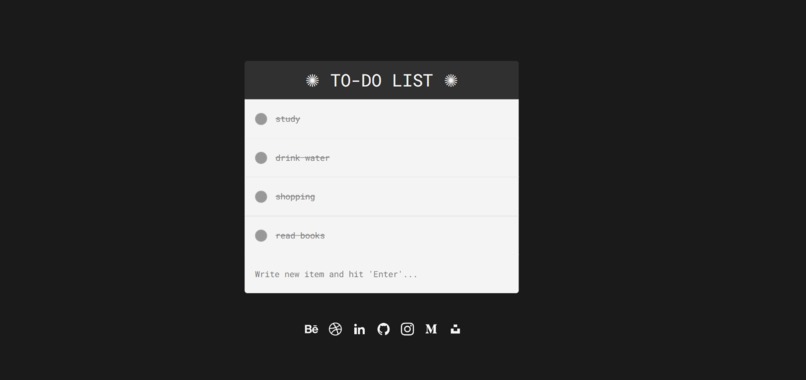
Here is my output for to-do list app

Inspiration: The inspiration for creating a to-do list app often comes from the desire to organize tasks efficiently and improve productivity. Many people struggle with managing their tasks effectively, and a digital solution offers convenience and flexibility. Learning: Developing a to-do list app involves learning various programming languages, frameworks, and technologies. This includes understanding front-end development (HTML, CSS, JavaScript) for creating the user interface, back-end development (such as Node.js or Django) for handling data and user authentication, and database management (SQL or NoSQL databases) for storing tasks and user information. Project Development: The project is typically built using an iterative process. Developers start by defining the basic features and functionalities of the app, such as creating, editing, and deleting tasks, organizing tasks into categories or lists, setting deadlines or reminders, and user authentication for secure access. Front-end Development: Designing the user interface involves creating a visually appealing layout that is easy to navigate and interact with. This often requires implementing features like drag-and-drop functionality, responsive design for mobile compatibility, and real-time updates using technologies like AJAX or WebSockets. Back-end Development: Building the back-end involves setting up a server to handle HTTP requests from the client-side, implementing RESTful APIs for CRUD operations (Create, Read, Update, Delete) on tasks and user data, and integrating with a database to store and retrieve information. Database Management: Choosing the right database solution depends on factors like scalability, performance, and data structure requirements. Developers may opt for relational databases like MySQL or PostgreSQL, or NoSQL databases like MongoDB, depending on the project's needs. Challenges: User Experience: Creating a seamless and intuitive user experience is challenging. Balancing simplicity with functionality, providing clear feedback, and ensuring accessibility across different devices and screen sizes requires careful planning and testing. Security: Implementing robust user authentication and authorization mechanisms to protect user data from unauthorized access or manipulation is crucial. This involves encrypting sensitive information, implementing secure login processes, and preventing common security vulnerabilities like Cross-Site Scripting (XSS) and SQL Injection. Performance: Optimizing the app's performance to handle a large number of tasks and users efficiently is another challenge. This includes optimizing database queries, minimizing network latency, and caching frequently accessed data to improve response times. Testing and Debugging: Identifying and fixing bugs, ensuring compatibility across different browsers and devices, and conducting thorough testing to validate the app's functionality and reliability are ongoing challenges throughout the development process.


Log in or sign up for Devpost to join the conversation.