-
-
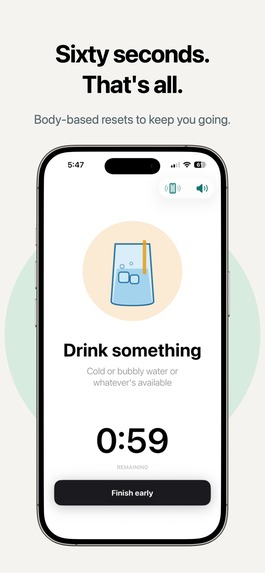
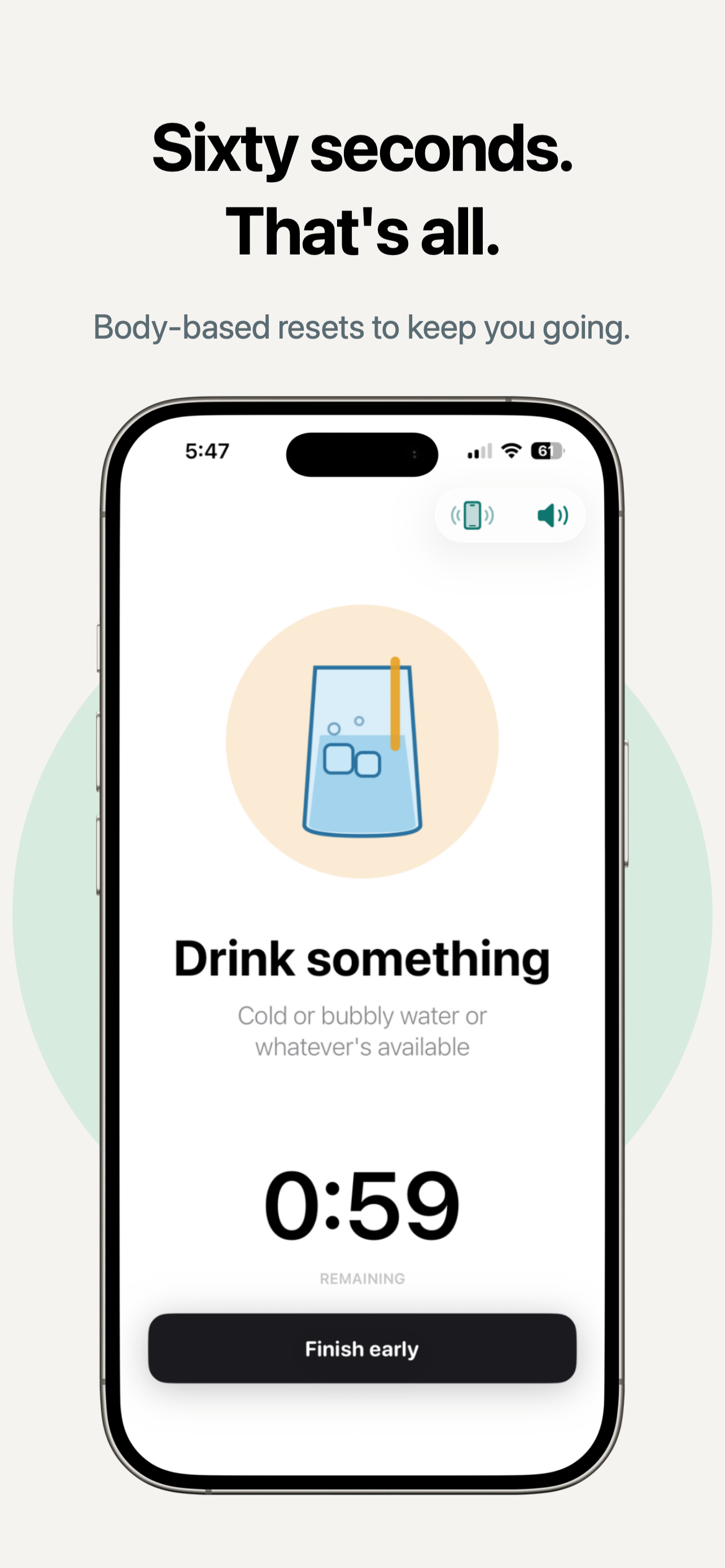
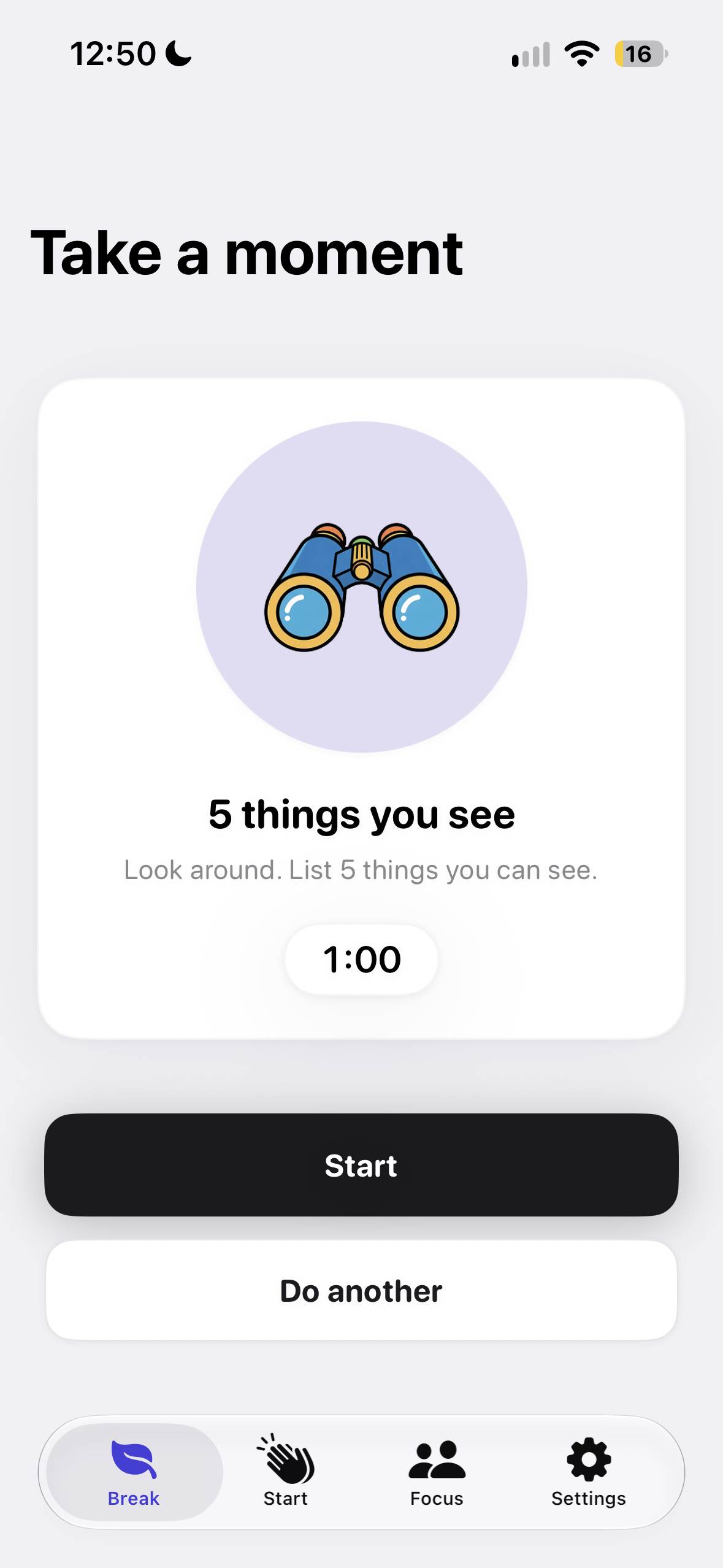
Sixty seconds. → Short, body-based breaks to reset.
-
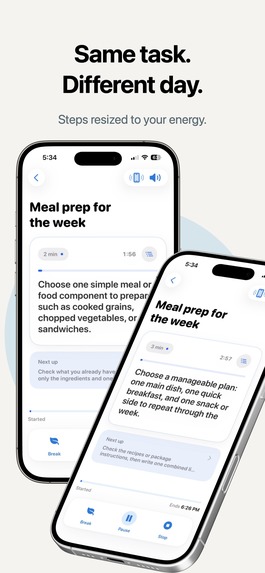
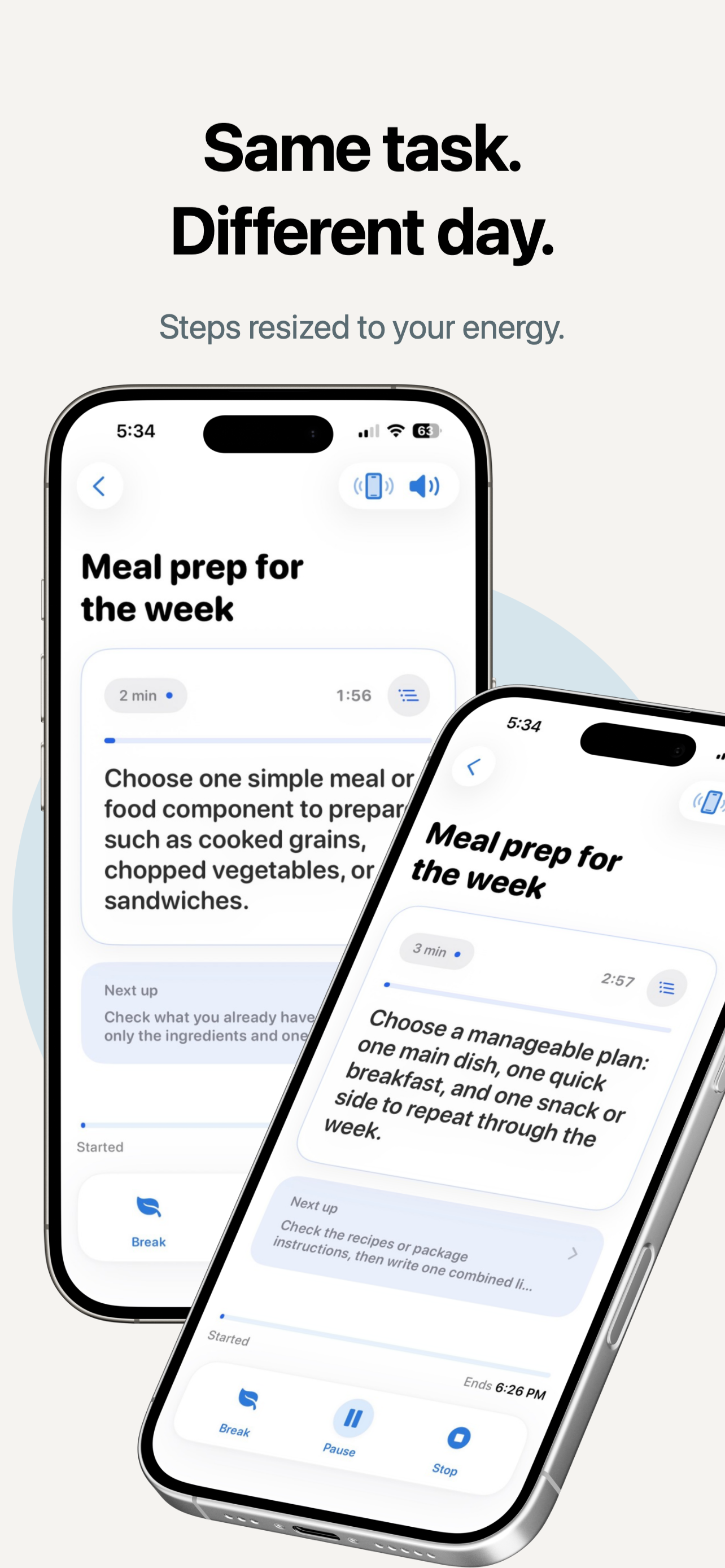
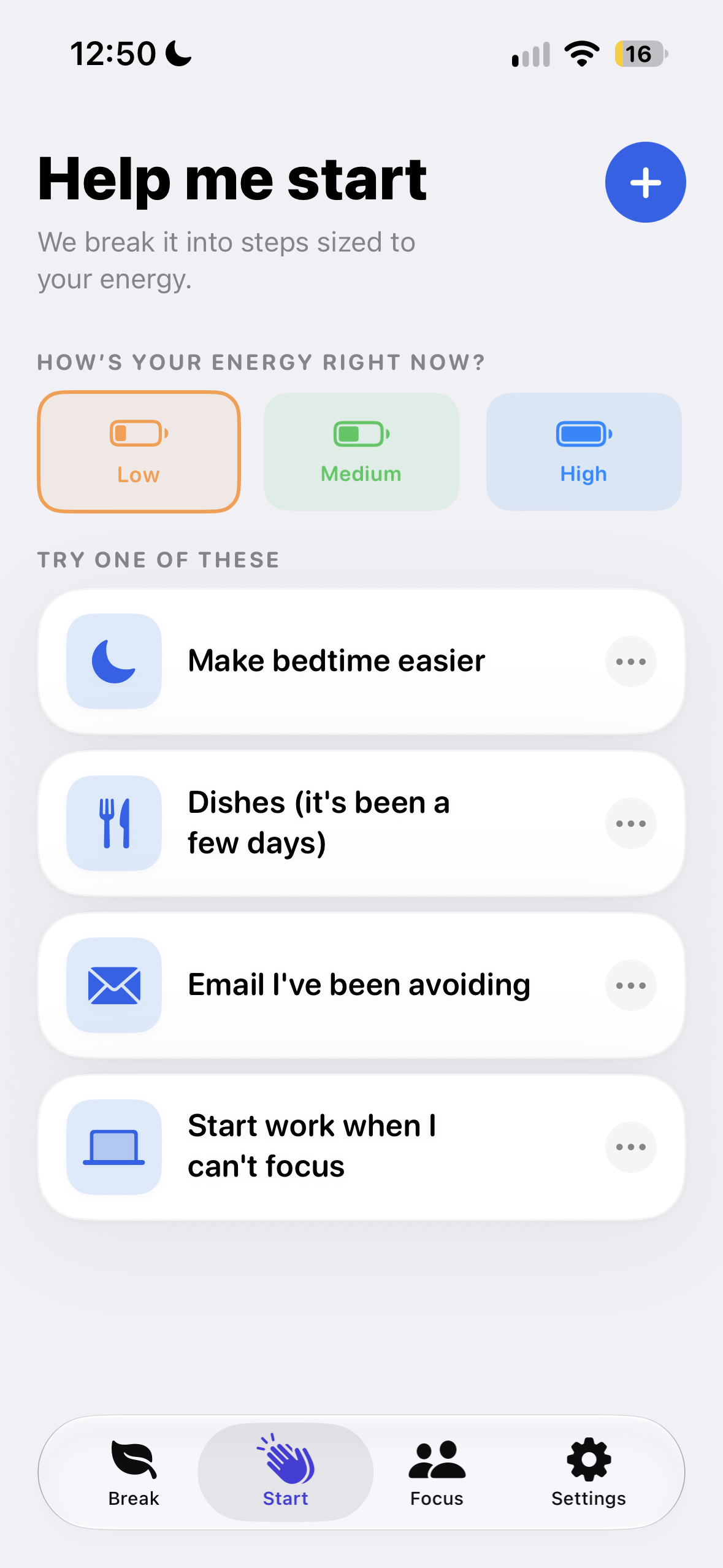
Same task. Different day. → The same task broken down differently depending on energy.
-
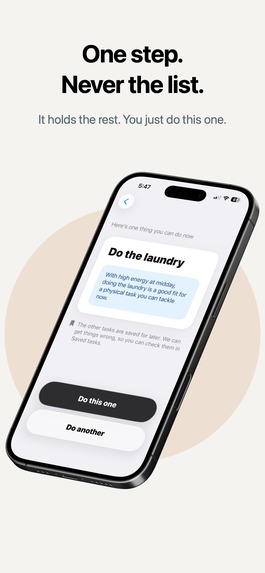
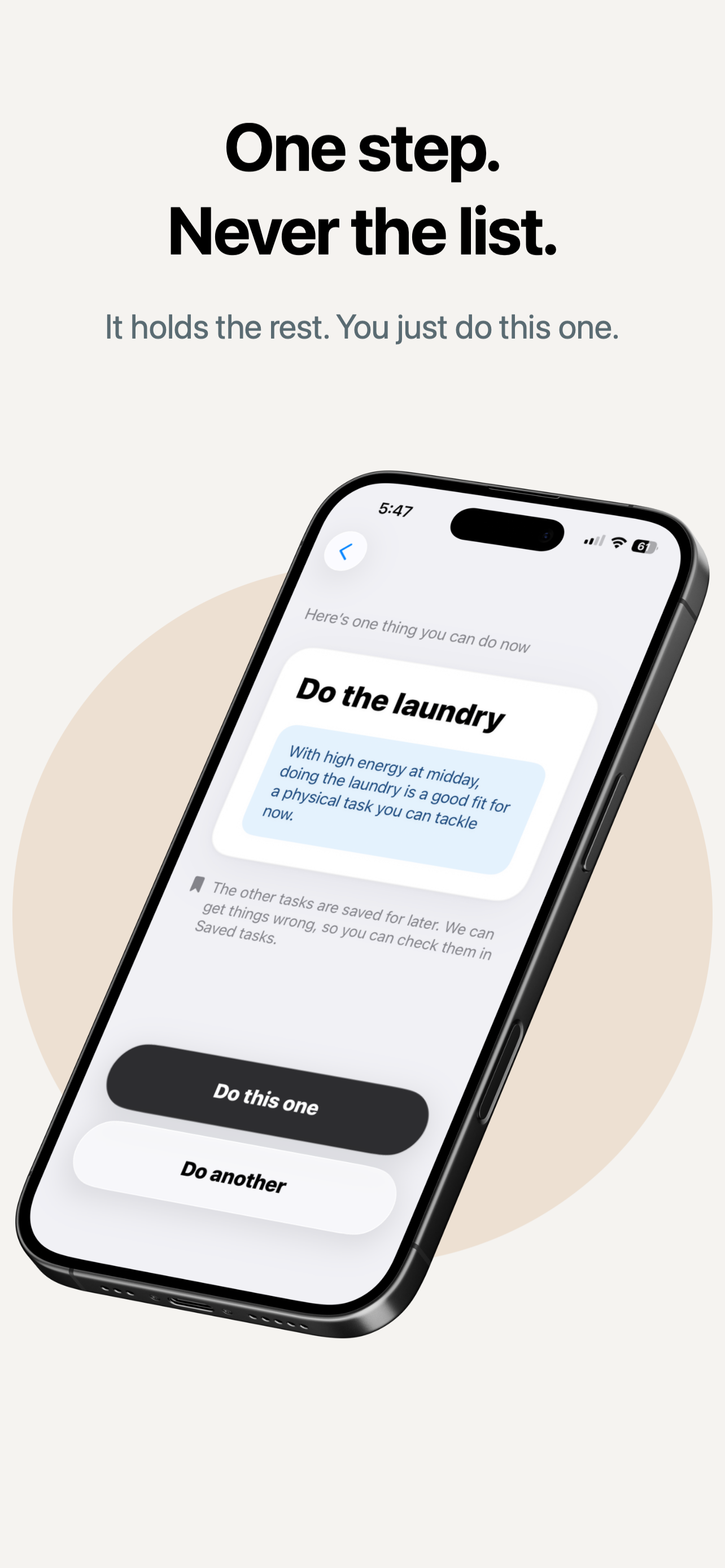
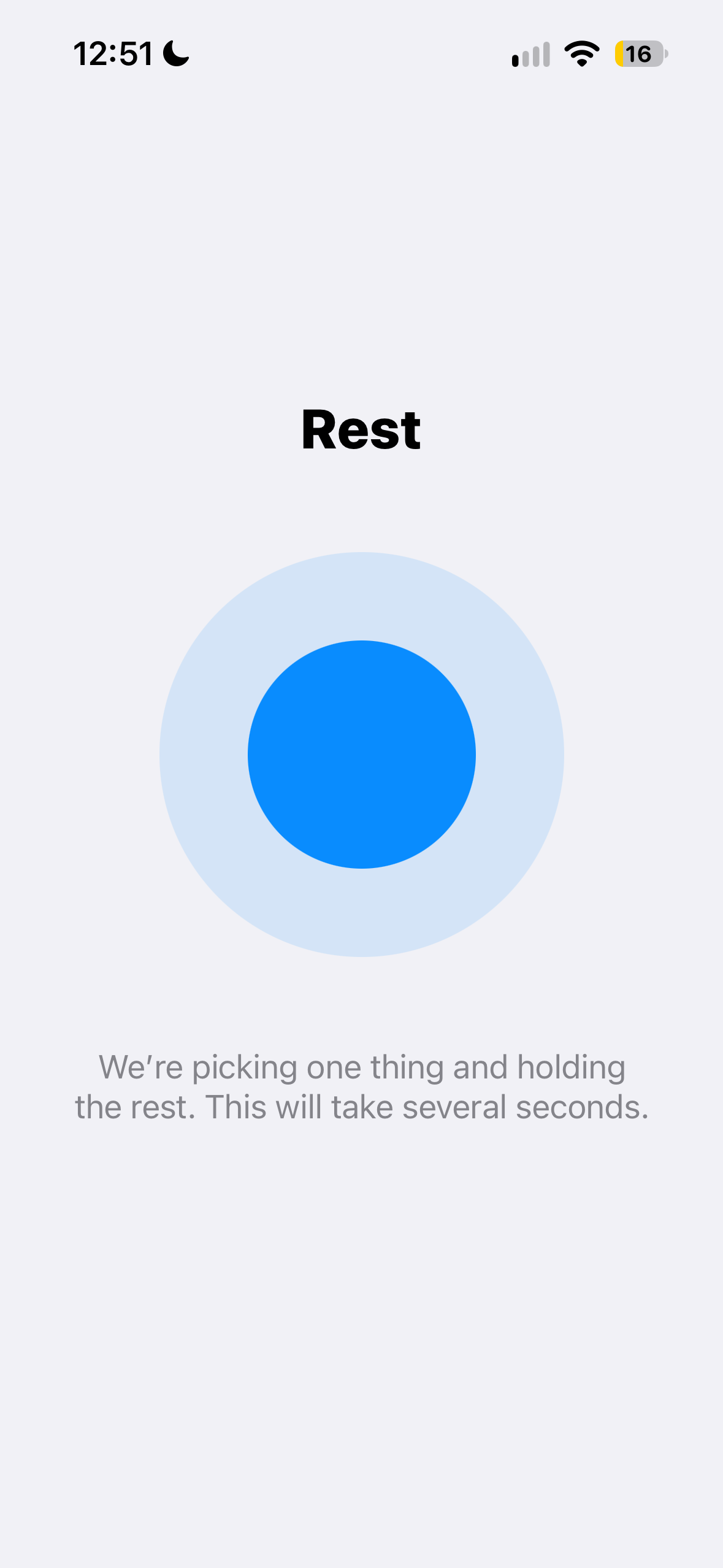
One step. Never the list. → It picks one thing and holds the rest.
-
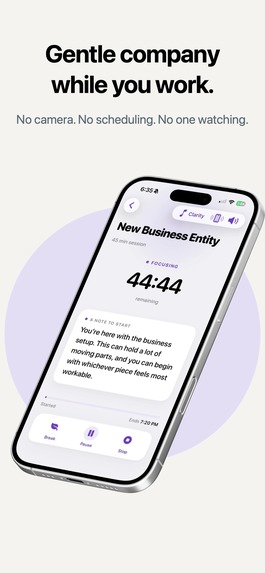
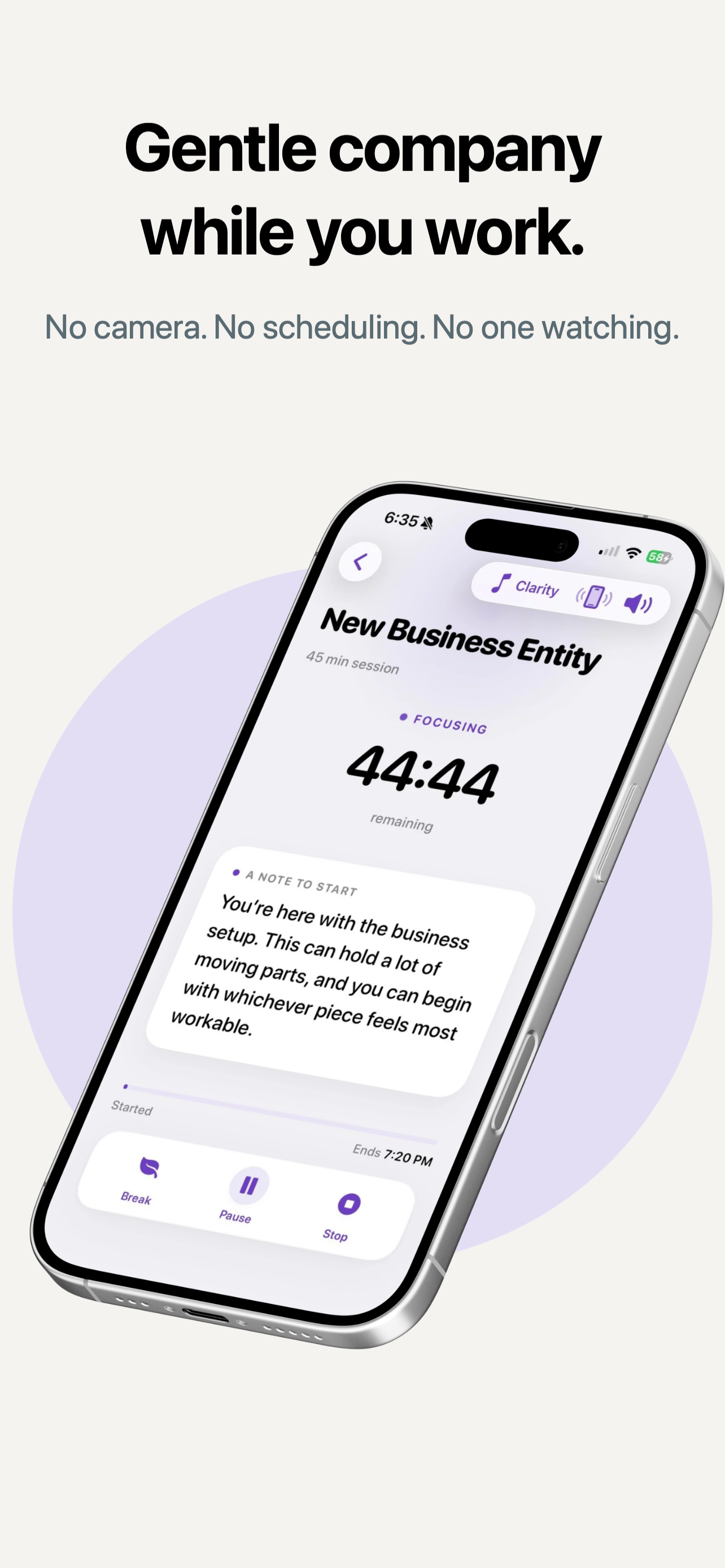
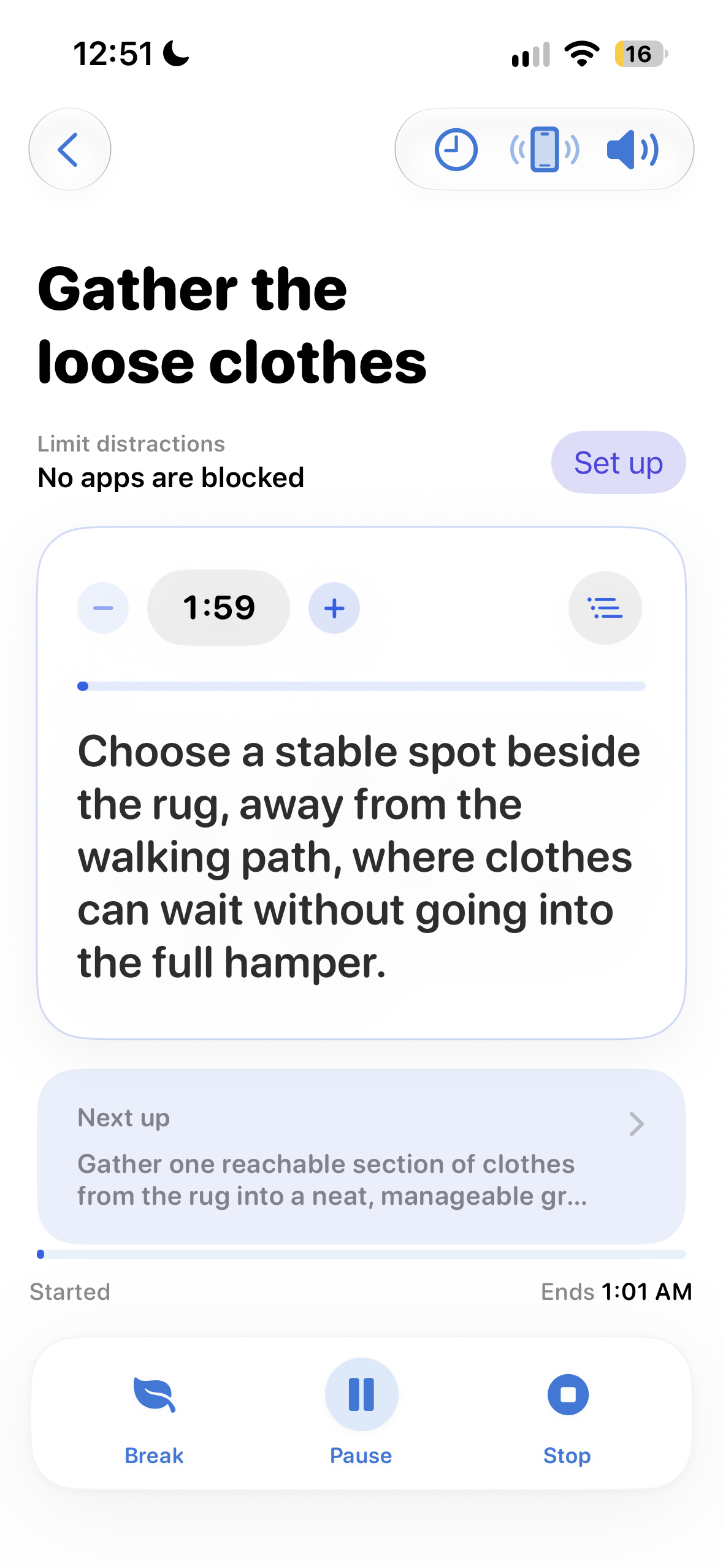
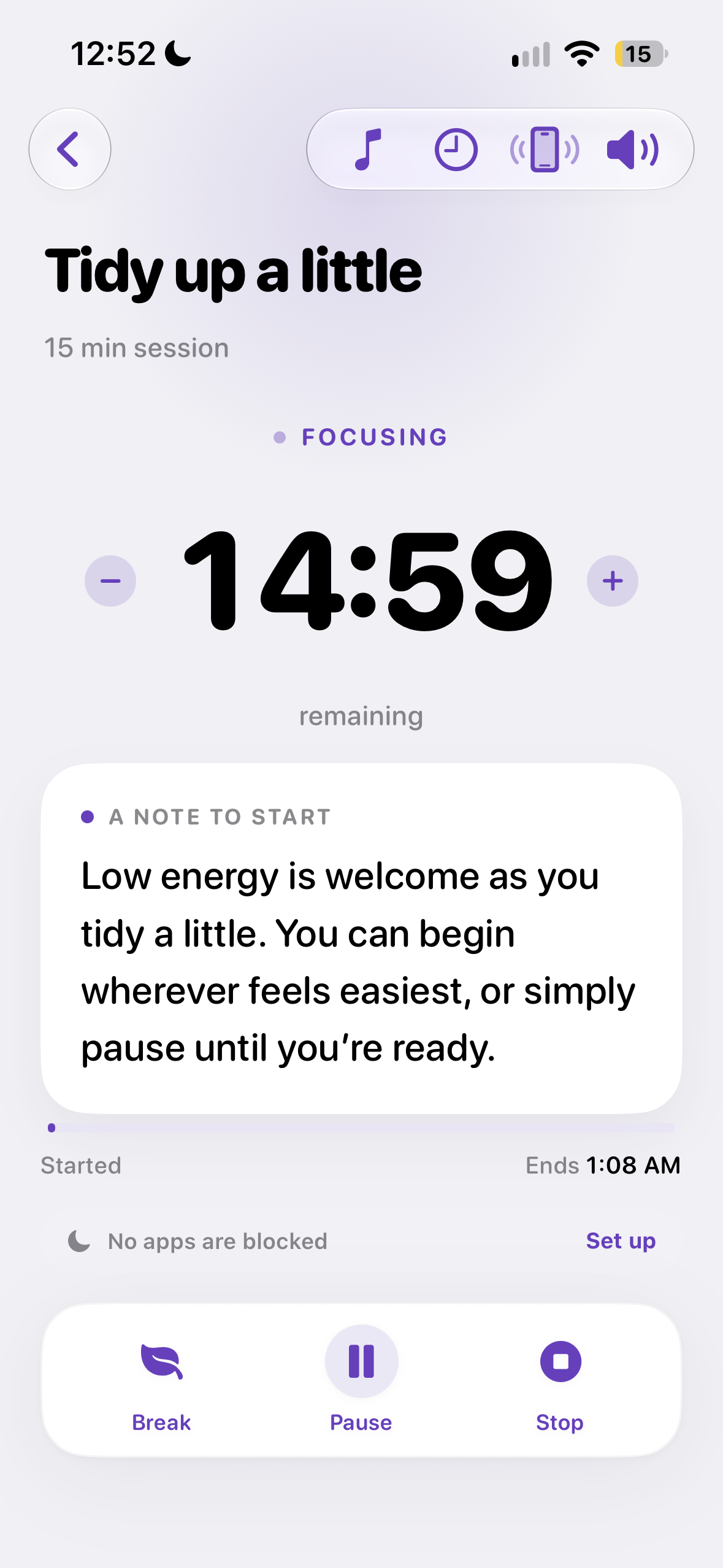
Gentle company while you work. → Body doubling without a camera or another person.
-
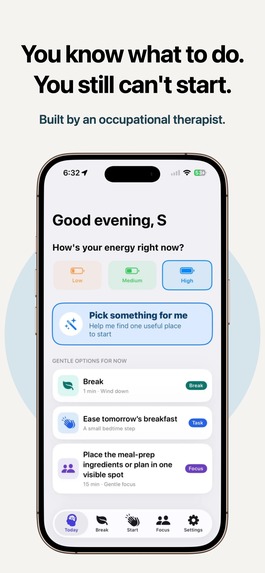
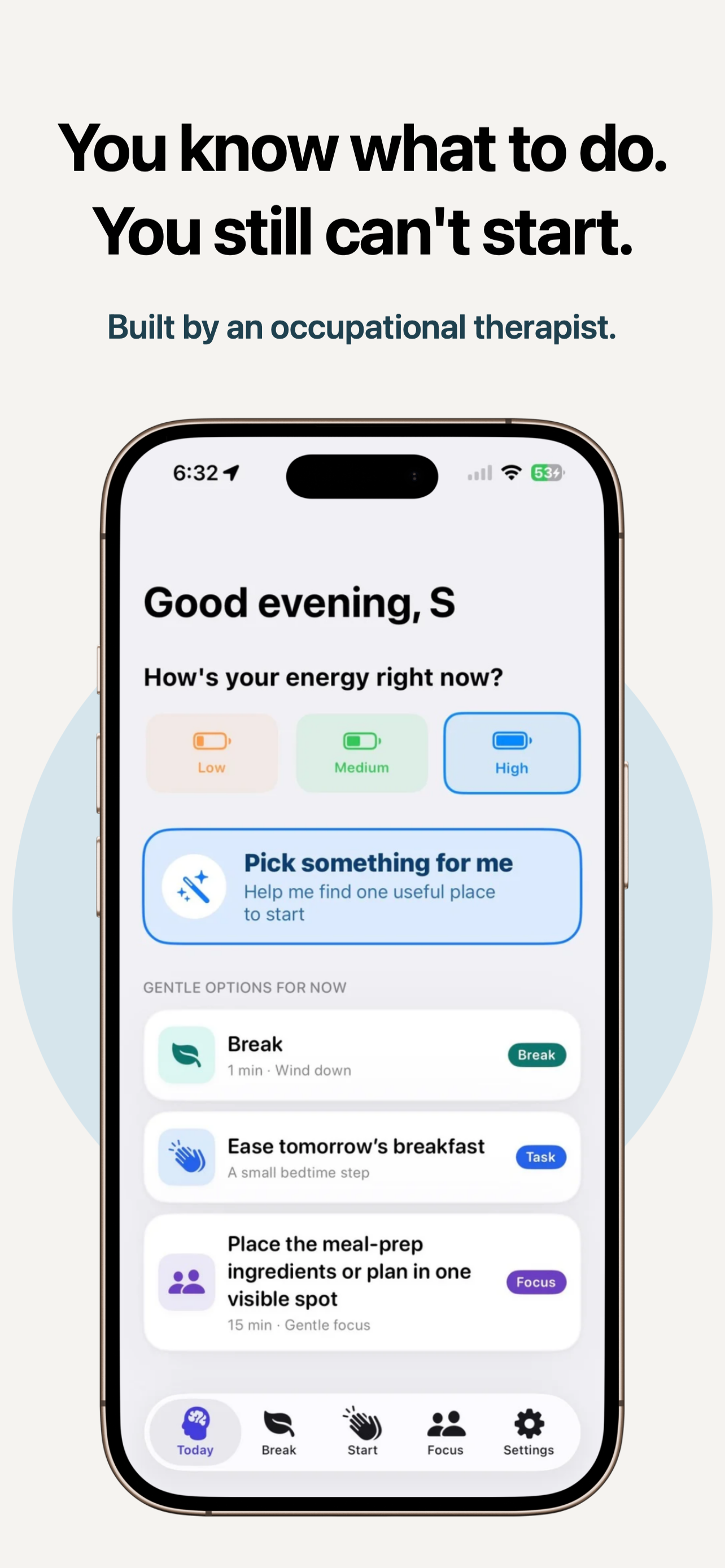
You know what to do. → Check in with your energy, then get gentle options for right now.
-
To Do-ish Logo
-
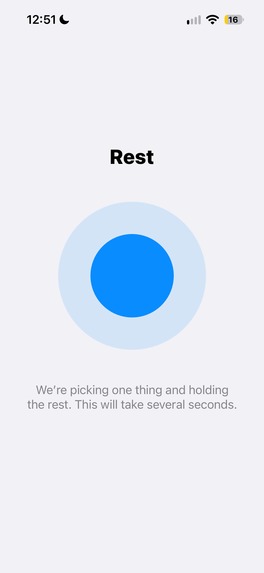
Suggesting a break while it sorts your situation
-
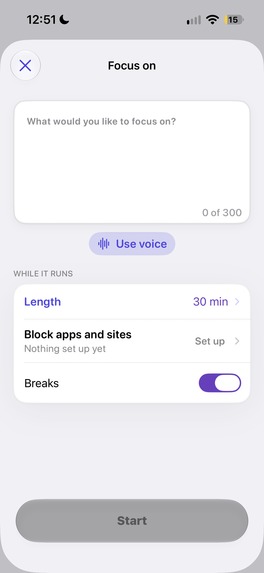
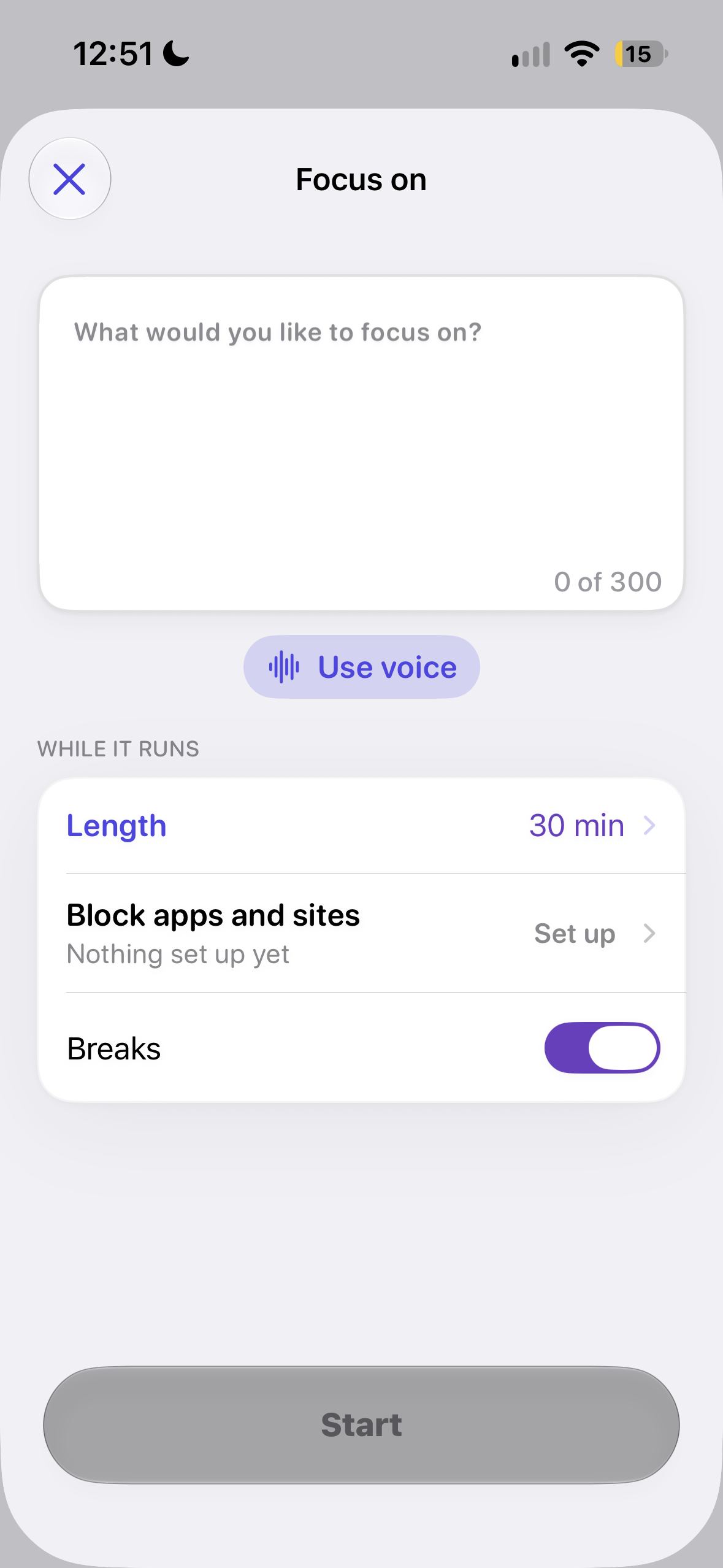
Set up a focus session
-
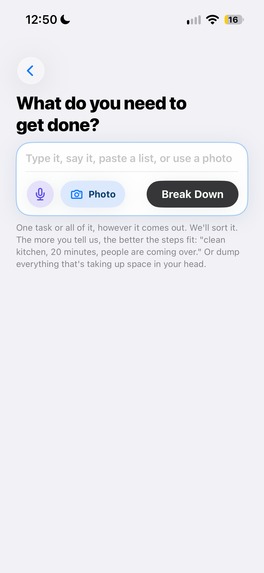
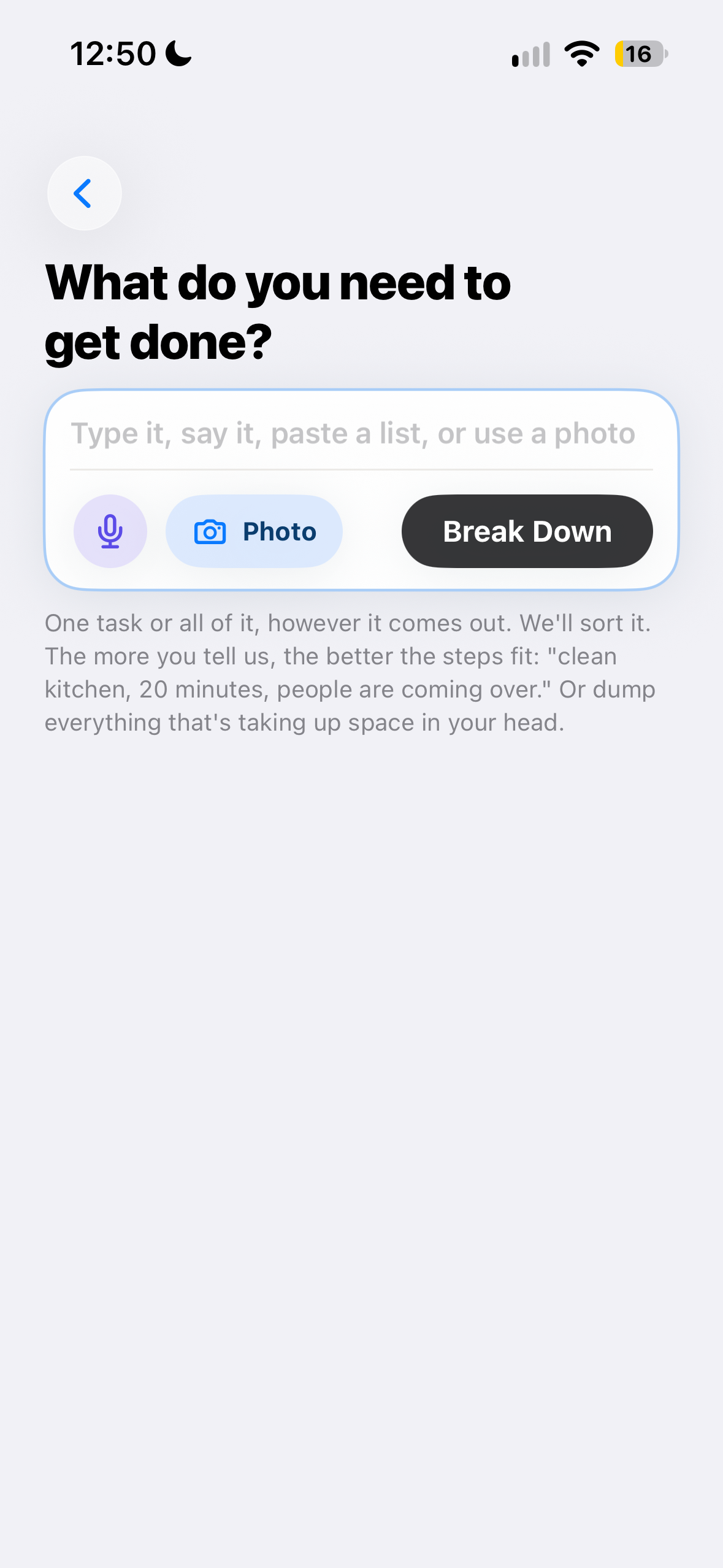
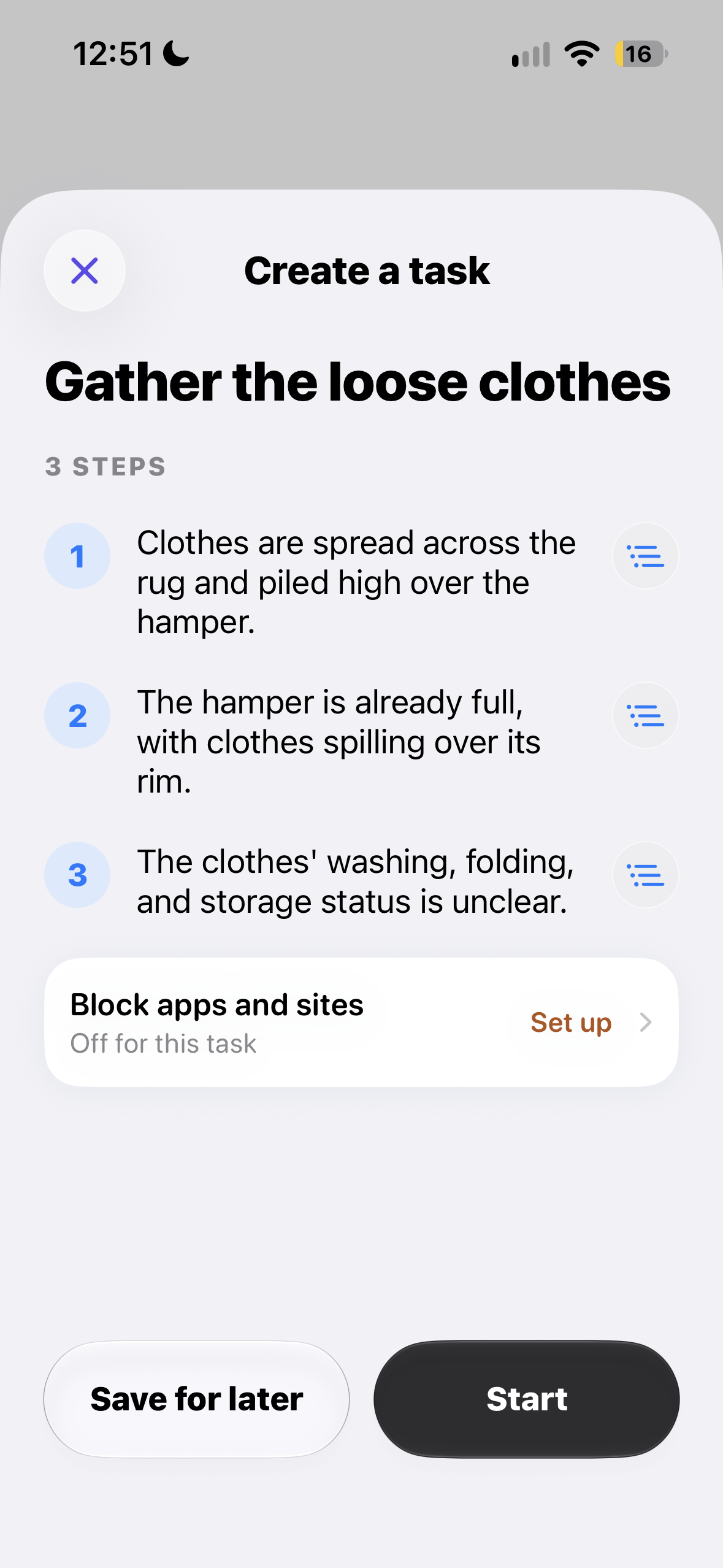
Start a task breakdown
-
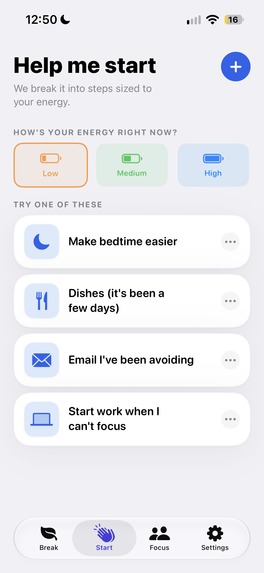
Start menu
-
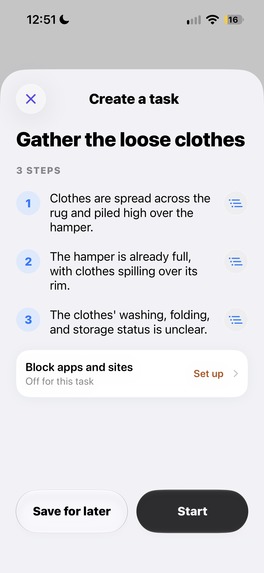
Task breakdown preview
-
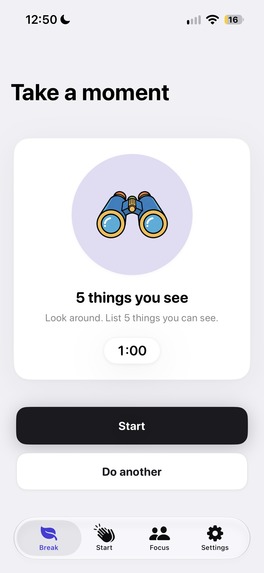
Take a 60 second body based break
-
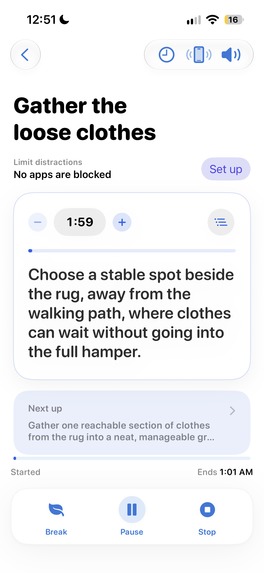
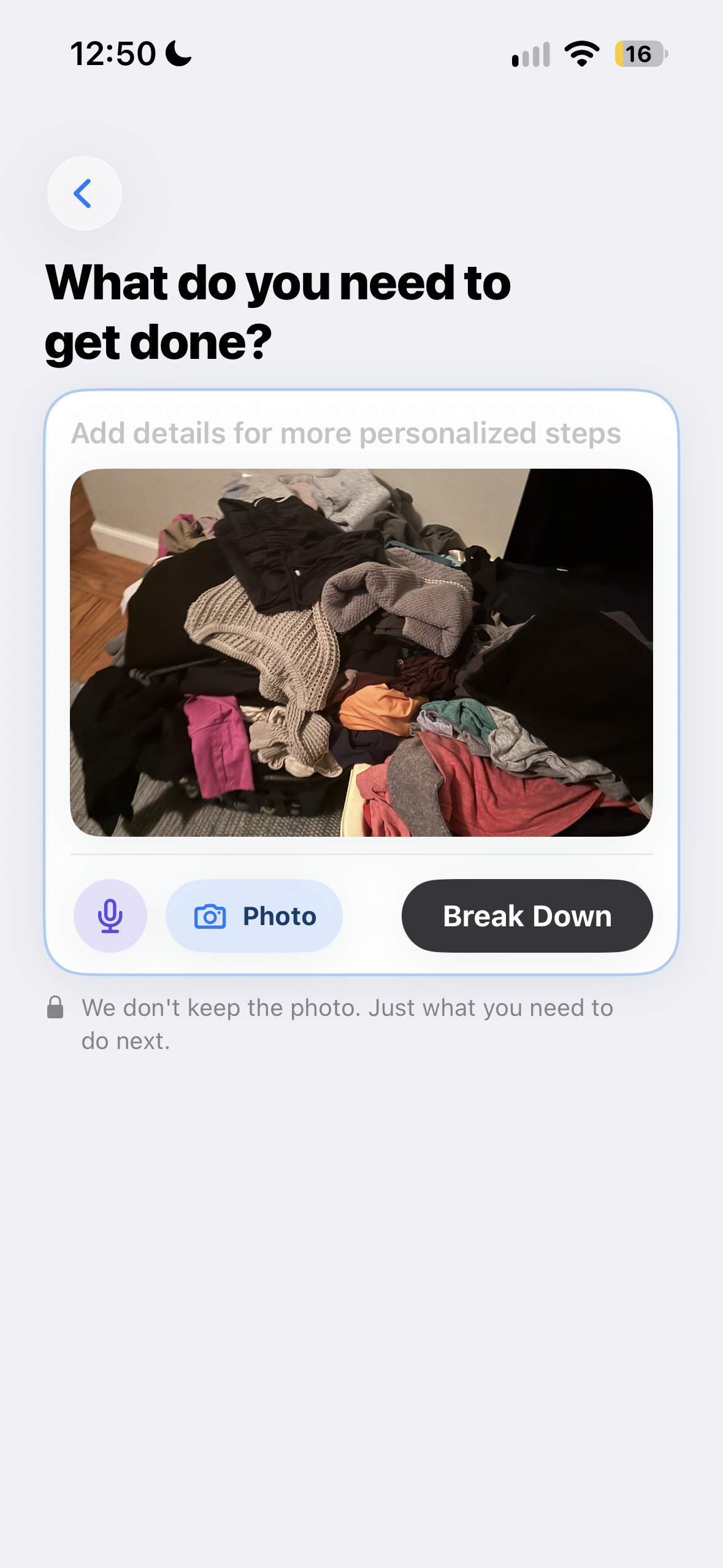
Task breakdown in action
-
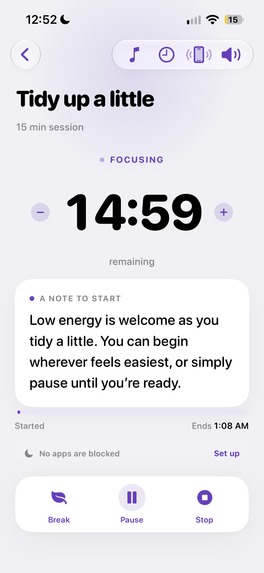
Focus session in action
-
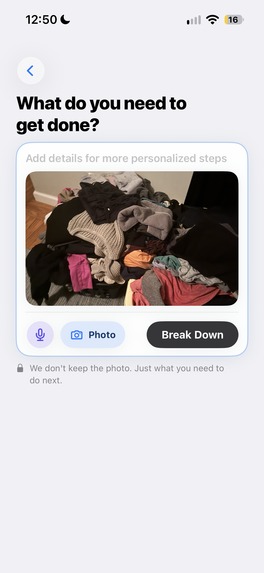
Show us what you're struggling with and we sort it and break it down
Inspiration
Sheela has been a licensed occupational therapist for 15 years, working mostly with neurodivergent clients and clients with mental health conditions. In session after session she saw the same pattern. People knew what they needed to do. They had lists, planners, and apps. What they didn't have was a way to get from knowing to doing.
Productivity apps are built for planning. Our clients weren't stuck at planning. They were stuck at starting. In therapy, an OT gets someone unstuck by breaking a task down to the right size for their energy that day, and often by simply being present while they do it. That support stops when the session ends. We built To Do-ish to carry it into the rest of the week.
What it does
To Do-ish has three core features:
- Task breakdown: You enter a task like "clean the kitchen" and tell it how much energy you have. It returns steps sized for that energy, not a generic checklist.
- Body doubling: An AI companion stays with you while you work, checks in, and keeps you on track.
- Breaks: Built-in breaks help you reset when you're overwhelmed or running low, then bring you back to the task.
How we built it
We're a two-person team. Sheela (CEO) handled the clinical design, UX/UI, and user research. Alex (CTO) built the app.
Before writing any code, we turned Sheela's clinical reasoning into structured data:
- Intervention library: dozens of OT interventions, each mapped to its purpose, safety requirements, the emotional state it addresses, and its benefit.
- Clinical reasoning flows: how an OT reads what someone says and decides how to respond.
- Questioning flows: what an OT asks to gather enough context before suggesting anything.
These shape how the AI breaks tasks down and how it responds during body doubling, so its answers follow clinical logic instead of generic productivity advice.
[ALEX: stack, AI approach, RevenueCat integration]
Challenges we ran into
- Deciding what to leave out. Most apps in this space use streaks, points, and badges. For people who already feel behind, a broken streak is one more failure. We left gamification out on purpose.
- Sizing steps correctly. A step that's too big and the person stays stuck. Too small and it feels patronizing. Matching the step to the person's stated energy took a lot of iteration.
- Keeping the AI from overwhelming people. Language models tend to say too much. We had to keep responses short
Built With
- app-store-connect
- canva
- claude-code
- customer.io
- customerio
- figma
- framer
- ios
- kit
- openai
- posthog
- revenuecat
- storekit
- swift
- swiftui
- tally
- testflight

Log in or sign up for Devpost to join the conversation.