-
-
Curieosity Introduction
-
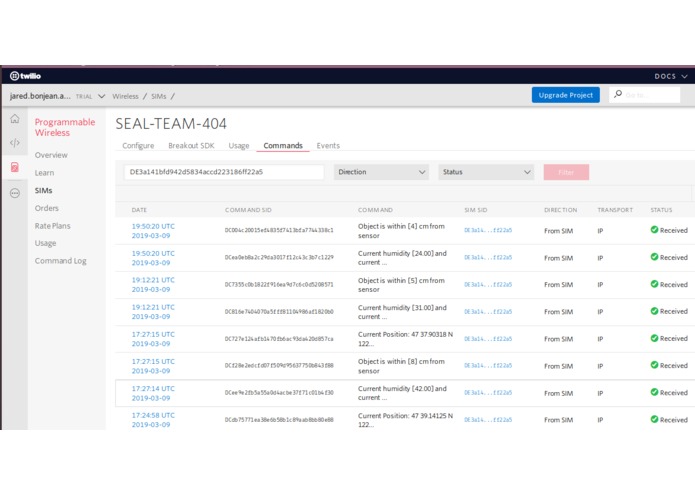
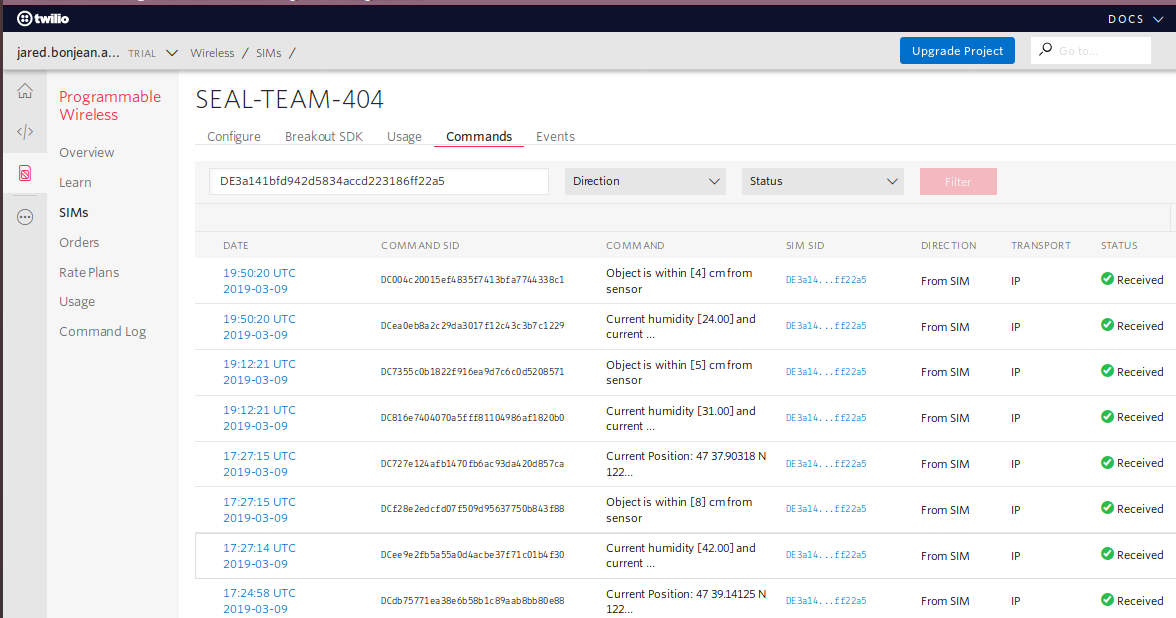
Capturing Data from NB_IoT Device

Curieosity: Radioactive Source Tracking in the Oil Field
Motivation:
There are thousands of radioactive sources that are lost every year in the U.S.
Over 50% of “orphaned source” incidents in North America happen in the oilfield according to the NRC & IAEA
This is a national security crisis
The Challenge
Design an approach that uses a Narrowband IOT device to provide accountabiliy for radioactive sources
Seal Team 404 (Team Not Found)
2019 T-Mobile NB-IOT Hackathon
Bellvue, WA
March 8-9, 2019

Project Solution
Radioactive material transport is a major security concern. Utilizing an Arduino with GPS tracking, proximity, temperature and humidity sensors to provide telemetry using nation-wide narrowband communication, this project provides accessible and easy-to-use system to track these high-risk radioactive sources from the time they are manufactured or imported through the time of their disposal or export.
- Suitable for wide scale deployments to a large number of devices
- Usale throughout the entire continental US
- Provides a realiable accounting method
- Can ensemble with other data sources
Future Steps
- Engage national and international agencies for greater nuanced understanding of metrics and KPIs that matter to their operations, planning, and policy making.
- Aggregate transportation data to build a more robust time series forecast
- Incorporating additional data to enhance machine learning platform
- Develop app that governments and industry partners can use to allocate resources and develop resonse plans
Additional Background
With so much radioactive material in use worldwide, it is routinely lost or stolen. The theft near Mexico City in December 2013 of a truck carrying a cobalt-60 teletherapy machine is the most well-known recent example. It involved a radioactive source particularly well-suited to use in an RDD. But it is important to understand how any type of nuclear or other radioactive material requiring control has left regulatory control. Whether the loss of control is due to an intentional criminal act or negligence, each incident has some nuclear security impact, because: (1) the associated materials are now hypothetically available for unauthorized purposes, including criminal or terrorist acts; and (2) the circumstances surrounding loss of control over the materials may illuminate gaps in the global nuclear security architecture that could alert policymakers, regulators, law enforcement, and other relevant authorities, and enable them to take corrective actions to prevent more serious diversion of materials.

Log in or sign up for Devpost to join the conversation.