-
-
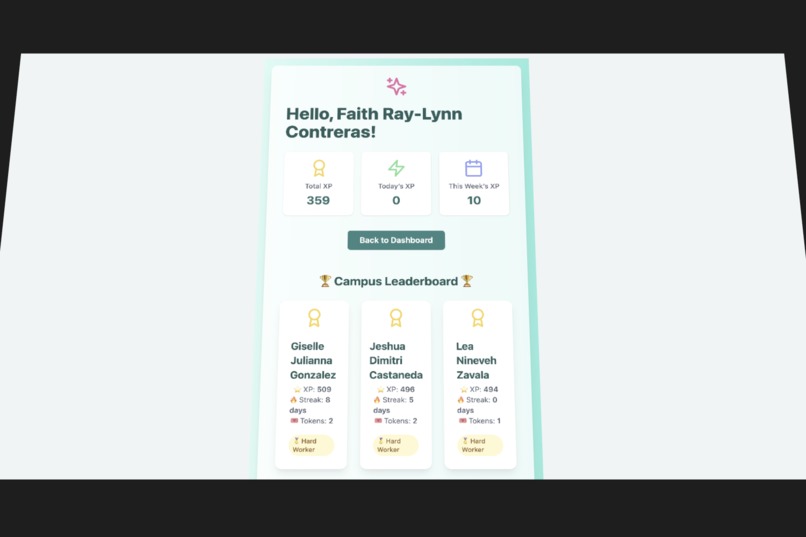
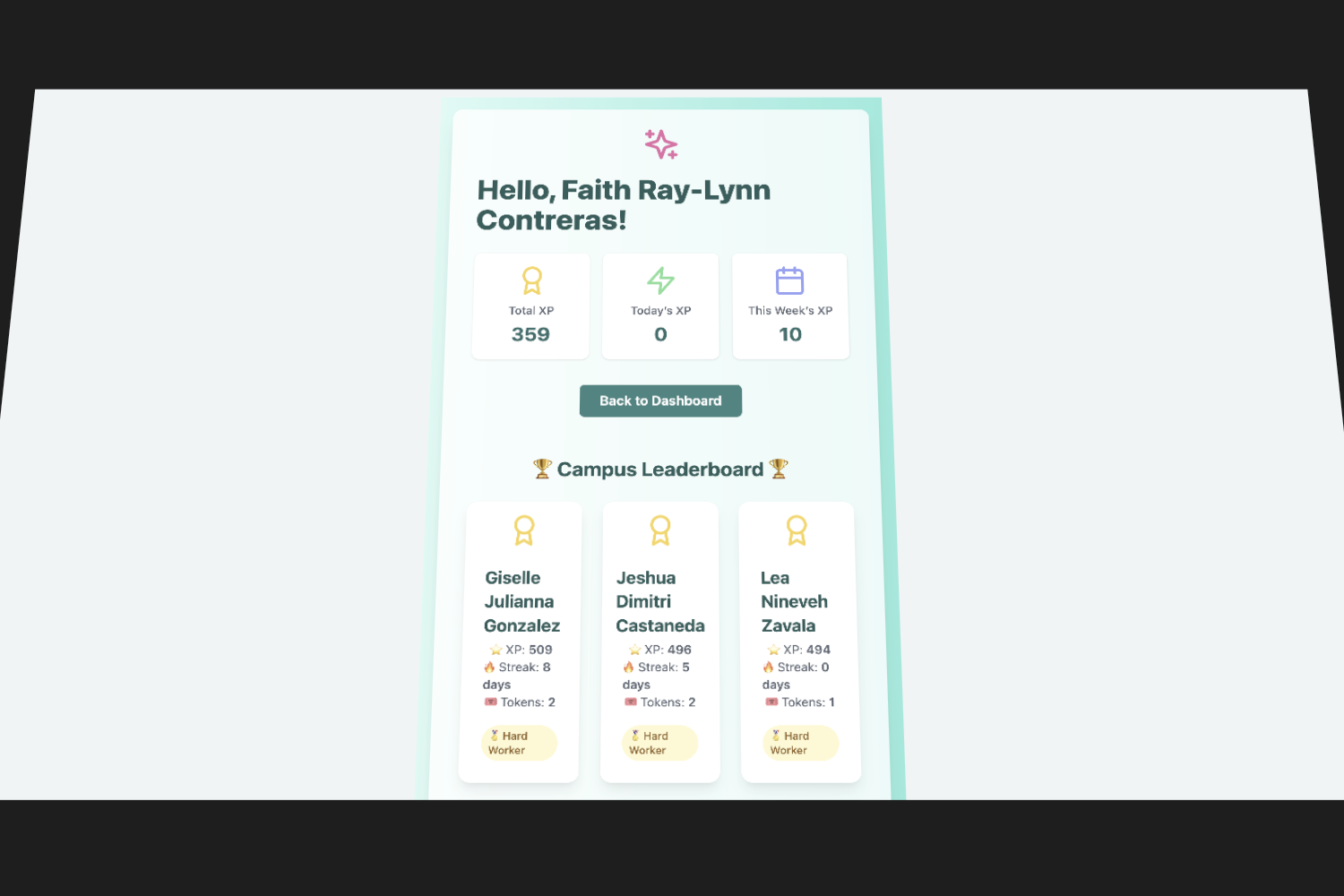
Personal XP stats via individual access tokens
-
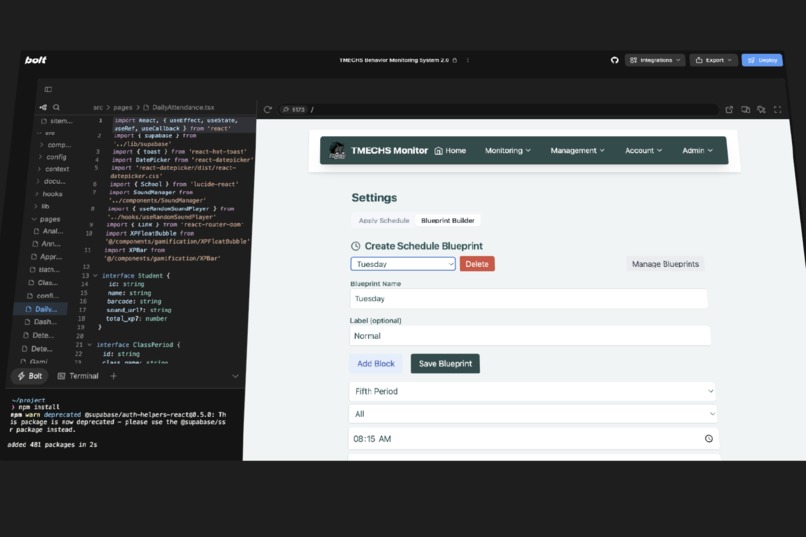
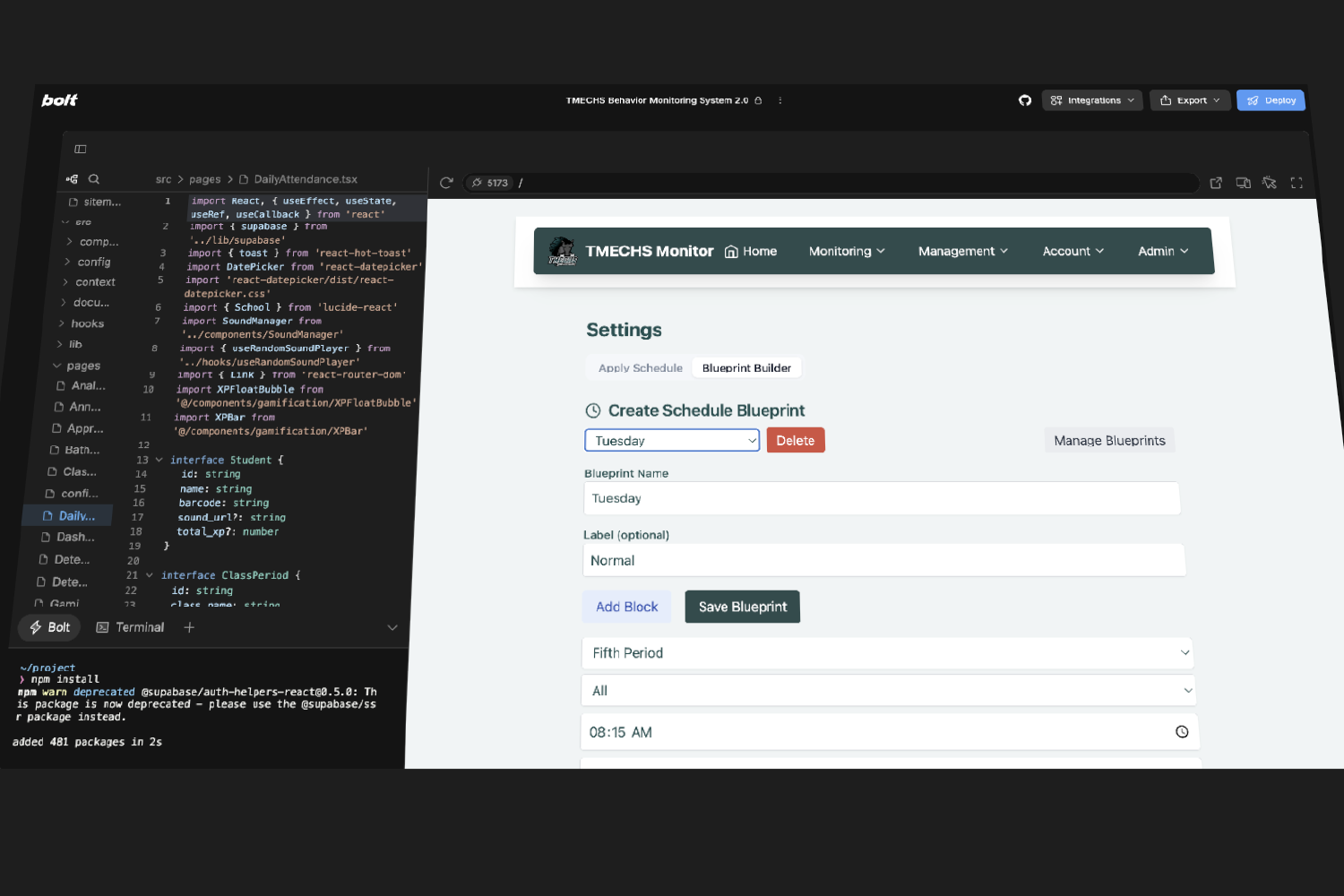
Had to build a schedule maker to get the daily attendance with XP rewards.
-
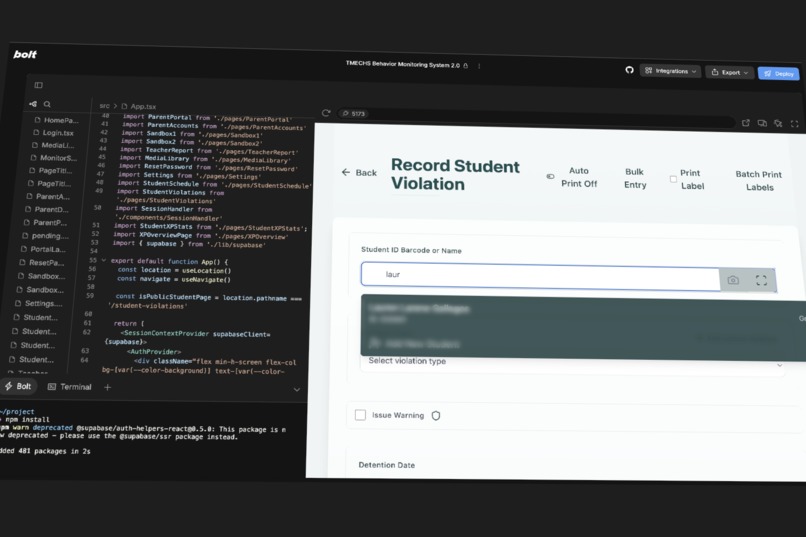
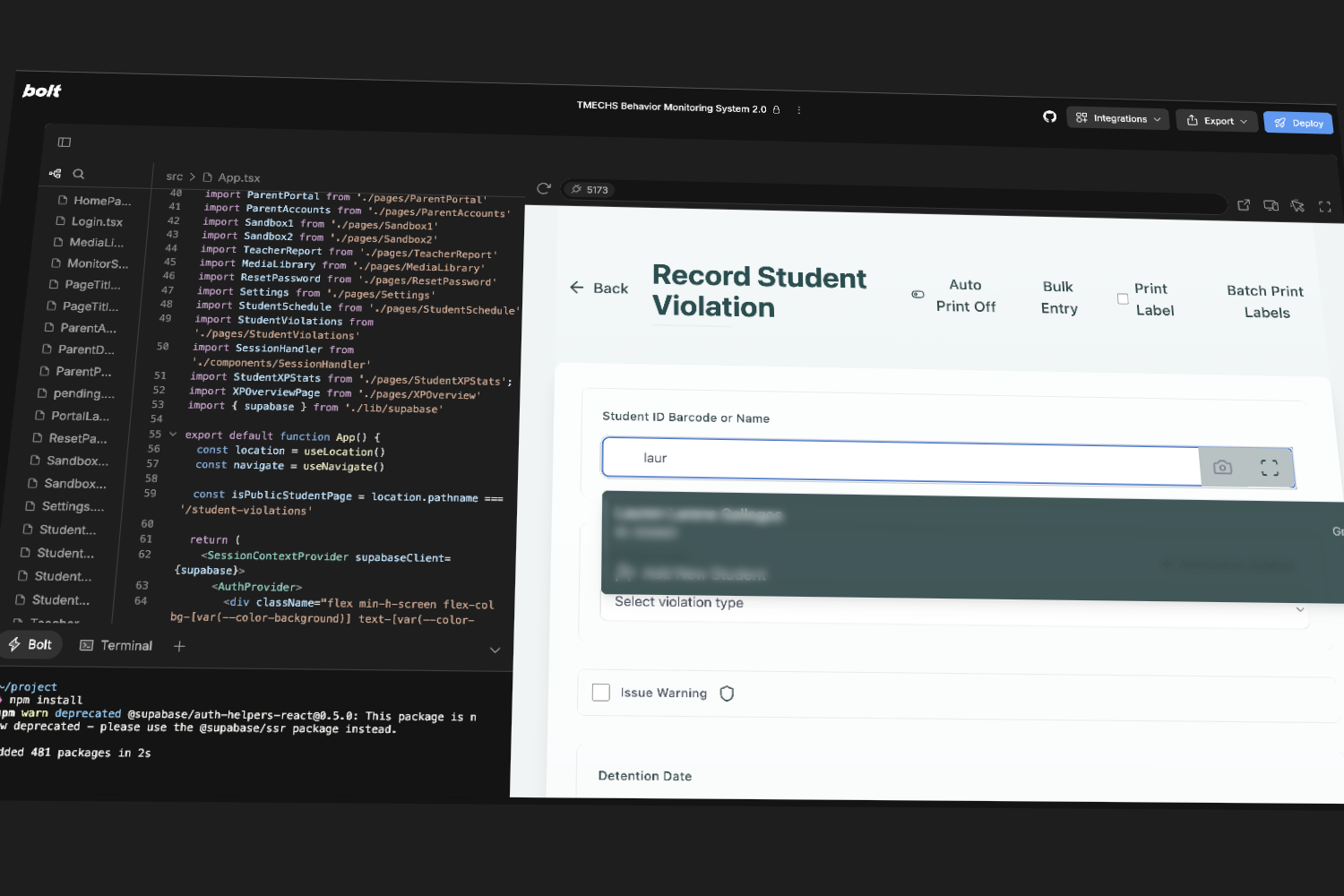
Violation scan page - easy to scan with bar code scanner to work with IDs.
-
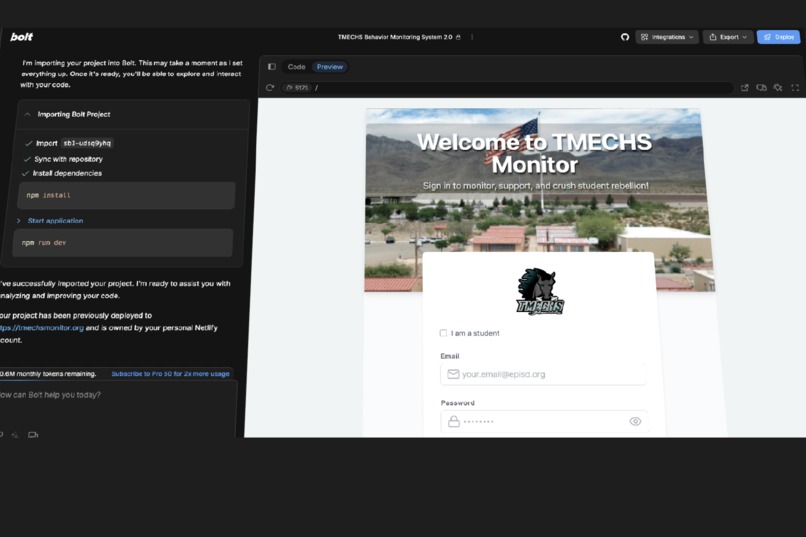
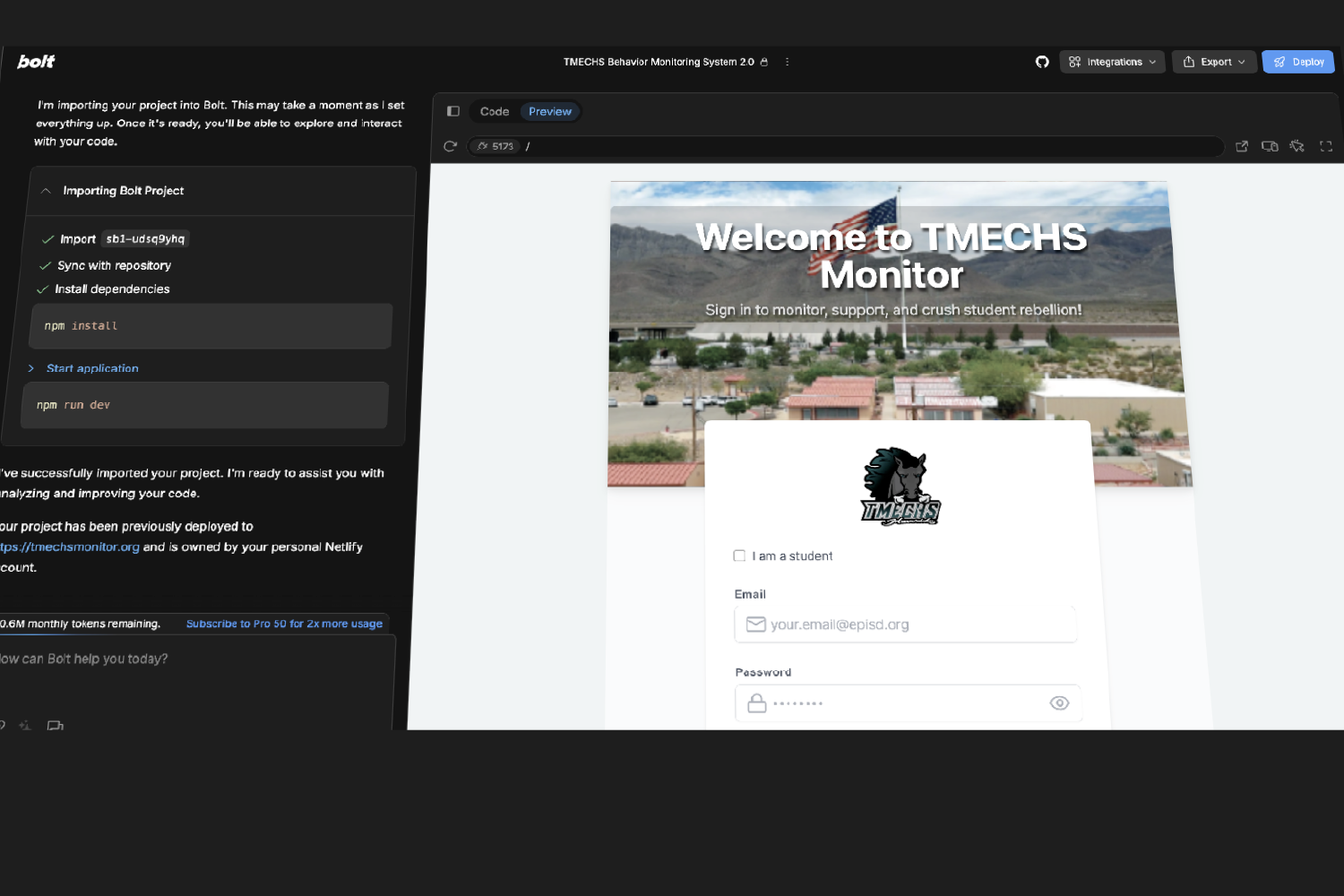
Login Screen with student access to XP rewards via access token.
-
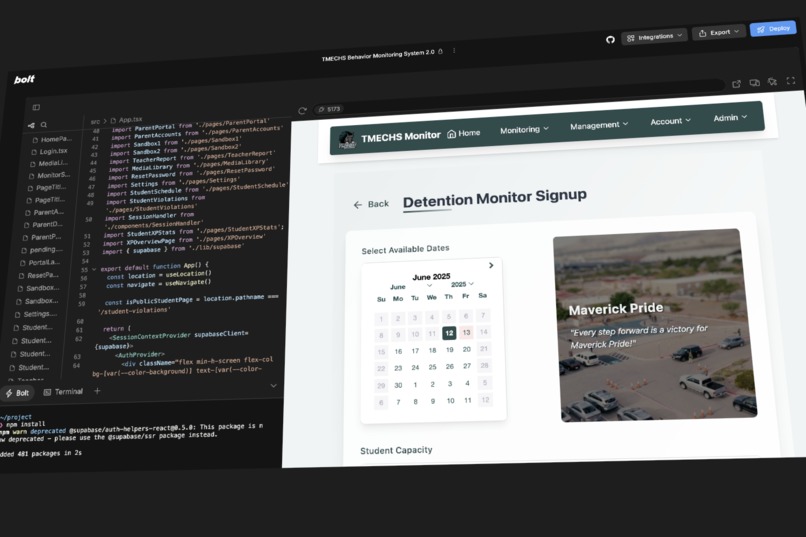
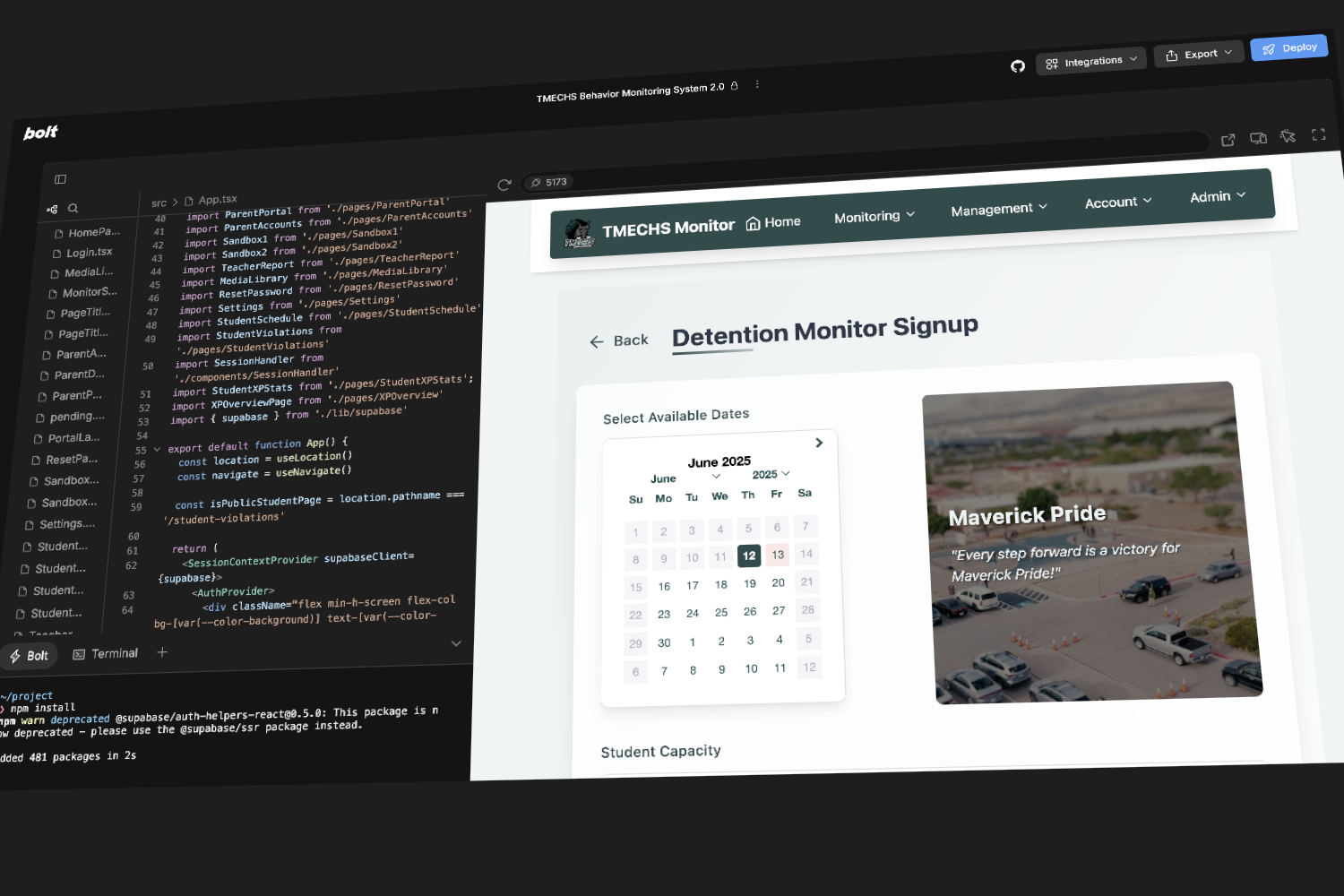
Volunteer sign up to monitor the detention location.
-
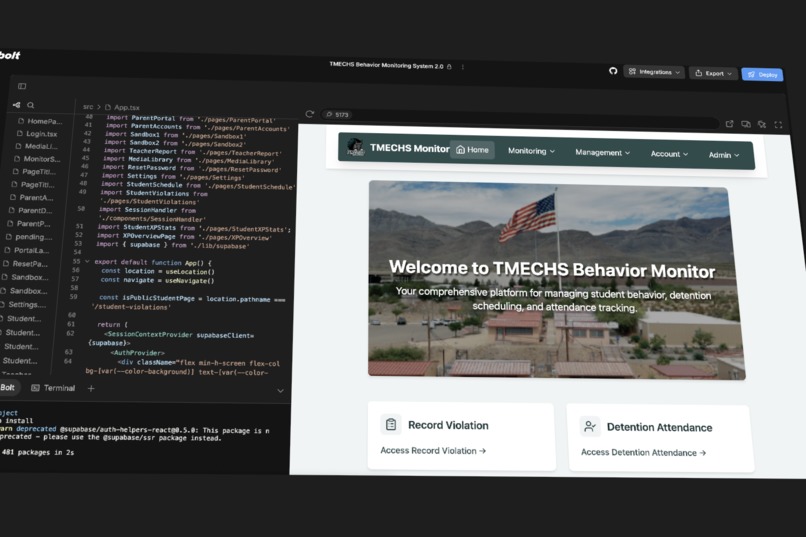
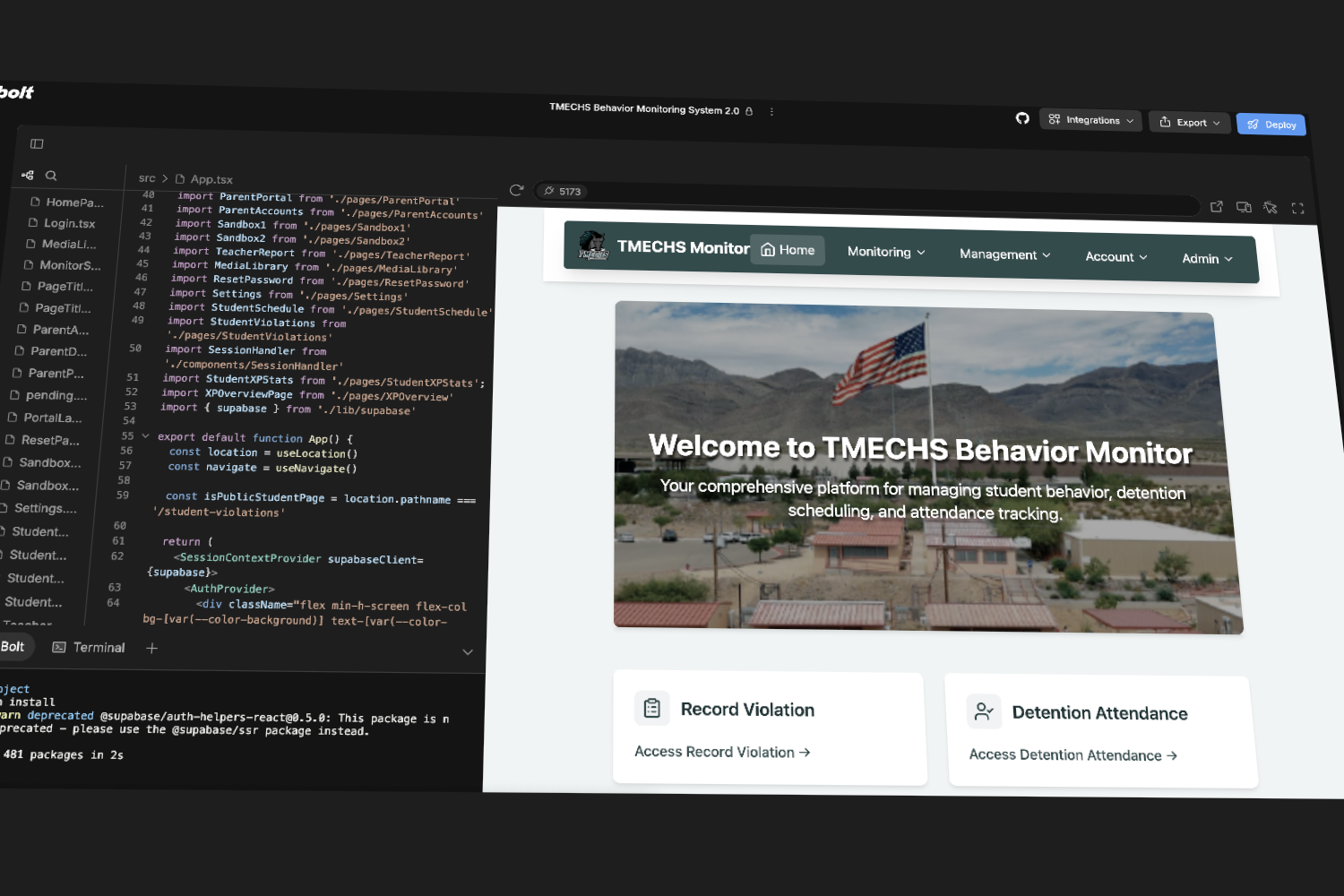
Home Page with Links via cards
About the Project
Inspiration
I built the TMechs Behavior Monitor to give teachers and behavior specialists a lightweight, mobile-friendly way to log and track student behavior in real time. Watching paper forms pile up in my own classroom, I knew there had to be a better solution: something that worked offline, auto-saved drafts, and let me capture quick notes (and even snapshots) on the go.
What I Learned
- Offline-First Design: Using the browser’s
navigator.onLineevents and localStorage backups taught me how to build resilient apps that survive flaky connections. - Custom Hooks & Context: I deepened my understanding of React Context for global state (user, network status, live sessions) and wrote reusable hooks for keyboard shortcuts, mobile camera access, and draft autosave.
- Working with Supabase: I mastered Supabase’s Auth, Realtime, Storage, and REST clients—handling CORS, session persistence, token refresh, and object storage for check-photo uploads.
- Transactional Email: Integrating the Resend API gave me hands-on experience with sending templated, secure emails from a static frontend.
How I Built It
Scaffolding & Tooling:
- Vite + React + TypeScript for a snappy dev experience.
- Tailwind CSS and lucide-react for rapid, accessible UI patterns.
- react-hot-toast for unobtrusive feedback.
- Vite + React + TypeScript for a snappy dev experience.
Core Features:
- Step-by-Step Walkthrough: A multi-step mobile form (loose cash, envelopes, checks, review) orchestrated with custom
ProgressIndicatorandMobileFormLayoutcomponents. - Image Capture & Compression: A
MobileCameraModalthat captures, compresses, and previews check photos before upload. - Autosave & Draft Manager: A
useFormBackuphook that auto-saves form data to localStorage and restores drafts on demand.
- Step-by-Step Walkthrough: A multi-step mobile form (loose cash, envelopes, checks, review) orchestrated with custom
Data & Notifications:
- Supabase Postgres: Tables for sessions, envelopes, checks, counters, and donors.
- Resend API: Sends behavior alerts and session summaries via email.
- Chart.js: Renders attendance and behavior trends with
react-chartjs-2andchartjs-plugin-datalabels.
- Supabase Postgres: Tables for sessions, envelopes, checks, counters, and donors.
Deployment:
- Hosted as a static SPA on Vercel/Netlify, with CI/CD via GitHub Actions.
- Environment-protected keys for Supabase and Resend in Vercel/Netlify settings.
- Hosted as a static SPA on Vercel/Netlify, with CI/CD via GitHub Actions.
Challenges Faced
- CORS & Preview Environments: I spent a lot of time wrestling with Supabase’s CORS settings and disabling auto-refresh in preview iframes so that “Failed to fetch” errors didn’t crash the UI.
- Session Management Quirks: Turning off
persistSessionbrokegetUser()calls, so I had to decide between full session persistence or manual error-handling stubs. - Offline UX: Managing a clean “no internet” fallback UI without blocking the user, while still auto-retrying uploads and data sync in the background.
- Image Upload Reliability: Ensuring compressed images stayed under size limits, generating consistent storage paths, and surfacing friendly errors when uploads failed.
Built With
- chart.js
- chartjs-plugin-datalabels
- context-api
- custom
- custom-hooks
- dev
- formvalidator
- git
- github
- hosted
- imageutils
- javascript
- localstorage
- lucide-react
- react
- react-hot-toast
- react-router-v6
- realtime
- resend
- resend-api
- storage)
- supabase
- supabase-(auth
- tailwind-css
- typescript
- uuid
- vercel/netlify
- vite

Log in or sign up for Devpost to join the conversation.