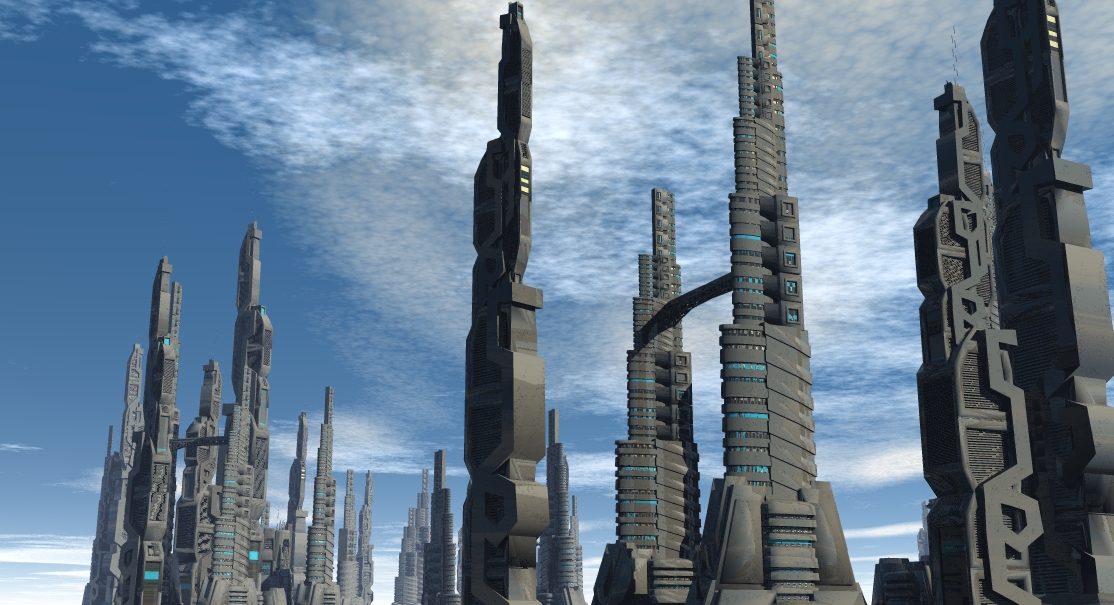
Inspiration
The future is a vast and exciting place, full of endless possibilities and endless potential for growth and development. In a world that is constantly changing and evolving, it is important to embrace the future with open arms and a sense of wonder and curiosity.
The inspiration for a "Futuristic Skyline Lens for Snapchat" project can come from a variety of sources. Some inspirations include:
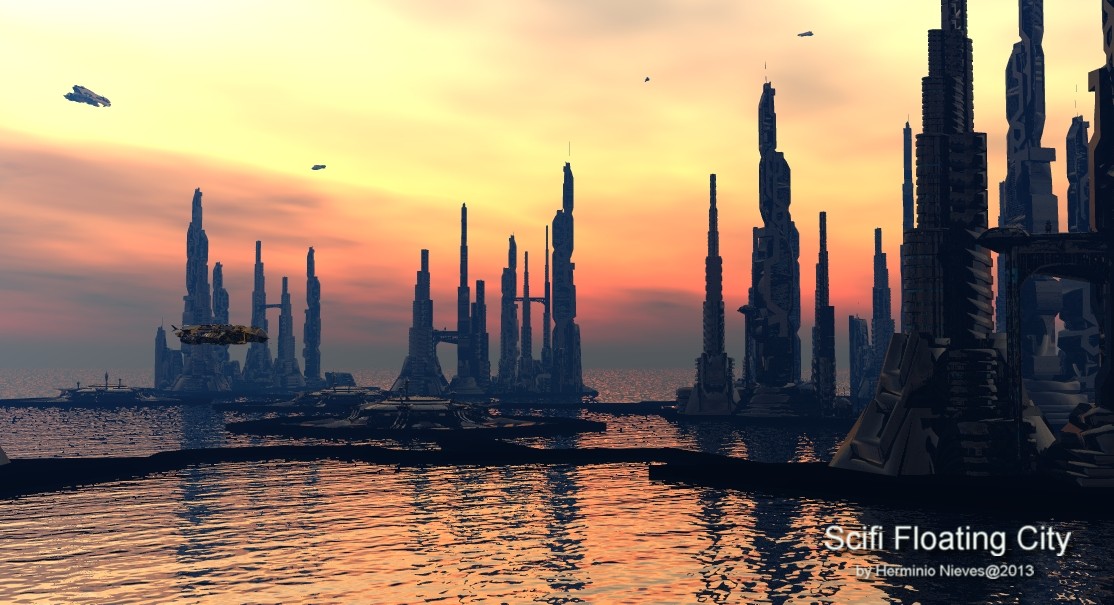
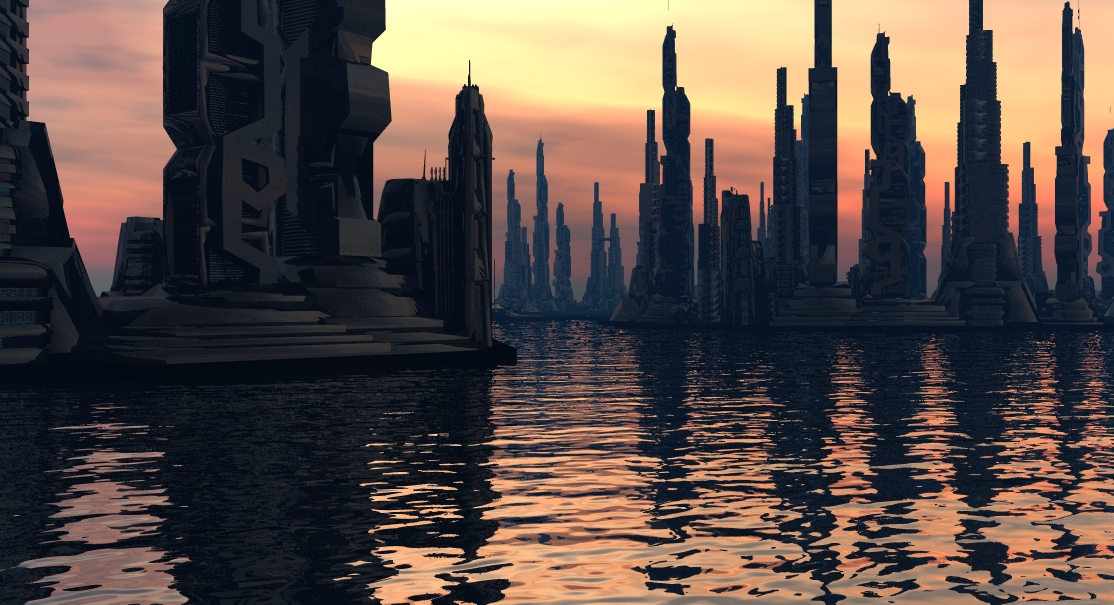
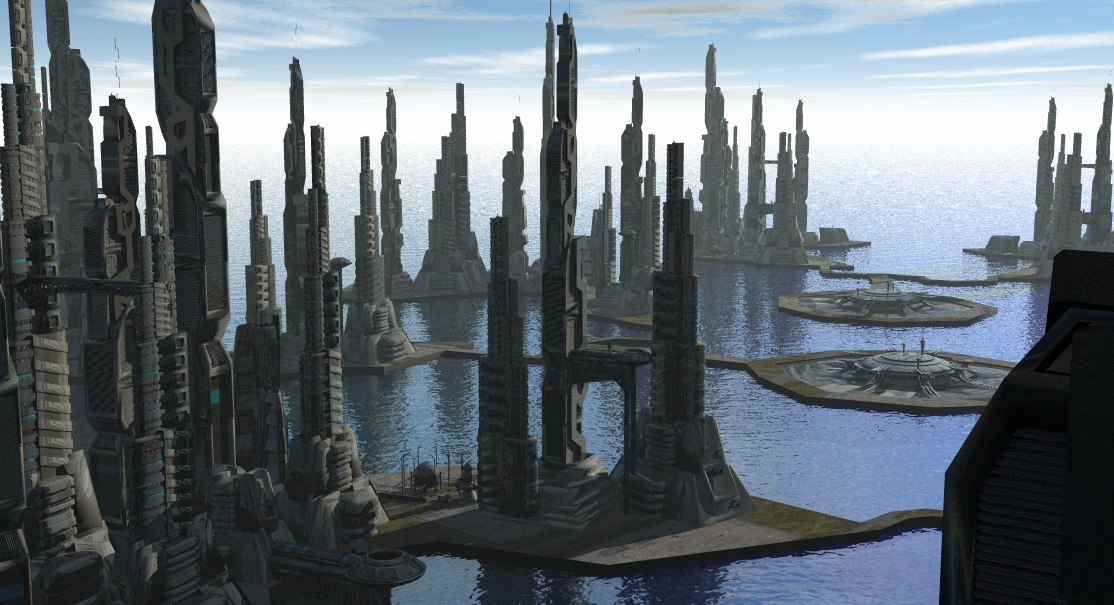
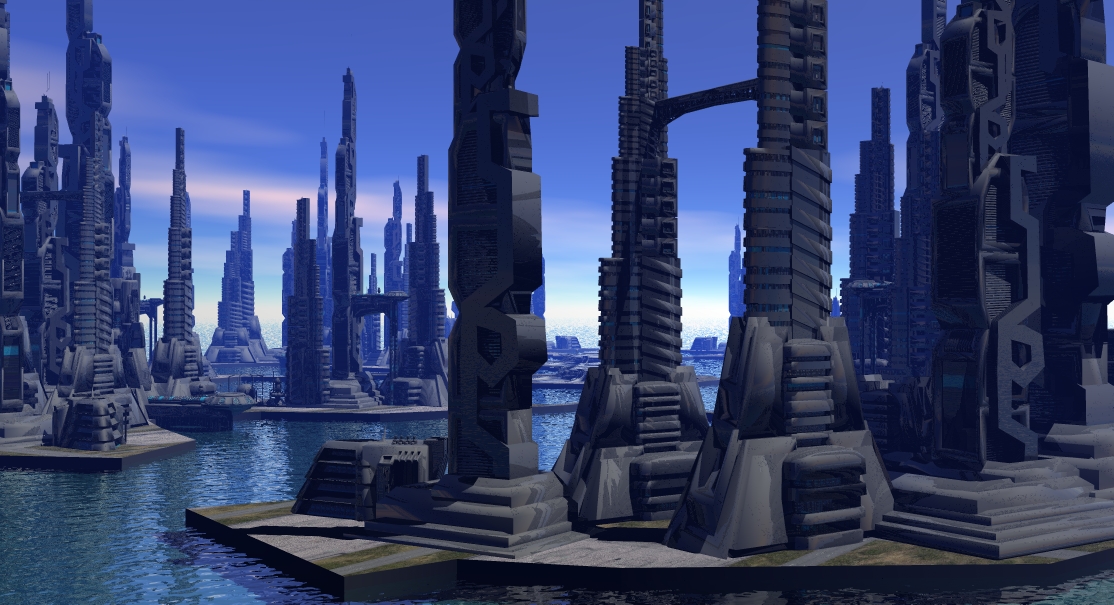
Science fiction movies and TV shows like Blade Runner, The Fifth Element, Cyberpunk 2077, Deus Ex: Mankind Divided, and Ghost in the Shell, which feature vivid and detailed depictions of futuristic cities. Concept art and illustrations of future cities created by artists and designers. Cities of the future project in various countries and regions that shown in urban planning and design. General ideas and concepts of futuristic cities and how technology will shape the urban environment in the coming years.
What it does
Introducing the Futuristic Skyline Lens for Snapchat - a cutting-edge augmented reality experience that brings the city of the future to life. With this lens, you can transport yourself to a vibrant metropolis filled with towering skyscrapers, flying cars, and advanced technology. Imagine looking through the lens and seeing a bustling cityscape with neon lights, holographic billboards, and advanced architecture. You can even add your own flair with interactive elements like flying drones and beams of light. Impress your friends and followers with a glimpse into the future and show them what the world could look like. Upgrade your Snapchat game with the Futuristic Skyline Lens today.
How we built it
This code sets up a canvas element and a camera view using the getUserMedia() method, and then creates a series of buttons for the different time periods. When a button is clicked, the camera view is drawn onto the canvas, and then the appropriate background elements are added to the canvas to create the illusion of the user being transported to a different time period. The createLens() function is then called to create the snap lens, which will render the canvas element as the lens view. The snap lens application for the "transforms your face into a famous work of art" idea using the Snap Kit SDK and the OpenCV library.
Concept development: This is where the overall idea and look of the lens is established. This includes researching and gathering reference materials, creating sketches and mockups, and defining the overall aesthetic.
3D modeling: This is where the buildings, vehicles, and other elements of the lens are created as 3D models. These models can be created using a variety of software, such as Autodesk Maya, Blender, and SketchUp.
Texturing and lighting: This is where the models are given color, texture, and lighting to make them look realistic and believable. This can be done using software such as Adobe Photoshop and Unity, or other game engine.
Augmented reality (AR) development: This is where the 3D models and other assets are integrated into a Snapchat lens. This process involves using software development kits (SDKs) and programming languages such as C++, Java, and Unity to create the interactive elements of the lens.
Testing and finalizing: Once the lens is built, it will need to be thoroughly tested to ensure that it works properly and is free of bugs. This process might also include user testing to ensure that the lens is easy to use and engaging. After it passes the testing and finalizing, it will be ready to be published and make available for users to use.
Challenges we ran into
Creating realistic and believable 3D models: Creating 3D models of buildings, vehicles, and other elements that look and feel realistic can be difficult, especially when it comes to creating the futuristic look. The team may have to experiment with different techniques and software to achieve the desired aesthetic.
Incorporating interactive elements: Creating interactive elements such as flying cars, drones, and beams of light that feel believable and responsive can be challenging. It might require a good understanding of augmented reality development and the limitations of the specific software used.
Testing and debugging: As with any software development project, testing and debugging can be time-consuming and complex. This can be especially challenging when working with augmented reality, as it can be difficult to simulate the real-world conditions in which the lens will be used.
Keeping the lens lightweight and performant: AR lens needs to be performant, as it needs to run smoothly on smartphones and other devices with limited processing power. Keeping the lens lightweight can be challenging as there are many elements and 3D models in the lens, and the team may have to make trade-offs in terms of quality and performance.
Balancing the futuristic and real-world elements: Creating a believable futuristic city while still making it recognizable to the user can be a challenging task. It might require the team to strike a balance between the futuristic and the real-world elements.
Accomplishments that we're proud of
The working innovative ideas we are proud of and also the simple coding/program for it to run too using remote assets in the web3. Having it finished within the timeframe of the given project timeline.
Creating a believable and engaging augmented reality experience: The team may be proud of the way they were able to create a believable and engaging augmented reality experience that immerses users in a futuristic city.
Successfully incorporating interactive elements: The team might be proud of the way they were able to incorporate interactive elements such as flying cars, drones, and beams of light that feel believable and responsive.
Achieving high performance: The team might be proud of the way they were able to optimize the lens to run smoothly on smartphones and other devices with limited processing power, despite the complexity of the lens.
Creating a lens that is both futuristic and relatable: The team might be proud of the way they were able to create a lens that is futuristic but still relatable and recognizable to the users.
What we learned
We learned how to use and integrate the application using Snap Kit SDK and the OpenCV library. And how to code and create the snap lenses. Using Remote Assets in Lens Cloud creating an experience of up to 33 mb which will push our Lens to the next level.
Techniques for creating realistic and believable 3D models: The team may have learned different techniques for creating 3D models of buildings, vehicles, and other elements that look and feel realistic. They may have also learned about different software and tools that can be used for 3D modeling.
Strategies for incorporating interactive elements: The team may have learned different strategies for creating interactive elements that feel believable and responsive, such as flying cars, drones, and beams of light, and how to create them with their specific AR development software.
Importance of testing and debugging: The team may have learned the importance of thorough testing and debugging to ensure that the lens works properly and is free of bugs. They may also have learned about different techniques and tools that can be used for testing and debugging.
Techniques for keeping the lens lightweight and performant: The team may have learned about different techniques for optimizing the lens so that it runs smoothly on smartphones and other devices with limited processing power.
Balancing the futuristic and real-world elements: The team may have learned about the importance of striking a balance between the futuristic and the real-world elements to create a believable and relatable augmented reality experience.
What's next for Futuristic Skyline Lens
Updating and improving the lens: The team may want to update the lens to fix any bugs or issues that were discovered during testing, or to add new features or interactive elements.
Creating additional lenses or AR experiences: The team may want to leverage their skills and knowledge to create additional lenses or augmented reality experiences, possibly in other platforms such as Instagram, TikTok and so on.
Collaborating with other businesses or creators: The team might be interested in collaborating with other businesses or creators to create AR experiences for a variety of different use cases, such as advertising, education, and entertainment.
Offering lens development as a service: With the experience and knowledge gained from creating the lens, the team might also be interested in offering lens development services to other businesses, creators or even individuals.
Researching and experimenting with new technologies: The team may want to keep updated with the latest technology and trends in AR, such as new software and tools, and experimenting with them to improve the lens or create new experiences.
Built With
- adobe
- canvas
- dart
- github
- javascript
- lens
- lensstudio
- obj
- opencv
- opencv4nodejs
- snapkit
- unity
- unreal-engine
- visual-studio


Log in or sign up for Devpost to join the conversation.