-
-
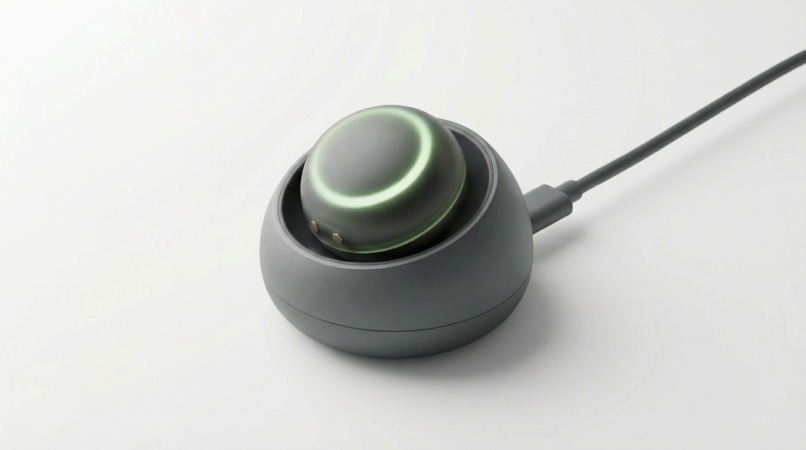
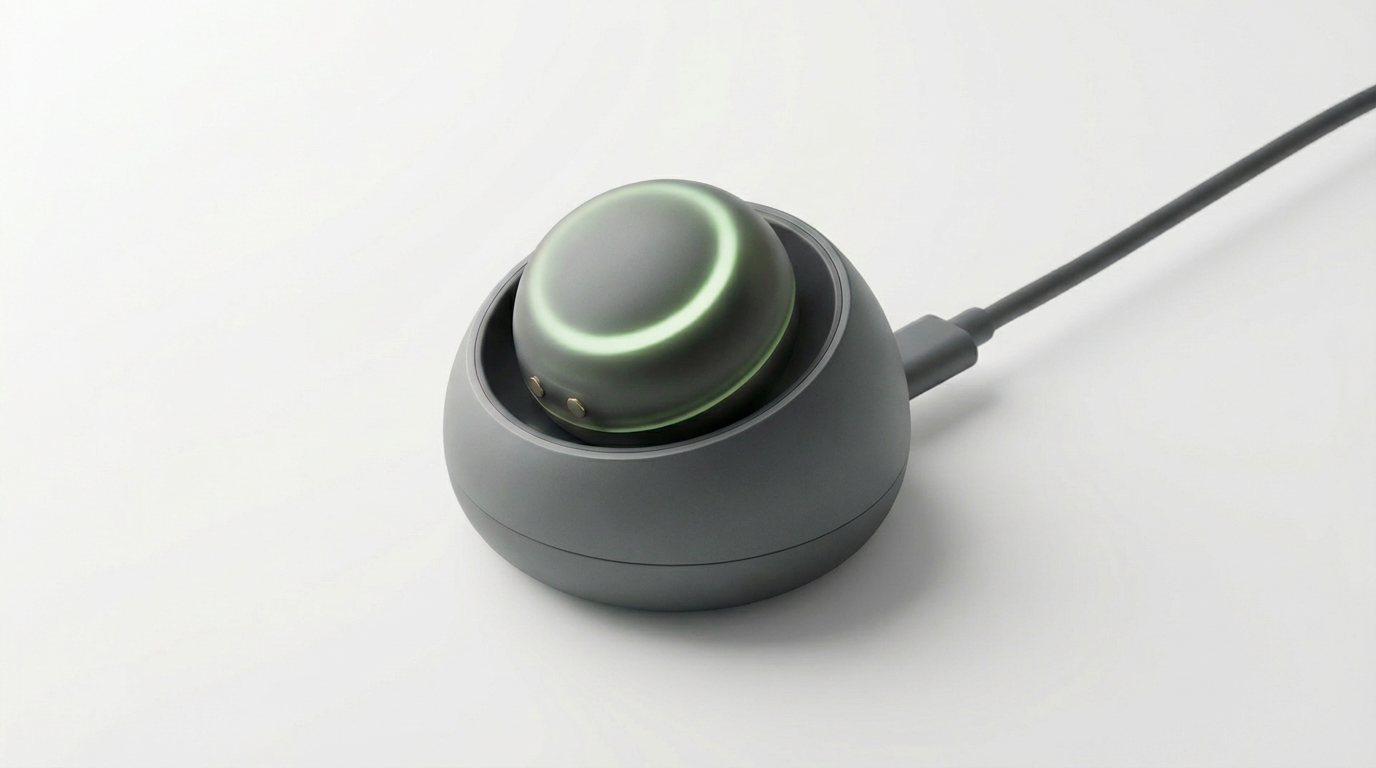
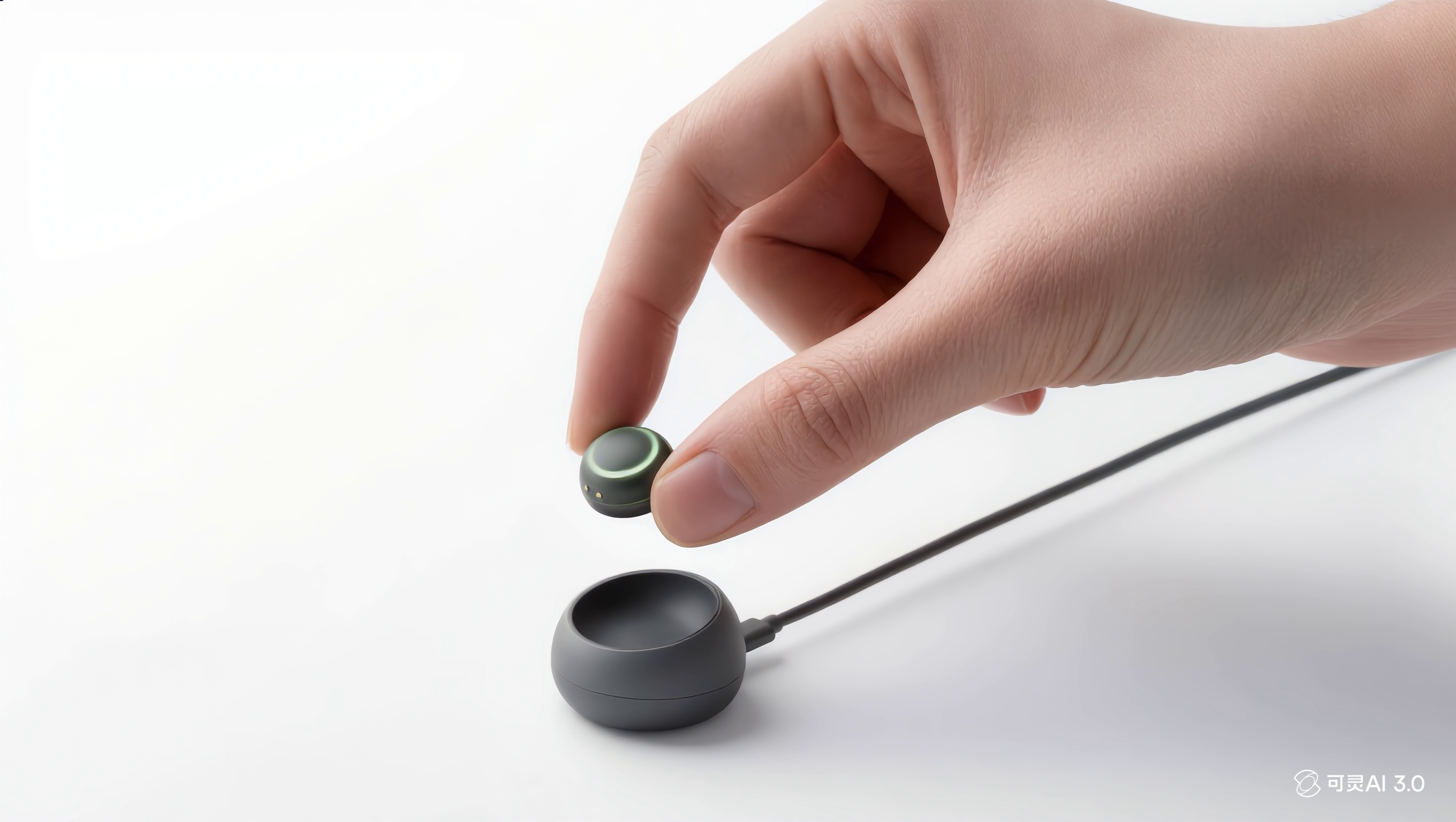
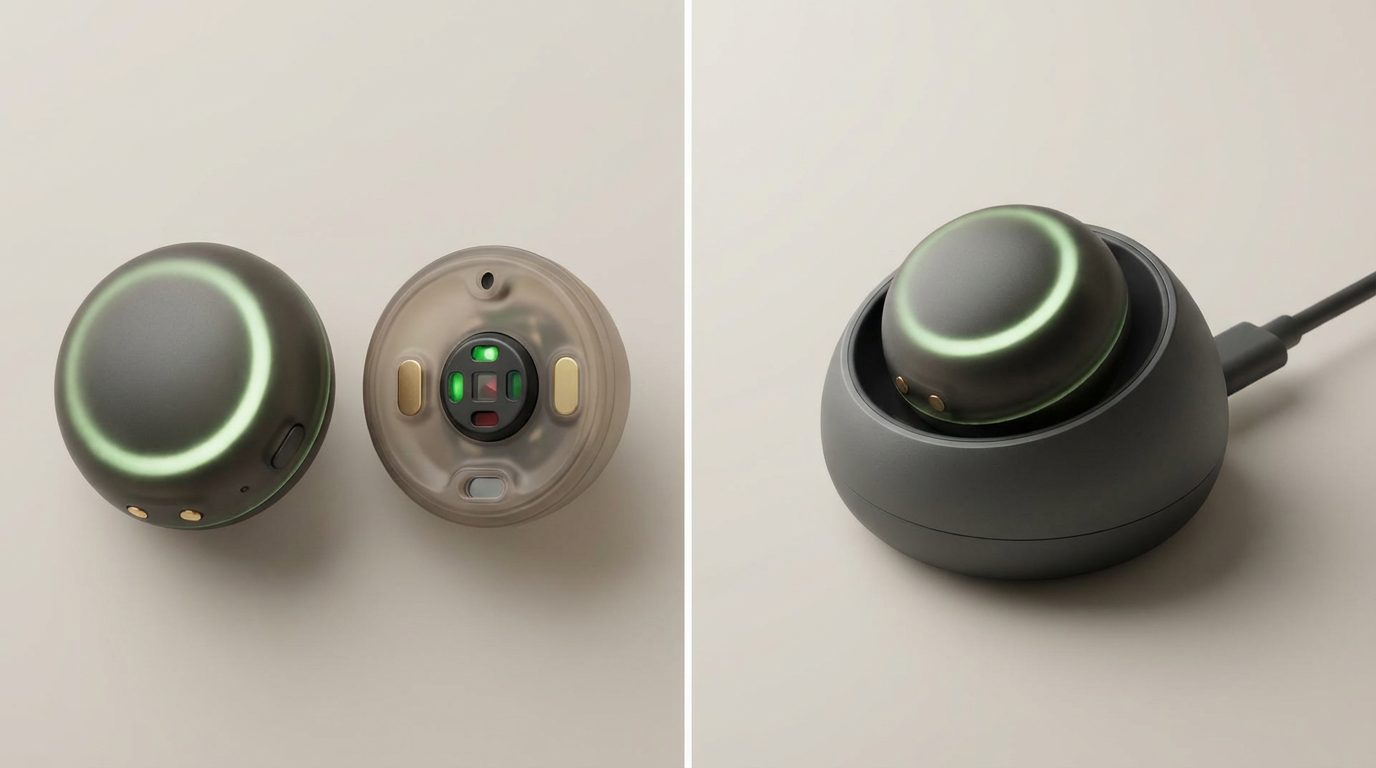
Wearable Device Concept Rendering
-
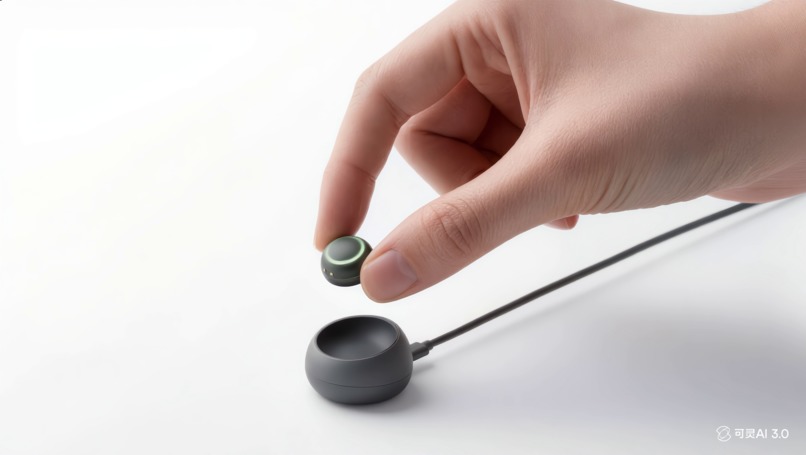
Real Size of Wearable Device
-
-
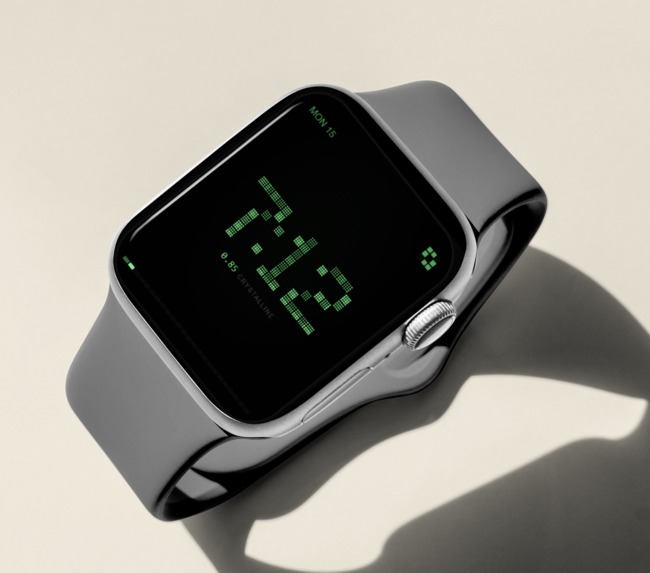
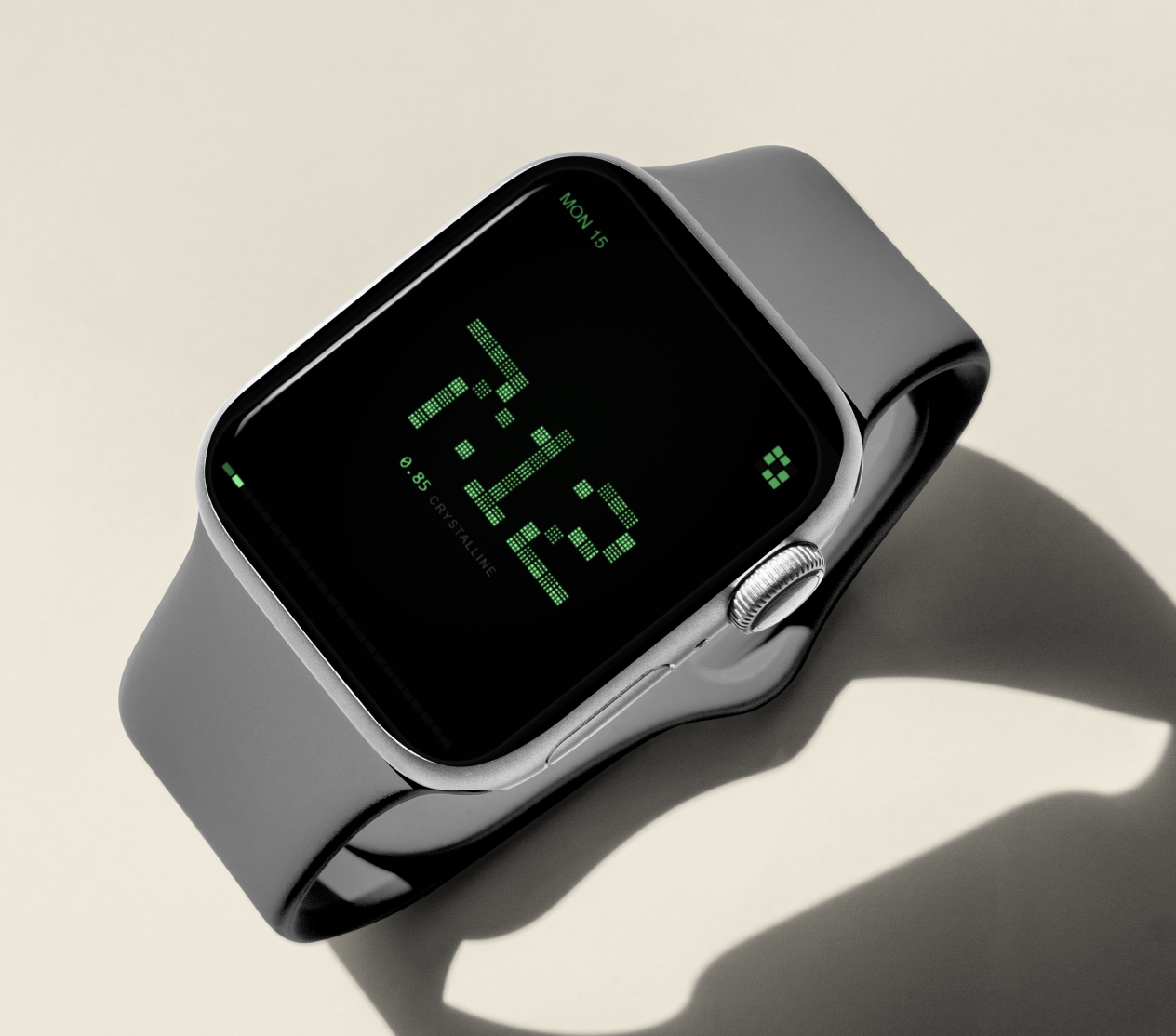
Watch Interface
-
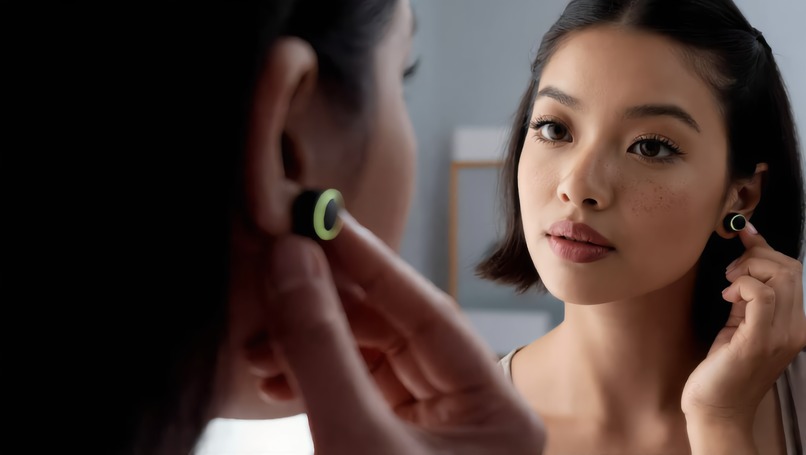
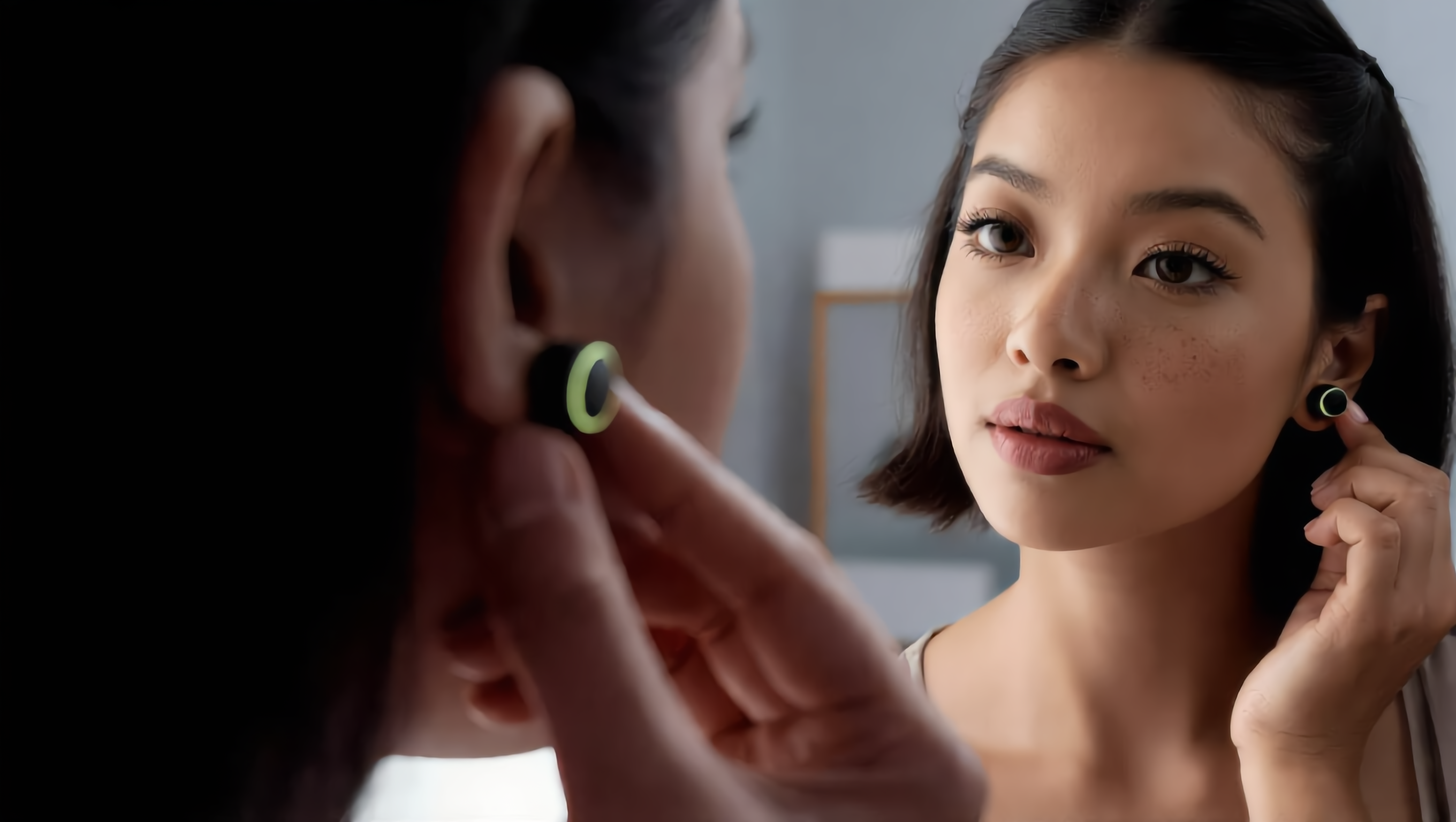
Lin Puts on Her Device
-
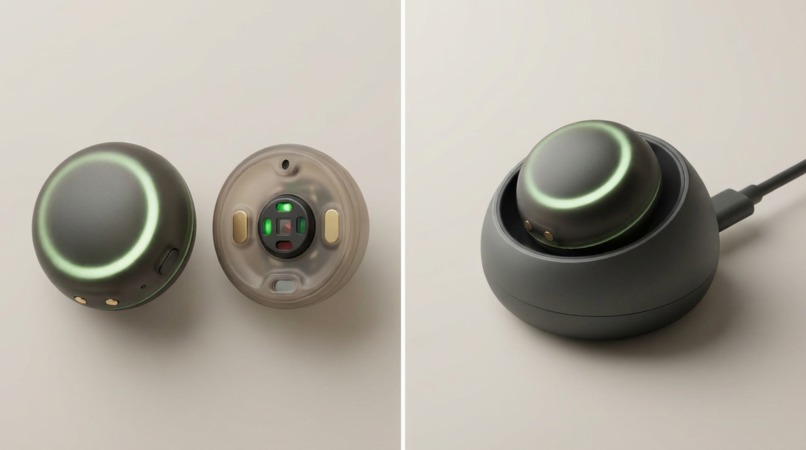
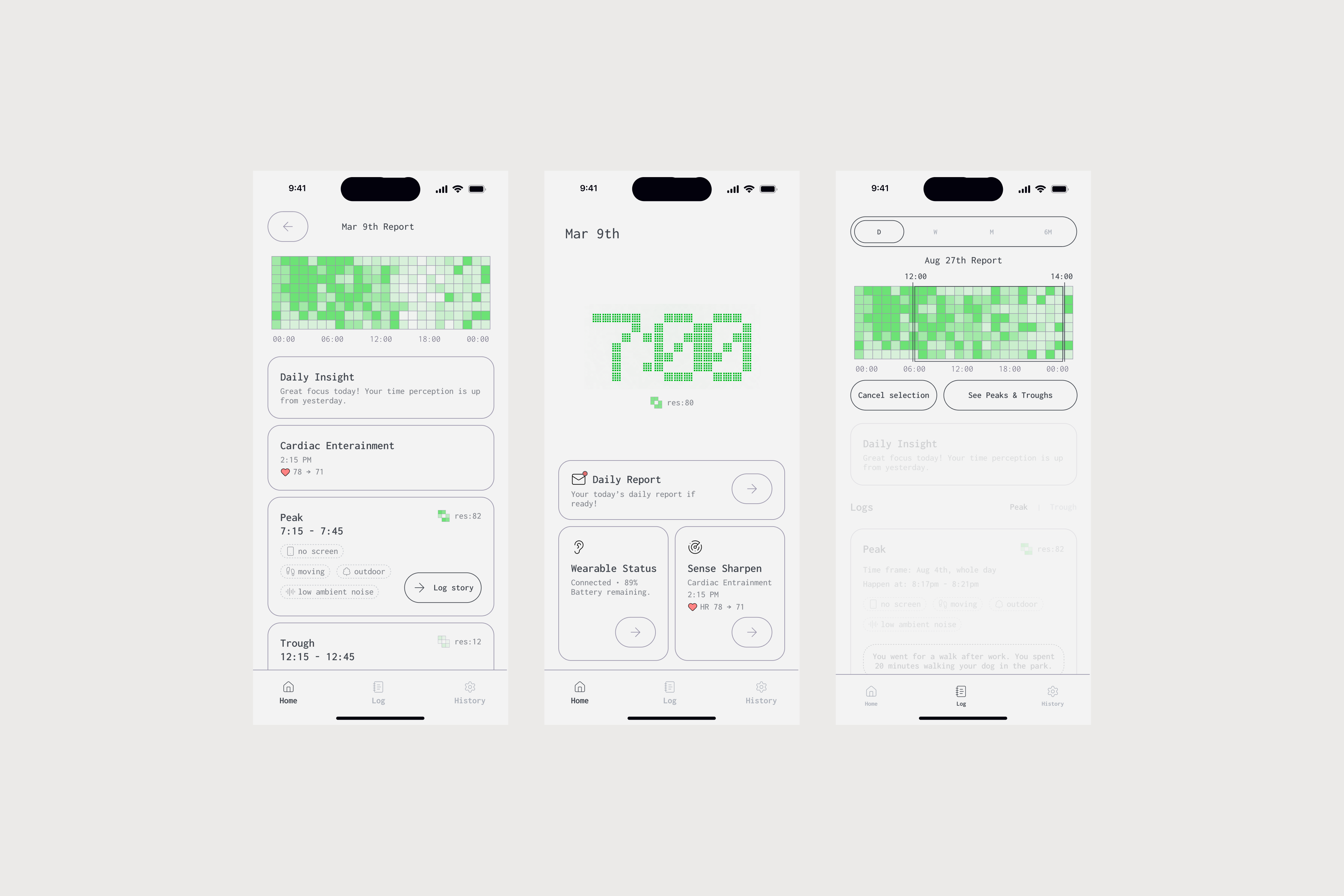
Concept Rendering
-
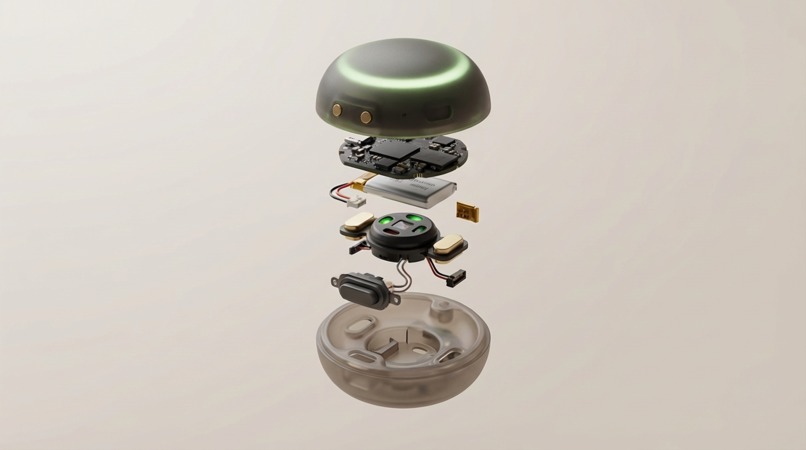
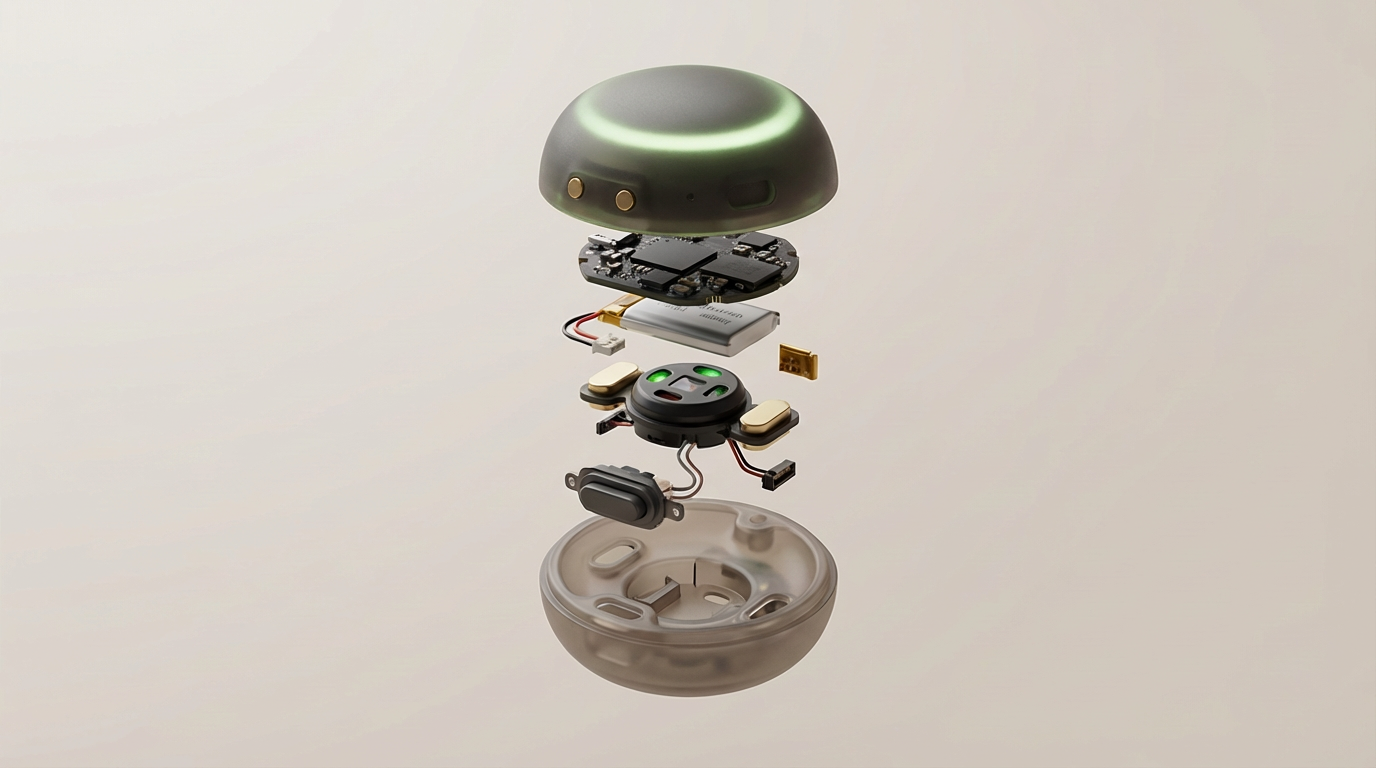
Exploaded View
Inspiration
Have you ever caught yourself saying, "Wow, it's Friday already, what did I even do this week?" We hear this constantly from friends, family, and ourselves. We are always living in time, but are we truly living through it?
This question became the seed of Time Grain. We realized that the problem isn't a lack of time — it's a lack of temporal resolution: the richness and vividness with which we perceive and recall the moments that make up our lives. Just as a low-resolution image loses detail, a life lived on autopilot loses texture.
We think of it this way: if your life is a signal $L(t)$, then what you actually experience is a sampled version of it:
$$L_{\text{perceived}}(t) = \sum_{i=1}^{n} m_i \cdot \delta(t - t_i)$$
where $m_i$ represents the meaningfulness of each noticed moment $t_i$, and $n$ is how many moments you actually register. Most of us are running at a dangerously low $n$.
What It Does
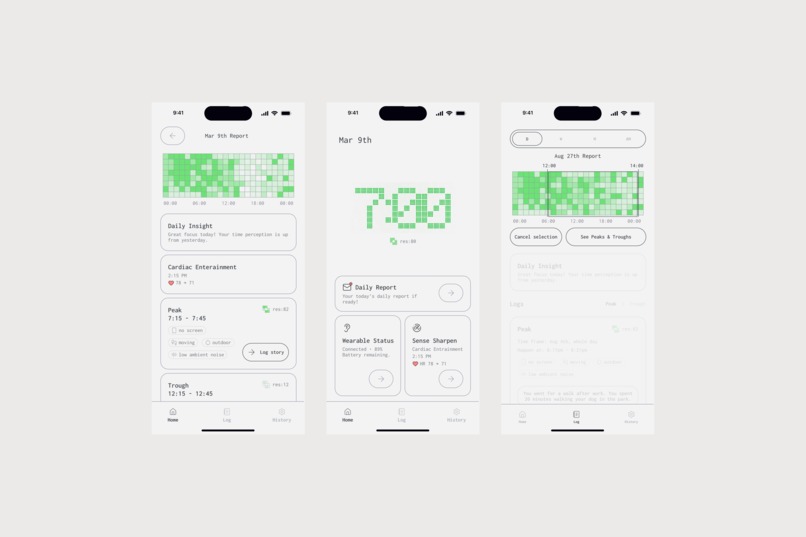
Time Grain helps you visualize and actively improve your resolution of time perception. Define temporal resolution $R$ as:
$$R = \frac{\text{vividly recalled moments}}{\text{total time elapsed}}$$
A high $R$ means you're living with clarity. A low $R$ means time is slipping by unnoticed. By surfacing and reflecting on the happy, meaningful micro-moments in your day, Time Grain trains you to notice life more intentionally — raising your $R$, one grain at a time.
How We Built It
We started with broad ideation to align on vision, then moved fast:
- Rapid Prototyping — Used Claude and Figma Make to generate an interactive prototype quickly, letting us test ideas before committing to any design direction.
- Design Refinement — Leveraged the Figma MCP to pipe our prototype directly into Figma for detailed visual and UX polish.
- Full Implementation — Reimported the refined designs back into Claude Code, where we built out the complete app interaction layer end-to-end.
This AI-assisted pipeline let a small team move at a pace that would have been impossible otherwise.
Challenges We Ran Into
Time was our biggest constraint — fitting everything into a hackathon window meant every hour counted. We quickly discovered that everything takes longer than you expect, especially when working with AI-generated output. The unpredictability of AI production quality meant we spent significant time in places we hadn't anticipated: debugging unexpected behaviors, iterating on outputs, and course-correcting on the fly. Learning to work with that unpredictability, rather than against it, was its own challenge.
Accomplishments That We're Proud Of
Despite the tight timeline, we shipped a surprisingly complete product. In just two days, we produced:
- A fully interactive frontend prototype
- A thorough Product Requirements Document (PRD) and Product Demo Video
- A complete product logic framework that maps the full user experience
The depth of our product thinking is something we're genuinely proud of, we really went above and beyound the prototype, looking at the problem space with a critical lens.
What We Learned
The biggest lesson: AI fluency is the new superpower. Delivering a high-quality coded prototype, product video, slide deck, and animations within a hackathon window is nearly impossible by hand. But knowing how to rapidly learn and wield AI tools — prompting well, iterating fast, and knowing when to override — made it possible. This hackathon was as much a lesson in human-AI collaboration as it was in product building.
What's Next for Time Grain
Right now, Time Grain is a polished frontend — the backend hasn't been built yet. Our next step is to implement a full backend, connecting all the app's features into a live, data-driven experience. Once the full stack is in place, we'll complete every function in the app and move toward a real-world launch.
The goal: help everyone raise their $R$ — and actually feel the fullness of their own lives.
Built With
- claude
- figma
- figmamake


Log in or sign up for Devpost to join the conversation.