-
-
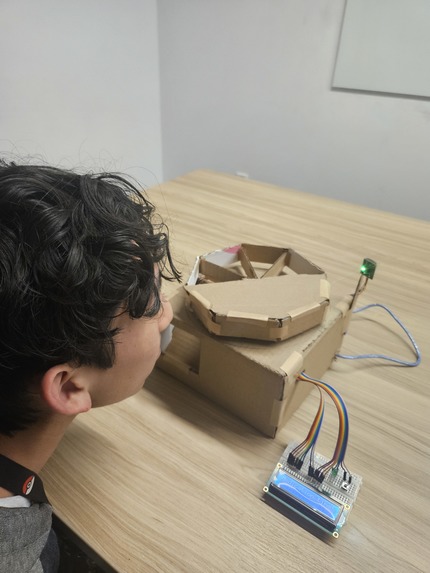
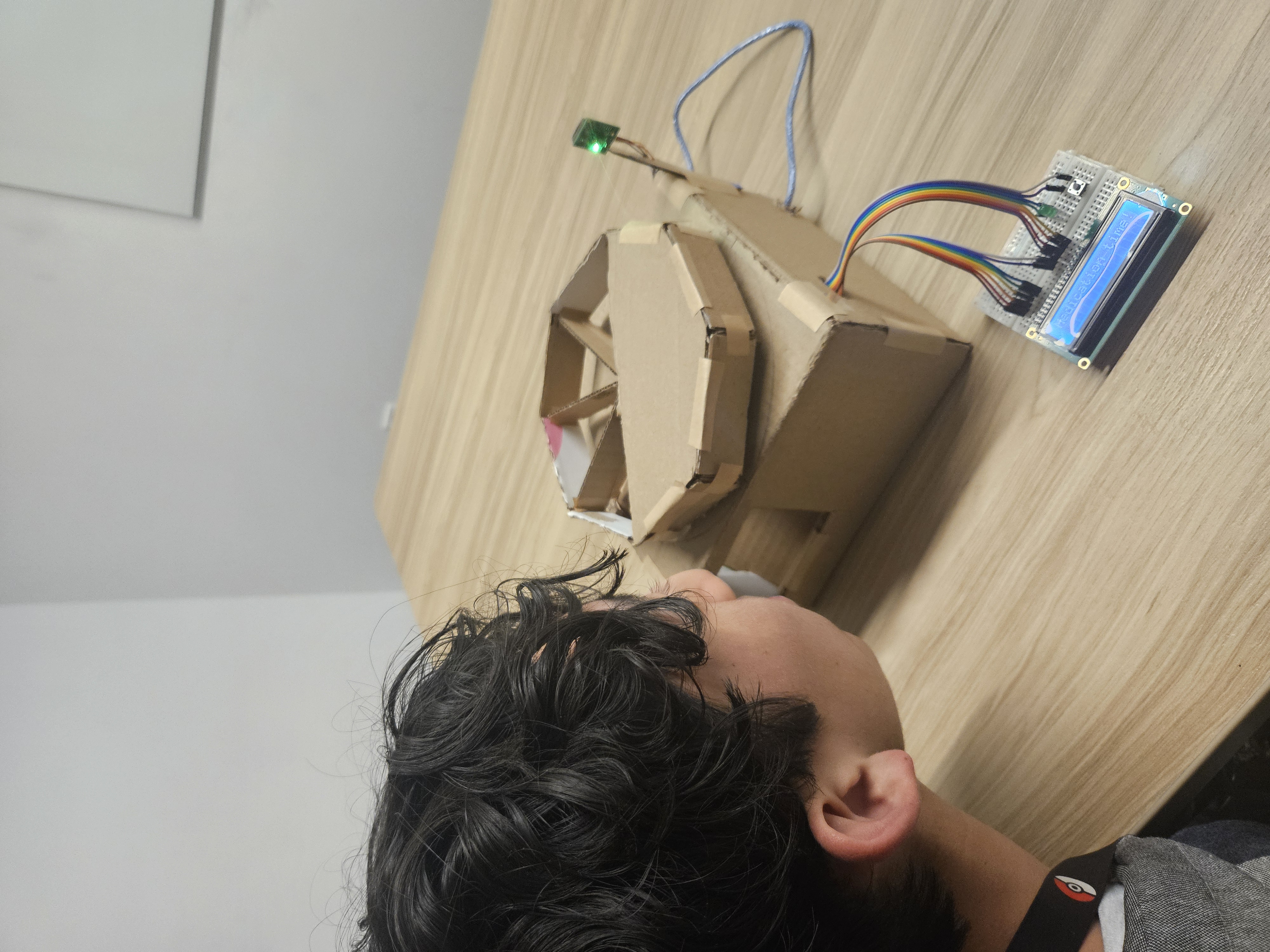
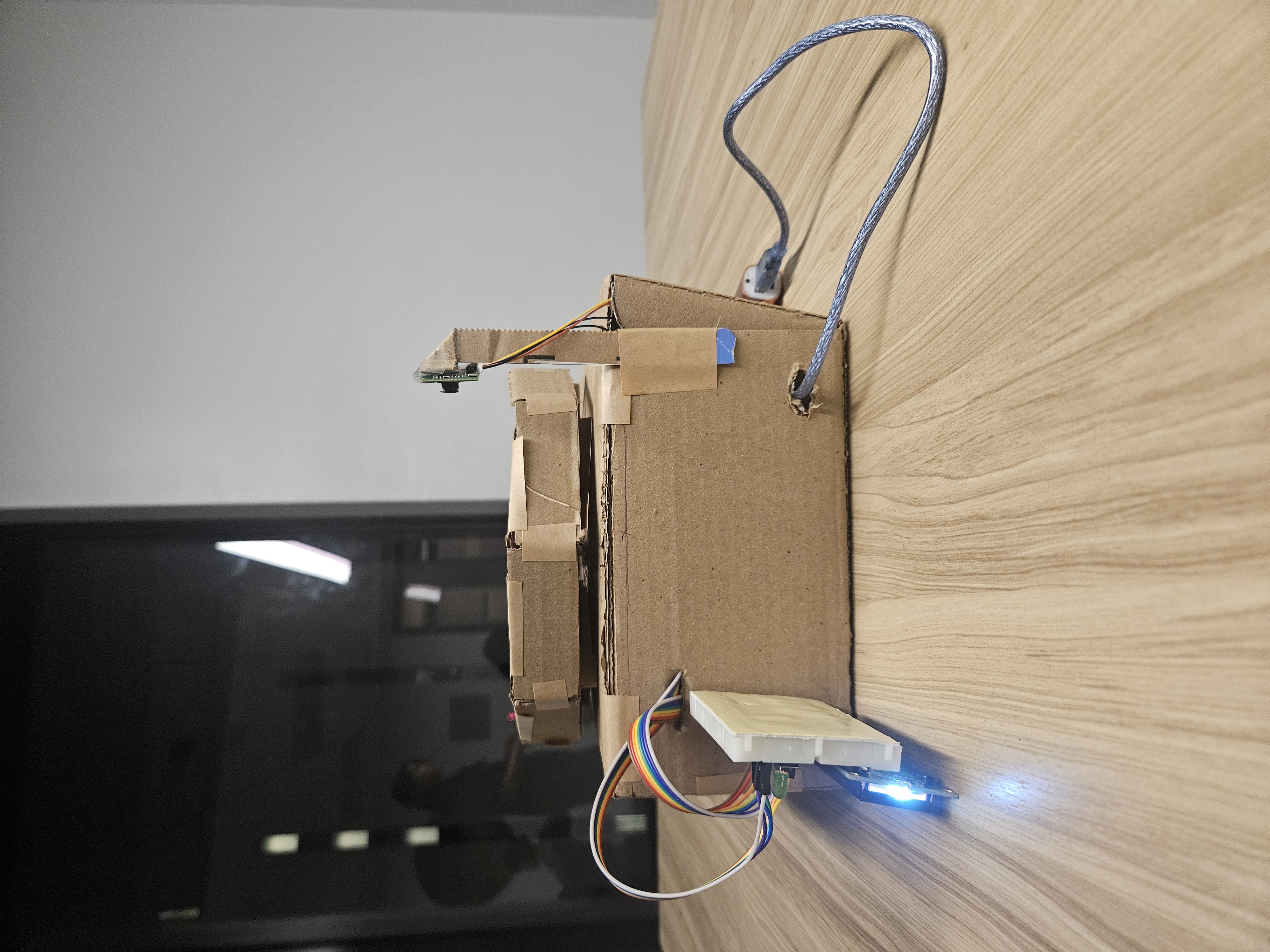
Demonstration of facial recognition sensor. A light green appears when a human face is detected
-
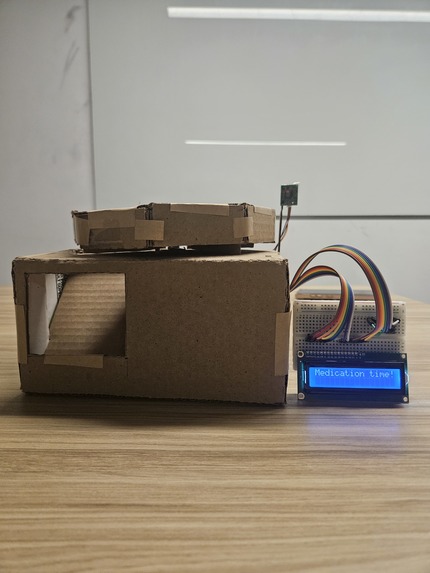
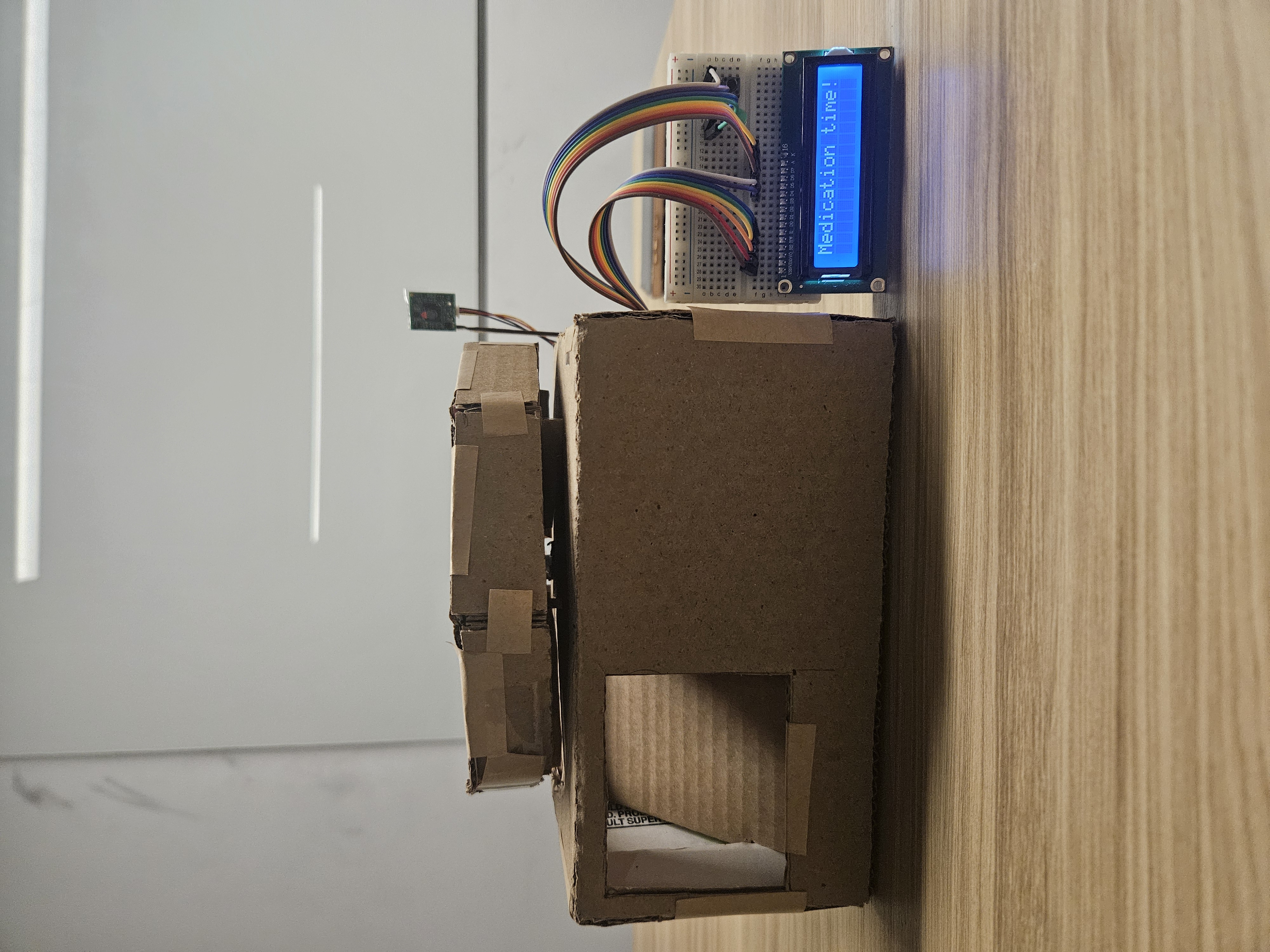
Front view
-
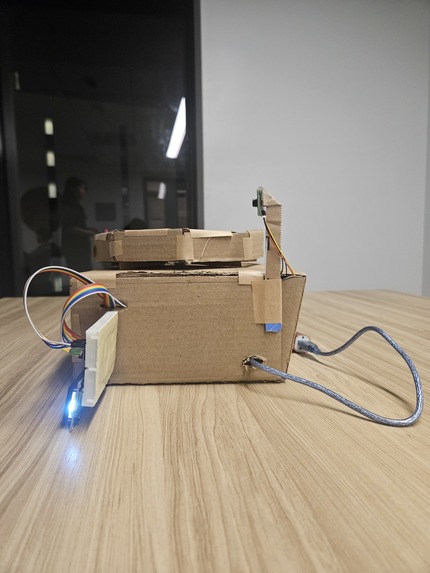
Side view
-
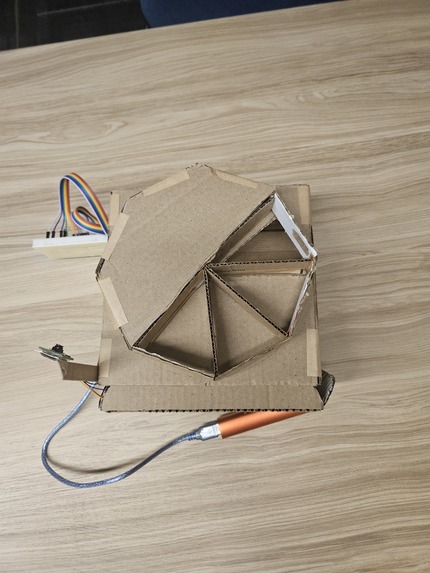
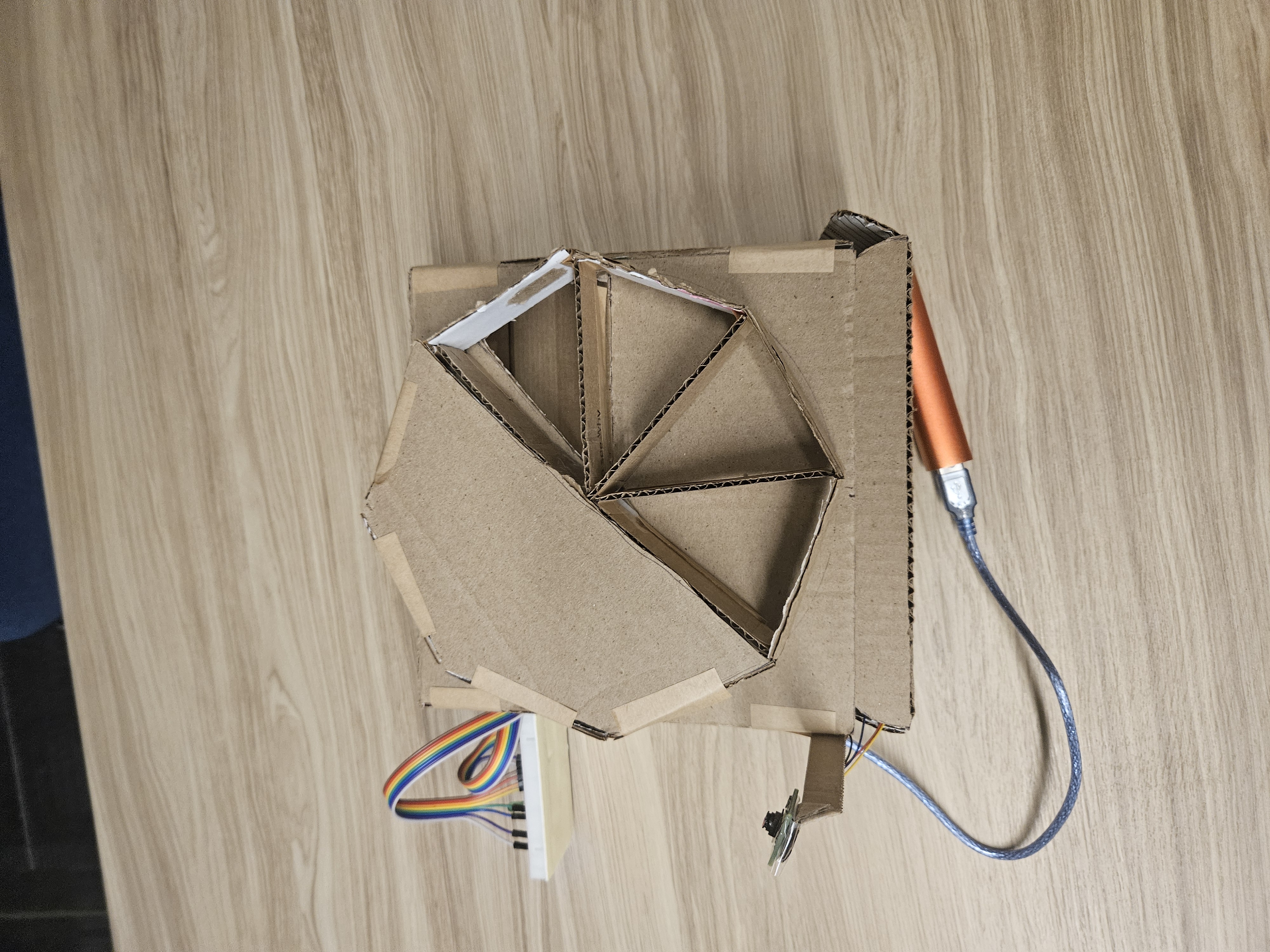
Top view
-
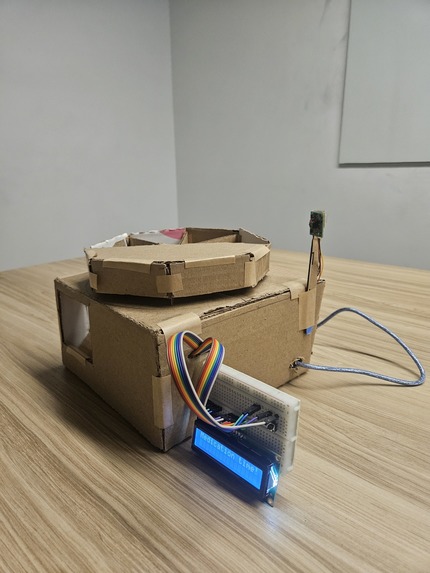
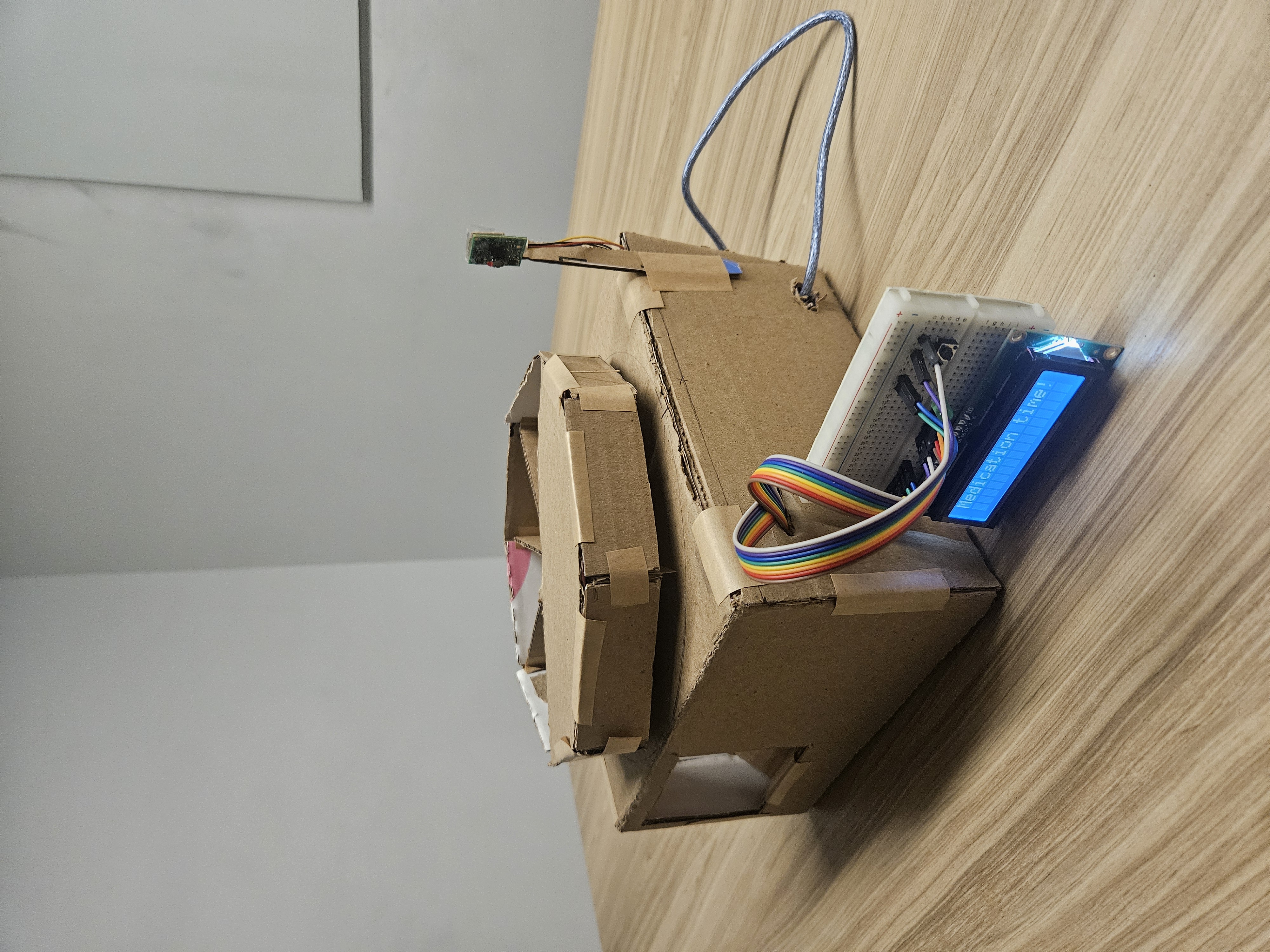
3/4 view
-
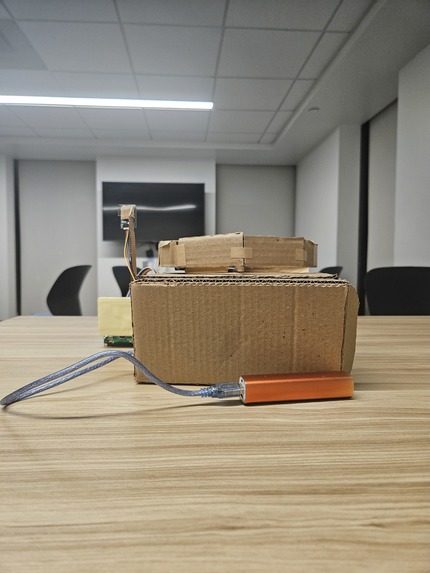
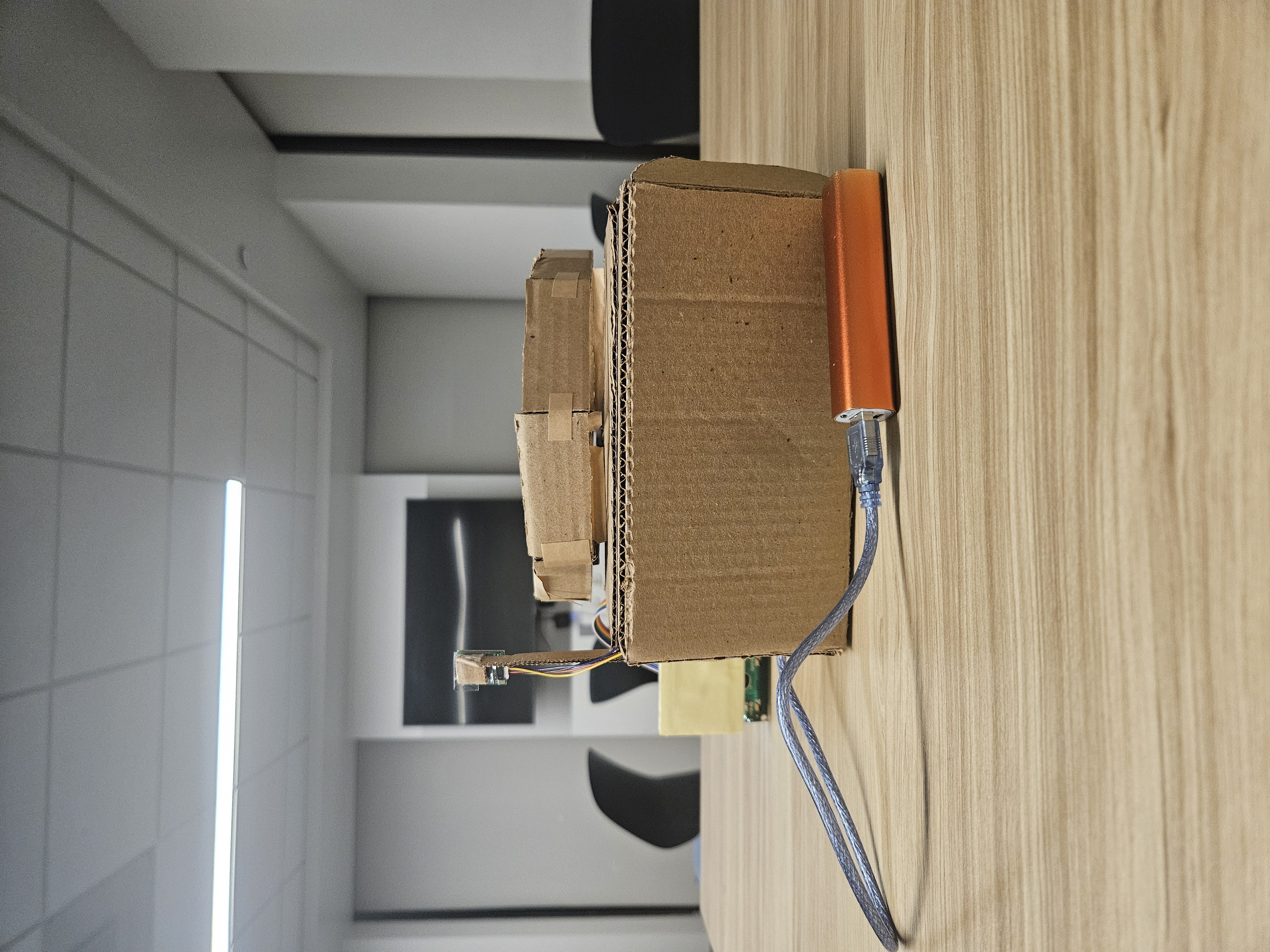
Back view
Inspiration
Every day, a number of people need medications to maintain their health and live their lives. However, despite the need for medicine, over 50% of people forget to take their tablets or don't take them at all. This sensor pill dispenser will assist in resolving the issue of forgetting to take prescriptions. This can help nurses save time as Timed Capsule assist with reminding patients to take their medication. This can also help take care for forgetful elderly family members who need help keeping track of daily doses.
What it does
To ensure that the pill is taken at the appropriate moment, the sensor pill dispenser precisely measures the passing of time. Our project features a count-down timer that notifies how much time is left until the pills will be dispersed. When it is time, lights will flash, a buzzer will sound, and the pill will be dispersed through a slot. Our project features a wheel that rotates to hold different medication for different days of the week and allows a slot for refilling.
Timed Capsule also saves the hassle of having to set your own timer. For example, a Tylenol dosage can be taken every 6 hours. Rather than setting your own timer, Timed Capsule can automatically keep track for you with the push of a button with its built-in countdown timer. The timer is reset when the user pushes a button to notify Timed Capsule that they have finished taking their dosage.
It also includes facial recognition, which is included in the next steps for this project.
How we built it
How we built it is by assembling the circuits into the appropriate area on the breadboard. After wiring everything together, making sure that the code works, and then building the structure of the pill dispenser, we then added a liquid crystal display (LCD) screen, which features various messages to notify the user of the time remaining until pill dispersal, when the pills are ready, and when the pills are finished dispersing.
Challenges we ran into
One challenging was having the message display on the LCD screen. Initially, our message was cut off and only appeared on one line. After a bit of refining, we were able to correct our display message to show on two lines if we wanted.
Another problem that we ran into was working on the liquid crystal display (LCD) screen. At first, when we worked the code, the LCD screen did not light up at all but after adjusting the resistor and turning up the brightness, we were able to make it light up and show the message of “Medication Time”.
As we were nearing the finishing touches of our project, we discovered that the motor does not spin 360 degrees but only maxes out at 180 degrees. To accommodate the difference, we redesigned the shape of the wheel, turning it into a carousel, making it easier for the pill to drop in. We then later find out that it became shaky due to the weight being uneven. After stabilizing it by adding weight and friction, we were able to stop the shakiness.
Accomplishments that we're proud of
An accomplishment is assembling our hardware project into a cardboard representation of a pill dispenser prototype. We overcame several obstacles to stabilize the base and the motion of the wheel through our creativity and knowledge of physics. We are also proud of learning how to use an LCD display as it is our first time implementing the feature.
What we learned
We learned the limitations of a servo motor. We also learned the difference between R3 and R4 Arduino, as we initially tried to implement code meant for the R4 onto the R3 Arduino, which lead to several bugs. Furthermore, we learned how to balance our model through friction and physics.
What's next for Timed Capsule
While Timed Capsule features a facial recognition sensor, we want to take the sensor to the next step by allowing the pills to disperse only after verifying the user is the one who the pills are intended for. This can help ensure no pets or children accidentally access the pills. Afterwards, we want to develop Timed Capsule into a robot that can come to patients and give tablets when it's time. This can assist those who struggle to go out of bed to take medication.

Log in or sign up for Devpost to join the conversation.