Inspiration
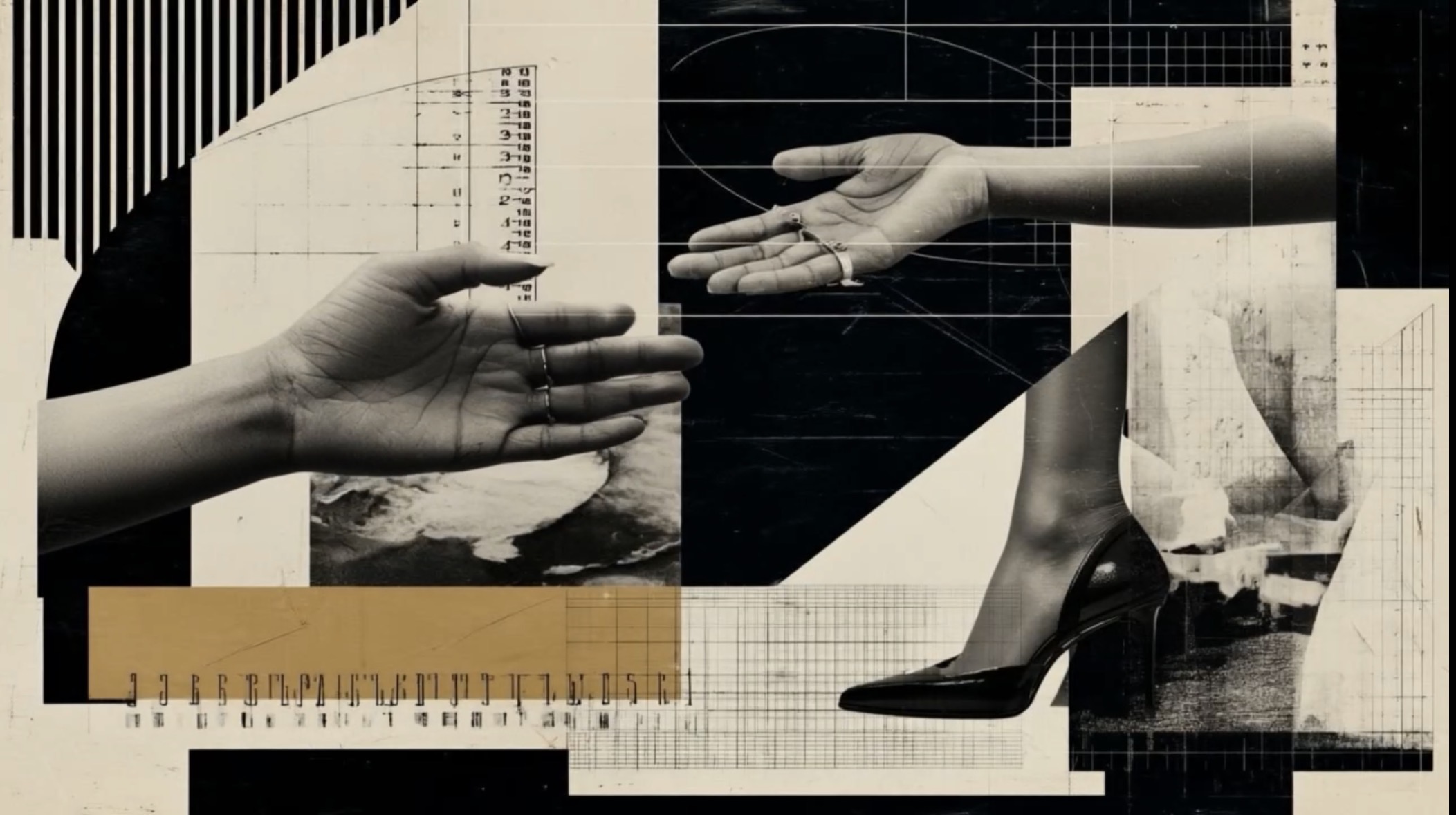
When I chose the themes of time, fragmentation, and the body, I had the Dadaist movement in mind. I wanted to see whether AI could generate something classical yet powerful, while still achieving a contemporary sense of motion.
What it does
This experimental piece views dance as the act of threading through the gaps of time. It uses the body and dance as central motifs. In the latter half, it also depicts the long, organic sense of time that exists within nature, layering human movement with natural rhythm.
How we built it
The piece was created using AI-generated imagery. I went through countless iterations, adjusting the prompts repeatedly until classical aesthetics and contemporary motion could coexist within the visuals.
Challenges we ran into
Crafting effective prompts was extremely challenging. Visualizing abstract concepts such as time, fragmentation, and the body required persistent experimentation. It took generating a large number of images before achieving the intended expression.
Accomplishments that we're proud of
I eventually arrived at visuals that matched my original vision. I am proud that the work successfully expresses the concepts of “time” and “the body” in a unique way, and that AI could be used to merge classical artistic approaches with modern movement.
What we learned
I learned that expressing abstract themes through AI requires patience and fine-tuning of prompts. Combining different temporal layers—such as the body’s motion and nature’s slow rhythms—can create unexpected depth and resonance.
What's next for Time—breaks
In the future, I want to explore different artistic motifs as well.
Built With
- kling
- midjourny
- premirerush
- suno

