-
-
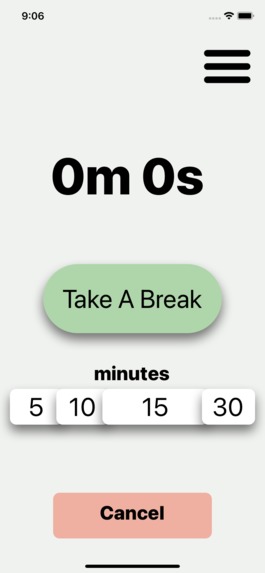
Main Menu
-
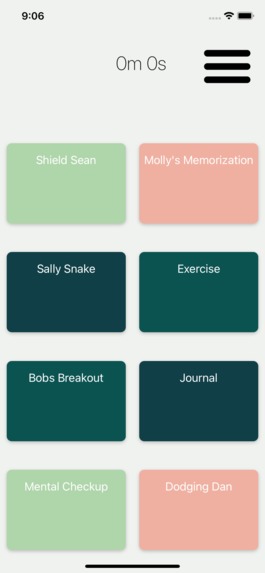
Modules
-
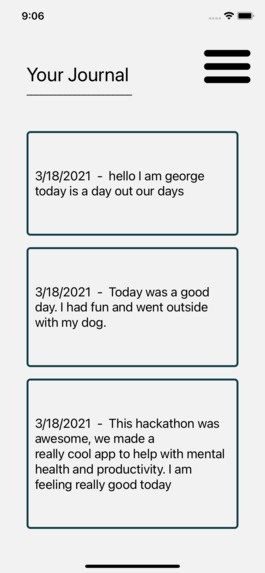
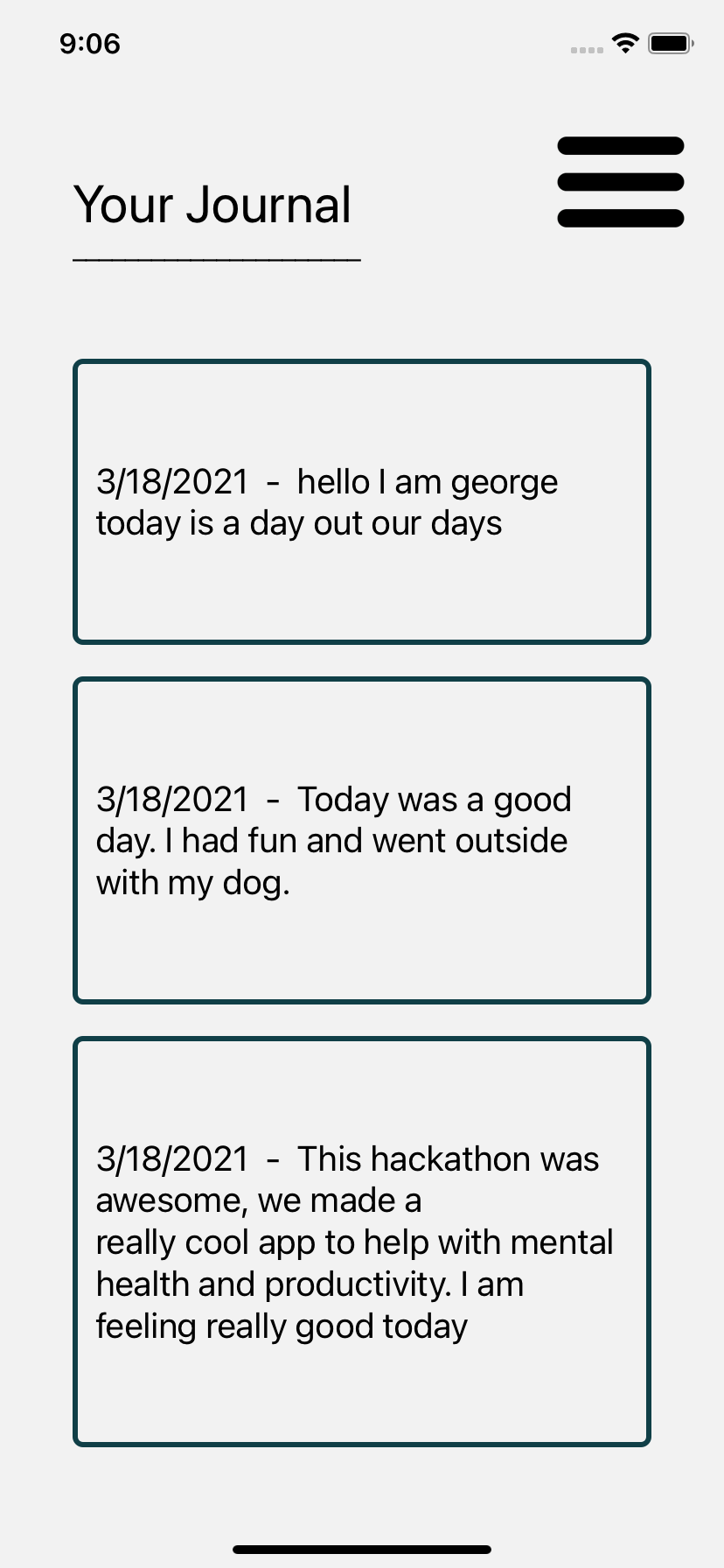
Journal
-
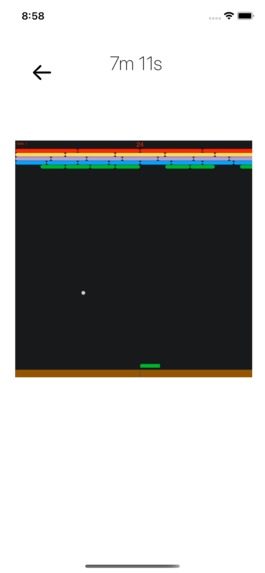
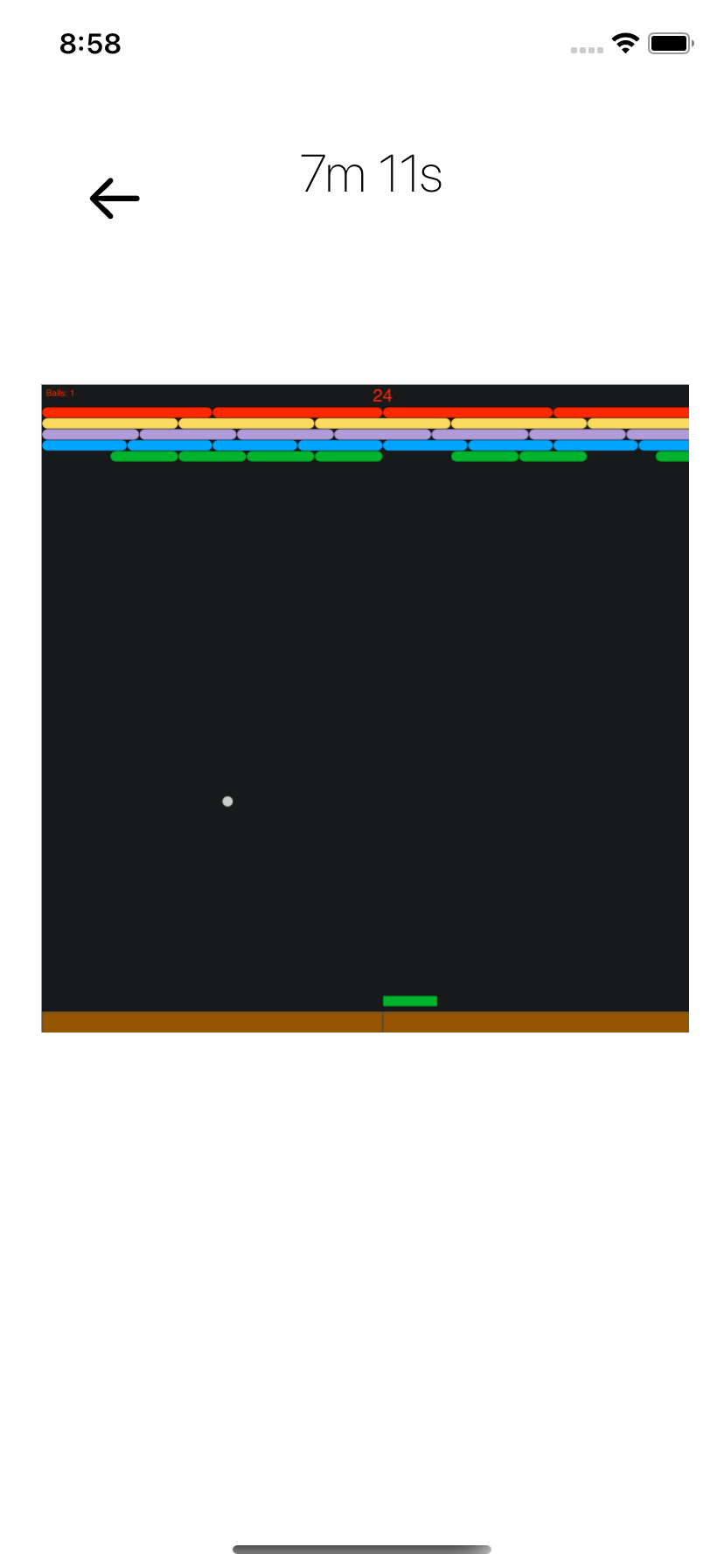
Atari Minigame
-
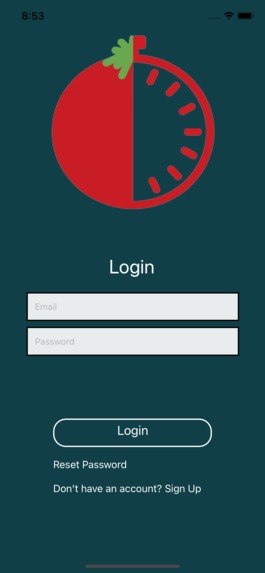
Login
Inspiration
As high school students experimenting with new forms of learning, it is easy to get overwhelmed with gargantuan amounts of schoolwork and academic pressure. During studying we all like to take breaks to watch netflix, play video games, read, or simply get up and move. The issue is these breaks often end up being much longer than the 5 minutes you had originally planned. One episode turns into two into a whole season with a cliffhanger just begging you to watch more. Timato solves this problem by giving students stress stress relieving and structured breaks. We came to this idea after discussing the struggles that we faced as highschool students after a very long break.
What it does
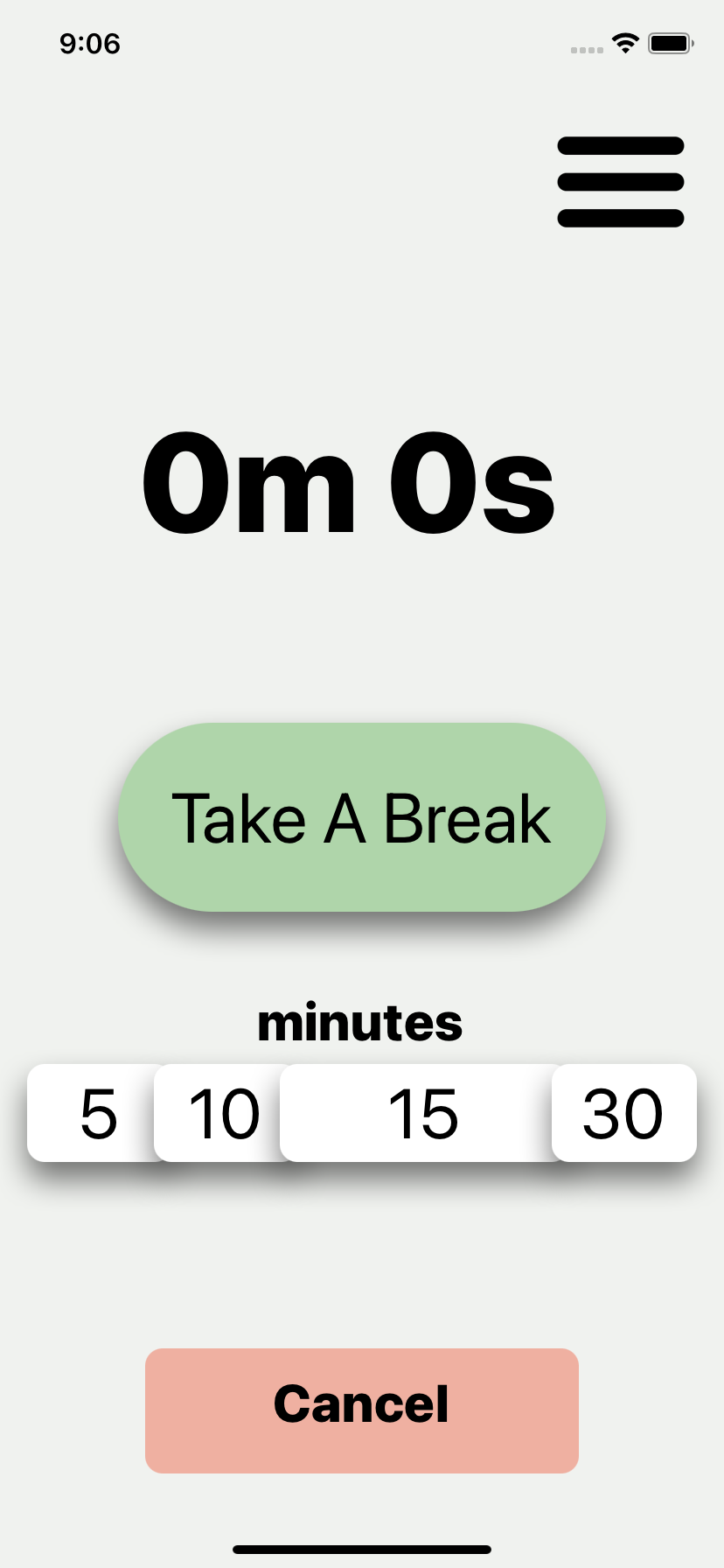
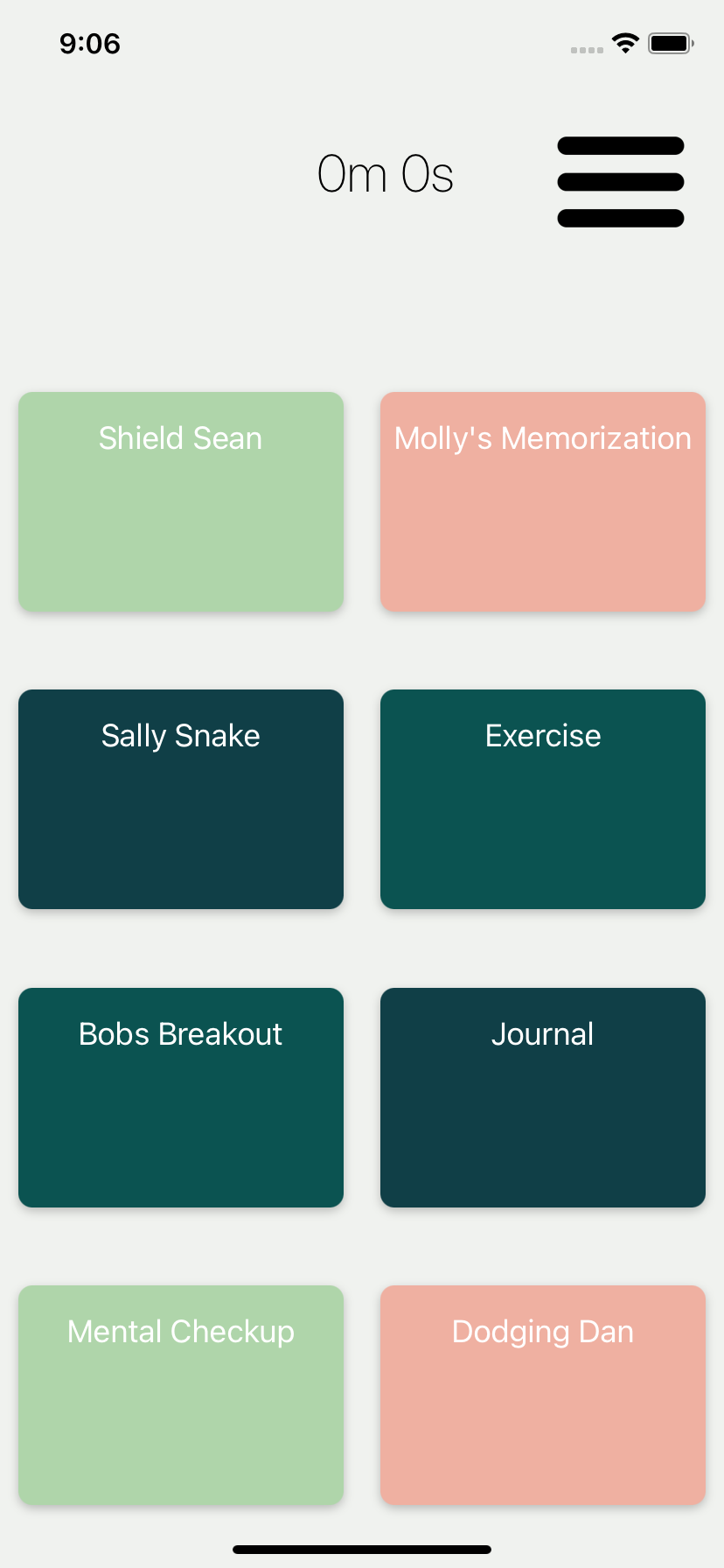
Timato is based on the Pomodoro method. A Pomodoro is a 25 minute work session followed by a 5 minute break. Every 4 Pomodoros, you take a longer 15 minute break. This allows you to work fast in sprint sessions without getting fatigued. Timato's many games and mental health checkups make breaks much more engaging while preventing a 5 minute break from leaching into the whole day. Timato contains many games, a journal, physical exercises, and a mental health checkup for you to do during your breaks while gearing activities toward the amount of time you intend to spend. It encourages both mindfulness, healthy living, and fun.
How we built it
We began our emotional journey toward the completion of Timato by prototyping our app in wireframe sketches. Our intent was to pair the fun of classic video games with activities helpful to mental health. We built our games in p5, a powerful JavaScript library. We integrated these games into a React Native app with the help of Expo enhanced development workflow. We also used firebase to implement a user authentication system.
Challenges we ran into
We ran into many challenges in the creation of Timato. On the first day, we wasted almost 5 hours trying to plan and develop an idea that we had about a board game in which you play as a highschooler trying to balance mental health and schoolwork. The integration of p5 into reactNative had many issues as well. Since mobile devices don't recognize tapping the screen as a mouse press, we had to rework the controls for our 5 games in a very unintuitive workaround using buttons. Also, the different sizes of screens, and the way in which p5 and react native handle spacing made it difficult to get the sizing of the elements correct.
Accomplishments that we're proud of
We are proud of our integration and pivoting when our p5 did not initially work. We are also proud of making a functional mobile app in so little time when only 1 member of our team was familiar with mobile app development.
What we learned
Never. Use. p5. for. mobile. apps. Other than that, we learned a lot about not just brainstorming and creating an idea, but also taking the idea and implementing it.
What's next for Timato
We plan to integrate p5 and react with native controls. We also have ideas of using tensorflow in conjunction with mental health surveys before and after breaks in order to use machine learning to auto-suggest activities. We would like to add the functionality to create organized and planned out study sessions that include the breaks already in the app.

Log in or sign up for Devpost to join the conversation.