Inspiration
I'm a VR developer and 3D artist with several paid VR projects behind me, including a Unity app against fear of heights and an Unreal Engine tinnitus app in which users set their own tinnitus tone and find the bird that makes the same sound, to help them get used to the tone instead of fighting it. I started TiltMazeXR as a follow-up to a shooter I built purely to learn Unreal Engine.
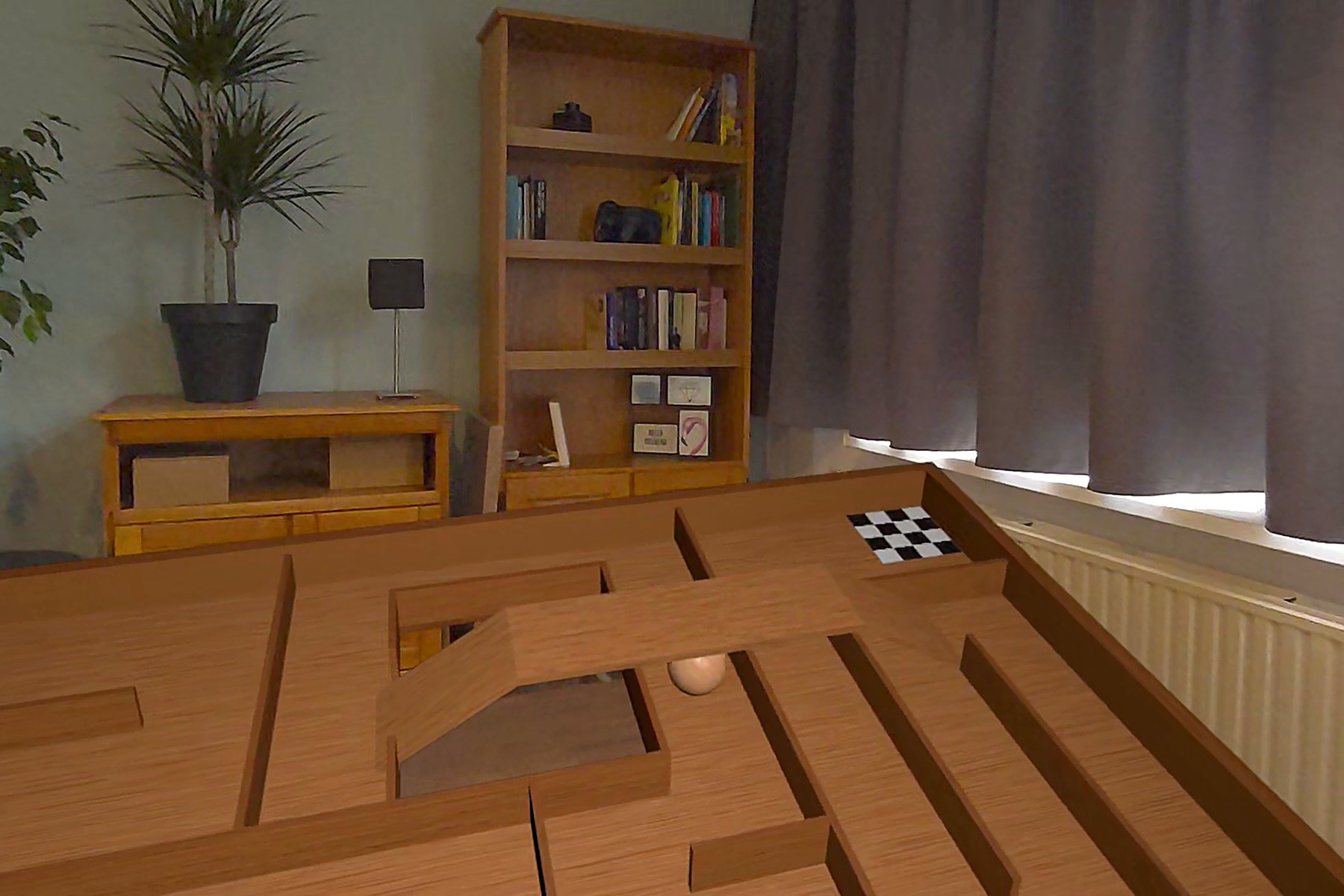
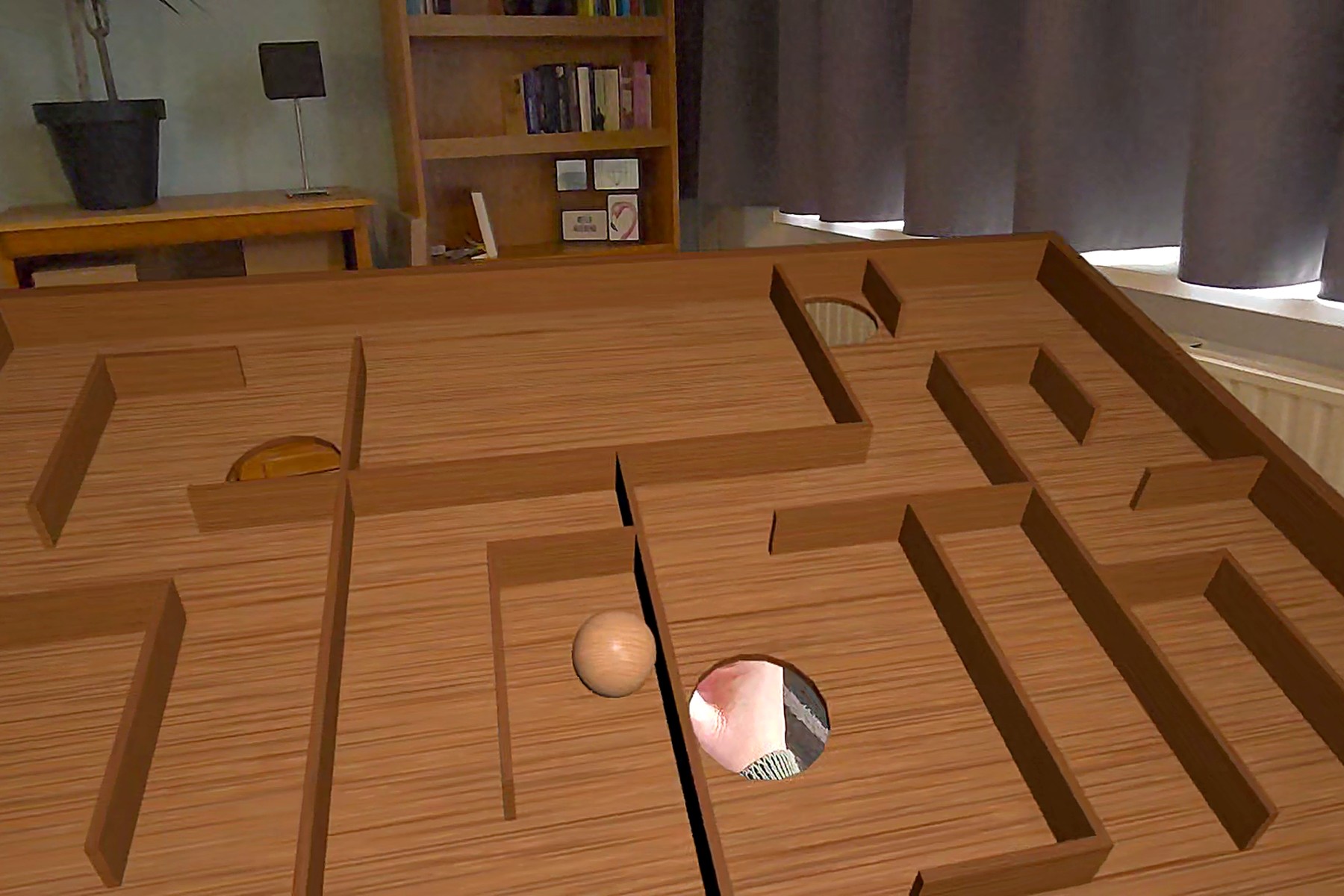
I've always loved PC maze games and wanted to make a casual mixed reality game for all ages. Meta's headsets are moving towards hand tracking as the main way to control them, so I wondered: could you simply hold a maze board in your hand? Holding it with one hand worked far better than I expected. That surprise made me want to build a full game around it.
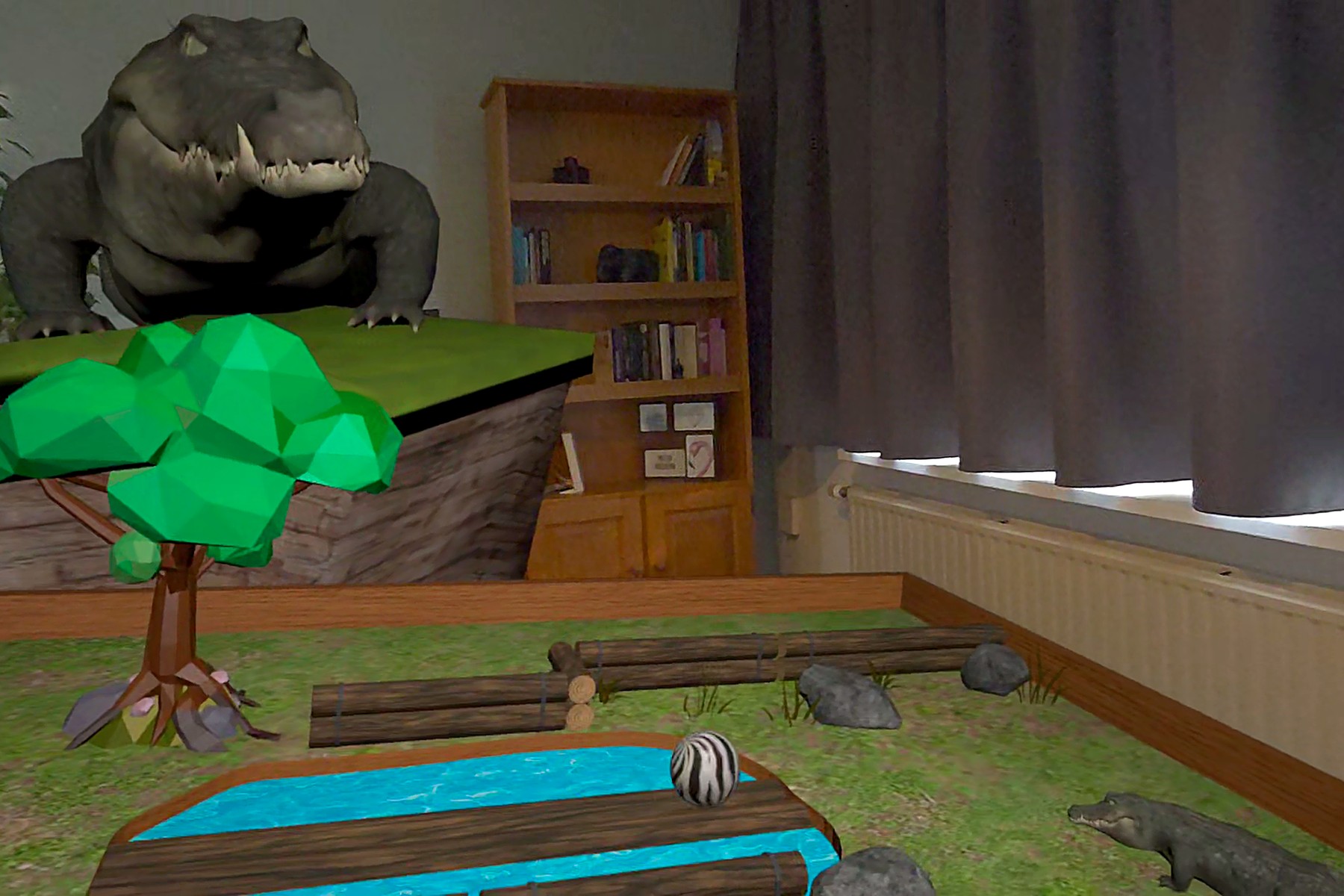
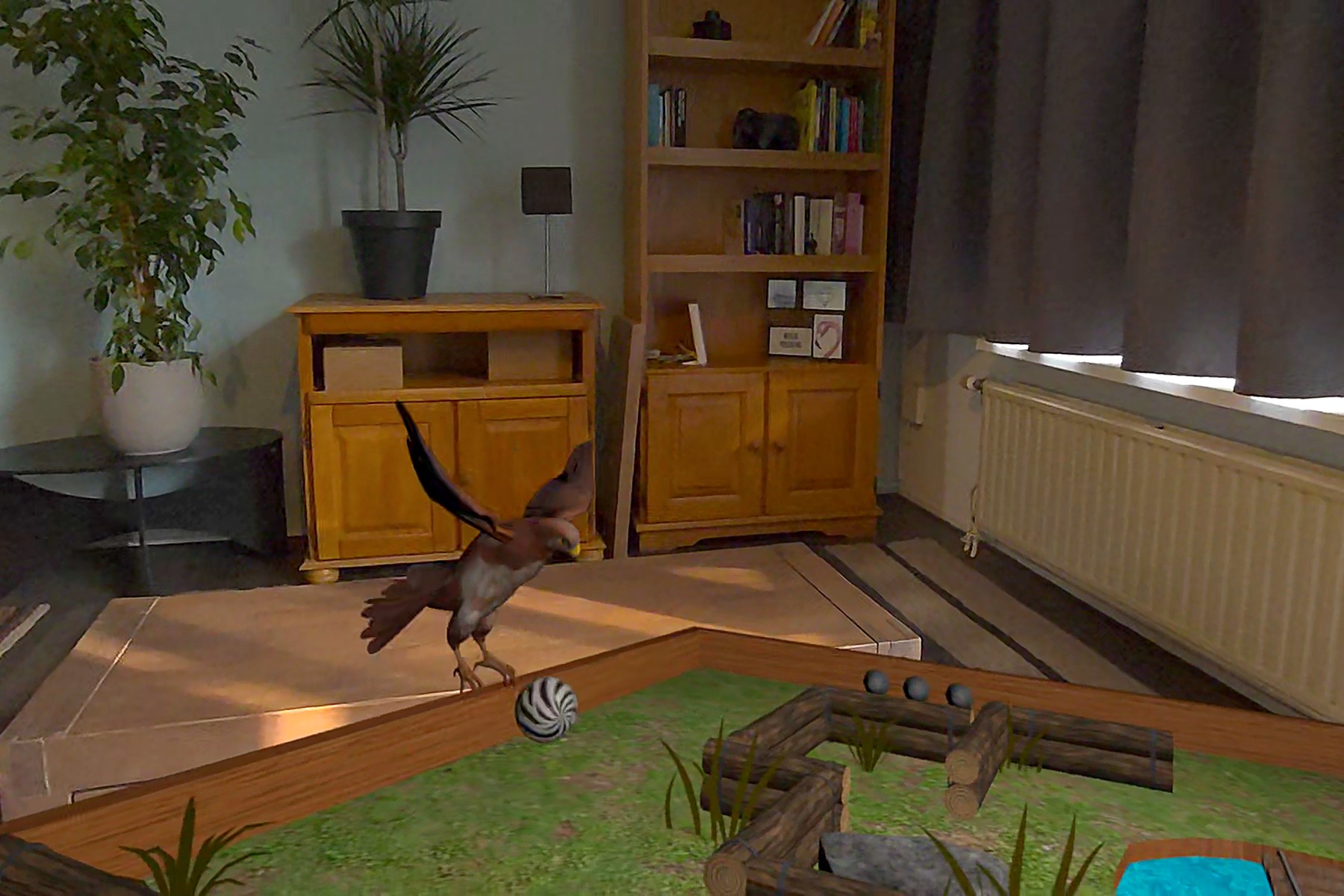
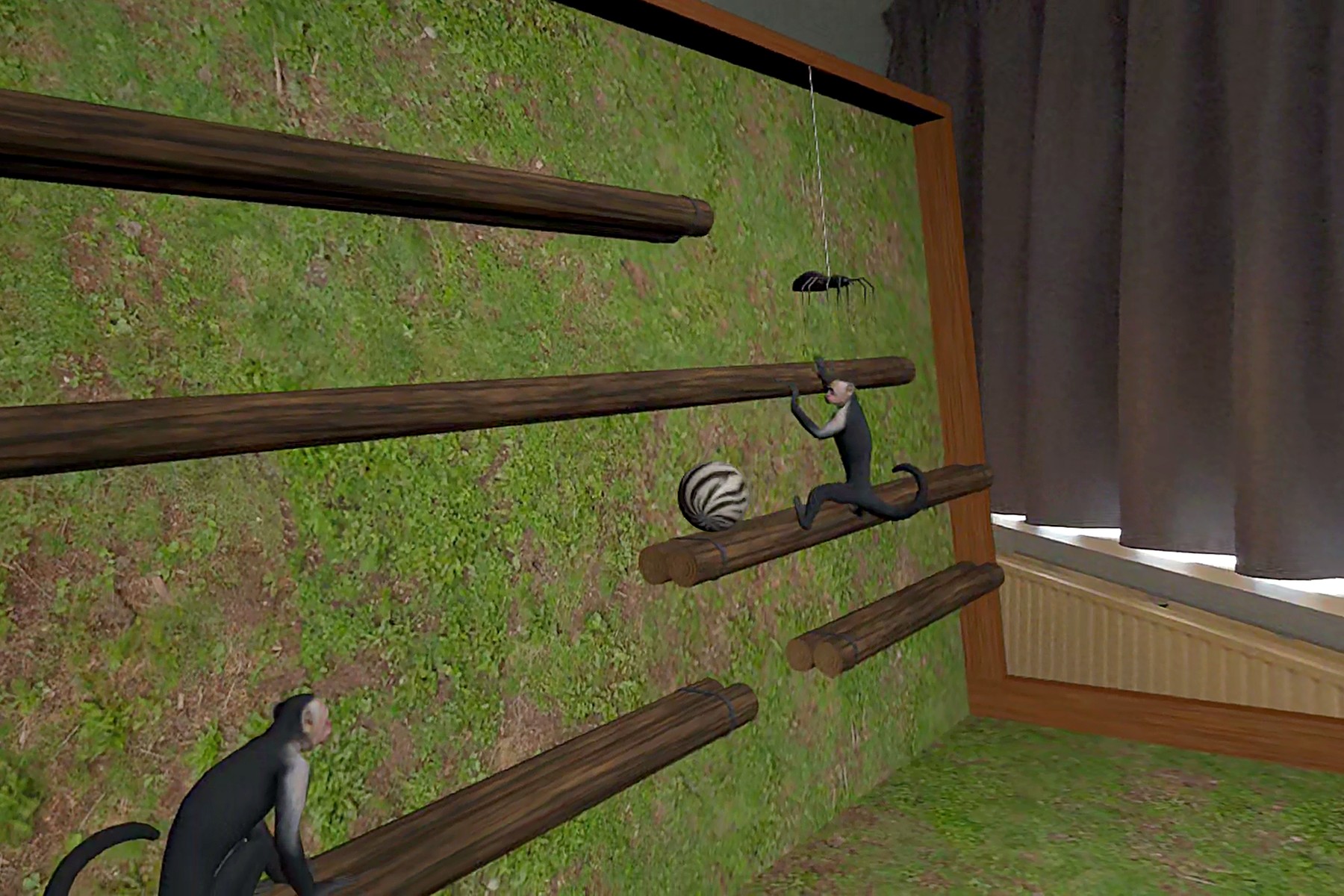
Your free hand holds a pinch gesture to return to the menu. Later I want to add two-handed interactions, such as picking up a block from the board to create a path, or using a fan to blow a floating ball across the water. I have many more creative ideas. What makes the game truly unique is the way the board and your room interact: when the ball rolls close to the small crocodile's mouth on the board, the large crocodile in your room also plays its bite animation.
What it does
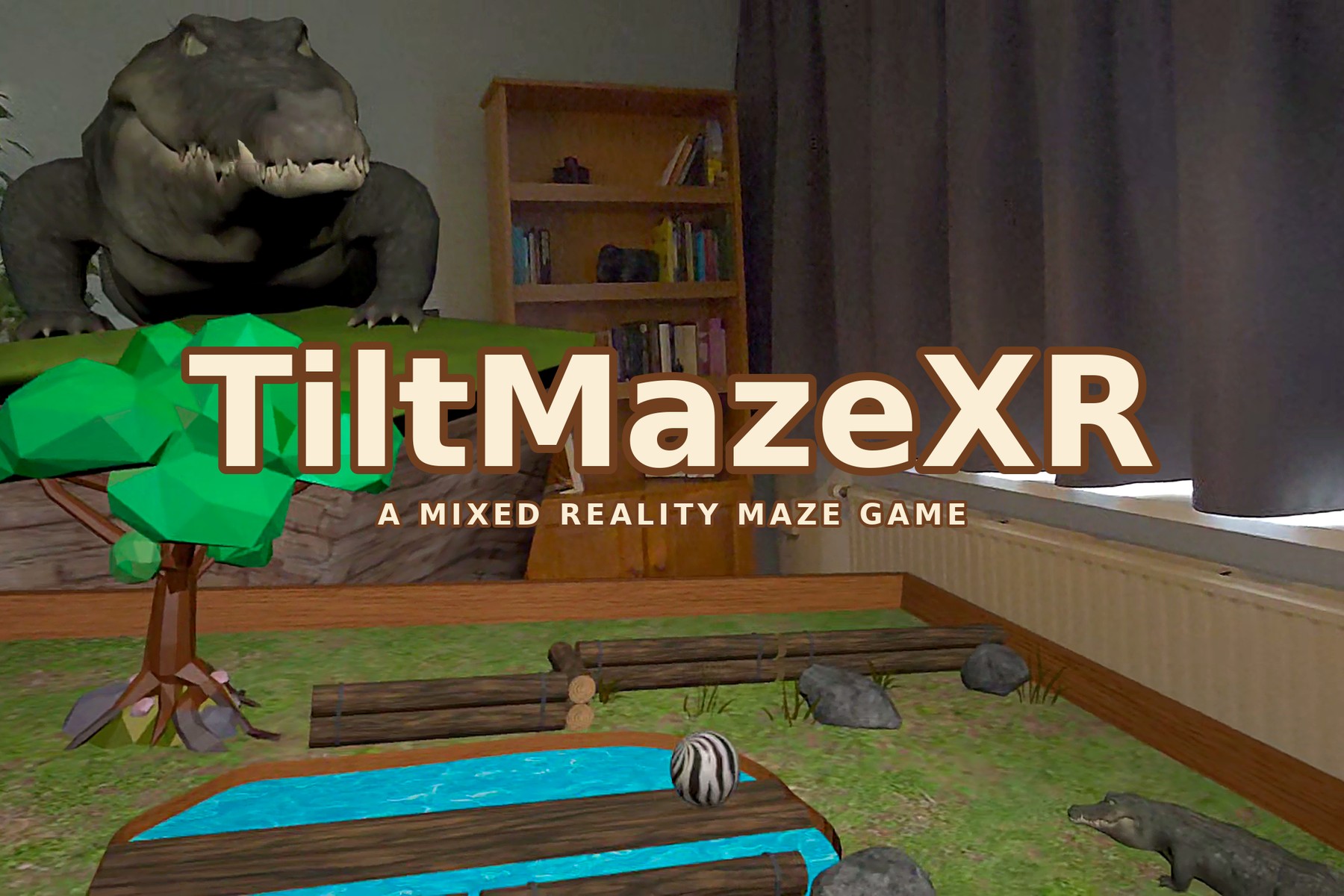
TiltMazeXR is a mixed-reality tilt-maze for Meta Quest 3. You hold the board in your real room, tilt it with one hand to guide the ball to the goal, and play without controllers.
How I built it
I built it in Unreal Engine 5.6 with Blueprints. I spent the first three weeks on physics alone, and the one-hand control combines two methods to feel natural.
I made most of the 3D assets myself in Blender, which I've used for about five years. The animals, low poly tree, rocks and bamboo-float, comes from Fab.com. The music was made with Suno (Premier plan, with commercial rights) and edited in Suno Studio. I used Audacity to split each track into an intro and a seamless loop, so the audio files stay small while the music keeps playing.
Challenges I ran into
- Getting the physics to feel right took the first three weeks of the project.
- Two-handed grabbing did not work well for tilting a board, so I had to find a one-handed approach that felt natural and reliable with hand tracking.
What I learned
I learned how to build for hand tracking in mixed reality, how much the feel of a physical object depends on tuning the physics, and how to prepare, package and release a Quest app from Unreal Engine.
What's next
I want to grow TiltMazeXR into a full game, with at least five themes of six to eight levels each, and a timer mode so players can try to beat their best time.
For Quest 3, and especially for the upcoming Meta VR headset, I'm considering detaching the board from the hand, so that it stays in your field of view when you rest your hand on your desk or lap.
Target launch
I'm a solo developer, so I'm planning to release the game in about a year, including time for building a website, promotion and a wishlist. If I win a prize, all of it goes straight into development: mainly hiring graphic designers and investing in AI tools to reach a polished release faster. I'm aiming to be ready for the new Meta VR headset when it arrives.
Built With
- audacity
- blender
- blueprints
- fab.com
- metasounds
- metaxrsdk
- suno
- unreal-engine
