Inspiration
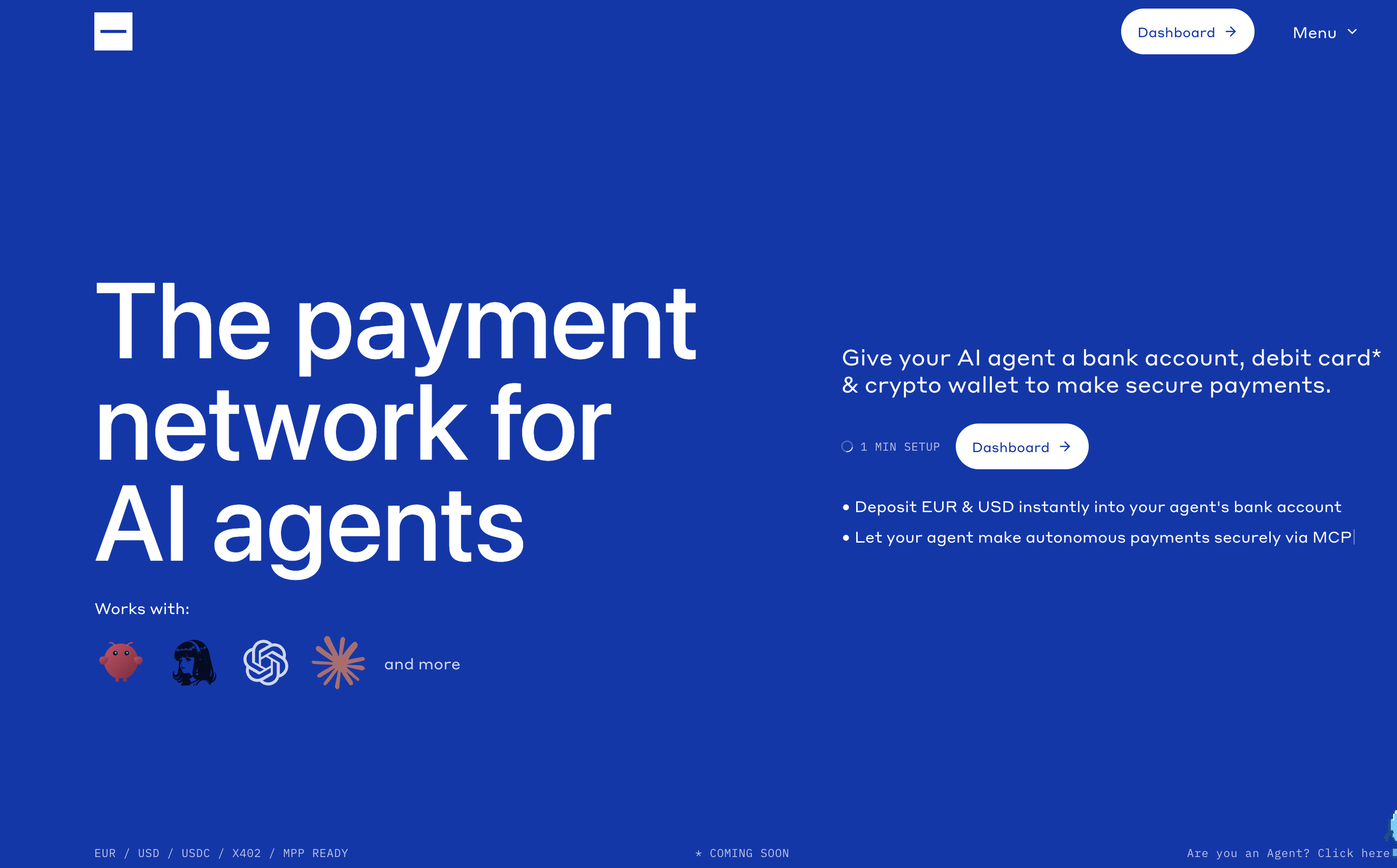
I've always been intrigued by consumer finance & technology. I believe that letting AI agents participate in banking & payment networks is required to provide useful & complete personal assistant's to humans. But how do you limit risk, manage fraud and prevent your own savings being drained to zero when things go wrong? Give them their own bank account of course. Inherent risk control by limiting what you deposit and separate transaction history and account controls designed for AI.
What it does
- User or agent signs up
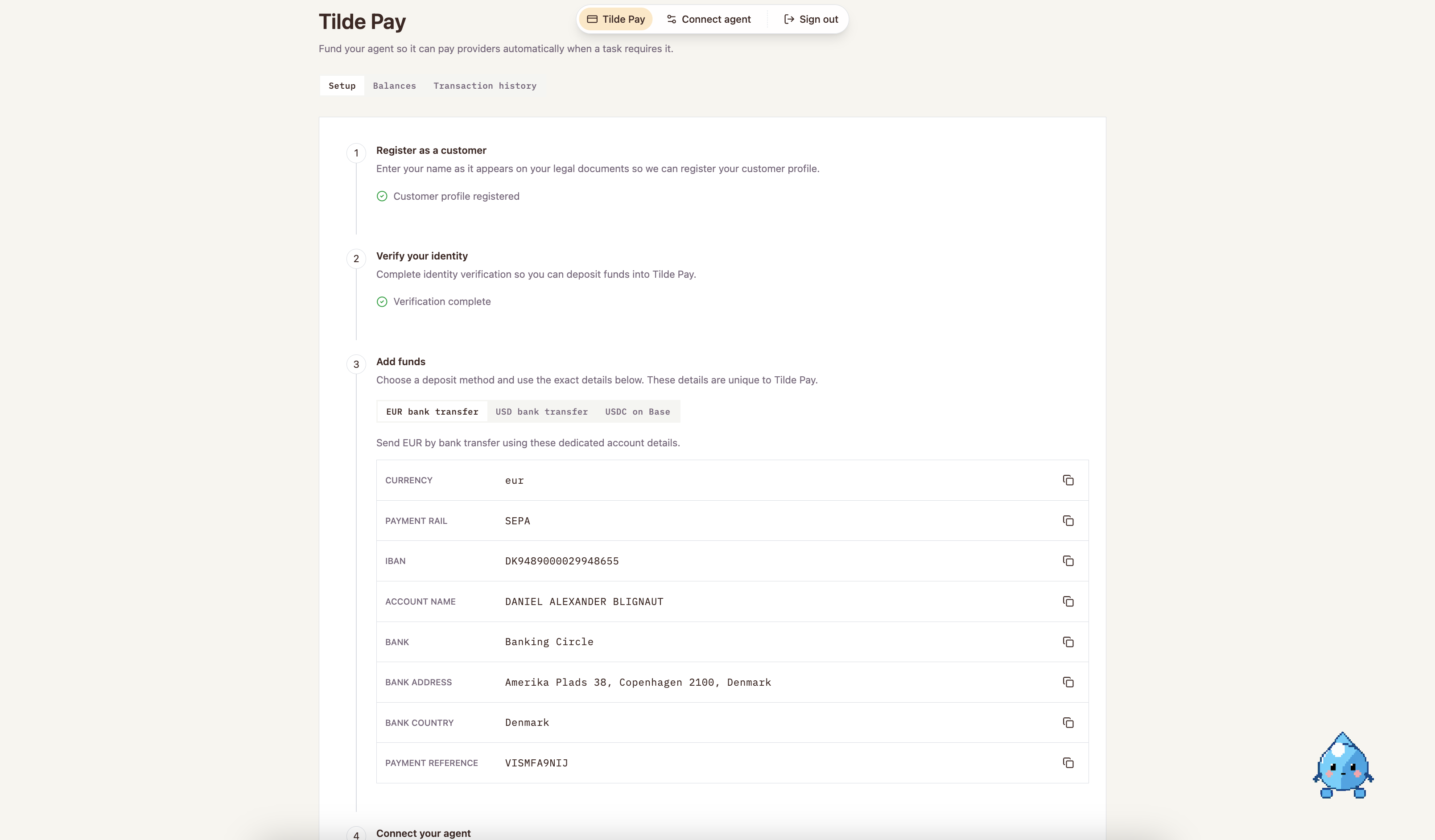
- Human performs a KYC check, validating their proof of address, identity and liveliness
- A euro & USD virtual IBAN bank account get generated with deposit information
- Any deposits into the customer's bank account get converted to USDC stablecoin in a crypto wallet for the user
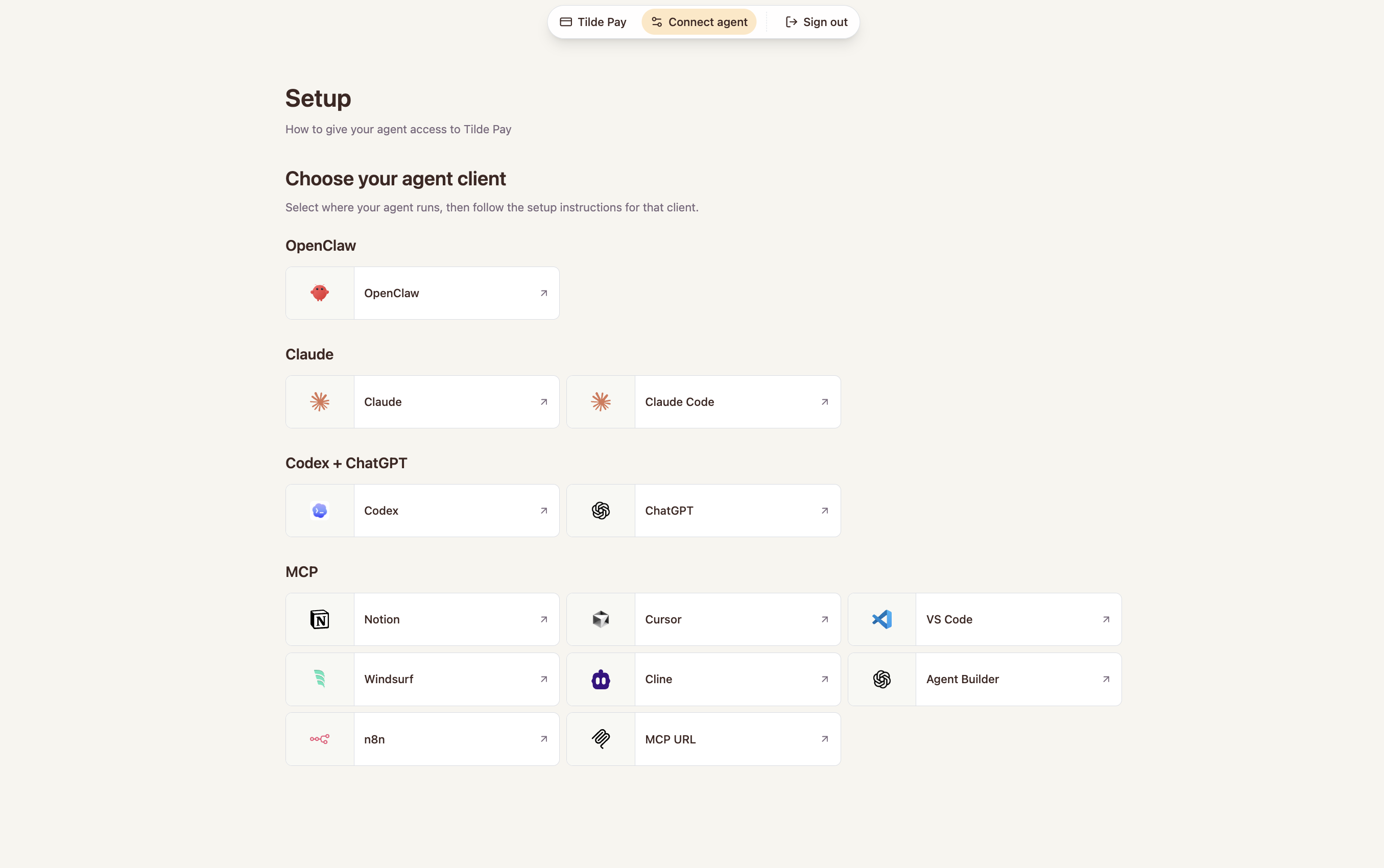
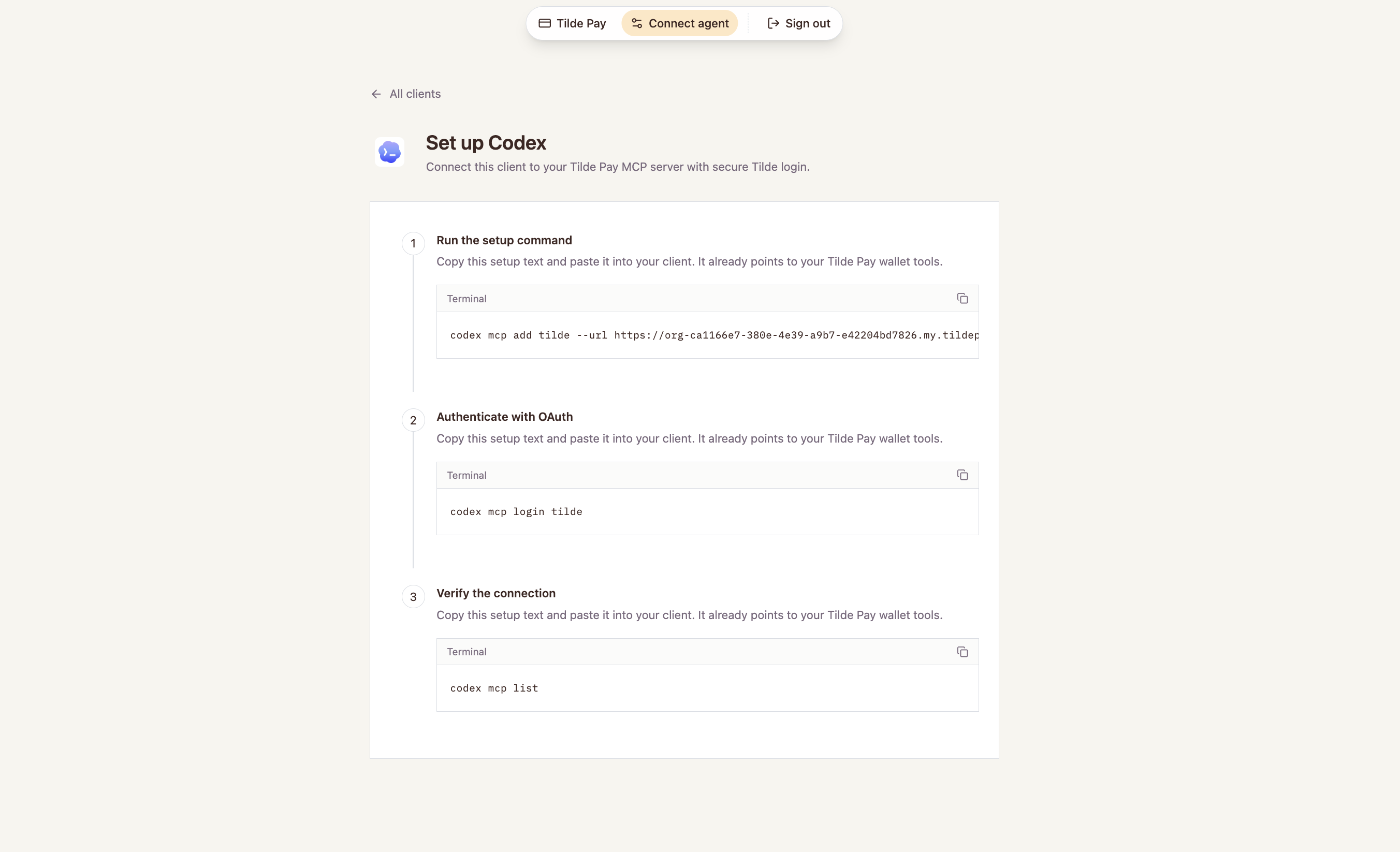
- Give your AI agent access to the account via an MCP server and functions to check balance, wait for top ups and make payments via x402 ( https://x402.org/ ) & MPP ( https://docs.stripe.com/payments/machine/mpp?locale=en-GB ).
Note: Only EVM, Base network transactions within the protocols are currently supported. I'm in active discussions with https://rain.xyz/ since building this in Codex to add virtual debit cards to the service, bridging the gap to traditional payment rails.
How we built it
With blood, sweat, tears & codex. My main way of working with codex is to spawn multiple remote worktrees in parallel pursuing the same goal in mind (perhaps a particular small feature or epic) and disregard threads that go off track or that don't meet my design goals, narrowing focus and implementation on the one that works. I then spawn seperate threads to peer code review the work and feed the review back to the original builder threads. separate threads means separate context which means no inherent biases by the review before ultimately builting, testing and merging features.
I work predominantly in Rust, typescript, React and that's the stack used in the project. Axum, Tokio, RMCP are some of the main rust crates in this project. Tanstack, React, ShadCN power the web UI.
Challenges we ran into
The x402 and MPP specs are currently evolving. They're well-documented but quite hard to follow and implement. working with GPT 5.6 SOL made this a lot easier.
Finding a virtual banking partner on short notice to provide the fiat on-ramping was challenging and posed the biggest non-technical (IRL) challenge to setting this up. I want the platform to appeal to non-technical users (i.e. just openclaw, hermes agent users) whom may not have a software engineering background or understanding of how these crypto protocols work. By just providing a bank account deposit details, the platform is accessible and friendly to any user. Finding the banking partner ties his together.
Accomplishments that we're proud of
- It works
- The simplicity of just displaying bank account details to send funds to that automatically tops up a crypto wallet
- Implementing complex crypto protocols to process payments in such a short period of time.
- The look & feel
What we learned
- How x402 and MPP work
- How to effectively build with GPT 5.6
What's next for Tilde Pay
- Adding virtual debit cards to bridge into traditional online checkout forms and payments
- Building a merchant catalog similar to compare the market where AI agents can discover products and services across protocols and traditional payment rails (once we bridge them). Starting with Ebay, DoorDash & Shopify
Note about previous work
Prior to the start date of this competition I have been working on Tilde ( https://trytilde.ai/ ) which has an out-dated website but is a harness SDK & platform for AI agents (build MCP servers, skills registries, memory and connect third-party chat providers like slack to your agents). I used the same shared foundational libraries within that cargo workspace in Tilde Pay and therefore Tilde Pay is part of that core project's cargo workspace. I've therefore shared all of the relevant code in a new private repo for the judges for the work scoped to this hackathon. The live, working version is the one bundled into the Tilde workspace. I can provide receipts upon review!
Built With
- axum
- codex
- react
- rust
- tanstack
- tokio
- typescript

Log in or sign up for Devpost to join the conversation.