-
-
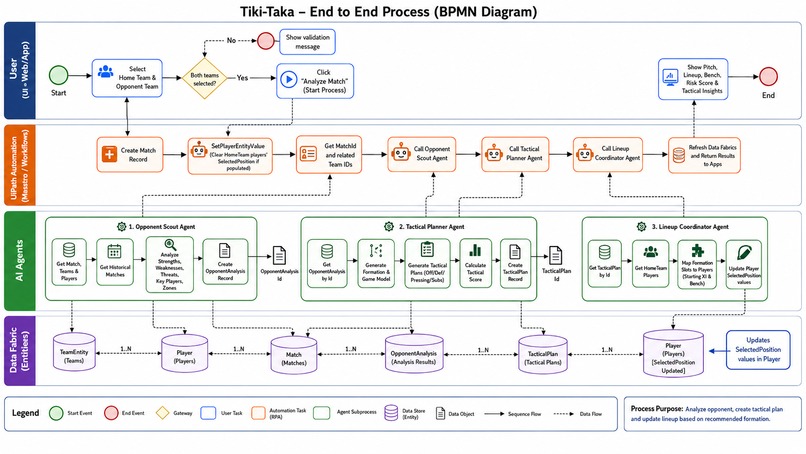
All Process Diagram
-
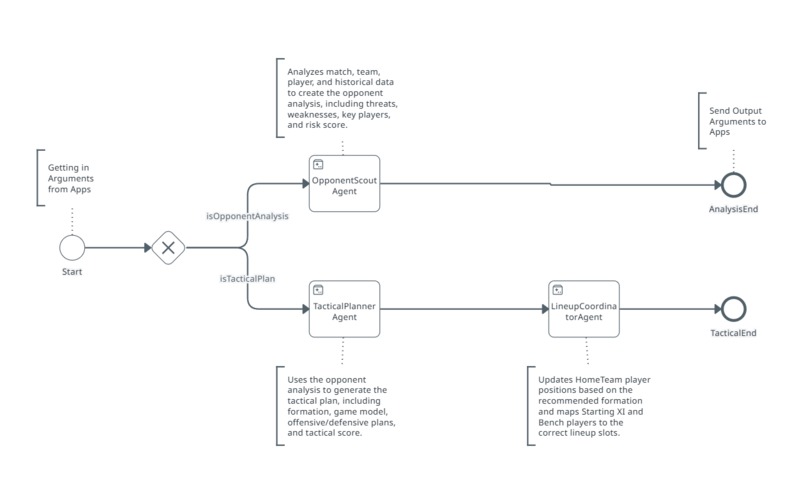
Maestro BPMN Diagram
-
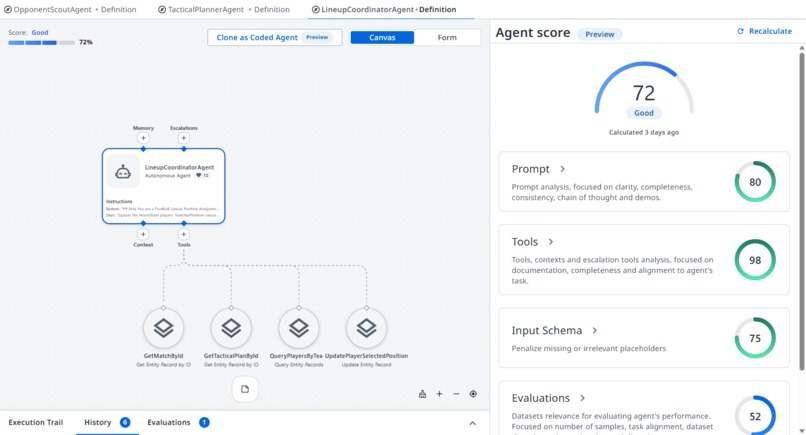
Lineup Coordinator Agent
-
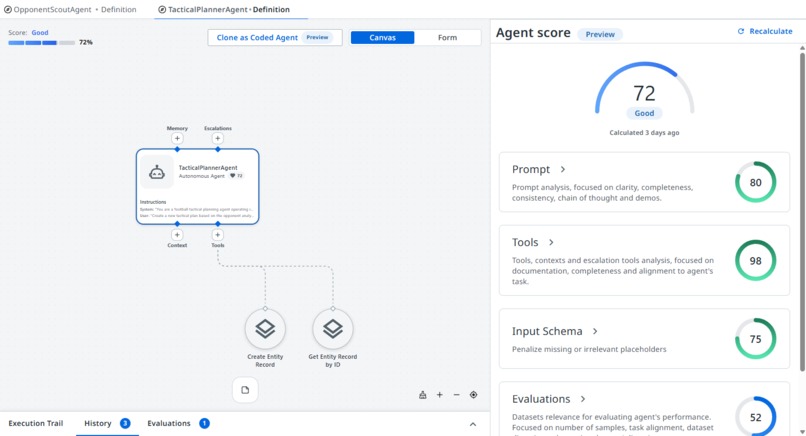
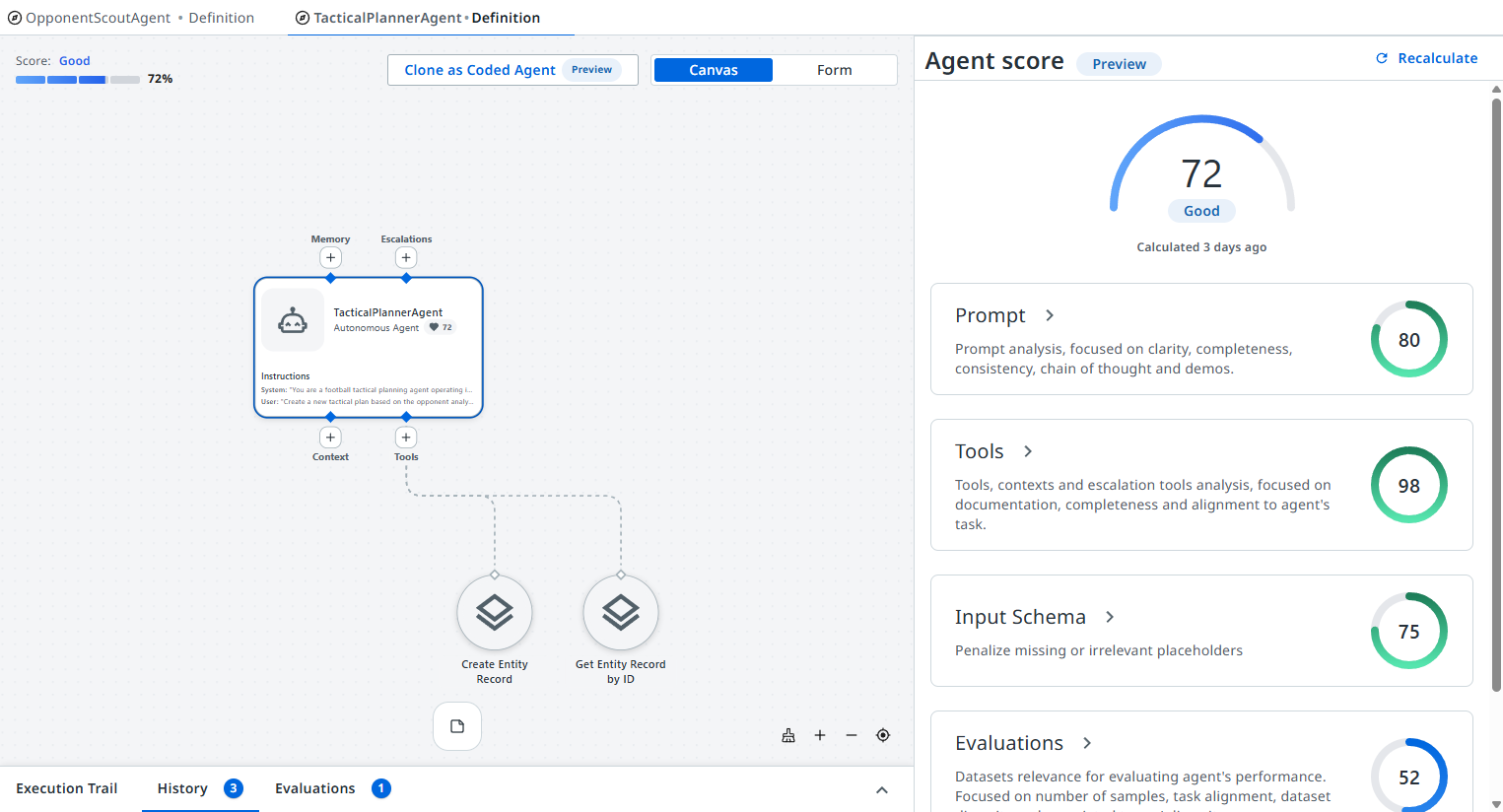
Tactical Planner Agent
-
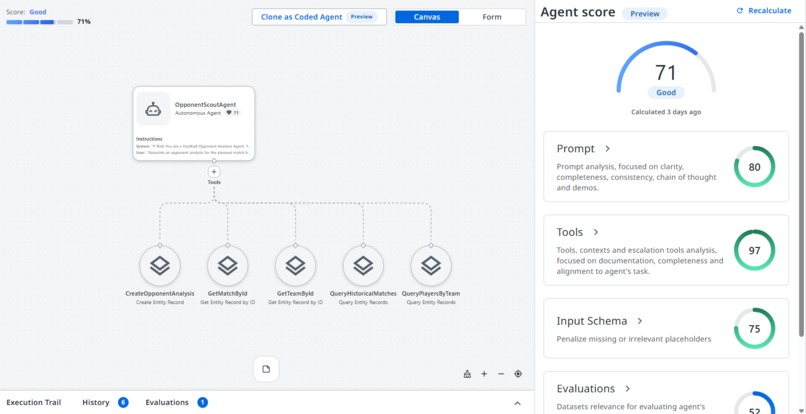
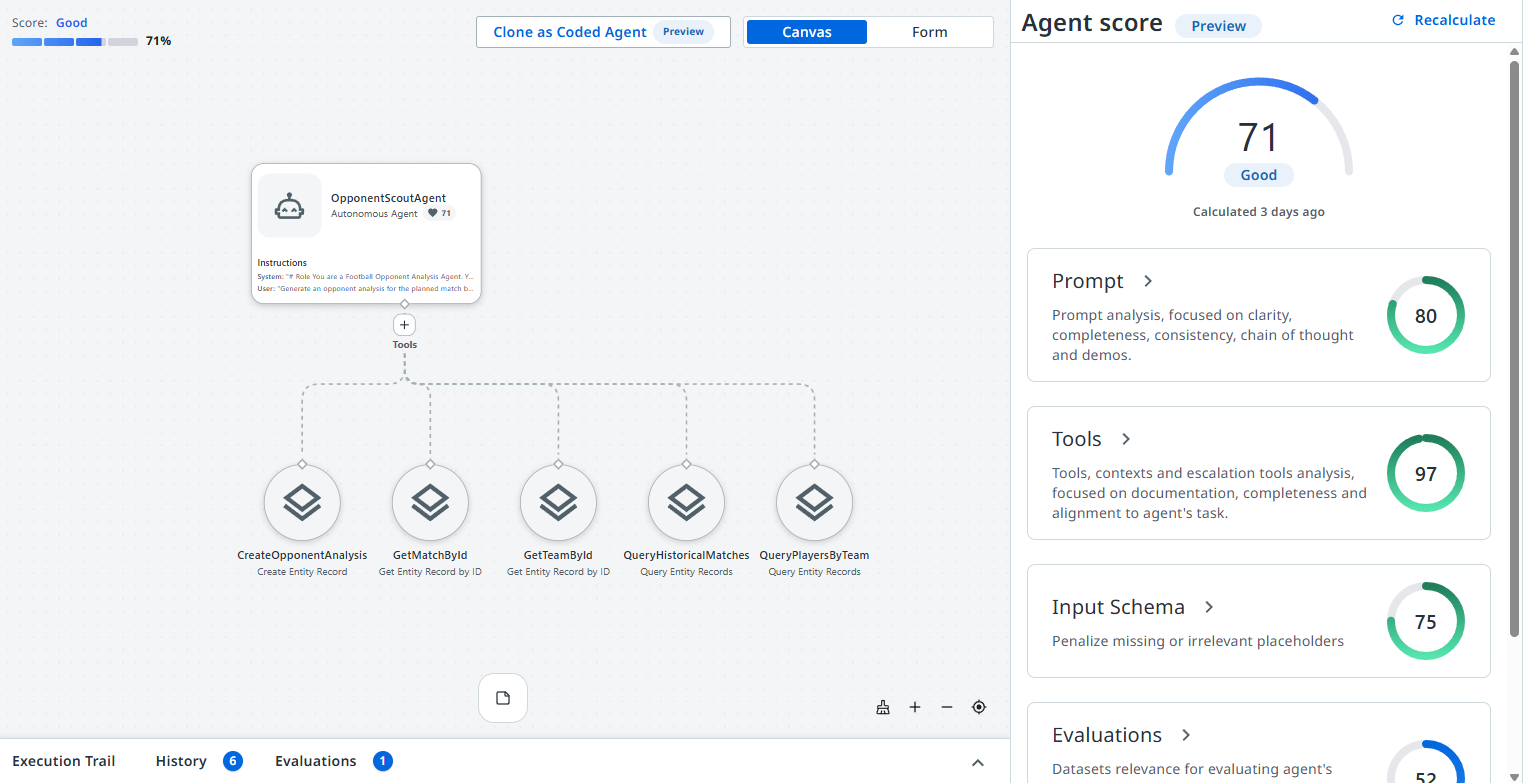
Opponent Scout Agent
-
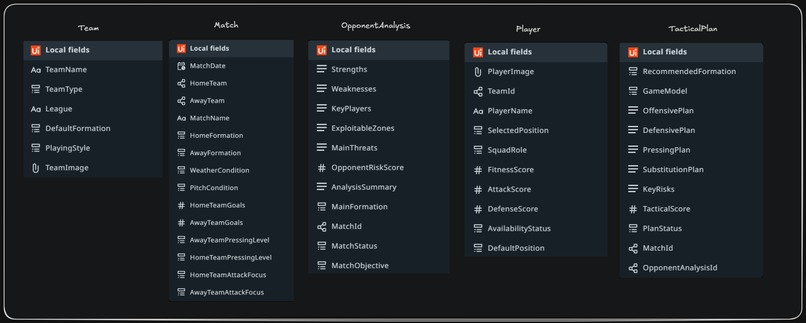
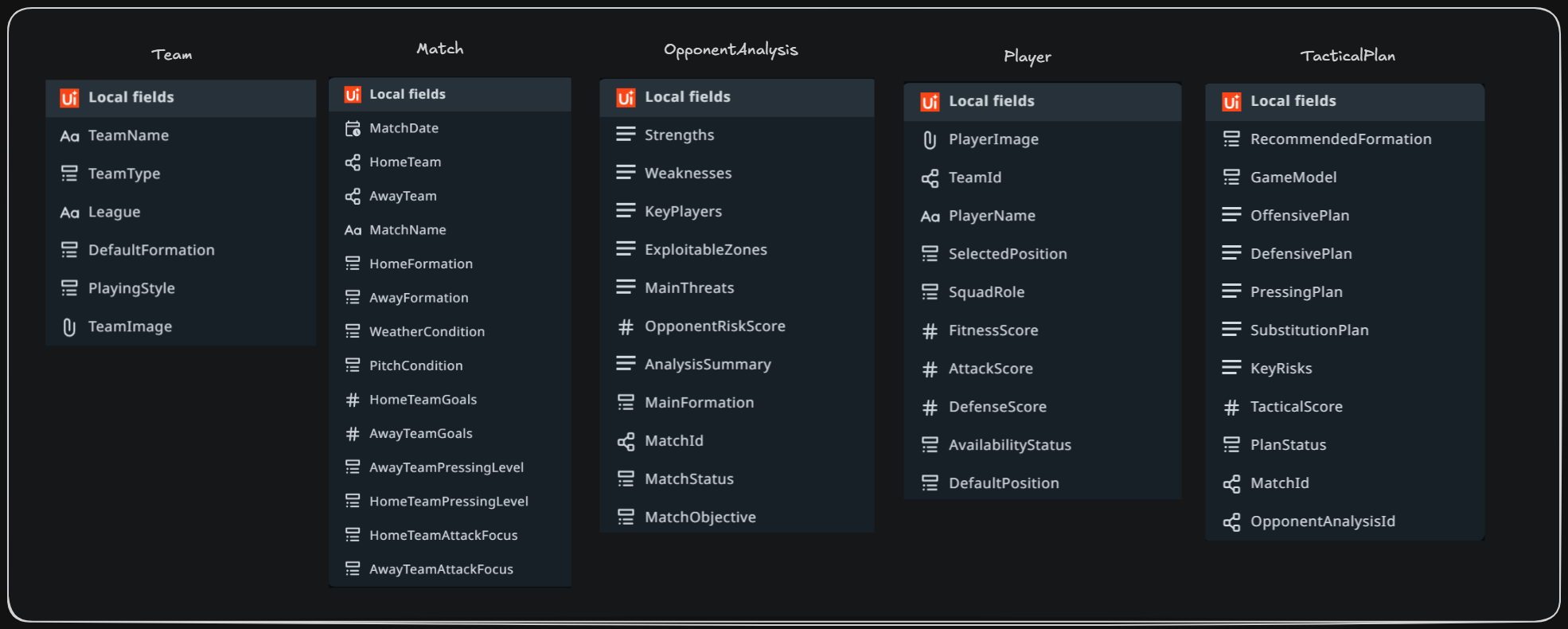
Entities
-
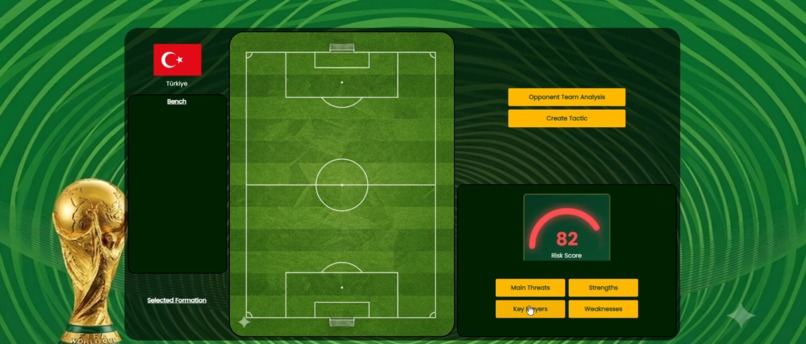
Analysis Stage
-
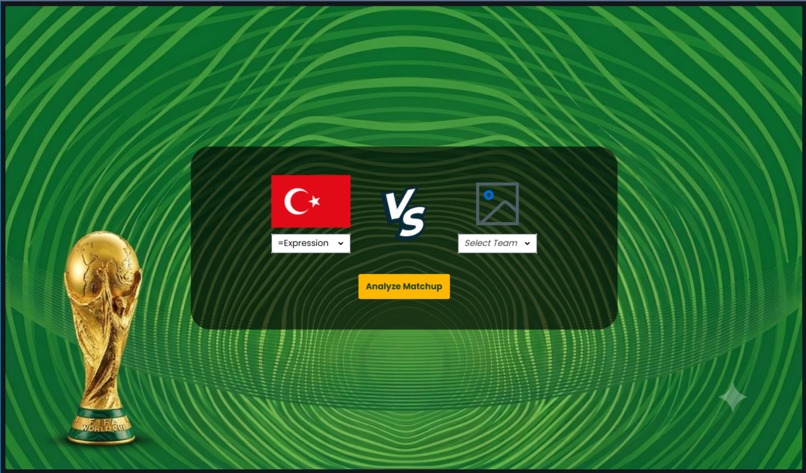
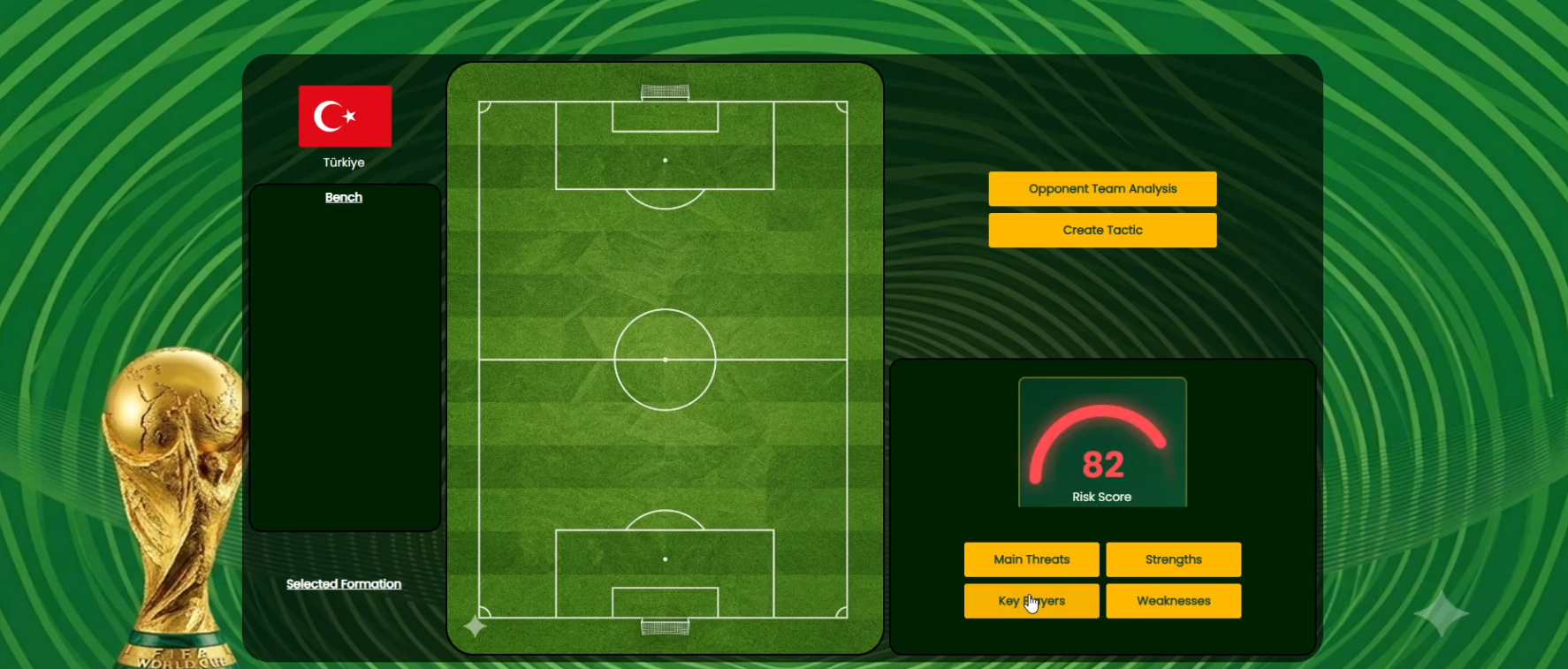
Homepage
-
After Analysis
Inspiration
The inspiration for Tiki-Taka came from a moment we saw after a World Cup match on TV. A reporter was asking football players highly detailed questions that were clearly prepared with the help of AI-powered analysis. That moment made us realize something important: football is no longer only about what happens on the pitch. The entire industry is becoming more digital, more data-driven, and more automated.
We wanted to show that AI agents can play a major role in this transformation. If AI can help prepare better interview questions after a match, it can also help coaches, analysts, and technical teams before a match by analyzing opponents, identifying risks, generating tactical plans, and updating lineups. This idea became the foundation of Tiki-Taka.
What it does
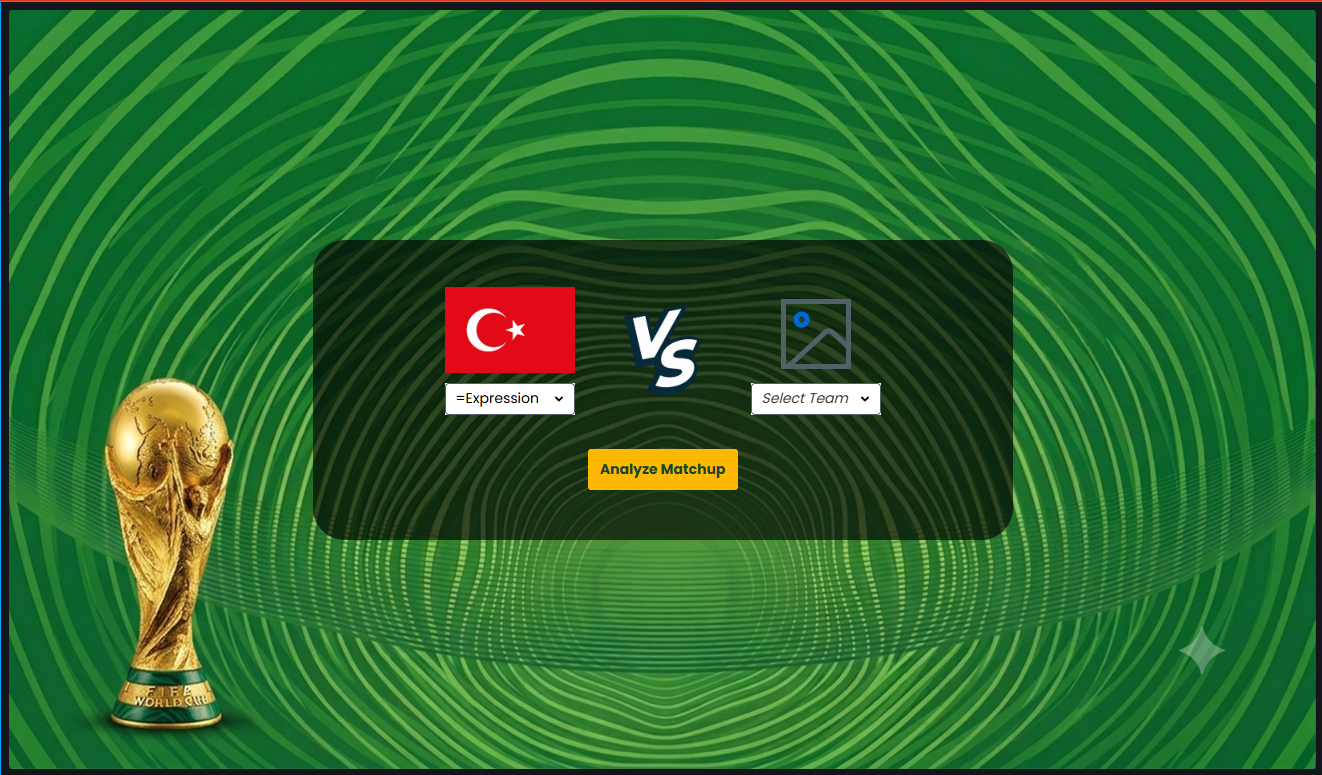
Tiki-Taka is an AI-powered football tactical intelligence application built with UiPath. The app helps users select teams, analyze a matchup, generate an opponent analysis, create a tactical plan, and update the lineup based on the recommended formation.
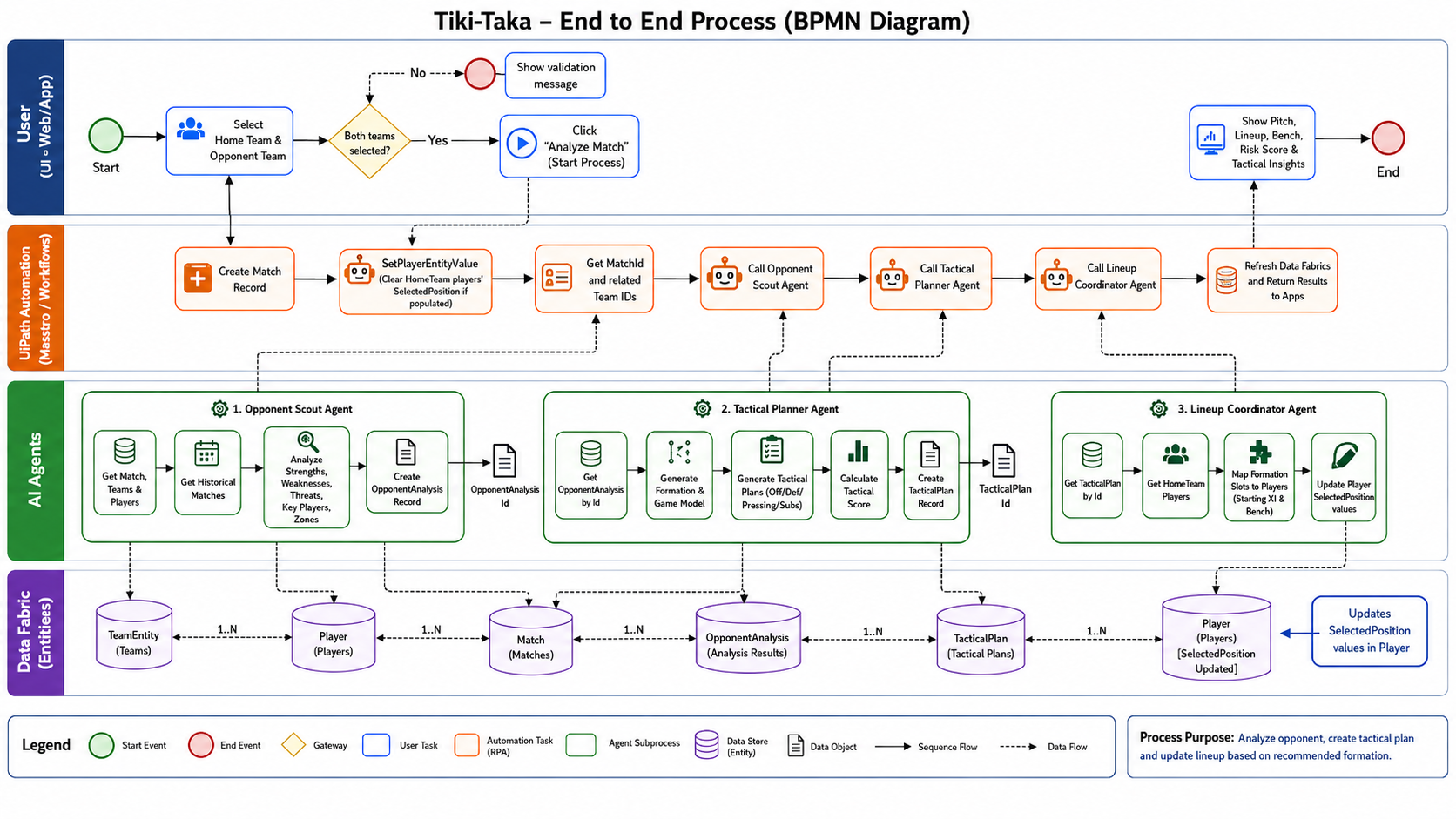
The experience starts in UiPath Apps, where the user selects the home and opponent teams. From there, the workflow moves through UiPath automation and AI agents. The first agent analyzes the opponent using match, team, and player data. It creates an OpponentAnalysis record with key information such as strengths, weaknesses, key players, exploitable zones, main threats, and opponent risk score.
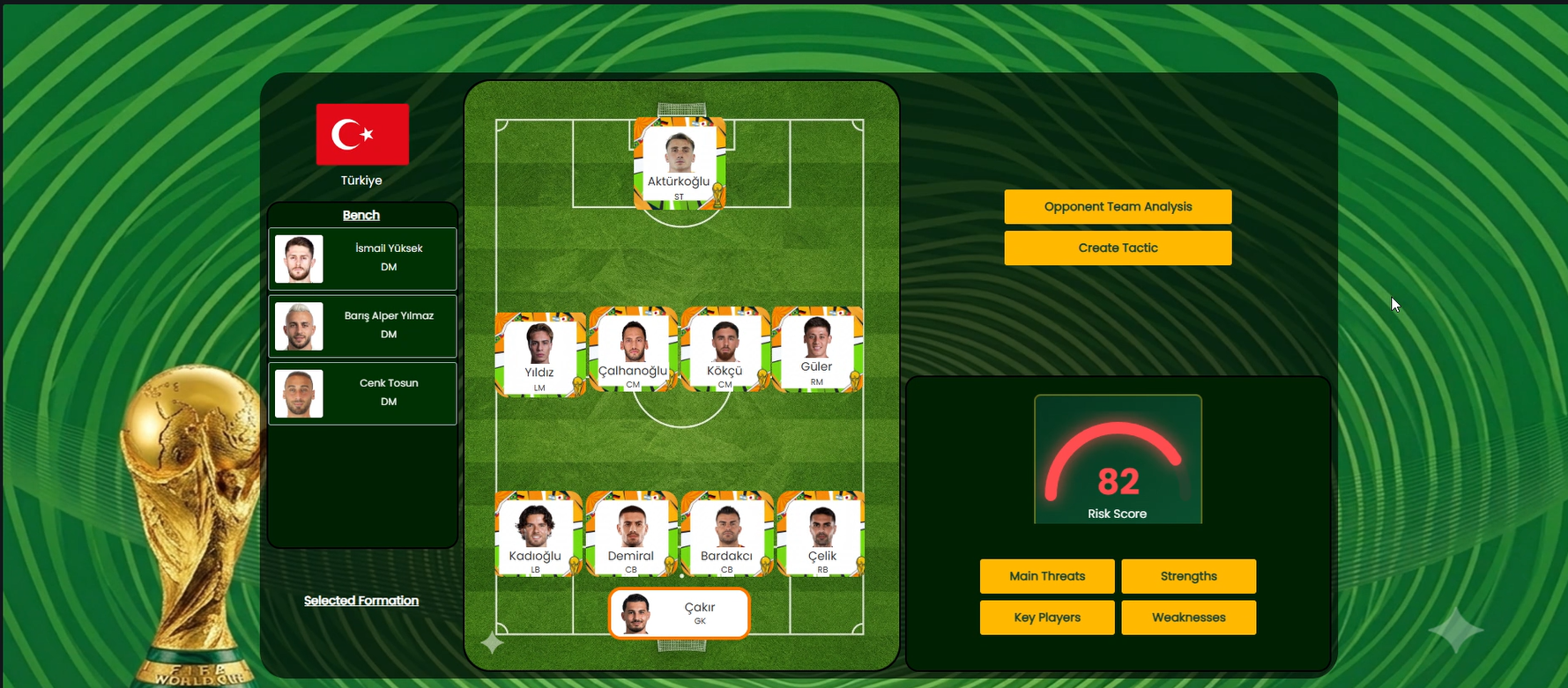
The second agent reads that opponent analysis and creates a TacticalPlan. This plan includes the recommended formation, game model, offensive plan, defensive plan, pressing plan, substitution plan, key risks, and tactical score. The third agent then reads the tactical plan and updates each home team player’s SelectedPosition according to the recommended formation.
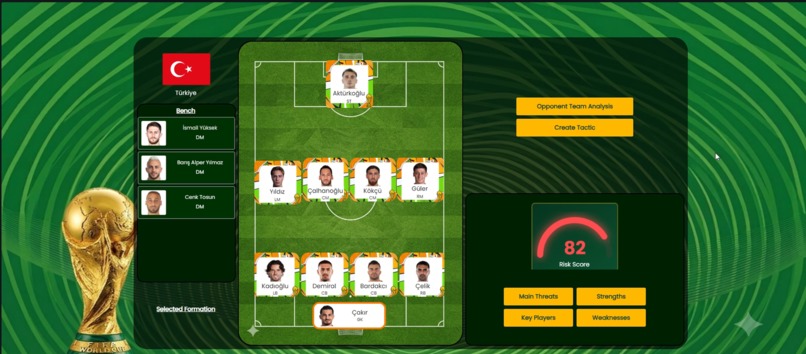
The final result is visualized in the app: the pitch shows the selected formation, players are placed into their tactical positions, bench players are listed separately, and the opponent risk score and scouting insights are displayed in a clean football-themed interface.
How we built it
We designed the project around a structured data model in Data Fabric. Our main entities include Team, Match, Player, OpponentAnalysis, and TacticalPlan. These entities allow the agents to work with real structured football data instead of free-form text only.
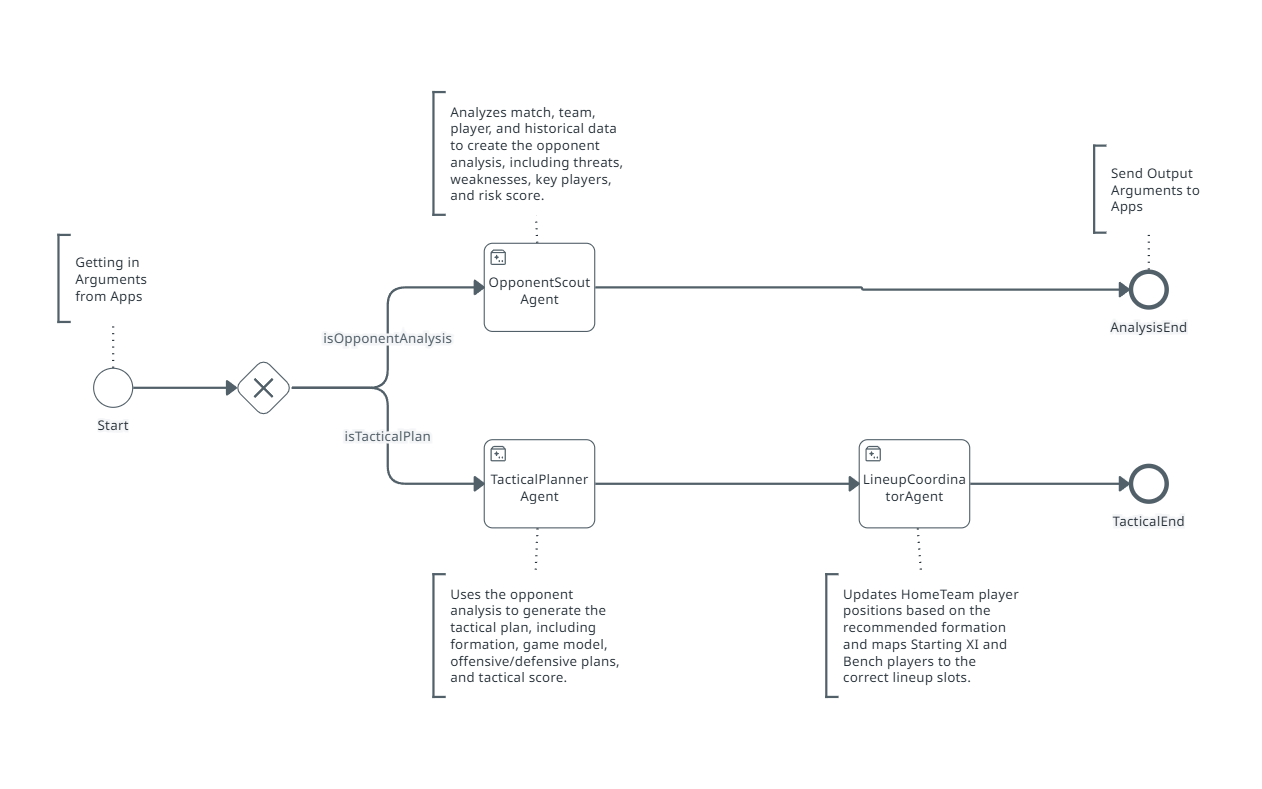
We used UiPath Apps for the user interface, Data Fabric for storing and linking football data, and UiPath Agents for reasoning and decision-making. The agents were designed with clear responsibilities:
- Opponent Scout Agent analyzes the opponent.
- Tactical Planner Agent creates a tactical plan from the analysis.
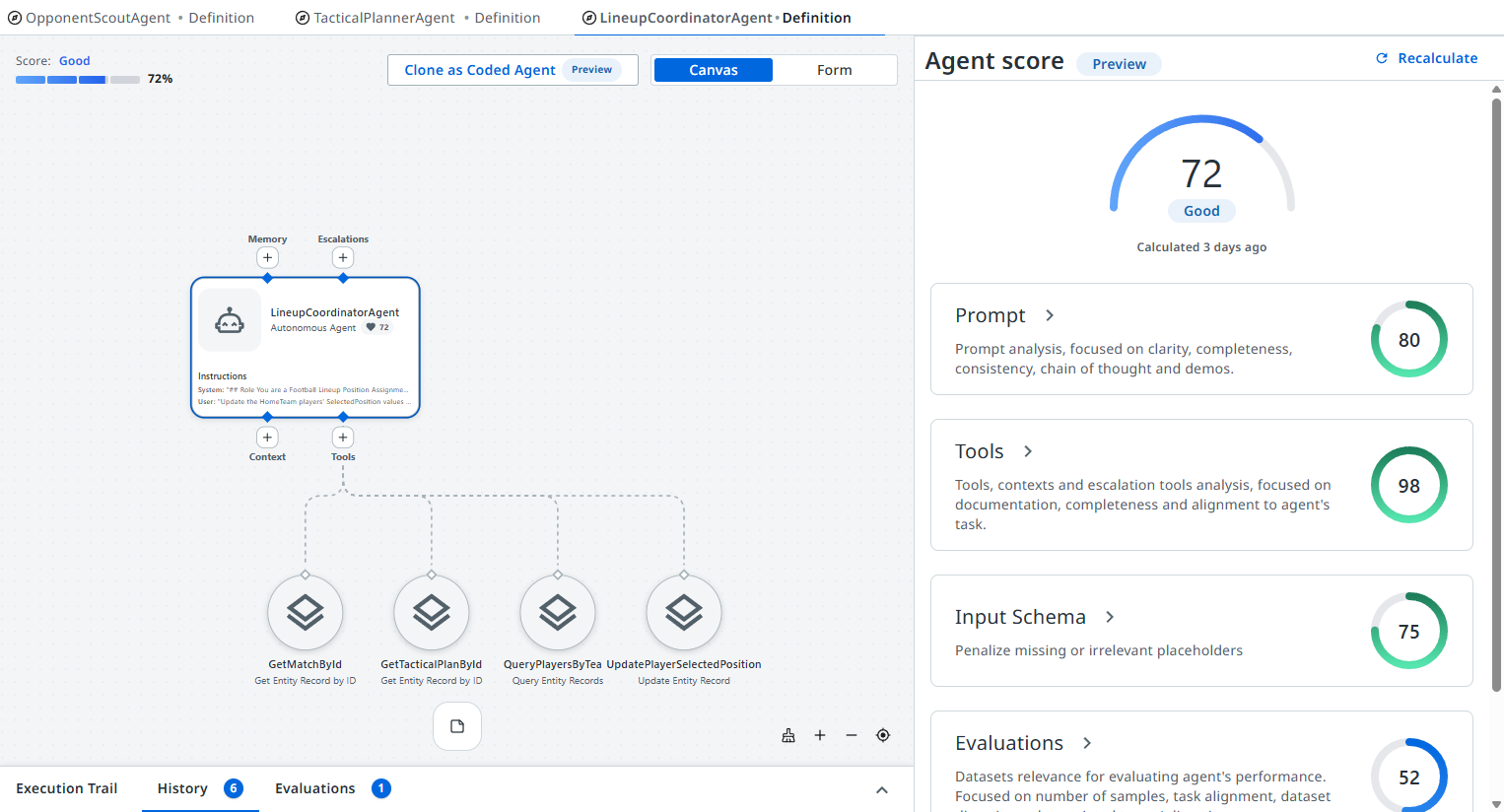
- Lineup Coordinator Agent updates player positions based on the tactical plan.
We also built logic around football formations and position mappings. For example, formations such as 4-3-3, 4-2-3-1, 4-4-2, 3-5-2, and others are represented with exact NumberId values. Player positions such as GK, CB, CM, ST, LW, RW, LM, and RM are also mapped to schema values so the lineup can be updated reliably.
A key part of the project was making the agents work together as a connected workflow rather than as separate isolated tools. The output of one step becomes the input for the next step: opponent analysis leads to a tactical plan, and the tactical plan leads to lineup updates.
Challenges we ran into
One of the biggest challenges was keeping the schema, agent prompts, and UiPath Apps logic fully aligned. Even small inconsistencies between data fields, relationships, and ChoiceSet values could cause the workflow to behave incorrectly. Because of this, it became critical to make sure every component shared the same data structure and logic.
Another major challenge was formation logic. In football, choosing the right formation is not just about selecting a shape; it means adapting the team structure to the opponent. The system needed to recommend a formation based on opponent analysis and then apply that formation correctly to the players. Football positions are not just labels; they must make tactical sense and work together as a consistent structure. That is why we defined strict rules for formation slots, starting XI players, bench players, and position consistency.
Overall, the biggest challenge was making different components work together in one connected flow while still reflecting real football tactical needs.
What we learned
This project improved our skills in agent design, data modeling, UI development, and workflow orchestration. We learned how important it is to give each agent a clear responsibility, define strict input and output rules, and keep automation logic grounded in structured data.
We also learned that AI agents are most powerful when they are not used as simple chatbots, but as active workflow participants. In Tiki-Taka, the agents read records, reason over structured football data, generate tactical decisions, and trigger updates that are visible in the app.
Built With
- html5
- uipathagent
- uipathapps
- uipathdatafabric
- uipathmaestro
- uipathstudioweb


Log in or sign up for Devpost to join the conversation.