-
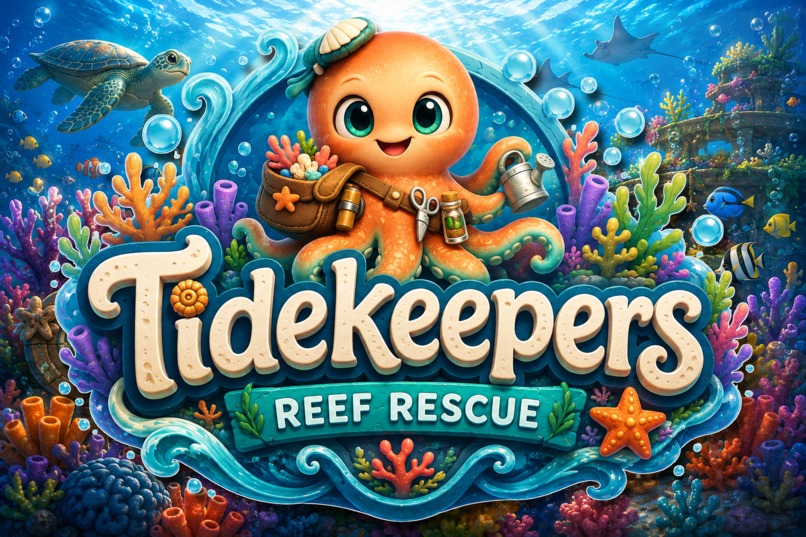
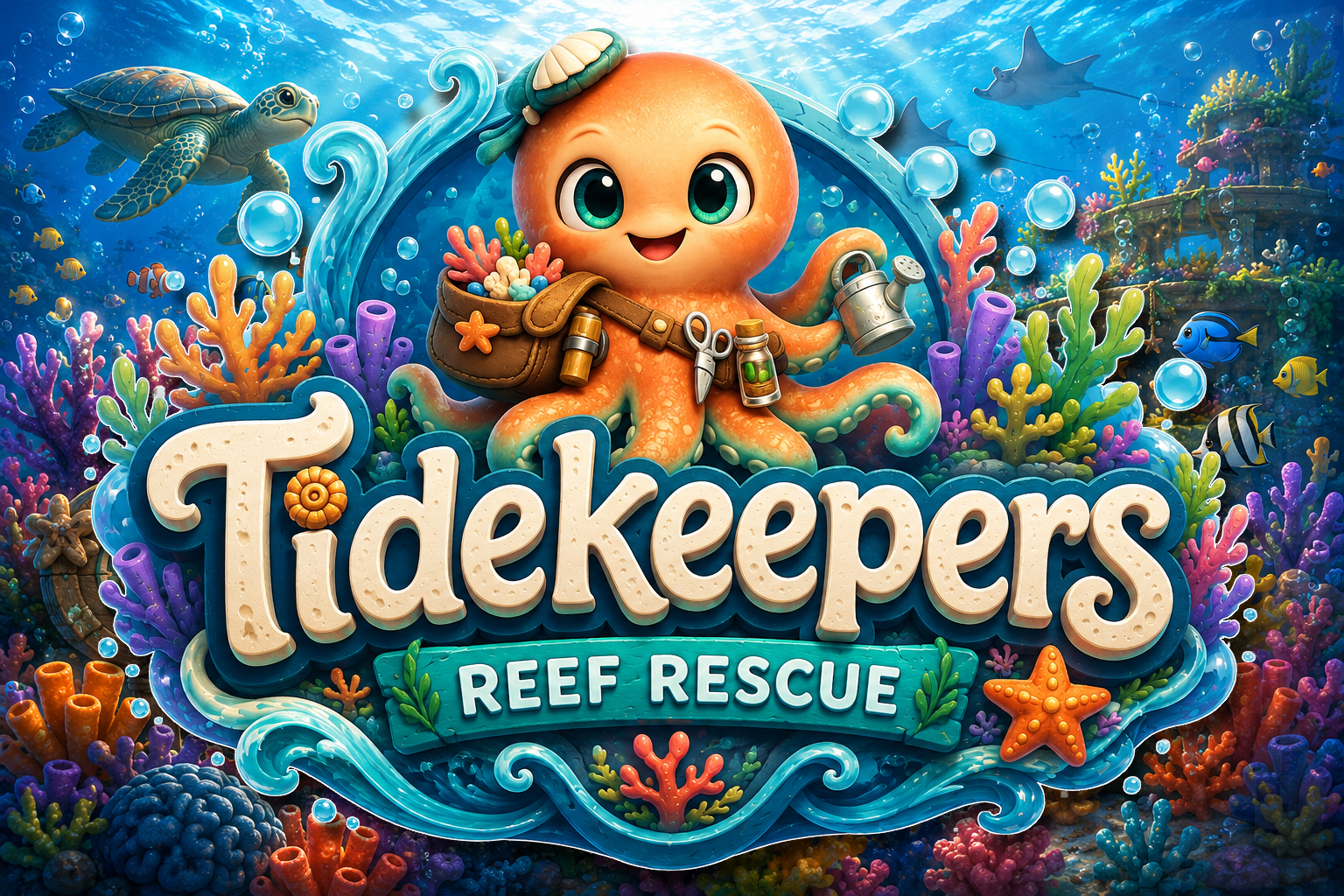
Tidekeepers: Reef Rescue
-
-
-
-
-
-
-
-
-
-
-
-
-
Inspiration
Tidekeepers: Reef Rescue was inspired by my experience judging the Games for Change Student Challenge. Seeing students create tabletop games focused on social good reminded me that games can educate, inspire, and encourage positive action. The challenge encourages designers to tackle real-world issues through play, with themes ranging from food security and sustainable agriculture ("Outgrow Hunger") to road safety ("Own the Road") and environmental conservation ("All in for Nature: Reefs & Rainforests").
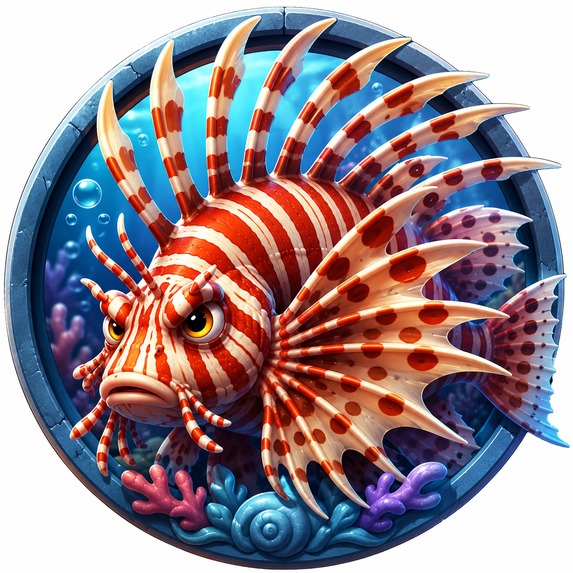
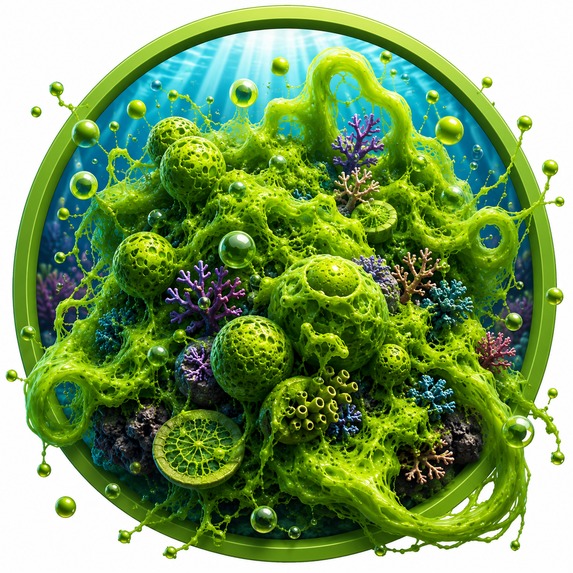
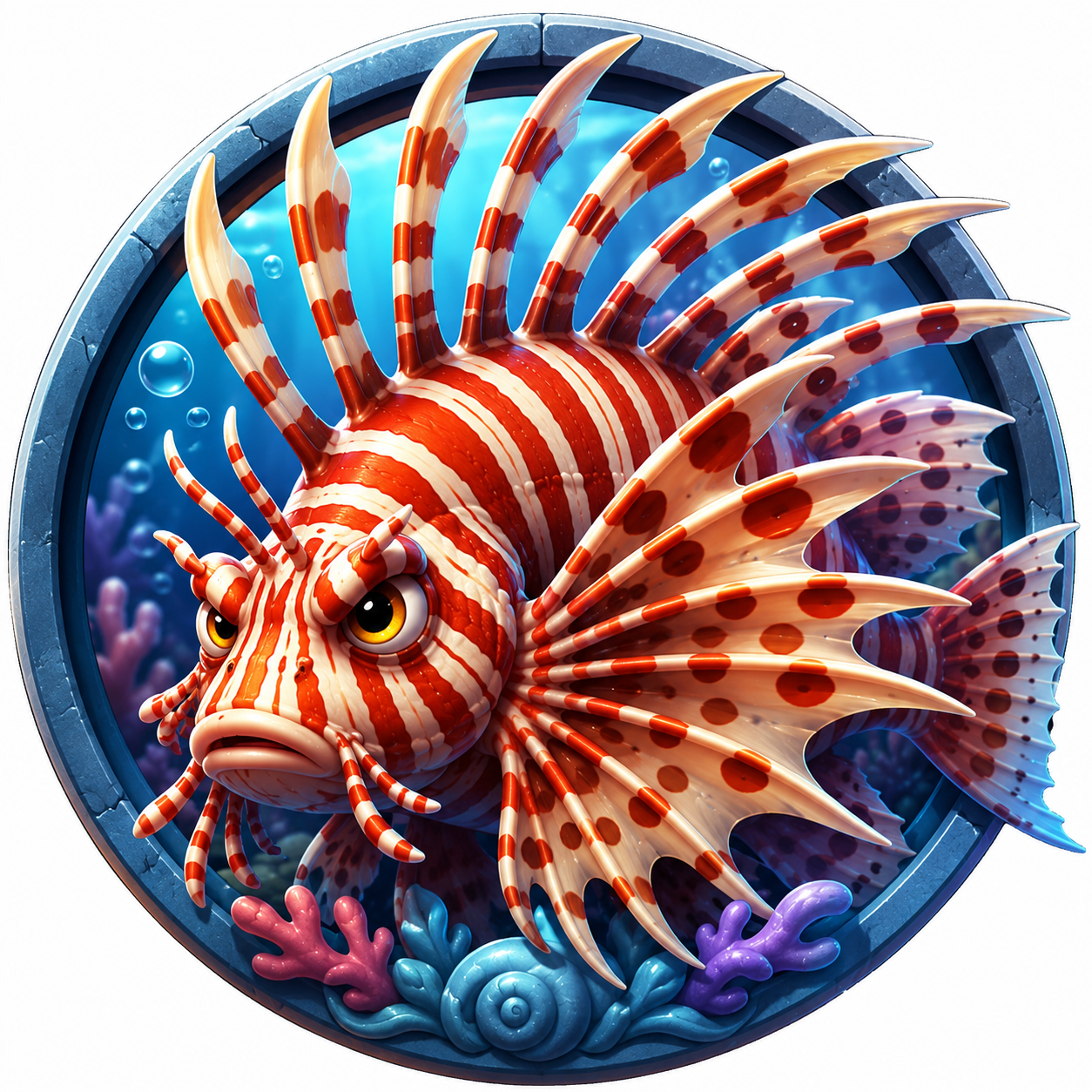
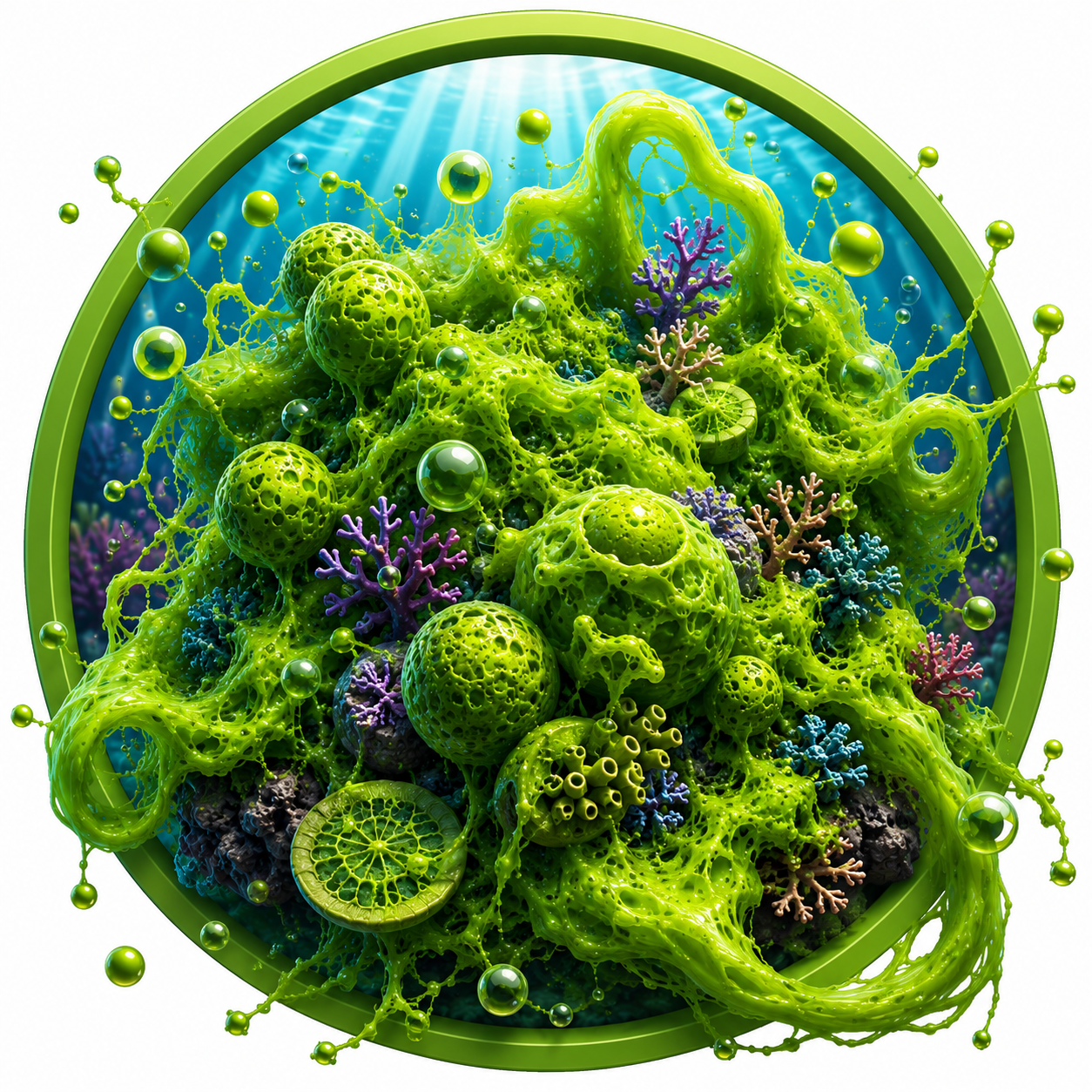
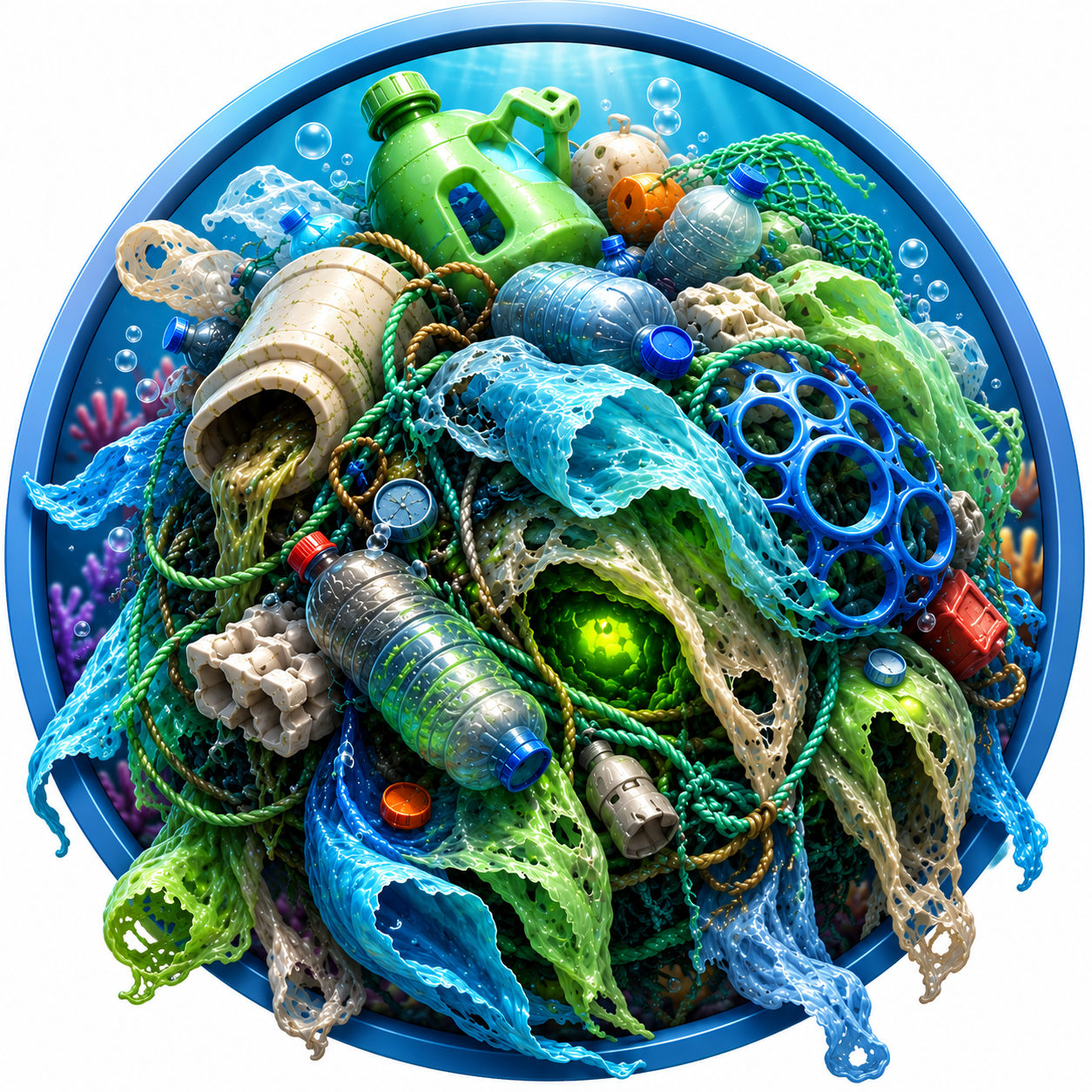
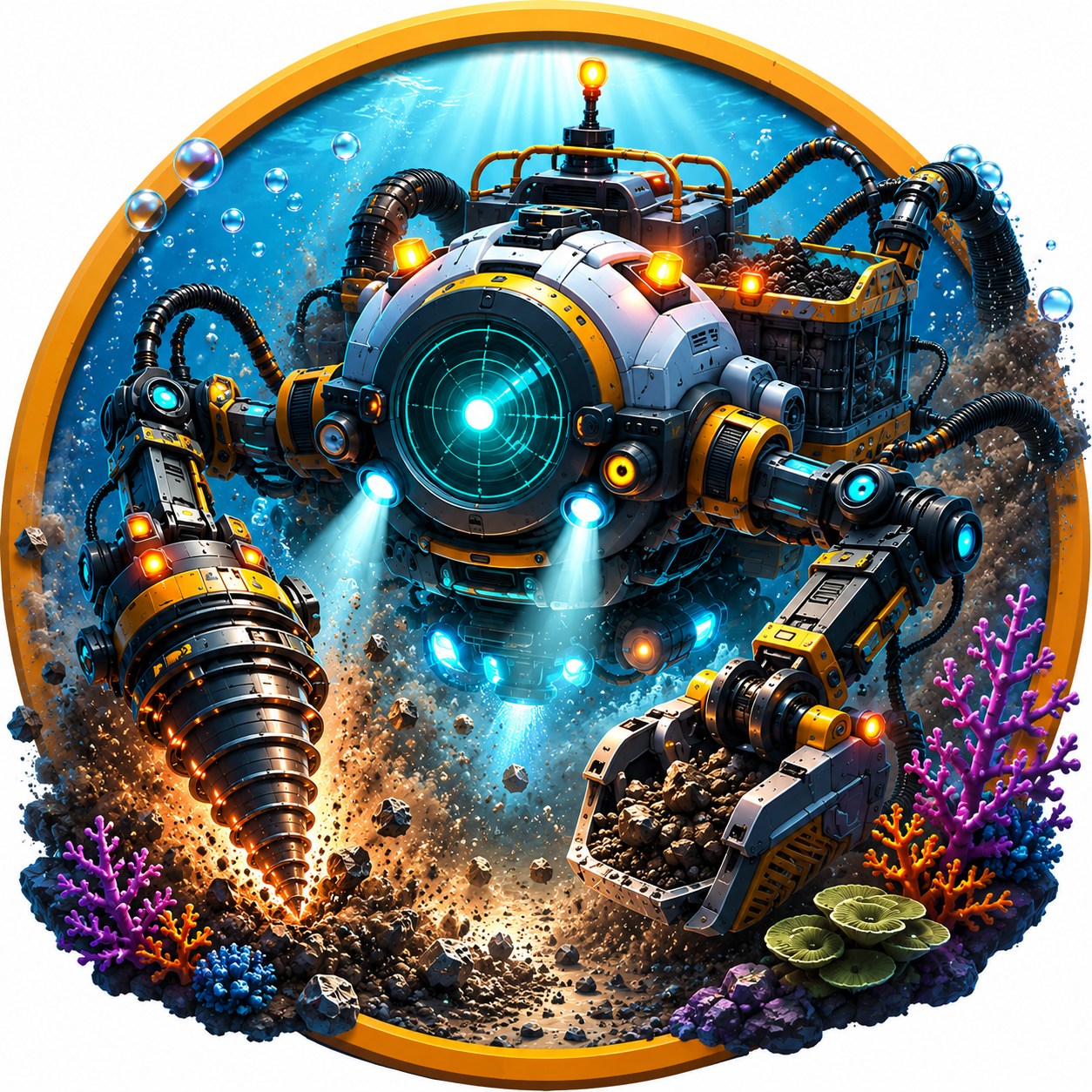
The theme that resonated most with me was "All in for Nature: Reefs & Rainforests," which challenged creators to design games about ecosystems under threat and the actions people can take to protect them. Coral reefs are among the most diverse ecosystems on Earth, yet they face growing challenges from pollution, climate change, habitat loss, and invasive species.
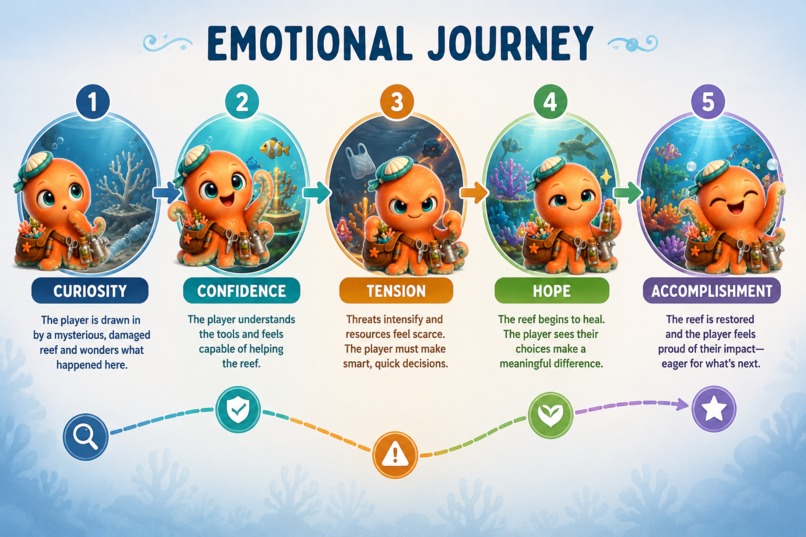
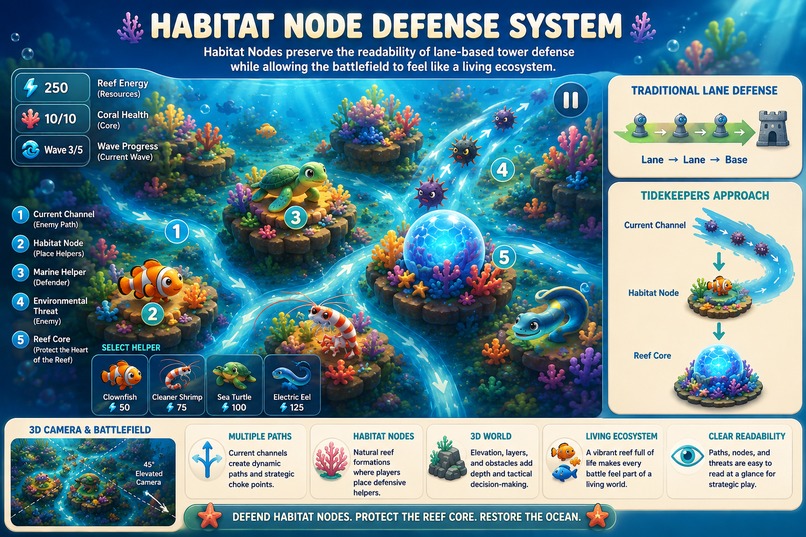
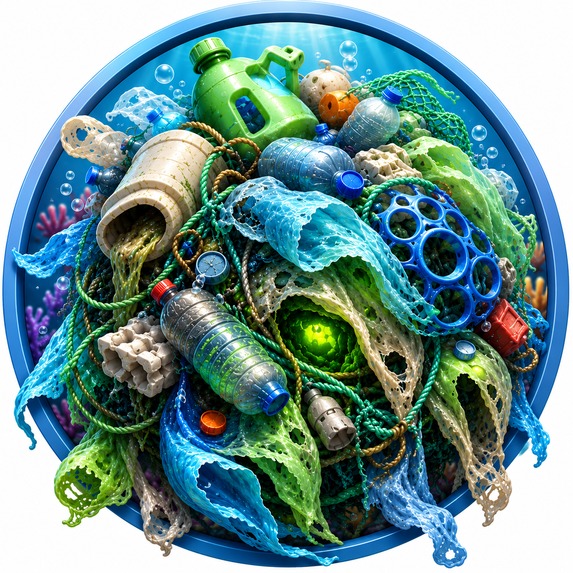
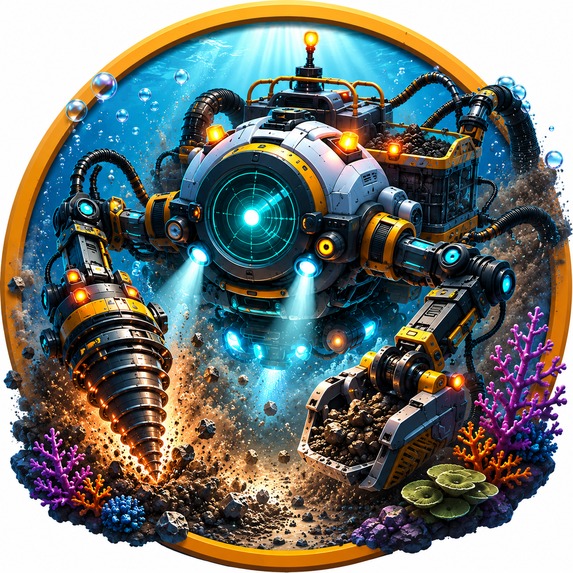
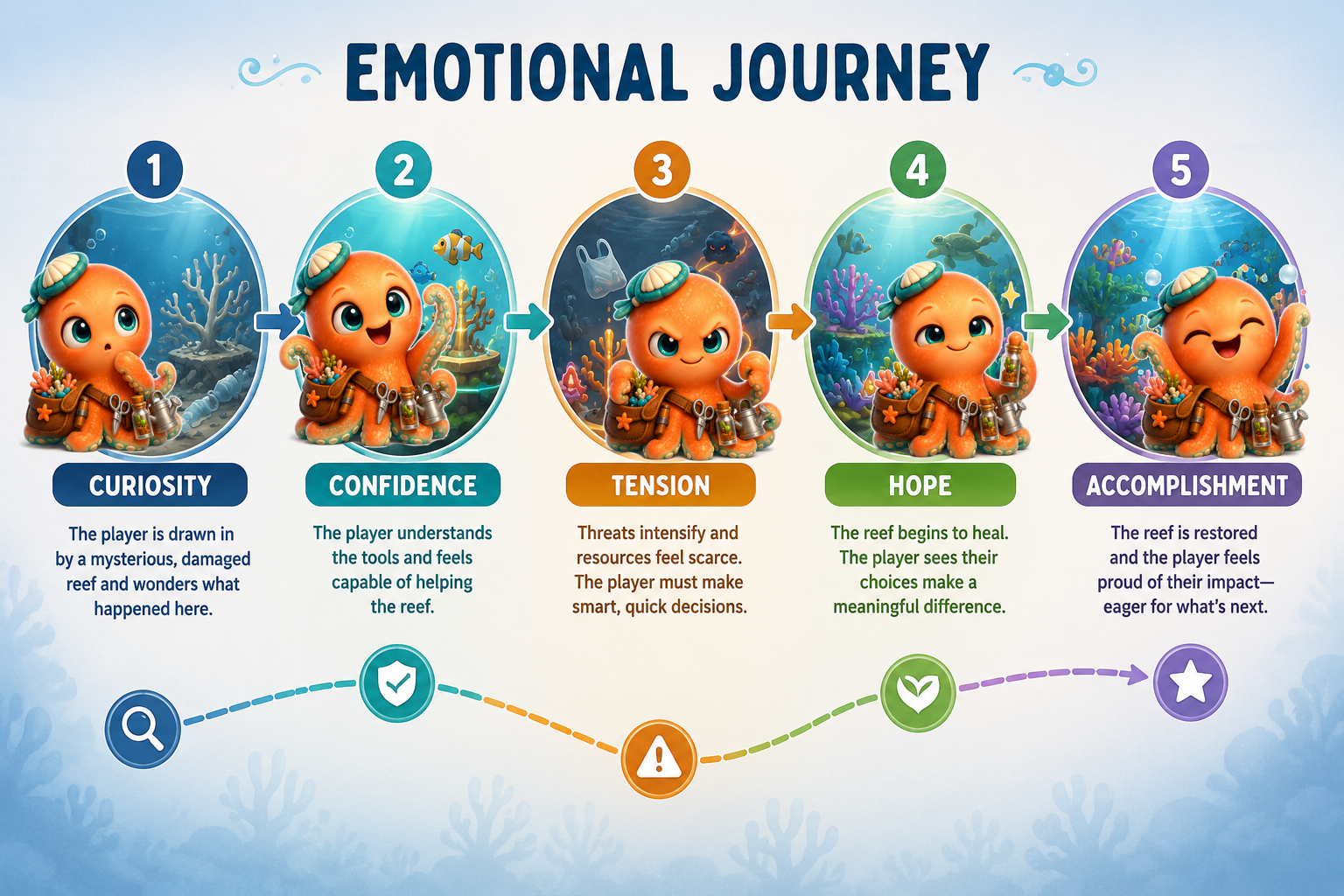
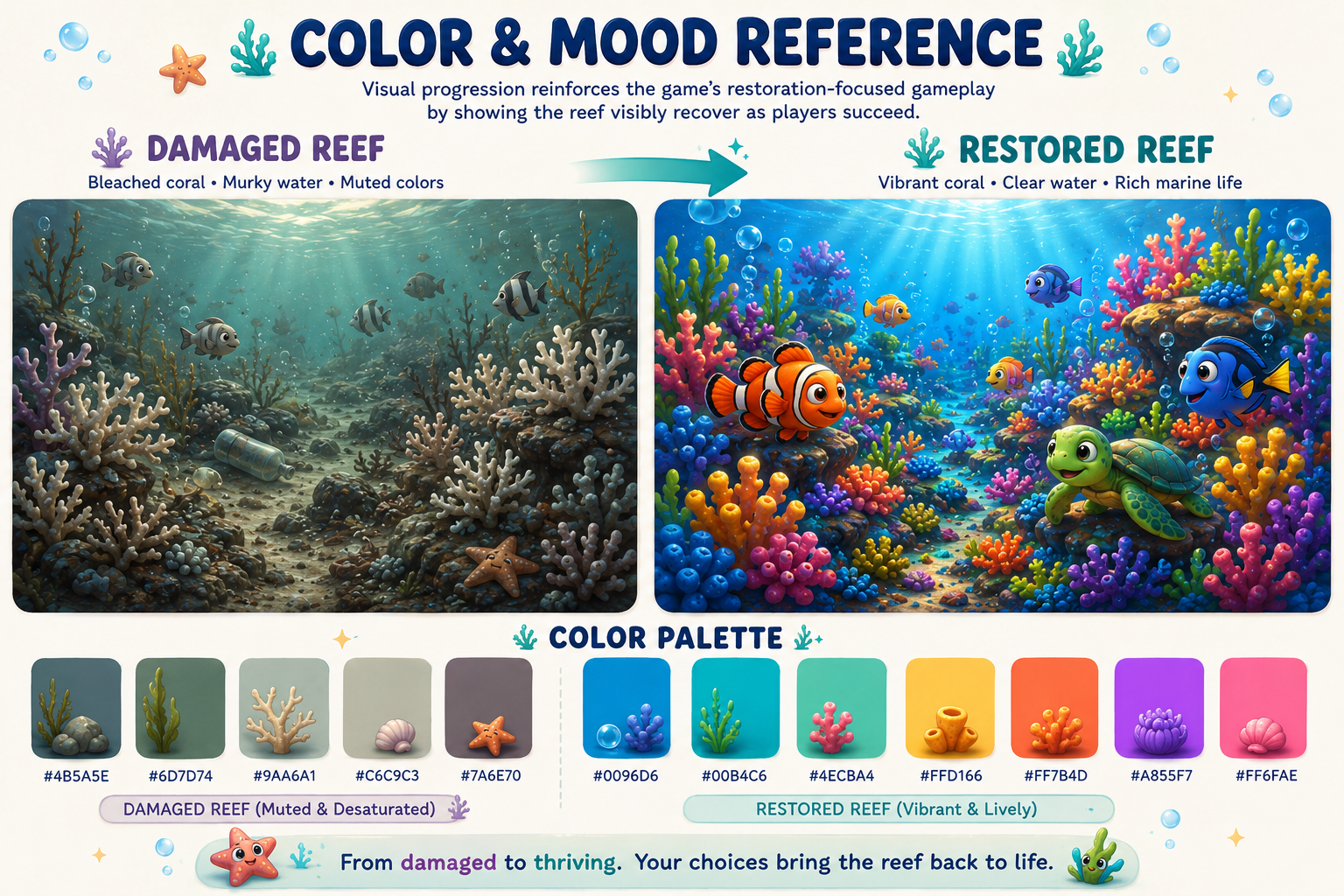
Rather than creating another tower defense game focused on defeating enemies, I wanted to explore a different fantasy: restoring something vulnerable. That idea evolved into Tidekeepers: Reef Rescue, a cozy habitat-based tower defense game where players defend coral reefs from environmental threats while helping damaged ecosystems recover. The goal was to create a game that combines strategic decision-making with stewardship, discovery, and hope, showing that restoration can be just as rewarding as conquest.
What it does
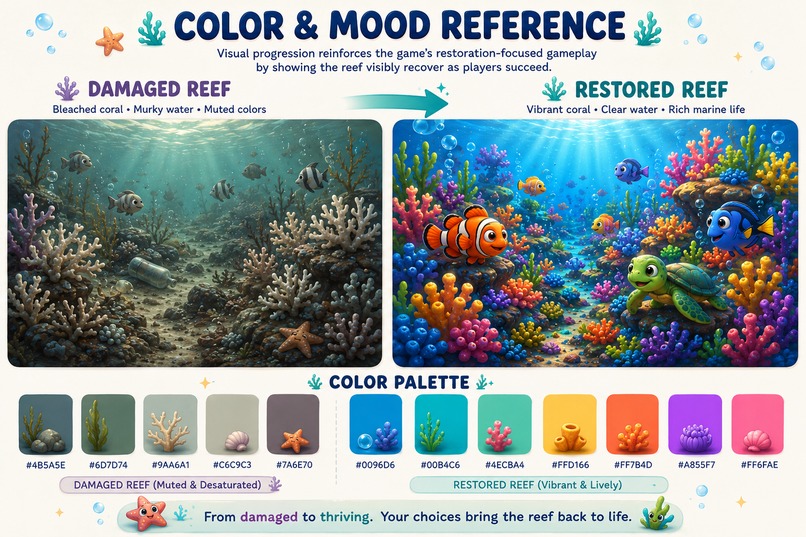
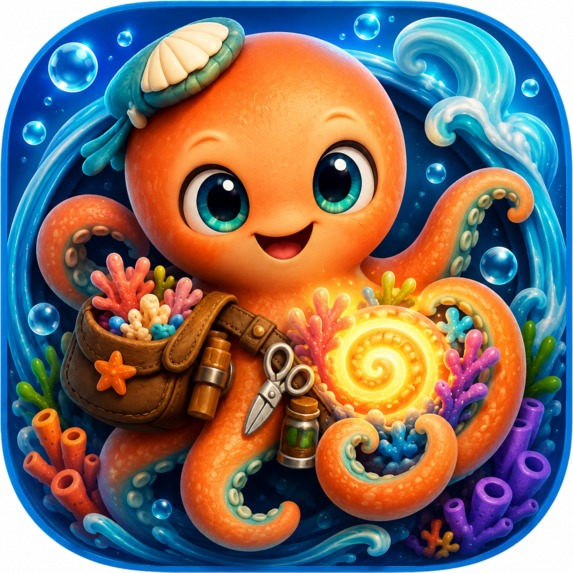
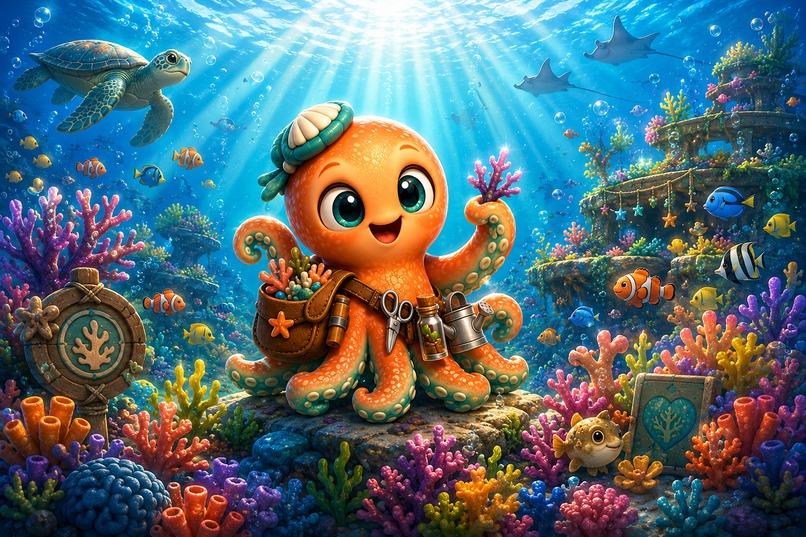
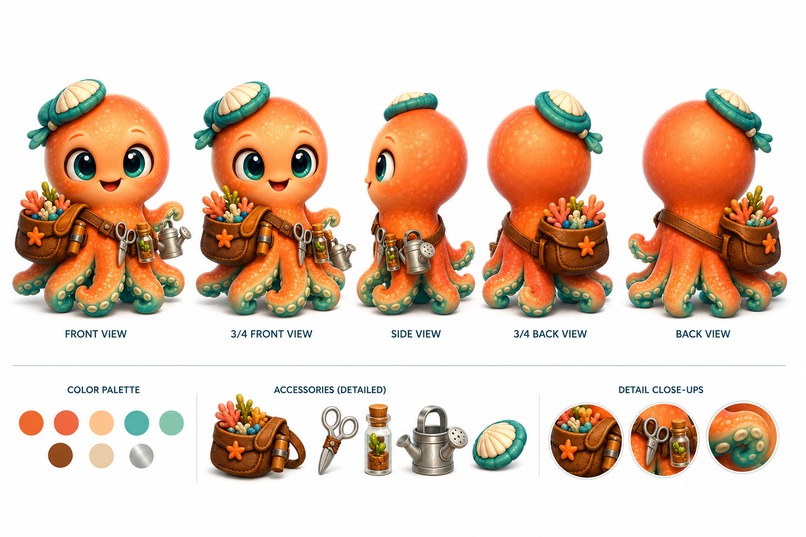
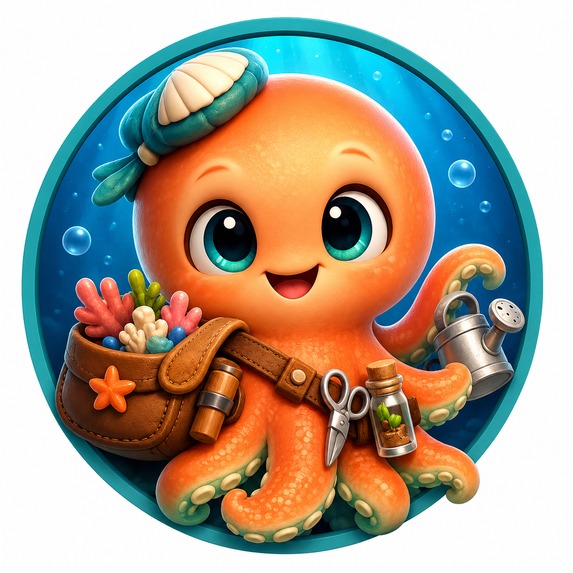
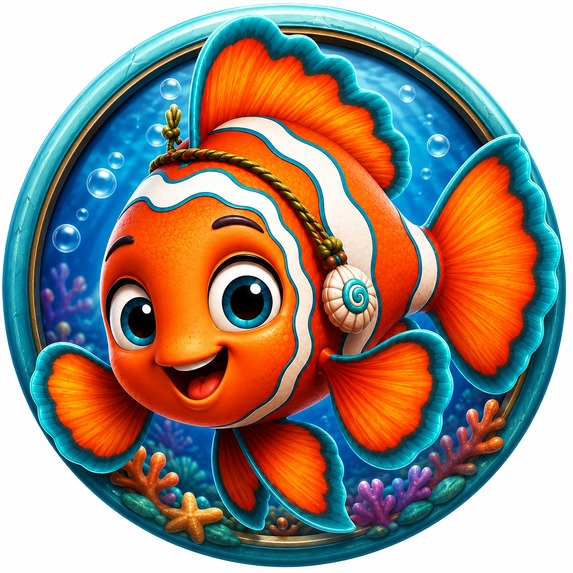
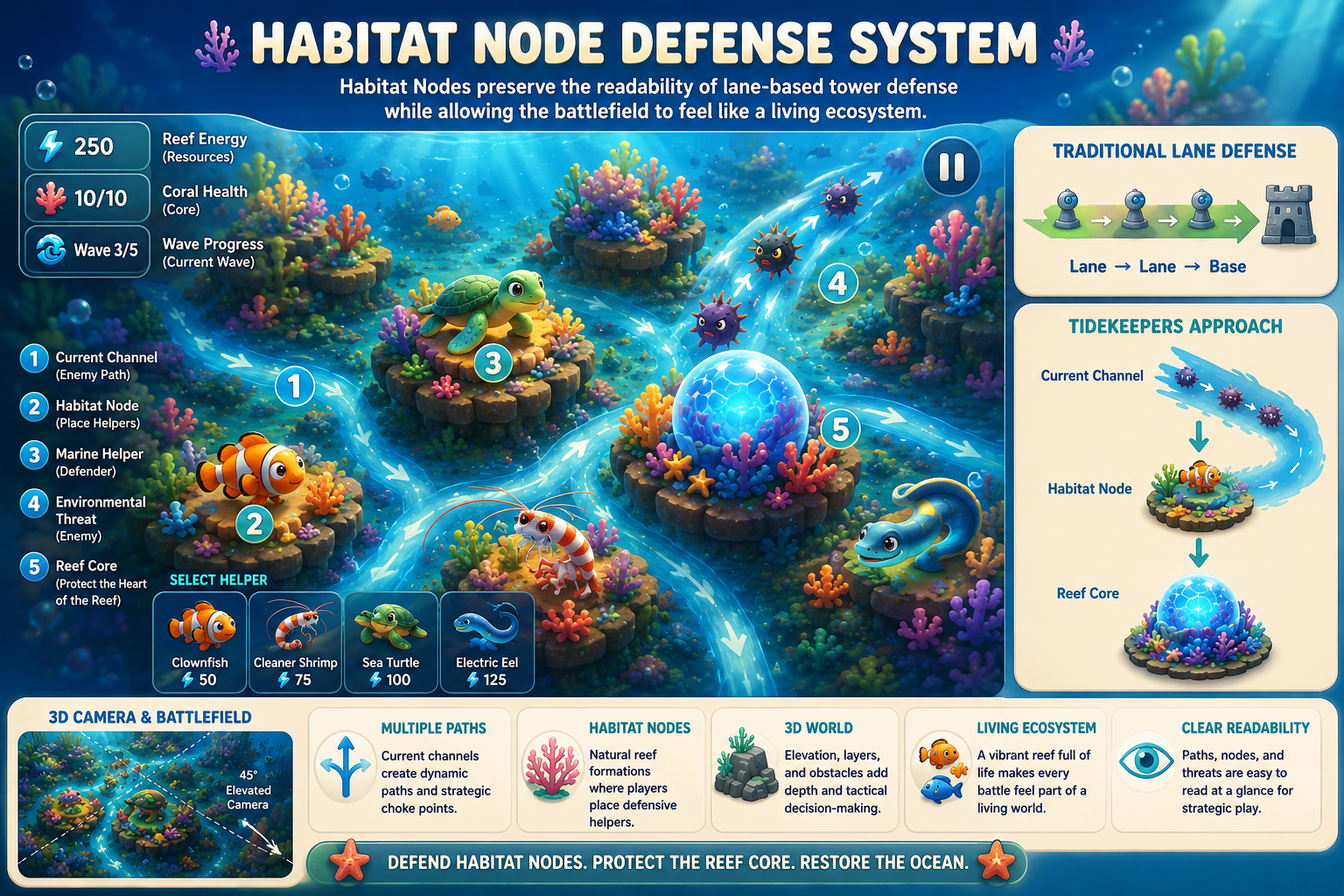
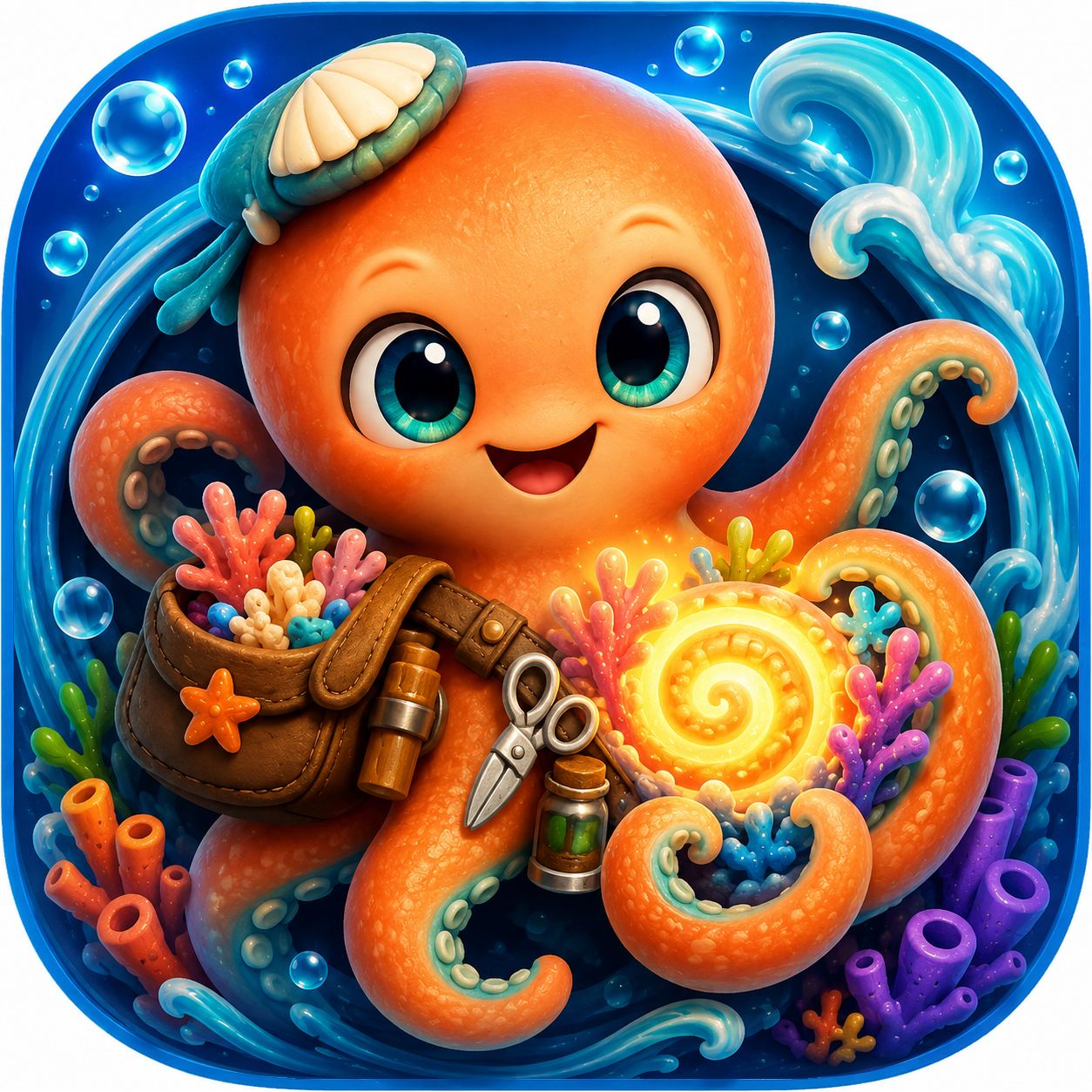
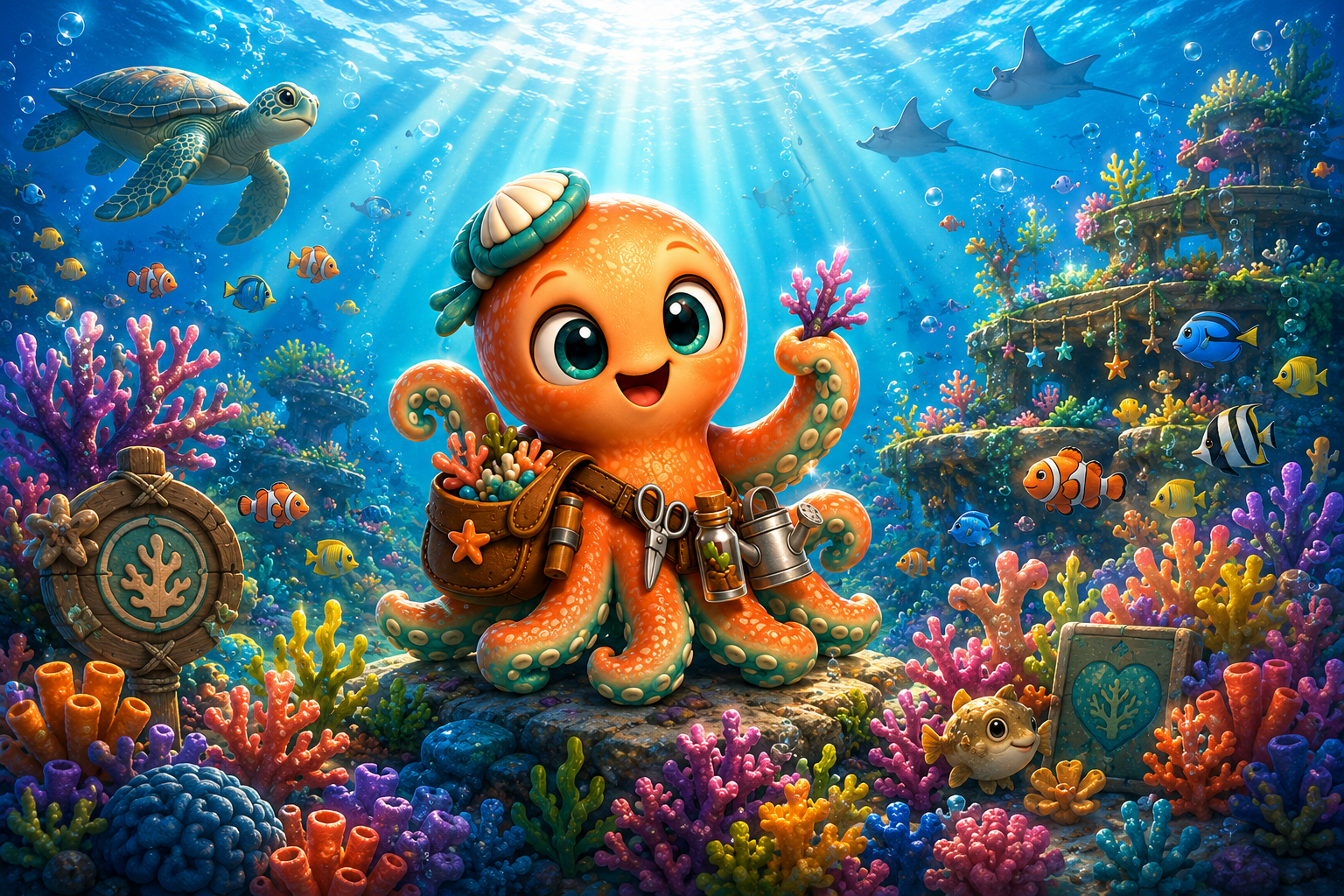
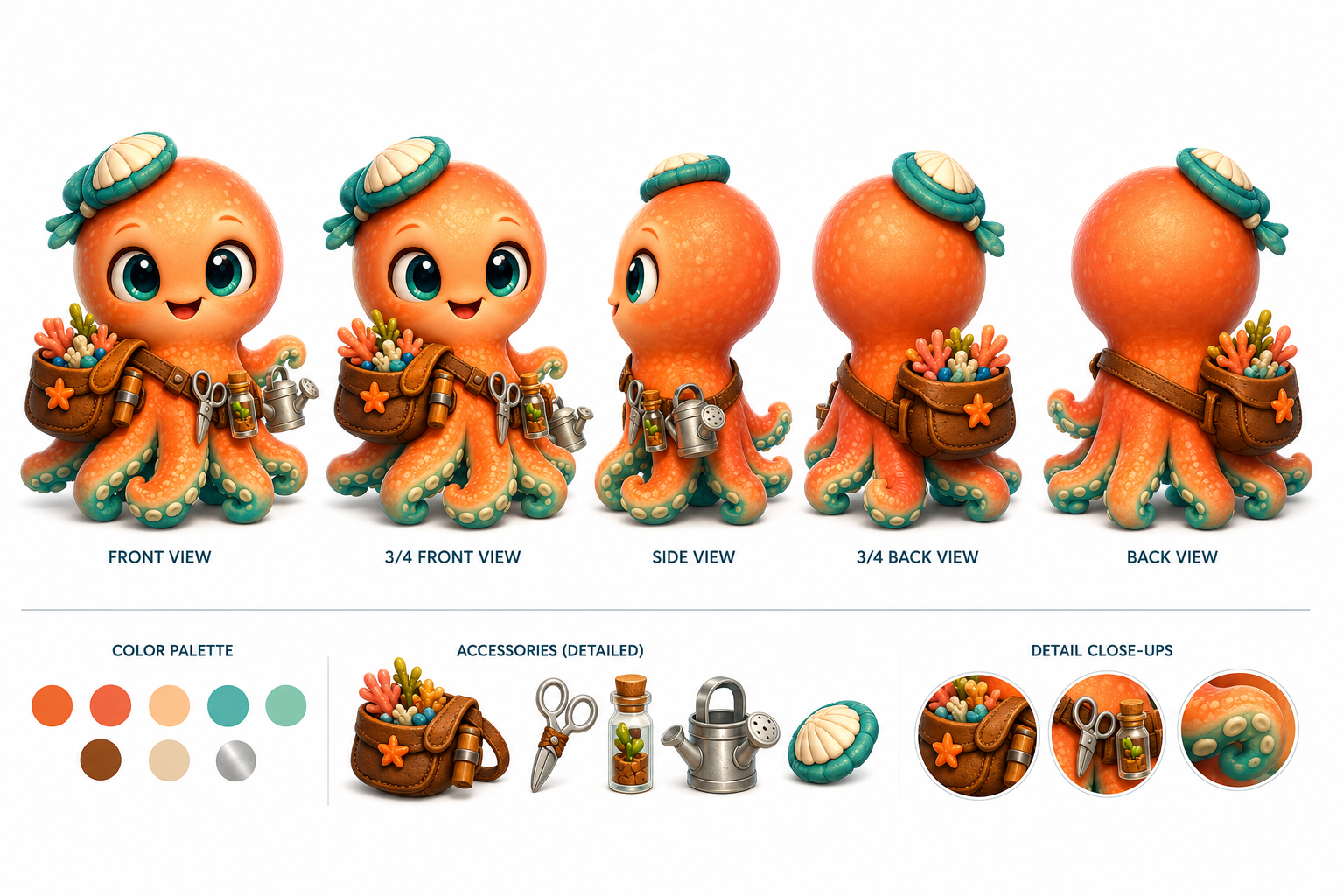
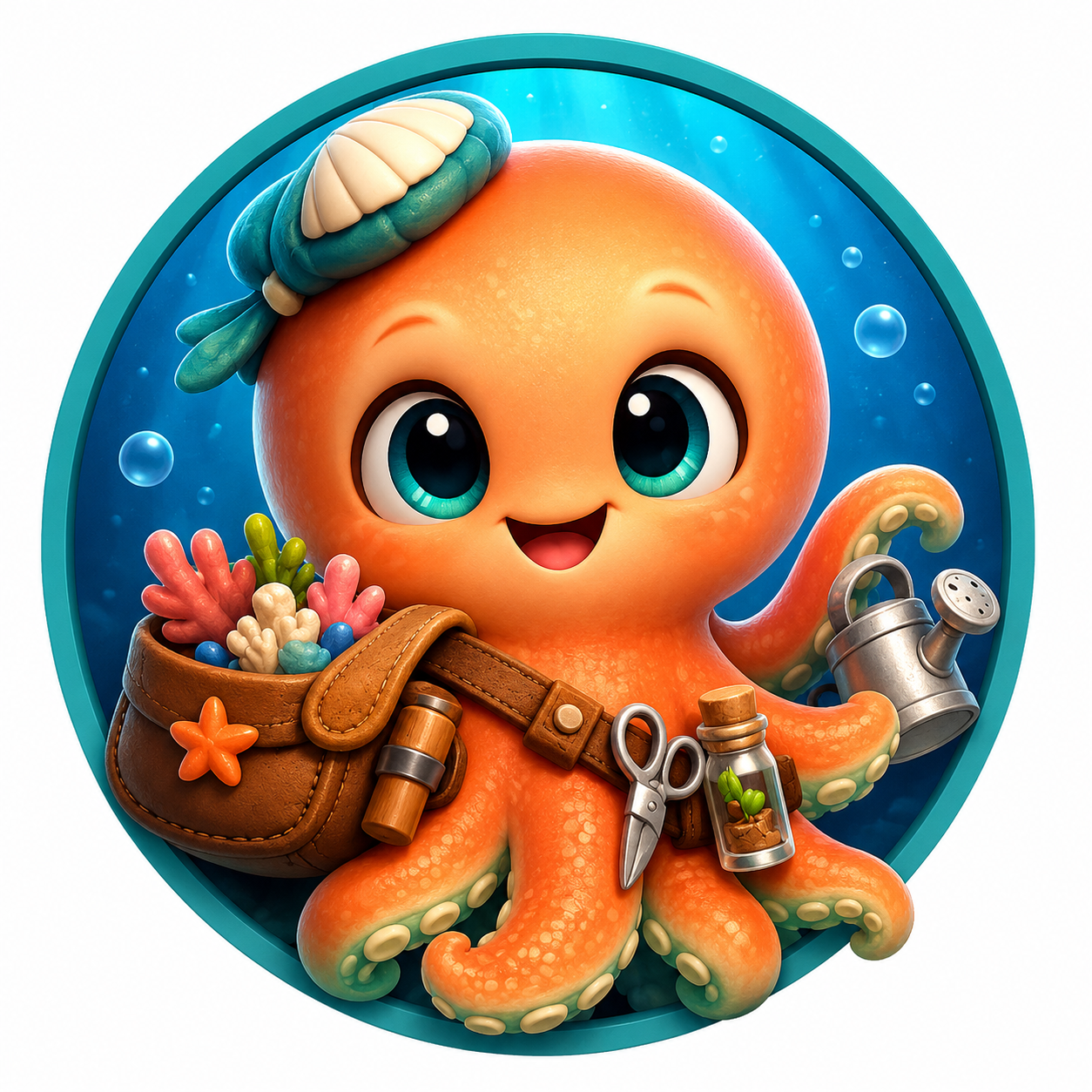
Tidekeepers: Reef Rescue is a cozy habitat-based tower defense game where players take on the role of Olli, a young octopus reef guardian. Players recruit marine helpers, defend vulnerable coral habitats from environmental threats, and restore damaged reef ecosystems. Unlike traditional tower defense games, success is measured not only by surviving waves of threats but by visibly transforming a damaged reef into a thriving underwater ecosystem.
How I built it
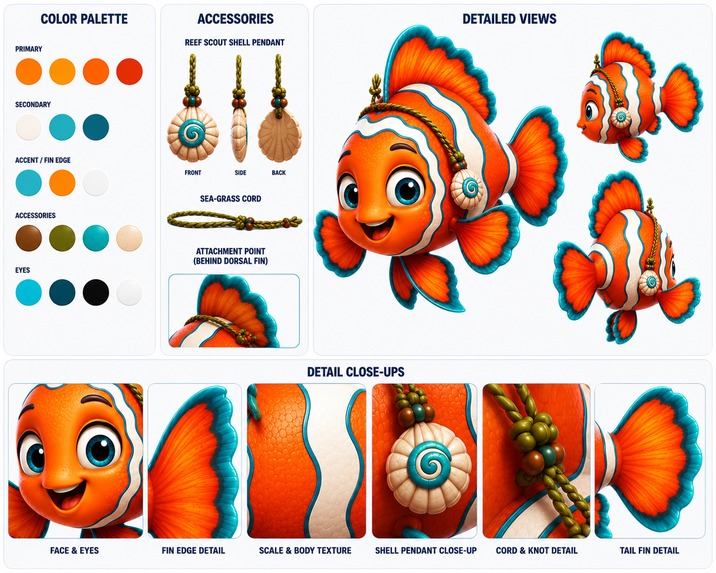
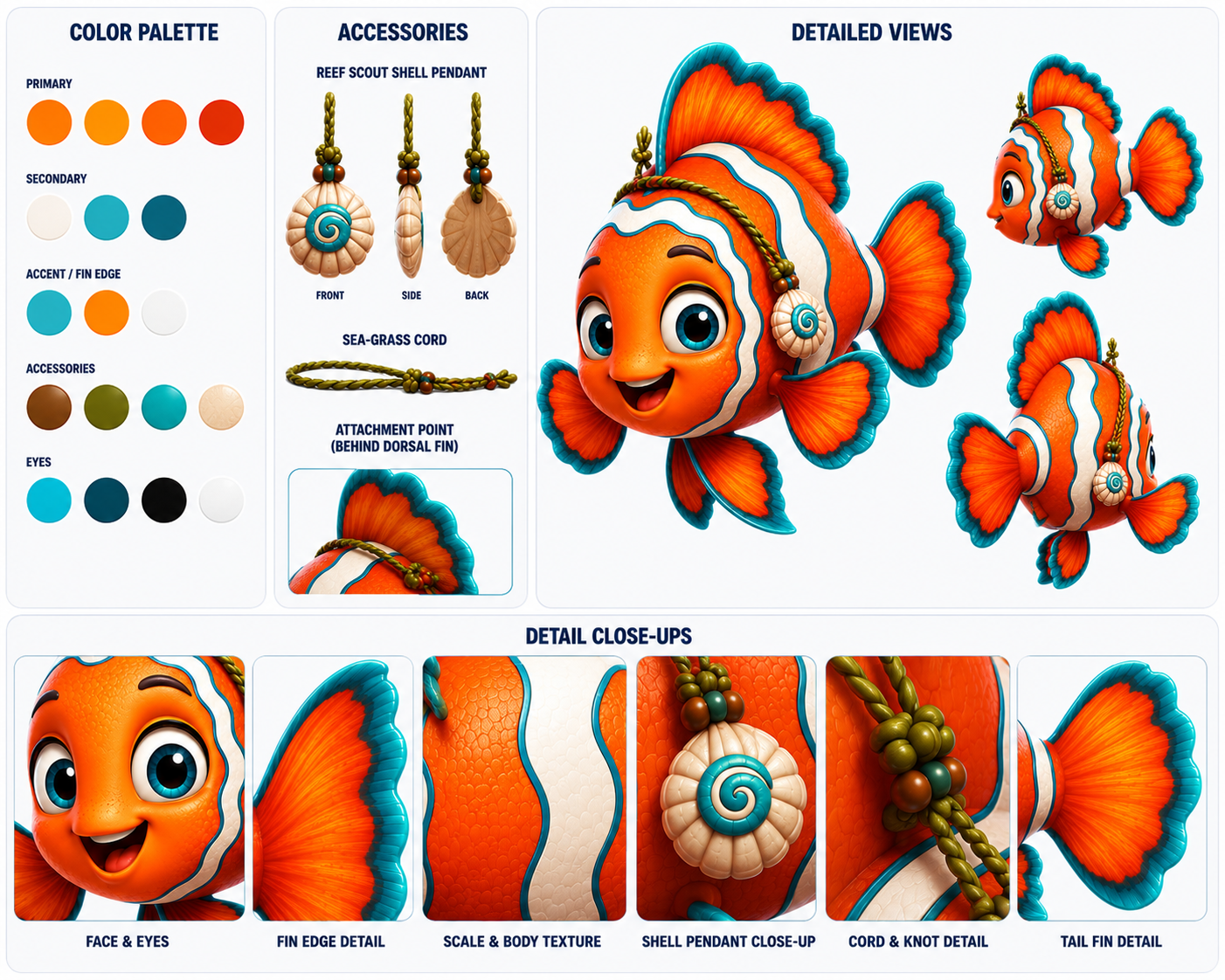
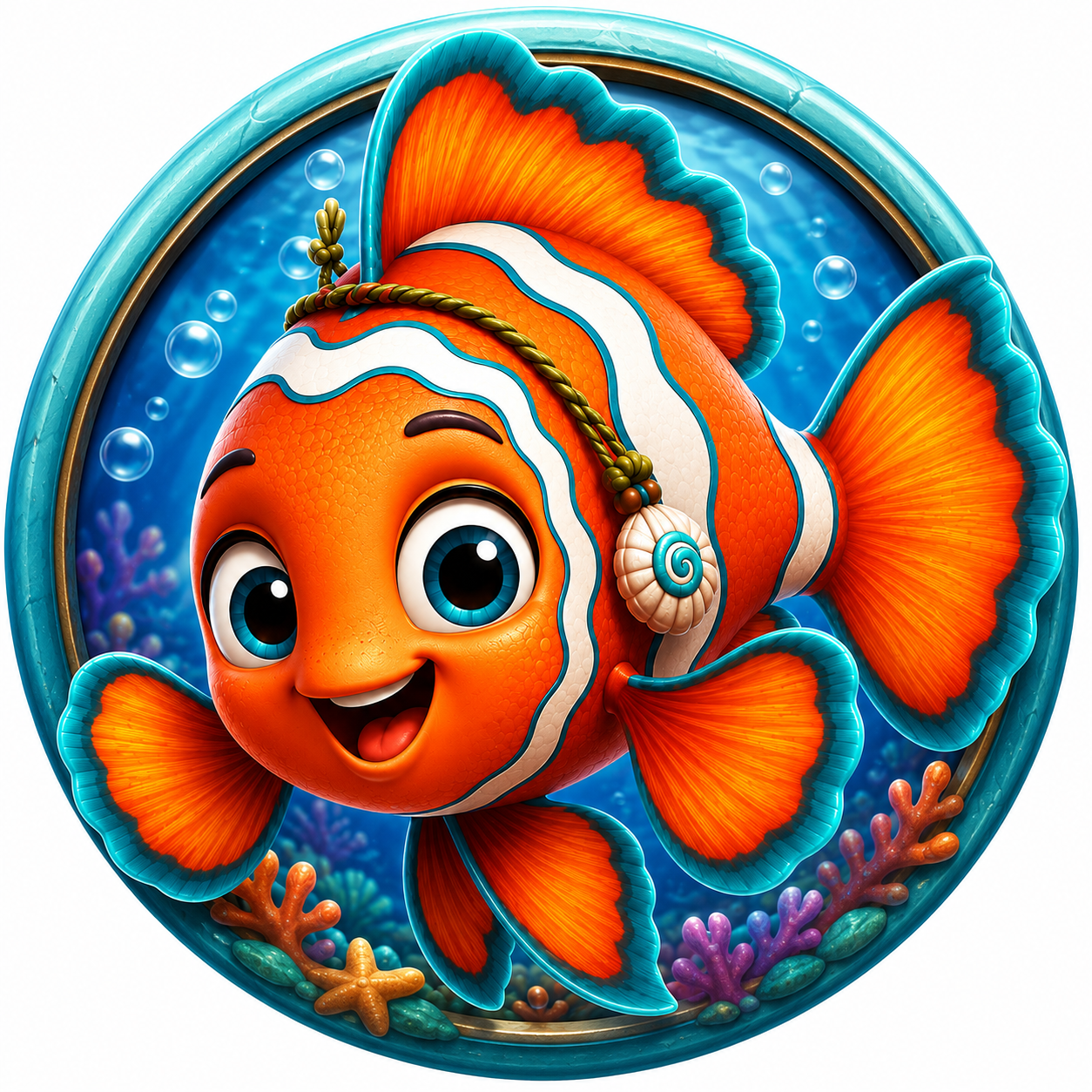
The project was developed through a combination of game design research, iterative documentation, and AI-assisted concept development. I used ChatGPT as my primary design and creative tool to help refine gameplay systems, generate visual concepts, create gameplay mockups, and develop supporting documentation. I also experimented with Google Gemini and Claude during the ideation process. Visual concepts, character designs, UI mockups, and environmental references were iterated on through extensive prompting and refinement.
Challenges we ran into
One of the biggest challenges was defining a visual identity that communicated both strategy and restoration. As someone with a background in software development, project management, and XR rather than professional illustration, creating a cohesive visual direction required significant iteration. Another challenge was designing a tower defense game that felt distinct from traditional genre conventions while remaining familiar and approachable for players.
Accomplishments that I'm proud of
Creating a tower defense concept centered on restoration rather than conquest. Designing a habitat-node defense system that combines strategic readability with a living ecosystem. Developing a cohesive visual identity despite limited art experience. Building a complete set of design artifacts that connect gameplay, progression, visuals, and production planning into a unified vision.
What I learned
This project introduced me to tower defense and strategy game design, a genre I had very little experience with before starting the challenge. I learned how progression systems, resource economies, and player decision-making interact to create strategic depth.
I also learned the importance of communicating design clearly. I initially started with a large production-style Game Design Document that was far more detailed than the competition required. Working through the competition templates taught me how to focus on core ideas, design rationale, and player experience rather than documenting every possible feature.
What's next for Tidekeepers: Reef Rescue
If development continued, the next step would be building and validating the MVP defined in the production plan. Future expansions would focus on cooperative reef restoration, additional reef regions with unique environmental challenges, and deeper ecosystem evolution systems that allow players to shape the long-term recovery of the ocean. The goal would remain the same: creating a strategy game where restoration, stewardship, and discovery are as rewarding as victory.
Built With
- chatgpt
- gemini
- krita


Log in or sign up for Devpost to join the conversation.