Inspiration
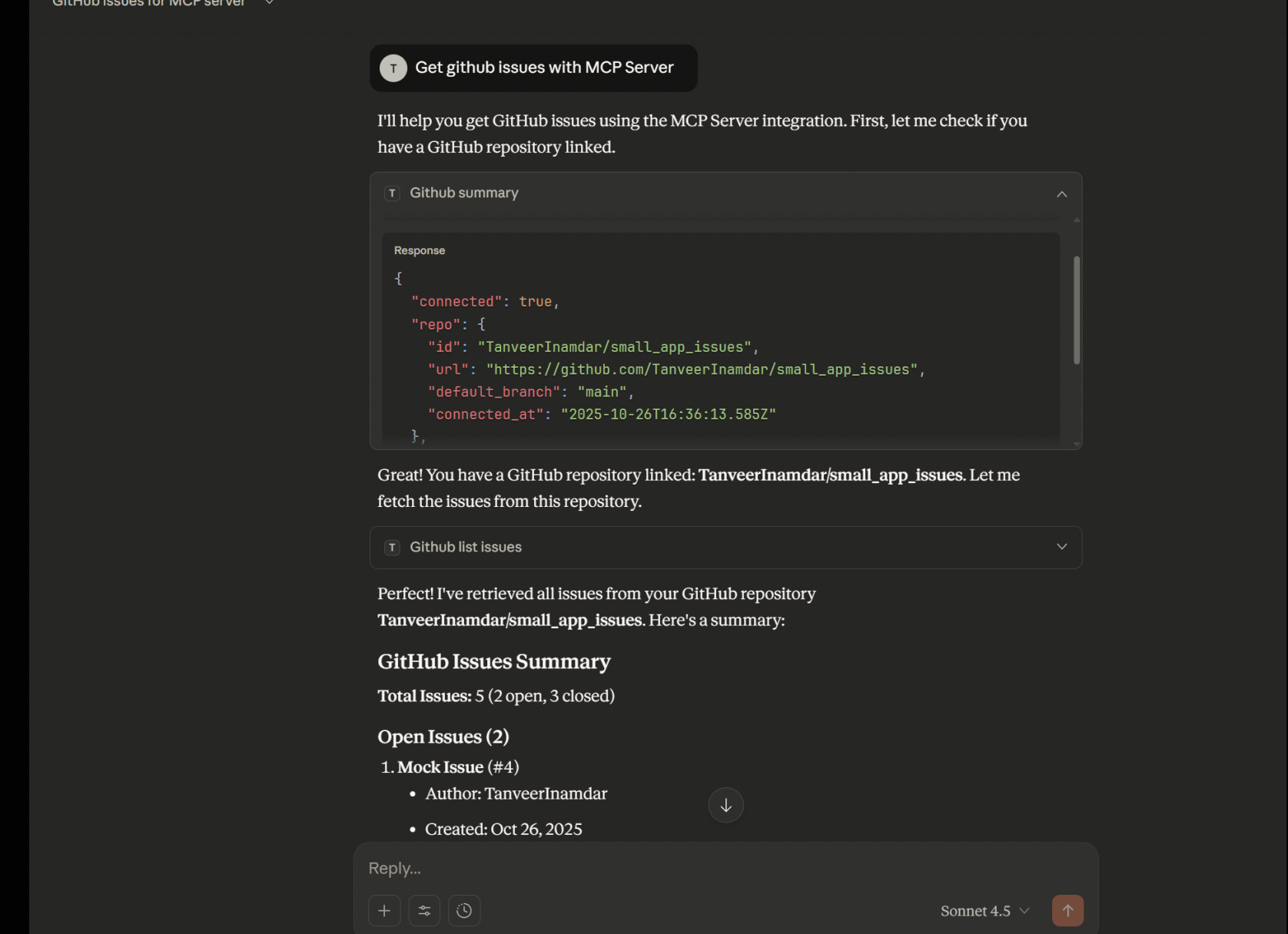
The inspiration was to modernize and streamline existing functionality request and incident management workflows. The goal was to build a system that moves beyond basic ticket tracking by implementing AI-powered ticket creation and leveraging a fast, scalable, serverless architecture for real-time status tracking. Recognizing that small teams, student groups, hackathon teams, and early-stage startups often find tools like JIRA overly complex and expensive, we developed a simplified, lightweight alternative — equipped with an integrated chatbot and an MCP server that automatically tracks tickets and pull requests directly from GitHub.
What it does
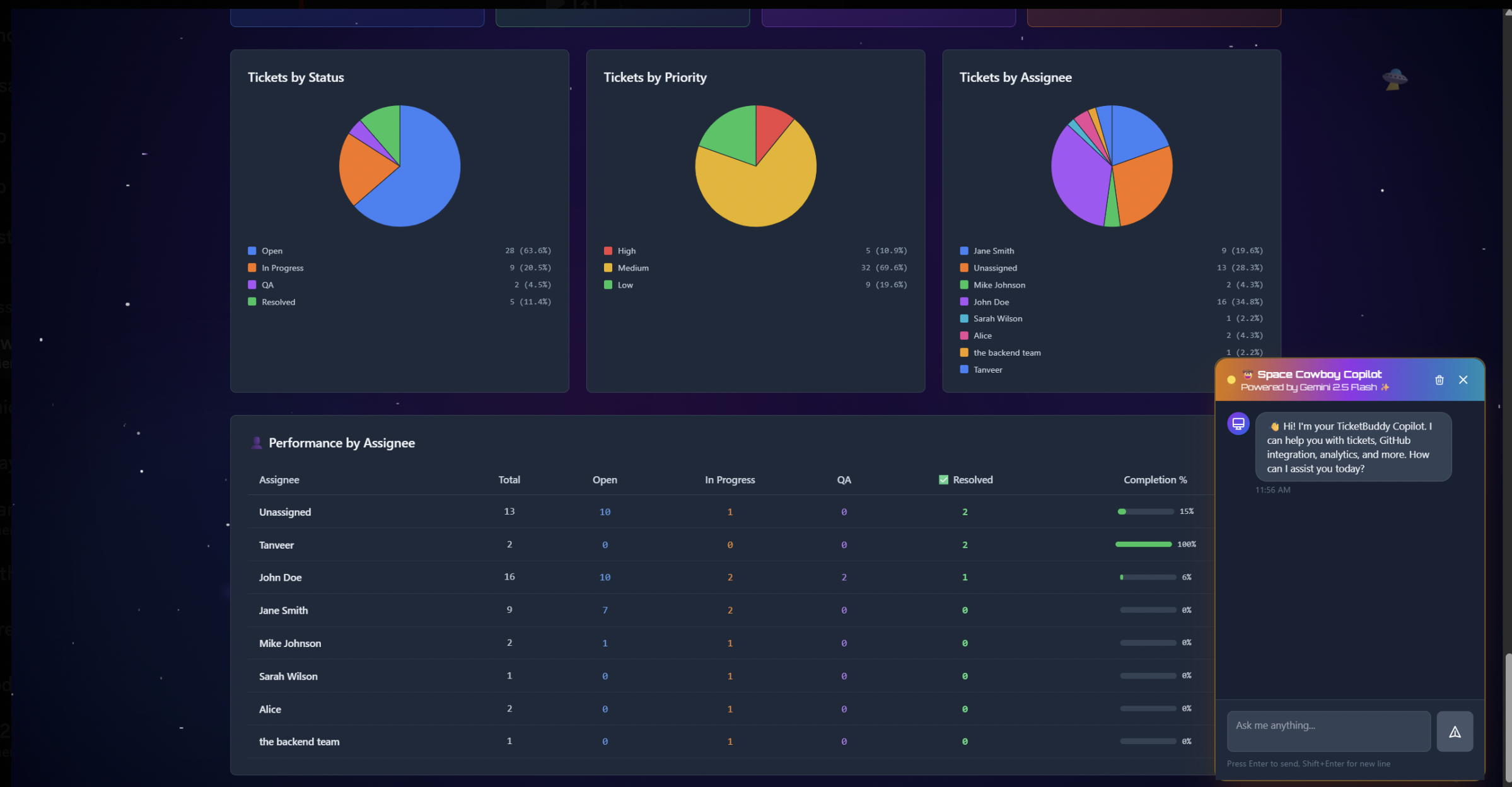
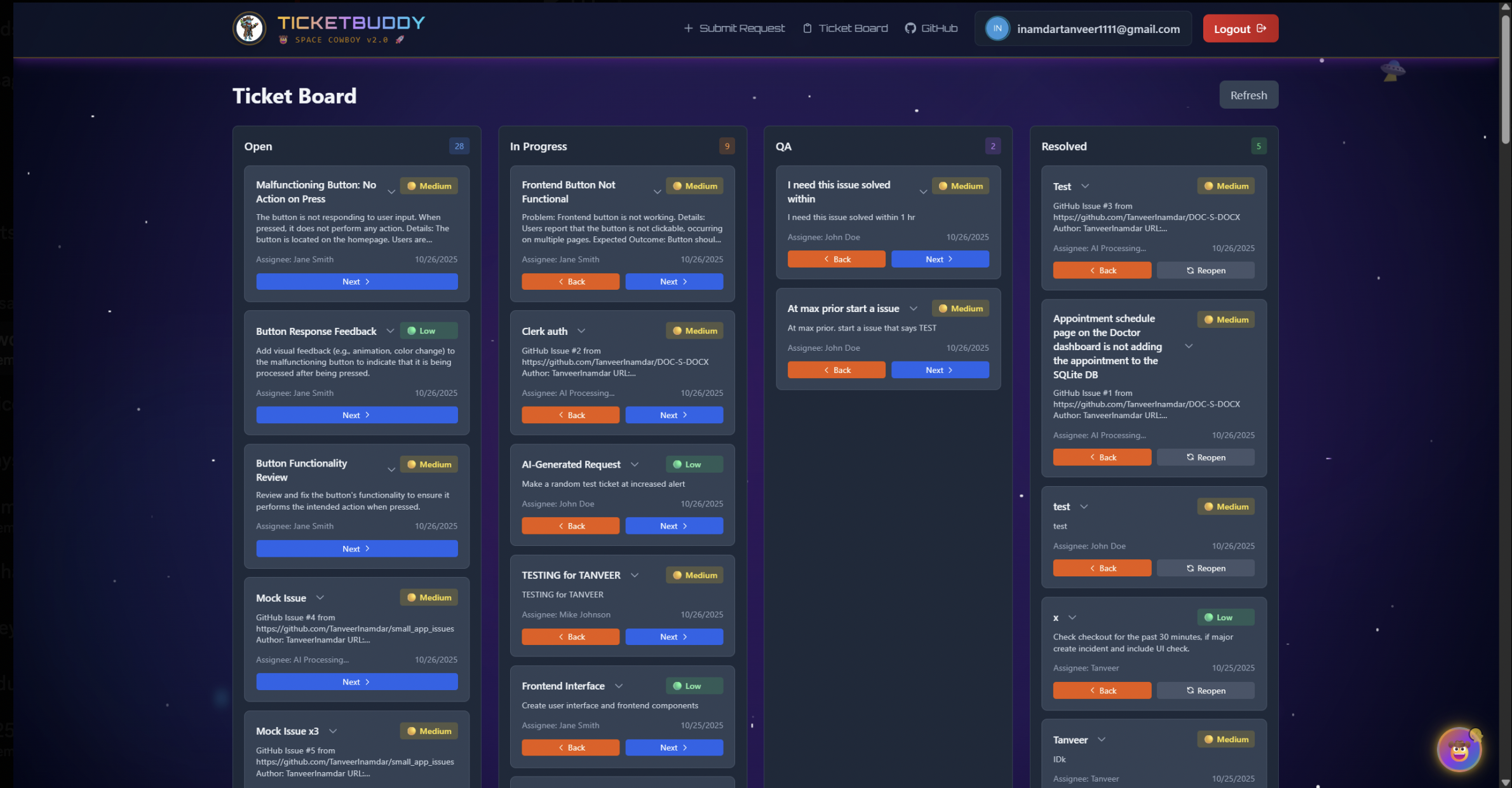
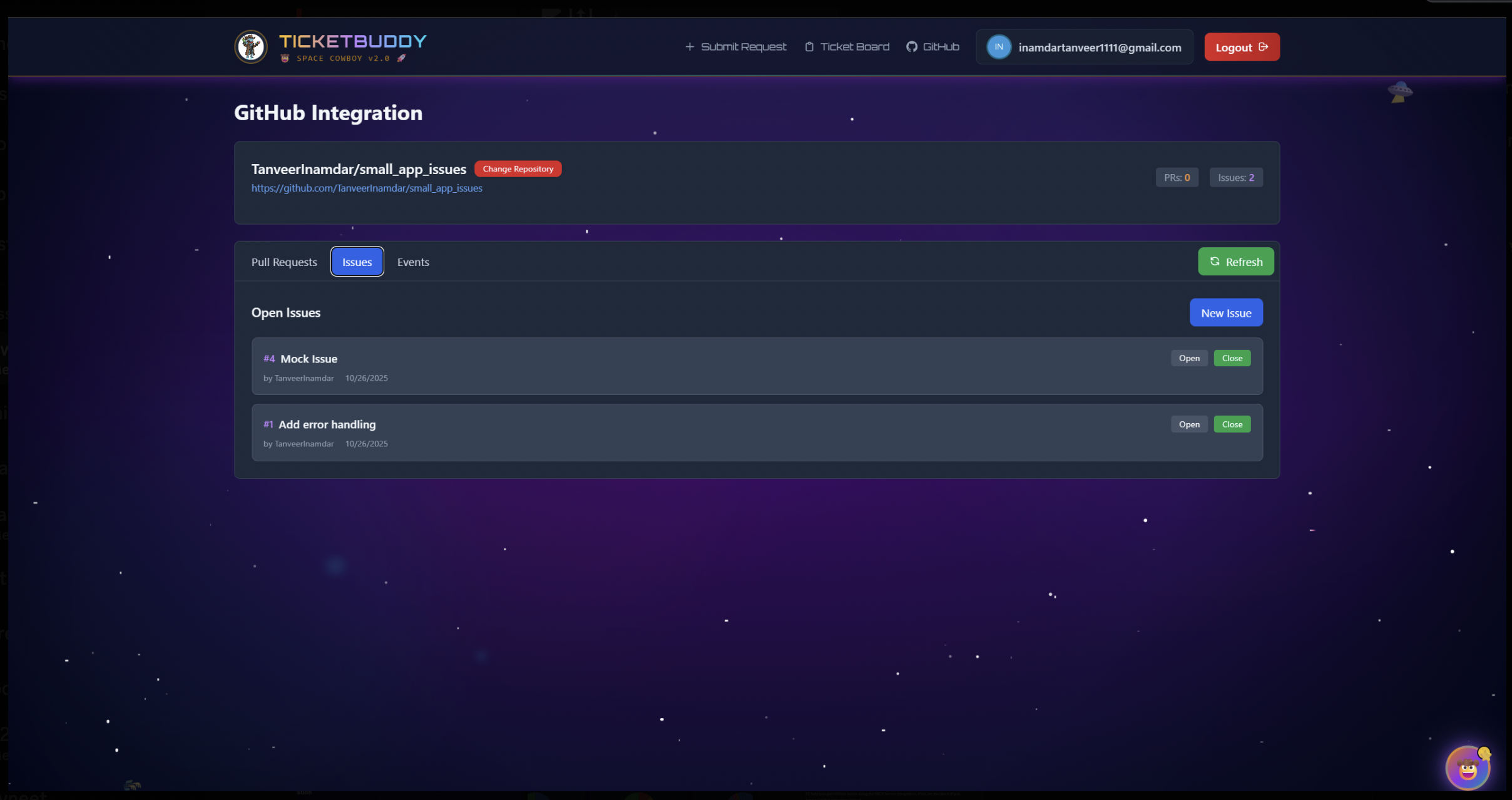
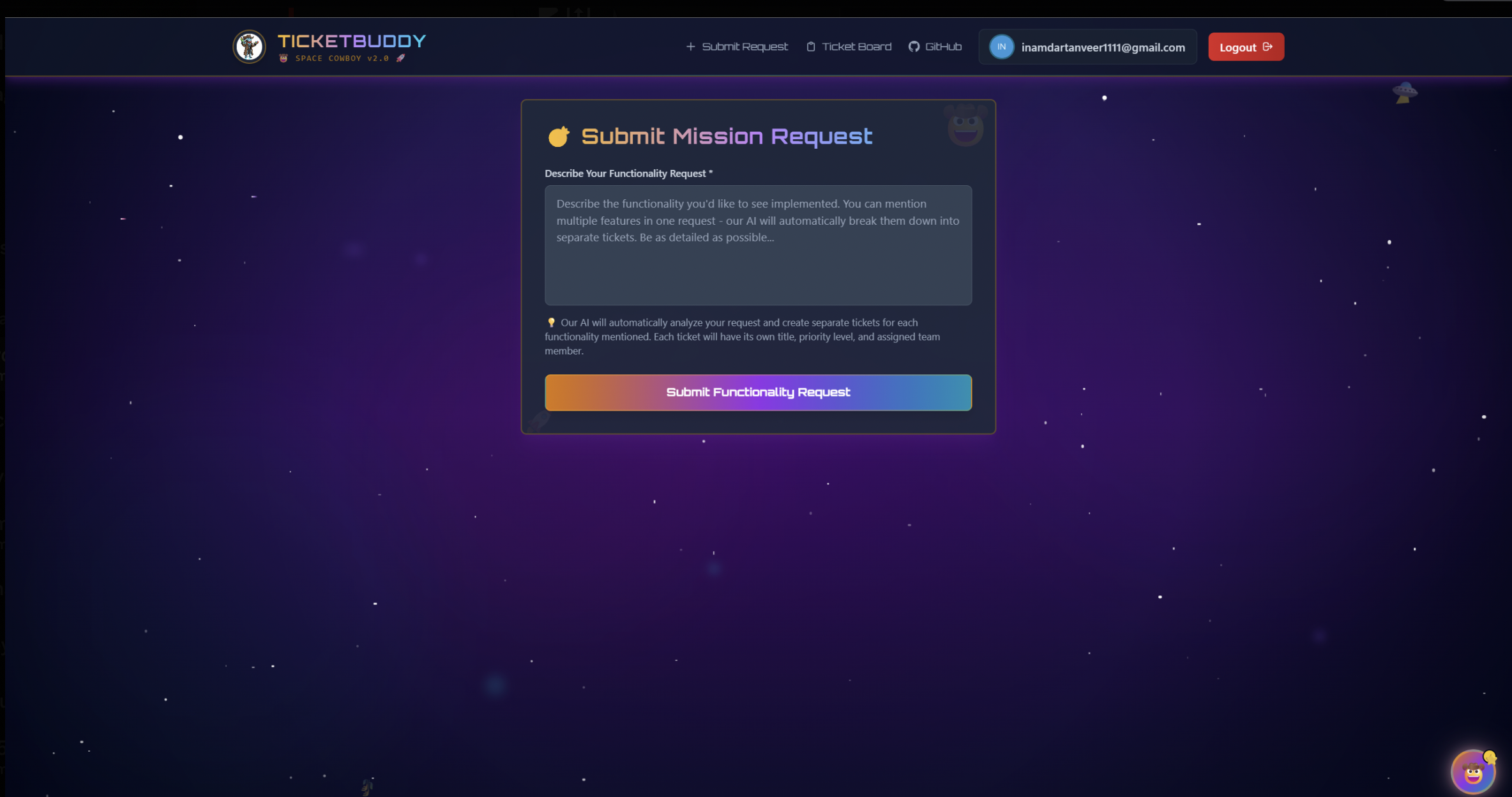
TicketBuddy is an intelligent functionality request management system that automates workflow organization and improves collaboration. AI-Powered Submission: Users submit a single, detailed description of a request. The backend uses Workers AI (@cf/meta/llama-2-7b-chat-int8) to analyze the text and automatically break it down into multiple, distinct tickets based on different functionalities mentioned. Automatic Triage: Each generated ticket is automatically assigned a Priority Level (Low, Medium, High) and an Assignee based on predefined rules and keyword analysis (e.g., security/auth requests go to Sarah Wilson; backend tasks go to Mike Johnson). Kanban Board Tracking: Tickets are visualized on a 4-Column Kanban Board following the flow: Open → In Progress → QA → Resolved. Bidirectional Navigation: Users can move tickets forward or backward between stages using Move Next (Blue) and Move Back (Orange) buttons, with a Reopen option for resolved tickets. Integrated Chatbot + GitHub Sync: The built-in chatbot answers user questions and automatically updates or generates GitHub pull requests and issues in real time.
How we built it
The application was built using a serverless, full-stack edge computing architecture provided by Cloudflare:
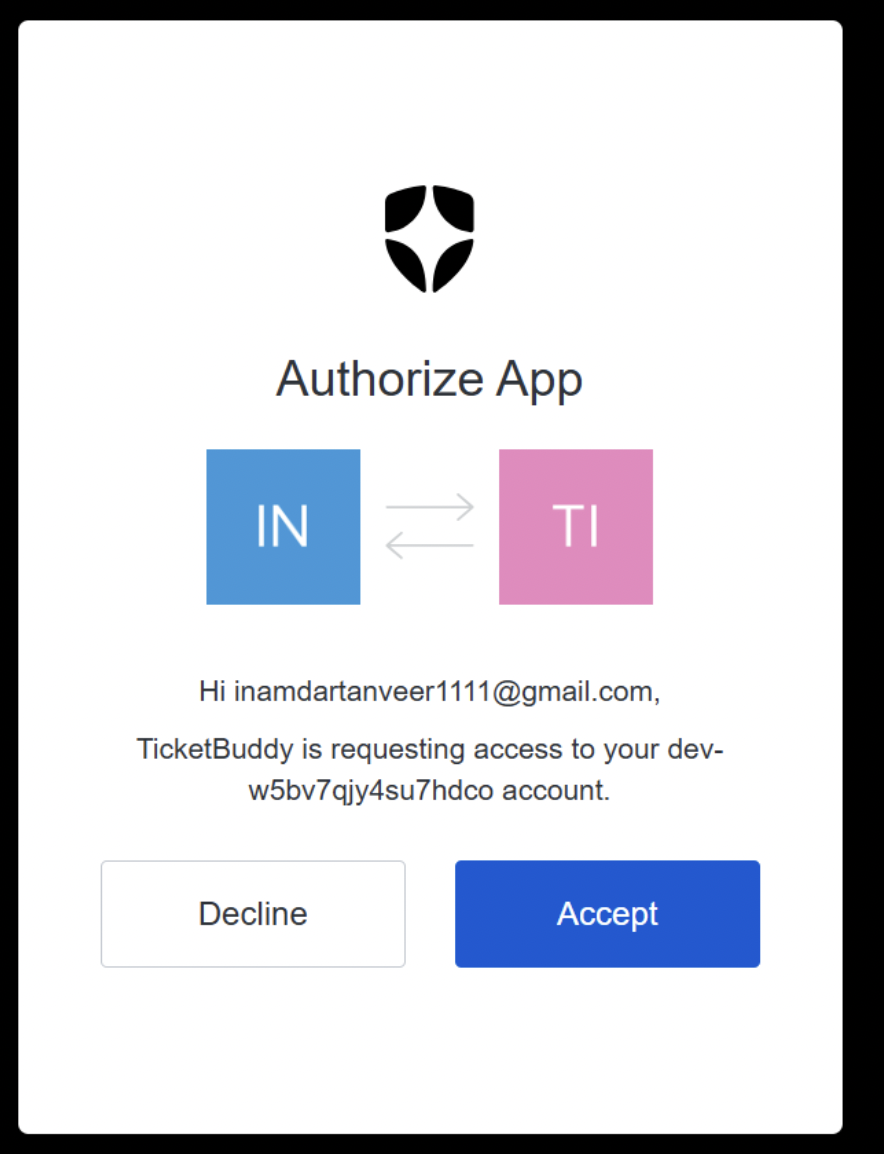
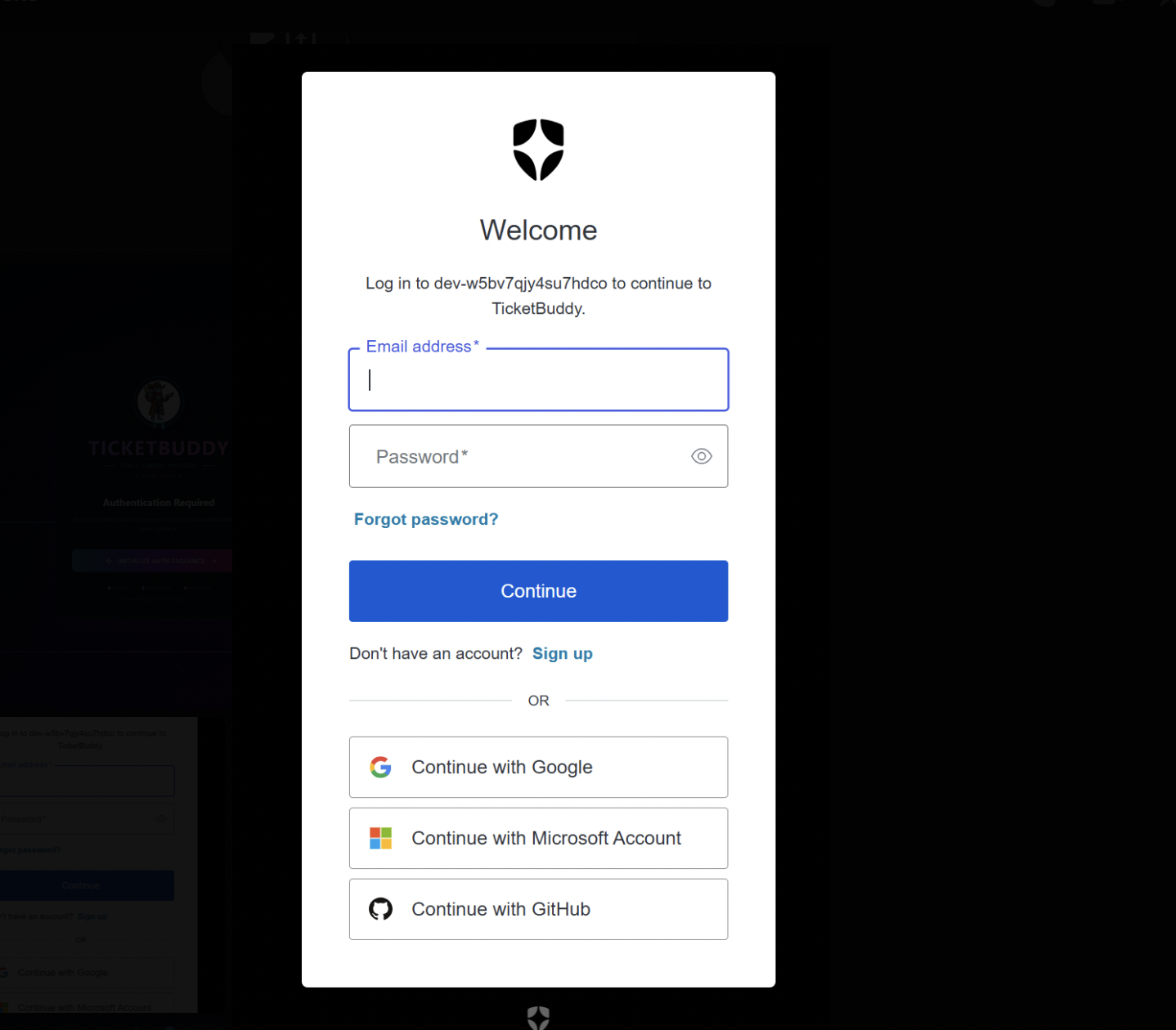
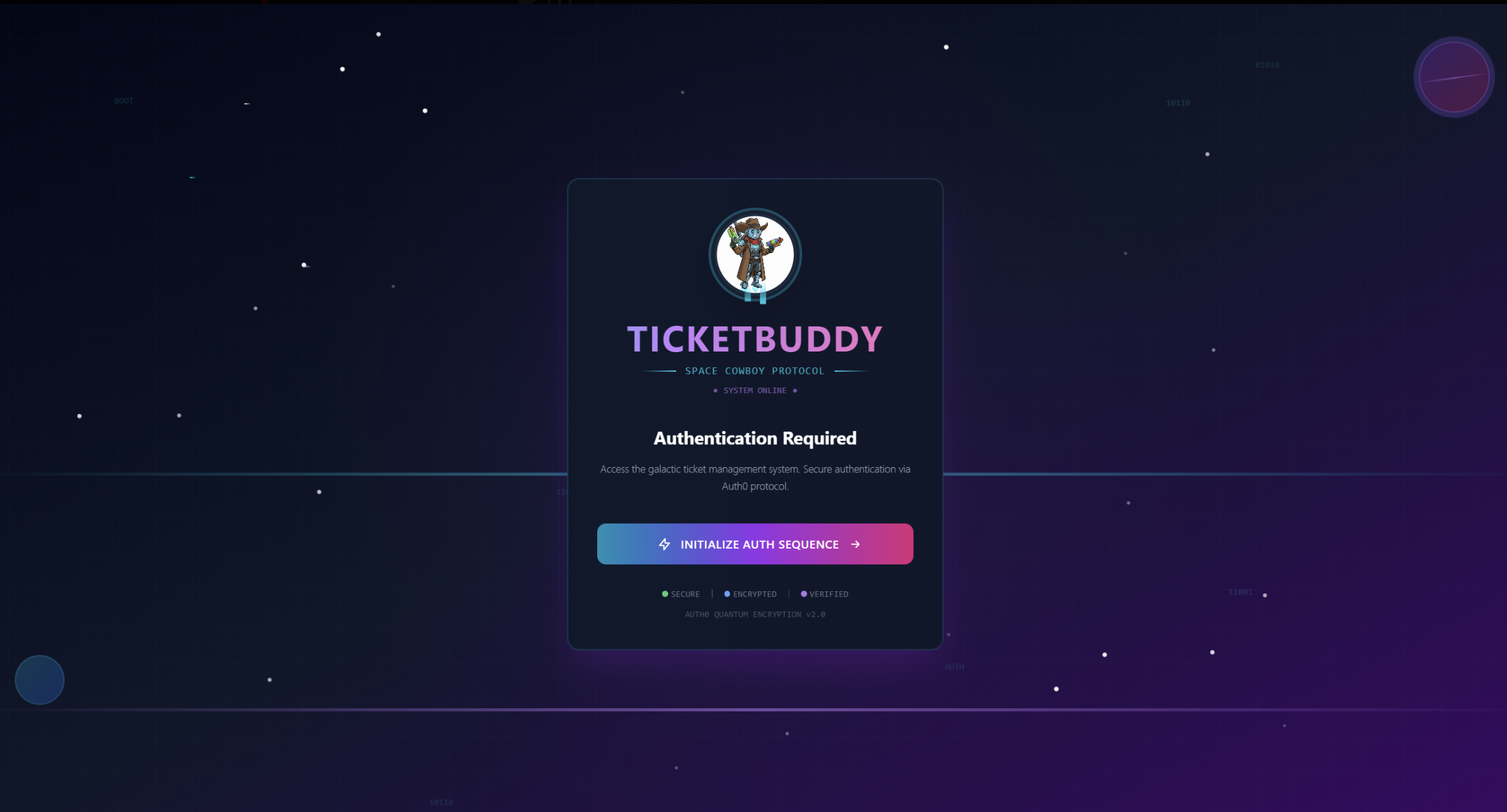
Auth0: Authentication Platform (regular email/password database, Integrated Google, GitHub, Microsoft).
Frontend: Built with React and TypeScript using Vite and styled with Tailwind CSS. It is designed for easy deployment to static hosting like Cloudflare Pages (in the future).
Backend: A Cloudflare Worker written in TypeScript acts as a RESTful API.
Database: The state is persisted using Cloudflare D1 Database (SQLite) for ticket storage.
AI Processing: The core ticket breakdown logic is handled by the Workers AI binding, running the Llama 2 7B model.
Bindings: It also uses other Cloudflare bindings for potential future expansion, including a KV Namespace and an R2 Bucket.
Challenges we ran into
Authentication Integration (regular email/password database + integrated Google Login + Microsoft + GitHUB): Getting the authentication page working and correctly integrated with the frontend UI was a painful experience. Auth0 offered integrations for both Express + JavaScript and React + JavaScript, which made it difficult to decide which stack to commit to for our final setup.
AI Output Consistency: Parsing the JSON output from the LLM reliably was another major challenge; the model’s responses were often inconsistent or improperly formatted.
Fallback Logic: To handle cases where AI parsing failed, we implemented a robust fallback mechanism using keyword-based analysis. This ensured that at least one general-purpose ticket would always be created, even when complex parsing failed. We used Llama 3.1 LLM (Cloudflare worker's AI) and Gemini API for the chatbot.
Deployment Complexity: Configuring the full serverless stack (because we hosted it on cloudflare) including D1 migrations, KV storage, and AI bindings required precise setup through wrangler.toml and multiple CLI commands. Learning Cloudflare’s platform, managing the domain, and deploying the MCP server all added an additional layer of difficulty.
Accomplishments that we're proud of
Successful AI Implementation: Integrating the Llama 3.1 LLM (Cloudflare Workers AI) at the edge to perform complex multi-ticket generation and automated triage from a single unstructured text input.
Used Gemini API for the chatbot
Full Serverless Stack: Successfully building and deploying a cohesive full-stack application using 100% Cloudflare components (Workers, D1, AI, Pages), demonstrating a highly scalable and performant architecture.
Comprehensive Workflow: Creating a complete and usable Kanban management interface with clear status transitions and smart button hiding logic.
What we learned
Integrating Authentication using Auth0 and (with multiple signing up/logging in options with Google, GitHub, and Microsoft) Building resilient APIs on Cloudflare Workers AI.
Executing large language models (LLMs) for practical use cases like content summarization and structured data generation (triage) directly at the edge.
Implementing and managing databases (D1/SQLite) in a serverless environment.
What's next for TicketBuddy
We will take it to the Innovation Hub at Texas Tech University upscale this a bit and push it to production for real world use for start-ups/student-groups.
Built With
- auth0
- cloudflare
- geminiapi
- react
- typescript


Log in or sign up for Devpost to join the conversation.