-
-
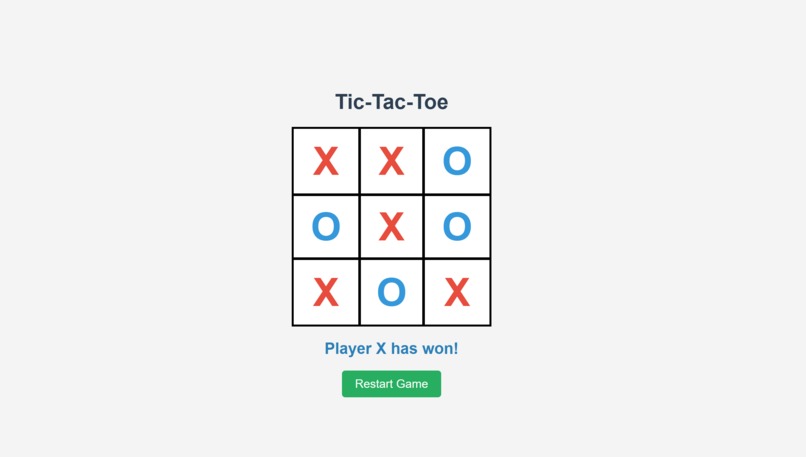
tic tac toe game
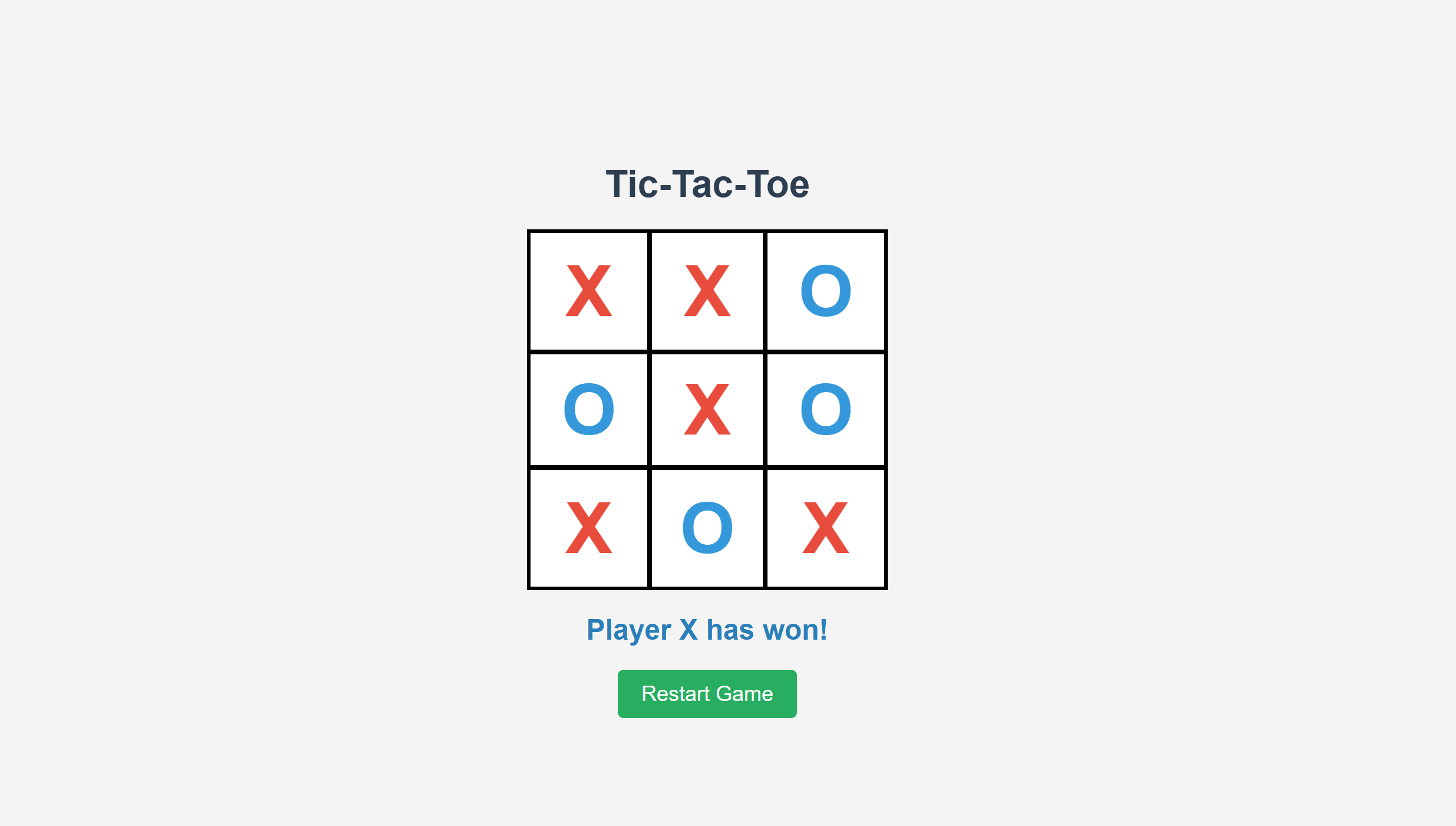
Inspiration
The inspiration behind this project came from a desire to build a simple but challenging game using basic web technologies. Tic-Tac-Toe is a classic game that many people are familiar with, and I wanted to challenge myself by adding an AI component with different difficulty levels. The idea was to create a game that was both fun to play with friends and challenging when playing against the computer.
What I Learned
During the development of this project, I gained valuable experience in game logic, artificial intelligence, and web development. I learned how to:
- Manage game state using arrays to track moves and determine win conditions.
- Implement a basic AI algorithm with multiple difficulty levels using a simple minimax strategy for hard mode.
- Work with HTML, CSS, and JavaScript to build a responsive UI and handle user inputs effectively.
- Improve my understanding of event handling and DOM manipulation for creating interactive elements.
How I Built It
I built this project using vanilla HTML, CSS, and JavaScript. The game logic was implemented with JavaScript, where I created functions to handle game turns, check for wins, and reset the game. The AI component was built using the minimax algorithm, which allows the computer to make optimal moves at higher difficulty levels. I used CSS to ensure the UI is responsive on both mobile and desktop devices.
Challenges Faced
AI Difficulty Levels: One of the challenges I faced was implementing the AI with multiple difficulty levels. The minimax algorithm for the hard level required me to optimize the decision-making process, making it both efficient and accurate.
UI Design: Designing a simple, clean, and responsive interface was also tricky. I wanted to ensure the game was visually appealing and functional across different screen sizes.
Handling Edge Cases: Ensuring that the game logic handled all edge cases, such as draws or invalid moves, took some time to perfect. But it was rewarding once I got the win/draw detection system working seamlessly.
