-
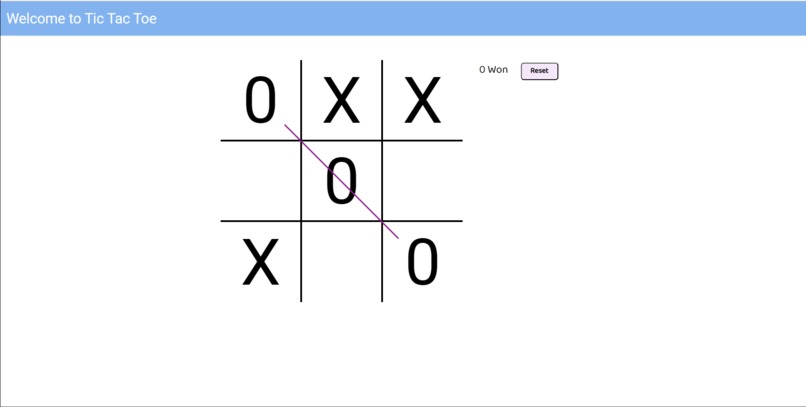
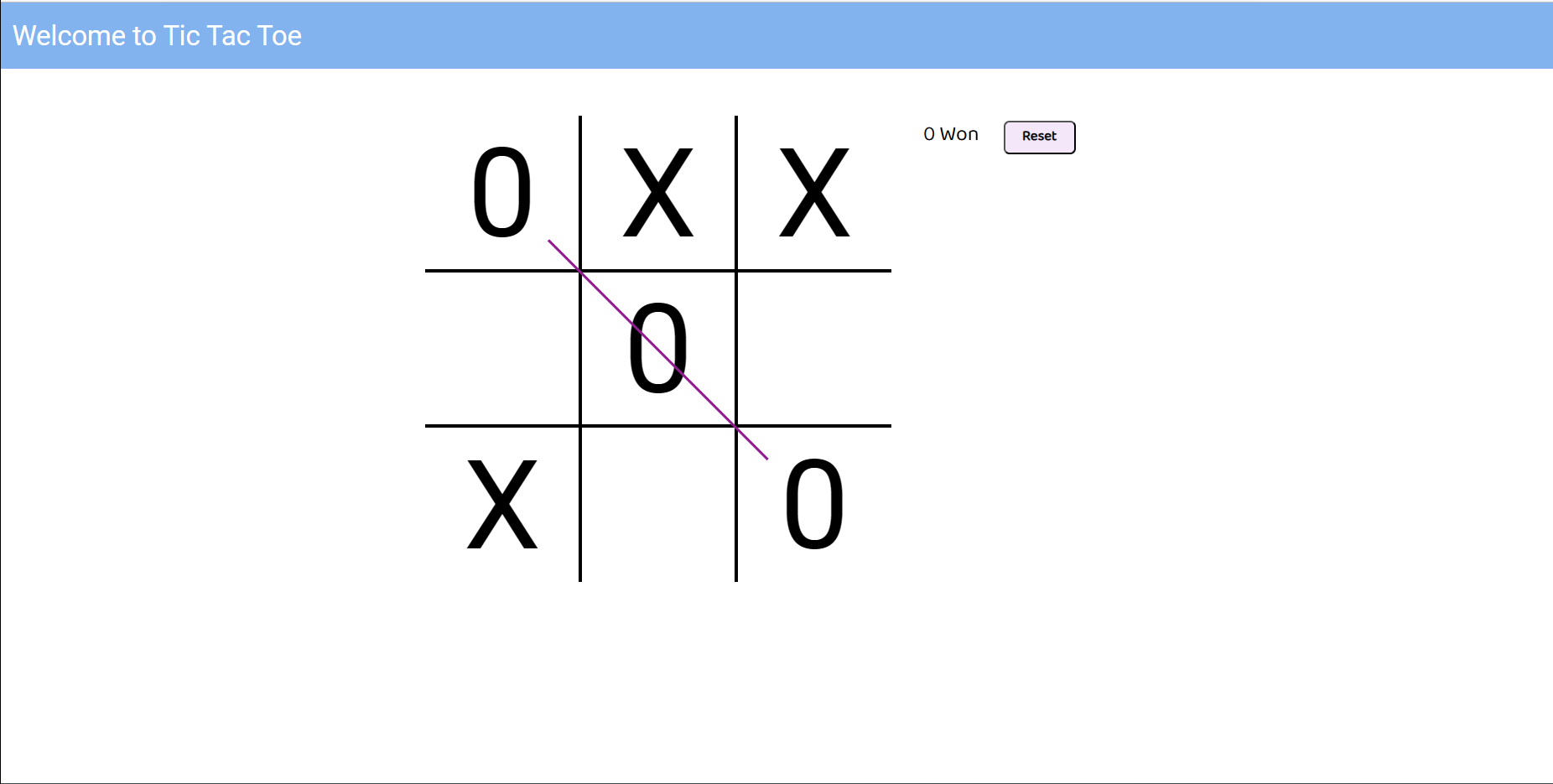
this is what the page looks like!!
How we built it
To build Tic-Tac-Tie, I chose Html CSS and JavaScript for its versatility and ease of use. Here's an overview of how I built the project:
- Planning: I started by sketching out the game's basic structure, including the grid layout, player turns, and win conditions.
- Implementation: Using my plan as a guide, I began coding the game logic and user interface components. I divided the project into manageable tasks and tackled them one by one.
- Testing: Throughout the development process, I conducted thorough testing to identify and fix bugs, ensuring the game ran smoothly.
- Refinement: After completing the core functionality, I focused on refining the user experience, polishing the interface, and optimizing performance.
What we learned
Building Tic-Tac-Tie was not just about coding a simple game; it was a journey of learning and discovery. Here are some key takeaways from the project:
- Game Logic: I delved into the intricacies of game logic, learning how to implement winning condition checks, draw detection, and player turns.
- User Interface: Designing a user-friendly interface taught me the importance of simplicity and clarity in UX/UI design.
- Version Control: Using Git and GitHub for version control helped me organize my code, track changes, and collaborate with others effectively.
- Problem-solving: I encountered various challenges throughout the project, from debugging logic errors to optimizing performance. Each challenge provided an opportunity to hone my problem-solving skills.
Challenges Faced
While building Tic-Tac-Tie, I encountered several challenges that tested my skills and perseverance:
- Winning Condition Logic: Implementing the logic to check for winning combinations proved trickier than expected, especially considering the various possible configurations on the grid.
- UI Design: Designing an intuitive and visually appealing interface presented its own set of challenges, as I aimed to strike the right balance between simplicity and aesthetics.
- Edge Cases: Handling edge cases and corner scenarios, such as detecting draws and preventing illegal moves, required careful attention to detail.
- Optimization: As the project grew in complexity, I faced performance issues that required optimization techniques to ensure smooth gameplay on all devices.

Log in or sign up for Devpost to join the conversation.