-
-
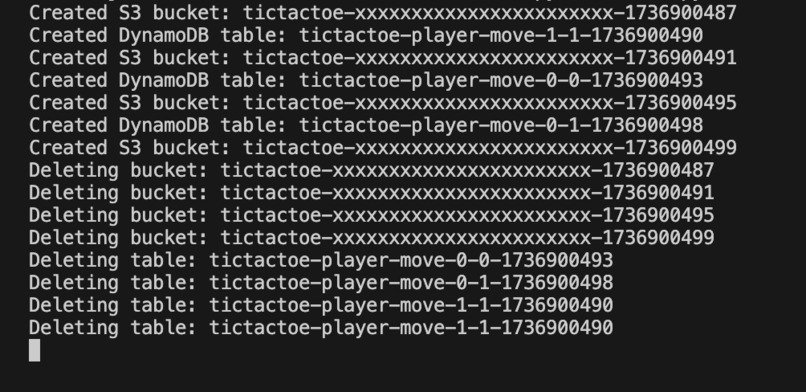
Successfully created tables and s3 buckets
-
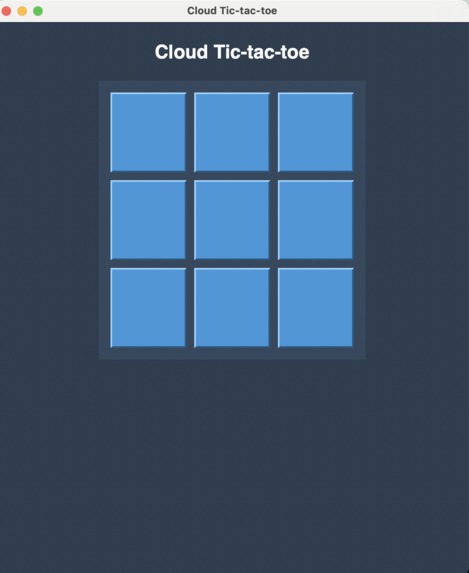
Empty Game Board
-
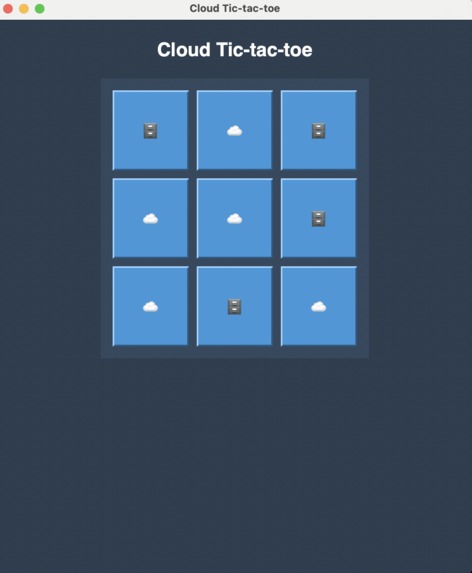
Full Game Board with cloud icons for s3 buckets and files for dynamo tables
-

Successfully created s3 buckets with player moves as their names
-
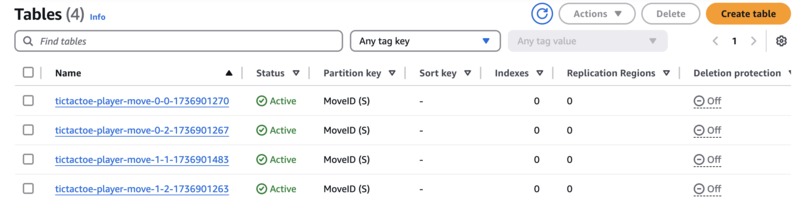
Successfully created Dynamo Buckets with player moves as their names


Inspiration
I wanted to create a project that would demonstrate how cloud technologies like Amazon Q and AWS services can be used to enhance even the simplest of games. Tic-Tac-Toe is a familiar and universally loved game, and I thought it would be fun to integrate modern cloud features like S3 and DynamoDB while showcasing Amazon Q’s capabilities.
What It Does
This project is a cloud-integrated Tic-Tac-Toe game where:
Player Moves in the Cloud: Each move triggers the creation of AWS resources—S3 buckets for Player X and DynamoDB tables for Player O. AI-Powered Development: Amazon Q was used to generate code for AWS integrations, resource management, and workflows. Resource Cleanup: AWS resources are automatically deleted only when a new game starts, ensuring no leftovers. Modern UI: Features a sleek and interactive interface built with Python's tkinter.
Features
AI-Powered Code Generation: Amazon Q helped generate boilerplate and integration code for AWS services. Streamlined the development of resource management workflows. Cloud Integration: Player X’s moves create S3 buckets. Player O’s moves create DynamoDB tables. Resource Management: AWS resources are only deleted when starting a new game to ensure efficiency. Interactive UI: Hover effects, animations, and winner highlights create a visually appealing experience. Custom Logic: Dynamically detects winning combinations and integrates with cloud actions.
How I Built It
Technologies Used:
Amazon Q: Assisted with generating code for AWS integrations and workflows. Backend: Python with boto3 for AWS interactions. UI/Frontend: tkinter for the game interface. AWS Services: S3: Used to create buckets representing Player X’s moves. DynamoDB: Used to create tables representing Player O’s moves. Steps:
Used Amazon Q to generate code for S3 and DynamoDB integrations. Built the game UI with tkinter, adding animations and hover effects. Developed game logic for detecting wins and managing cloud resources. Added workflows with Amazon Q to automate AWS resource cleanup during game resets.
Challenges I Faced
Learning Amazon Q: Understanding how to use Amazon Q effectively for generating AWS integration code was a learning curve. AWS Constraints: Navigating S3 bucket naming rules and DynamoDB table creation delays required extra effort. UI Modernization: Making the UI sleek and interactive with tkinter, while limited in design capabilities, was challenging. Resource Cleanup: Ensuring resources were cleaned up only when appropriate (e.g., after clicking "New Game") required careful planning.
Accomplishments I’m Proud Of
Successfully integrating Amazon Q to generate efficient AWS workflows. Designing a clean and interactive game UI. Building a project that demonstrates how AI can streamline development and make cloud technologies more accessible.
What I Learned
Amazon Q: Learned how to use AI to generate code and automate workflows, saving significant development time. AWS Services: Gained hands-on experience with S3 and DynamoDB, including handling their constraints and optimizing resource usage. UI Design: Improved my skills in building interactive and responsive interfaces with tkinter. Cloud Scalability: Understood how cloud technologies can make even small applications like games scalable and innovative.
What’s Next
Multiplayer Mode: Expand the game to support real-time multiplayer using AWS AppSync or API Gateway. Data Analytics: Integrate Amazon Q workflows with AWS QuickSight to analyze player moves and generate insights. Leaderboard: Store player stats in DynamoDB and display a leaderboard. Mobile Version: Build a mobile-friendly version using frameworks like React Native or Flutter.
Built With
- amazon-dynamodb
- amazon-q
- amazon-web-services
- boto3
- python
- s3
- tkinter


Log in or sign up for Devpost to join the conversation.