-
-
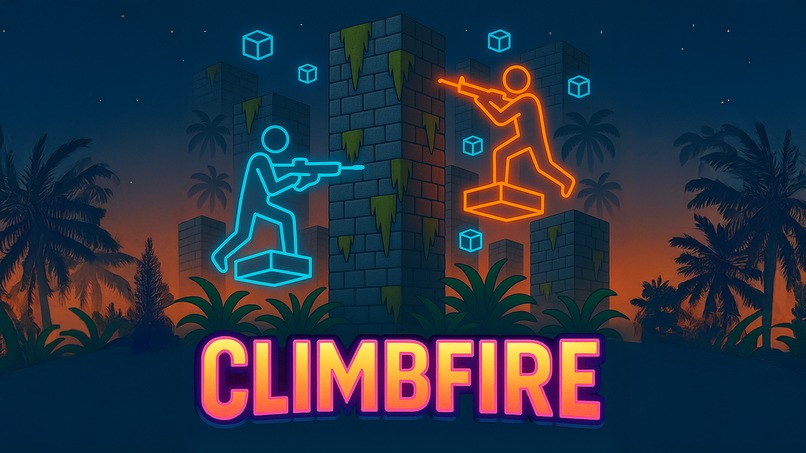
ClimbFire- Multiplayer Tower Climb
-
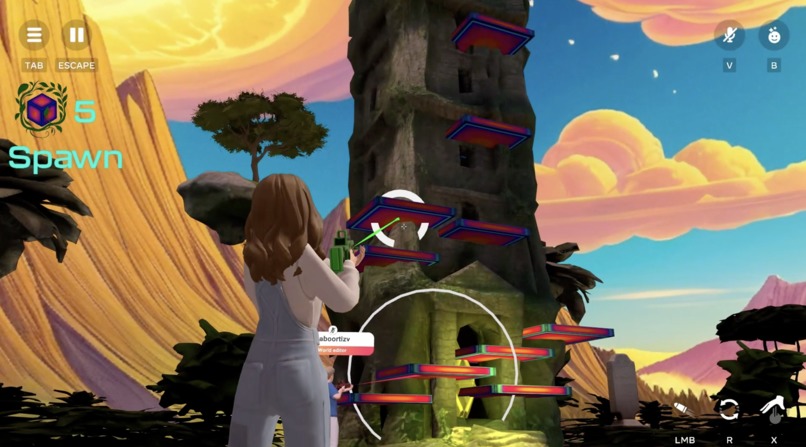
Blast a tower to spawn platforms, or erase them to hinder other players!
-
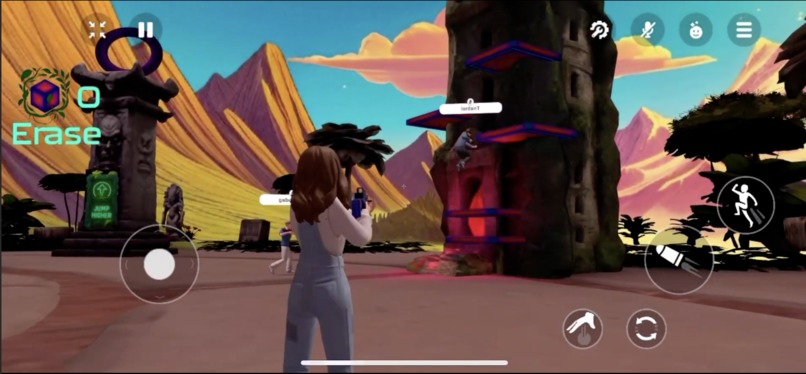
Strategise and collaborate with or work against other players
-
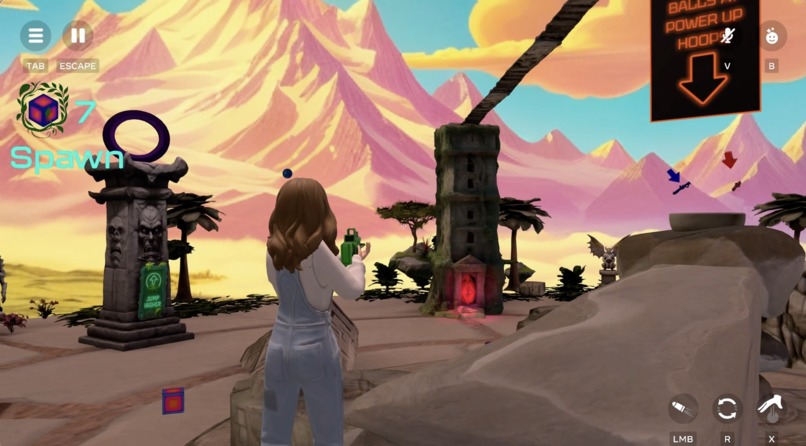
Power-Up hoops give players advantages such as Jump Higher & Run Faster
-
Lobby area featuring How To Play instructions, details on Power-Ups & Gun Controls and Leaderboard
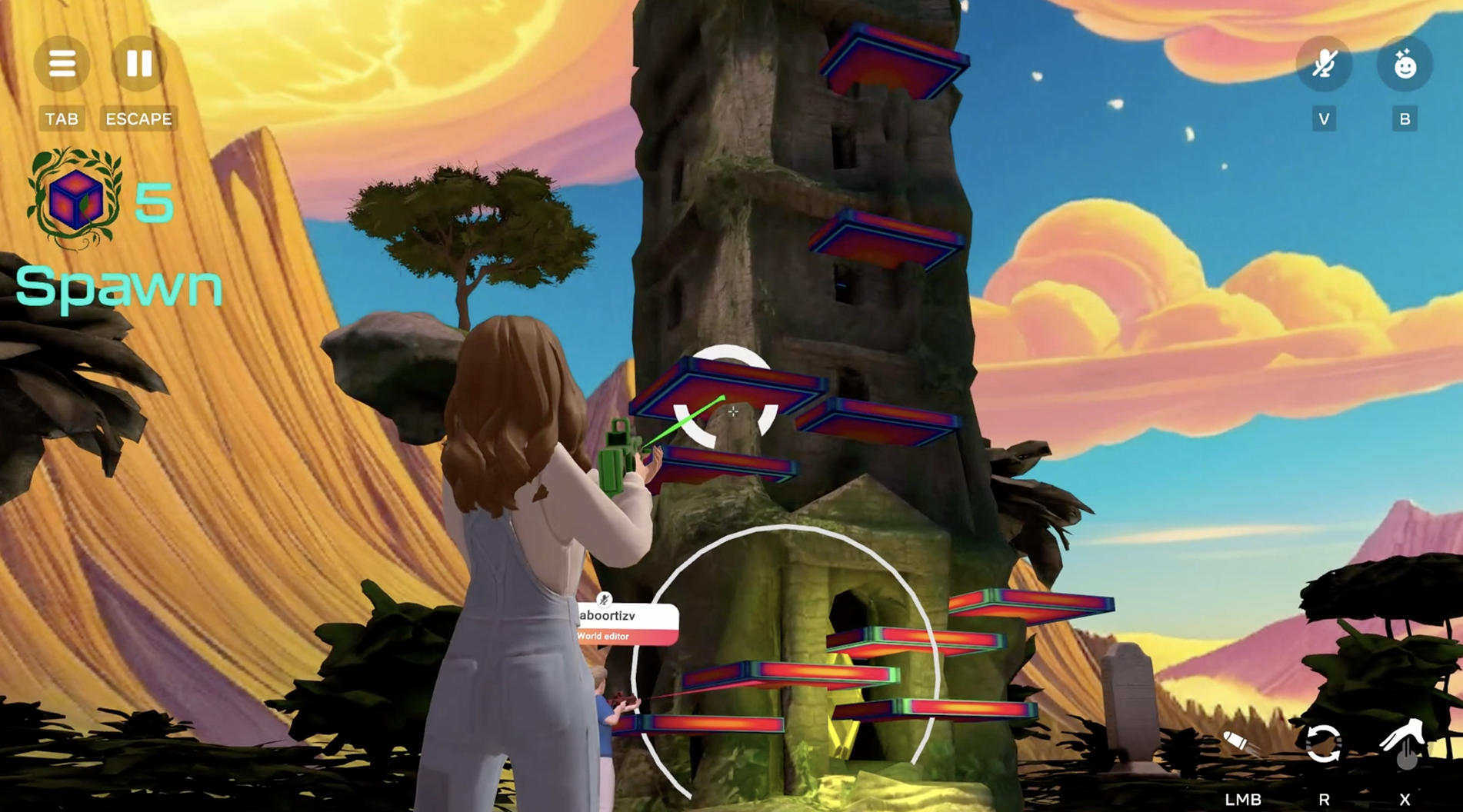
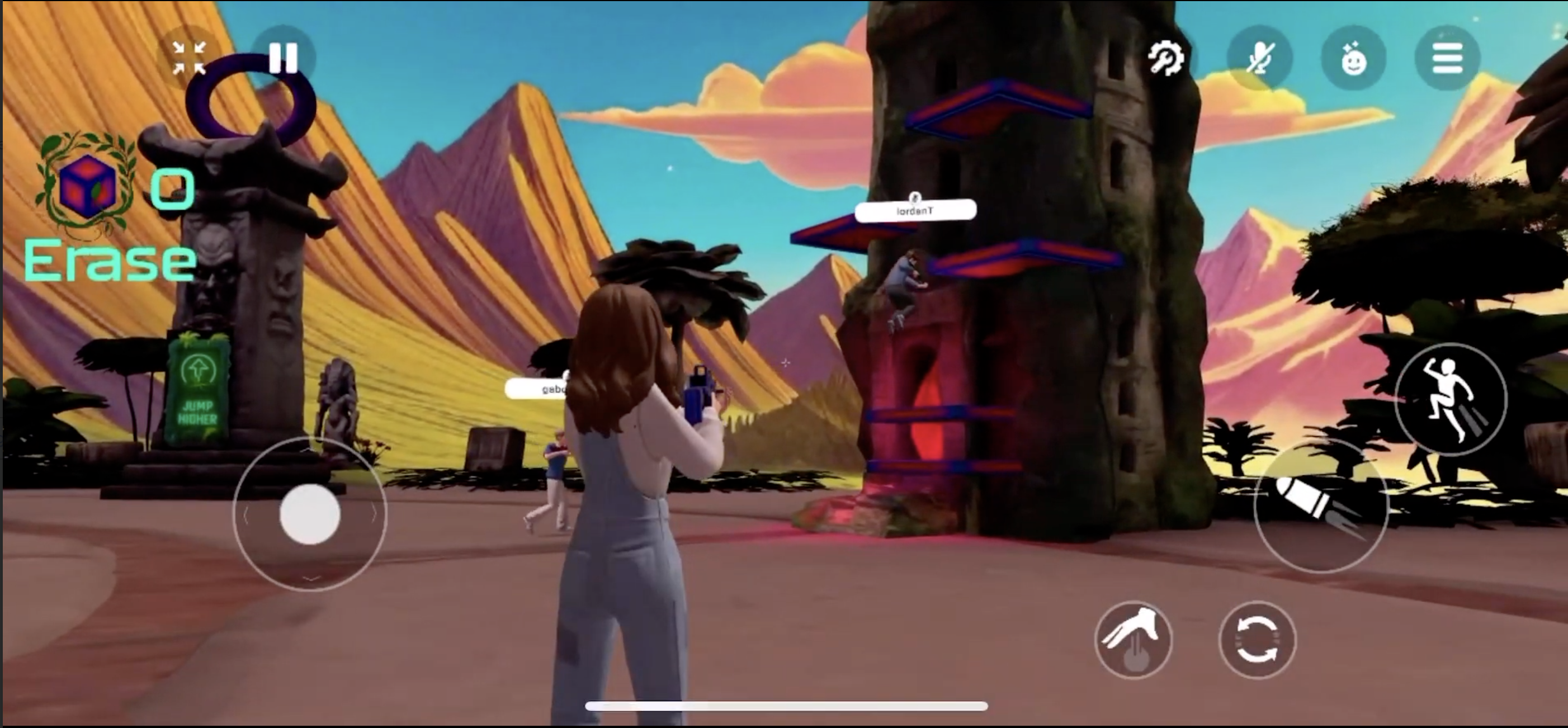
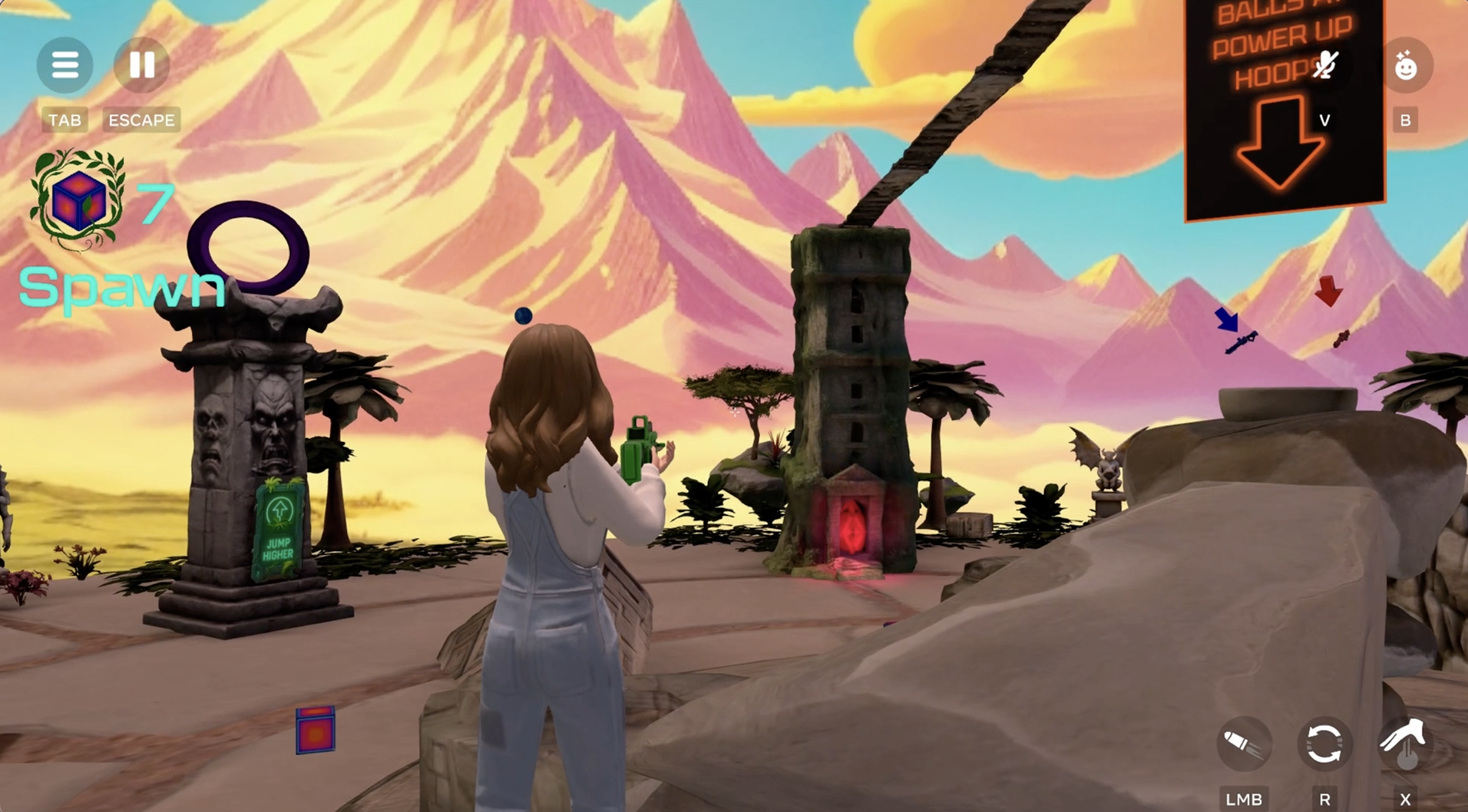
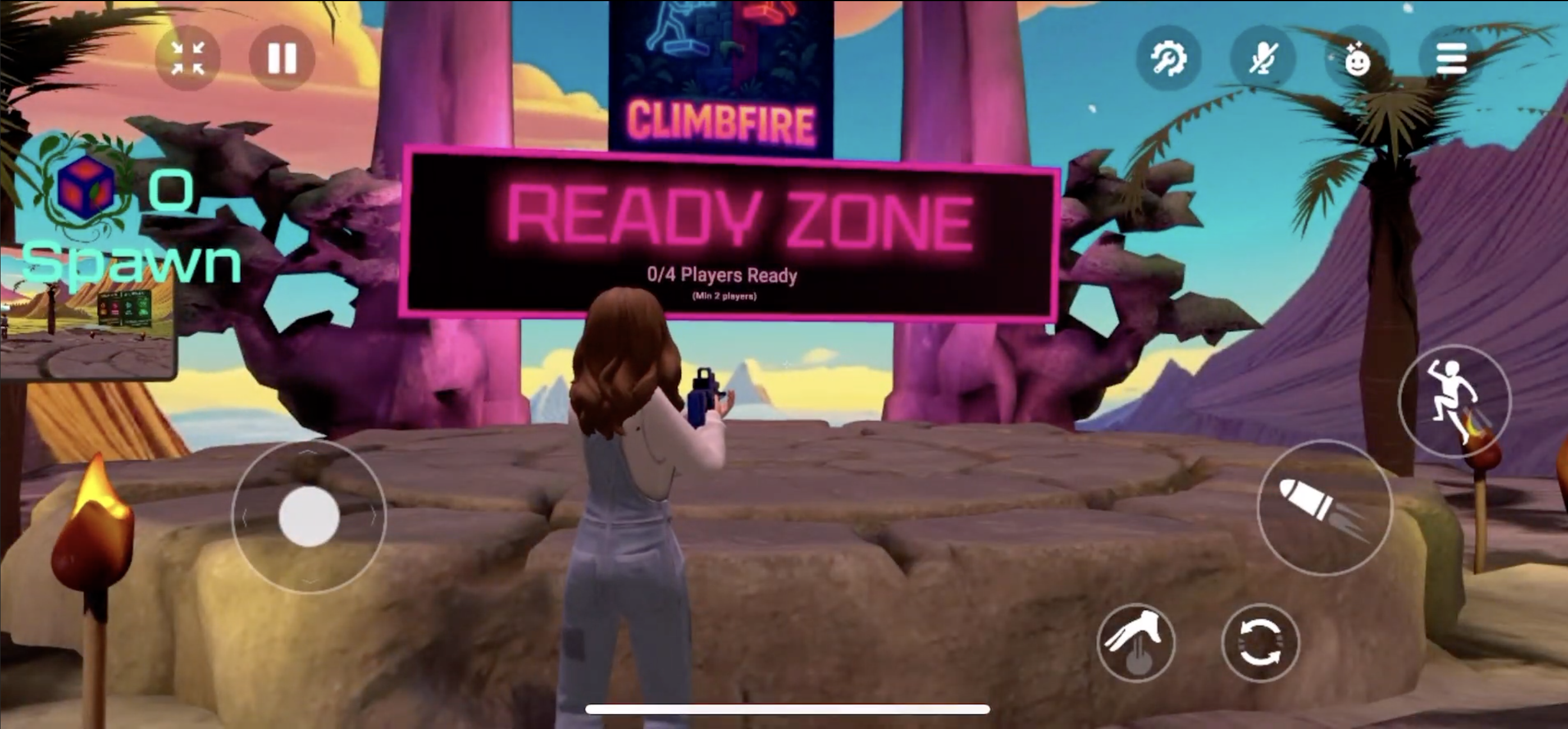
ClimbFire is a fast-paced multiplayer tower race where players blast platforms, collect power-ups, and scramble to the top of their tower. The twist? Victory isn’t just about climbing- it’s about playing smart, sabotaging rivals, and mastering movement. With a custom, homemade soundtrack, layered strategy, and ancient jungle meets subtle cyber punk theme, ClimbFire balances chaotic fun with competitive skill in a unique platformer meets party game.
LINK TO WORLD: https://hz.me/w/618066011395544?hwsh=uglEORbdNK (or Search for: ClimbFire)
MOBILE GAMEPLAY SAMPLE DEMO in case of server issues on the platform: https://youtu.be/nZa0DOSAOGo
Inspiration
We were inspired by the classic tower climbing genre but wanted to add a strategic and social twist to create a game that could bring us that feeling of fast-paced fun and friendly chaos - where laughter comes as easily from falling as it does from winning (after all, we're a clumsy bunch). We asked ourselves: What if players could build their own climbing path, but also interfere with others in real-time? That led to a concept that’s part race, part sabotage, and all around chaos - wrapped in a unique visual world that combines ancient jungle ruins with neon cyberpunk accents.
What it does
ClimbFire is a competitive multiplayer tower race where players build and scale their own towers using a block shooter. Along the way, they can grab power-ups to jump higher, run faster, block a player, or sabotage others by destroying their blocks. The game encourages different play styles- focus on denying ammo by collecting it yourself, build behind a tower and out of sight, hoard the power-ups for yourself or just disrupt your rivals from climbing. Once players reach the top of their tower, they battle across a shared upper platform to be the first to reach the final portal at the top of the golden tower.
How we built it
We built ClimbFire in Horizon Worlds, using a combination of:
- Meta Horizon Desktop Editor for world and game building, utilizing the AI generating features for the skybox, textures, sound, models and guiding scripting
- Custom Typescript and gameplay logic to enable block shooting, anchoring, and power-up systems.
- Custom soundtrack audio created in Logic Pro X that increases in intensity as players advance in the game.
- Figma for creating new UI designs or refining GenAI images
- FigJam for ideating concepts, exploring the details of the gameplay and refining our final concept (See FigJam board here: https://www.figma.com/board/wsKVpmxSEA9XTE3mHQD6VH/Meta-Horizon-Mobile-Hackathon?node-id=0-1&t=SVnkno4T1wpJRxcv-1)
- Video created in CapCut
Challenges we ran into
- Lack of 3D modeling experience - this was going to hold us back greatly in our design vision so we had to get acquainted with GenAI very quickly to generate these assets
- Platform limitations like asset caps meant we had to carefully prioritise what was essential, and at times delete parts of the world to reduce assets. We had to be careful to strike a balance of an interesting world while still having enough assets to spawn for gameplay
- Other limitations in the editor meant we had to change some of our gameplay mechanics, for example, we initially wanted to have players throw their blocks but found it too unreliable and very unpredictable as to where it would land so we introduced the block shooter
- Time zones, full-time jobs & university made collaboration tricky, but we adapted with async check-ins
- Learning curve for Typescript and using the Meta Horizon Desktop Editor for the first time meant we had to do a lot of experimenting!
- Early on, we relied too much on desktop testing - our biggest takeaway was the importance of mobile-first testing to align with our real audience
- Note: We tested thoroughly throughout our development but upon current testing, sometimes we would spawn into our published world and the triggers in the lobby wouldn't work at all. We are confident this is not directly caused by our scripts as it runs 99% of the time in the editor without issue. This was sadly our biggest challenge that you may encounter.
Accomplishments that we're proud of
- We made sure to keep the player in mind at all times, considering experience design such as how to optimise tower climbing experience, how to add repeatability e.g. through the different strategic aspects (like sabotaging rivals) and carefully considered UX cues such as directional arrows to guide the users first action
- We created our very first game (and world!) which was a steep learning curve but combined our love for creating (as designers) and developing (as developers) to create a world we think is interesting, fun and visually appealing
- We had an extremely iterative testing process to refine the experience players, this meant publishing our world every time we had a big update and getting the whole team involved in testing it out
What we learned
- We learnt how scope and iterate quickly under time constraints- we started the hackathon pretty late due to work commitments and had to form a team (who didn't previously all know each other and in different time zones) so didn't have much time to develop our solution- this meant we had to prioritise and make quick calls to get something ready in time for submission
- We learnt to use the Meta Horizon Desktop Editor tool, create assets and experiment with cool features like Gizmos, Particle Effects, Audio, Leaderboards, asset management and a whole lot more!
What's next for ClimbFire
- We want to add more levels and obstacle variety to enhance the replayability even more
- Create epic win-state animations or tower transformations to make victories even more satisfying
- Expand with daily challenges, cosmetic unlocks, and a “pro mode” with tougher mechanics
How we've considered the judging criteria
Technical We put a lot of focus into making sure the game ran smoothly, especially on mobile, which is where most people will play it. From the core mechanics like shooting blocks and picking up power-ups, to the UI and animations, we tested across devices to make sure everything felt solid. We also challenged ourselves to learn and use Horizon’s GenAI tools and TypeScript to build better interactions.
Visuals & Sound ClimbFire’s theme blends ancient ruins, jungle elements, and a touch of cyberpunk — and we really leaned into that to create a cohesive, immersive world. We designed visual cues like animated hoops to draw players’ attention, and the music shifts in pace as the game progresses to match the intensity. Everything from lighting to environment props was chosen carefully to keep it visually exciting while still working within the platform’s limits.
Experience Design We designed the game to be super easy to jump into — players are assigned a tower and guided right away by an arrow to grab their first tool. The lobby also features a How To Play visual guide along with a roundup of the power ups and gun controls for clarity on gameplay. The core loop is quick and replayable, but also has depth: players can choose to go straight up their tower or use power-ups to slow others down and strategise. The progression from tower to bridge to final climb keeps the pace dynamic and fun.
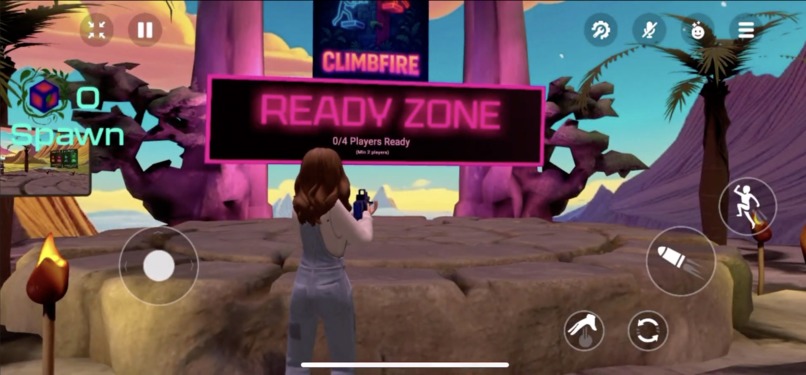
Social ClimbFire thrives on multiplayer chaos. Players race head-to-head but can also sabotage each other with power-ups or by eliminating blocks. The mid-game bridge stage encourages cross-player interactions, and the final push to the portal is designed for close calls and dramatic finishes. We also included social spaces like a Ready Zone and leaderboard to support Horizon’s social features and create memorable shared moments.
Why we chose the Platformer/Obby genre
Choosing a genre wasn't straight forward for us- when originally ideating our game concept, we felt the game could fit into both the party game and platformer/obby category. Ultimately, we chose the Platformer/Obby category because because ClimbFire is fundamentally about movement, timing, and precision- all core elements of great platformer gameplay. Players must build and climb their own tower using shootable platforms, and make split-second decisions using power-ups to get ahead or hinder others. The experience features several typical Platformer/Obby features such as:
- Obstacle navigation through player-built paths
- Jump-based gameplay with vertical progression
- Platforming skills tested under pressure from opponents
- Power ups such as jump higher and run faster for player advantages
- Social interaction through leaderboards, emoji reactions, fun mirror in lobby, a shared final tower
Built With
- desktop
- editor
- figma
- genai
- horizon
- meta
- typescript


Log in or sign up for Devpost to join the conversation.