-
-
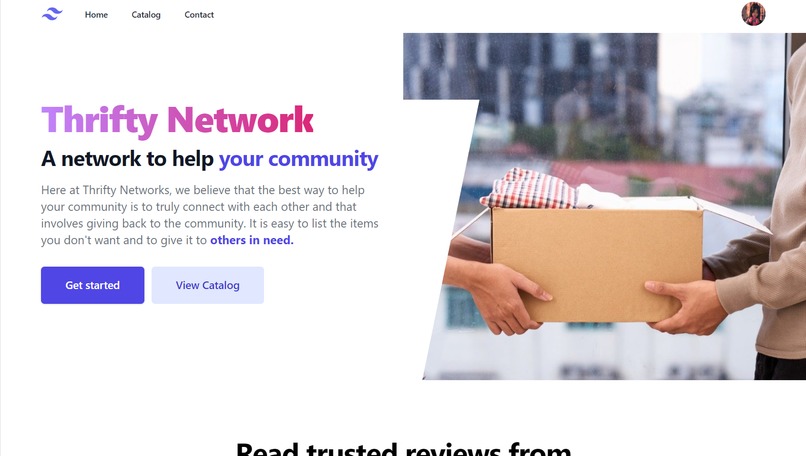
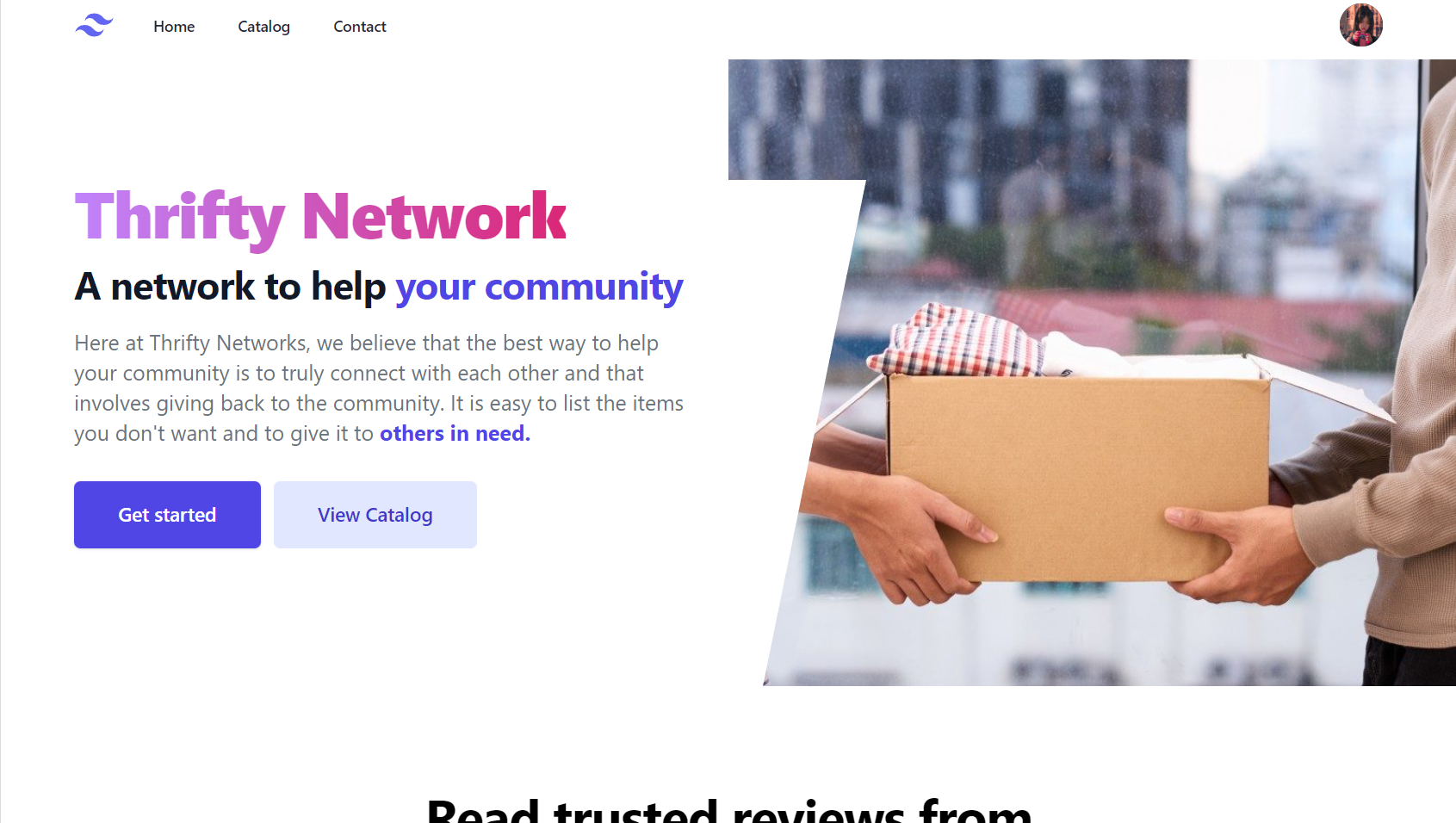
Landing Page
-
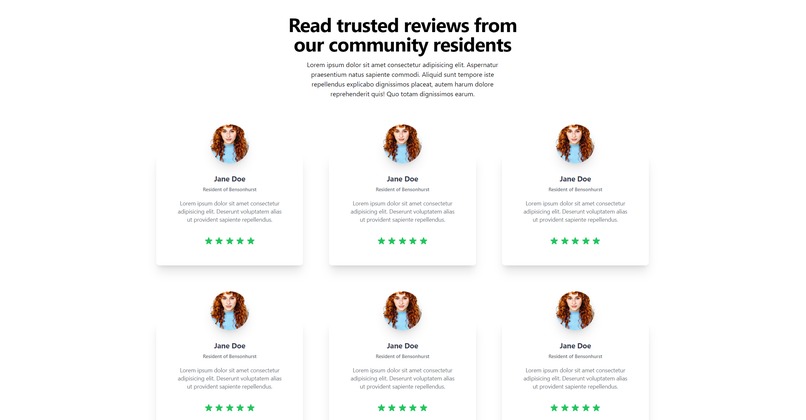
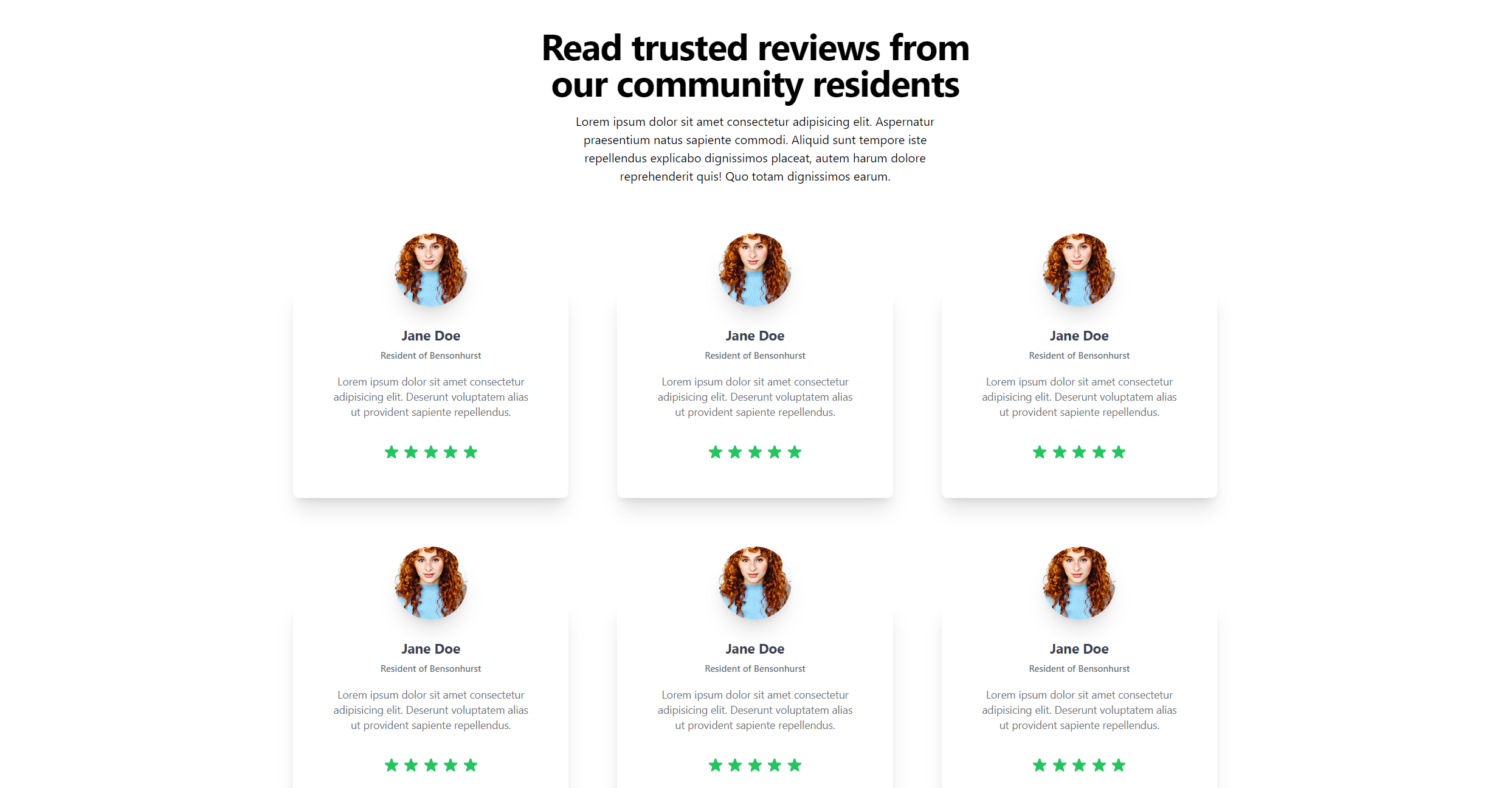
Testimonials
-
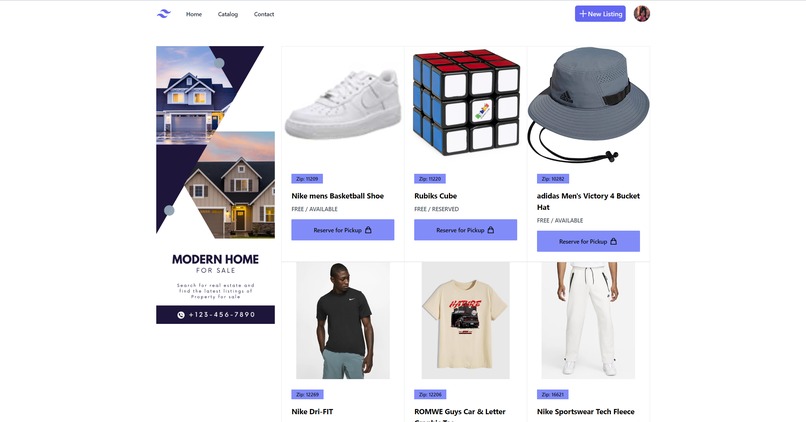
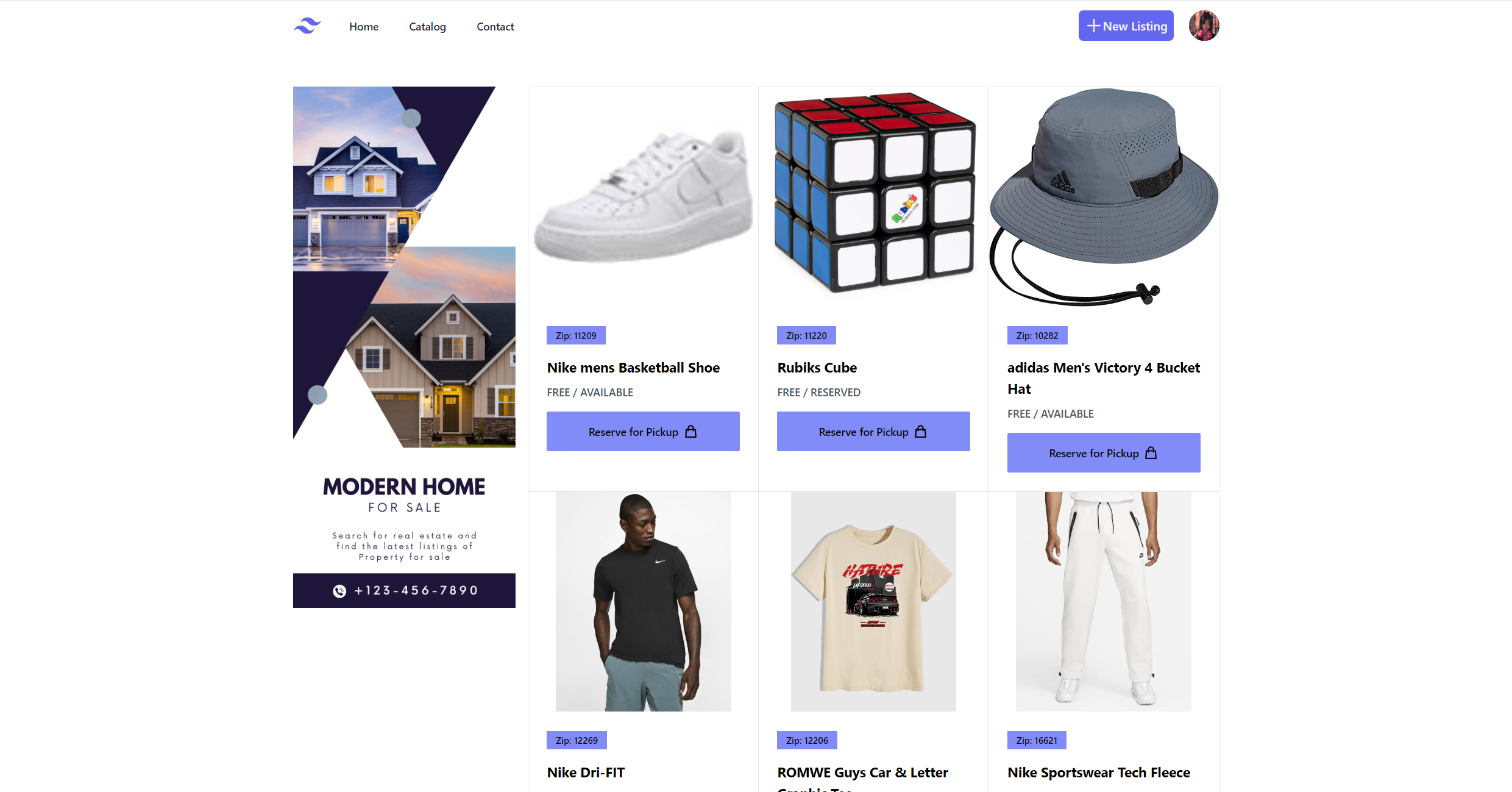
Catalog
-
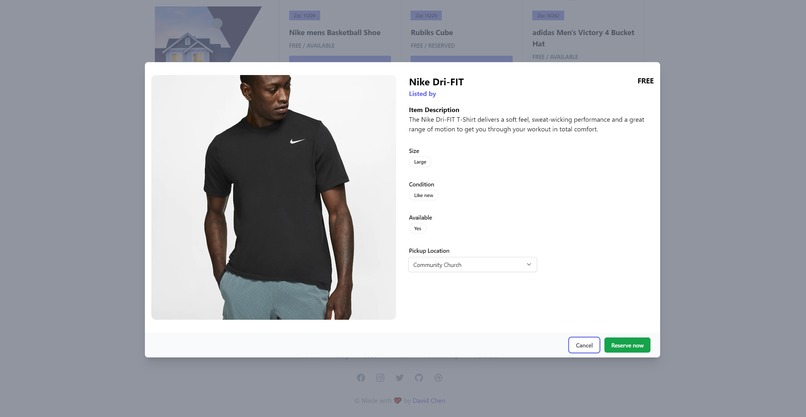
Pickup Page
-
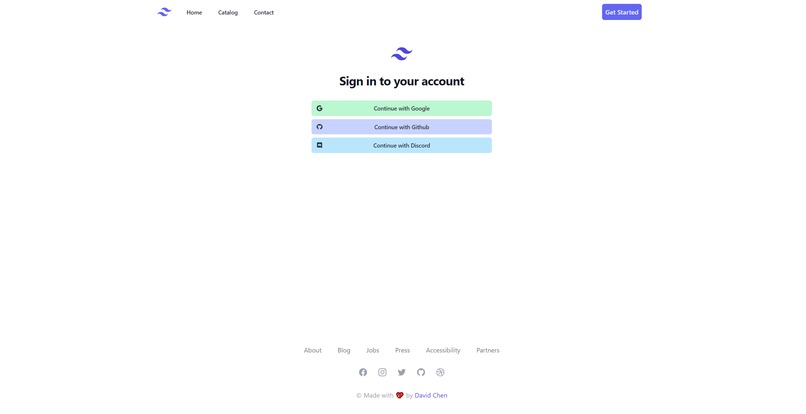
Sign in page
Thrifty Network
Inspiration
My inspiration for the project came from my community, which is relatively low on the socioeconomic ladder in New York City. I have witnessed people first-hand without proper clothing and other accessories. Having witnessed first-hand people shivering in the cold or rummaging through the garbage cans, it really pains me to see that sort of condition. I have taken this project as a chance to make an online platform for people to access through any means to feel the love of the community.
The lack of proper intervention on part of both the government and the locals are both culprits in this long-standing problem. Like how grassroots organizations are starting with the people who are experiencing the problems themselves, Thrifty Network aims to start with the people who are the victims and for others to help with whatever they can spare. This approach will require far fewer resources and time to make a tangible impact on the issue
What it does
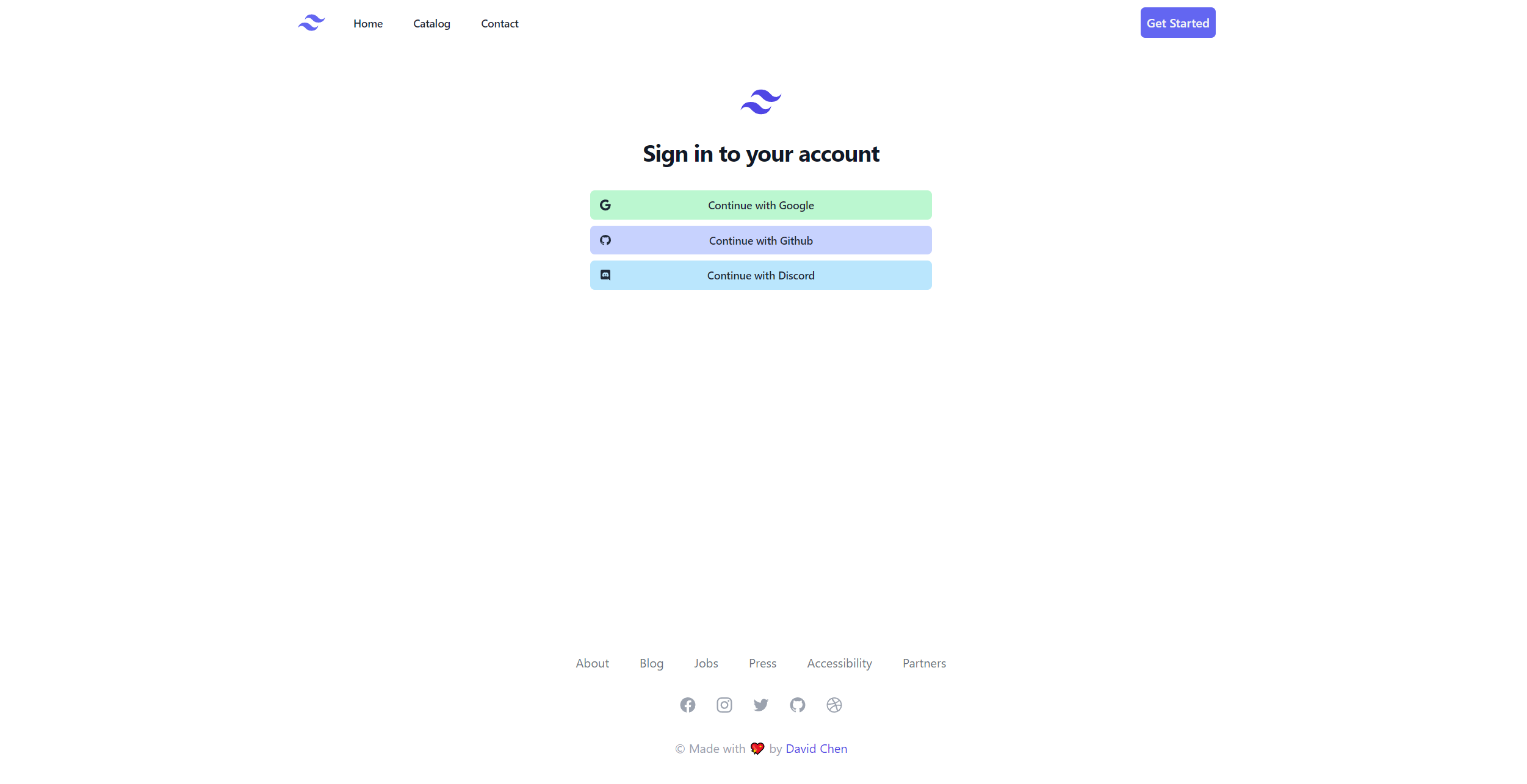
It provides community residents with an online platform to help each other. People can read all about what it does through our beautifully curated landing page. Users can log in through a variety of oAuth methods, with more to come in the future, and once logged in, they can access the full features of the platform. I decided to use oAuth because it provides people with the ease of mind that their credentials will be safe and all they are providing are non-critical information.
Providing free goods and clothings are an effective way to help people endure through their hardships. This is a significant contrast to the traditional thrift shop where one would still have to pay for used goods. As the saying goes, every penny counts. Through this platform, all parties can be beneficiaries of this community operation
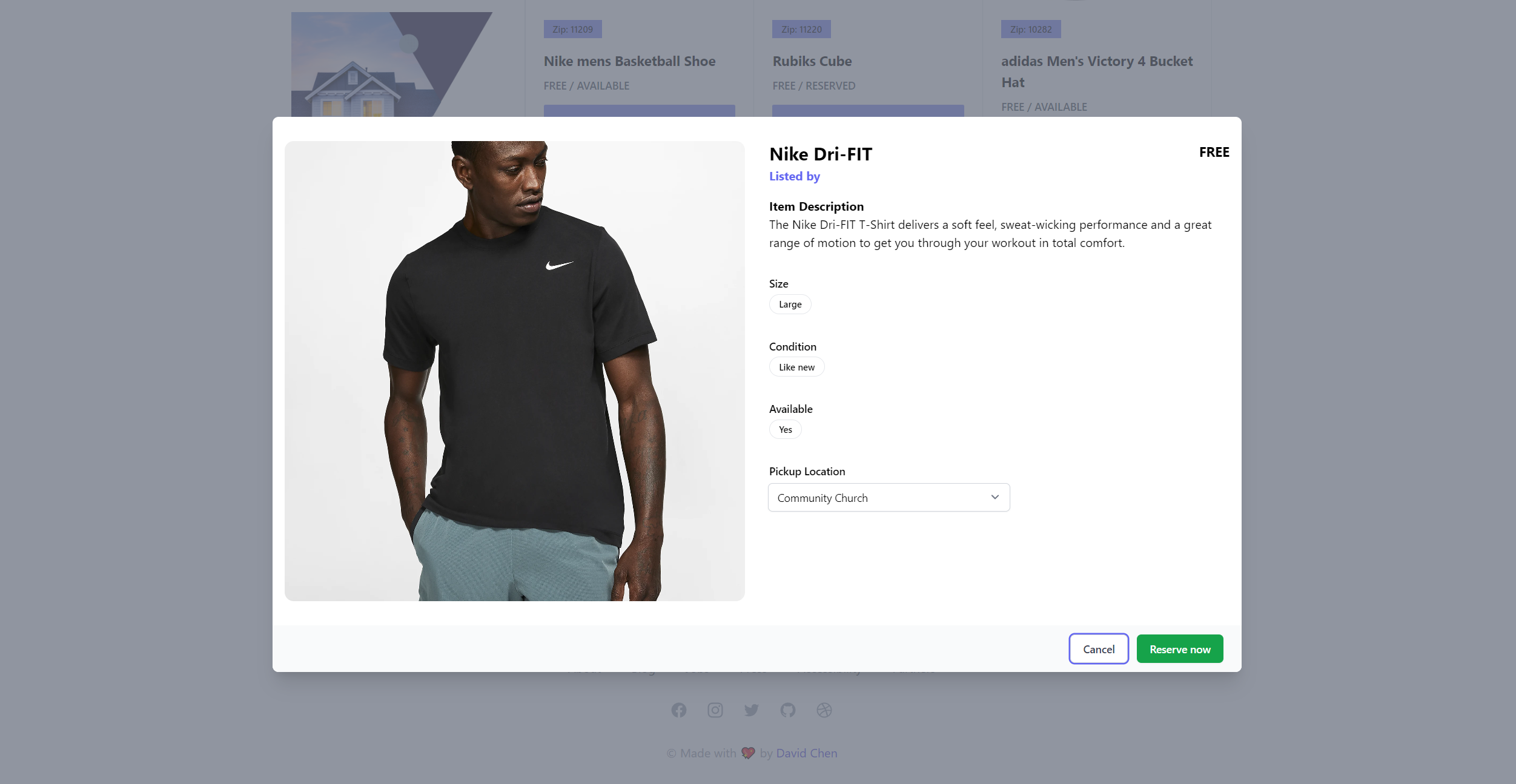
Through this website, people can easily list whatever they have on hand that they are willing to give away. Other users also on the platform can then view the catalog and find what they want. Upon clicking the reserve for pickup button, a modal will open, displaying all the specifications of the product such as condition, zip code, size, name, description, and more. If all checks out, users can then go ahead and reserve the item for a place to pick up from. Pickup places are in the public to ensure exchange safety and to facilitate a friendly environment for potential further communications.
How I built it
This entire project is made with Next.JS, a web development framework built upon React. NextJS allows for many cutting-edge features such as serverside-rendering and SWR Minifying. It also makes use of Tailwind CSS, Prisma (Type ORM), Postgres, CSS, NextAuth, and much more.
Challenges I ran into
Some challenges we ran into included
- figuring out how to integrate the API routes with the frontend without excessive rerenders or requests.
- fixing errors of incompatible types returned from Prisma and passing that into page props
- managing the domain on gen.xyz
- Brainstorming and planning out the project structure, API routes, and how these are all going to work together to create a user-friendly experience.
Accomplishments that I am proud of
I am proud that I have successfully integrated Prisma ORM into the project, which allows for significantly easier database querying and a much friendlier developer experience.
What I learned
I have learned a lot over the course of this hackathon
I learned
- How to develop fast and scalable web applications
- How to reduce the number of unnecessary requests for the frontend
- Learned how to manage my limited time and resources effectively, putting the highest priority on the features that would make for a Minimum Viable Product
- Learned more about serverside rendering and tailwind CSS properties
What's next for Thrifty Networks
Implement verification for users to ensure that they are indeed part of a said community. Future plans can allow for verified community leaders to create their own subdomain on the site. Residents of the community can then access that special subdomain to access items in their specific neighborhood. This can be accomplished with Prisma and multi-tenancy. Future features will also include a user dashboard, catalog filtering, Google Maps integration, and an option to charge a small fee for shipping.
Built With
- cloudinary
- nextjs
- prisma
- psql
- pwa
- react
- react-icons
- render
- tailwind
- vercel


Log in or sign up for Devpost to join the conversation.