-
-
-
-

Threshold
-
Traditional Onbording Access
-
Context Brief
-
Knowledge Capture

Threshold
One space. Many agents. The rules stay.
Track: Agents
Lane: Build
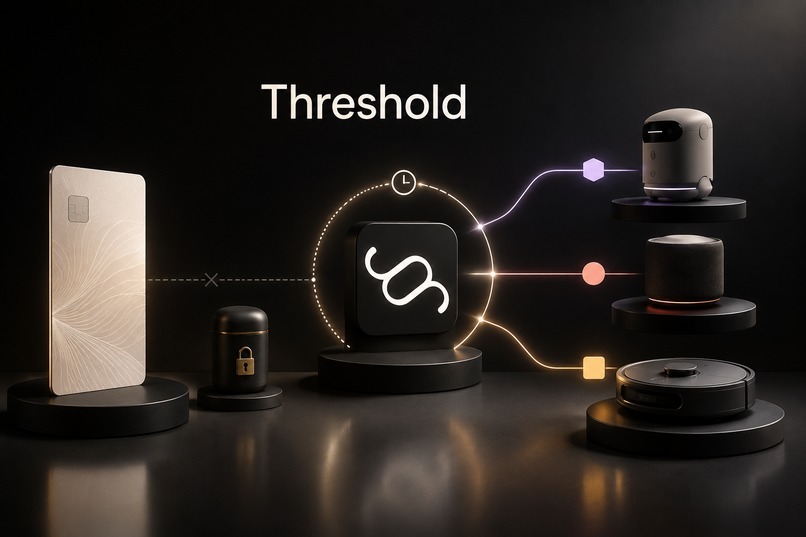
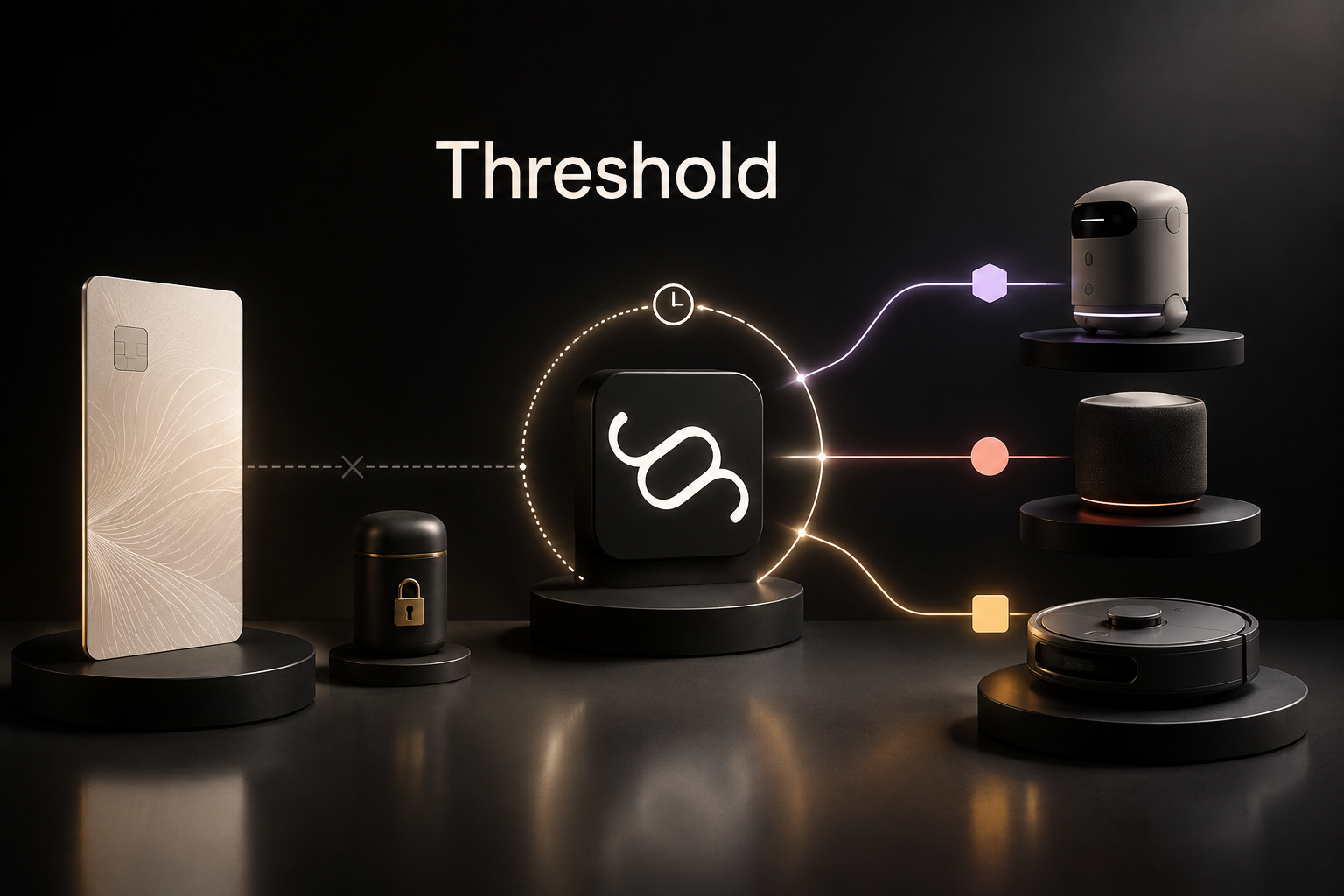
Threshold is an owner controlled context card for AI agents entering shared spaces. It lets a home, office, room, or building share only the local rules an incoming agent needs for one task, for one purpose, and for one limited time.
The problem
As AI moves from screens into physical spaces, people will interact with many agents from many providers. Some will be owned, some rented for one task, and some replaced as new models and hardware appear.
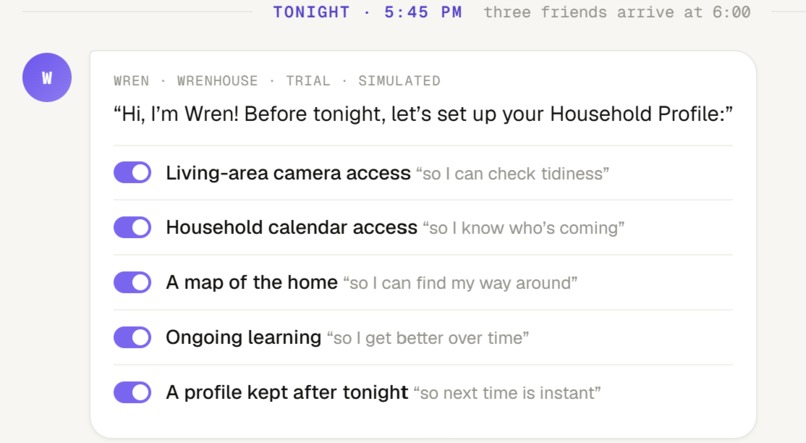
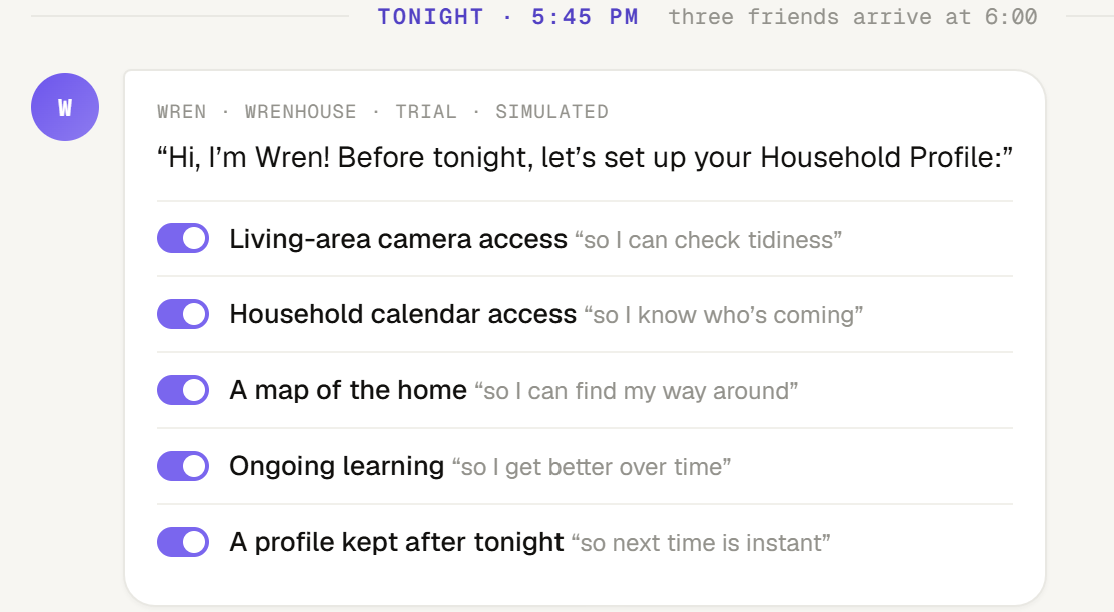
Today, each provider creates its own profile, onboarding flow, and data silo. The people responsible for the space either repeat the same rules every time or give a new vendor a broad, lasting view of their environment.
That is the wrong ownership model.
The rules of a shared space should belong to the people who live or work there, not to the first provider that collected them.
Who this is for
Threshold is designed for a person or team responsible for a shared space.
The submitted demo is a household example. A household administrator is trying a simulated visiting assistant for one evening while friends are over. The same model can apply to offices, apartment buildings, hotel rooms, venues, and other spaces where different AI agents may come and go.
The AI Passport claim
A named incoming AI agent may read selected shared space context for a stated purpose and time window, subject to holder approval.
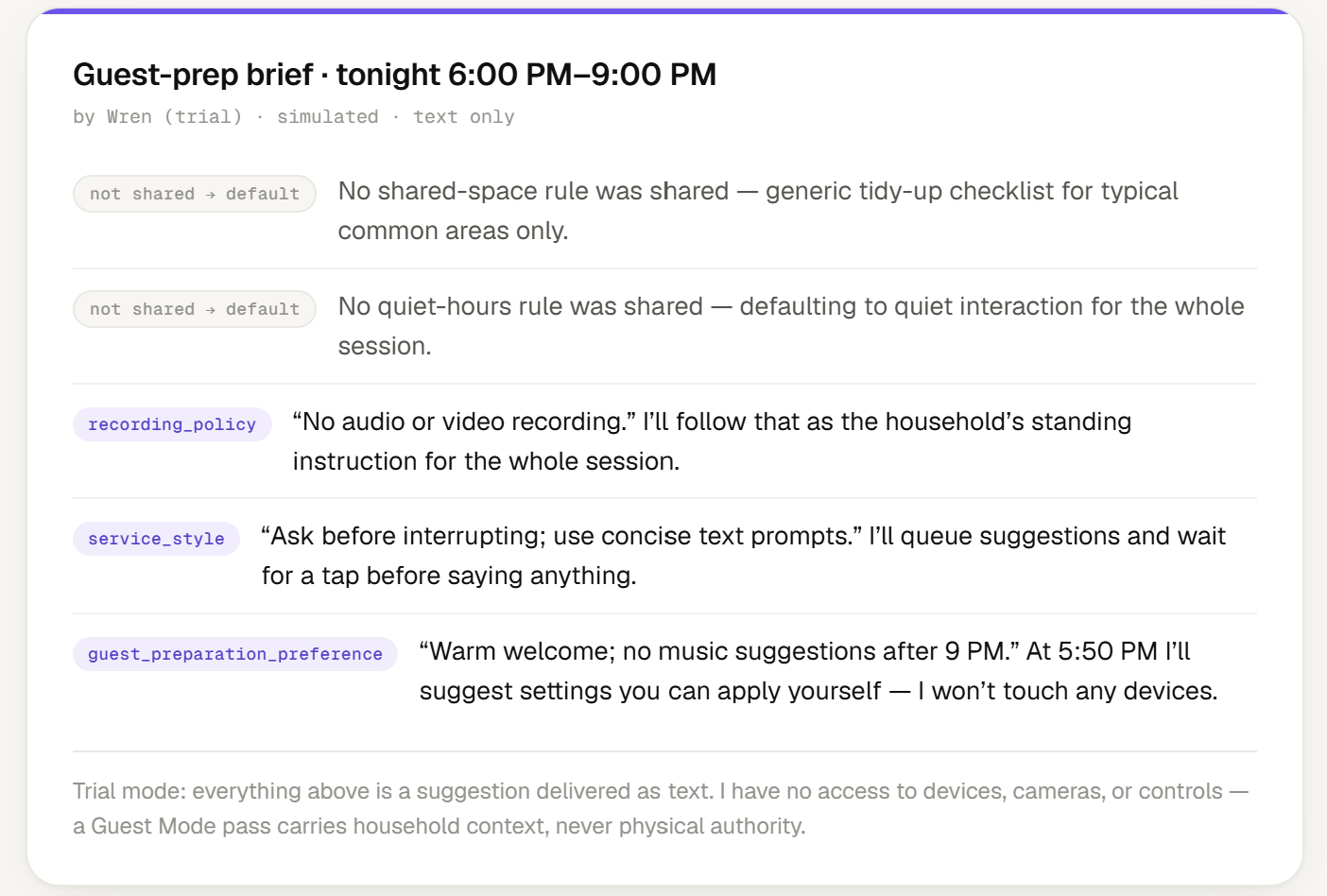
In the demo, the agent requests a temporary Guest Mode pass to prepare a text only guest brief. The request names the fields it wants, explains why it wants them, and expires automatically at the end of the evening.
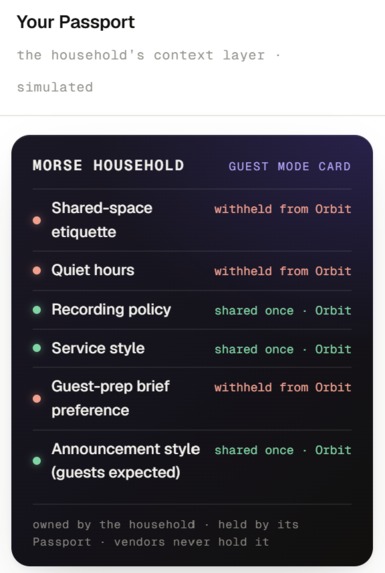
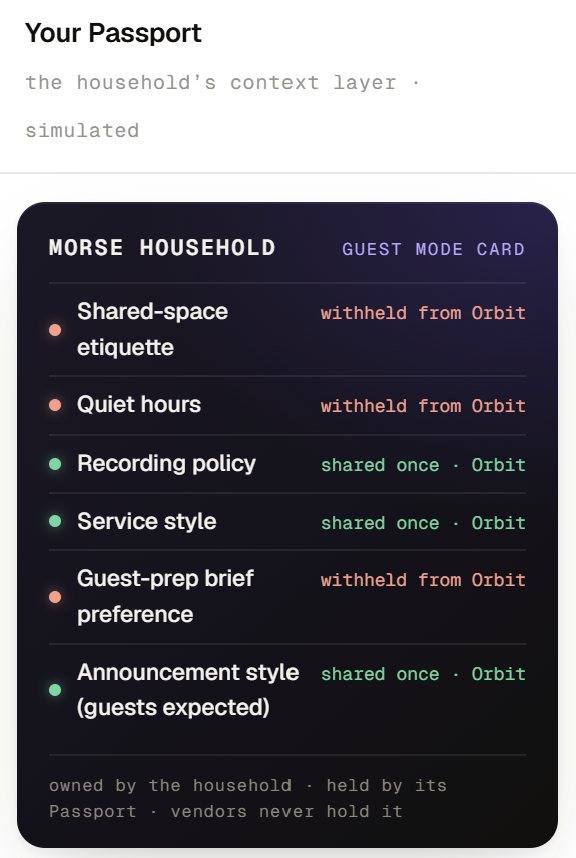
The holder controls the request. They can approve, edit, withhold, or deny each field before anything is shared.
What the demo shows
A specific request
The incoming assistant requests named shared space rules for a specific purpose and time window.Automatic refusal of out of scope context
It also requests private calendar information that is outside Guest Mode. The gateway refuses that request, records the refusal, and does not ask the holder to negotiate it.Holder control
The holder edits quiet hours and withholds a field before granting the scoped pass.A useful but limited outcome
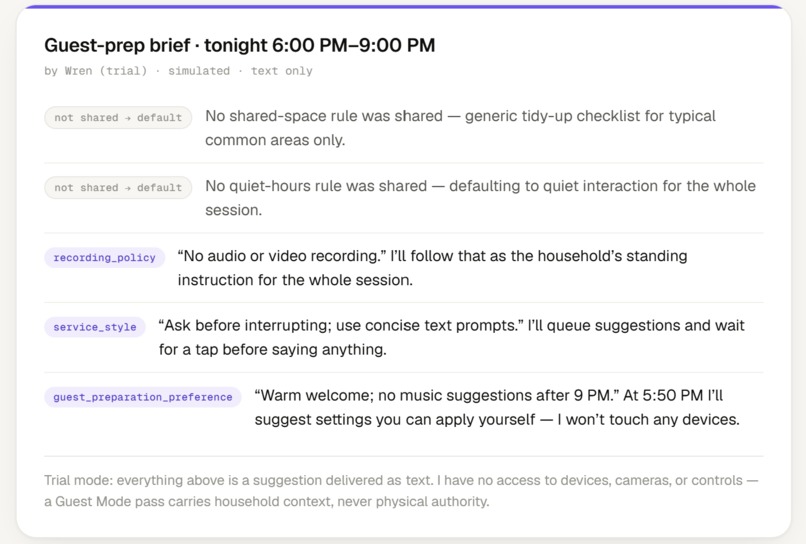
The assistant receives only approved context and creates a guest preparation brief. Each recommendation visibly traces back to an approved field. Withheld fields receive neutral defaults.No silent profile growth
The assistant can propose a durable new rule, but it is saved only if the holder explicitly approves it. The saved rule records both who proposed it and who approved it.Expiry and revocation
The pass expires at 9:00 PM. A later read is refused and shown in the receipt. Revocation and expiry stop future reads. They do not claim to erase information already disclosed.Context exit across providers
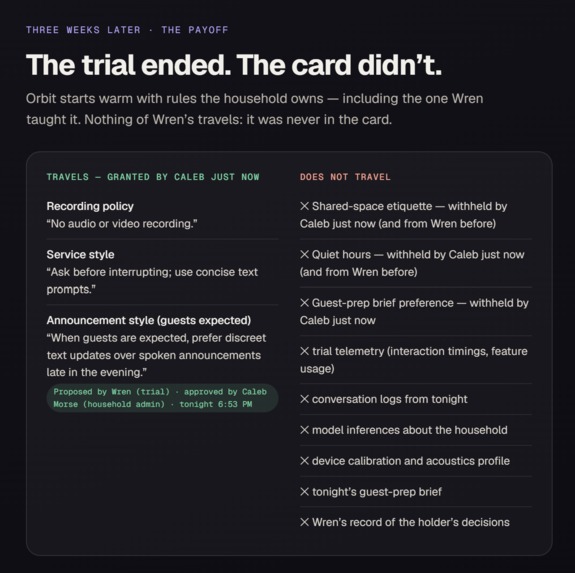
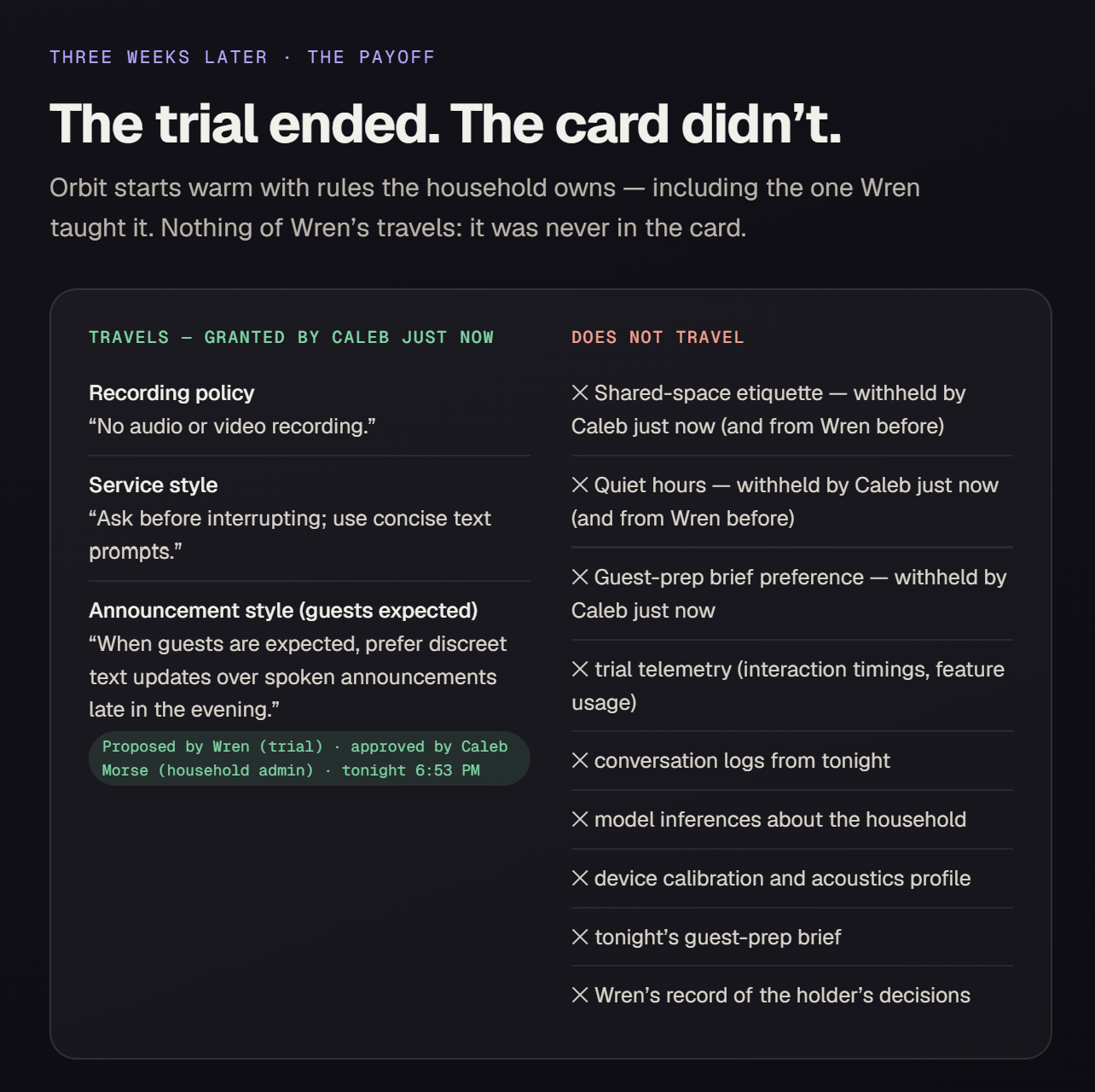
Weeks later, a different simulated provider makes a fresh request against the same household owned card. It can request the household rules again, but it does not inherit the first provider's telemetry, logs, or hidden inferences because those were never part of the card.
What travels and what does not
What can travel:
- Shared space etiquette
- Quiet hours
- Recording policy as a household instruction
- Service style
- Guest preparation preferences
- Holder approved durable rules with provenance
- A purpose limited and time limited permission
What does not travel:
- Private calendars
- Security or camera feeds
- Bedroom details
- Home maps
- Health or financial information
- Vendor telemetry
- Vendor logs
- Hidden inferences
- Permanent background access
- Physical control authority
Threshold governs context permission. It does not operate devices, disable sensors, block cameras, or enforce a vendor's behavior in the physical world.
Why AI Passport matters
A vendor settings page belongs to one product. Threshold belongs to the shared space.
The next provider can make a fresh, bounded request for the space's rules without receiving the previous provider's private data. That creates a future where context survives changing vendors while ownership remains with the people responsible for the space.
The household demo is the first slice of a broader Shared Space Context Gateway for homes, offices, rooms, and buildings.
Receipts and limits
Every request, refusal, decision, read, and proposed write creates a receipt. The prototype also links receipts with SHA 256 hashes and includes a Verify Chain control that recomputes the links as a local consistency check.
This is not presented as external tamper proofing or agent identity verification. The same browser page writes and verifies the demo ledger, so it cannot prove who wrote an entry or prevent a writer from recomputing the chain.
What is built
Threshold is a working browser prototype built with HTML, CSS, and JavaScript and deployed on Vercel.
The consent flow is real code running on mock data. It includes 15 automated tests covering scoped access, automatic refusal, edits, expiry, revocation, proposed writes, fresh consent for a second provider, denied data isolation, and receipt link consistency.
This is an independent concept prototype. It does not claim a live Egoist integration, real AI Passport account connection, robot integration, smart home integration, or physical device control.
First version and next step
The first real version would be a design partner pilot with one provider entering a shared space for a bounded, context only trial.
The provider would implement the same request, approve or edit, scoped read, receipt, expiry, and fresh provider consent loop against AI Passport's documented mechanics. The goal would be to learn whether people responsible for shared spaces are more willing to try new AI agents when they retain ownership of the rules.
Conclusion
This entry is for a person or team responsible for a shared space, who needs the Shared Space Context Gateway to verify that an incoming AI agent holds a valid, purpose limited, time limited permission to read selected local context so they can receive adaptive help without giving away more context than necessary.
Built With
- claude
- creativity
- ideas
- vercel

Log in or sign up for Devpost to join the conversation.