Inspiration
Most AI tools today are fragmented. Chatbots handle text, computer vision systems process images separately, document AI lacks real-time interaction, and avatar platforms often operate independently from retrieval and reasoning systems.
We wanted to build a unified multimodal AI platform where conversational AI, Retrieval-Augmented Generation (RAG), OCR, computer vision, and AI avatars work together in a single seamless experience.
That vision inspired Thread.ai — a real-time multimodal AI interaction platform designed to bridge the gap between understanding, reasoning, and human-like communication.
Project Resources
Live Product: https://threadai-bharat-aws-genai.vercel.app/
GitHub Repository: https://github.com/viv2005ek/ThreadAi-RealTimeAiVideoCall
Demo Video: https://youtu.be/ci9qdkgSVss
Technical Documentation: https://docs.google.com/document/d/1Uqi4W7bhbHs56ksUohuj69Ux1aw64ah1xIvUzm2ykf0/edit?usp=sharing
What it does
Thread.ai is a real-time multimodal AI interaction platform that combines multiple AI capabilities into a single intelligent workflow.
The platform integrates:
- Conversational AI
- Retrieval-Augmented Generation (RAG)
- PDF Intelligence
- OCR (Optical Character Recognition)
- Computer Vision & Object Detection
- AI-Generated Lip-Synced Avatars
- Persistent Chat Storage & Context Memory
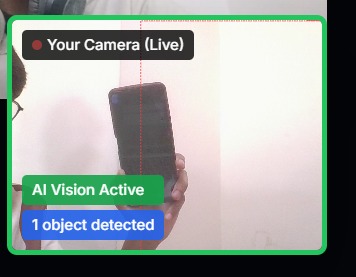
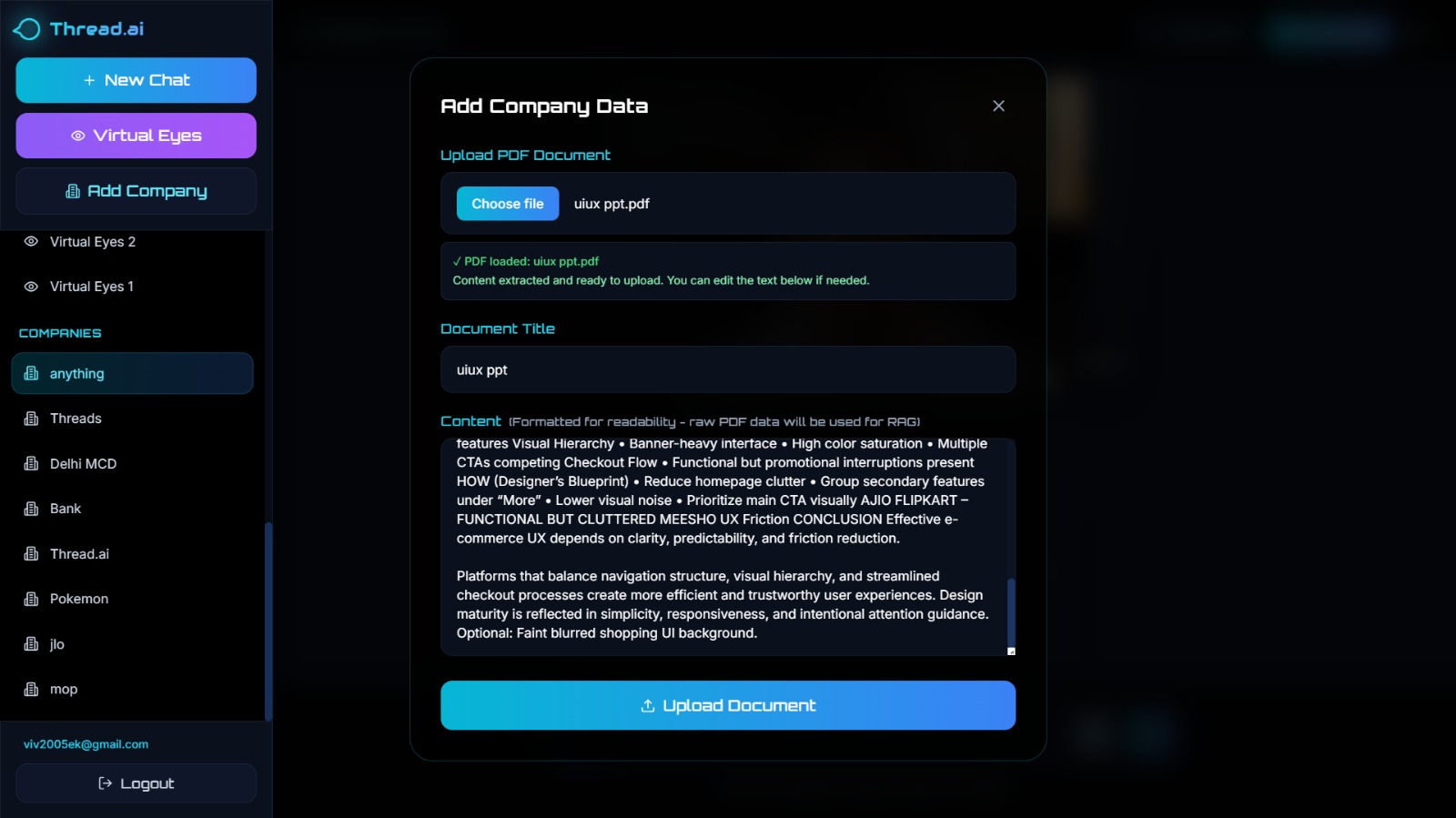
Users can upload PDFs and interact with document-grounded AI through a Retrieval-Augmented Generation pipeline. Images can be analyzed using OCR and TensorFlow-powered object detection, enabling visual understanding alongside textual reasoning.
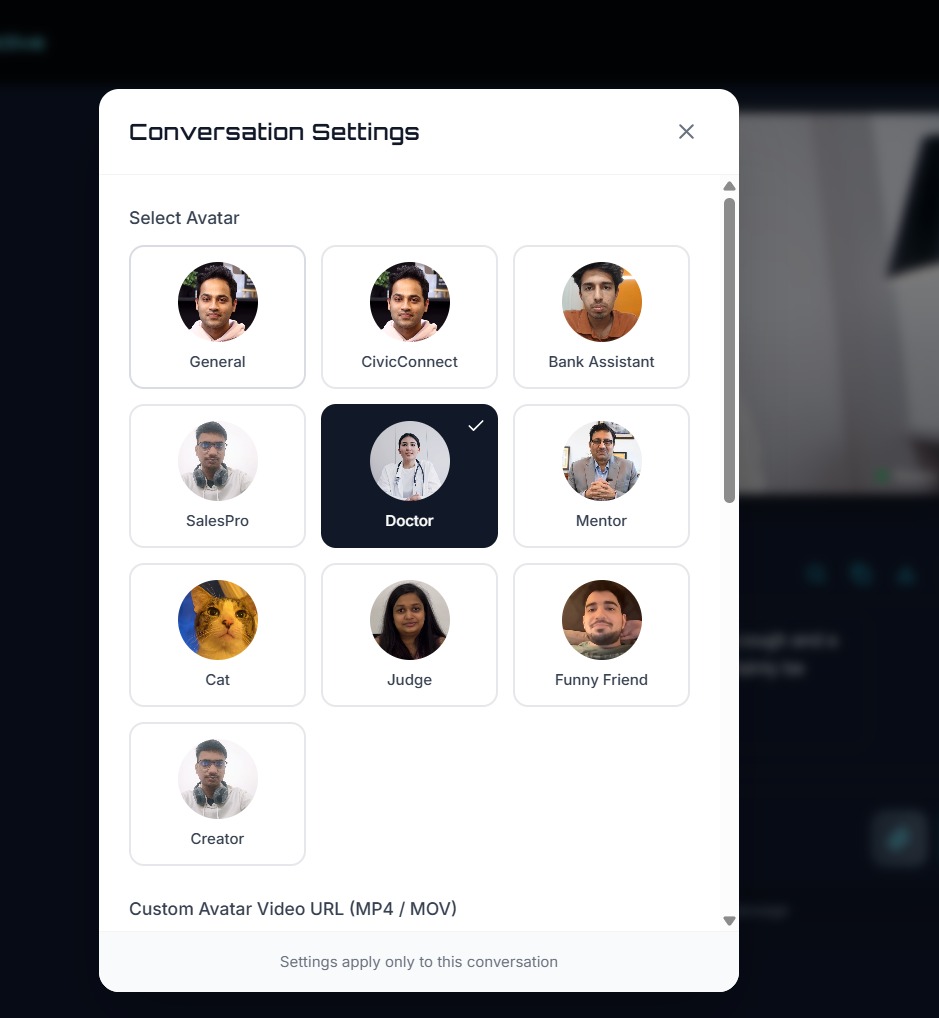
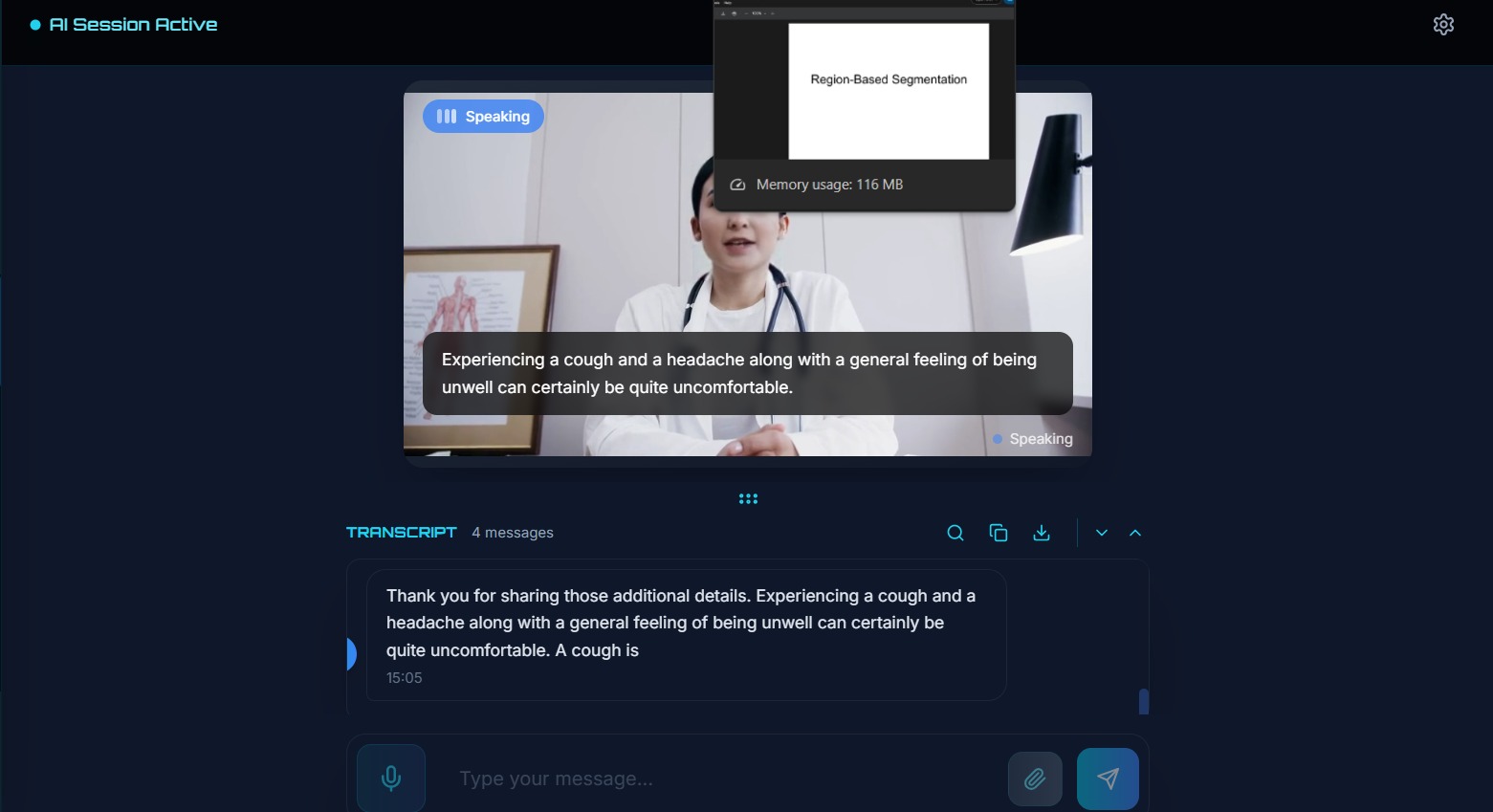
Instead of receiving traditional text-only responses, users can interact with AI-generated talking avatars that deliver responses through synchronized speech and lip movement.
The result is a richer and more immersive AI experience that combines understanding, retrieval, reasoning, and communication.
How we built it
Frontend
Built using:
- React
- TypeScript
- Vite
- TailwindCSS
- Framer Motion
The frontend handles:
- Real-time chat interactions
- Avatar rendering
- Conversation management
- Multi-session workflows
- Dashboard and authentication experiences
AI & Knowledge Layer
We integrated:
- Pinecone Vector Database
- PDF Parsing (pdfjs-dist)
- OCR using Tesseract.js
- TensorFlow.js
- COCO-SSD Object Detection
The platform uses a Retrieval-Augmented Generation pipeline where:
- PDFs are uploaded and parsed
- Content is converted into embeddings
- Embeddings are stored in Pinecone
- Relevant chunks are retrieved during conversations
- Retrieved context is injected into AI responses
This enables document-grounded reasoning instead of relying solely on model memory.
Backend Infrastructure
Built using:
- Node.js
- Express.js
- Firebase Authentication
- Firestore Database
The backend handles:
- Authentication
- Conversation persistence
- AI orchestration
- Secure API handling
- Avatar generation workflows
Avatar Generation Pipeline
We integrated:
- Gooey.ai
- Text-to-Speech Generation
- Lip-Sync Video Rendering
The avatar workflow is:
Text Response → Speech Generation → Gooey.ai Lip Sync → AI Avatar Video Response
This allows Thread.ai to communicate through realistic AI-generated talking avatars.
Challenges we ran into
The most difficult challenge was orchestrating multiple AI systems together in real time.
Some of the major challenges included:
- Latency optimization across OCR, RAG, vision processing, and avatar generation
- Maintaining contextual consistency between multimodal inputs
- Synchronizing AI-generated speech with lip-synced video output
- Designing a smooth real-time interaction workflow
- Managing retrieval quality from uploaded documents
- Coordinating multiple asynchronous AI pipelines
Combining retrieval, vision, OCR, and avatar generation into a single user experience required significant architectural iteration and optimization.
Accomplishments that we're proud of
- Successfully integrated multiple AI modalities into a single platform
- Built a working real-time multimodal AI interaction system
- Implemented a complete Retrieval-Augmented Generation pipeline using Pinecone
- Enabled document-grounded conversations through PDF intelligence
- Integrated OCR and object detection into conversational workflows
- Built AI-generated lip-synced avatar responses
- Created a scalable modular architecture rather than a simple AI wrapper
- Developed a complete end-to-end multimodal workflow from input to avatar response
We are especially proud that Thread.ai feels like a true AI interaction platform rather than a traditional chatbot demo.
What we learned
Building Thread.ai reinforced an important lesson:
Modern AI products are orchestration systems, not simply model integrations.
Throughout development, we gained experience with:
- Multimodal AI architectures
- Vector databases and semantic retrieval
- Retrieval-Augmented Generation systems
- OCR and computer vision workflows
- AI pipeline orchestration
- Frontend-backend synchronization
- Real-time interaction systems
- AI latency optimization
- Scalable GenAI application design
Most importantly, we learned how multiple AI modalities can work together to create more natural, useful, and human-centered experiences.
What Changed and Upgraded
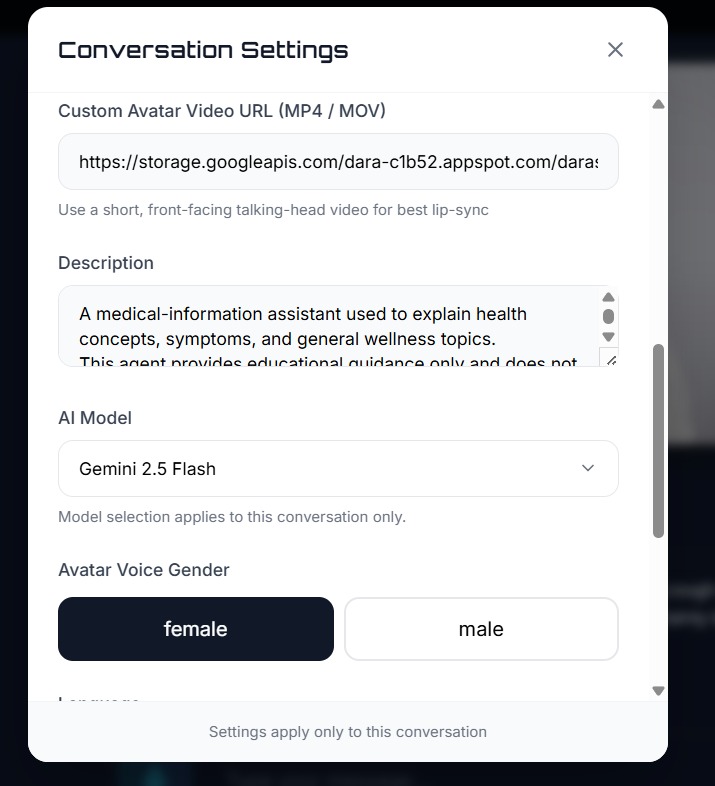
Now Its video quality and audio quality is enhanced. Its voice recoginition ability also upgraded. Rag doing its job but Gemini Reasoning model also validate the response is correct.
Guardrails are getting used to protect mcp and Rag store documents.
What's next for Thread.ai
We see Thread.ai as the foundation for next-generation multimodal AI assistants.
Future plans include:
- Real-time streaming LLM responses
- WebRTC-powered low-latency communication
- Autonomous AI agents
- Long-term multimodal memory systems
- Enterprise knowledge assistant capabilities
- Edge AI deployment
- Multi-avatar collaboration
- Production-ready containerized infrastructure
- Advanced multimodal reasoning pipelines
Our long-term vision is to evolve Thread.ai into a scalable framework for intelligent multimodal assistants, AI personas, and real-time AI collaboration systems.
Links
Live Product: https://threadai-bharat-aws-genai.vercel.app/
GitHub Repository: https://github.com/viv2005ek/ThreadAi-RealTimeAiVideoCall
Demo Video: https://youtu.be/ci9qdkgSVss
Technical Documentation: https://docs.google.com/document/d/1Uqi4W7bhbHs56ksUohuj69Ux1aw64ah1xIvUzm2ykf0/edit?usp=sharing
Built With
- apis
- coco-ssd
- express.js
- firebase
- firestore
- framermotion
- gooey.ai
- node.js
- pdfjs-dist
- pinecone
- rag
- react
- rest
- supabase
- tailwindcss
- tensorflow.js
- tesseract.js
- typescript
- vite


Log in or sign up for Devpost to join the conversation.