-
-
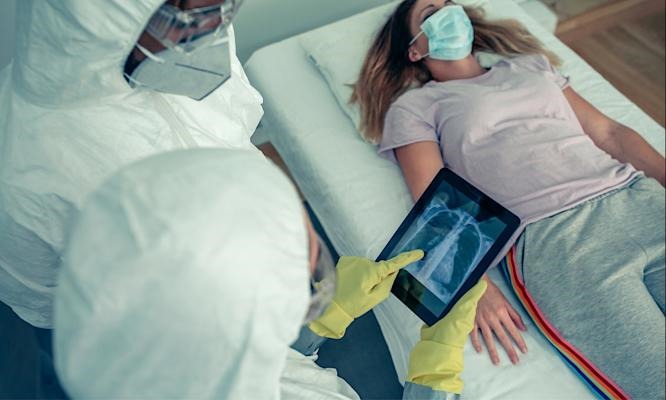
Rapid medical image analysis and diagnosis
-
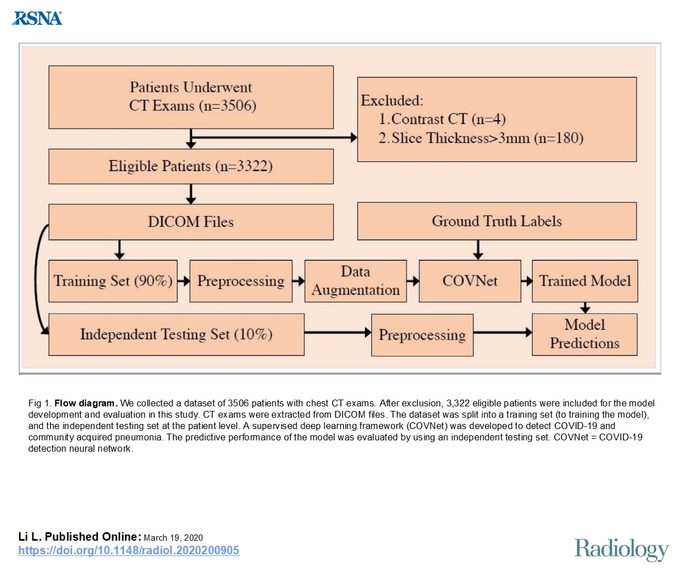
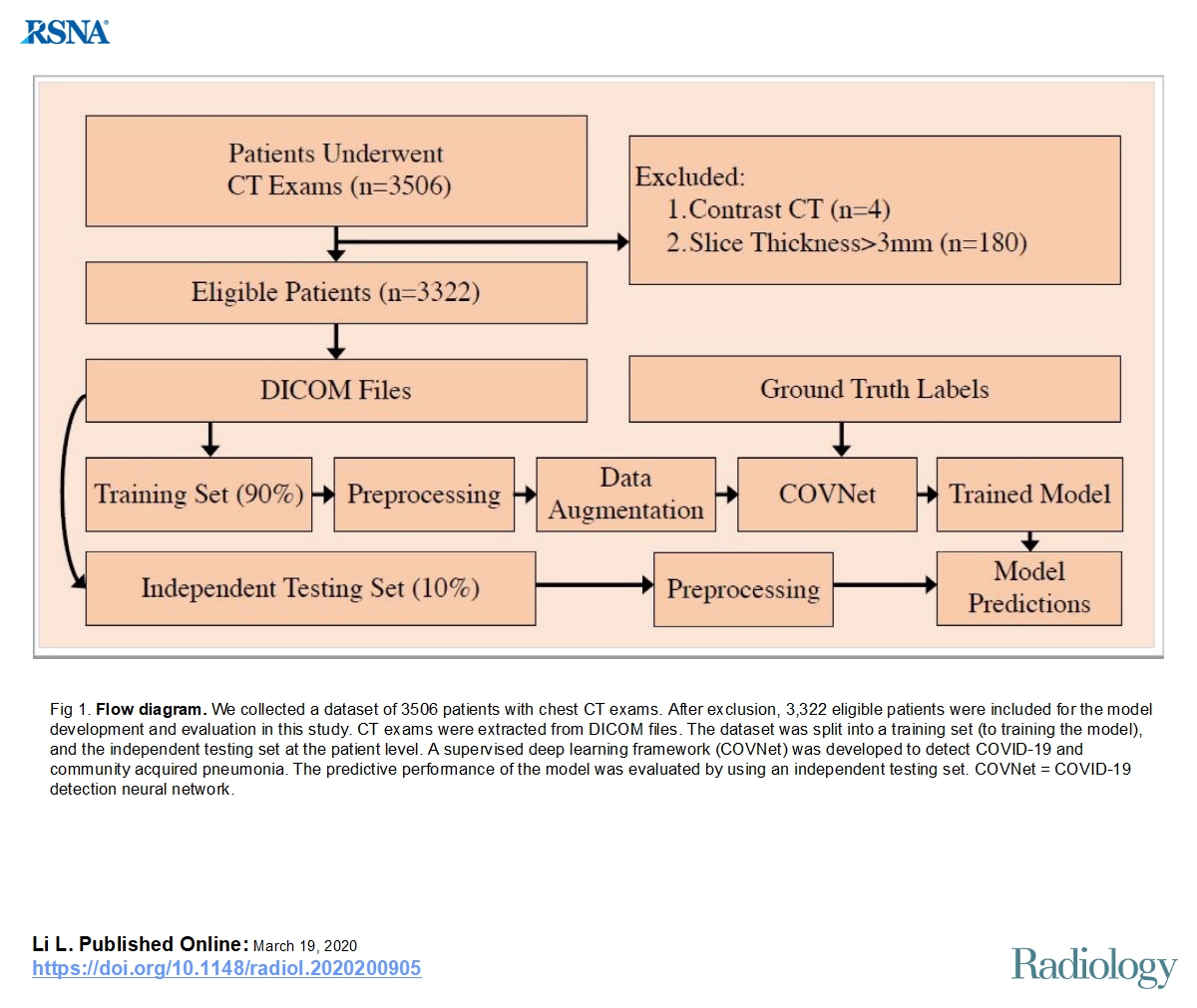
Covnet Neural network
-
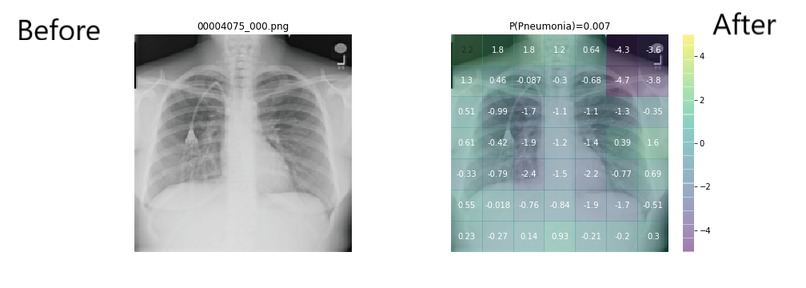
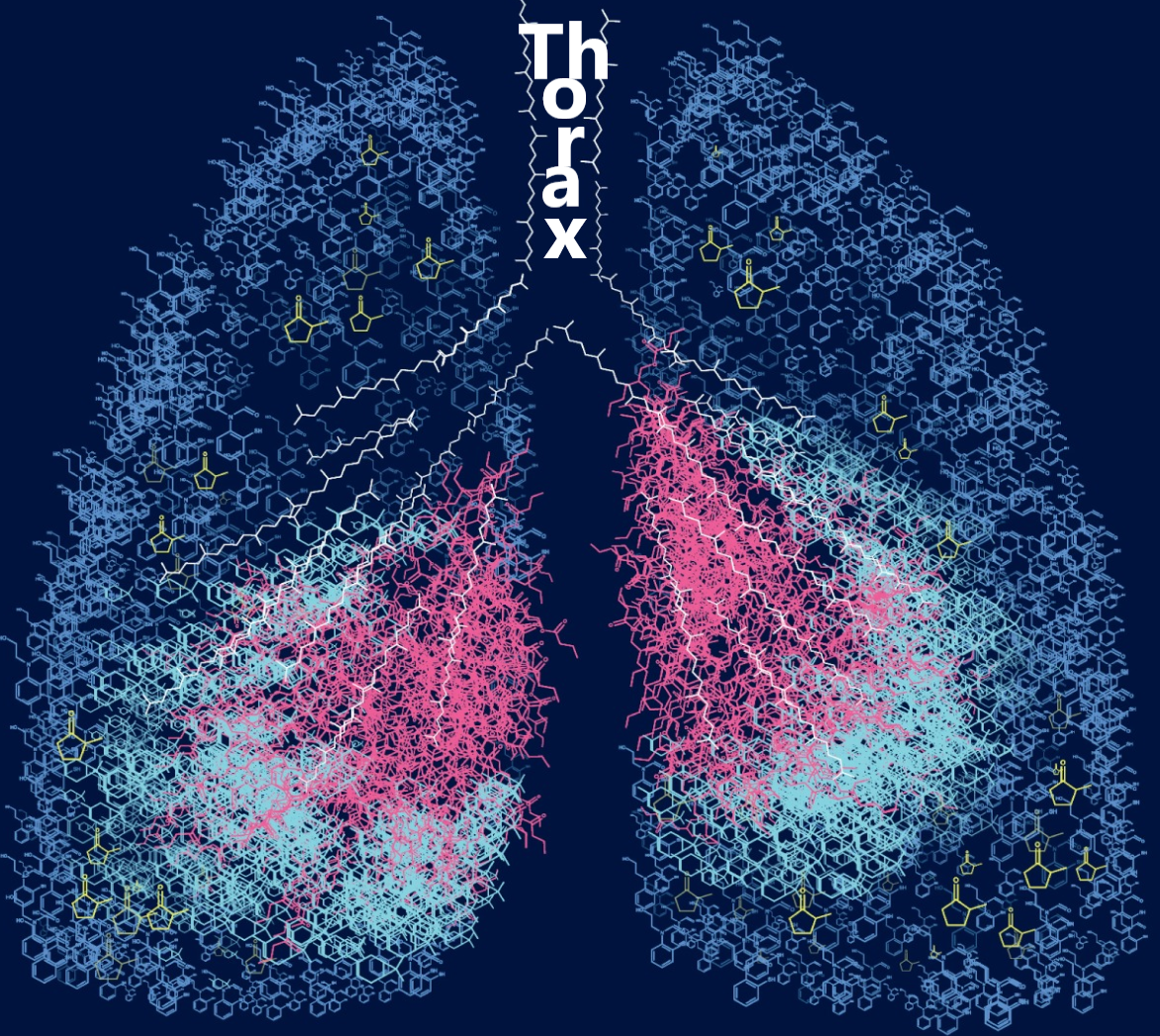
Thorax output
-
Deep learning for diagnosis
The problem project solves
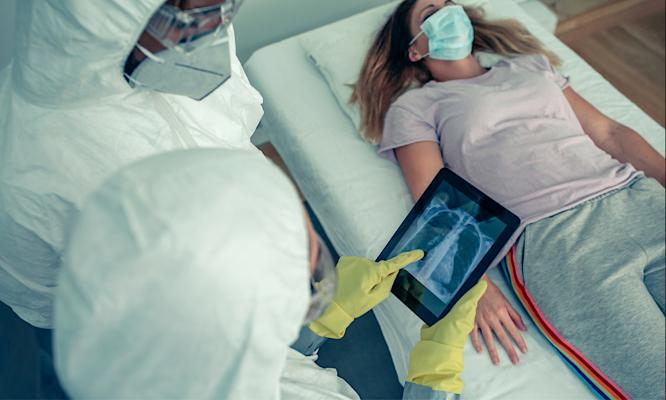
A good number of coronavirus infected-patients could have stood a better chance of survival by applying a fast image diagnosis system for early detection of pathologies and diseases patterns induced by the virus. The recommendation of self-quarantine for suspected patients does not provide a reliable way to access if the virus is actively destroying the victims lungs. This situation is currently causing thousands of deaths world-wide as we speak
Solution
Medical image analysis to rapidly detect and track the onset of deadly chest diseases and pneumonia caused by coronavirus infection. This solution could save thousands of lives worlwide.
Inspiration
The World Health Organization (WHO) officially declared the coronavirus outbreak a global pandemic on March 11th, as the outbreak has now spread to 100+ countries. The global death toll from the coronavirus has exceeded 183,000, with the number of cases worldwide at more than 2.6m. 90,496 people have died so far from the coronavirus COVID-19 outbreak as of April 24, 2020, 00:36 GMT.
According to world health organization, chest X-rays are currently the best available method for diagnosing pneumonia (WHO, 2001) and epidemiological studies given that the dificulties to get access to Polymerase Chain Reaction PCR (PCR) test kits . However, detecting pneumonia in chest X-rays is a challenging task that relies on the availability of expert radiologists who are overloaded and stressed in a global pandemic and crisis.
What it does
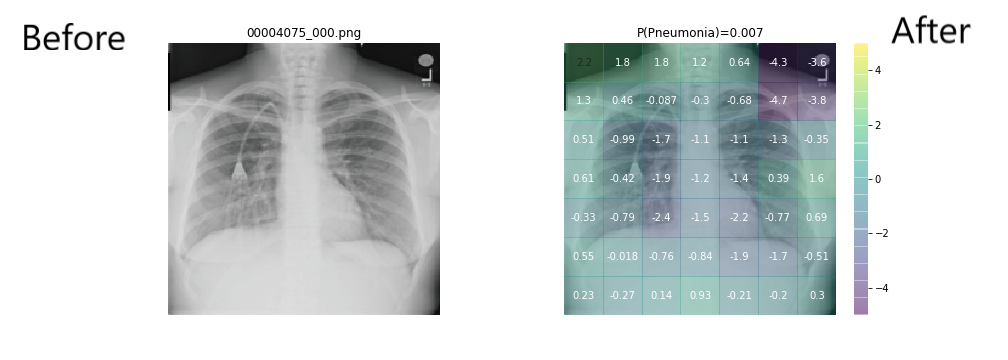
It that takes patient chest X-ray image as input and outputs the probability of a pathology like pneumonia.
How I built it
Applied deep learning technology and artificial intelligence to process and categorize an image leaveraging.
Challenges I ran into
- Shortage of compute resources like GPU and CUDA.
- The mybinder test is included so please be patient while trying out the POC.
- Access to anonymous chest xray images.
- This field is still new so a lot of research is needed.
Accomplishments that I'm proud of
Tested a working Proof-of-concept.
What I learned
Artifitial intelligence could be applied for good purposes like saving lives. As a decision support system Thorax could be a valuable tool for medical and hospital staff to conduct massive and more extensive diagnosis in a short period of time.
The value after the crisis
Expand the solution to detect more pathologies like skin cancer.
The necessities in order to continue the project
- Secure funding to further develop the capabilities
- Get more team members involved across the EU
What's next for Thorax
- Get sponsorship and funding to comercialize the project.
- Develop a clinical investigation plan, protocol and investigation manual.
- Submission to Ethics Committee and Healthcare Authorities for approval.
- Perform a pilot with the review by professionals and establishment of the knowledge base.
- Validate this system according relevant regulatory standards.
- Use the system according the Health Authorities with compassive use authorization.
- Establish a quailty system and a technical documentation and submit to a Notified Body for evaluation and certification according MDD or MDR as class IIa system.
- Integrate Thorax into a hospital health care system and existing image device manufacturers through partnerships.
References
Deep Learning at Chest Radiography: Automated Classification of Pulmonary Tuberculosis by Using Convolutional Neural Networks.Paras Lakhani , Baskaran Sundaram. Published Online:Apr 24 2017 : https://doi.org/10.1148/radiol.2017162326
Artificial Intelligence Distinguishes COVID-19 from Community Acquired Pneumonia on Chest CT Lin Li, Lixin Qin, Zeguo Xu, Youbing Yin, Xin Wang, Bin Kong, Junjie Bai, Yi Lu, Zhenghan Fang, Qi Song, Kunlin Cao, Daliang Liu, Guisheng Wang, Qizhong Xu, Xisheng Fang, Shiqin Zhang, Juan Xia, Jun Xia link
Xirouchaki N, Kondili E, Prinianakis G, et al. Impact of lung ultrasound on clinical decision making in critically ill patients. Intensive Care Med 2014; 40(l): 57-65.8. Wang XT, Liu Dw, Yu KJ, et al. Consensus on severe diseases from Chinese ultrasound experts. Clinical Focus 2017; 5(32): 369-383.
Built With
- artificial-intelligence
- deep-learning
- python





Log in or sign up for Devpost to join the conversation.