-
-
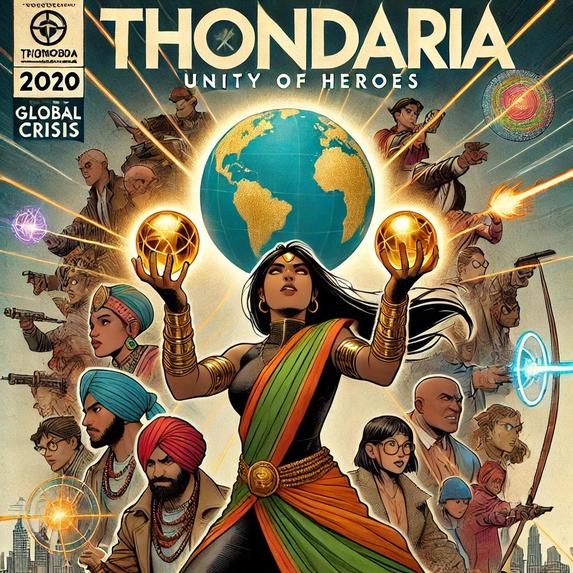
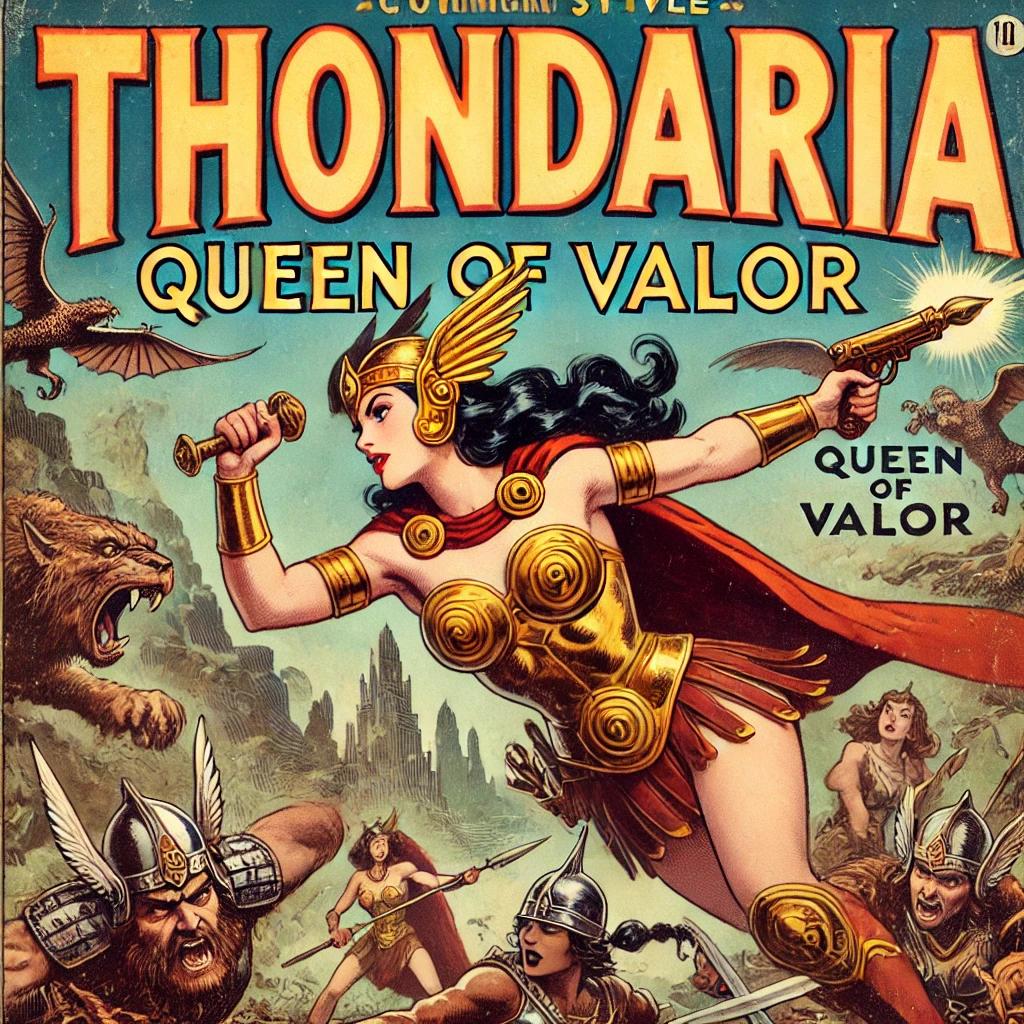
Thondaria Valkyrie of Brazil, Queen of Valor. Modern
-
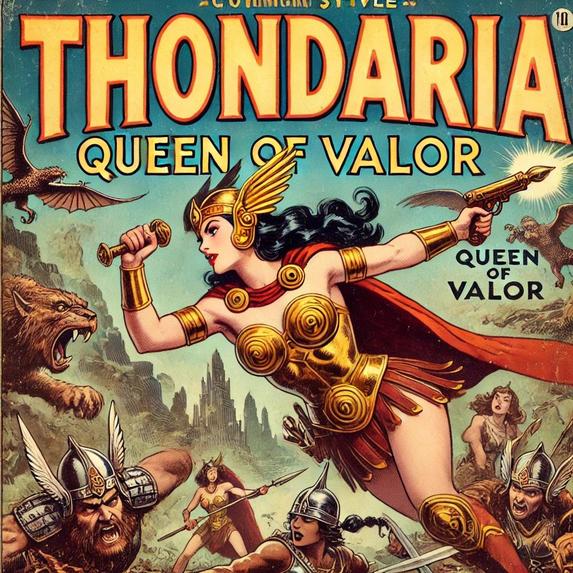
1930s Pulp
-
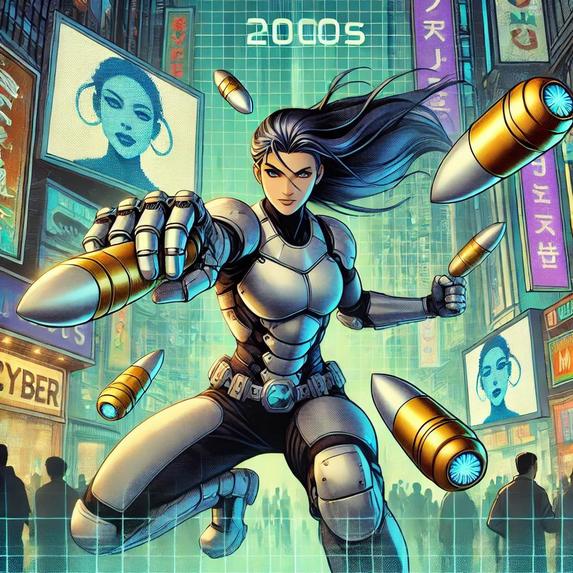
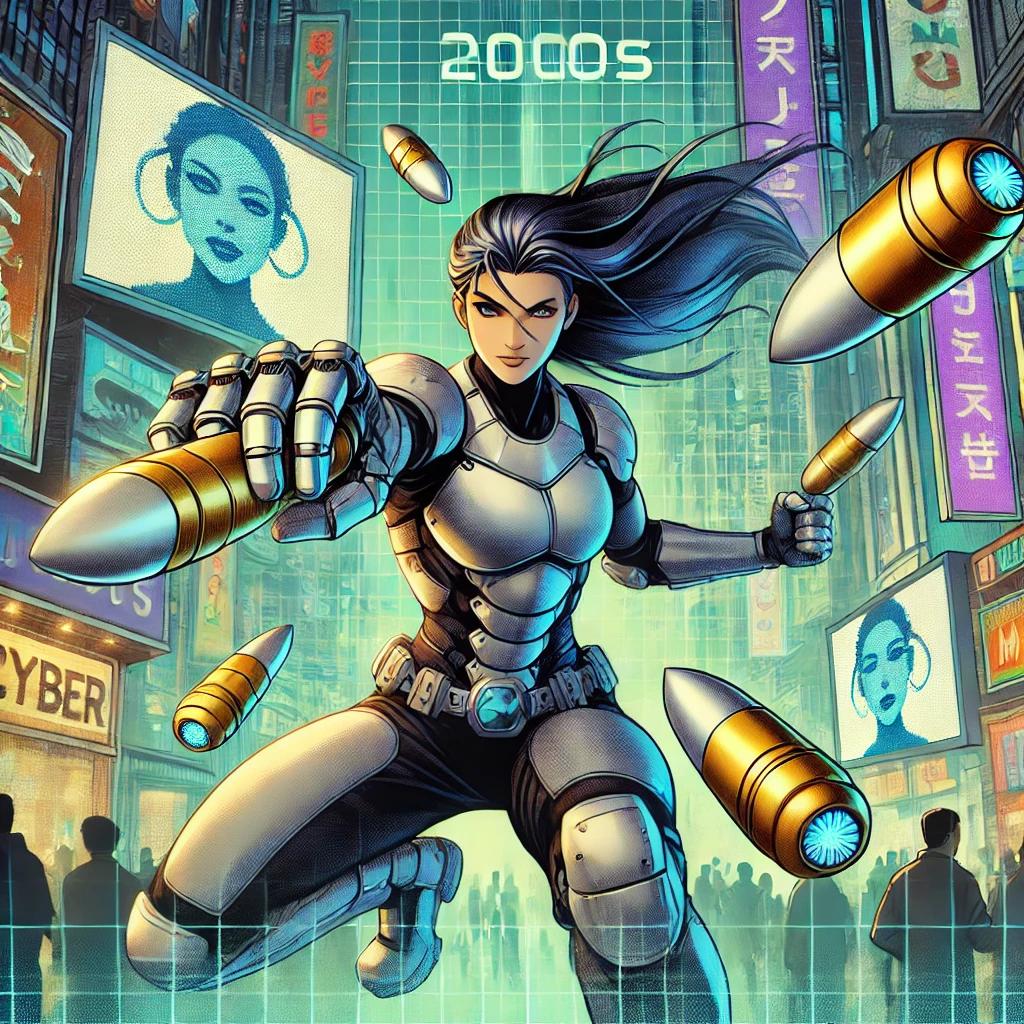
2000s Cyber
-
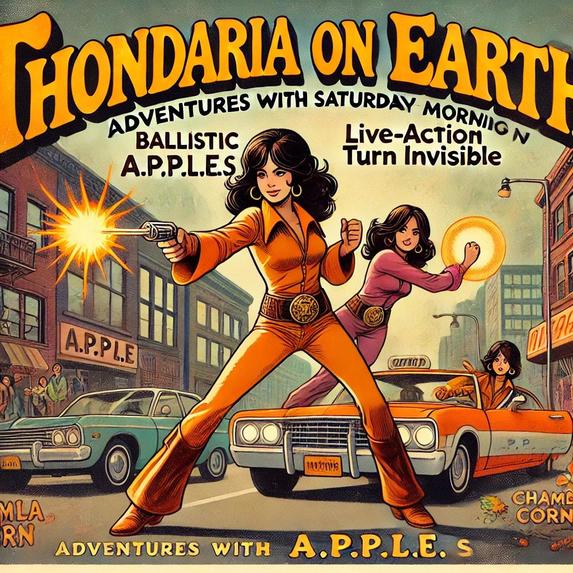
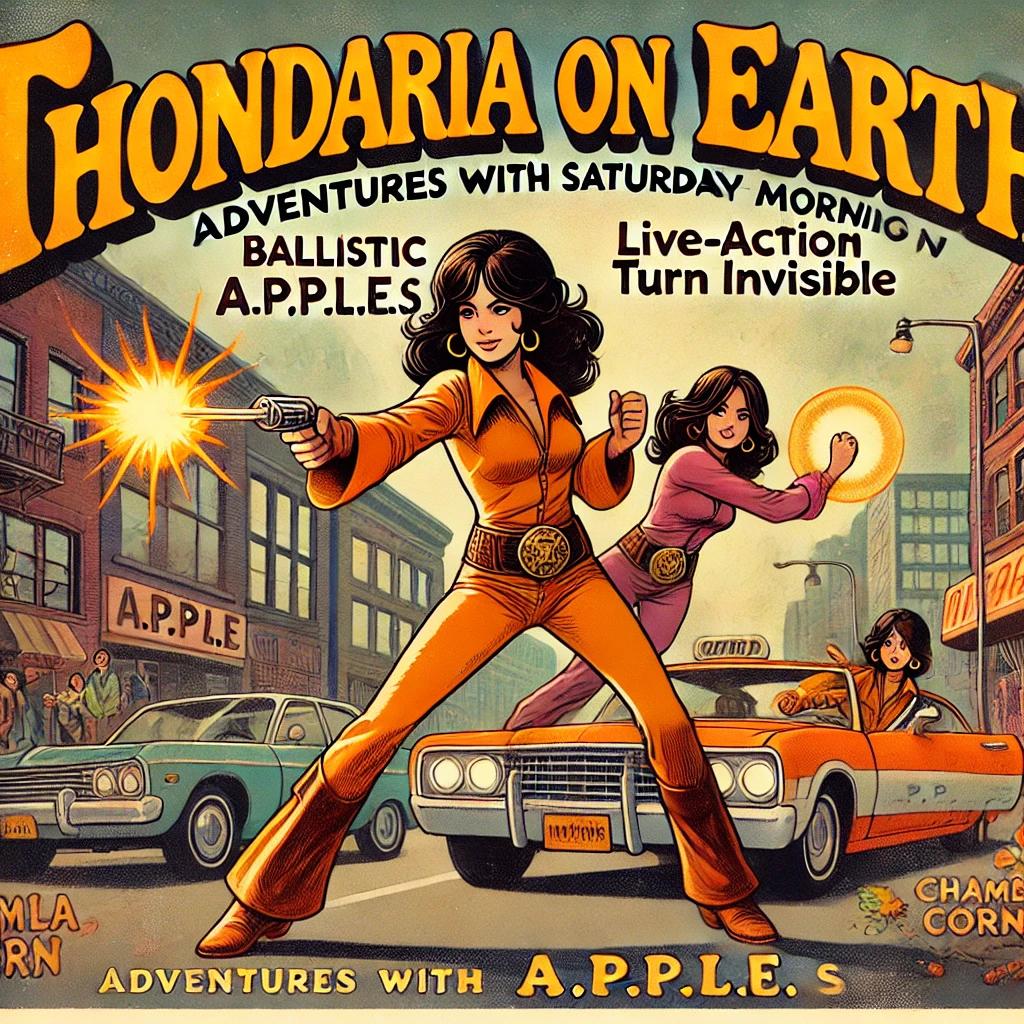
1970s Spy Action
-
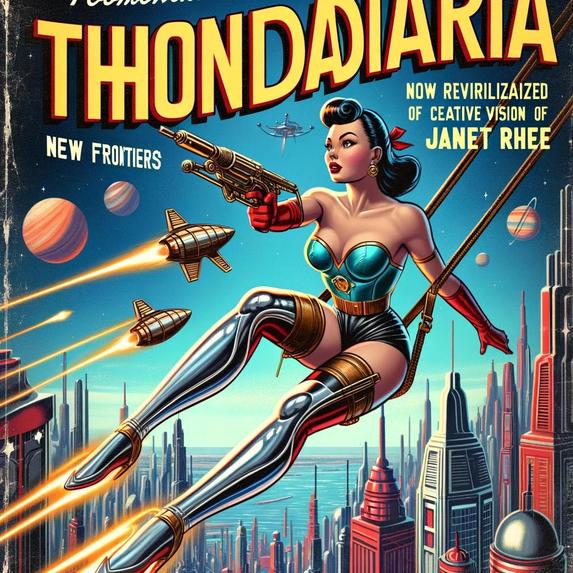
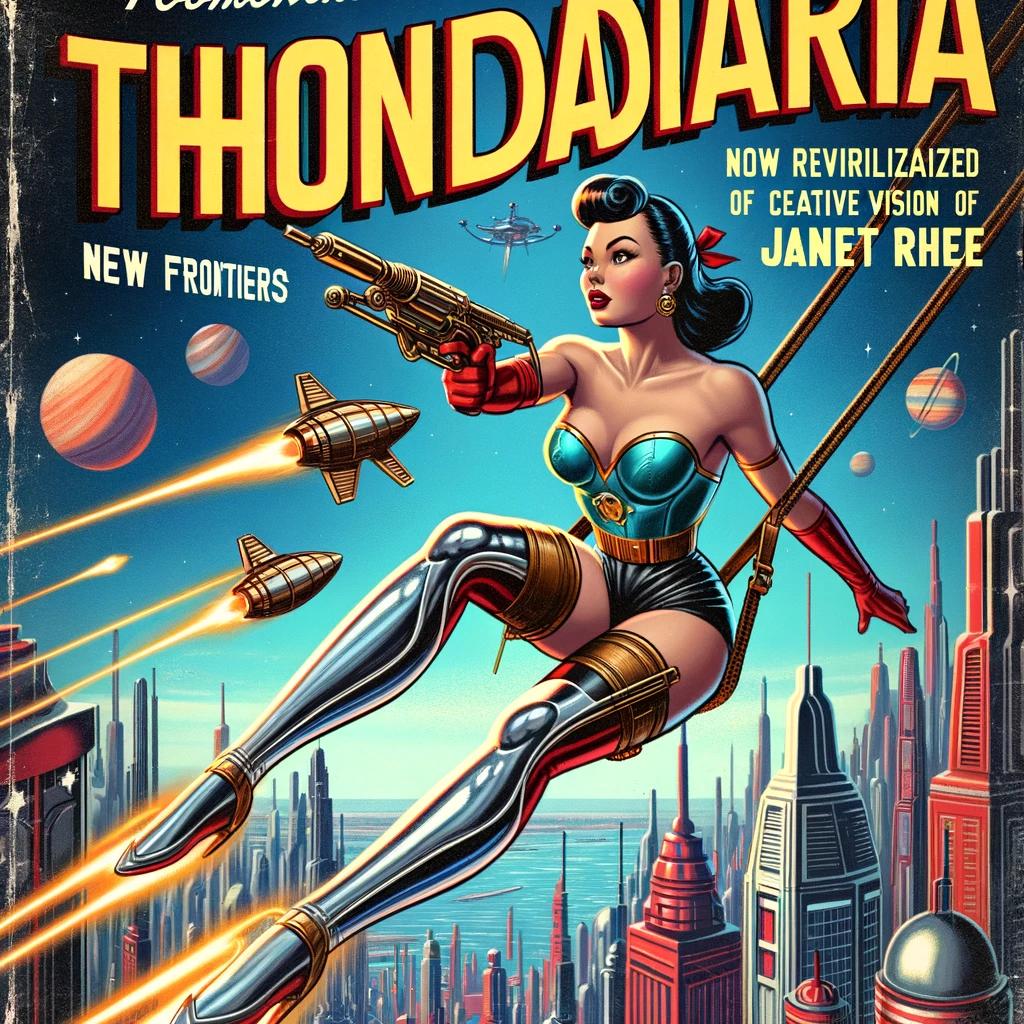
1950s Space Adventure
-
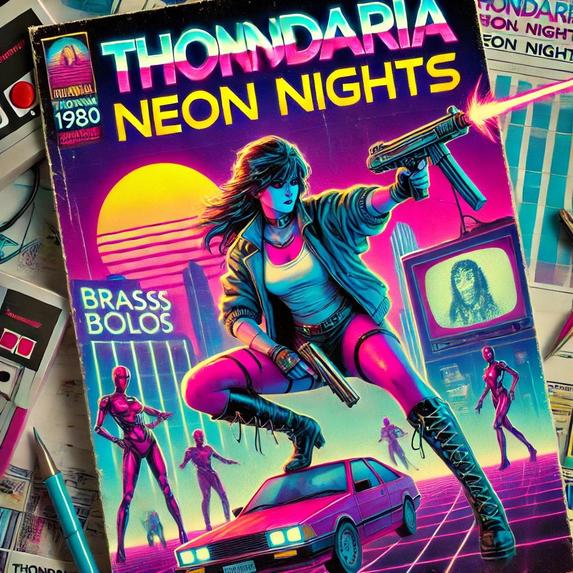
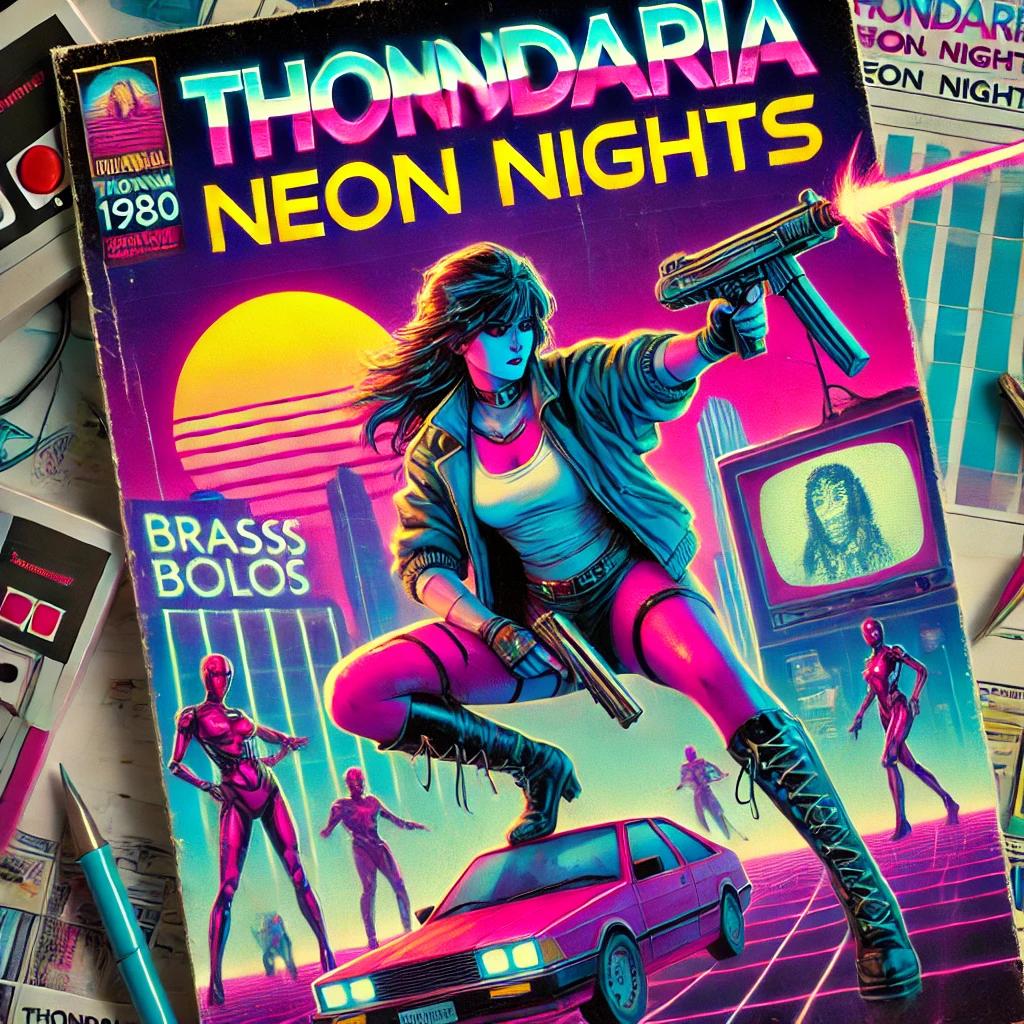
1980s Action
-
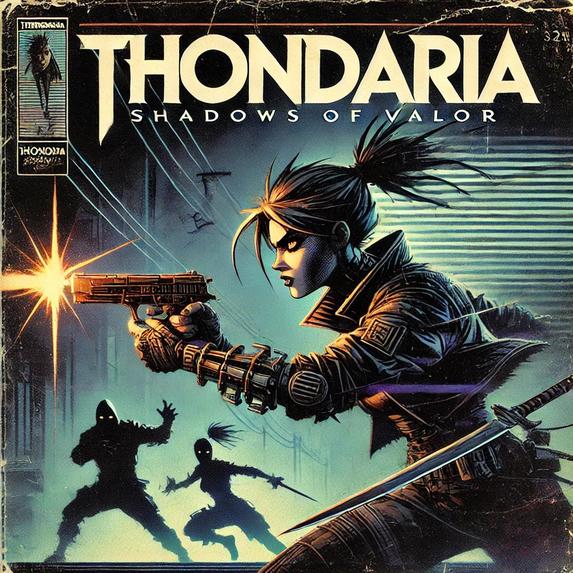
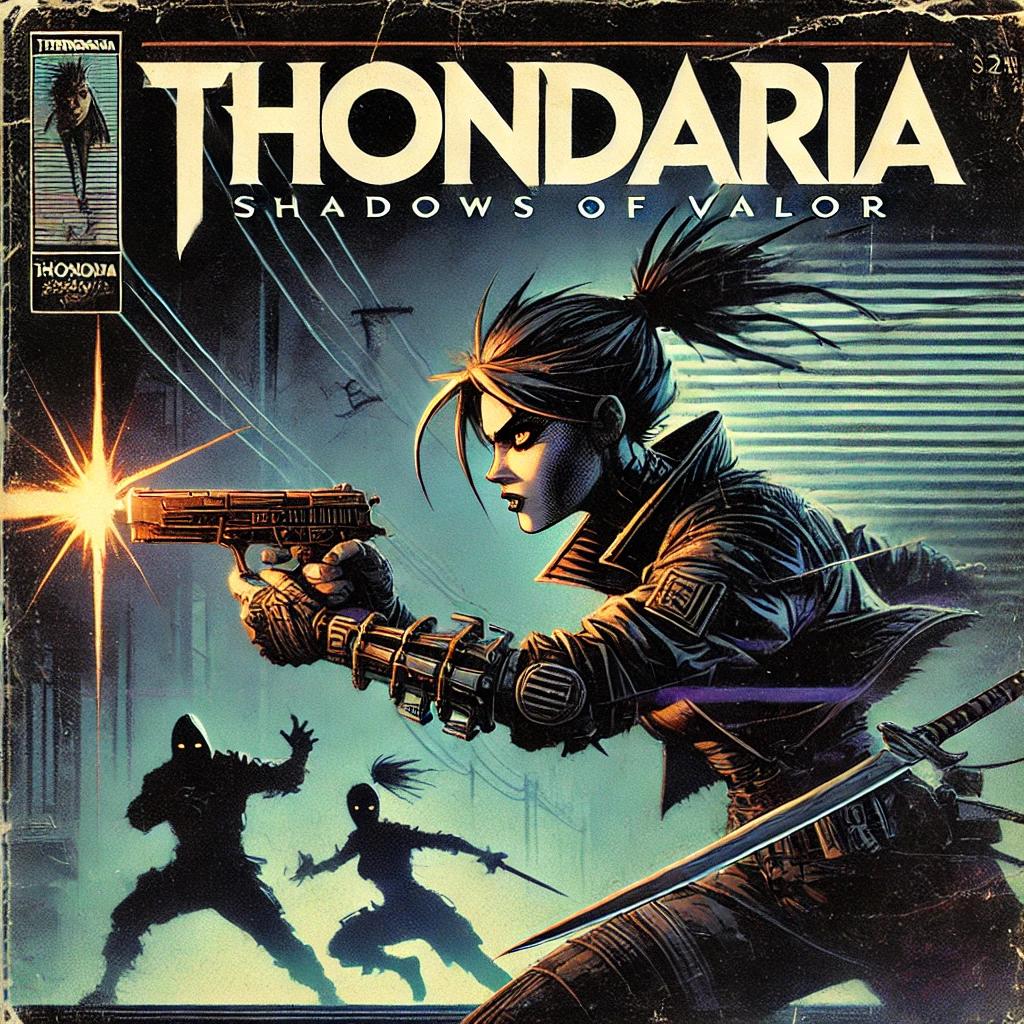
1990s Dark Myth
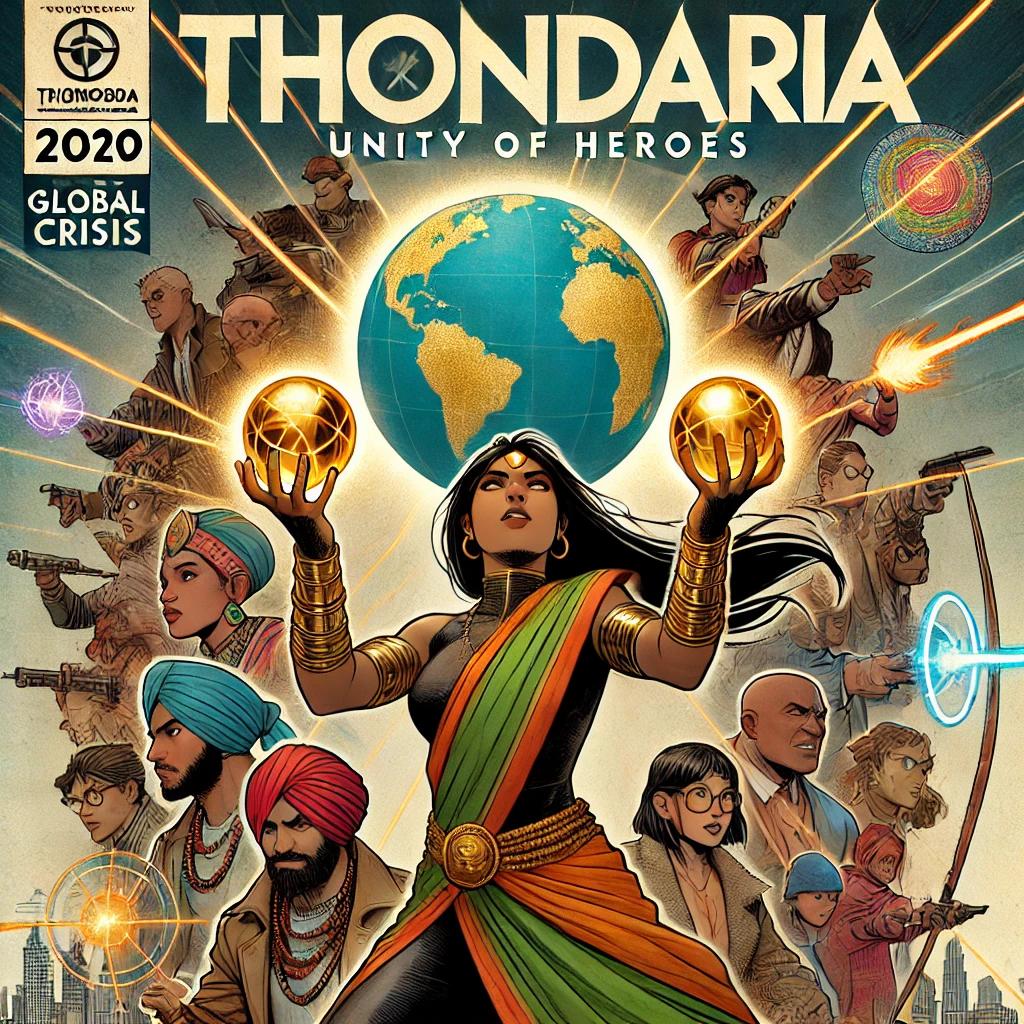
Thondaria: The Valkyrie of Brazil A Multigenerational Heroine in a Cross-Century Mythos About the Project
Thondaria began as a question: What if Brazil’s fight for abolition birthed its own legend—a warrior princess whose story echoed across centuries?
This project reimagines pulp adventure, historical fiction, and superhero mythology through the lens of Brazilian independence, global abolition, and feminine resilience. The serialized narrative—Thondaria: The Valkyrie of Brazil—connects to a broader meta-universe spanning pulp novels, 1950s television, 1970s detective comics, and 1980s Saturday-morning cartoons. Each era reinterprets Thondaria’s legend, reflecting the cultural anxieties and aesthetics of its time.
In the first novel, Daria Corrêa, a Brazilian princess sent into exile for safety, forms an alliance with Alejandro de la Vega, grandson of Zorro. What begins as a quiet study of diplomacy and legacy ignites into an epic of swordfights, abolitionist intrigue, and identity—anchored by Daria’s awakening as the mythical warrior Thondaria, wielder of the Ballistic Brass Bolos and protector of her people.
Inspiration
Thondaria’s creation was inspired by classic serial heroes—Zorro, Doc Savage, Wonder Woman—and the women in my own family whose stories were often untold but whose strength defined generations. I wanted to explore what happens when the mythology of European chivalry collides with the raw, complex beauty of Latin America in the 19th century.
Brazil’s abolition of slavery in 1888—one of the last in the world—became the moral heart of the story. Thondaria’s fight is not for vengeance or empire, but for freedom and memory.
What I Learned
Through developing Thondaria, I learned to balance historical authenticity with cinematic storytelling—weaving archival research on 1880s Brazil with the narrative rhythm of comic panels and film pacing.
I also discovered how mythology evolves across media: how a single heroine can be reborn from pulp adventure to modern animation, each version carrying the same soul but a new cultural voice.
How I Built It
Writing: Developed a serialized structure inspired by Golden Age pulp magazines—each chapter self-contained yet part of a larger arc.
Worldbuilding: Constructed a multiverse timeline linking the 1886 novel to future adaptations (1950s TV serial, 1980s cartoon, modern comics).
Art Direction: Designed era-specific cover art (1930s–2010s) using AI-assisted illustration, evoking vintage printing textures and cultural aesthetics of each decade.
Collaborative Tools: Used AI for iterative visual prototyping and narrative mapping, refining style and tone before expanding into full manuscripts.
Challenges
The greatest challenge was maintaining emotional continuity across genres and centuries. Each version of Thondaria reflects different media languages—film, comic, prose, animation—so every adaptation had to feel authentic yet part of one legacy.
Another challenge was cultural grounding: writing a story set in Brazil meant honoring its history and mythic depth without resorting to cliché. Extensive research into Afro-Brazilian folklore, European colonial politics, and indigenous traditions ensured respect and depth in representation.
Conclusion
Thondaria: The Valkyrie of Brazil is both a historical adventure and a living mythology—a story that evolves with its audience. It’s a meditation on freedom, identity, and the inheritance of courage, reminding us that heroes are not born—they are remembered.
Built With
- ai
- chatgpt
- facefusion
- hailuo
- hedra
- kling
- ltx
- luma
- midjourney
- sora
- suno
- udio
- video
- vidu
- wan


Log in or sign up for Devpost to join the conversation.